Tag: Pakistan Energy Crisis

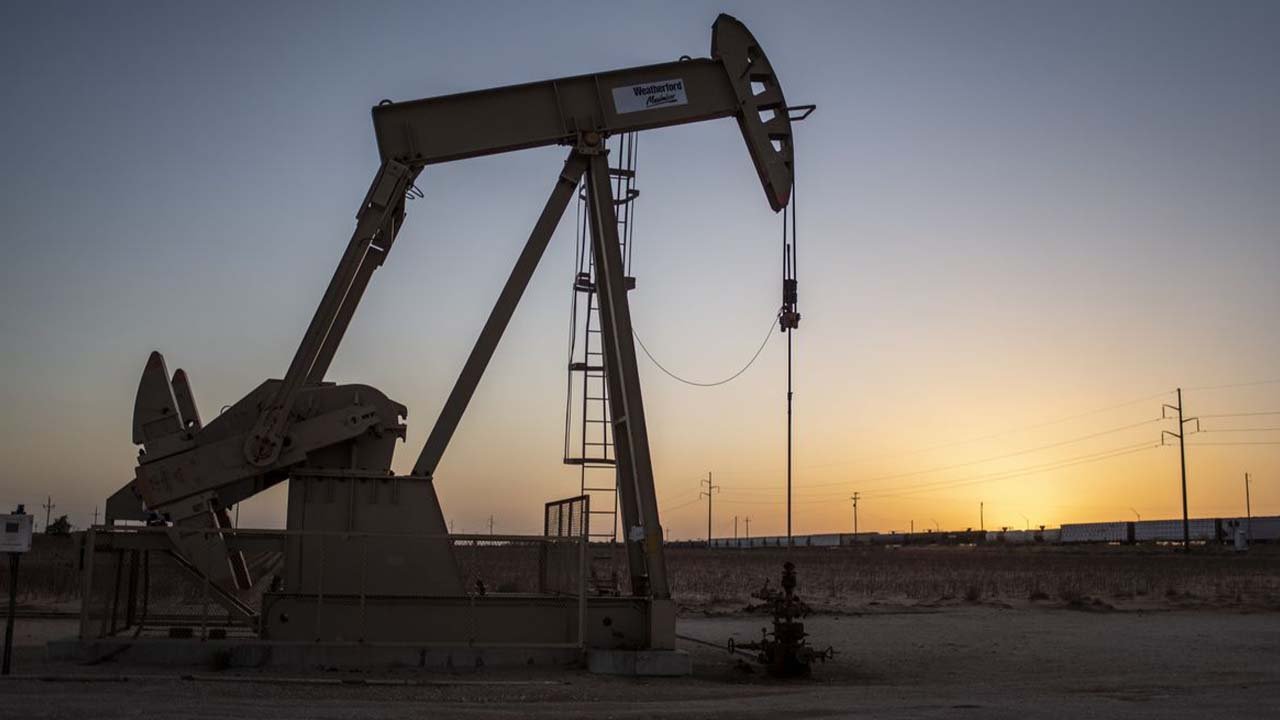
  • Pakistan to build $10 billion oil refinery to alleviate energy shortages

    Pakistan to build $10 billion oil refinery to alleviate energy shortages

    In a significant move aimed at tackling Pakistan’s persistent energy crisis, the government, in collaboration with the Special Investment Facilitation Council (SIFC), has finalised a groundbreaking agreement.

    According to the Information Ministry, this agreement entails the establishment of a state-of-the-art oil refinery valued at $10 billion within the country.

    This strategic initiative forms a crucial part of the government’s broader efforts to combat energy shortages, which have been a major impediment to national growth.

    Simultaneously, the government has embarked on ambitious petroleum sector projects aimed at exploring oil and gas reserves in coastal and marine regions of Pakistan. These ventures are expected to attract investments ranging from $5 to $6 billion, significantly enhancing the country’s energy infrastructure.

    In addition to these developments, recent strides in renewable energy infrastructure include the installation of a 150-megawatt solar power plant in Sukkur and a one-megawatt solar power facility in Hunza, established through Public Private Partnerships (PPP). These projects underscore Pakistan’s commitment to diversifying its energy mix and reducing dependency on traditional fossil fuels.

    Under the auspices of the SIFC, emphasis has been placed on prioritising hydropower, solar energy, and wind energy initiatives over coal and furnace oil, marking a pivotal shift towards sustainable energy solutions.

    This multifaceted approach not only aims to bolster Pakistan’s energy security but also aligns with global efforts towards environmental sustainability and economic resilience.

    The implementation of these initiatives is poised to catalyse significant advancements in Pakistan’s energy sector, fostering a more robust and sustainable economic future.
  • Nepra approves Rs1.46 per unit fuel charge adjustment

    Nepra approves Rs1.46 per unit fuel charge adjustment

    In the midst of widespread protests over surging electricity bills in Pakistan, the National Electric Power Regulatory Authority (Nepra) has taken a significant step.

    They have given the green light for power distribution companies to impose an additional charge of Rs1.46 per unit on consumers in the form of a fuel charge adjustment (FCA) for the month of July.

    This decision, rooted in the Regulation of Generation, Transmission, and Distribution of Electric Power Act of 1997, comes as an attempt to address financial challenges in the power sector.

    The FCA, however, excludes electric vehicle charging stations (EVCS) and lifeline consumers. This means that this adjustment will be itemised separately on consumers’ bills based on their electricity usage in July 2023. The billing for this adjustment is scheduled for September 2023.

    The background to this move involves costly imported coal inventory held by coal-based power plants, particularly the Sahiwal coal power plant, and limitations in the power transmission system. The latter includes issues such as the HVDC transmission line’s inability to efficiently transport cost-effective power from southern generators. These factors have placed a considerable financial burden on power consumers.

    This tariff increase compounds the woes of consumers, who are already grappling with record inflation, high fuel prices, and elevated electricity rates. As a result, consumers are expected to bear a cumulative burden of Rs24.76 billion in their September 2023 bills due to over 14 billion units sold in July.

    In response to public protests and growing dissatisfaction, the interim government, led by Prime Minister Anwaar-ul-Haq Kakar, has sought assistance from the International Monetary Fund (IMF) to provide immediate relief to electricity consumers.

    According to Geo News, Pakistan is under an IMF programme, making any relief or subsidy contingent upon IMF approval. Negotiations between the government and the IMF have been intense, resulting in some relief for consumers using up to 200 units, allowing them to pay electricity bills in installments.

    However, the IMF rejected the government’s plan to provide relief to those consuming up to 400 units of electricity per month, which could have benefited 32 million consumers. Instead, the IMF stressed the need to address electricity and gas theft and improve revenue collection.

    Furthermore, the IMF has proposed a 45 to 50 per cent increase in gas tariffs starting July 1, pending approval by the federal cabinet. These developments reflect a challenging situation in Pakistan’s energy sector as the government grapples with the need for reform amid rising consumer discontent.