Tag: Pakistan International Airlines

  • PIA faces flight cancellations and delays as financial crisis intensifies

    PIA faces flight cancellations and delays as financial crisis intensifies

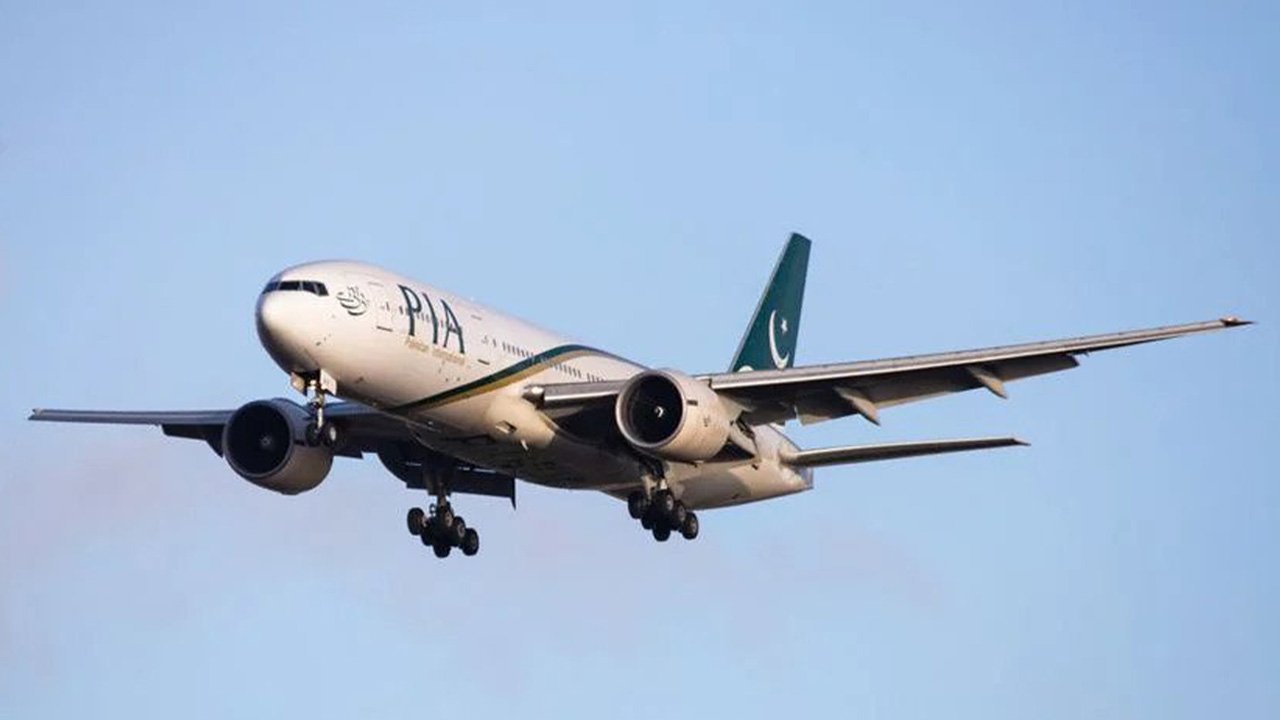
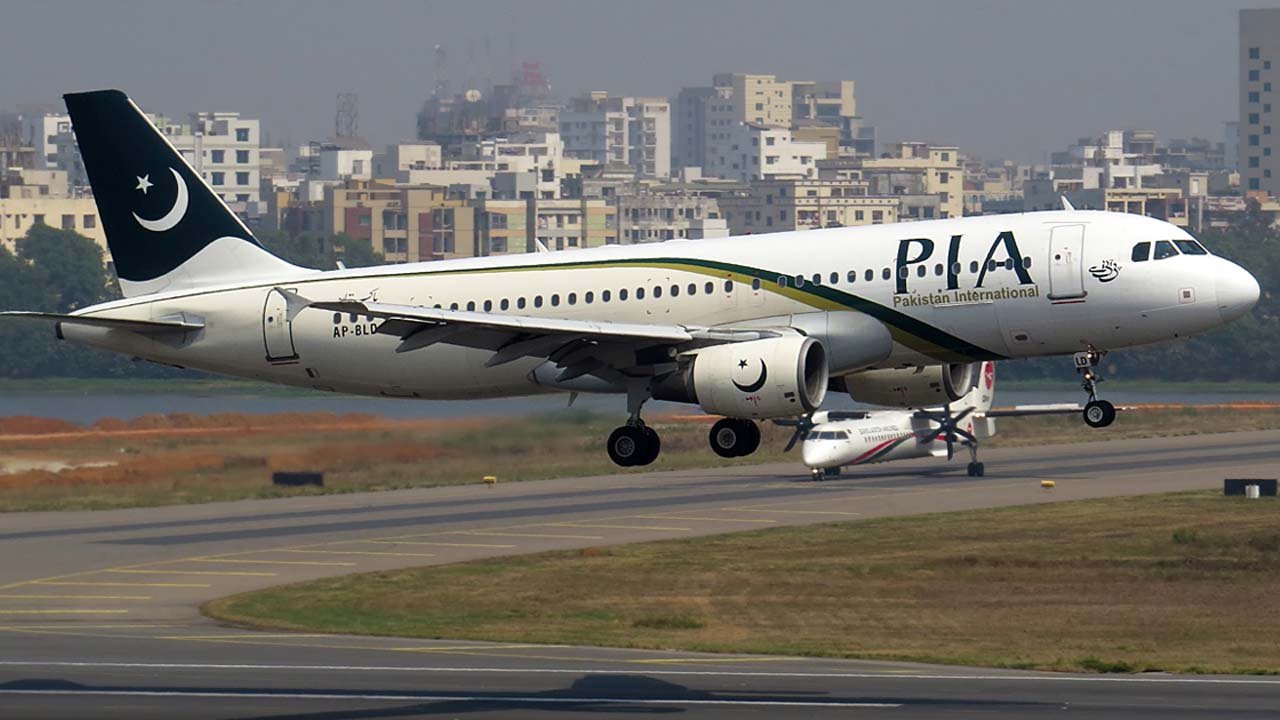
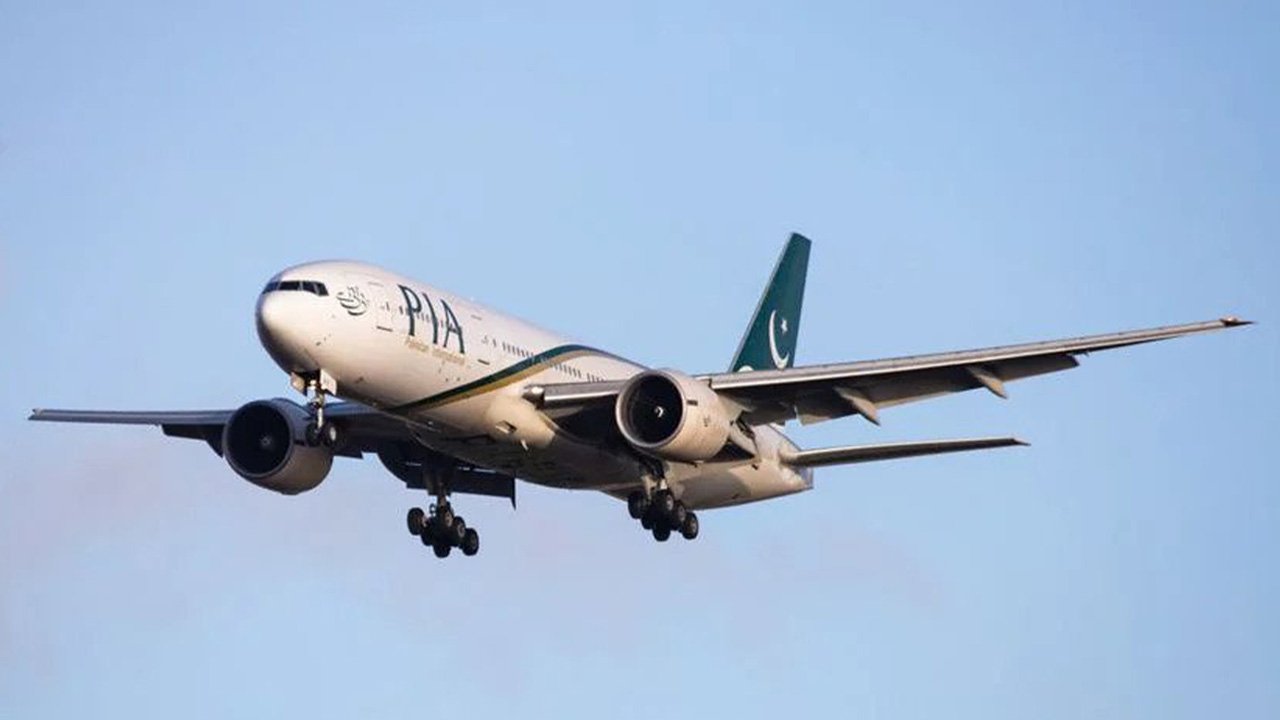
    Pakistan International Airlines (PIA), currently grappling with severe financial challenges, has been compelled to cancel multiple domestic and international flights.

    An authoritative representative of the national flag carrier conveyed to Geo News that there’s a looming risk of suspending flight operations by September 15, today, unless urgent financial support is extended.

    This predicament initially materialised on August 12, when numerous domestic flights, both departing from and arriving in Karachi, had to be abruptly canceled. This unfortunate situation was attributed to a combination of financial constraints and the inability to settle outstanding dues owed to Pakistan State Oil (PSO) for fuel supply.

    An examination of today’s schedule at Jinnah International Airport reveals a series of disruptions in PIA’s services. Notably, flights from Karachi to Bahawalpur (PK588 and PK589) and Karachi to Lahore (PK302 and PK303) have been canceled.

    Furthermore, the Karachi to Islamabad flight (PK368) faces a three-hour delay, while the Karachi to Lahore flight (PK304) encounters an extensive delay of eight and a half hours.

    Additional disruptions include the cancellation of PIA flights between Karachi and Rahim Yar Khan (PK582 and PK583), along with delays for Karachi to Multan (PK330) and Dubai (PK213), both postponed by two hours.

    Moreover, the Islamabad to Karachi flight (PK301) has been cancelled; Islamabad to Riyadh (PK753) is running three hours behind schedule; and Lahore to Karachi (PK305) faces a delay of two and a half hours.

    PIA’s financial struggles have been escalating, with the airline revealing on September 7 that it had grounded five of its 13 leased aircraft, potentially grounding an additional four due to the ongoing financial strain. 

    A plea for an urgent bailout of Rs22.9 billion was met with rejection by the Economic Coordination Committee (ECC). The ECC also declined the request to defer payments, including Rs1.3 billion per month to the Federal Board of Revenue (FBR) for Federal Excise Duty (FED) and Rs0.7 billion per month to the Civil Aviation Authority (CAA) for embarking charges.

    Adding to the airline’s woes, PIA cautioned of possible suspensions in the supply of spare parts by Boeing and Airbus come mid-September. In the previous month, the Federal Board of Revenue of Pakistan (FBR) took the drastic step of freezing 13 PIA bank accounts due to non-payment of Rs8 billion in FED.
  • PM Kakar urges rapid privatisation of PIA as flight suspensions loom

    PM Kakar urges rapid privatisation of PIA as flight suspensions loom

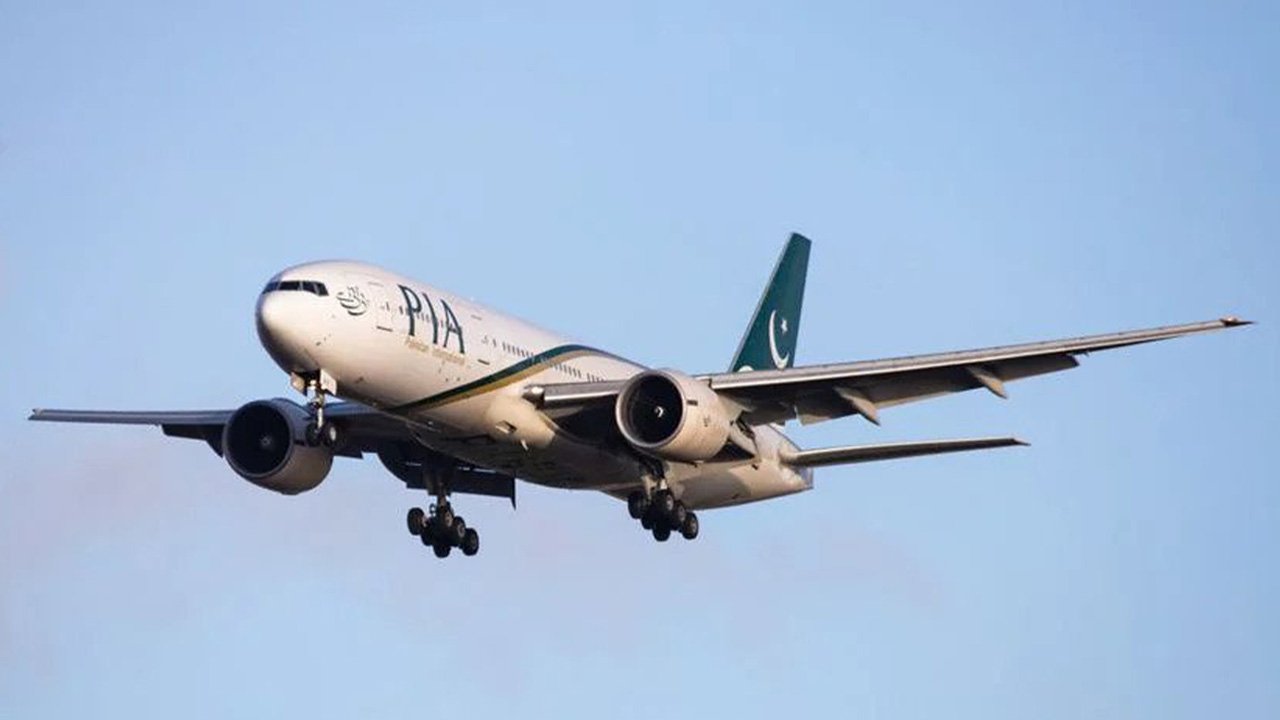
    Interim Prime Minister Anwaar-ul-Haq Kakar has issued a directive to accelerate the privatisation process of Pakistan International Airlines (PIA), which has been facing substantial financial losses. This move comes in response to reports suggesting that PIA’s flight operations could be halted by September 15 unless emergency funding is secured. 

    In a recent interview with Geo News, a senior PIA director revealed that the airline had reduced its operational fleet from 23 to just 16 aircraft, resulting in numerous flight cancellations. Additionally, major aircraft manufacturers, Boeing and Airbus, had suspended the supply of spare parts to PIA due to outstanding payments, causing daily losses amounting to millions of rupees.  

    The dire situation was further exacerbated when a PIA plane was detained at Dammam airport and four others were held at Dubai airport due to unpaid fuel bills. 

    The official cautioned that unless emergency funds amounting to Rs23 billion were secured, flight operations might come to a standstill by September 15. In response to these pressing concerns, Prime Minister Kakar chaired a meeting regarding PIA-related matters and assigned the caretaker Minister for Privatisation, Fawad Hasan Fawad, to oversee the privatisation process with the utmost urgency.  

    The prime minister stressed the need for a swift privatisation process to ensure reliable services for users and to bring PIA’s standards in line with global aviation standards. 

    Furthermore, the prime minister urged all relevant stakeholders to collaborate in finding immediate solutions to the challenges associated with privatization. The meeting also included a briefing on the progress of the privatisation process at PIA. 

    Read more: Islamabad Police launches campaign to catch students bunking school and college 

    According to Geo, PIA has been grappling with severe financial difficulties, including the grounding of five out of its 13 leased aircraft, with the possibility of grounding four more due to ongoing financial constraints. The airline had previously requested an emergency bailout of Rs22.9 billion, which was rejected by the Economic Coordination Committee (ECC).  

    Additionally, requests for deferring payments of Rs1.3 billion per month to the Federal Board of Revenue (FBR) and Rs0.7 billion per month to the Civil Aviation Authority (CAA) were also denied by the ECC.  

    Moreover, PIA had warned of potential disruptions in the supply of spare parts by Boeing and Airbus by mid-September. In a further blow, the FBR froze 13 of PIA’s bank accounts due to unpaid dues totaling Rs8 billion in Federal Excise Duty (FED). 

  • From ‘great people to fly with’ to ‘great debt to deal with’: PIA expected to ground several aircraft

    From ‘great people to fly with’ to ‘great debt to deal with’: PIA expected to ground several aircraft

    Pakistan International Airlines (PIA) is facing a critical financial crisis, prompting the grounding of several aircraft due to difficulties in securing funds. This crisis has resulted in arrears with various stakeholders, including creditors, aircraft lessors, fuel suppliers, insurers, and airport operators. Boeing and Airbus are also on the verge of discontinuing spare parts supply by mid-September.

    The Ministry of Aviation has urgently requested a cash injection of Rs23 billion and the suspension of duties, taxes, and service charges, although no concrete business plan has been presented. The restructuring of PIA is expected to be a complex eight-month process, and the airline must remain operational during this period for divestment to yield a fair value.

    Regrettably, PIA serves only a small fraction of Pakistan’s population while consuming significant public funds. The government, holding a 92 per cent share in PIA, faces mounting losses attributed to competition, mismanagement, and inadequate funding for fleet expansion.

    As of December 31, 2022, PIA’s debt and liabilities stood at Rs743 billion, five times more than its assets’ total value. The airline’s annual losses reached Rs86.5 billion for the last financial year, with projections indicating debt and losses could further rise.

    According to Dawn, previous attempts to make PIA sustainable through cost-cutting and fleet expansion have failed. Alternately, efforts focused on financial, legal, and operational restructuring to attract private investment have been explored but not implemented.

    In June 2023, a decision was made to restructure PIA based on the Dubai Islamic Bank Consortium Report. This involves creating a new holding company to retain legacy loans and non-aviation assets while keeping PIACL subsidiaries intact. Recent legal restrictions hindering private investment have been lifted.

    However, the restructuring plan is pending government approval. The Aviation Division has requested Rs23 billion in funds and relief from various financial obligations. A separate panel has been formed to assess the restructuring plan, with support from the finance ministry and the State Bank of Pakistan expected once the plan is fully finalised.

  • PIA’s controversial decision: UK staff appointments on high salaries amid financial crisis

    PIA’s controversial decision: UK staff appointments on high salaries amid financial crisis

    In a recent development, Pakistan International Airlines (PIA) has come under scrutiny for making new staff appointments in the United Kingdom (UK) despite grappling with a severe financial crisis and a three-year ban on direct flights to the United Kingdom (UK).

    According to ARY News, the national flag carrier, PIA, has faced mounting challenges in recent years, with the ban on direct flights to the UK being a significant blow to its operations. Despite these challenges, the airline has proceeded to appoint officers and staff members with substantial salaries.

    Notably, the PIA country manager has been appointed with an annual salary of £70,000, while the passenger sales manager and finance manager will each receive £55,000 annually. Furthermore, a manager has been assigned to the Manchester station with a yearly compensation package of £55,000, coupled with other perks.

    Responding to these appointments and the ongoing financial crisis, a PIA spokesperson explained that the airline has continued its flight operations in the UK by collaborating through code-sharing agreements with Turkish Airlines, which generates an annual revenue of £14 million. The spokesperson emphasised that a mere 1.8% of these earnings are allocated to PIA staff in the UK.

    The PIA spokesperson also expressed optimism about the resumption of direct flight operations between Pakistan and the UK, citing this as a reason for the recent appointments of the country manager and sales manager.

    However, the controversy surrounding PIA deepened when the Federal Board of Revenue (FBR) froze the airline’s bank accounts due to non-payment of more than Rs8 billion in taxes. A total of 26 bank accounts belonging to the national carrier have been locked by the FBR.

    The FBR revealed that PIA had pledged to settle Rs2 billion in dues under Federal Excise Duty in August, but it failed to honour this commitment, leading to the account freeze.

    Despite this financial setback, the PIA spokesperson reassured the public that the closure of bank accounts would not disrupt Pakistan International Airlines’ flight operations. The airline remains committed to maintaining its services in the UK while navigating this challenging period.

    As the situation unfolds, stakeholders and industry observers continue to monitor PIA’s financial stability and the progress towards the resumption of direct flights between Pakistan and the UK.

  • PIA’s privatisation plan gets nod from Cabinet Committee

    PIA’s privatisation plan gets nod from Cabinet Committee

    In a significant development aimed at reviving the fortunes of Pakistan International Airlines (PIA), the Cabinet Committee on Privatisation (CCoP) has given its unanimous approval for the privatisation of the national carrier. The decision was reached during a recent session of the Cabinet Committee on Privatisation, chaired by Finance Minister Senator Ishaq Dar.

    The meeting deliberated on a proposal presented by the Privatisation Commission, advocating for the inclusion of Pakistan International Airlines Co. Ltd. (PIACL) in the ongoing privatisation programme. After thorough consideration and following a crucial amendment in the parliamentary law, the CCoP decided to formally incorporate Pakistan International Airlines Co. Ltd. (PIA) into the list of active privatisation projects.

    A significant aspect of the meeting’s agenda was the Privatisation Division’s detailed presentation on the progress of the Roosevelt Hotel’s privatisation. The Cabinet Committee on Privatisation engaged in an extensive discussion and subsequently granted its consent to the Privatisation Commission’s plan to appoint a Financial Adviser. This Financial Adviser will play a pivotal role in structuring and facilitating transactions related to the Roosevelt Hotel in New York, an asset owned by PIA Investment Limited (PIA-IL).

    Highlighting the urgent need for corrective action, Aviation Minister Khawaja Saad Rafique had previously issued a stark warning regarding PIA’s financial trajectory. If immediate measures were not undertaken, the airline could potentially incur staggering losses amounting to Rs259 billion by the year 2030. Minister Rafique stressed that the transfer of administrative control to the private sector, along with the injection of Foreign Direct Investment (FDI), was essential to mitigate these looming financial challenges.

    In pursuit of this objective, Minister Rafique tabled “The Pakistan International Airlines Corporation (Conversion) (Amendment) Bill, 2023” before the Senate. The proposed amendment to Section 3 of the bill seeks to redefine the ownership and privileges of the company’s shareholders. Additionally, the bill empowers the Federal Government to issue fresh shares or cancel existing ones, further facilitating the necessary structural changes.

    Despite the bold vision presented by Minister Rafique, the bill encountered resistance within the Senate. While emphasising the potential benefits of FDI and private sector involvement, the bill’s proponents faced opposition from certain Senators. In light of these differing perspectives, the Senate Chairman has referred the matter to the relevant standing committee for further deliberation.

    As Pakistan International Airlines embarks on this transformative journey towards privatisation, the nation awaits the outcome of these critical discussions, cognizant of the substantial implications for both the airline industry and the country’s economic landscape.

  • Pakistan International Airlines faces potential Rs259 billion loss by 2030

    Pakistan International Airlines faces potential Rs259 billion loss by 2030

    Pakistan’s Aviation Minister, Khawaja Saad Rafique, delivered a grave warning on Friday about the precarious financial state of Pakistan International Airlines (PIA). He highlighted that without swift corrective action, the airline could incur staggering losses of up to Rs259 billion by 2030. To salvage the national carrier from its mounting debts, Minister Rafique urgently called for essential measures, including the transfer of administrative control to the private sector.

    Minister Rafique’s concerns were voiced during his address on the Senate floor, where he presented “The Pakistan International Airlines Corporation (Conversion) (Amendment) Bill, 2023.” He stressed the critical need for foreign direct investment (FDI) and the involvement of private entities to ensure the long-term sustainability of PIA, which currently grapples with an overwhelming debt burden of Rs742 billion.

    However, the proposal faced strong opposition from several senators during the proceedings. As a result, the Senate chairman referred the matter to the relevant standing committee for further evaluation, acknowledging the significance of FDI and private sector participation in transforming PIA into a profitable entity.

    The deliberations also witnessed PTI lawmakers raising concerns about the quorum, prompting a fifteen-minute bell ringing to meet the attendance requirement. Once the quorum was restored, House proceedings resumed to discuss the fate of PIA.

    The key provision of the bill proposes an amendment to Section 3, which specifies that the company’s shareholders would retain the same number of fully paid shares while preserving their existing rights and privileges. Additionally, the federal government could, through an official gazette notification, issue fresh shares or cancel existing ones as needed during the validity period.

    The destiny of Pakistan International Airlines now lies in the hands of the standing committee, tasked with thoroughly scrutinising the bill and its proposed amendments. The committee’s decision will significantly impact the future of the struggling airline and determine whether privatisation and foreign investment can pave the way for PIA’s financial recovery.

  • FBR freezes PIA’s bank accounts for not paying Rs2.8 billion in taxes

    FBR freezes PIA’s bank accounts for not paying Rs2.8 billion in taxes

    Pakistan International Airlines (PIA), the national flag carrier, has found itself embroiled in a tax dispute as the Federal Board of Revenue (FBR) took the drastic step of freezing the airline’s bank accounts. This move comes at a critical time when the government has shifted the burden of revenue generation onto the general public, leading to growing concerns about the fairness of the taxation system.

    According to the FBR, PIA owes approximately Rs2.8 billion in taxes. However, the airline disputes this figure, claiming that the amount owed stands around Rs1.3 billion. A PIA spokesperson confirmed the ongoing communication between the airline’s management and the FBR, expressing hope that the bank accounts would be unblocked in the near future.

    Despite the harsh measure taken by the FBR, the PIA spokesperson reassured the public that the airline’s flight operations and other activities were continuing to function smoothly.

    The situation with PIA not paying taxes raises questions about the government’s tax collection policies. A recent report from the Finance Division revealed that government expenditure was on the rise in FY23, largely due to increased revenue collection through non-tax measures and indirect taxes. This indicates a failure to effectively broaden the tax base and implement direct taxation for various sectors.

    Critics argue that the government’s approach seems to focus on imposing indirect taxes on the masses, while offering some protection to the wealthier classes, even amid the current financial crunch. The freezing of PIA’s bank accounts further reinforces this perception, leaving the public questioning the fairness of the taxation system.

    Meanwhile, the report also highlighted that the government’s interest rate hikes policy is facing opposition, particularly from the business community. The State Bank of Pakistan has been unwilling to reverse the rate hikes, despite continuous protests and grave consequences faced by the public.

    As the PIA tax dispute continues, the government is under pressure to address the broader issues surrounding taxation and revenue generation to create a more equitable and sustainable financial framework.

  • PIA’s Boeing 777 seized once again in Malaysia due to unpaid lease dues

    PIA’s Boeing 777 seized once again in Malaysia due to unpaid lease dues

    Pakistan International Airlines (PIA) faced another setback as one of its Boeing 777 aircraft was once again seized at the Kuala Lumpur International Airport over an ongoing lease dispute. The incident marks the second time this specific aircraft has been halted in Malaysia due to payment issues.

    The aircraft, bearing the registration number BMH, was acquired by PIA on lease from Malaysia. However, the lease dispute resurfaced, and the airline was unable to settle outstanding dues amounting to $4 million. Subsequently, a local court ordered the seizure of the PIA plane upon receiving the company’s request.

    According to ARY News, this is not the first instance in which the national carrier of Pakistan has encountered such a predicament in Malaysia. In 2021, the same Boeing 777 was seized by authorities at the Kuala Lumpur airport due to non-payment of dues. The situation was resolved after diplomatic assurances were given, leading to the release of the aircraft.

    Following the recent seizure, the PIA plane was eventually released and safely returned to Pakistan on January 27, accompanied by 173 passengers and crew members. However, the lease dispute appears to have persisted, resulting in the aircraft being seized once again in Malaysia.

    The ongoing lease dispute poses significant challenges for Pakistan International Airlines, as it impacts their operations and raises concerns about the financial stability of the airline. PIA authorities have yet to comment on the recent seizure and the steps they plan to take to resolve the dispute.

    The incident highlights the importance of maintaining robust lease agreements and ensuring timely payment of dues to avoid disruptions in international aviation operations. Both PIA and Malaysia will likely engage in further negotiations to find a resolution to the long-standing lease dispute and prevent any future incidents that could tarnish the airline’s reputation.

    As of now, travelers and stakeholders eagerly await updates from Pakistan International Airlines regarding the situation and hope for a swift resolution to the lease dispute, allowing the airline to resume its operations smoothly.

  • Saad Rafique directs PIA to install mobile charging points in aircraft

    Federal Aviation Minister Khawaja Saad Rafique on Saturday directed Pakistan International Airlines (PIA) to install charging stations for electronic devices in their aircraft.

    The minister also instructed the national flag carrier to make seats more comfortable for the passengers. In addition, it was advised to install a flight entertainment system in the aircraft.

    Officials were directed to review its current branding as well.

    “Special arrangements should be made for cleaning the washrooms,” he added.

    The directions were issued after a meeting headed by Saad Rafique, which was attended by officials from the Pakistan Civil Aviation Authority (PCAA), the Airport Security Force (ASF), and the PIA.

    The aviation minister hopes that the upgrades will boost customer service standards.

  • PIA resumes direct flights from Islamabad to Beijing after 2.5 years

    PIA resumes direct flights from Islamabad to Beijing after 2.5 years

    The direct flights from Beijing to Islamabad were restarted by Pakistan International Airlines (PIA) on Sunday.

    According to ARY News, the first flight, PK-854, departed from the Islamabad airport at 6:45 am and touched down in Beijing at 2:55 pm. In the evening, this flight will make its way back to Islamabad.

    Following a lapse of more than 2.5 years, operations between the two capitals were restarted. In February 2020, this route saw the final PIA flight.

    China banned practically all incoming foreign flights in March 2020 due to concerns that passengers from other countries could be responsible for an outbreak of coronavirus illnesses.

    Since Pakistan is Beijing’s sole all-weather strategic partner of China and the two nations have mutual interests and collaboration in a number of areas, the Civil Aviation Administration of China (CAAC) has finally granted PIA permission to resume operations.

    Additionally, the flight will make it easier for Chinese workers on several CPEC-related projects in Pakistan.