Tag: Pakistan People's Party

  • Zulfiqar Ali Bhutto was not given a fair trial: Supreme Court

    Zulfiqar Ali Bhutto was not given a fair trial: Supreme Court

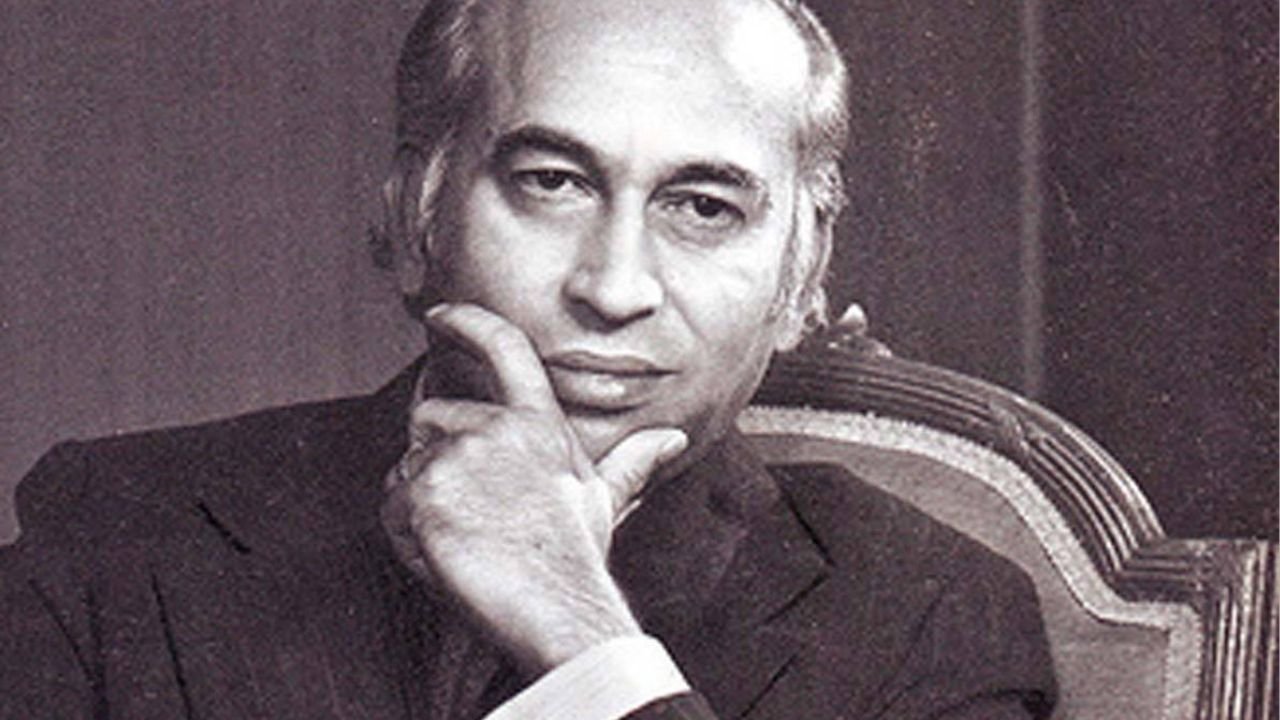
    A nine-member bench of the Supreme Court has reserved its verdict on the murder trial of PPP founder and former Prime Minister Zulfiqar Ali Bhutto.

    The Chief Justice of Pakistan, Qazi Faez Isa, has said on Wednesday, “The proceedings of the Lahore High Court and of the appeal by the Supreme Court of Pakistan don’t meet the requirement of the fundamental right to fair trial and due process enshrined in the articles 4 and 9 of the constitution.”

    “This court can’t reappraise the evidence and undo the decision of the case. However, in a detailed reason, we shall identify the major Constitutional and legal lapses that occurred with regard to fair trial and due process.”

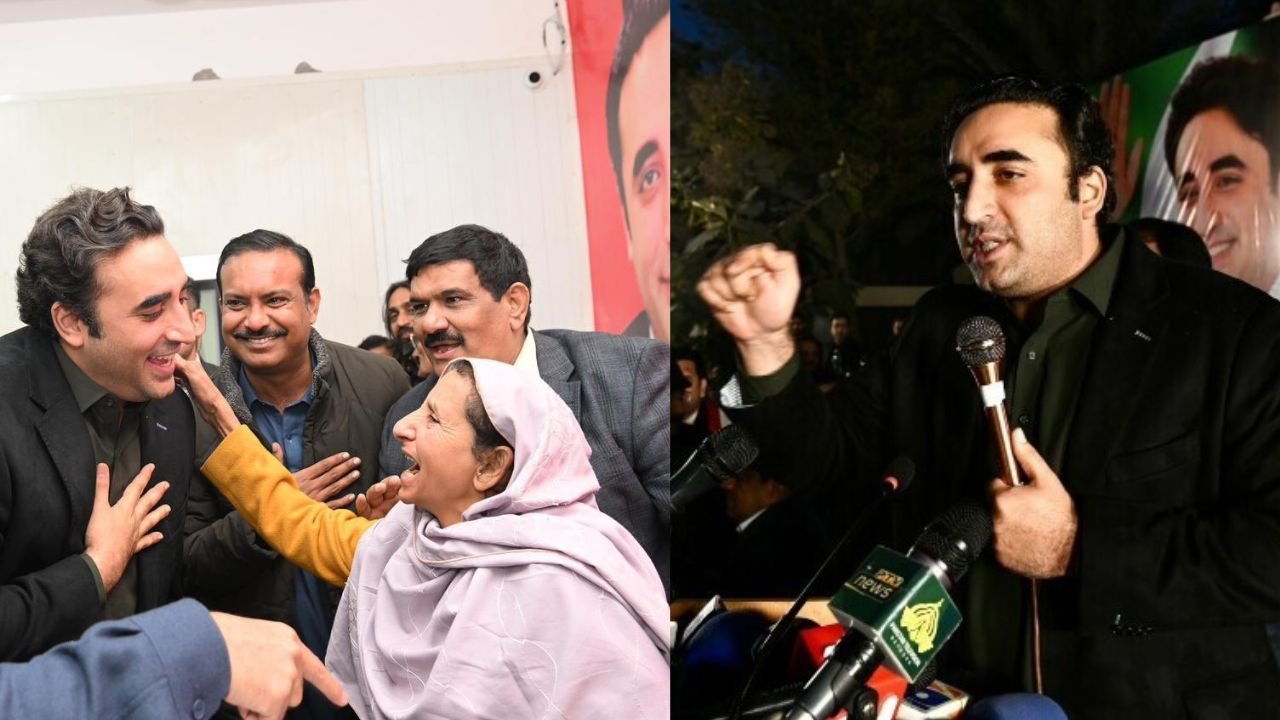
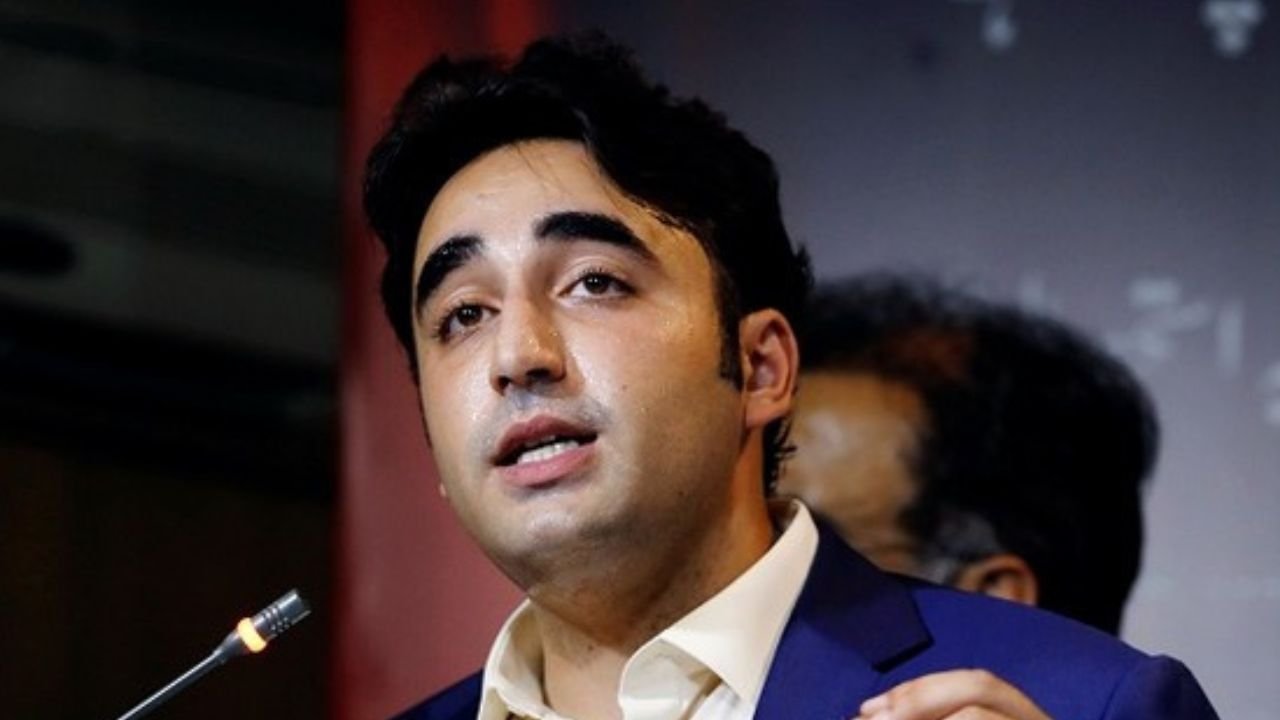
    Talking to media outside the court, Bhutto’s grandson, PPP Chairman Bilawal Bhutto Zardari said that the court has acknowledged that his grandfather was not given a fair trial.

    What is the Zulfiqar Ali Bhutto case?

    Zulfiqar Ali Bhutto, the leader who saw his elected government toppled by General Zia-ul-Haq in 1977, faced a controversial trial resulting in his execution.
    Former president Asif Ali Zardari brought back the long-dormant presidential reference on the death sentence of the late Prime Minister Zulfikar Ali Bhutto.

    The reference, filed in 2011 under Article 186 of the Constitution of Pakistan, resurfaced as a 9-member Supreme Court bench, led by Chief Justice Qazi Faez Isa, took up the case on December 12.

    The reference is based on the assertion by former Supreme Court Chief Justice Naseem Hasan Shah that the trial bench was influenced by the Zia-ul-Haq government.

    It also questions the constitutionality of conducting the murder case in the Lahore High Court instead of the Sessions Court.

    Article 186 and the President’s right

    Article 186 of the National Constitution empowers the President to seek the Supreme Court’s opinion on matters of public importance.

    The current hearing revolves around five crucial questions posed by Asif Zardari, aiming to address issues related to human rights, judicial precedent, fairness of the death sentence, adherence to Quranic orders, and the sufficiency of evidence.
    Questions from presidential reference

    Asif Ali Zardari’s reference poses pivotal questions, challenging the legality and fairness of Bhutto’s trial:

    1. Were Bhutto’s human rights, as enshrined in the constitution, respected during the trial?
    2. Will the Supreme Court’s decision set a precedent for all high courts, as per Article 189?
    3. Was the death sentence impartial and free from bias?
    4. Does the death penalty align with Quranic principles?
    5. Was the evidence and testimony presented during the trial sufficient for conviction?

    What was the case?

    Bhutto, who served as President of Pakistan from 1971 to 1973 and later as Prime Minister until 1977, was at the center of a storm of controversy that ultimately cost him his life.

    The narrative begins with the fall of Dhaka in December 1971, which marked a significant turning point in Pakistan’s history. Following this, Bhutto rose to power, first as President and later as Prime Minister under the newly established 1973 Constitution.

    However, his reign was short-lived as General Zia-ul-Haq seized control through a martial law imposition on July 5, 1977.

    Bhutto’s troubles escalated when he was arrested on September 3, 1977, in connection with the murder of political opponent Nawab Muhammad Ahmad Khan Kasuri in March 1974.

    Despite being released just ten days later due to “contradictory and incomplete” charges, Bhutto found himself back behind bars, this time under martial law. His trial commenced on October 24, 1977, with allegations of conspiracy to murder hanging over his head.

    Masood Mahmood, the Director General of the Federal Investigation Agency, testified against Bhutto, claiming he had ordered Kasuri’s assassination.

    The trial was marred by interruptions and allegations of bias, culminating in Bhutto’s conviction for murder on March 18, 1978. Despite appeals and pleas for clemency, Bhutto’s fate was sealed when the Supreme Court upheld the verdict on February 6, 1979.

    The final blow came on March 24, 1979, when the Supreme Court dismissed Bhutto’s appeal, clearing the way for his execution. Bhutto’s appeal in the Supreme Court in front of a seven-member bench was dismissed with a 4-3 verdict against him in February 1979.

    General Zia-ul-Haq, who had been calling Bhutto a murderer throughout the trial, ordered his hanging on April 4, 1979, sparking widespread condemnation and accusations of judicial misconduct.

  • PML-N will emerge as the biggest party in election, government survey

    PML-N will emerge as the biggest party in election, government survey

    A review report of a government organization has revealed that in the general elections to be held on February 8, Pakistan Muslim League-Nawaz (PML-N) will emerge as the largest party, followed by the Pakistan Peoples Party (PPP). The third in line is Pakistan Tehreek-e-Insaf (PTI) while other parties will follow.

    Geo’s Umar Cheema reported an official who spoke to The News on the condition of anonymity and said that the government body came up with the analysis based on information gathered through interviews with police sources, revenue department, labor unions and professionals in various sectors.

    He explained that the review has been carried out at the police station and union council level. The survey has been done scientifically to remove the possibility of wrong estimates, although the popularity rate of PML-N has been lower in the surveys conducted so far. An optimistic estimate has been made as the party has recorded an increase in popularity since the return of Nawaz Sharif, but no one has so far given an estimate of how many seats the party can win.

    International media has also presented Nawaz Sharif as the future prime minister, but whether he will be able to get a simple majority or not is not clear. According to this official assessment, the PML-N will bag between 115 and 132 seats in the National Assembly.

    The inclusion of reserved seats for women and minorities would mean that the party would have a chance to form a government alone with a simple majority. It can get close seats, which means PML-N can get a complete majority in the provincial assembly.

    PML-N can make a clean sweep in Punjab except for a few districts, says the survey.

    According to the estimate, PML-N will form a government with a possible two-thirds majority in Punjab, PML-N will succeed in forming coalition governments in Khyber Pakhtunkhwa and Balochistan, while the PPP has the possibility of forming a government only in Sindh.

    The review report says that PPP can get 35 to 40 seats at the center while the independent candidates of PTI can get between 23 to 29 seats. MQM may get 12 to 14 seats, JUI six to eight seats, Q-League and Satwat Pakistan Party are expected to get two to three seats in the National Assembly.

  • Man killed in MQM-PPP workers clash in Karachi

    Man killed in MQM-PPP workers clash in Karachi

    In an unfortunate turn of events, one person was killed and another injured in a clash between the workers of Pakistan Peoples Party (PPP) and Muttahida Qaumi Movement-Pakistan (MQM-P) in Karachi’s Nazimabad area, MQM-P has claimed.

    The incident took place in the Nazimabad No 2 area late Sunday as political parties are busy campaigning, holding public gatherings and corner meetings to mobilise their supporters ahead of the February 8 elections, according to police, Geo has reported.

    Police said clashes erupted between the workers of the two political parties and unidentified persons also lit two vehicles on fire during the violence.
    They said the deceased person was identified as 48-year-old Faraz.

    A video of the incident also emerged online wherein the political activists can be seen hurling chairs at each other.

    Abbasi Shaheed Hospital administration said the deceased man was brought to the hospital already dead and added that he died of a bullet in his head.
    MQM-Pakistan Rabita Committee member Taha Siddiqui claimed that PPP workers opened fire at their office which resulted in the death of UC-incharge.
    “The Peoples Party [PPP] cannot occupy the city through terrorism,” he alleged while speaking to the media outside the hospital.

    In a statement issued following the incident, a MQM-Pakistan spokesperson claimed that PPP workers tried to remove their party’s flag which led to the fight between the workers of the two parties. However, the spokesperson said the dispute between them was settled after some time.

    PPP workers returned after two hours with armed guards and resorted to firing which left their worker dead, the statement added.

    The MQM-P said a first information report (FIR) of the incident will be lodged following the funeral prayer of the deceased worker.

    Addressing a press conference, MQM-P senior leader Mustafa Kamal claimed that the PPP workers carrying Kalashnikovs opened fire at their members following an altercation over flag removal. He claimed that MQM-P workers were unarmed and did not “even throw stones” at them in retaliation.
    Moreover, he accused PPP leader Asim Hussain of orchestrating the attack on the MQM-P workers. “I am warning for the last time that I will not let my workers even suffer a single scratch,” the MQM-P leader added.

    Election campaigns in the past have witnessed episodes of violence, with scores of candidates and voters targeted by bombings and gun attacks.

  • Why are electoral symbols important, and how does ECP allot them to candidates?

    Why are electoral symbols important, and how does ECP allot them to candidates?

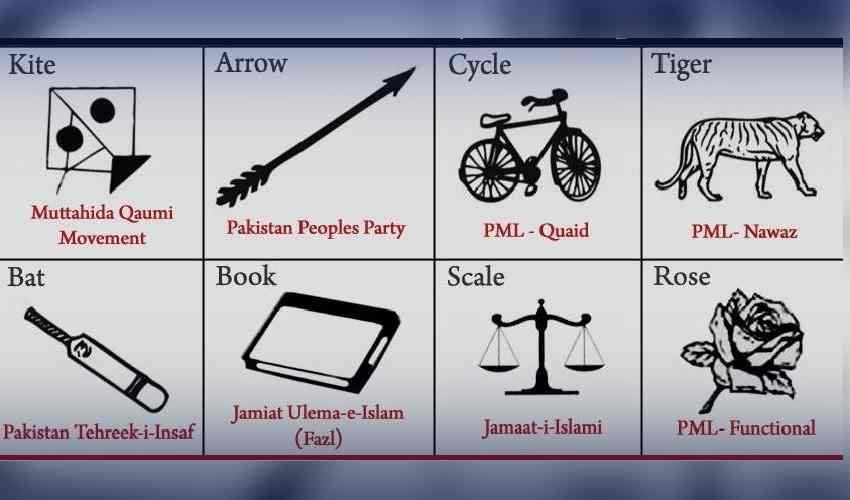
    Electoral symbols are allocated by the Election Commission of Pakistan (ECP) to political parties and independent candidates participating in general elections.

    Major political parties in the country have established electoral symbols, including a bat for Pakistan Tehreek-e-Insaf (PTI), an arrow for Pakistan People’s Party (PPP), and a tiger for Pakistan Muslim League-Nawaz (PML-N).

    All the electoral symbols appear on the ballot paper, giving the voters the choice to stamp the symbol of their choice. The ballot paper also has names, but 40% of the country’s 241 million population is illiterate, so symbols can be easier to identify.

    Thousands of candidates participate in elections, as do dozens of political parties and millions of voters. A single ballot paper offers voters a wide range of choices.

    How does the ECP allot electoral symbols?

    According to Section 216, political parties can submit an application to the election commission to apply for electoral symbols.

    Registered political parties can claim the same election symbol as allocated to them in the previous polls.

    On the other hand, an independent candidate can apply for allotment of an election symbol from the symbol list published by the ECP.

    If the two independent candidates want the same electoral symbol, then priority will be given to the candidate who has previously taken part in elections.

  • PPP is all set to conquer Punjab and Sindh

    PPP is all set to conquer Punjab and Sindh

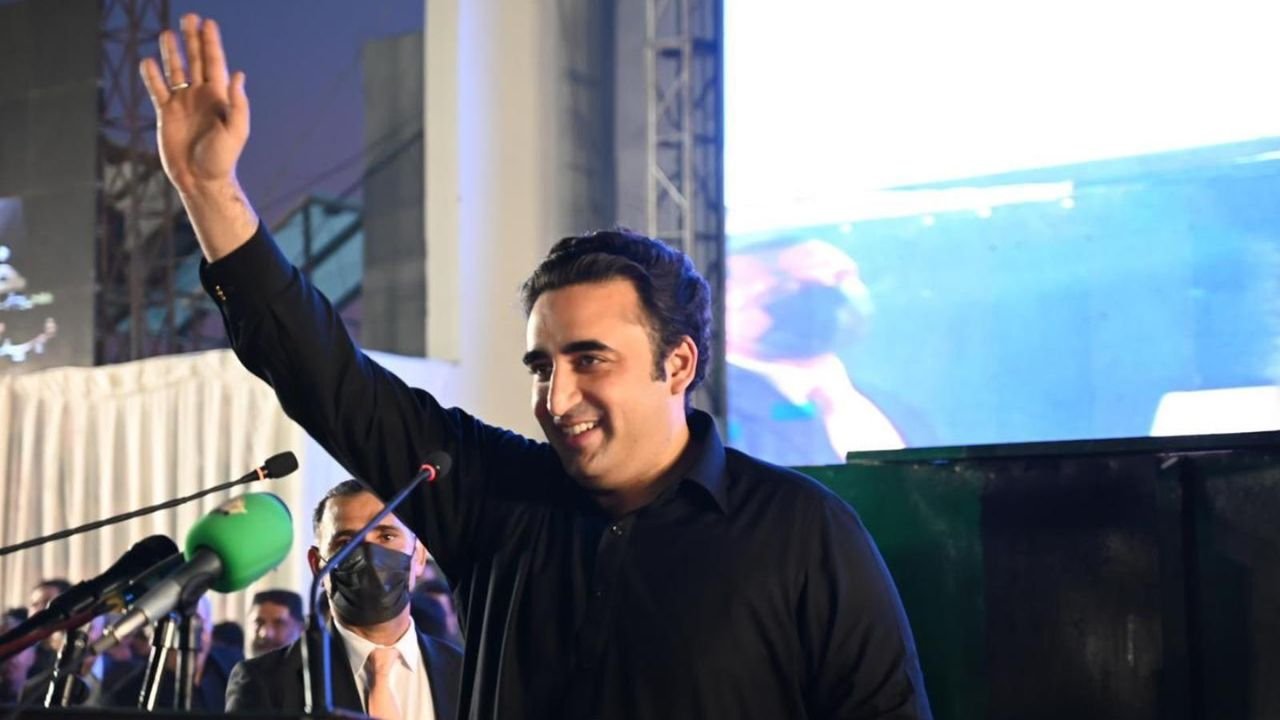
    Pakistan Peoples Party (PPP) Chairman Bilawal Bhutto Zardari formally initiated his election campaign from NA-127 Lahore on Thursday.

    The party aims to leverage the perceived political vacuum created by the establishment in Pakistan.

    With the main rival, Pakistan Muslim League-Nawaz (PML-N), still deliberating on ticket allocations for Punjab and Khyber Pakhtunkhwa (K-P), PPP leaders have been actively canvassing for votes in their respective constituencies.

    According to the party’s central Punjab chief, a majority of aspiring candidates have already received confirmation regarding ticket allocations, making the official announcement a mere formality.

    PPP has unveiled its 10-point agenda as part of its manifesto, with the official manifesto set to be revealed in the coming days, as announced by the party’s information secretary.

    In contrast, PML-N, despite forming a manifesto committee over a month ago, has not made any public announcements regarding its plans.

    The recent introduction of an online portal by PML-N to gather public input on its manifesto suggests that the process is not in its advanced stages.

    Bilawal, who will contest elections from three constituencies, including NA-127 Lahore and the party stronghold Larkana, visited his election office at Green Town in Lahore to formally launch the campaign.

    During his election campaign trail, he would address rallies in Faisalabad (Jan 11), Layah (Jan 12), Bahawalpur (Jan 13), Balochistan’s Naseerabad (Jan 14), Sindh’s Larkana (Jan 15), Qambar Shahdadkot (Jan 16) Badin and Sanghar (Jan 17), Nowshero Feroz and Dadu (Jan 18), Rahim Yar Khan (Jan 19) Kot Daud (Jan 20), Lahore (Jan 21), Chiniot (Jan 23), Sarghoda (Jan 24), Lala Musa (Jan 25) Multan (Jan 26), Peshawar (Jan 27) , Rawalpindi (Jan 28), Kurram (Jan 29), DI Khan (Jan 30), Malakand (Jan 31), Khuzdar (Feb 1), Kashmor and Shikarpur (Feb 2) Mirpurkhas (Feb 3), Hyderabad (Jan 4) and his second last rally as per schedule would be in Karachi (Jan 5).

    The decision to contest from Lahore is seen as a strategic move, countering PML-N President Shehbaz Sharif’s decision to contest from Karachi NA-242.

    The PPP aims to secure NA-127 Lahore, building on the momentum gained from the December 2021 by-election results, where the party’s candidate secured significant votes. The move is also seen as an effort to mitigate the risk of a complete loss for the party in Punjab.

    The party sees the absence of PTI from the political arena as a golden opportunity to capitalize on anti-PML-N votes. The PML-N is expected to issue the NA-127 ticket to its Deputy General Secretary Ata Tarar.

    Meanwhile, Mayor Murtaza Wahab asserted that the people of Karachi demonstrated their support for the Pakistan Peoples Party (PPP) in the local government elections held on January 15, 2023, citing the party’s perceived capability to address the city’s issues.

    The mayor expressed these sentiments during the ‘Meeting the Editors’ program organized by the Council of Newspaper Editors (CPNE) on Thursday.

    “We worked for the resolution of the issues of the people of Karachi with sincerity. The development work will continue. People think that the next government will be of the PPP as they see Bilawal Bhutto Zardari as a viable leader,” the mayor said.

    Wahab attributed the success of the Jamaat-e-Islami in the local government elections to the boycott by the Muttahida Qaumi Movement (MQM).

  • ‘Sab ki salary double hogi’; Bilawal Unveils Ambitious 10-Point Election Manifesto

    ‘Sab ki salary double hogi’; Bilawal Unveils Ambitious 10-Point Election Manifesto

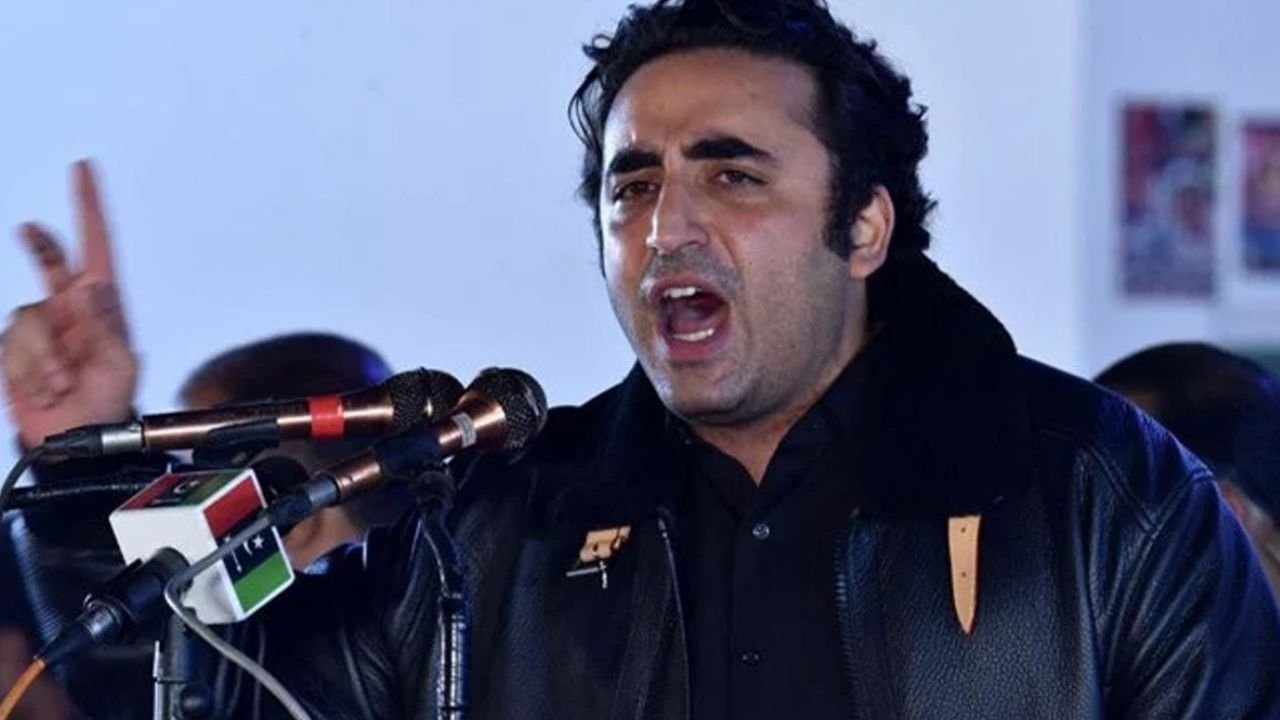
    Pakistan Peoples Party (PPP) Chairman Bilawal Bhutto-Zardari presented an ambitious 10-point election manifesto during a public gathering in the party stronghold Garhi Khuda Bakhsh on the 16th death anniversary of former Prime Minister Benazir Bhutto.

    The manifesto, outlined on Wednesday, aims to establish a “pro-people” government after the upcoming February 8 elections.

    Here’s a breakdown of what Bilawal promised his party would do if they came into power:
    • Double salaries within five years
    • Free solar energy of 300 units for the poor; every district to have green energy parks
    • Education for all — rolling out projects for better education
    • Free health for all across Pakistan
    • Three million houses for flood affectees and the poor
    • Expand BISP’s scope; introducing more welfare schemes
    • BSIP-like programme for farmers and ‘Hari Card’
    • Enhanced support for labourers through Benazir Mazdoor Card
    • ‘Youth Card’ for unemployed youth and ‘Youth Markaz’
    • ‘Bhook Mitao Programme’

    At the core of the agenda is a commitment to double salaries and provide 300 free units of electricity per household. This goal is to be achieved through the creation of green energy parks in every district, focusing on harnessing solar and wind energy sources.

    In addition to economic measures, Bhutto-Zardari pledged to overhaul the health sector by replicating successful models such as NICVD, SIUT, and the Gambat Institute of Medical Sciences across the country. Another significant project, titled ‘Apni Zamin, Apna Ghar,’ aims to construct three million houses nationwide.

    The manifesto also includes provisions for free education, the expansion of the Benazir Income Support Programme (BISP), the introduction of Hari and Benazir Mazdoor Cards, and the establishment of youth centers in all divisional headquarters for career counseling and skill development.

    Bhutto-Zardari called for public support to navigate the current crisis, expressing confidence in the PPP’s ability to address national issues and strengthen the federation. Reflecting on the party’s past achievements, he highlighted the devolution of powers through the 18th Amendment and the successful implementation of the NFC award.

    The PPP chairman criticized certain politicians without naming them, accusing them of engaging in politics to evade legal challenges and jail time.

    “I had told my team that I wanted to contest from Lahore. I’ll take the battle to Lahore. Let’s see what happens,” he said.

    “Is it Lahore’s destiny that the same person will be installed for the fourth time?” Bilawal said while taking a jibe at the PML-N supremo Nawaz Sharif, who is eying a record-fourth term as the country’s prime minister.

    “Our paths are different with that of those we were in government for 16 months,” Bilawal said while referring to the PML-N-led Pakistan Democratic Movement (PDM) government of which the PPP was a key part.

    Former President Asif Ali Zardari, speaking on the occasion, reaffirmed his commitment to fulfilling the promises made by his son. He criticized the central administration in Islamabad for its detachment from the struggles of the common people, contrasting it with the PPP’s “people-centric” approach.

  • Bilawal pledges to eliminate 17 federal ministries if PPP voted into power

    Bilawal pledges to eliminate 17 federal ministries if PPP voted into power

    Bilawal Bhutto-Zardari, Chairman of the Pakistan People’s Party (PPP), pledged on Monday to eliminate 17 federal ministries if his party secures victory in the general elections. This measure aims to save taxpayers a sum of “Rs300 billion.”

    Addressing a public gathering in Nawabshah, Bilawal said the 17 federal ministries should have been devolved to provinces after the 18th Constitutional Amendment, Geo News reported.

    The leader of the PPP stated that an amount of Rs300 billion was allocated for the ministries, and the government provided a subsidy of Rs1,500 billion to the ‘elite’ individuals in different sectors, such as energy and fertilizers.

    Bilawal said his party would end the subsidy for elites to provide funds to labourers and farmers through cards, he said.

    On April 8, 2010, the 18th Constitutional Amendment was enacted, leading to the decentralization of numerous federal ministries and the transfer of powers to provinces.

    Referring to the youth as the future of the nation, the PPP chief said old politicians are a thing of the past.
    Bilawal said the country’s issues could be resolved by burying the politics of “hatred and division”.

  • Is Bilawal expected to shake ‘Takht-e-Lahore’?

    Is Bilawal expected to shake ‘Takht-e-Lahore’?

    Pakistan Peoples Party (PPP) Chairman Bilawal Bhutto-Zardari has decided to challenge the Sharif brothers in Lahore, famously known as Takht-e-Lahore, for a high voltage competition in the metropolitan, Azaz Syed has reported for Geo News on Friday.

    The report states that the PPP chief has decided to contest elections from Lahore’s NA-128 constituency in Lahore, traditionally the stronghold of the Pakistan Muslim League-Nawaz (PML-N), with the party securing a majority of seats from the provincial capital in the last many elections.

    Along with Bilawal, Hafiz Mohiuddin, and party stalwart Misbah-ur-Rehman will file nomination papers for provincial assembly seats in the same constituency, PPP sources told Geo.

    Bilawal is expected to file nomination papers today (Friday) as December 22 is the last date for the submission of nomination papers.
    Although several political parties PML-N have sought an extension on the deadline, no decision has been taken by the Election Commission of Pakistan (ECP) so far.

    PML-N’s Mian Ahmed Subhan will contest elections against the PPP chief in the NA-128 constituency.

    Lawyer Salman Akram Raja from PTI is expected to compete against Bilawal Bhutto Zardari.

  • Actress Kiran Ashfaque ties knot with PPP official Hamza Ali Chaudhary

    Actress Kiran Ashfaque ties knot with PPP official Hamza Ali Chaudhary

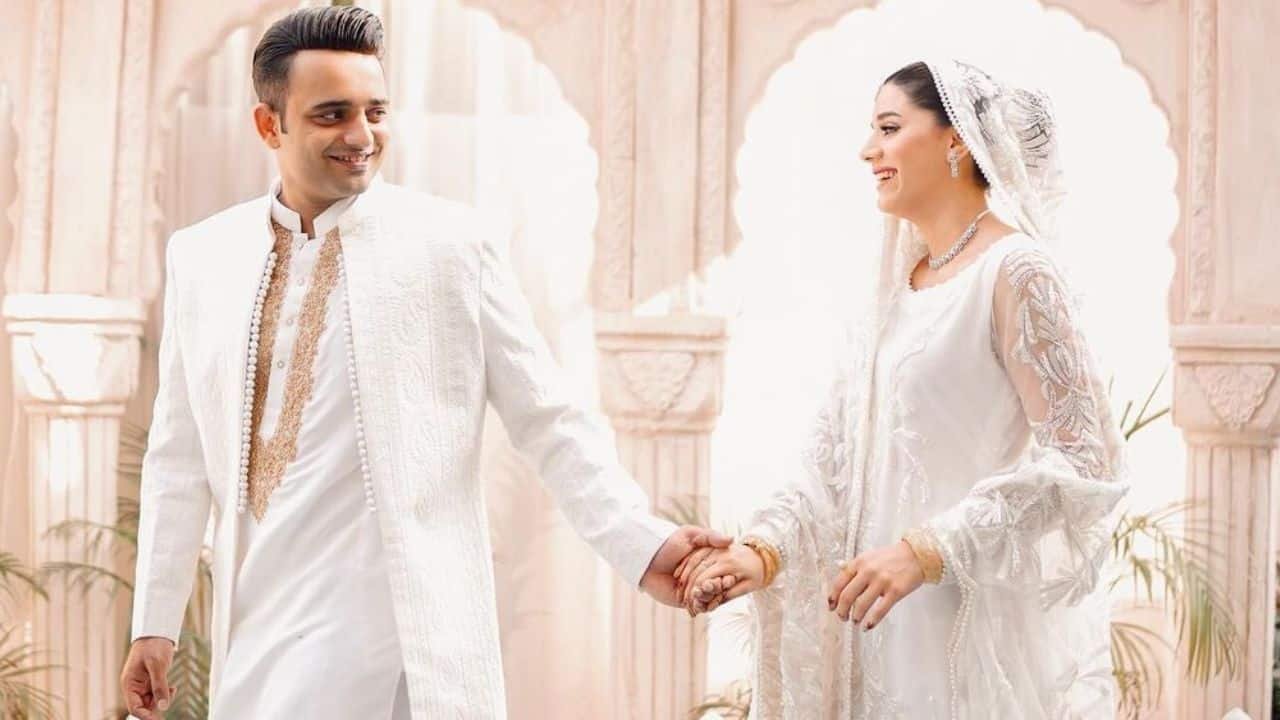
    Content creator Kiran Ashfaque has married Pakistan People’s Party (PPP) political advisor Hamza Ali Chaudhary. The actress was previously married to actor and host of ‘Mazaaq Raat’ Imran Ashraf. The couple divorced in 2022 after being married for four years.

    The wedding ceremony was held in Lahore at Hamza’s private residence, where Kiran donned a pastel kurta and a sheer white veil. She wore silver jewellery for the ceremony.

    The Instagram influencer shared several pictures of her event on her Instagram account.

    Kiran also shared an adorable picture from her mayon where she and her betrothed Hamza were seen laughing at each other with ubtan on their faces.

    The friend who had shared the picture gushed about her best friend getting married to the love of her life.

    “Can not put my feelings into words today. But all I know is she deserves the best of this world. My strong strong girl ❤️”

    Kiran’s husband Hamza is a young politician who is currently associated with the Pakistan People’s Party (PPP), and is also a lawyer by profession. On his Instagram, he was seen posing next to prominent PPP chairman Bilawal Bhutto and former President Asif Ali Zardari.

    The social media influencer had shed some light on her previous marriage to Imran, when during a Q and A session with fans, she revealed that she would never change herself for another man.

    READ MORE: Imran Ashraf’s ex reveals her biggest regret is changing herself for a man

    From Kiran’s glow, it looks like she has finally found a man who respects her for who she is, and we’re a huge fan of women finding their soul mates with a second chance. Sending our sincerest congratulations to Kiran and Hamza, and wishing them a blessed life ahead.

  • ‘I feel good when people say I resemble Anushka Sharma,’ Shazia Marri

    ‘I feel good when people say I resemble Anushka Sharma,’ Shazia Marri

    In an exclusive interview with The News, former federal minister and central leader of the Pakistan Peoples Party (PPP), Shazia Marri, shared her perspective on various topics, from her political journey to cultural aspirations.

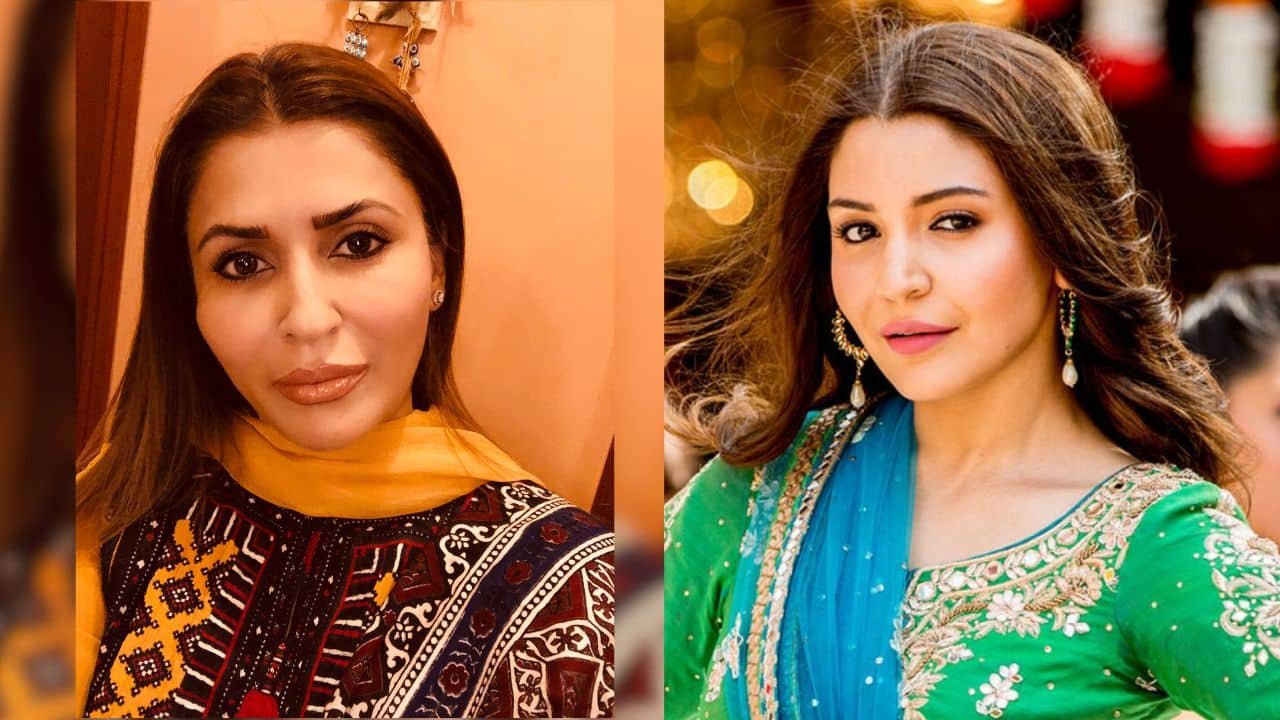
    Marri expressed her appreciation for the compliments she receives about resembling Indian actress Anushka Sharma.

    She stated that she feels good when people say, “I resemble Indian actress Anushka Sharma”.

    Addressing the cultural landscape, Marri expressed her vision for revitalizing the film industry if given the opportunity to lead the culture ministry in the future.

    “If I get the culture ministry next time, I will restore the film industry and make it a vibrant one.” Film is a medium, and India has used it well. “We also have to make purposeful films. Our artists have a lot of talent,” she added.

    Reflecting on her career, Marri revealed her beginnings as a schoolteacher and her passion for teaching children.

    She acknowledged being married at a young age and conveyed her commitment to addressing social issues, particularly her stance against domestic violence and child marriages.

    Responding to questions about Karachi’s street crimes, Marri acknowledged the challenges in a metropolitan city and emphasized the need for comprehensive solutions.

    In discussing the hurdles faced in politics, Marri compared it to a “garland of thorns,” acknowledging the obstacles and opposition she encountered.

    “If I start crying about the abuses and injustices done to me, I may not be able to move forward,” she added. “Many attempts were made to break me as a woman. I also faced harassment. I have seen very stiff opposition,” Shazia Marri recalled.

    Marri recalled her entry into politics, inspired by the encouragement of Shaheed Benazir Bhutto. She made history by contesting and winning a general seat from Sanghar, eventually serving as both a provincial and federal minister. Coming from a family with a political legacy, she initially resisted entering politics but eventually embraced her role.

    The former federal minister also discussed her participation in hosting a television show while being a member of the provincial assembly. Despite initially not anticipating becoming a federal minister, Marri consistently upheld the PPP’s ideology.