The Peshawar High Court issued a warning on Tuesday, indicating that if the Pakistan Tehreek-i-Insaf (PTI) is not permitted to carry out political activities in Khyber Pakhtunkhwa (KP), it would summon the caretaker chief minister of the province and the chief election commissioner for an explanation.
“Both the chief minister and CEC will be asked about their failure to fulfil the responsibility of holding polls in a free and fair manner amid the PTI’s complaints of restrictions on its activities in the province,” Justice Ijaz Anwar observed during a hearing of a petition filed by former prime minister Imran Khan’s party for contempt proceedings against the provincial government and the administration of Mansehra district.
The court observed that if a political party is not allowed to hold a public meeting due to security concerns, it raises questions about the Election Commission of Pakistan’s ability to conduct general elections.
Attorney General Aamir Javed informed the court that a meeting had been called to assess the security situation, and a report would be provided within two days. The court scheduled the next hearing for November 23, focusing on the contempt petition against the caretaker government and Mansehra’s district administration.
The bench fixed Nov 23 (Thursday) for next hearing into the PTI’s contempt petition against the caretaker government and Mansehra’s district administration for “not allowing the holding of a workers’ convention despite the court’s orders.”
The petition was filed by PTI provincial president Ali Amin Gandapur, its provincial legal coordinator Mashal Azam, and Insaf Lawyers Forum provincial vice-president Malik Arshad Ahmad, requesting the court to initiate contempt proceedings against the relevant officers, including the provincial chief secretary, Mansehra DC and DPO, and others.
Lawyers Shah Faisal Uthmankhel, Ali Zaman, Inam Yousafzai, and others appeared for the petitioners and said a high court bench had disposed of on Oct 26 a plea of their clients after allowing the PTI to carry out political activities in the province.
PTI MPA offloaded
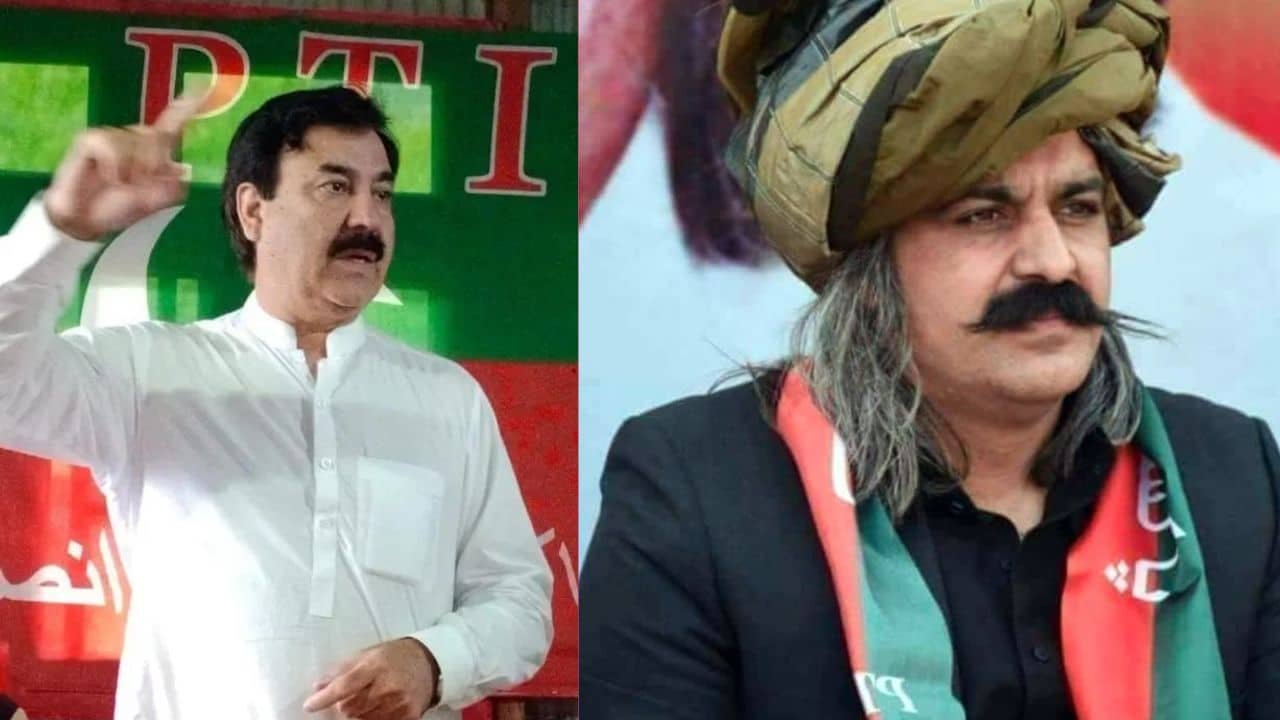
Meanwhile, in a separate incident, former PTI MPA Shaukat Ali Yousafzai was offloaded from a flight at Peshawar’s Bacha Khan International Airport.
Yousafzai’s flight was scheduled to depart at 9:15 am on Wednesday via Emirates flight EK-637 for Saudi Arabia, where he was to perform Umrah.
He stated that after the boarding process was completed, the airport’s security officials came and took him into their custody “without any reason”, as per Dawn.
The PTI ex-MPA added that when he asked the officials why he was being prevented from boarding the plane, they only replied they had “orders from authorities to not let you fly abroad”.
Yousafzai went on to say that he would approach the Peshawar High Court and file a case against the airport’s security officials for offloading him as, according to him, neither was there a first information report against him nor was his name on the Exit Control List.
PTI leaders arrested
In a related development, Liaqat Ali Yousafzai, PTI’s Shangla chapter president and brother of Shaukat Ali Yousafzai, along with six other party workers were arrested by the police for allegedly violating Section 144 during a party meeting in Shahpur. The PTI criticized the authorities, claiming unequal treatment compared to other political parties allowed to hold public meetings.
The situation reflects a growing tension between the PTI and local authorities, with the Peshawar High Court intervening to address concerns of restricted political activities in KP.
Janay kab hongay kum, PTI leadership ki zindagi kay gham
The owner of ‘Insaf House’, PTI headquarters in Karachi, who rented the place to PTI leadership, has approached a court to seek unpaid rent worth more than Rs 10 million accumulated over the past 12 years, as per Geo News.
Dues calculated till July 2023 are Rs 13.9 million. The rent agreement was signed between the landlord and PTI’s late leader Naeem ul Haque, President Arif Alvi, and former Sindh governor Imran Ismail. Meanwhile, Firdous Shamim Naqvi and Samar Ali Khan signed the agreement as ‘guarantors’.
Under the rental agreement, PTI leaders including Alvi, Ismail and Haque had agreed to pay Rs100,000 in rent each month. Party leaders, including President Arif Alvi, might face legal consequences after the owner filed a case under section 15 of the Sindh Rental Ordinance Act 1969.
As per the documents, PTI leadership not only faces legal consequences due to unpaid rent but also might face charges for violating the agreement’s clause that prohibited any political activities at the premises.
If the case is decided in favor of the landlord, Alvi, Ismail, and the guarantors might even face disqualification.
PTI had moved the court to de-seal the Insaf House after it was cordoned off following the May 9 riots. The court directed authorities to de-seal the party’s office and barred any gathering of more than five people at the premises.
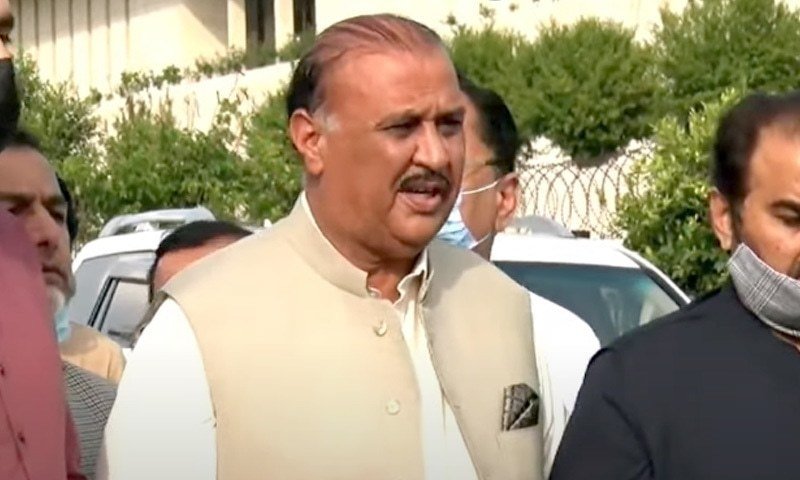
Pakistan Tehreek-e-Insaf’s (PTI) dissident leader Raja Riaz Ahmad has become the Leader of the Opposition in the lower house of Parliament, with the support of 16 lawmakers, following the withdrawal of Pakistan Muslim League-Quaid (PML-Q)’s Moonis Elahi.
Speaker National Assembly (NA) Raja Pervaiz Ashraf issued notification of Riaz as being elected as the Opposition leader.
Earlier, Moonis Elahi withdrew his candidature as the Opposition leader, paving the way for a one-on-one contest between Ghous Bakhsh Mahar and Riaz.
In 2016, Raja Riaz quit the Pakistan Peoples Party (PPP) after he decided to join PTI.
Riaz, who switched sides from PTI during the vote of no-confidence against the then Prime Minister (PM) Imran Khan, had previously announced that he would contest the next general election on the ticket of Pakistan Muslim League-Nawaz (PML-N).
The Opposition leader’s seat fell vacant after Shehbaz Sharif was elected prime minister following the ouster of Imran Khan through a no-confidence motion vote.
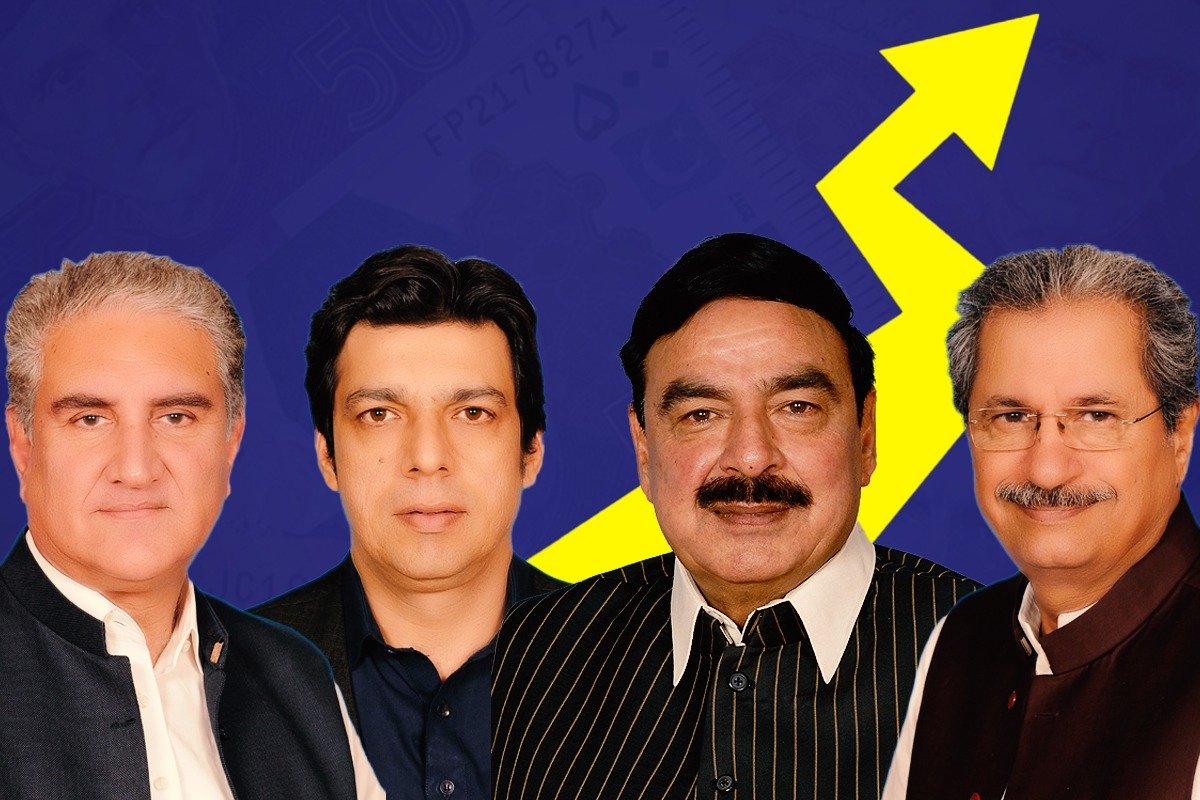
Official documents revealed that several members of Pakistan Tehreek-e-federal Insaf’s cabinet enjoyed gains in their fortunes during their term in parliament and as ministers, despite being elected on pledges of fighting corruption.
According toSAMAA TV, Shah Mehmood Qureshi and Sheikh Rasheed Ahmad, Omar Ayub Khan, Azam Khan Swati, Khusro Bakhtiar, Faisal Vawda, Shafqat Mehmood, Fehmida Mirza, Zubaida Jalal, Mahboob Sultan, and Tariq Cheema are among the listed former ministers.
Since select ministers received notices to explain their excessive wealth, the majority blamed weak wealth and asset declaration regulations, which did not contribute to increases in the valuation of assets overtime or the amalgamation of entities.
An inquiry into assets spontaneously declared before the Election Commission of Pakistan (ECP) and Pakistan’s tax authorities — primarily the Federal Board of Revenue (FBR) — by cabinet members who worked under former Prime Minister Imran Khan disclosed that plenty of of them saw a tremendous upsurge in their riches, with growth proportions primarily in the triple digits.
As per the official record, the ECP sent notices to at least six former ministers while they were still in government in 2019 and 2020, requesting them to clarify their wealth-related issues.
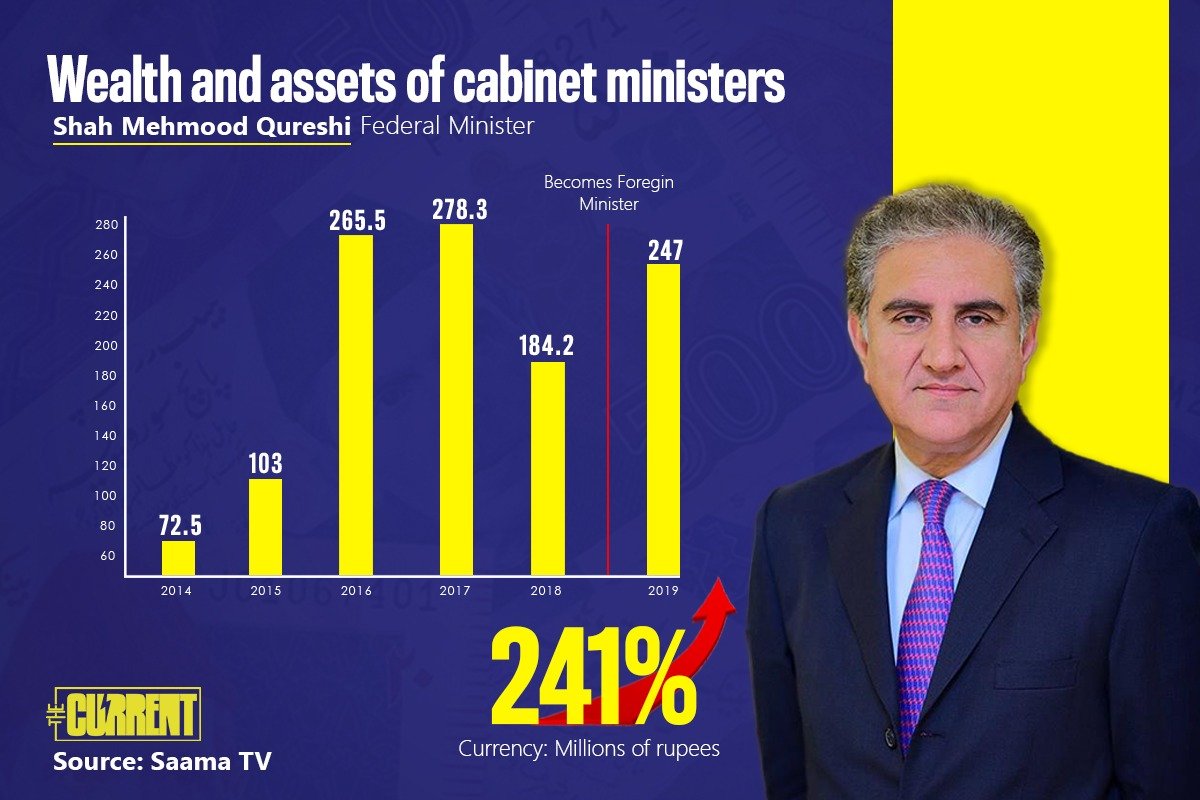
From 2014 to 2019, former foreign minister Shah Mahmood Qureshi, who has been a staple of the parliament for more than a decade and served twice in the federal cabinet in two different governments, had a 241 per cent growth in his wealth.
He and his wife held assets worth only Rs72.5 million in 2014, according to asset declarations he submitted to the ECP and the FBR. In the following three years, his assets nearly quadrupled, reaching Rs278.3 million, a 283.86 per cent increase over his wealth in 2014. Qureshi’s fortune dropped dramatically to Rs184.2 million in 2018, the year he returned to the Treasury benches, albeit with a new party, the PTI. However, while in power, it soon increased to Rs247.1 million in 2019, a rise of 240.82 per cent since 2014.
When questioned, Qureshi recounted how the worth of his assets had evolved over the years.
“The reason for the increase in assets was that during 2015-16, my wife received her share from the sale of property situated in Lahore, which had been gifted by her mother, and shares from sale proceeds of inherited property worth Rs169.6 million and Rs22.6 million,” he claimed. In October 2017, duplicates of sale deeds were handed to the ECP, according to the former minister.
“The ECP raised this observation too,” he said regarding the increase in his wealth, adding, “I and my dependent family members are all filers with the FBR”.
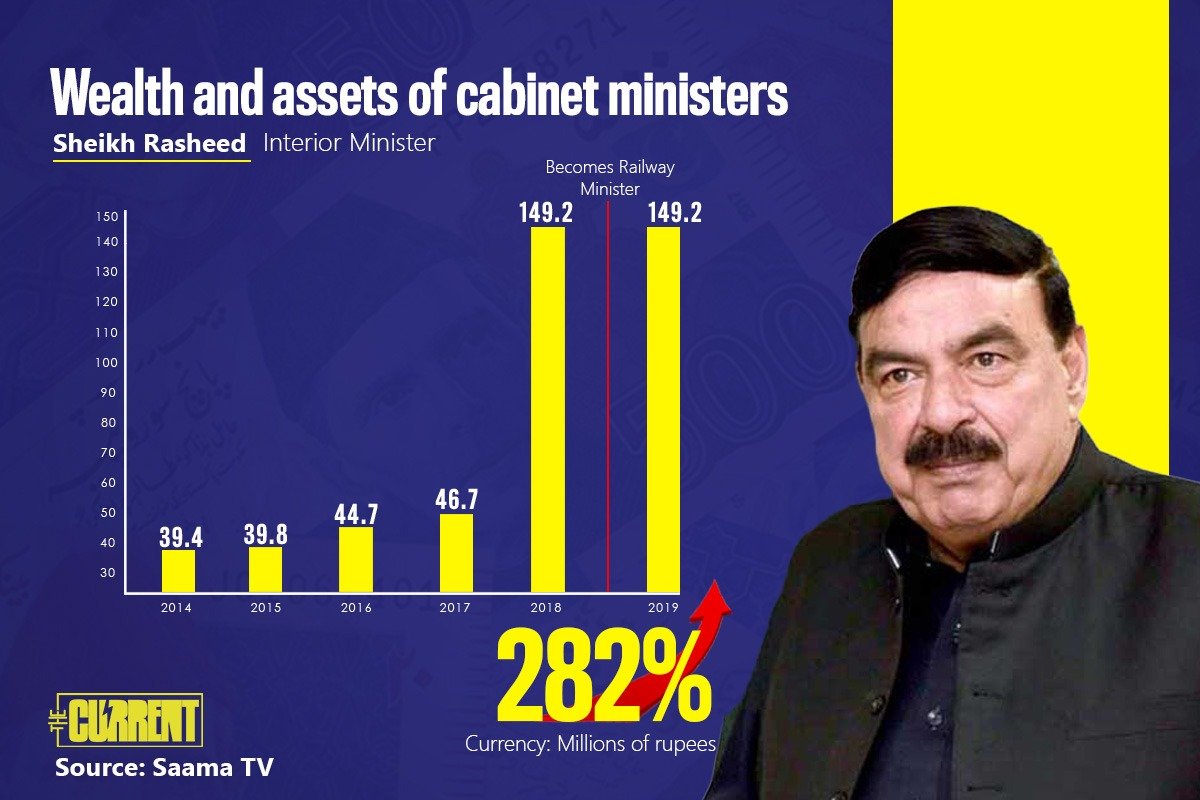
Sheikh Rashid, the former interior minister, watched his fortune increase by nearly 278.68 per cent between 2014 and 2019.
The financial disclosures for 2014 revealed that he only had Rs39.4 million in assets. Earnings climbed by Rs0.4 million to Rs39.8 million. His holdings steadily expanded over the next two years, reaching Rs44.7 million in 2016 and Rs46.7 million in 2017.
Conversely, in 2018, the time he was elected to power, his assets boosted by Rs100 million to Rs149.2 million. In 2019, there was no movement in reported assets. After inquired why his assets had suddenly changed, Rashid said that the discrepancy was due to an advance payment he had obtained for reselling a portion of land in 2018.
“I received Rs100 million as advance after making a deal of land to be sold last year, [2021],” he said, adding, “There is no such increase in my assets”. The former interior minister stated that the rise in his declarations submitted with the FBR and the ECP had been properly disclosed.
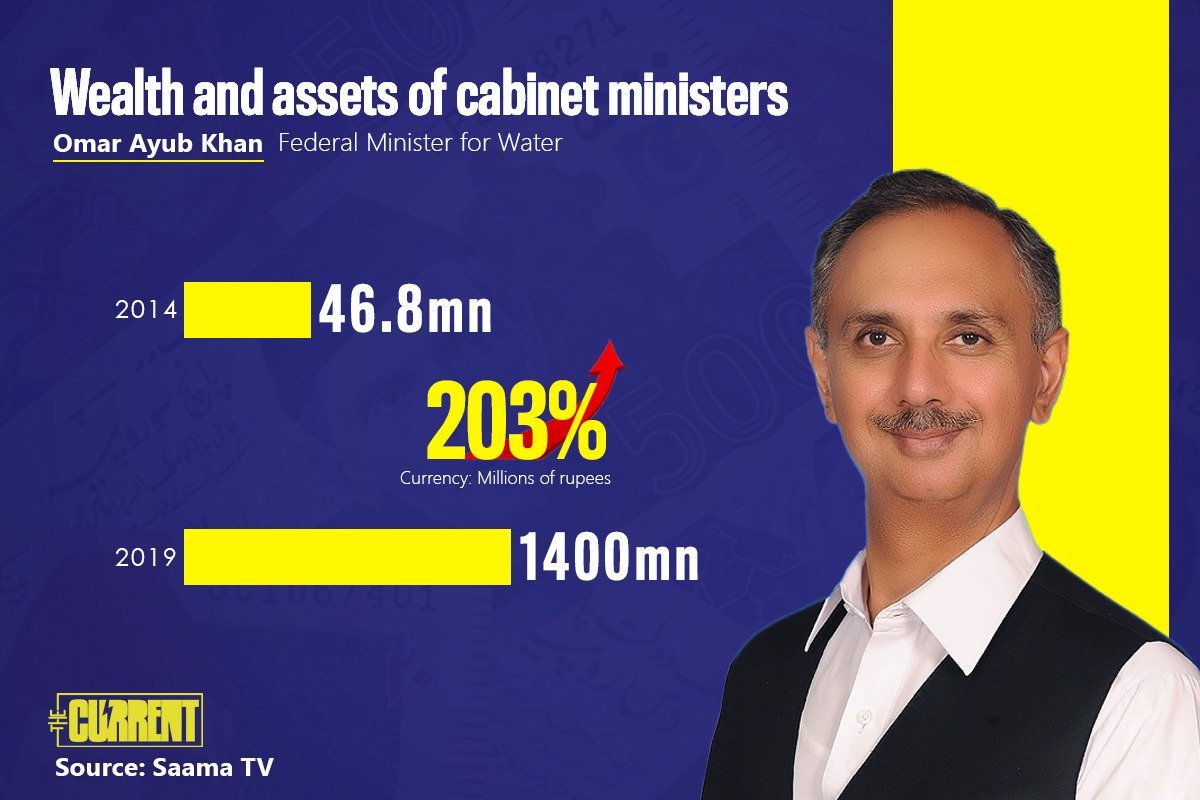
Between 2014 and 2019, the fortune of former federal minister of water Omar Ayub and his wife jumped by 203 per cent.
As per Ayub’s filings to the ECP and FBR in 2014, he and his wife held assets worth Rs461.8 million. This comprised Rs132 million in assets held by his wife and Rs329 million in assets owned by the minister. This value had risen to Rs1.4 billion by 2019. Surprisingly, while his wife’s holdings increased slightly to Rs201 million, Ayub’s assets increased to Rs1.2 billion. Each has debts worth only Rs26.3 million, according to the disclosures.
As a result, the ECP expressed concerns about Ayub’s and his family’s unexpected surge in wealth.
“It was explained to the ECP in 2019 that it [increase in wealth] is because of group formation having no cash involvement,” Ayub said, confirming that the top poll body had issued him a notice on this subject. Ayub claimed that he owned shares in Nova Synpac Ltd. and NovaGene Pharmaceuticals Ltd., which increased in value by approximately Rs1.071 billion.
“My assets have decreased (excluding this group formation) since I took an oath as a minister because I resigned from my group,” he claimed, adding that the increase was due to the consolidation of all of his businesses under the group.
“This cannot be reflected in a declaration, which is always a reflection of statements submitted to the FBR and there cannot be any difference [between them] otherwise it would have been challenged there,” he explained.
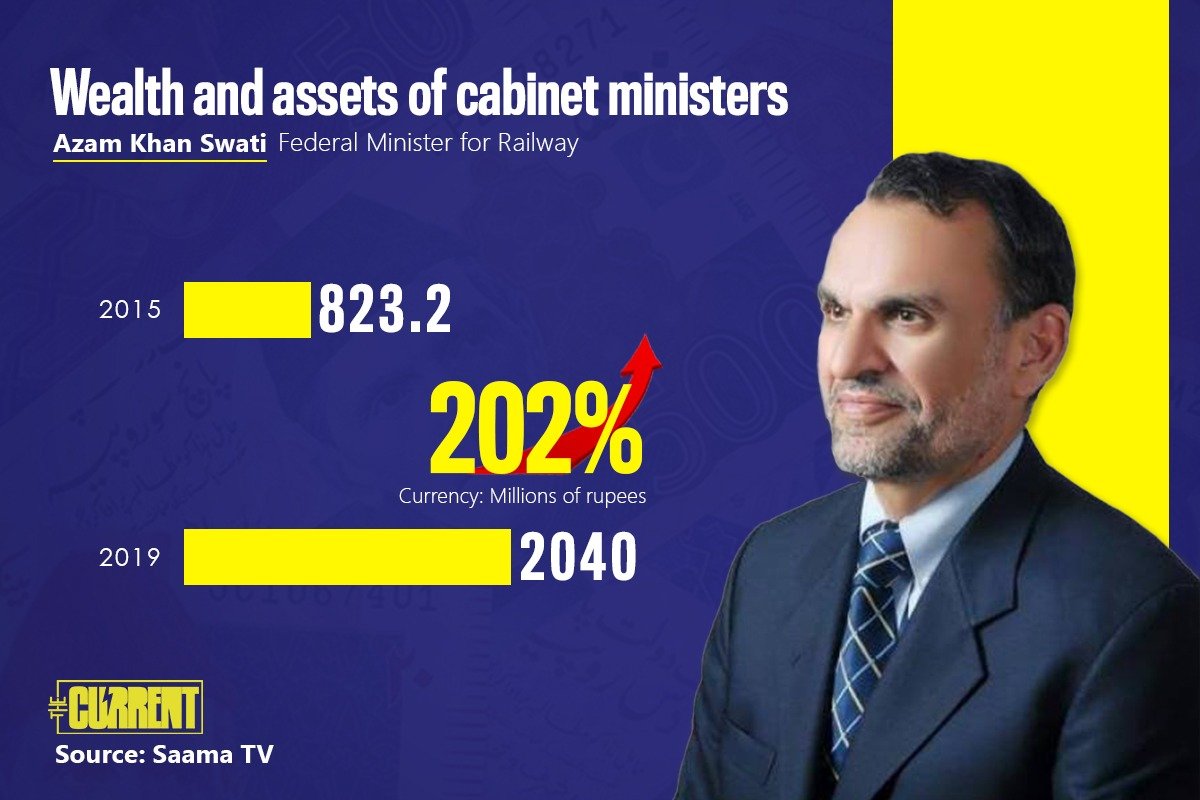
Azam Swati, the former federal railways minister, saw his fortune grow by 202 per cent from Rs823.2 million in 2015 to about Rs2.04 billion in 2019. He reported that his liabilities increased from Rs417 million in 2015 to Rs811 million in 2019.
“[Your] figures are wrong due to incomplete information being furnished before ECP by members and cabinet members owing to faulty legal requirements mentioned in ECP Act 2017,” he explained.
He further said that his situation was slightly unusual. “In Pakistan, I have no income and no business.” I am confident that our FBR wealth statement [filed] will be compared to ECP in 2019 [asset declarations],” he remarked, worried that the statistics may contain a few errors.
“ECP has no efficiency and capability to audit assets and liabilities,” he disclosed, adding, “We were making mistakes filing combined [wife and husband together]”.
“Now we have corrected the mistake and filed separately because the wife is not dependent,” Swati told SAMAA TV.
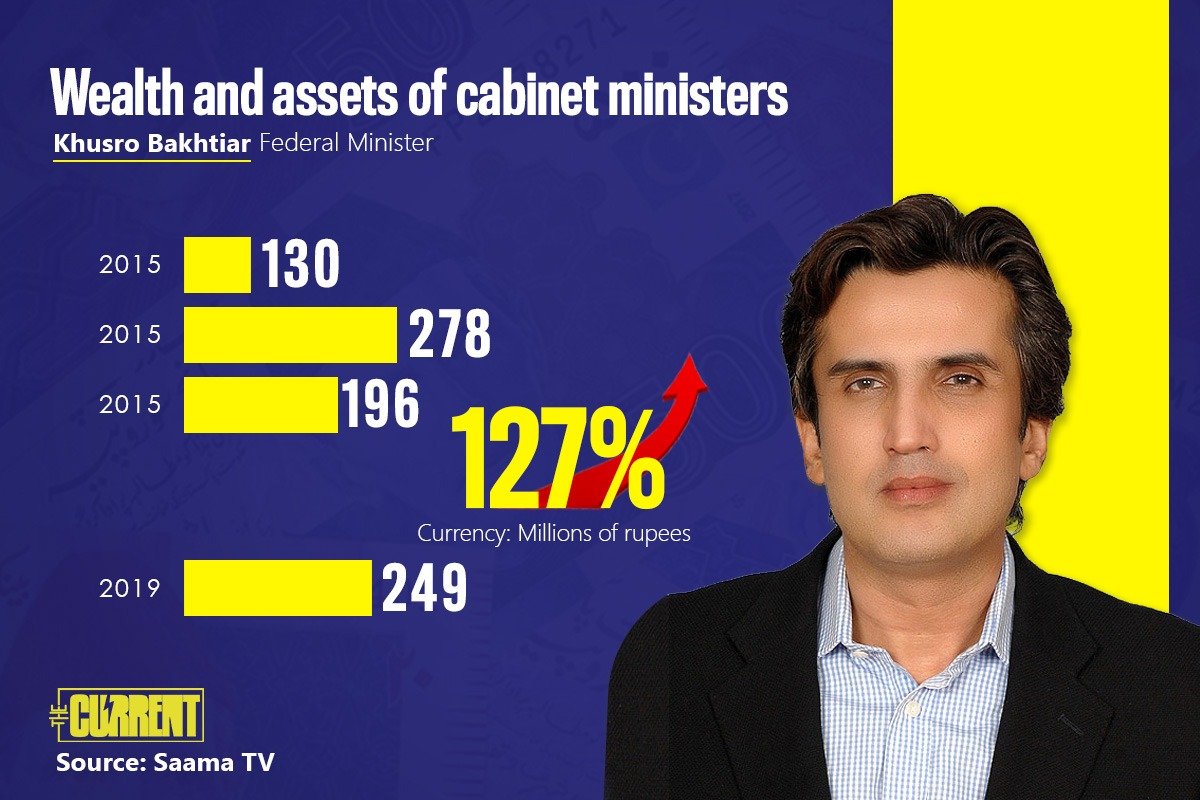
Khusro Bakhtiar, the former federal commerce minister, saw his fortune rise by 127.8% from Rs109.3 million in 2013 to Rs249 million in 2019. In 2014, he had assets of Rs130 million, which more than doubled to Rs278 million in 2015, shrank to just Rs196 million in 2016, and then surged again in the next three years.
“Increase in assets were mainly comprised of [various] sources during the year 2014 to 2019,” he told SAMAA TV, detailing that these sources included savings from agricultural income, proceeds from the sale of land worth Rs40 million, other sources which contributed Rs20 million.
Bakhtiar also claimed that he actually paid Rs27.5 million in agricultural taxes from 2017 to 2020, and that he owed Rs60 million in 2016.
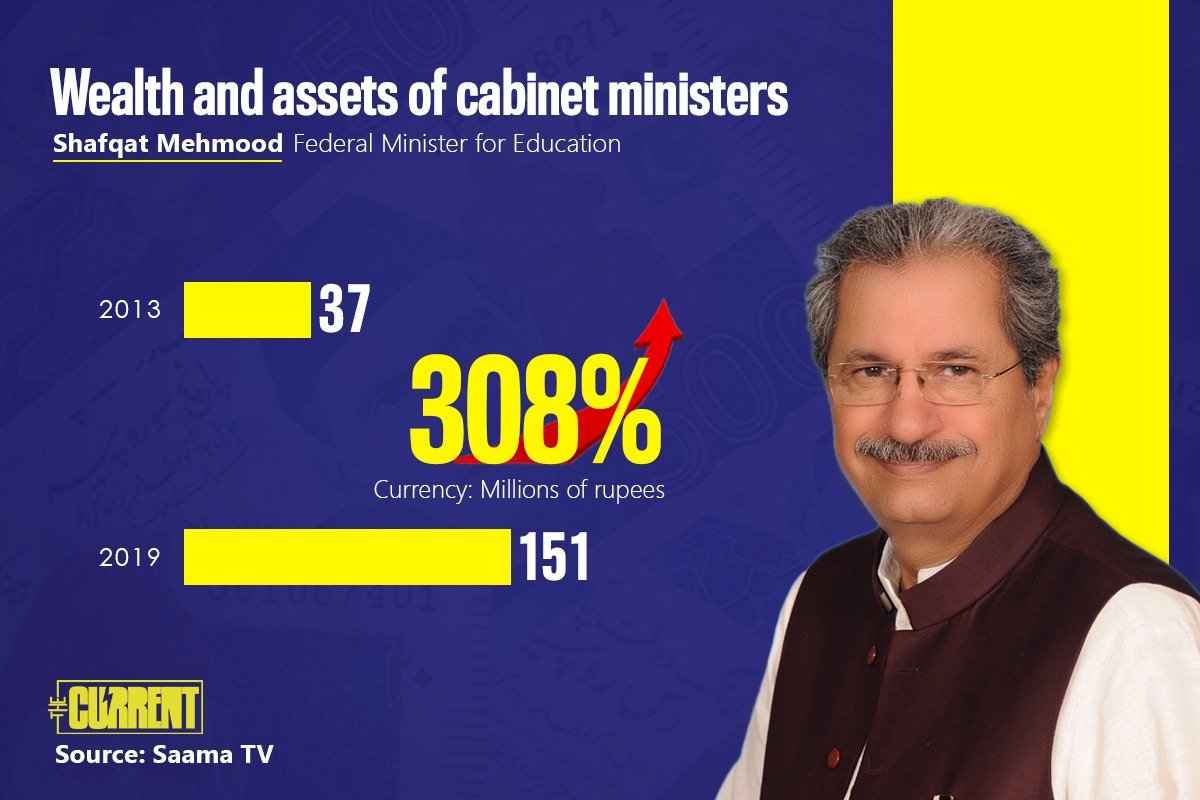
Former federal minister for education Shafqat Mahmood and his family had a 308 per cent growth in asset valuation between 2013 and 2019, making them one of the most successful federal ministers in terms of percentage increases. According to Mehmood’s filings, his and his family’s assets were valued at just Rs37 million in 2013, but had grown to Rs151 million by 2019.
“My assets have not changed since 2013 onwards,” Mehmood asserted, explaining “The change that you see is the cost re-evaluation from purchase price to market price”. The ex-minister further said that he has 360 kanals of hereditary land, a few more plots, and automobiles that he never assessed.
“There will, of course, be some variation regarding bank accounts. There will also be a slight difference in detail offered to FBR and ECP with regards to bank accounts,” he maintained. He went on to say that in his previous disclosure, he had combined the amounts in all of his bank accounts to present a single total.
“My wife is a distinct taxpayer because she works, but I have included her assets as well”, he explained.
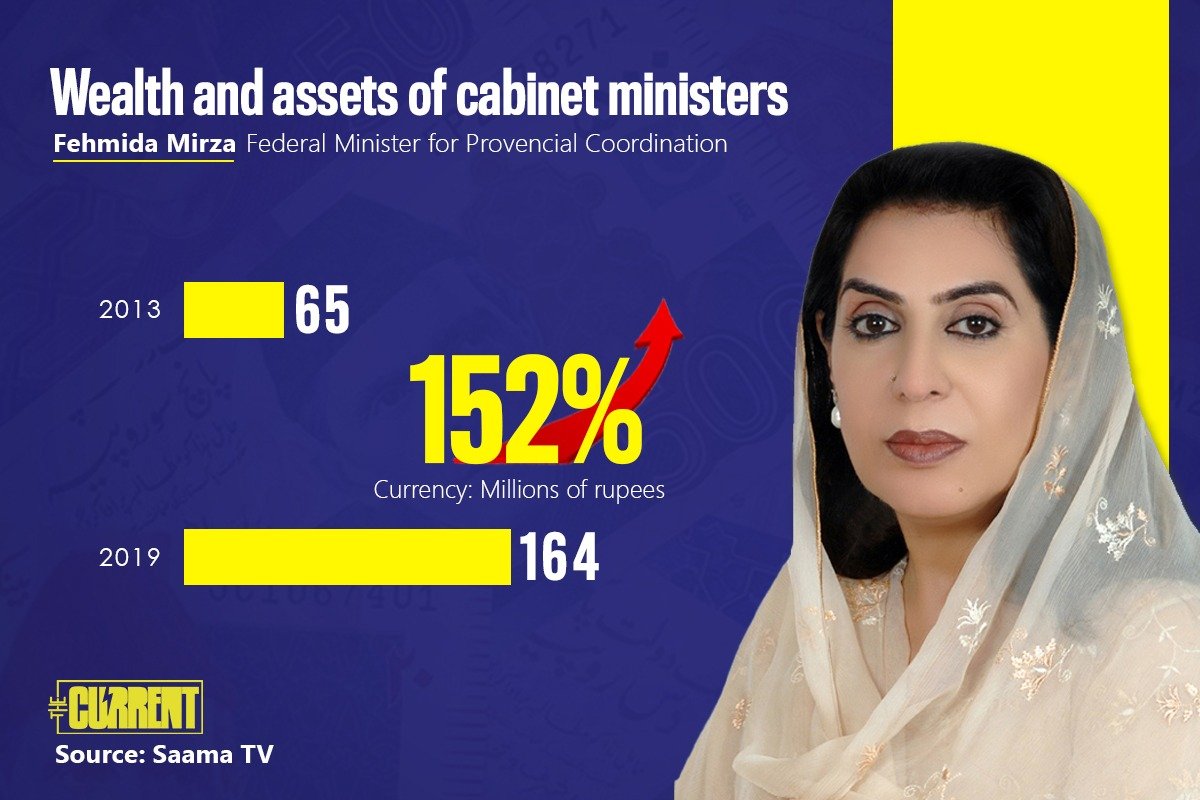
Fehmida Mirza, the former federal minister for interprovincial coordination, had a similar scenario, with her net worth rising from Rs65 million in 2013 to Rs164 million in 2019.
“I did not see any rise in my assets and wealth at all,” she told SAMAA TV. She did, although, reveal that she had sold some property in Pakistan in order to purchase a home in the United Kingdom.
“This new increase in my assets has already been declared with the FBR and the ECP,” she stated.
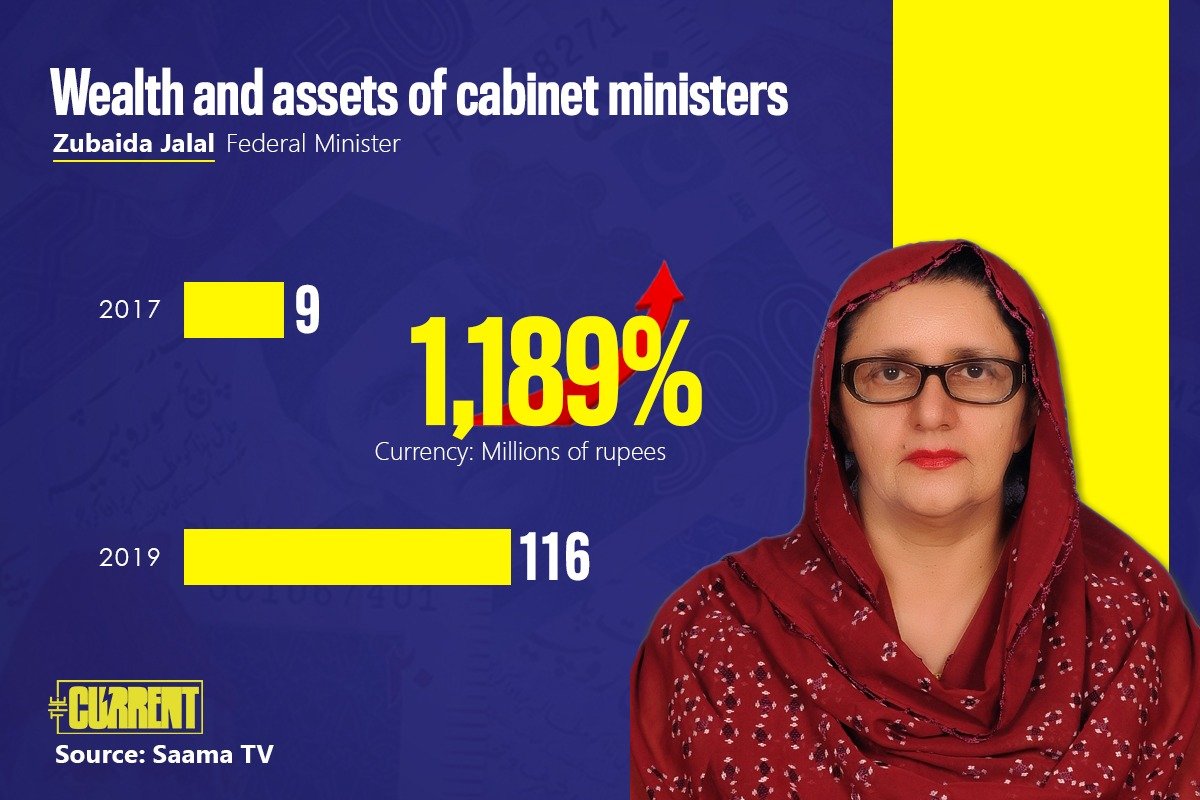
Contrary to the PTI’s cabinet’s millionaire members, one of the “weakest” members of the federal cabinet, former federal minister Zubaida Jalal and her husband, had a 1,189 per cent growth in their fortune in a short period of time. Their riches increased from Rs9 million to Rs116 million in 2019.
Jalal, on the other hand, described the quick spike in wealth as the outcome of changes in declaration requirements.
“There is no big difference in my assets’ declaration” she asserted while speaking to SAMAA TV. The value of immovable assets was not mentioned in data provided in past elections, she said, noting that the ECP declaration requirements changed over time.
“[We are] required to mention values of assets in the asset declaration for this time,” she stated. She explained that the variations in asset values were attributable to market forces working on enterprises.
“Ups and downs will keep happening [in mining operations and business],” she said, as she reminded that her husband owns the National Coal Mining Company since the 1960s.
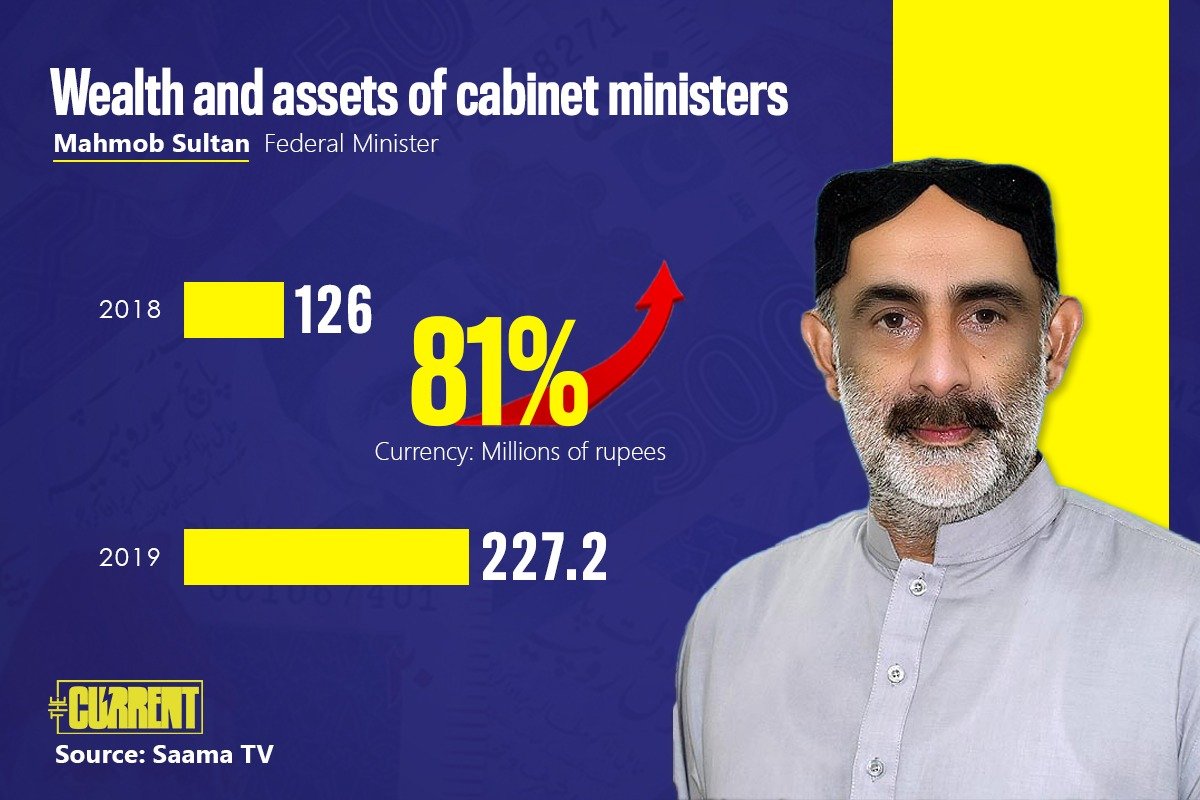
Former state minister Mahboob Sultan was one among the ministers who saw only double-digit asset growth. Only 81 per cent of his assets increased from Rs126 million in 2018 to Rs227.2 million in 2019. It’s worth noting, however, that his growth of nearly Rs100 million occurred while he was in the cabinet of ministers.
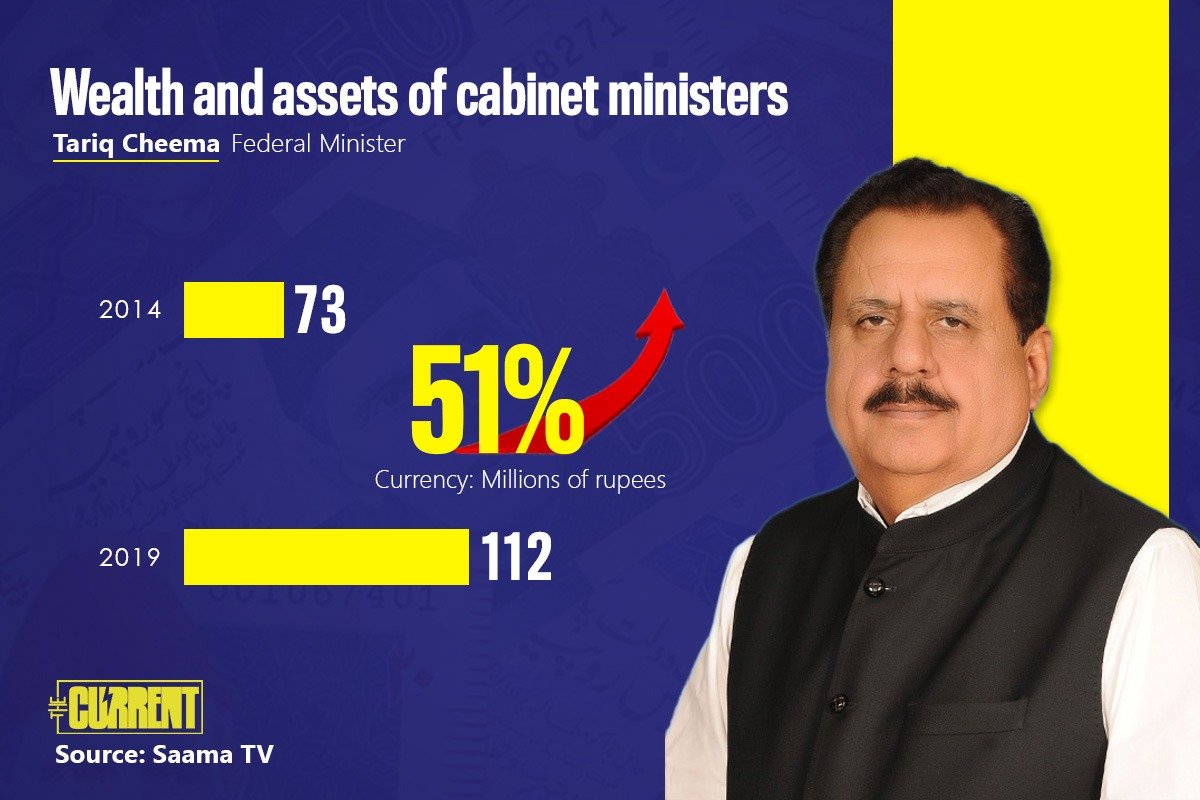
Tariq Cheema, the former federal minister for housing and infrastructure, showed the smallest growth in his wealth, going from Rs73 million in 2014 to Rs112 million in 2019. He did not, however, assess the value of his inherited assets and report them to the electoral or tax authorities.
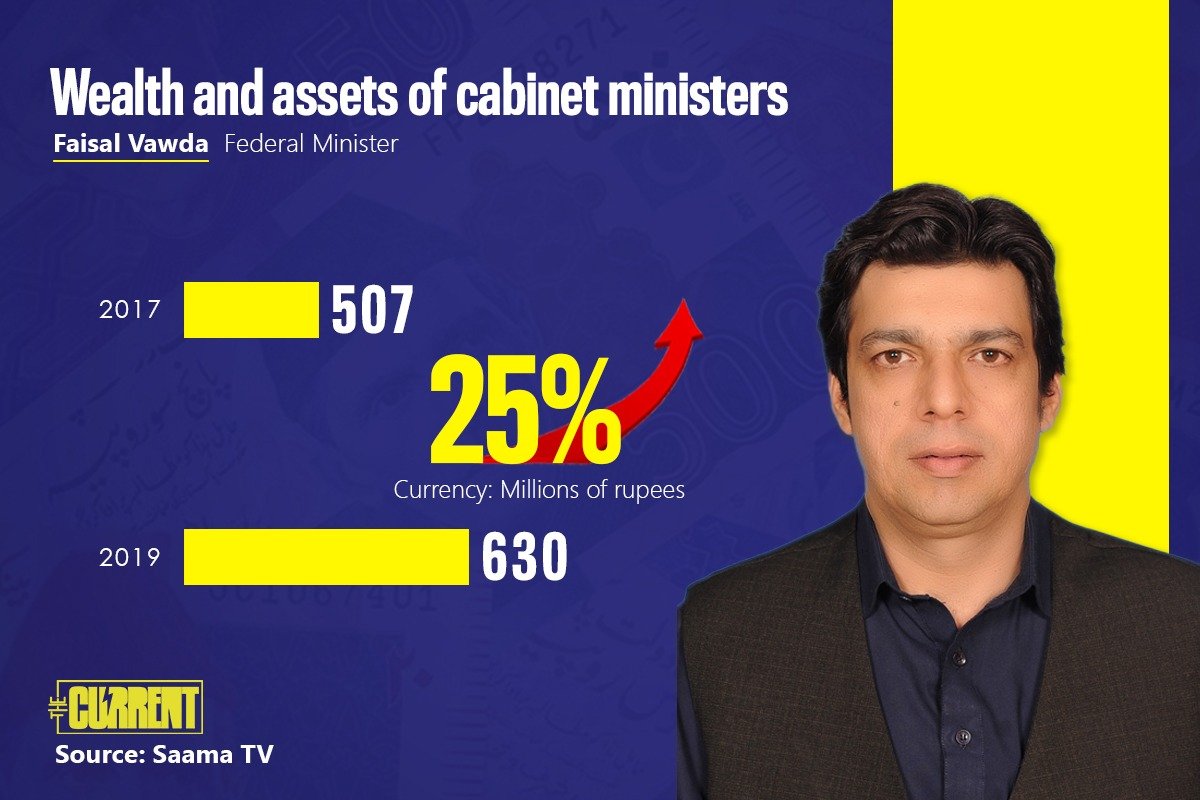
Former federal minister Faisal Vawda and his family witnessed their fortune increase by 25 per cent from Rs507 million in 2017 to Rs630 million in 2019. He was among the most controversial cabinet ministers who were eventually dismissed by the ECP.
Despite multiple requests from SAMAA TV, neither Sultan, Cheema, Vawda, nor an ECP official have commented on inquiries regarding their wealth.
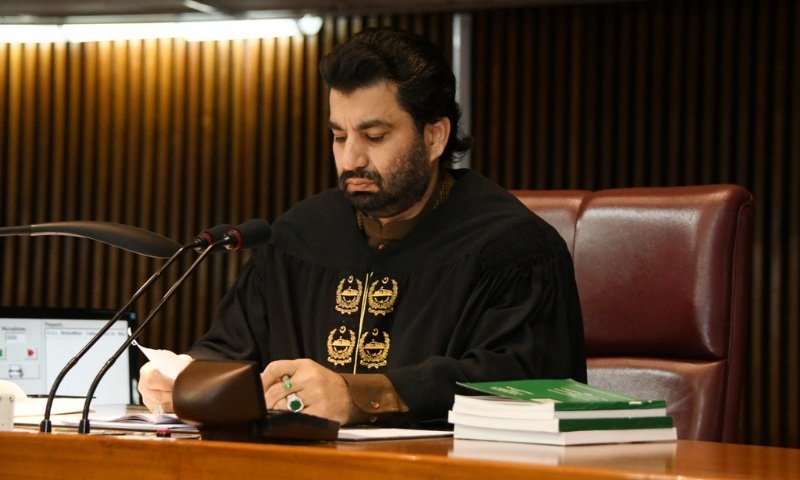
Qasim Suri resigned as deputy speaker of the National Assembly on Saturday, less than an hour before a session of the house where voting on a no-trust motion against him was to take place.
Sharing a copy of his resignation on Twitter, Suri said his move signified his association with the vision of his party, the Pakistan Tehreek-i-Insaf (PTI), and democracy.
“We will never compromise on Pakistan’s sovereignty and integrity. We will fight for the country’s interests and independence. We will go to any length to protect Pakistan,” he tweeted.
قومی اسمبلی سے استعفیٰ میری پارٹی کے وژن، اس کی شاندار وراثت اور جمہوریت کے ساتھ اس کی وابستگی کی علامت ہے، پاکستان کی خودمختاری اور سالمیت پر کبھی سمجھوتہ نہیں کریں گے ملکی مفادات اور آزادی کے لیے لڑیں گے اور کے تحفظ کے لیے کسی بھی حد تک جائیں گے۔ #امپورٹڈ_حکومت_نامنظورpic.twitter.com/fIskL5pVLg
Suri, who had also been functioning as the acting speaker following the resignation of Asad Qaiser, faced severe criticism in recent days over a contentious April 3 ruling to dismiss a no-confidence motion against former prime minister Imran Khan and his decision to defer the session scheduled for the NA speaker’s election from April 16 to April 22.