Tag: PAkistan Tobacco Company

  • Track and trace system failure threatens Pakistan’s tobacco industry

    Track and trace system failure threatens Pakistan’s tobacco industry

    Amid the increase in trade of non-duty-paid cigarettes, representatives from the Pakistan Tobacco Company (PTC) on Monday expressed profound apprehensions regarding the sustainability of their business.

    They attributed their concerns to ‘inappropriate’ policy measures.

    The recently released data from the Pakistan Bureau of Statistics (PBS) Large Scale Manufacturing (LSM) Index unveiled a significant and alarming trend within the legitimate tobacco sector.

    According to the report, the production of the legitimate tobacco sector experienced a forty-fold decline compared to the overall LSM output between July 2023 and November 2023.

    Interestingly, despite this decline, the consumption of cigarettes has remained stagnant.

    This troubling trend highlights the adverse impact of policy decisions that disproportionately affect the legitimate tobacco industry.

    The representatives emphasised the necessity for a comprehensive and balanced approach to ensure a level playing field for the sector, ultimately securing its long-term sustainability.

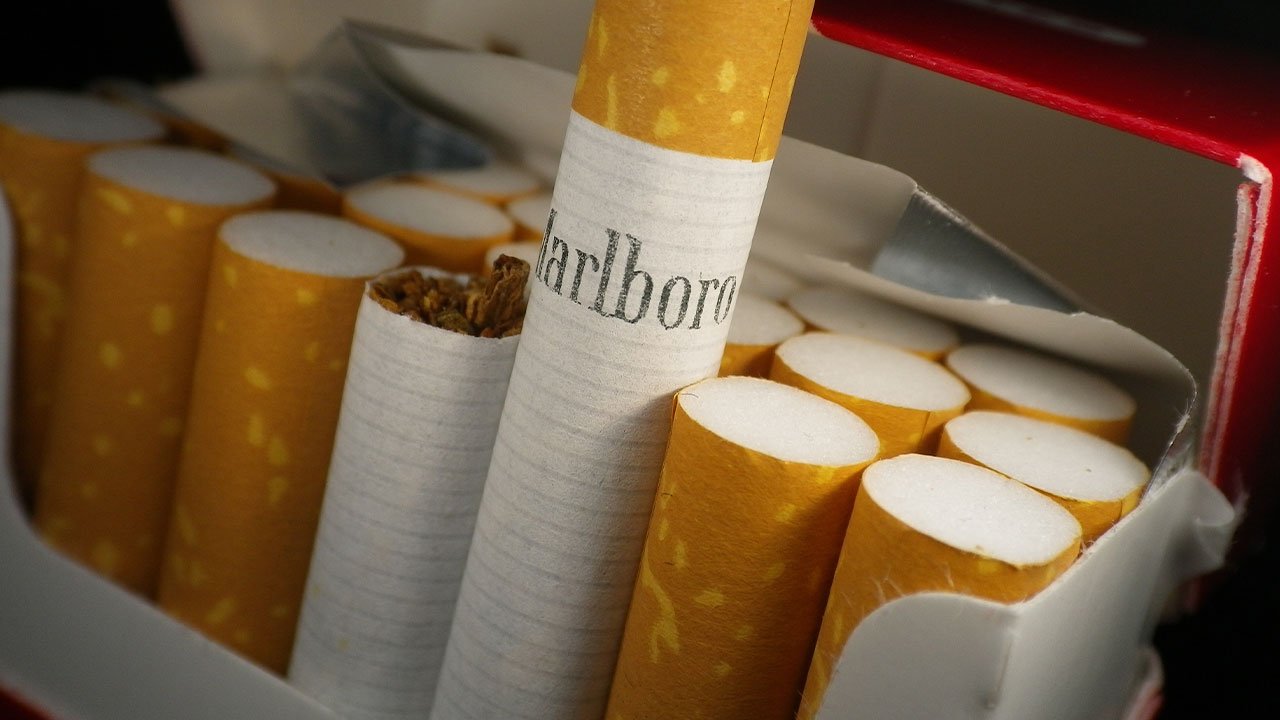
    Despite the implementation of a Track and Trace System (TTS), the representatives pointed out the rising incidence of fake stamps being affixed to counterfeit packs of leading cigarette brands.

    According to APP, Qasim Tariq, Senior Business Development Manager, revealed that approximately 850 million counterfeit cigarette sticks are currently being sold across Pakistan, resulting in a substantial loss of around Rs5.7 billion.

    This rise in counterfeiting raises serious questions about the efficacy of the much-lauded track and trace system, which is yet to be implemented across local cigarette manufacturers in Pakistan and Azad Jammu and Kashmir (AJK).

    The representatives urged law enforcement agencies (LEAs) to conduct extensive enforcement at the retail level to tackle this growing menace.

    Additionally, the representatives expressed concerns about a recent misleading report circulating in the media regarding missed revenue collection by the Federal Board of Revenue (FBR).

    They refuted the claims in the report, stating that they are not only false but also raise questions about the intentions behind publishing such information.

    The report suggested that the illicit sector is less than 10 per cent across Pakistan, contradicting the FBR’s claim of illicit trade being over 36.5 per cent for the period in question.

    Furthermore, the report alleged that government revenue declined due to fiscal changes in the excise structure but failed to present the complete picture.

    The representatives clarified that from 2012–16, the government switched to a 2-tier structure from a 3-tier structure, causing revenues to fall by more than 25 per cent.

    The subsequent increase in excise in 2015-16 led to illicit trade hovering close to 50 per cent of the market. To combat this, the government reintroduced a 3-tier system, increasing revenues by more than 40 per cent and discouraging the illicit cigarette trade.

    The representatives emphasised the need for an extensive government-led national anti-illicit trade strategy, effective fiscal measures, and strict enforcement against illicit trade across the value chain, with a key focus on the retail level.

  • Illegal cigarettes capture 50% of market share: Official tobacco sector calls for govt help

    Illegal cigarettes capture 50% of market share: Official tobacco sector calls for govt help

    The tobacco sector that’s officially documented is urgently seeking government support to address the growing issue of smuggled and illicit cigarettes, which now make up over 50 per cent of the local market.

    During a recent briefing on “Current Tobacco Dynamics,” representatives from the Pakistan Tobacco Company (PTC) expressed concern that the market share of these illicit tobacco products could surpass 53 per cent in the next quarter of the fiscal year 2023–24.

    While a 200 per cent increase in excise duty (FED) on cigarettes was implemented, its real impact is expected to become evident in the current fiscal year. Sami Zaman, spokesperson for PTC, highlighted a 44 per cent drop in legitimate cigarette production in June, along with a 28.4 per cent overall sales decrease for the 2022–23 period.

    The implementation of the track-and-trace system has been limited to just two international manufacturers, leaving the rest of the undocumented tobacco sector largely unmonitored. Zaman stressed the need for consistent application across all local manufacturers to prevent tax evasion units from buying untaxed tobacco directly from farmers.

    Zaman also expressed concern about the government’s inability to effectively control the sale of untaxed, health-warning-free smuggled cigarettes. Currently, only multinational companies with track-and-trace systems are under scrutiny.

    According to Brecorder, smuggled cigarettes, due to their tax evasion, remain cheaper, lack mandatory graphic health warnings, and often come in appealing flavours, sometimes even in loose packs. Despite a significant 200 per cent increase in excise duty, the market continues to be flooded with untaxed, affordable cigarettes.

    Due to a shortage of raw tobacco, prices have risen. The growing illicit market is expected to have a significant impact on both legitimate industry volumes and government revenues in the upcoming quarter.

    Despite contributing Rs175 billion during the 2022–23 period (compared to a Rs180 billion target), the tobacco sector’s excise duty collections increased while volumes decreased.

  • Pakistan Tobacco Company fears surge in smuggling, fake cigarette supply after tax hike

    Pakistan Tobacco Company fears surge in smuggling, fake cigarette supply after tax hike

    Pakistan Tobacco Company (PTC) has expressed serious concern over the recent mini-budget announcement, stating that new taxes on cigarettes will result in an increase in smuggling and counterfeit products in markets. Speaking to the media on Friday, PTC’s Director Legal and External Affairs, Syed Asad Shah, explained that the increase in federal excise duty (FED) and the lower minimum price set by the Federal Board of Revenue (FBR) would lead to less revenue collection from the cigarette industry.

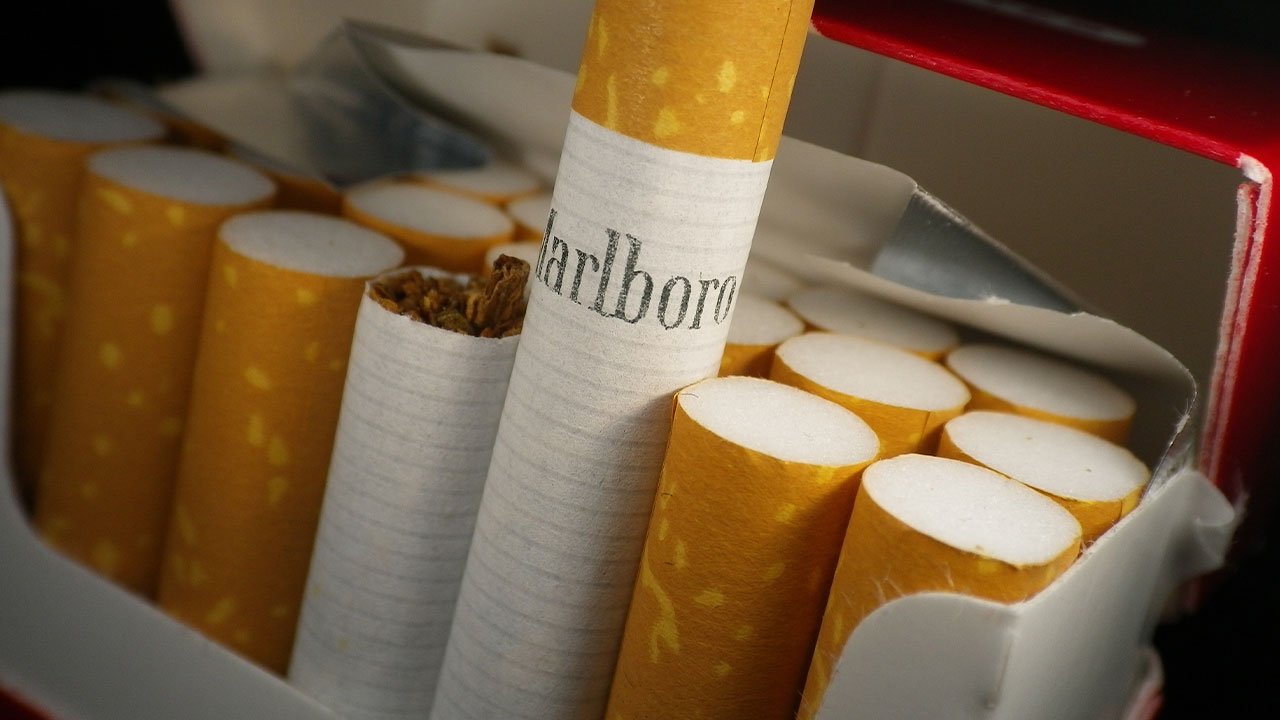
    Shah displayed several illicit cigarette packs available in markets across the country, including some smuggled brands without health warnings, counterfeit products of local brands, and unregistered and non-tax-paid locally produced cigarettes.

    Shah projected that the share of illicit cigarettes in Pakistan would increase from the current 35 per cent to 40-50 per cent in the current year. He added that if the government did not rationalize the policy of managing the threshold price level and did not restrict illicit trade, its revenues would also decline after two years. Illicit cigarettes are sold below the minimum price because the applicable tax per pack is not paid on these products.

    The cigarette industry paid total taxes of Rs150 billion in fiscal year 2021-22, and the expected tax receipts this year would be around Rs185 billion because of the new taxation measures. According to the industry, tax contribution by PTC and Philip Morris, two multinational companies, alone will be around Rs182 billion.

    Shah pointed out that around 35 cigarette companies were running in Pakistan, making some 200 brands, but local players paid only Rs3 billion in taxes and duties. He added that many companies were not paying due taxes, which was why some were selling cigarette packs for Rs7.

    PTC officials emphasized the need for a rational increase in the minimum legal price of cigarettes. After the recent rise in FED, taxes, and duties on tier-2 cigarette packs came in at Rs101, but the minimum sale price of the same packs was Rs108.

    According to Express, the company officials demanded that the finance ministry take stringent action against the illicit cigarette trade and ensure across-the-board implementation of the FBR’s track and trace system that monitors the production and supply of cigarettes.