Tag: Pakistan

  • Government announces four-day long Eid holidays

    Government announces four-day long Eid holidays

    The federal government of Pakistan has officially declared a four-day Eid ul Fitr holiday from April 10 to April 13.

    Prime Minister Shahbaz Sharif has given his approval for the holiday period which is four days.

    The announcement comes as anticipation builds for the sighting of the Shawwal moon, which marks the end of the holy month of Ramazan. If the moon is sighted on April 9, Eidul Fitr will be observed on April 10; otherwise, it will be celebrated on April 11, The Express Tribune reported.

    Moon-sighting predictions

    The Pakistan Meteorological Department (PMD) released predictions indicating that the Shawwal moon is likely to be sighted on Tuesday, April 9, across the country. According to PMD forecasts, the birth of the Shawwal moon is expected on the night of April 8 at 11:21 pm local time.

    On April 9, the moon’s age is estimated to range between 19 to 20 hours, with an anticipated duration of moon sighting after sunset exceeding 50 minutes on the horizon. While clear skies are forecasted for most locations across the southern regions, including Karachi, on April 9, northern areas may experience cloudy conditions during the moon sighting.

    In the event that the moon is sighted on April 9, Eid ul Fitr will be celebrated on Wednesday, April 10.

    Traditionally, Eid holidays commence a day earlier than the anticipated date so that citizens may prepare for the occasion.

  • Iss dafa Parliament se bahir nahin jayenge; PTI changes protests strategy

    Iss dafa Parliament se bahir nahin jayenge; PTI changes protests strategy

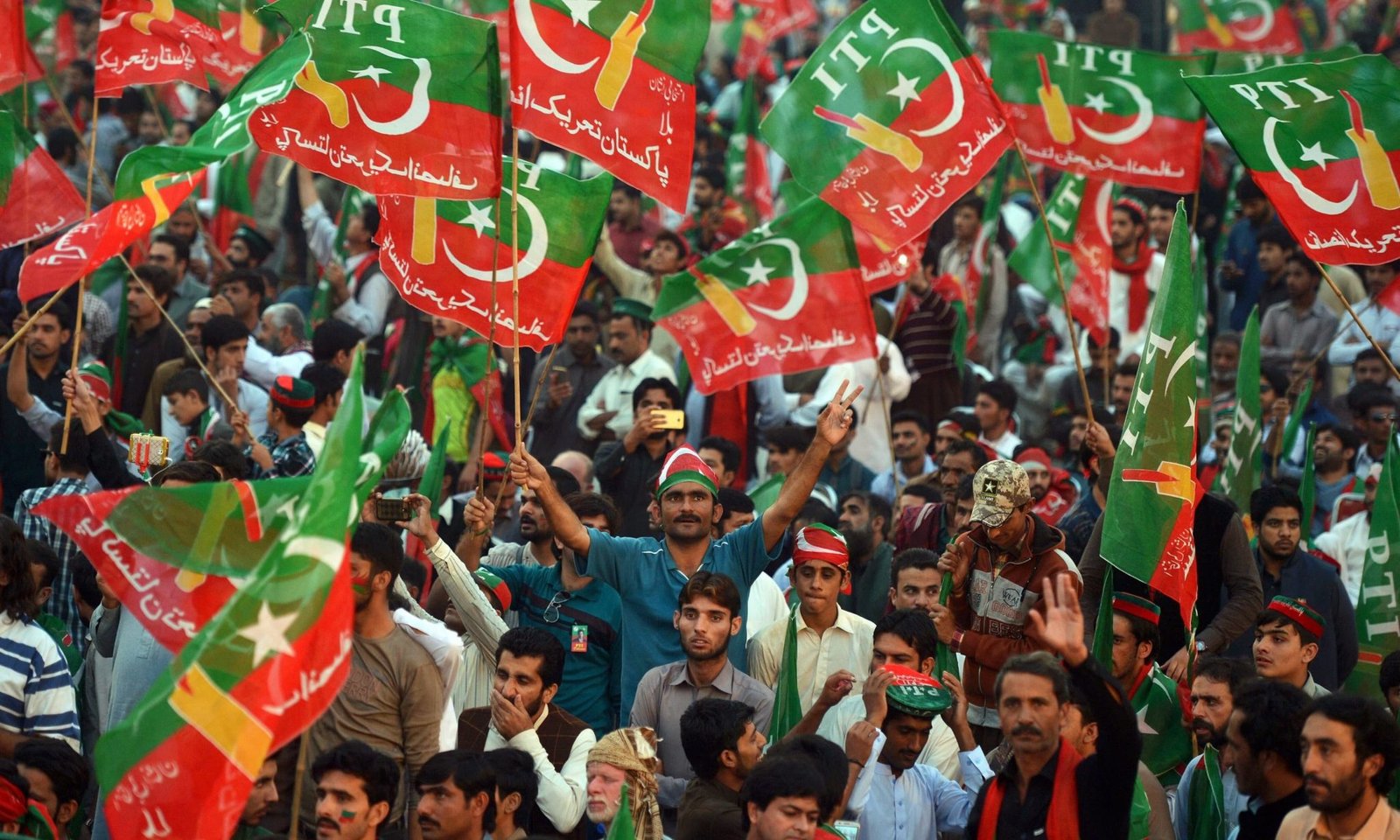
    Pakistan Tehreek-e-Insaf (PTI) Chairman Barrister Gohar Ali Khan said on Wednesday that his party- along with allies in opposition- is planning a protest however rather than playing fractious politics, this time his party will be taking the parliamentary route.

    Speaking to journalists in Islamabad, the PTI chairman said that the party was in talks with a few parties in the opposition like Jamaat-i-Islami, BNP-Mengal, Pashtunkhwa Milli Awami Party, Majlis Wahdat Muslimeen which would continue after Eidul Fitr break.

    When the chairman was asked about his party’s strategy for staging protests, he emphasized that PTI would not go for a sit-in, or a boycott of parliament even though they believe that their mandate has been stolen.

    “It is everyone’s demand that elections should never be rigged. The people vote for someone and someone else comes to power, this shouldn’t happen,” he said, explaining the reasons behind the protest movement.

    This decision can be seen as a significant shift from past party politics for the last decade.

  • How is gas shortage worsening health crises in Karachi?

    How is gas shortage worsening health crises in Karachi?

    The number of gastroenteritis cases in Karachi has been steadily increasing, a statistic that doctors claim is ticking upwards because of the consumption of contaminated water for drinking purposes owing to the shortage of gas and its soaring prices which has forced many people to use water without boiling it.

    Water supplies to the city had been found to be highly contaminated on multiple occasions. The general practice is to properly boil or filter to make it safe for drinking.

    Faiza Ilyas from Dawn talked to the doctors at the Dr Ruth Pfau Civil Hospital Karachi (CHK), where around 1,500 patients daily report to the emergency department, shared that the cases of gastroenteritis had seen a rise in recent days.“Currently, gastroenteritis constitutes 70 to 80 percent of our cases being reported at the hospital’s emergency department on a daily basis. There are a few cases of cholera as well,” shared CHK additional medical superintendent Dr Liaquat Ali Halo.

    Patients have been complaining of acute watery diarrhea and are administered intravenous fluids for rehydration.

    Most patients are discharged within a few hours while some require admission.

    Dr. Halo said the reasons behind the increase in gastroenteritis cases as lack of chlorination and filtration been a major factor that contributed to frequent episodes of outbreaks of gastroenteritis in the city, besides consumption of contaminated foods from roadsides and poor hand hygiene.“Many patients tell us that they are forced to use unboiled water for drinking as gas supplies are highly inadequate in their localities and the filtered water has become costlier,” Dr. Halo said, adding that inadequate cooking and eating contaminated raw food and vegetables could also cause illnesses.

    Commenting on the city’s public health situation, Dr. Altaf Hussain Khatri, a senior general physician based in the old city area, said gas shortage amid a drastic increase in prices of food and utilities had made the survival of poor families extremely challenging.

    “The gas shortage has further compounded miseries of the masses and compromised public health,” he said, adding that along with gastroenteritis, patients with respiratory infections were still reporting in high numbers to general physicians.

    “They are very effective as they filter sediments and kill pathogens,” he said.

  • Tehreek e Namoos Pakistan sends threatening letters to SC

    Tehreek e Namoos Pakistan sends threatening letters to SC

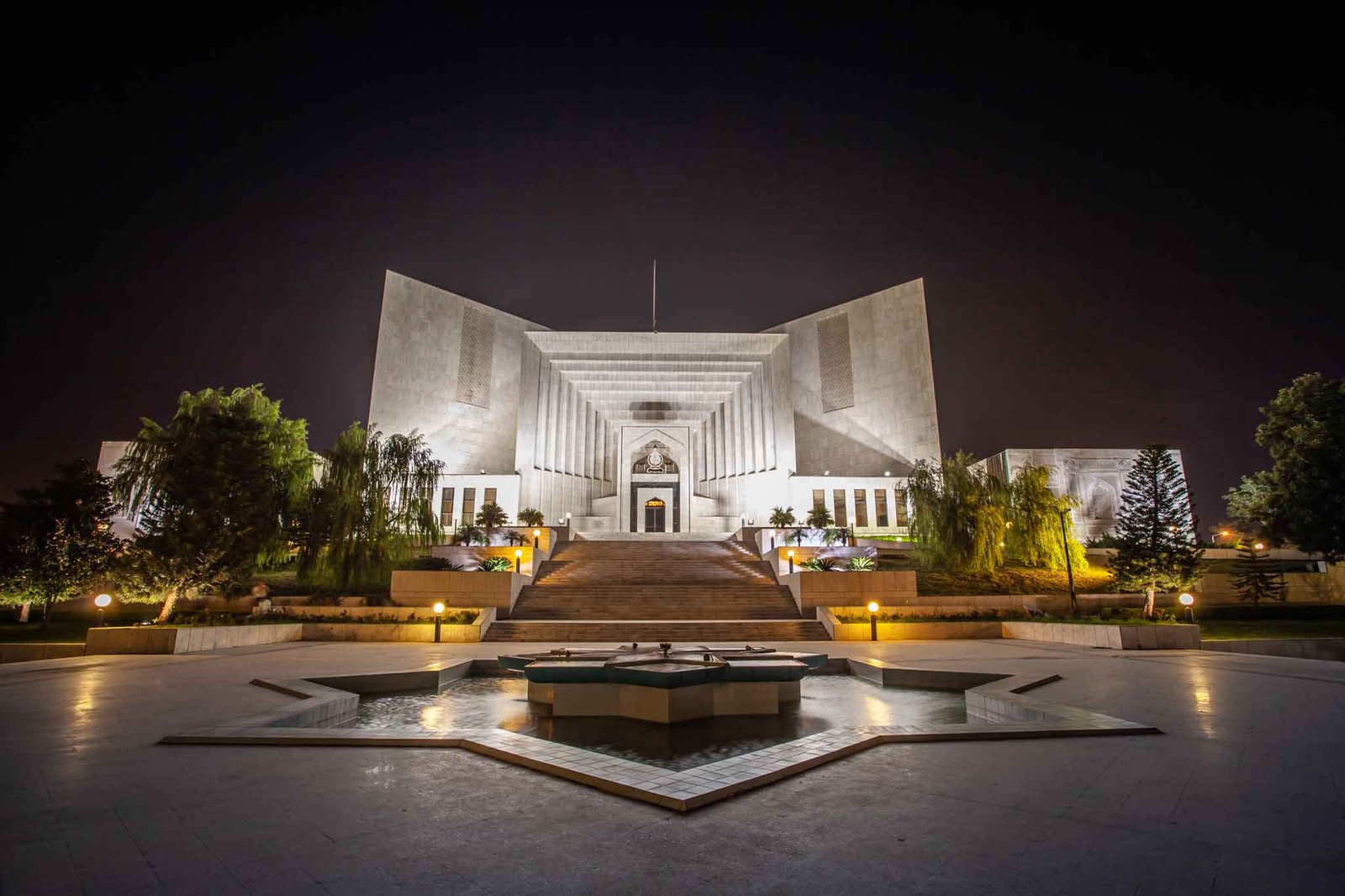
    After arriving at the doorsteps of Islamabad High Court (IHC) judges, letters containing suspicious powdery substance and threatening messages have been sent to the four Supreme Court (SC) judges – including Justice Qazi Faez Isa and Justice Mansoor Ali Shah.

    Importantly, on the same day four judges of Lahore High Court received the threatening letter as well containing suspicious powdery substance.

    The suspicious powder was suspected to be anthrax.

    The letter sent to the SC jurists read, “You people at the Supreme court of Pakistan are pretending to do justice since the inception of this country. Year after year this country is pluming into chaos, poverty, corruption and disorder. SCP was supposed to be the final and ultimate check for all that is wrong in our holy country instead it became very part of the problem and rescuer of evil.”

    It further said, “Judges, Generals and politicians are the curse and disease of motherland. We Tehreek e Namoos e Pakistan say NO More…”

    Tehreek e Namoos Pakistan (TNP) is a relatively new militant group whose name emerged once before last year. It was when a team of the Wild Life Department discovered explosives and maps related to sensitive installations of the Red Zone at Margalla hills, on Trail 5 of Islamabad, September 17 2023.

  • Change culture of lying, accusations’, Maryam wants speedy trials in defamation cases

    Change culture of lying, accusations’, Maryam wants speedy trials in defamation cases

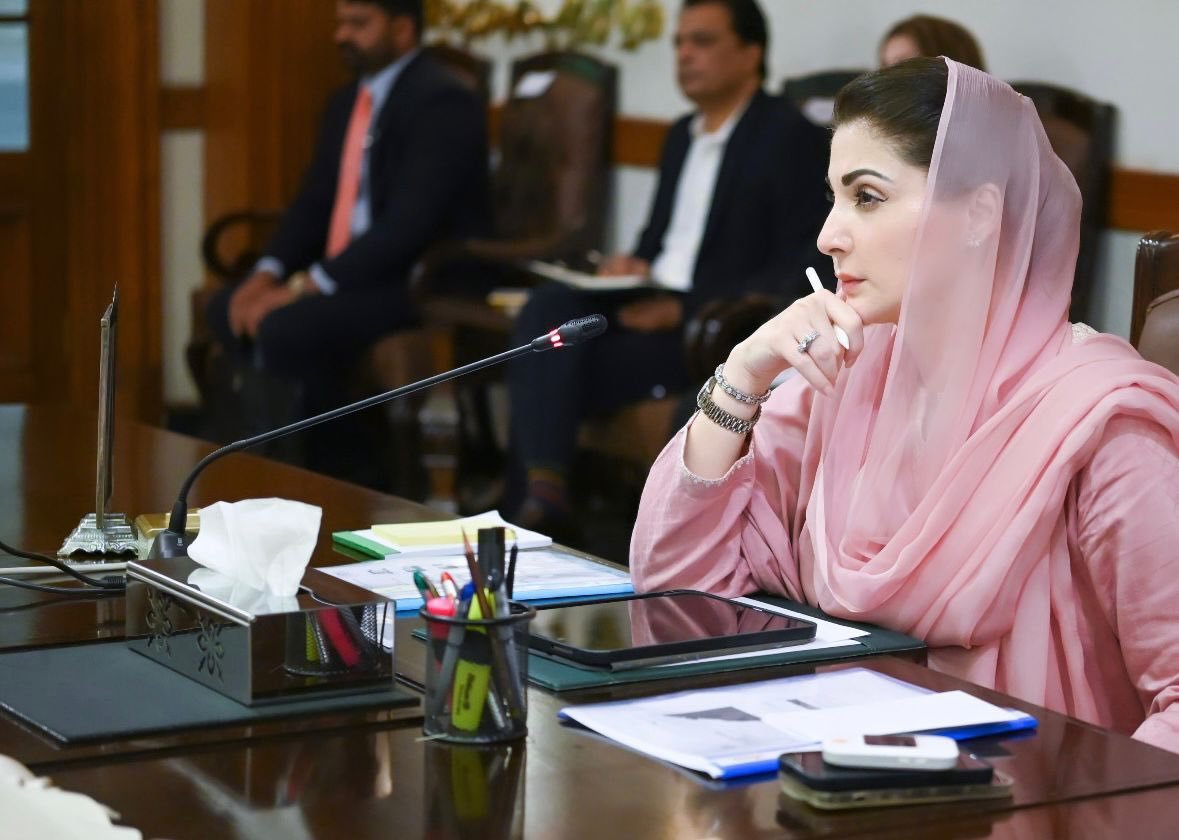
    The Chief Minister of Punjab, Maryam Nawaz presided over the fifth session of the provincial cabinet on April 3.

    The cabinet approved the creation of special speedy trial courts across the province aimed at the expedition of cases related to the physical and sexual assault of children.

    Furthermore, the cabinet was briefed on the proposed amendments to the defamation laws and the establishment of speedy trial courts in defamation cases as well.

    A bill is set to be presented in the Punjab Assembly which would aim to issue decree within ninety days and most importantly completion of trial within 180 days in defamation cases.

    “The culture of lying and accusation will have to be changed,” said Maryam Nawaz in the session.

    It was also observed that the notices in defamation cases could be given through major newspapers, social media, and courier services following the passage of the bill.

  • Pakistan facing 30 percent water shortage for sowing season

    Pakistan facing 30 percent water shortage for sowing season

    Pakistan is facing a 30 percent water shortage at the start of the sowing season for cash crops such as rice and cotton, the country’s water regulator said.

    The Indus River System Authority (IRSA) said the gap is based on lower-than-normal winter snowfall in Pakistan’s northern glacier region, affecting catchment areas of the Indus and Jhelum Rivers that are used for irrigation.

    Kharif crops, or monsoon crops, including rice, maize, sugarcane and cotton are sown in April and require a wet and warm climate with high levels of rainfall.

    “There was less snow than normal as a result of climate change affecting the country’s glaciers,” Muhammad Azam Khan, assistant researcher with IRSA, which regulates the distribution of water resources along the Indus river, told AFP on Wednesday.

    “This will have a direct impact on the availability of water for kharif crops in the summer.”

    The water shortage gap is expected to narrow as the monsoon rains arrive later in the season.

    However, the country’s meteorological department has also forecast higher than normal temperatures during monsoon season, increasing uncertainty.

    Agriculture is the largest sector of Pakistan’s economy, contributing about 24 percent of its GDP.

    But it has been criticized for being water inefficient.

    “What this current water shortfall means for the crops is that authorities will have to better plan on how to utilize the water that is allotted to them,” said IRSA’s Khan.

    Pakistan, the world’s fifth-largest country with a population of more than 250 million, has recently been grappling with the profound impacts of climate change which includes shifting and unpredictable weather patterns.

    Devastating floods in 2022 — which scientists linked to climate change — that affected more than 30 million people also severely impacted Pakistan’s cotton crop that year.

  • Atif Aslam’s heartfelt Naat captivates audiences

    Atif Aslam’s heartfelt Naat captivates audiences

    Atif Aslam, one of the biggest stars in the country, has captured hearts once again with his latest naat. His talent extends beyond mainstream music, as seen in his memorable rendition of ‘Tajdar e Haram’ for Coke Studio, which resonated deeply with audiences, especially the younger generation.

    Atif Aslam has been delving into his spiritual side more deeply. He has expressed that the kalaams (spiritual poetry) he recites are the legacy he wishes to leave for his children. His latest naat, ‘Main Sadqay Ya Rasool Allah,’ reflects this commitment and has been praised for its beauty and serenity.

    Watch the video:

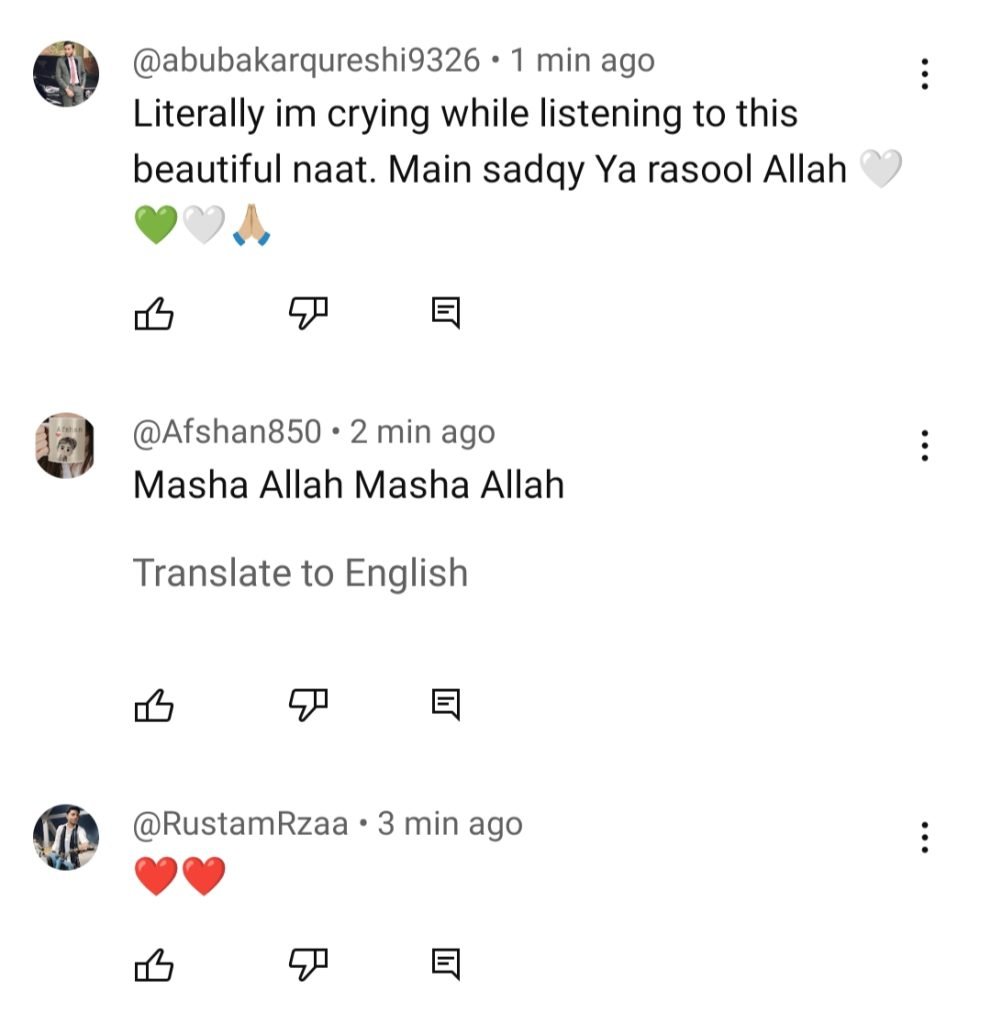
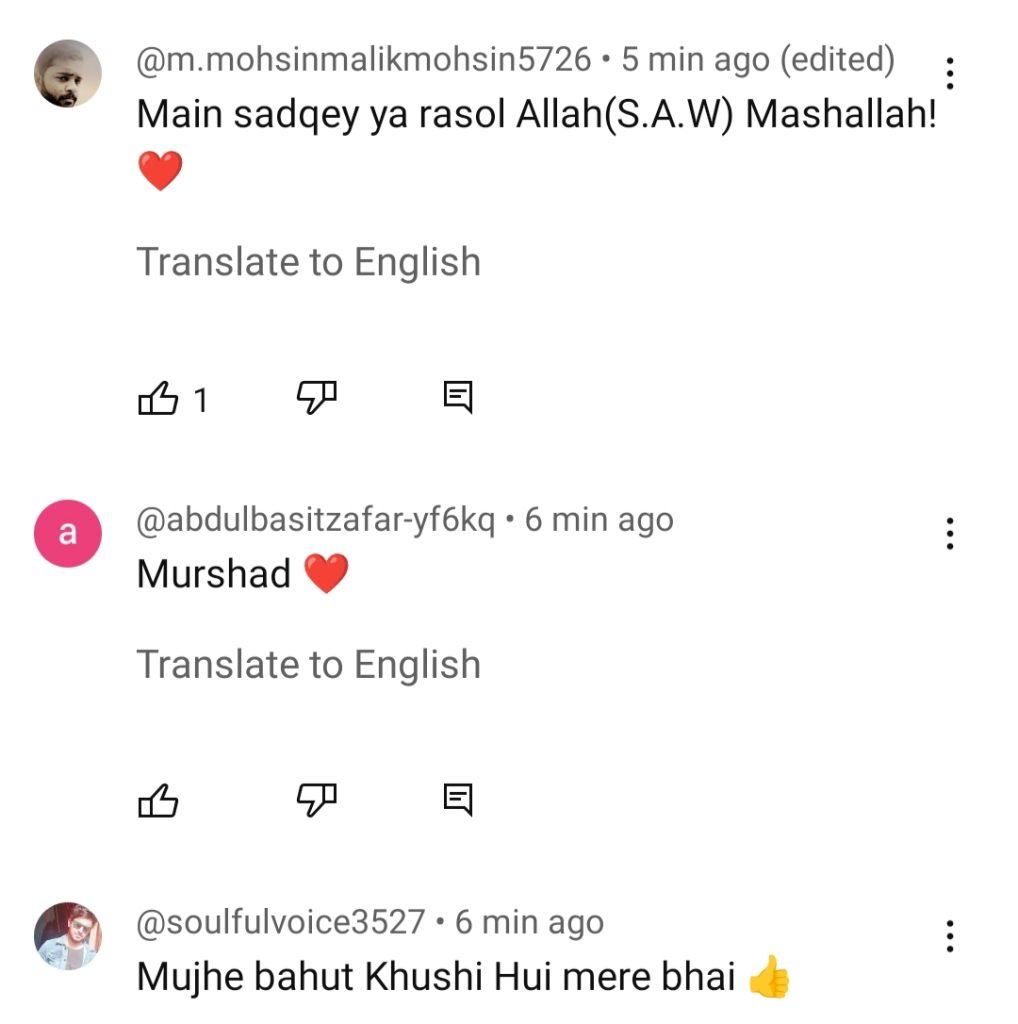
    The heartfelt naat has touched many, with listeners expressing their admiration and sharing their love for it.

    Check the comments below:

  • How Qari Muawiyah’s acquittal in attempted rape case is violation of Supreme Court orders

    How Qari Muawiyah’s acquittal in attempted rape case is violation of Supreme Court orders

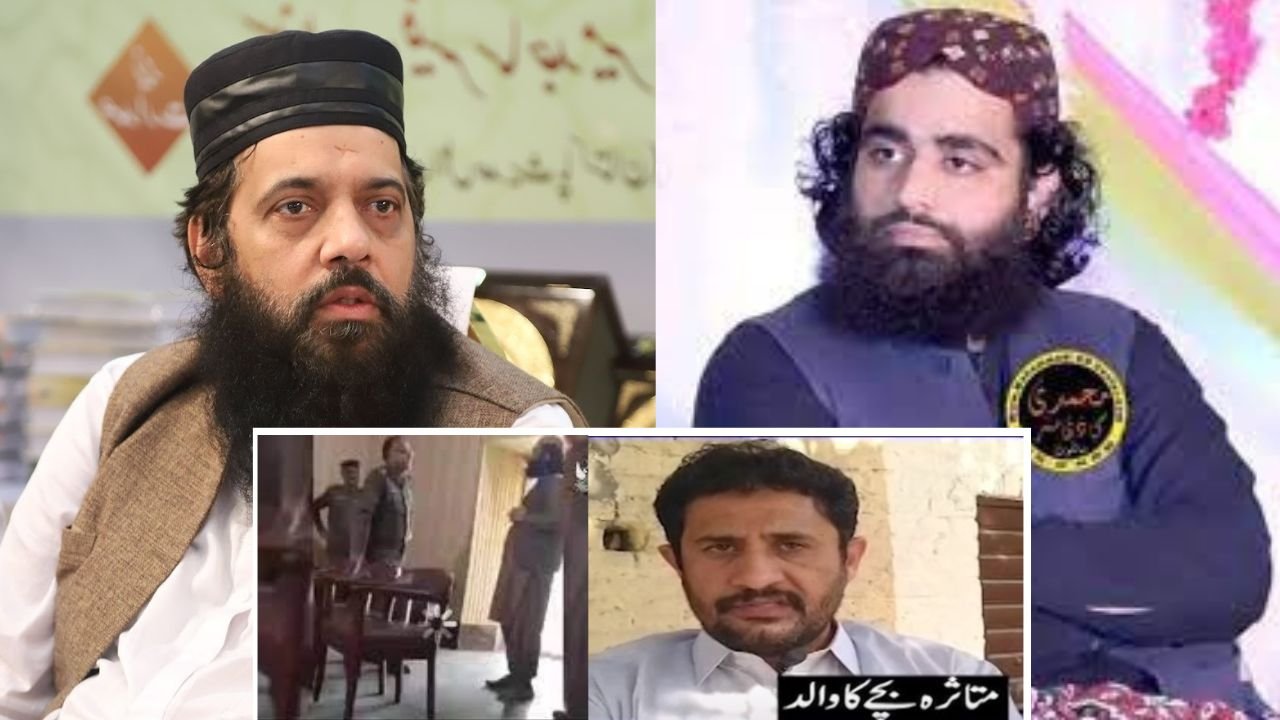
    A high-level police inquiry into the case of attempted rape of a 12-year-old boy in Tandlianwala, Faisalabad, has declared the acquittal of the suspect nominated in the initial FIR on the mediation of a ‘Jirga/Panchayat’ a sheer violation of the Supreme Court’s judgment.

    The legal status of the ‘council of elders’, ‘Panchayat’ or ‘kangaroo courts’ operating as alternative to the judicial system or for mediation in tribal belts of Khyber Pakhtunkhwa, and rural areas of Punjab, Sindh, and Balochistan was challenged in the Supreme Court’s landmark judgment that appeared in January 2019.

    The inquiry asked the police to challenge the acquittal of the suspect Qari Abubakar Muavia, by a magistrate after the father of the boy gave a statement in his favour.

    Pakistan Peoples Party’s Member of National Assembly Abdul Qadir Patel also spoke about the case. He asked the state to be a complainant in the case if the child’s father had forgiven the alleged perpetrator on the intervention of the clerics. He also sought a proper investigation into the case.

    Reinvestigation

    Dawn sources have said that reinvestigation into the case was launched on the order of Inspector General Punjab Dr. Usman Anwar when Chief Minister Maryam Nawaz took notice of the incident and directed him (the IGP) to hold an impartial inquiry to know on what grounds the suspect was discharged in the case and determine the role of the police.

    What happened in the court?

    Qari Abubakar was discharged from the case by Tandlianwala Judicial Magistrate Nauman Tahir on March 30 when the police presented him in the court, seeking further physical remand to continue interrogating him.

    The complainant along with his son also appeared and submitted a written statement that he got his FIR lodged on the basis of ‘suspicion’ against Mawiyah during the hearing. The magistrate’s decision mentioned that the complainant had submitted an affidavit too.

    “On query, the minor/victim also stated that the present accused didn’t commit the offence as mentioned in the FIR,” reads the magistrate’s decision.
    Additionally, the request of the remand of the police was turned down by the court.

    This complainant’s statement appeared to be the turning point that prompted the Punjab police high-ups to get the case reinvestigated as it mentioned the decision of a ‘Jirga Panchayat’, as per Dawn.

    Supreme Court’s judgment

    The supreme court judgment declares that the Jirgahs, Panchayats etc do not come under the Constitution or any other law whatsoever to the extent that they attempt to declare verdicts on civil or criminal matters.

    An official, privy to the development, said that during the inquiry, the legal branch of the police referred to the Supreme Court’s 2019 judgment when the matter of legality of Jirgas or Kangaroo courts was raised and so it recommended to the department high-ups to issue directions to challenge the magistrate’s decision of acquittal of the suspect.

    The IGP confirmed that the matter was investigated at a high level in light of the magistrate’ decision. He said he and the prosecutor general had met the victim boy and his father and discussed the issue of allegations levelled against the suspect, as per Asif Chaudhry’s report in Dawn.

    Read more: Cleric allegedly rapes a boy, ‘forgiven’ after religious scholar intervenes
  • Rizwana is back from hospital after arm surgery

    Rizwana is back from hospital after arm surgery

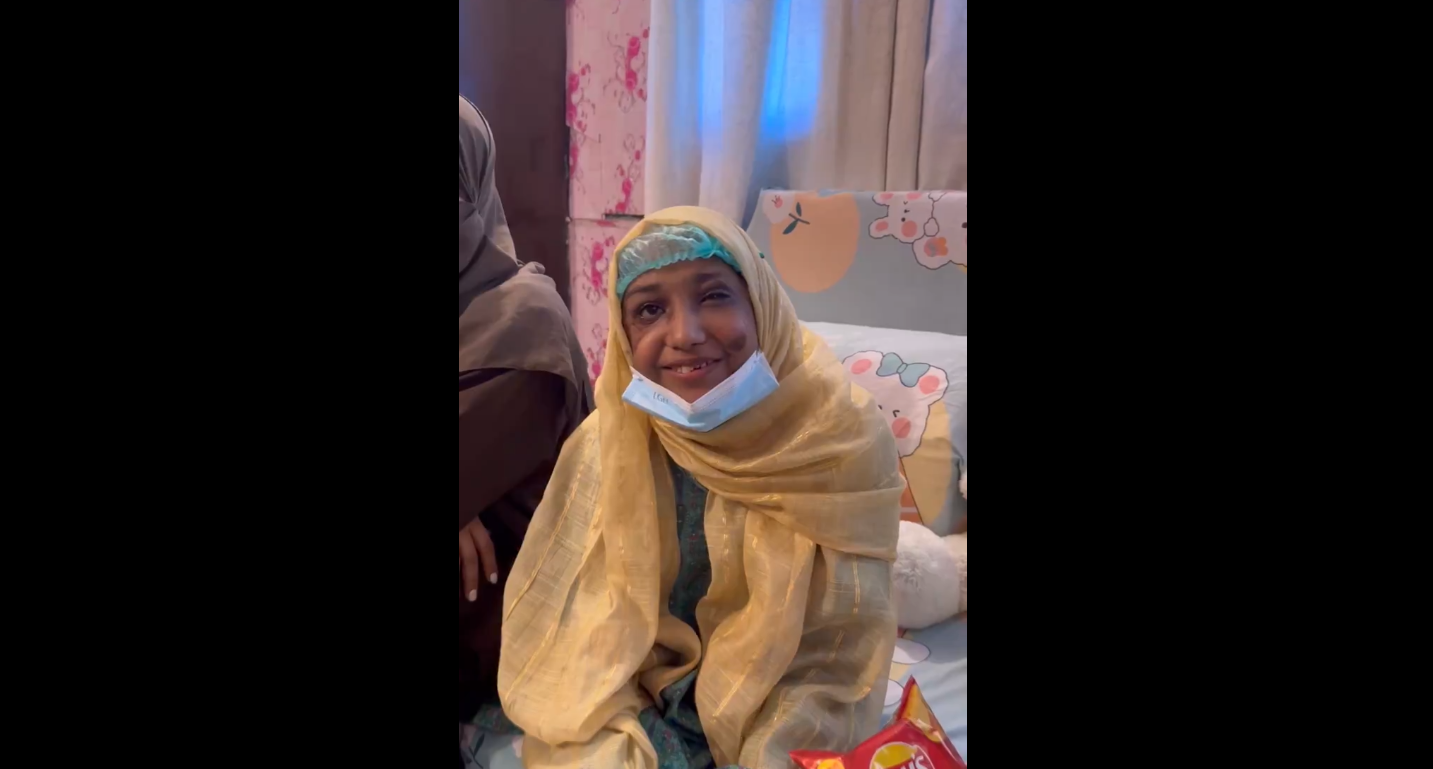
    Rizwana, the minor girl who was subjected to violence at the house of a Civil Judge in Islamabad, has been discharged from General Hospital Lahore and returned to the Child Protection Bureau after a surgery was performed on her arm.

    Talking to Geo News in Lahore, Chairperson Child Protection Bureau Sarah Ahmed said that Rizwana was under treatment at the General Hospital for two months.

    Now Rizwana is able to walk normally and feels better than before, said Sara Ahmed.

    Doctors have told her to rest for ten days. Rizwana’s right arm had undergone surgery that involved removing a rib bone and inserting it into the injured arm. Rizwana will not be able to bend her arm until she recovers.

    Background

    Last year, in July, it was revealed that Rizwana, a young girl working at the house of a civil judge in Islamabad, was subjected to assault by her employers. The torture continued and when her condition worsened, the civil judge’s wife handed her over to her mother.

    Rizwana had torture marks all over her body. A wound on her head had rotted due to lack of treatment, becoming infected by worms.

  • Arieb Azhar shares memories of instrument maker Muhammad Ziauddin

    Arieb Azhar shares memories of instrument maker Muhammad Ziauddin

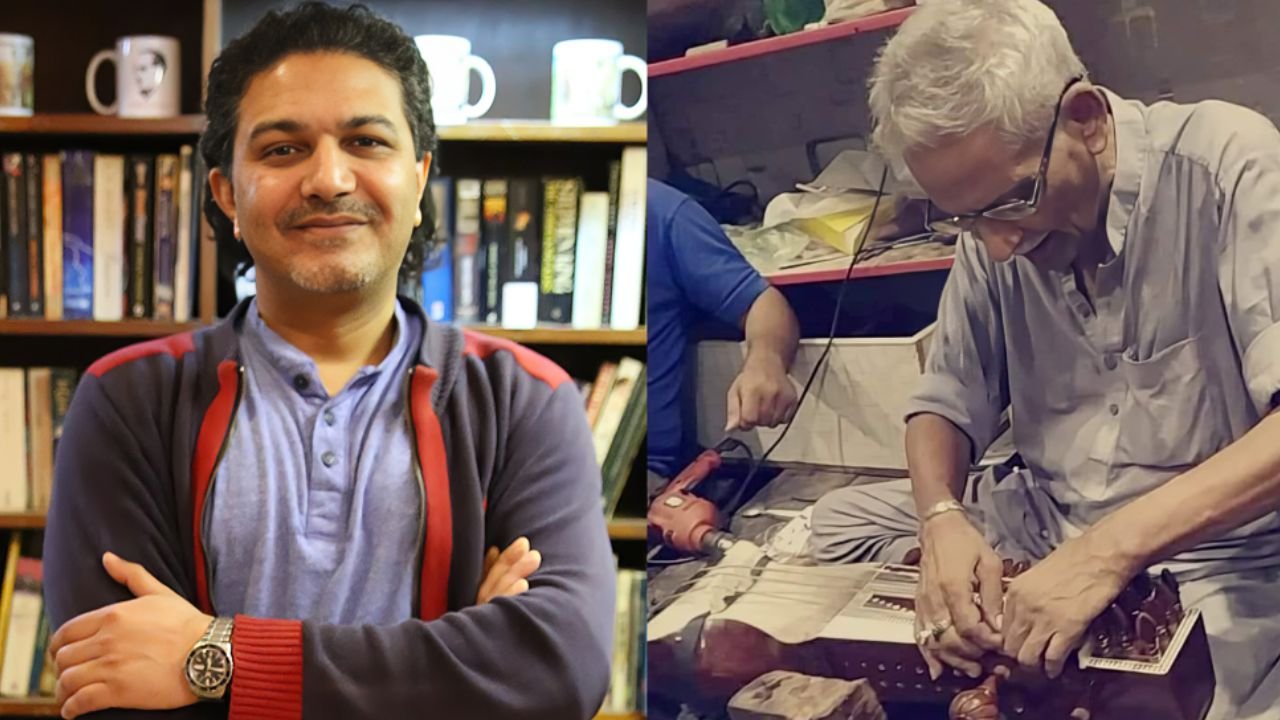
    Muhammad Ziauddin, Lahore’s master musical instrument manufacturer, has passed away. He was known for his skill in making instruments and for preserving culture. The news of his death was shared by famous musician Arieb Azhar on Facebook. Azhar praised Ziauddin’s special personality, wisdom, and his role in keeping Pakistan’s musical traditions alive.

    Azhar wrote on Facebook, “I just found out that the great instrument maker from Lahore, Muhammad Ziauddin, passed away four days ago. He was a unique personality, full of wisdom and humor.”

    Azhar continued to pay tribute, saying, “On many occasions, I spent hours at his shop listening to his stories and jokes, and learning from his deep knowledge about Pakistan’s musical traditions. He was a master at making Sitar, Sarod, Sarangi, and Surmandal, along with other stringed instruments. His family has been crafting instruments for 300 years.”

    Many people, like Azhar, were lucky enough to spend hours at Ziauddin’s shop. There, they didn’t just admire his instruments but also enjoyed his stories, jokes, and wide knowledge of Pakistan’s music. Ziauddin put his all into his craft, showing his dedication by pouring his heart and soul into every instrument he made.

    Azhar also said, “He was a key figure in our film ‘Indus Blues,’ which is about the endangered musical instruments of Pakistan. Despite receiving a Presidential award, he couldn’t even own the shop he worked in. These are the people our country should invest in and support to bring back a culture of decency and beauty in the world.”

    In his tribute, Azhar expressed sadness over the lack of support for artisans like Ziauddin. He stressed the importance of the government investing in and supporting people like him to revive and keep Pakistan’s cultural heritage alive. Ziauddin’s death isn’t just a loss for his family and the music world, but also a reminder of how crucial it is to acknowledge and preserve the contributions of such individuals. Azhar said, “Our country has lost a precious person, and many don’t even realize it.” He ended by saying, “His son Kashan continues his father’s legacy. May Ziauddin Sahab’s journey be blessed forever!”