Tag: Pakistan

  • Ayeza Khan and Danish Taimoor are having the best Dubai vacation

    Ayeza Khan and Danish Taimoor are having the best Dubai vacation

    Who doesn’t want to go to Dubai for a fun-filled vacation? The food is chef’s kiss, the shopping is divine and the water parks are among the best in the world.

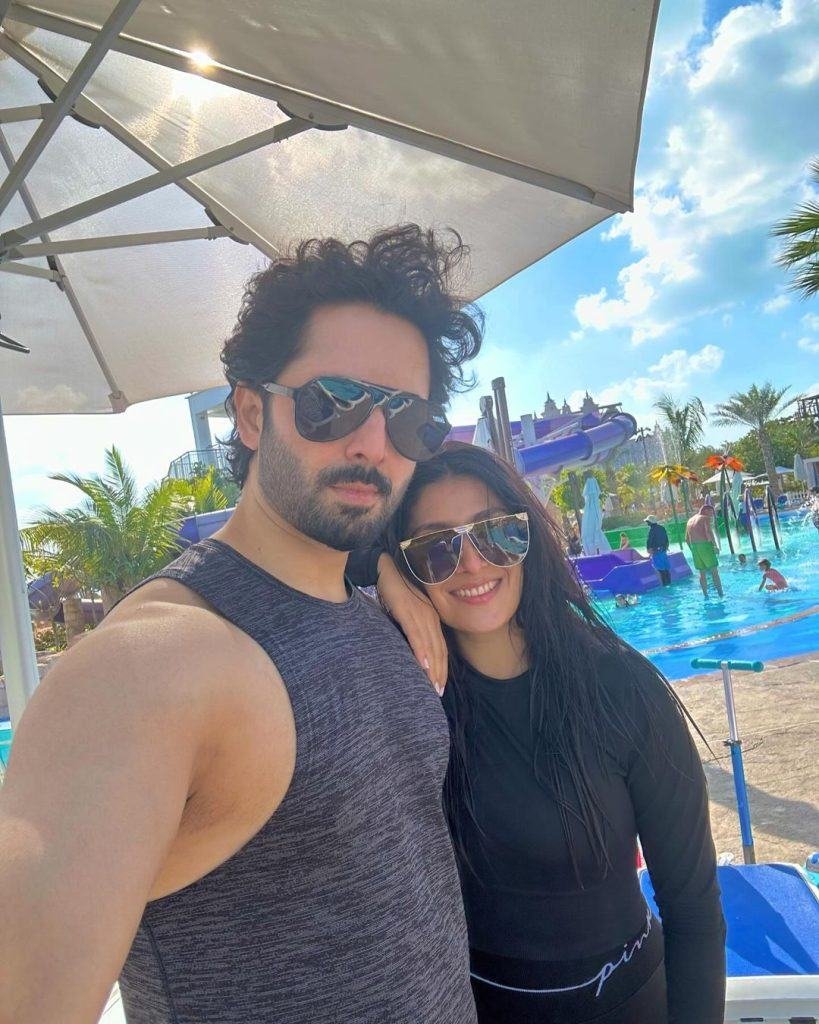
    Celebrity couple Ayeza Khan and Danish Taimoor, along with their two kids, Hoorain and Rayan, are taking time off in Dubai and if the pictures are anything to go by, the family is having a absolute blast.

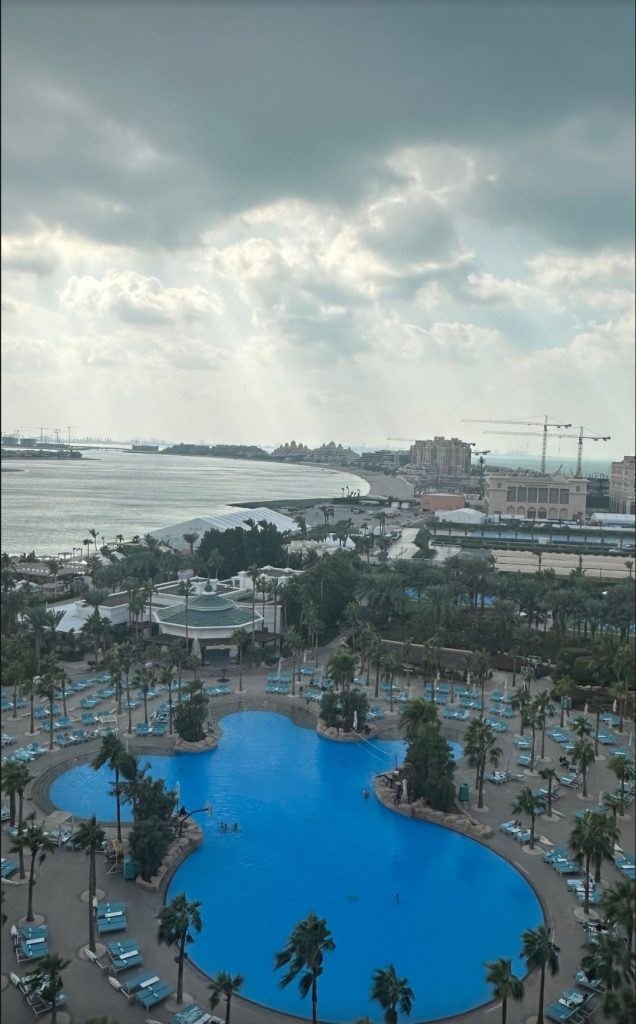
    The couple has delighted fans by sharing stunning pictures and Instagram stories from their stay at the Atlantis, the luxury hotel and resort. Ayeza Khan’s social media updates showcase the vibrant city while also giving a peek into the close-knit family’s and happy life.

    Here are some pictures:

  • Shah Mahmood Qureshi’s nomination papers approved from Sindh’s Umarkot  

    Shah Mahmood Qureshi’s nomination papers approved from Sindh’s Umarkot  

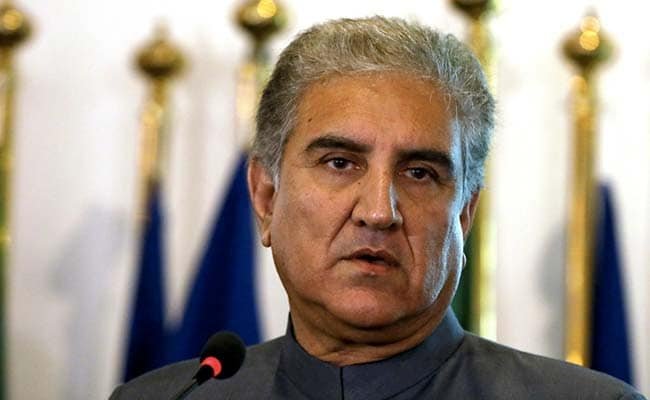
    The nomination papers of Pakistan Tehreek-e-Insaf (PTI) vice president Shah Mahmood Qureshi were approved on Friday, enabling him to contest general elections on February 8.

    An election tribunal approved the nomination papers of the PTI senior leader for the NA-214 constituency in Sindh’s Umarkot city. Shah Mahmood Qureshi’s son Zain Qureshi’s nomination papers were also approved from the same constituency.

    Numerous prominent political figures, such as Awami Muslim League (AML) chief Sheikh Rashid Ahmed, Balochistan National Party (BNP) head Akhtar Mengal, and Firdous Shamim Naqvi, have successfully obtained relief from election tribunals, as their nomination papers have been approved for the upcoming general elections scheduled for February 8, 2024.

    Various election tribunals have given their approval to the nomination papers of Sheikh Rashid, Akhtar Mengal, and PML-Zia chief Ijazul Haq and allowed them to take part in the forthcoming general election, set to take place on February 8, 2024.

    Sheikh Rashid’s nomination papers were approved from NA-56 and NA-57 constituencies while Mengal’s nomination papers were accepted from NA-264 Quetta.

    A tribunal consisting of Justice Hashim Khan Kakar and Justice Amir Nawaz Rana has overturned the returning officer’s decision to reject Mengal’s nomination papers due to the possession of a Dubai work permit (Aqama). The leader of BNP contested the rejection of his nomination papers with the representation of his counsel, Advocate Sajid Tareen.

    On the other hand, a tribunal approved the nomination papers of PML-Zia’s chief, Ijazul Haq, and allowed him to contest the election from NA-55.

  • Sania Mirza, son Izhaan start 2024 with playful makeover

    Sania Mirza, son Izhaan start 2024 with playful makeover

    A new year is upon us and we all will try to start it with new resolutions or even new looks.
    Indian tennis star Sania Mirza shared photos of her son, Izhaan Mirza Malik’s new look for 2024 on her latest Instagram post. She also wished everyone a happy New Year. The 37-year-old athlete regularly posts on Instagram to share moments from her personal and professional life, keeping her fans entertained.

    Her latest post contains two pictures with Izhaan, captioned: “New year, new us”.

    In one picture, Sania is holding her son who is wearing a funny wig and a fake mustache. Another photo in the post is a selfie taken in the car, showing both the mother and son wearing sunglasses.

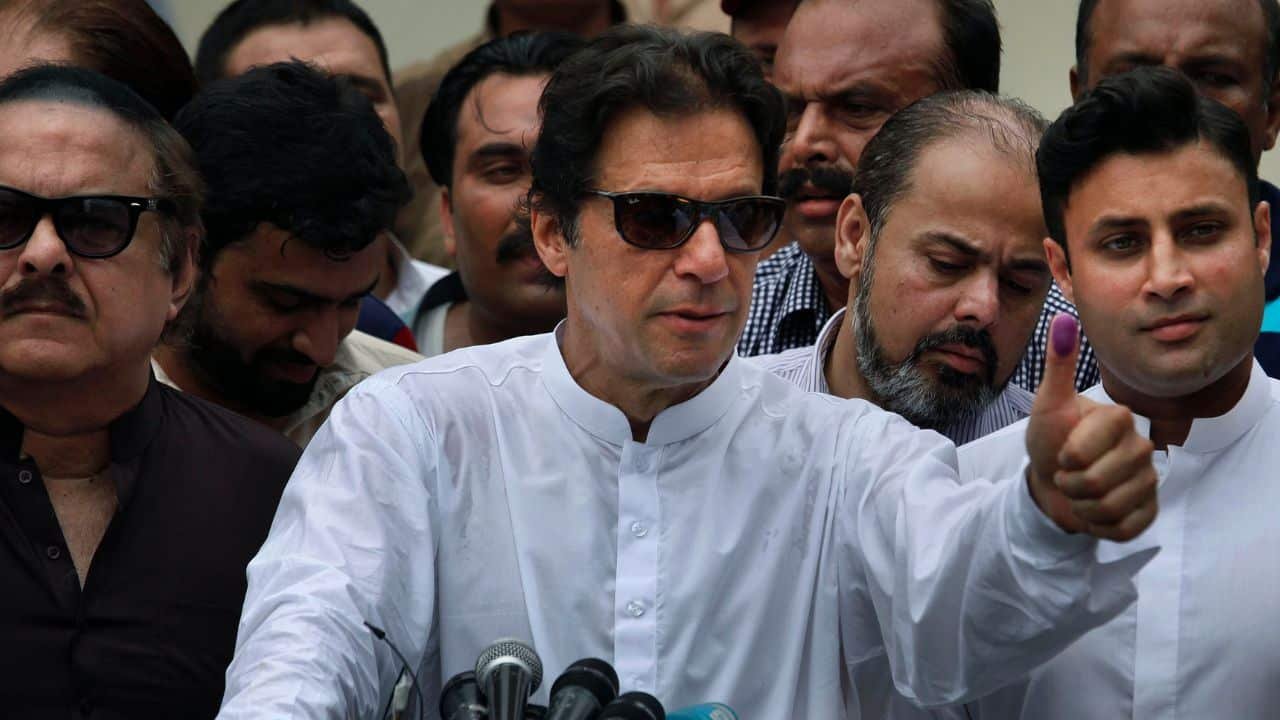
  • Imran Khan casts doubt on election legitimacy in an article written from jail

    Imran Khan casts doubt on election legitimacy in an article written from jail

    In a recent article for The Economist, Imran Khan, the founder and former chairman of Pakistan Tehreek-e-Insaf (PTI), currently incarcerated, has expressed apprehensions about the legitimacy of the upcoming elections in Pakistan.

    Khan argues that the caretaker governments in place at both the federal and provincial levels are constitutionally illegal due to their failure to hold elections within 90 days of dissolving parliamentary assemblies.

    While the public is anticipating elections on February 8, Khan, who has faced various challenges since a vote of no confidence in April 2022, raises skepticism about the electoral process.

    He points to the election commission’s actions, which he claims include defying the Supreme Court, rejecting PTI nominations, hindering internal party elections, and initiating contempt cases against PTI leaders for criticizing the commission.

    “The country’s election commission has been tainted by its bizarre actions. Not only has it defied the top court but it has also rejected my Pakistan Tehreek-e-Insaf (PTI) party’s nominations for first-choice candidates, hindered the party’s internal elections and launched contempt cases against me and other PTI leaders for simply criticising the commission,” he wrote.

    Khan contends that since his government’s removal, orchestrated by what he terms as “the establishment”—comprising the army, security agencies, and civil bureaucracy—the playing field for PTI has been anything but level. He alleges external interference, specifically from the United States, citing a State Department message urging his removal from the prime minister’s seat.

    Despite subsequent protests and electoral victories in by-elections, Khan argues that the administration that replaced his government led to economic downturns, inflation, and currency devaluation within 18 months. He emphasizes the contrast between PTI’s governance, which garnered international praise, and the subsequent administration’s economic performance.

    Khan claims that various measures have been taken to sideline him politically, including assassination attempts, abductions of party members, and legal harassment. Despite facing nearly 200 legal cases and being denied a normal trial, Khan states that PTI remains popular, with a 66 per cent approval rating, according to a recent poll.

    The former prime minister also raises concerns about the return of Nawaz Sharif, a convicted former prime minister, speculating that Sharif may have struck a deal with the establishment for support in the upcoming elections.

    Khan, who remains incarcerated on charges including treason, expresses doubt about the fairness of the electoral process, claiming that PTI is being denied its basic right to campaign.

    He concludes by advocating for fair and free elections, “The only viable way forward for Pakistan is fair and free elections, which would bring back political stability and rule of law, as well as ushering in desperately needed reforms by a democratic government with a popular mandate. There is no other way for Pakistan to disentangle itself from the crises confronting it. Unfortunately, with democracy under siege, we are heading in the opposite direction on all these fronts.”

    The Economist added an Editor’s Note stating, “The Pakistani government and the U.S. State Department deny Khan’s allegations of American interference, and Khan faces charges under the Official Secrets Act.”

  • Spain police investigate suspected poisoning of 47 cats

    Spain police investigate suspected poisoning of 47 cats

    Spanish police said Thursday they had opened an investigation into the suspected poisoning of nearly 50 street cats that could see the perpetrators serving several years’ jail time under a new animal welfare law.

    The incident occurred in La Carlota village just outside the southern city of Cordoba, with local residents discovering the bodies of at least 10 cats on December 31 at the local dump where the colony was based.

    They alerted the animal rights party PACMA which on Tuesday filed a complaint with the Guardia Civil police over “the mass poisoning of a 47-strong feline colony”.

    “Some of the animals were found inside nearby containers while others were lying in the street with only one survivor, a young male cat which is in very poor state,” said the complaint, a copy of which was seen by AFP.

    The rest of the cats had disappeared, with a PACMA spokeswoman saying they were believed to have died in the nearby woods after the poison took hold.

    In response, officers from the Guardia Civil’s nature protection service Seprona were dispatched to the scene on Wednesday to investigate, a spokesman for the force said.

    “They are looking into whether the deaths were due to poisoning or from other causes. And if there was a crime, to identify the culprits,” he added.

    Under terms of a new law that came into force in September, anyone found guilty of cruelty leading to an animal’s death could face up to three years behind bars, up from a previous penalty of 18 months.

    In a separate operation, police said Thursday they had smashed a ring which allegedly imported puppies from Hungary and Slovakia and then sold them in Spain with forged documents.

    Officers arrested eight people and rescued over 100 animals during four searches they carried out as part of the operation, a police statement said.

  • Faiz Hameed denies ‘conspiracy’ against government in Faizabad commission case

    Faiz Hameed denies ‘conspiracy’ against government in Faizabad commission case

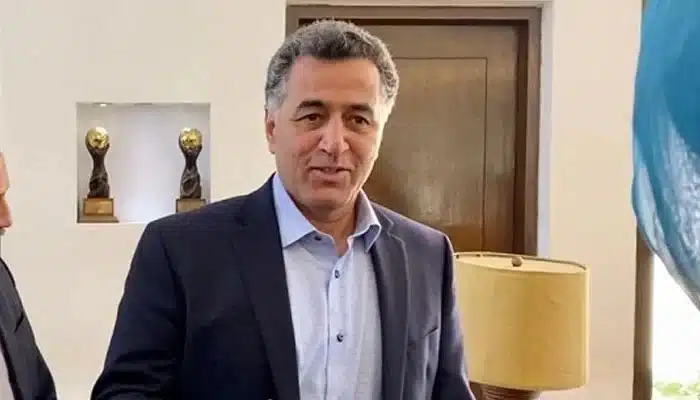
    Former Director General of Inter-Service Intelligence (ISI), General (retd) Faiz Hameed, recorded his statement before the Faizabad sit-in commission on Thursday. The former spymaster denied allegations that he conspired against the government.

    Faiz Hameed was called three times by the committee investigating the 2017 sit-in organised by Tehreek-e-Labaik Pakistan (TLP), but the former DG ISI did not do so.

    After that, the commission sent him a questionnaire, to which he responded that he held negotiations with TLP on the directions of the government.

    Sources told Geo News that the commission called the former spymaster on January 2, but he did not appear before the panel.

    Earlier last year, the panel summoned him in the second week of December and then on December 29th.

    In November last year, the caretaker federal government constituted the inquiry commission for the implementation of the Supreme Court’s 2019 Faizabad verdict.

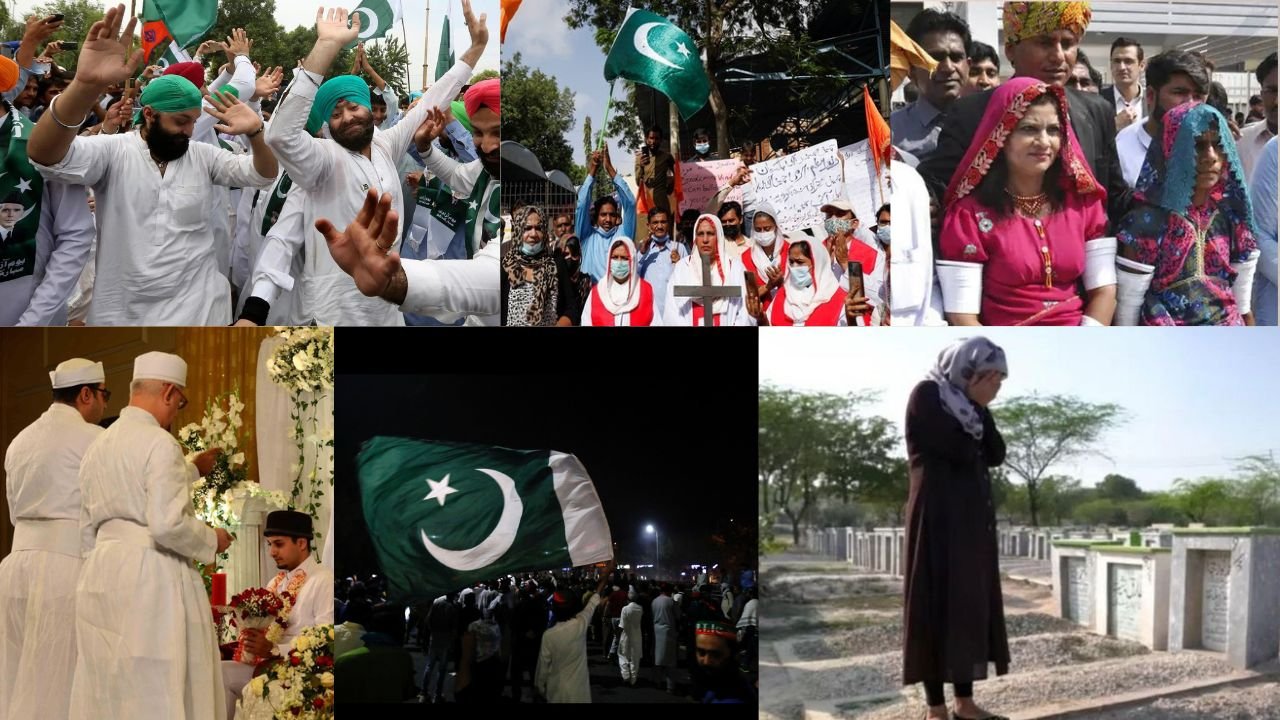
  • How many registered religious minority voters are in Pakistan?

    How many registered religious minority voters are in Pakistan?

    As per the recent province-wise religion report of the Election Commission of Pakistan (ECP), there are 30 lac, 78 thousand, 3 hundred and 6 voters from religious minorities in Pakistan.

    Out of 40 thousand 781 minority voters in Khyber Pakhtunkhwa 3516 are Bahai, 220 Buddist, 28080 Christian, 4209 Hindu, 723 Parsi, 1149 Ahmadi, and 2884 Sikh.

    In former Federally Administered Tribal Areas (FATA) there are 3539 religious minority voters out of which 400 are Bahai, 41 Buddist, 1446 Christian, 669 Hindu, 16 Parsi, 23 Ahmadi, and 944 Sikh.

    For 12 lac 59 thousand 303 minority voters in Punjab, 18102 are Bahai, 786 Buddist, 1057071 Christian, 73456 Hindu, 262 Parsi, 108538 Ahmadi, and 1088 Sikh.

    In Sindh, there are 16 lac 80 thousand 582 minority voters, out of which 7269 are Bahai, 495 Buddist, 228552 Christian, 1423276 Hindu, 2787 Parsi, 16668 Ahmadi, and 1535 Sikh.

    Balochistan has 44 thousand 930 minority voters, out of which 1387 are Bahai, 1387 Buddist, 18702 Christian, 18702 Hindu, 265 Parsi, 549 Ahmadi, and 272 Sikh.

    In the Federal Capital, there are 44 thousand 783 minority voters, out of which 242 are Bahai, 41 Buddist, 40518 Christian, 276 Hindu, 16 Parsi, 3677 Ahmadi, and 13 Sikh.

    Although elections are not happening in Gilgit Baltistan and Azad Jammu and Kashmir in February 2024, ECP did share detailed data of these areas too.

    Out of 653 minority voters in Gilgit Baltistan, 472 are Bahai, 5 Buddist, 147 Christian, 8 Hindu, 16 Ahmadi, 5 Sikh, and none from the Parsi community.

    Azad Jammu and Kashmir has 3735 minority voters out of which 1083 are Bahai, 23 Buddist, 987 Christian, 45 Hindu, 13 Parsi, 1580 Ahmadi, and 4 Sikh.

    As Pakistan gears up for nationwide parliamentary elections in February 2024, a significant portion of the population, the Ahmadiyya community, faces disenfranchisement due to discriminatory provisions in the electoral law.

    Current electoral regulations in Pakistan effectively exclude Ahmadis from the voting process based on their religious beliefs.

    To register as voters, members of the Ahmadiyya community are compelled to either renounce their faith or accept placement in a distinct electoral list categorizing them as “non-Muslim.”

    However, self-identification as Muslim is a fundamental tenet of Ahmadiyya religious belief.

    This exclusionary practice has resulted in the denial of voting rights for Ahmadis, who comprise over 500,000 individuals in Pakistan.

    Despite their significant numbers, Ahmadis find themselves unable to participate in local, provincial, and national elections.

    It is noteworthy that in 2002, Pakistan discontinued an electoral system that segregated Muslims and non-Muslims into separate categories for registration and voting.

    However, discriminatory measures persist, particularly affecting the Ahmadiyya community’s ability to exercise their

    The government also created a separate category for Ahmadis. Since then, all Pakistani citizens have voted according to a single electoral list except the Ahmadis, who vote on a separate list.
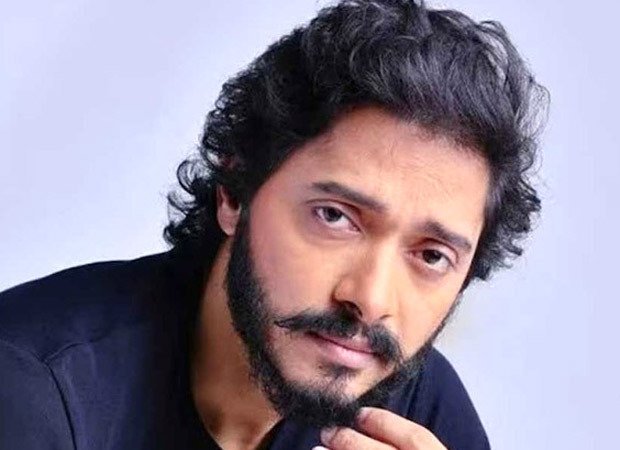
  • ‘I was dead’; Shreyas Talpade on harrowing health scare

    ‘I was dead’; Shreyas Talpade on harrowing health scare

    Indian actor Shreyas Talpade has opened up about the harrowing health scare he recently went through.

    The actor had a heart attack after which he was shifted to the hospital where he had an angioplasty. He says that for a short time, he was clinically dead, but he has recovered now.

    “I was short of breath and pain started in my left hand. I hurriedly walked to the vanity van and changed my clothes,” he said, adding that initially, he thought he had strained a muscle during an action scene.
    “I have never faced such a dangerous situation, however as I was sitting I thought that I should go to the hospital immediately, but then I thought that I should go home first.”

    When his wife Deepti saw him in this condition, they left for the hospital within 10 minutes.

    The actor said that he collapsed as soon as he reached the hospital gate, suffering a heart attack.

    “I was clinically dead for a few minutes,” Shreyas Talpade said.
    Clinical death means the cessation of blood flow and respiration when the heart stops beating normally.

    Shreyas said, “I have never entered the hospital, I have never seen this situation.”
    He advised fans not to take their health for granted.

    “Jaan hai toh jahan hai. Such an experience changes your outlook on life,” he firmly stated.

  • Seat adjustment expected between PML-N, PML-Q on multiple seats

    Seat adjustment expected between PML-N, PML-Q on multiple seats

    Former rivals Pakistan Muslim League-Nawaz (PML-N) and Pakistan Muslim League-Q (PML-Q) are expected to agree to seat adjustments for the upcoming general elections set to take place on February 8, 2024, as discussions on the matter between the two Punjab-based parties is in process, The News has reported.

    According to the report, PML-Q wanted seat adjustment on multiple seats in Punjab as well as on the seats where the party won in the 2018 polls. PML-Q won four National Assembly (NA) seats and eight provincial assembly seats in 2018.

    PML-Q leaders Salik Hussain, Monis Elahi, Hussain Elahi, and Tariq Bashir Cheema succeeded in those NA constituencies.

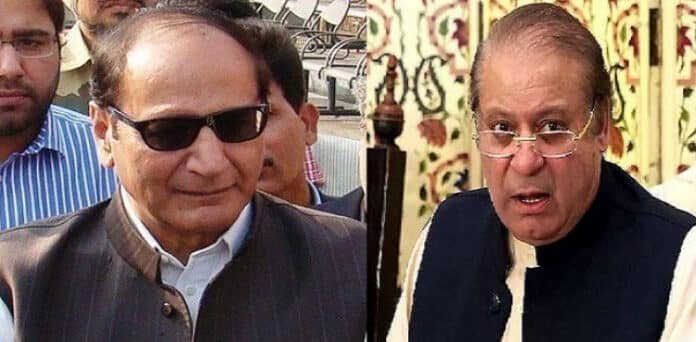
    PML-Q chief Chaudhry Shujaat’s son Shafay Hussain submitted nomination papers for two provincial assembly seats from the family stronghold of Gujrat.

    Sources claimed that seat adjustment is expected on Salik and Shafay Hussain’s seats.

    On the other hand, PML-Q leader Tariq Bashir Cheema will face PML-N’s Saud Majeed in Bahawalpur.

    However, discussion on the matter of seat adjustment between PML-N and the Istehkam-e-Pakistan Party (IPP) are still going on.

  • Harvard’s first female black president resigns for not taking action against pro-Palestine students

    Harvard’s first female black president resigns for not taking action against pro-Palestine students

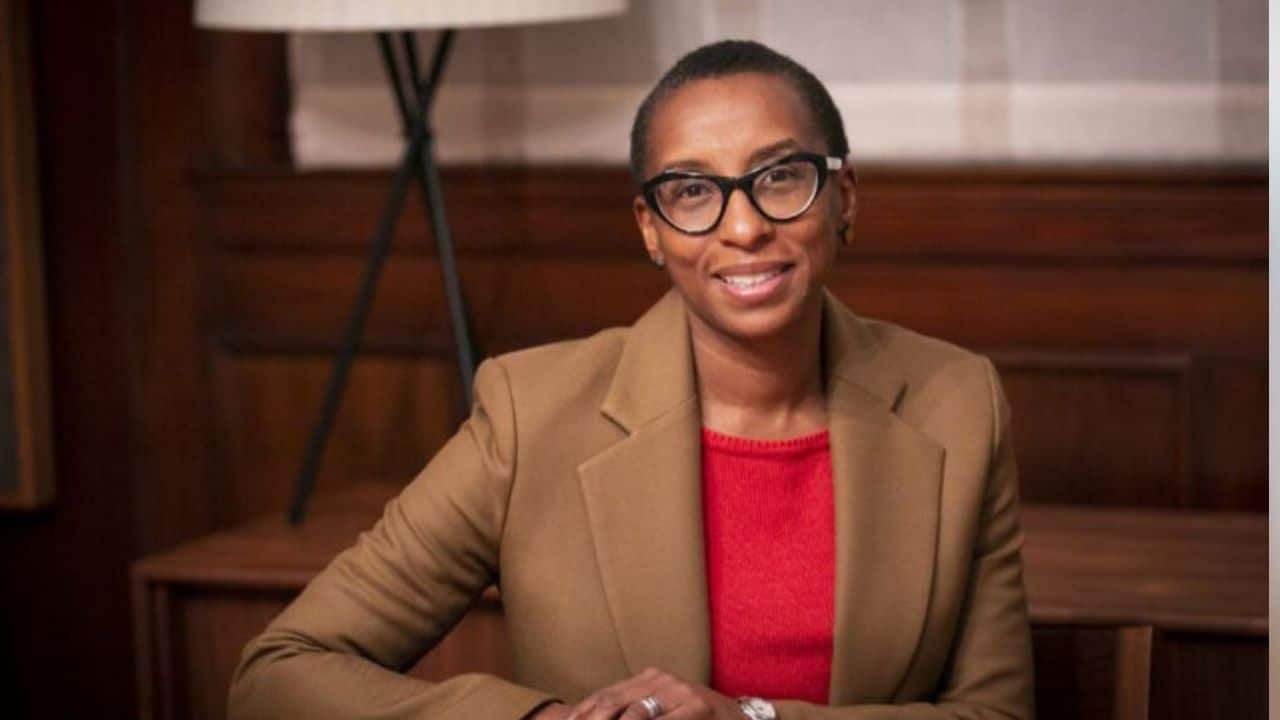
    The first black woman president of America’s Harvard University, Claudine Gay, has finally resigned in the face of pressure by the university administration over accusations of plagiarism and her refusal to stop pro-Palestine protests on campus.

    Her resignation marks the end of the presidency of the first Black president and second woman in Harvard’s nearly 400-year history.

    Claudine, under intense pressure to resign since the Israeli attacks on Gaza, said in her resignation that it was in the best interest of Harvard University because of her commitment to combating hate speech and upholding academic standards.
    Gay did not say when she plans to formally step down but she described the decision as “difficult beyond words.”

    It is important to note that in December 2023, Harvard University decided to retain Dr. Claudine in her position after the American University Board ruled in favor of the head of the institution on the issue of not taking action against pro-Palestinian students.

    After Harvard’s president was accused of not taking a strong stance on what was being called anti-Semitism but was anti-Zionism, in an appearance before the Congress Committee, Harvard University was under pressure to demand the resignation.

    Many at Twitter are attributing the exit of Dr. Claudine to the outrageous questioning in the Congressional hearing where she was brutally cornered leading to the withdrawal of donors and adding pressure to the administration to ask the president to resign.

    Her resignation has divided the internet largely into three debates. One group sees it as another manifestation of racism in America. The other is celebrating her exit for believing her to be a plagiarist and anti-semitic. The last viewpoint is seeing the whole scenario as a depiction of how America treats voices that are not aligned with the state’s pro-zionist and fake-liberal policy using anti-semitism and plagiarism as an excuse.

    Editor and Analyst Mara Gay called the move blatant racism, “This is really an attack on academic freedom … This is an attack on diversity. This is an attack on multiculturalism, & … I don’t have to say that they’re racist, because you can hear and see the racism in the attacks.”

    Fox News anchor CJ Pearson asserted that “Claudine Gay wasn’t fired for being black. She was fired for being an anti-Semitism-enabling plagiarist. I’m so tired of the black community using the color of our skin to shield people from accountability.”

    Mo Torres called out the duplicity in the resignation of Dr Caludine by saying, Gay should not have been forced to resign but it’s unfortunate to see that she still misses an obvious point: students on her campus never called for genocide against Jewish people. “Liberals seem strangely addicted to assuming good faith from their detractors on the right.”

    Professor of sociology Heba Gowayed, commented, “Do not cower just to be beaten away”. She added, “And with that Claudine Gay ends her tenure disliked on both the right and the left. Whew.”

    Pro-zionist voice Ben Shapiro outrightly called her a grifter, “Claudine Gay’s defenders are calling her a martyr for one reason and one reason only: if they admit she’s an unqualified grifter who became powerful thanks to DEI, their own grift is endangered.”

    Journalist Mehdi Hassan shared the Guardian’s article about how the hedge-fun manager, Zionist and billionaire Bill Ackman is behind the forced exit of Professor Gay.