Tag: Pakistan

  • ‘Brain-eating’ amoeba causes two deaths in a week in Karachi

    ‘Brain-eating’ amoeba causes two deaths in a week in Karachi

    Sindh Health Authorities have reported two deaths within a week from Naegleria Fowleri, also known as brain-eating amoeba, in Karachi. The death toll has reached 10 victims this year.

    The latest victim is a 22-years-old student of North Karachi. Earlier in the week, a 45-year-old succumbed to the amoeba in the same locality. The two deaths have raised alarm bells both in the locality and the city.

    The student fell ill with high fever, headache and vomitting. His condition rapidly deteriorated, leading to hospitalisation in ICU. He tested positive for Naegleria, dying within four days on October 29.

    The symptoms of the two patients were similar but both had no history of swimming to suggest that they contracted the germs via nasal passage, as reported by the health department. The surveillance coordinator of the town has asked to collect samples from the area to detect the presence of the amoeba.
    Health Services Karachi Director Dr Abdul Hamid Jumani has however stressed the importance of chlorination at different levels in the water supply system. Not just that, the seepage in the pipelines should be corrected at once to avoid contamination of water.

    Water tanks at home need to be cleaned regularly and hygiene should be maintained. Experts suggest that water tanks should be cleaned once a year and a 20-gramme tablet is enough for a 100-gallon tank for 15 days.

    The infection caused by Naeglaria Fowleri is fatal in 98 per cent of cases. Contaminated water is its natural habitat. The medical term used for the disease is Primary Amoebic Meningoencephalitis. Among the 100 cases reported in 11, years only two survived; one for three months and the other is alive till date.
  • Four labourers from South Punjab were killed in Turbat Balochistan

    Four labourers from South Punjab were killed in Turbat Balochistan

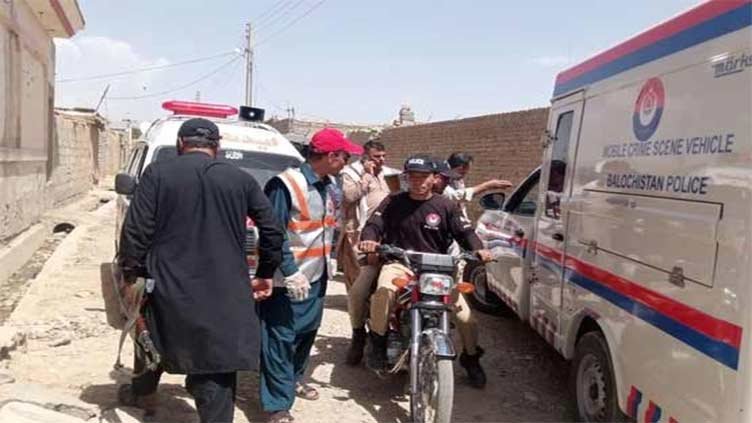
    Four labourers, along with a police official, have been killed while one has been injured in the Nasirabad area of Turbat, Balochistan, in an attack on a police station by unidentified persons on Tuesday. The authorities have declared the attack terrorist activity.

    All the labourers killed in the attack were from district Muzaffargarh, South Punjab.

    According to police, dead bodies were transferred to the Teaching Hospital in Turbat.

    Caretaker Information Minister Jan Achakzai condemned the incident and said that it was a terrorist attack.

    The killing marks the second incident of targeted attacks on labourers from South Punjab in Balochistan.

    Earlier this month, at least six laborers  from Shujabaad were killed in Turbat city. The labourers were sleeping in an under-construction building when they were attacked.

  • More than 90,000 Afghan refugees leave Pakistan via Torkham

    More than 90,000 Afghan refugees leave Pakistan via Torkham

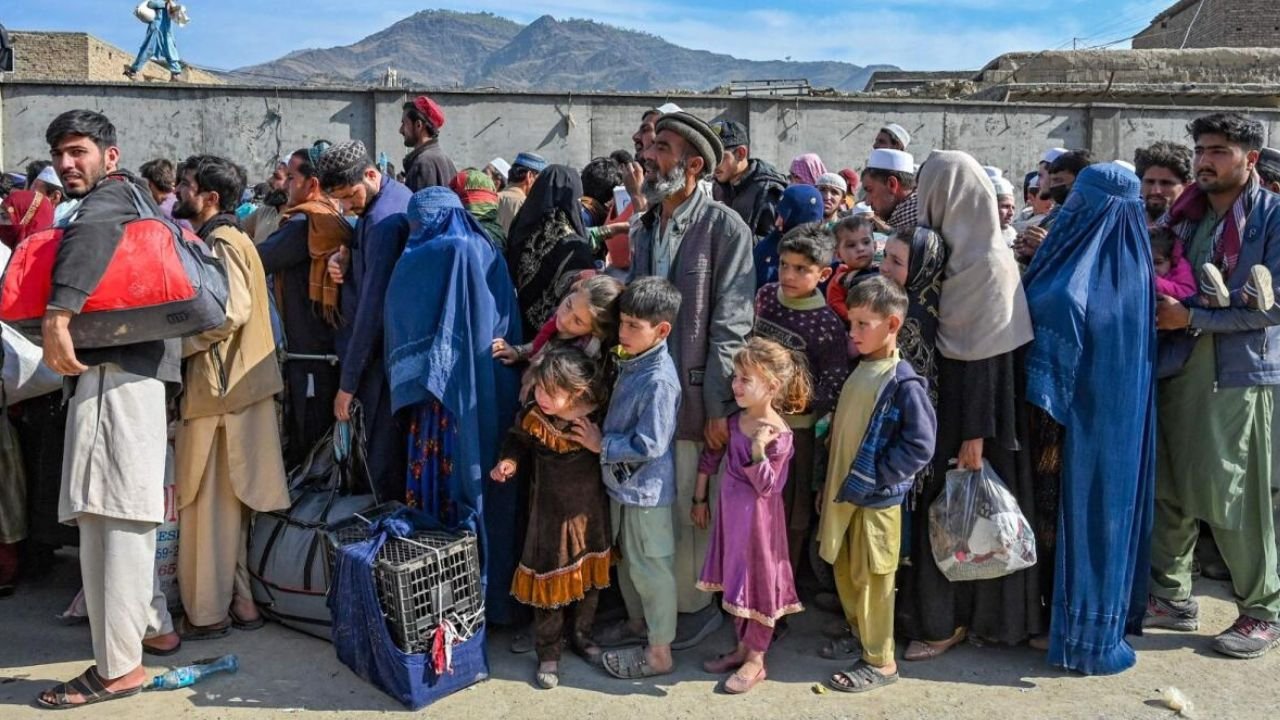
    Following the federal government’s decision to send undocumented foreigners back to their countries, more than 90,000 Afghan refugees have voluntarily returned home via the Torkham border.

    Khyber Pakhtunkhwa Interior Department has set up temporary camps in Peshawar, Haripur and Khyber district for repatriation of illegal Afghan refugees.

    From November 1, illegal foreigners will be arrested and transferred to camps, after which they will be sent to Afghanistan via Torkham.

    The temporary camp in Peshawar reportedly has a capacity of housing 2,000 people, while food and water will be provided along with medical aid. Special security arrangements have also been made in the temporary camp.

    On the other hand, the Department of Home Affairs has also established a ‘control room’ from where the process of return is being monitored. A helpline has also been launched, on which guidance can be provided in case of other problems besides identification of illegal foreigners.

    The number of Afghan refugees residing in Khyber Pakhtunkhwa is more than 900,000, while visas were issued to 116,418 Afghans this year.

  • Court declares Sheikh Rashid’s Lal Haveli sealing decision null and void

    Court declares Sheikh Rashid’s Lal Haveli sealing decision null and void

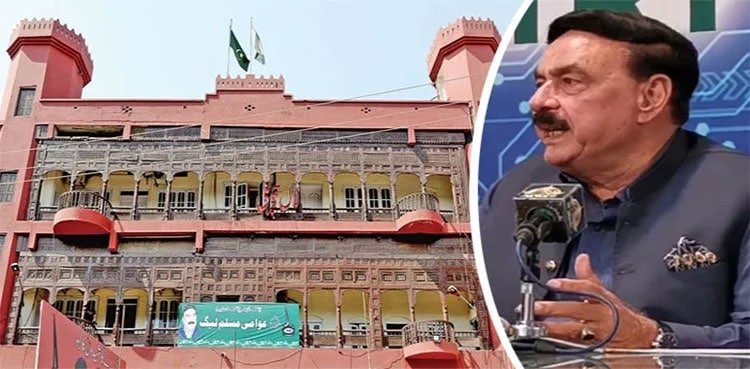
    In a decision that favoured former interior minister Sheikh Rashid, the Lahore High Court’s (LHC) Rawalpindi Bench on Monday instructed the Evacuee Trust Property Board (ETPB) to remove seals from Lal Haveli, the home of the Awami Muslim League (AML) leader.

    The Lal Haveli is a famous building at Bohar Bazar in Rawalpindi, it serves as the political office of AML.

    In a decision, Mirza Waqas Rauf announced the decision to seal the haveli null and void.

    ETPB sealed Lal Haveli last month, stating that Rashid’s property papers were not right. On September 21, ETPB, with help from the Federal Investigation Agency (FIA) and police, removed the people living there.

    The AML chief’s nephew, Sheikh Rashid Shafiq, said in a video message that the haveli is registered in the name of Sheikh Siddique. All information related to property has been given to the deputy commissioner Rawalpindi, Rashid Shafiq added.

    Responding to a question, the former interior minister said that the “40 days in chilla (isolation)” made him a new “Sheikh Rashid”

  • New Australian scholarship alert

    New Australian scholarship alert

    Good news if you are planning to apply for a scholarship!

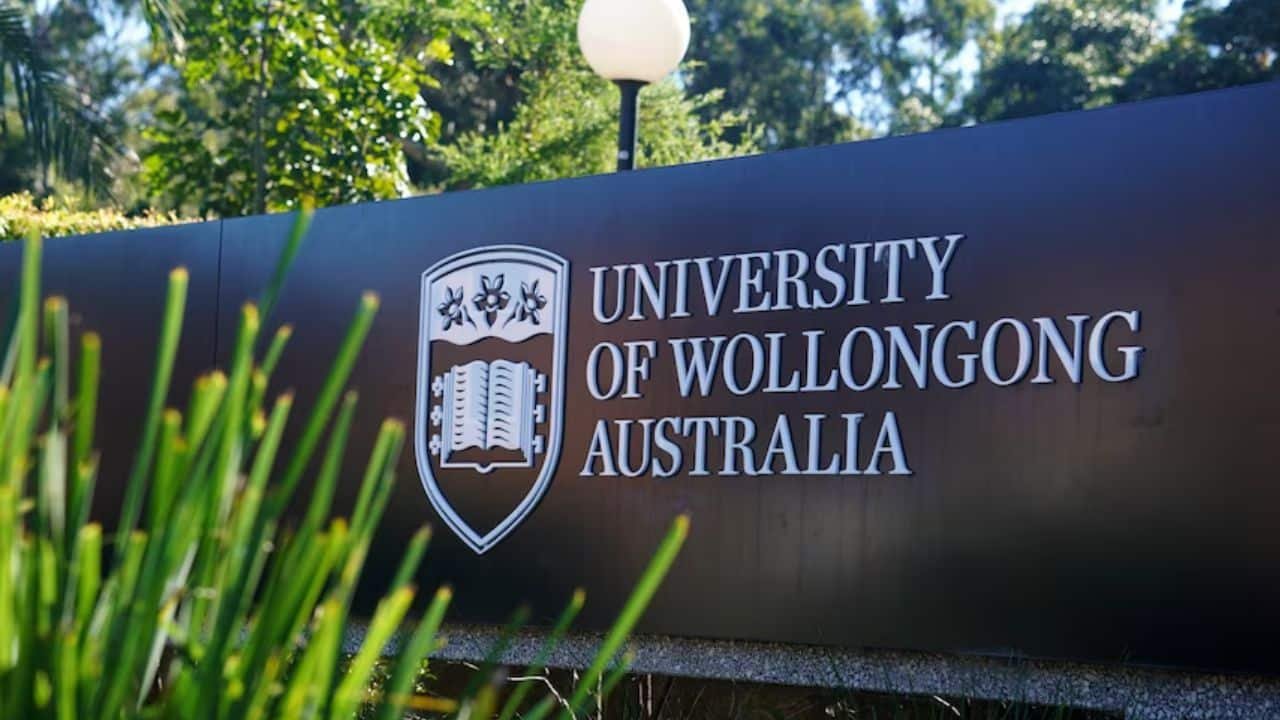
    Australia’s University of Wollongong (UOW) has announced the commencement of Vice-Chancellor’s Leadership Scholarships for students in Pakistan.

    Sources in the Punjab Higher Education Commission spoke with APP, revealing that it is the first time that a reputable Australian university has introduced scholarships for Pakistan.

    Two Pakistani students will be awarded the scholarship every year, HEC sources have disclosed.

    Currently, more than 27,000 Pakistani students are studying in Australian universities, with approximately 1,000 of them studying at the UOW, HEC disclosed.

  • World Bank projects only 1.7% growth for Pakistan in FY 2023-24 amid economic challenges

    World Bank projects only 1.7% growth for Pakistan in FY 2023-24 amid economic challenges

    The World Bank has issued a cautious outlook for Pakistan’s economy in the fiscal year 2023–24, projecting a modest growth rate of 1.7 per cent.

    The report, titled “South Asia Development Update Towards faster, cleaner growth,” highlights the fragile economic situation in Pakistan.

    Several factors have contributed to this fragility. The US dollar value of imports decreased by 26 per cent in August 2023 due to low demand and import controls, resulting in input shortages and a 15 per cent decline in industrial production by June 2023.

    Additionally, the economy shrank by 0.6 per cent in the fiscal year 2022–23 due to the impact of 2022 floods, high inflation, and balance of payments challenges.

    Import controls, initially aimed at reducing the trade deficit, hindered the supply of industrial materials and stifled growth.

    While these controls have been removed as part of an IMF lending programme, Pakistan still faces inflationary pressures, tight fiscal policies, and extensive flood damage. Foreign exchange reserves remain low, leaving the country vulnerable to external shocks.

    Pakistan is not alone in its economic struggles. Bangladesh, Pakistan, and Sri Lanka are all facing acute crises with ongoing balance-of-payments issues. These countries have begun implementing IMF-supported policies to address capital outflows and debt sustainability.

    Global factors, such as rising prices due to the end of the pandemic and Russia’s invasion of Ukraine, have exacerbated the challenges faced by these nations, leading to increased current account deficits and currency depreciations. To combat this, import controls have been imposed.

    In Pakistan, consumer price inflation stood at 27 per cent in August, down from a peak of 38 per cent in May, thanks to a stabilised exchange rate and a decline in food prices caused by the previous year’s floods. To address high inflation, the central bank raised its benchmark interest rate to 22 per cent in June.

    Pakistan and Sri Lanka are experiencing severe financial stresses, with low foreign reserve coverage and weak asset quality in both banking and non-banking sectors. The report also highlights the need for investment reforms in several South Asian countries to encourage growth.

    Restrictive import measures in Bangladesh, Pakistan, and Sri Lanka, although aimed at stabilising the external sector, have led to import shortages and economic downturns. Lowering these barriers to trade and capital flows could help boost long-term productivity.

    Lastly, despite adopting debt ceilings and deficit targets, many South Asian countries have high government debt-to-GDP ratios, with Pakistan experiencing fluctuations in government spending during election years.

    In summary, the World Bank’s report paints a cautious picture of Pakistan’s economic prospects, emphasising the need for sustained reforms and addressing various challenges to achieve stable and sustainable growth.

  • We need to talk about depression and mental health…now

    We need to talk about depression and mental health…now

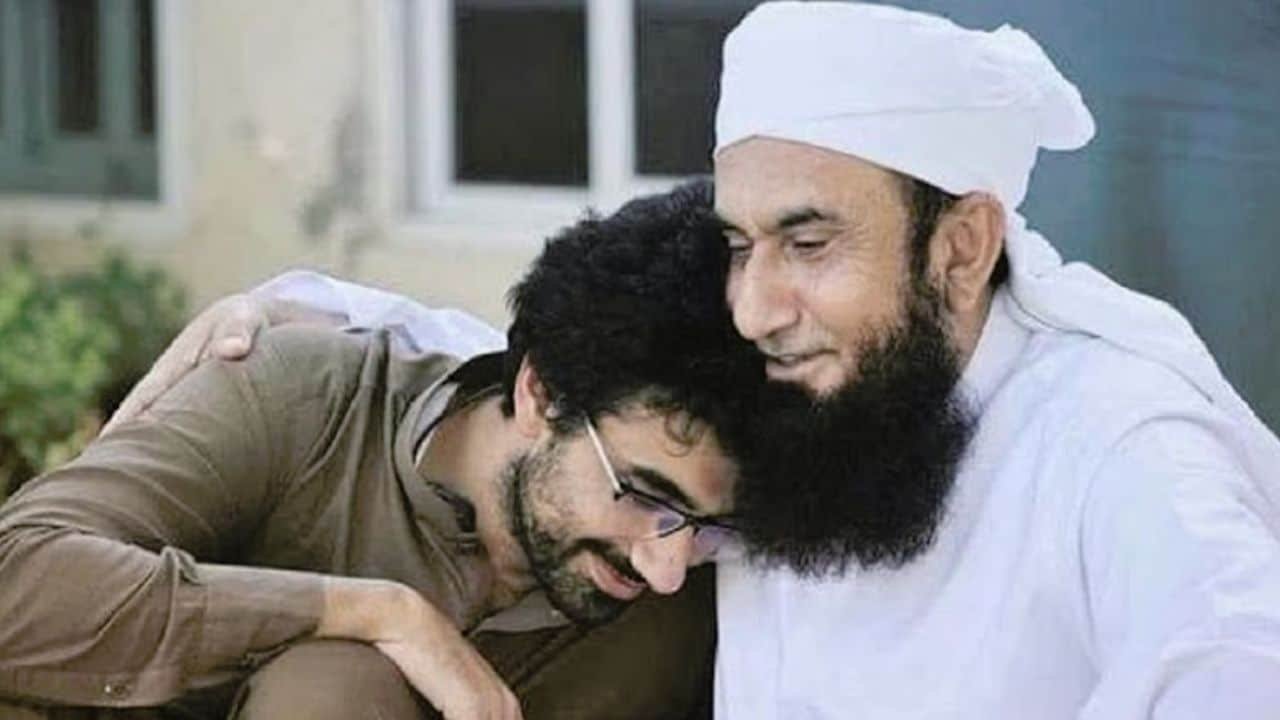
    The recent tragic incident involving the son of a prominent religious scholar, Maulana Tariq Jamil, has once again brought the discussion of mental health to the forefront.

    The heartbreaking revelation that Asim Jamil, son of Maulana Tariq Jamil, couldn’t survive due to severe depression and eventually took his own life, highlights the urgent need to address the often-neglected intersection between religion and mental health.

    According to the elder son of Maulana Tariq Jamil, Yousaf Jamil, Asim had been grappling with severe depression since childhood. Despite undergoing treatment, including Electroconvulsive Therapy (ECT), his mental illness only deepened in the last six months.

    As evidenced by Asim’s case, where even Electroconvulsive Therapy (ECT) proved ineffective, the necessity of professional medical intervention in severe cases of mental illness cannot be overstated.

    Despite the claims of certain public figures such as Resham, who said that depression “does not exist” and Feroz Khan, who while responding to a fan’s question regarding curing depression among 21-25 years old girls said: “Obey your men. Give them your responsibility and sit back and enjoy grapes. I’d do that if I was a woman. Be a queen,” it is important to recognise the limitations of this approach.

    It is pertinent to mention that the suicide rate in Pakistan has alarmingly crossed eight per cent (per 100,000 people), according to the World Health Organisation (WHO), and this can significantly be associated with mental health problems.

    According to WHO, there are only 0.19 psychiatrists in Pakistan per 100,000 inhabitants, one of the lowest numbers in the WHO-EMRO region as well as the entire world. The absence of trained mental health professionals in the country has created a major treatment gap, leaving more than 90 per cent with mental health issues untreated.

    Unfortunately, we, as a cultural collective, only end up making fun of people with mental health issues, sweep it under the carpet or pretend as if mental health is not an issue at all. We forget that globally, one in eight people have mental health conditions. We forget that being insensitive to mental health issues only increases the pain and agony of those who are facing these issues.

    In a country where we think a mentally troubled young man’s illness will be cured if he gets married, where we think talking about mental illness or seeking therapy or psychiatric treatment means you’re either not ‘man enough’, ‘weak’ or ‘mental’, we must raise awareness about mental health and how medical science can help resolve these issues.

    The unfortunate incident involving Asim Jamil highlights the urgency of destigmatising conversations surrounding mental health. It is imperative to foster an environment where individuals feel comfortable discussing their struggles openly without fear of judgement or discrimination.

  • Caretaker government is in contact with all political parties, says Sarfraz Bugti

    Caretaker government is in contact with all political parties, says Sarfraz Bugti

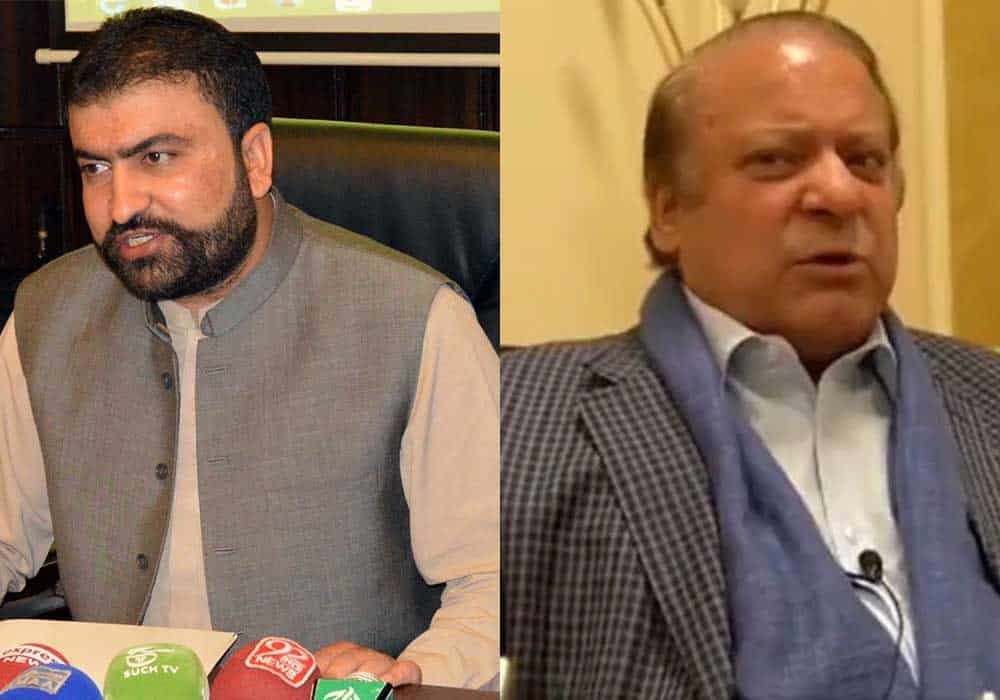
    As the general elections approach nearer, caretaker federal Interior Minister, Sarfraz Bugti, has stated that the interim government is in contact with all political parties, and there are “no favorites.”

    While talking in Shehzad Iqbal’s programme ‘Naya Pakistan’, the security Czar said that the caretaker government is also in contact with Pakistan Peoples Party (PPP) and Jamiat Ulema-e-Islam (JUI-F), not just with Pakistan Muslim League-Nawaz (PML-N).

    “It is our [caretaker government’s] responsibility to assist the Election Commission of Pakistan (ECP) [in the electoral process],” he mentioned while saying that the caretaker government just obeyed the directions given by electoral authorities regarding posting and transferring of officers and bureaucrats.

    “Whatever the ECP’s directions are, we will abide by it,” he added.

    ECP has directed the caretaker government to transfer Inspector General Police (IG) Islamabad.

    “The IG Islamabad is performing well […] It is my wish that he continues to work [as federal capital’s police chief],” the security czar said while emphasizing that federal government will follow ECP’s directives regarding IG’s transfer.

    The ECP announced on September 21 that general elections will be conducted in the last week of January 2024.

  • CEC Sikandar Sultan Raja satisfied with Punjab govt initiatives to hold elections

    CEC Sikandar Sultan Raja satisfied with Punjab govt initiatives to hold elections

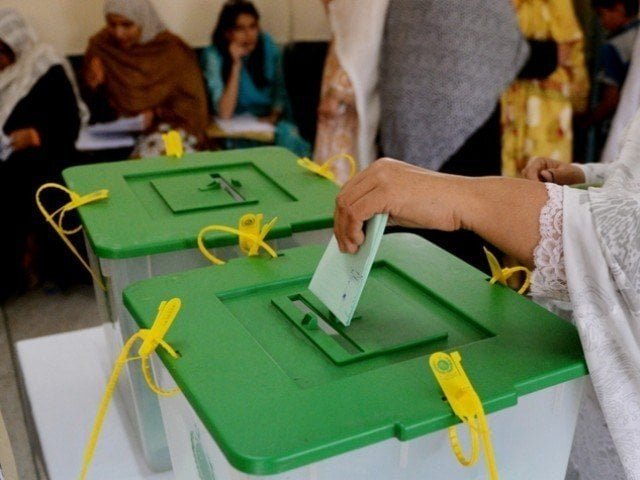
    Chief Election Commissioner (CEC) Sikander Sultan Raja is satisfied with the initiatives taken by the Punjab caretaker government to conduct polls in the province.

    The CEC gave the statement while discussing the upcoming general elections in today’s meeting with Punjab caretaker cabinet.

    The commission provided an extensive overview of the arrangements for the upcoming provincial elections.

    Provincial election commission members Nisar Ahmad Durrani, Shah Muhammad Jatoi, Ikramullah Khan and Babar Hasan Bharwana also attended the meeting.

    During the huddle, the CEC stressed that general election will be held on time as well as the electoral body will fully support the interim government in conducting a free and fair election in the province.

    Raja has also mentioned that the process of delimitation will be finished by November 30, adding that ECP is ready to conduct free and fair elections in the country.

    The interim Chief Minister (CM), Mohsin Naqvi, said that caretaker government will fully support the electoral body for peaceful and transparent elections.

    “Fool-proof arrangements will be made to ensure the free conduct of elections in Punjab,” CM Naqvi said, adding that the interim government will follow the ECP.

  • Kurram Agency’s sectarian clashes leave 50 dead before peace-deal

    Kurram Agency’s sectarian clashes leave 50 dead before peace-deal

    The six-day long sectarian clashes in Kurram have ended with a peace deal mediated by local jirgas. According to The Nation the armed fight took the lives of of 50 people.

    Kurram Agency is traditionally a volatile region. This round marks the third major violent eruption of the year, causing a major blackout of electricity and internet, traffic of the roads, schools and other institutions being closed.

    The two warring groups are based in Khar Kalay Village and the Baleech Khel. 

    Firing from both sides continued since the last week, resulting in extreme unrest and scarcity of basic necessities from food to the medicines. The local administration has called for the military intervention and the elders of the two group were trying to bring an end the violence. 

    The agreement was made in the backdrop of the attacks on vehicles in Charkhel between the leaders of the two main sects after different rounds of talks in Alizai Qila under the supervision of district administration and local scouts. 

    It has been agreed upon by the two sides to maintain peace and abandanoing the use of weaponary and bunkers.