Tag: Pakistan

  • Food outlets sealed in Rawalpindi

    The district administration in Rawalpindi has on Friday sealed Kentucky Fried Chicken (KFC) and OMG outlets in Chaklala Scheme-III and Askari-3 for using spoiled meat and poor hygiene in kitchens, reports Dawn News.

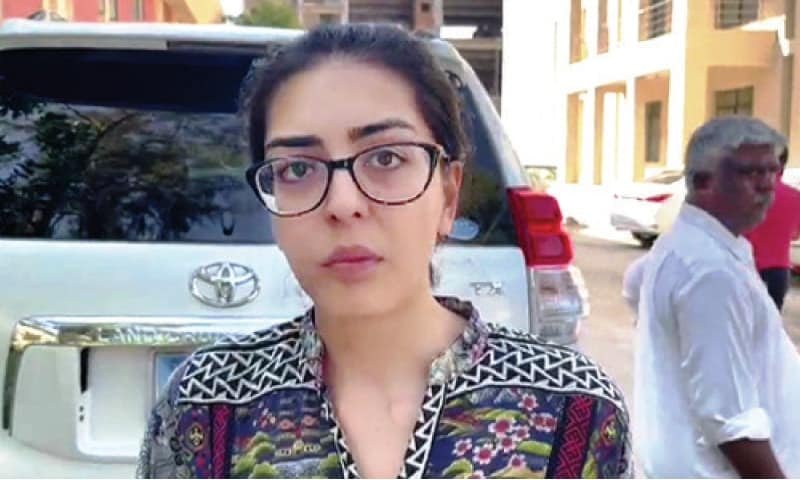
    Assistant Commissioner Cantonment Qandeel Fatima Memon sealed KFC Scheme 3 when she received a complaint that a steel wire was found in the fillet of a burger. The restaurant was sealed after the confirmation of the genuinity of the complaint.

    The outlets have been given a warning and told to oversee their kitchen staff and food preparation.
    OMG Restaurant in Askari 3 was sealed during the second raid.

    Commissioner Memon spoke with Dawn, stating that she received a complaint about OMG about smelly burgers. Resultantly, their kitchen was raided and the condition of the kitchen turned out to be “pathetic, as there were cockroaches everywhere and the jars laid without a lid so the restaurant was sealed”.

    She added that the food outlets had to obtain medical examination certificates from the district health authority and that it was mandatory for the food outlets to get the medical test of the chefs and workers twice a year and obtain medical reports from government hospitals.

    She also said the provincial government had directed to take strict measures against putting people’s lives at risk and she plans on conducting more surprise visits in the cantonment areas in coming days.

    Assistant Commissioner Cantonment Qandeel Fatima Memon stated that district administration Rawalpindi is available to look after its people and to ensure that clean and healthy food is served to people of the district, reports Dawn.

  • Inflation in Pakistan stays above 27% despite IMF reforms

    Inflation in Pakistan stays above 27% despite IMF reforms

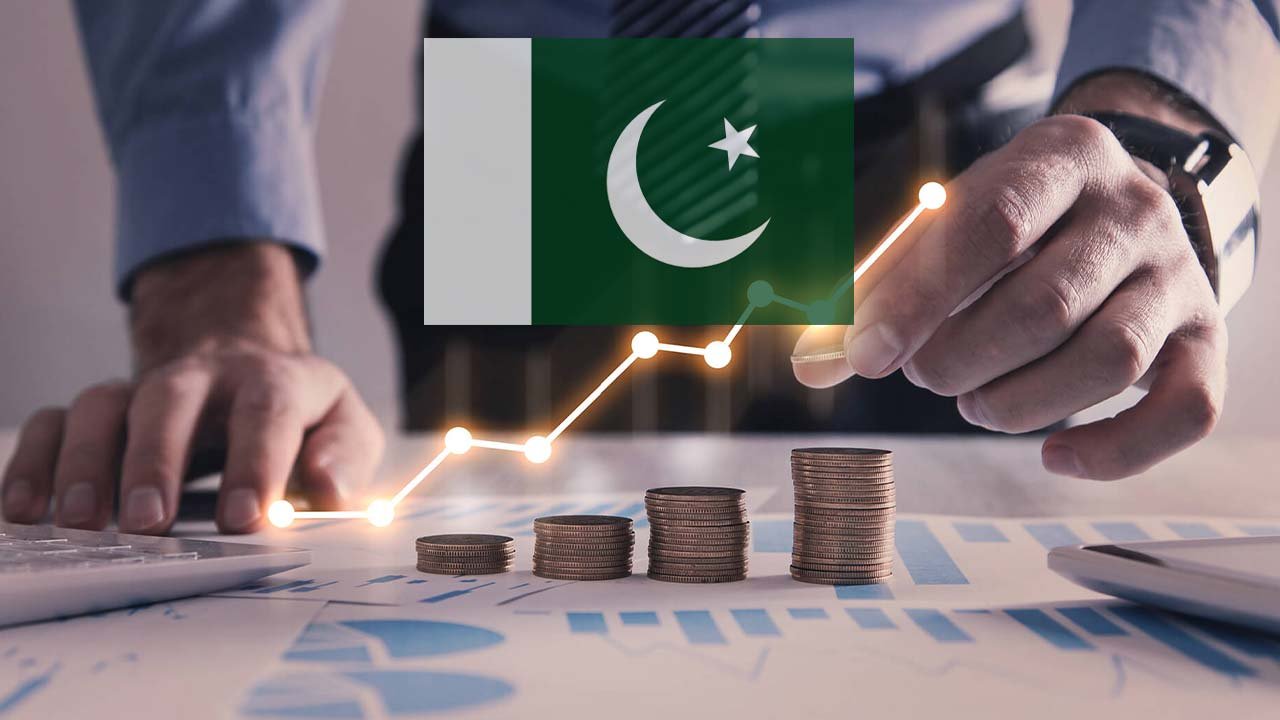
    Pakistan continues to grapple with soaring inflation, with the rate holding steady at 27.4 per cent in August, according to data released on Friday. This persistent inflationary pressure is partially attributed to the reforms mandated as part of the IMF loan agreement, which have complicated efforts to stabilise prices and curb declines in the national currency, the rupee.

    The South Asian nation is treading cautiously on its path to economic recovery, with a caretaker government at the helm following the approval of a $3 billion loan programme by the International Monetary Fund (IMF) in July, averting a potential sovereign debt default.

    However, the conditions tied to this bailout, including the relaxation of import restrictions and the removal of subsidies, have contributed to a surge in annual inflation. In May, inflation reached a staggering 38.0 per cent, setting a new record. Concurrently, interest rates have risen, and the rupee has experienced historic lows, with a 6.2 per cent decline in the currency’s value last month.

    While the August data from Pakistan’s statistics bureau indicates a slight easing from July’s 28.3 per cent inflation rate, food inflation remains alarmingly high at 38.5 per cent. Authorities have further exacerbated the situation by raising gasoline and diesel prices to record highs on Friday.

    These worsening economic conditions, coupled with escalating political tensions ahead of a national election scheduled for November, have triggered sporadic protests. Jamaat-e-Islami has announced a nationwide strike in response to the increased power tariffs.

    Every day, Pakistanis are feeling the pinch and struggling to make ends meet. Waseem Ahmed, a bank employee in Islamabad, lamented the plight of the middle class, stating, “More than 60 to 70 per cent of my salary is spent on bills and petrol. Where will we get basic staples from? This is why people are contemplating suicide,” he told Reuters.

    According to ARY News, Mohammed Sohail, CEO of Topline Securities, a Karachi-based brokerage firm, acknowledged that August’s inflation reading aligns with expectations. However, he cautioned that the depreciating rupee and rising energy prices may prevent a significant year-on-year decline in inflation, contrary to earlier government projections that had anticipated a drop to 22 per cent by the end of the fiscal year running until June 31.

    Pakistan’s central bank, in its last monetary policy statement in July, held benchmark interest rates steady at 22 per cent and expressed optimism that inflation would follow a downward trajectory over the ensuing 12 months. However, the current economic challenges present formidable hurdles to achieving that goal.

  • Wife stoned to death in DG Khan over ‘honour’

    Wife stoned to death in DG Khan over ‘honour’

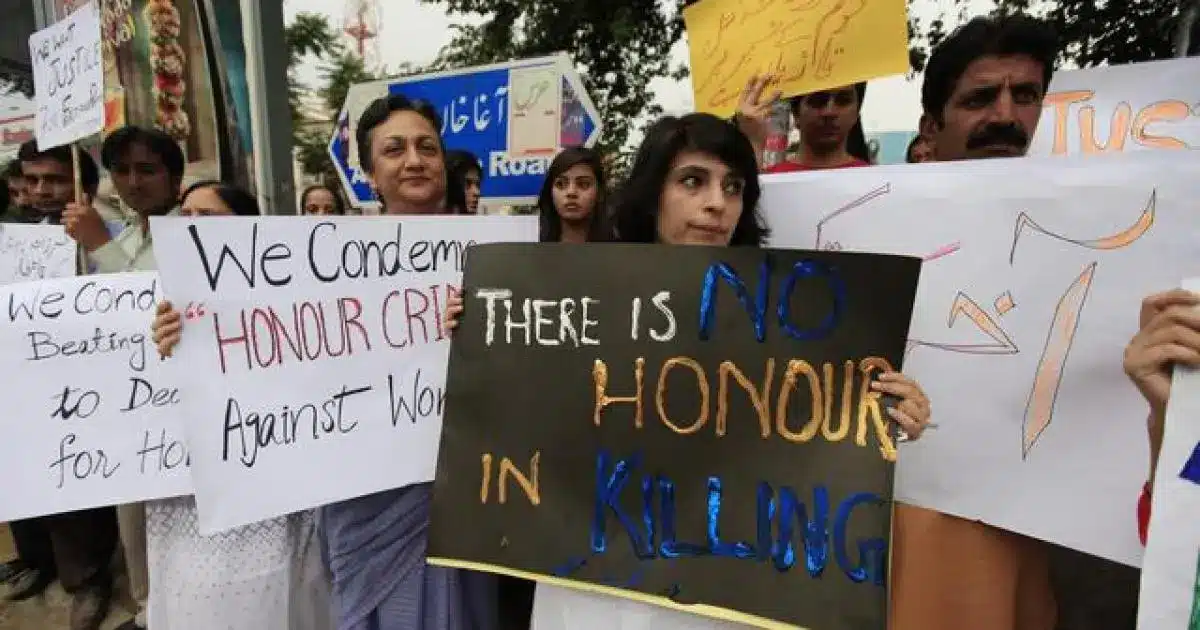
    A married woman from the Alkani tribe has been allegedly killed by her husband and his allies over ‘honour’. According to Dawn News, the stoning took place in the limits of Chucha Border Military Police (BMP) station in the tribal area of Rajanpur district.

    Local sources have said that the woman was accused of adultery with a man, leading to her husband killing her, along with her brother-in-law and their accomplice. They reportedly smashed her head with stones and clubs.

    While the woman died, the suspects managed to flee the scene.

    According to Dawn News, the BMP in Chucha tribal area has filed a case against the suspects under different sections of the Pakistan Penal Code, including 302 (murder), 148 (rioting armed with deadly weapon), 149 (unlawful assembly), and 311 (punishment for murder if act taking place in order to facilitate the commission of a crime).

    The sources also highlighted a case from about two years ago when a woman was subjected to a tribal ritual locally called Aus (trial by fire) Auf (trial by water) in which an accused person walks on burning coals to prove his or her innocence or remains underwater, for the duration of their breath.

    The woman back then had successfully walked on burning coals without suffering burns on her feet, thus proving her innocence.

    Political Assistant Qasim Gill confirmed to Dawn that BMP teams are conducting raids to apprehend the escaped suspects.

  • Imaan Mazari gets bail in terrorism case

    Imaan Mazari gets bail in terrorism case

    Human rights activist and lawyer Imaan Mazari has been granted bail on Saturday by an Islamabad anti-terrorism court in a new terrorism case.

    The bail has been granted three days after she was handed over to the Islamabad Police on physical remand in connection with a criminal complaint brought against her at the Barakahu police station in the federal capital.

    The decision was made by ATC Judge Abual Hasnat Zulqarnain, who granted bail to the arrested attorney with a Rs 10,000 surety bond.

    Imaan and Pashtun Tahafuz Movement (PTM) leader Ali Wazir’s bails in a sedition case relating to contentious statement against state institutions were quickly allowed by an ATC judge. Imaan was then detained in a new terror case from outside the Adiala jail in Rawalpindi.

  • Imran Khan hires UK lawyer to represent him in international courts

    Imran Khan hires UK lawyer to represent him in international courts

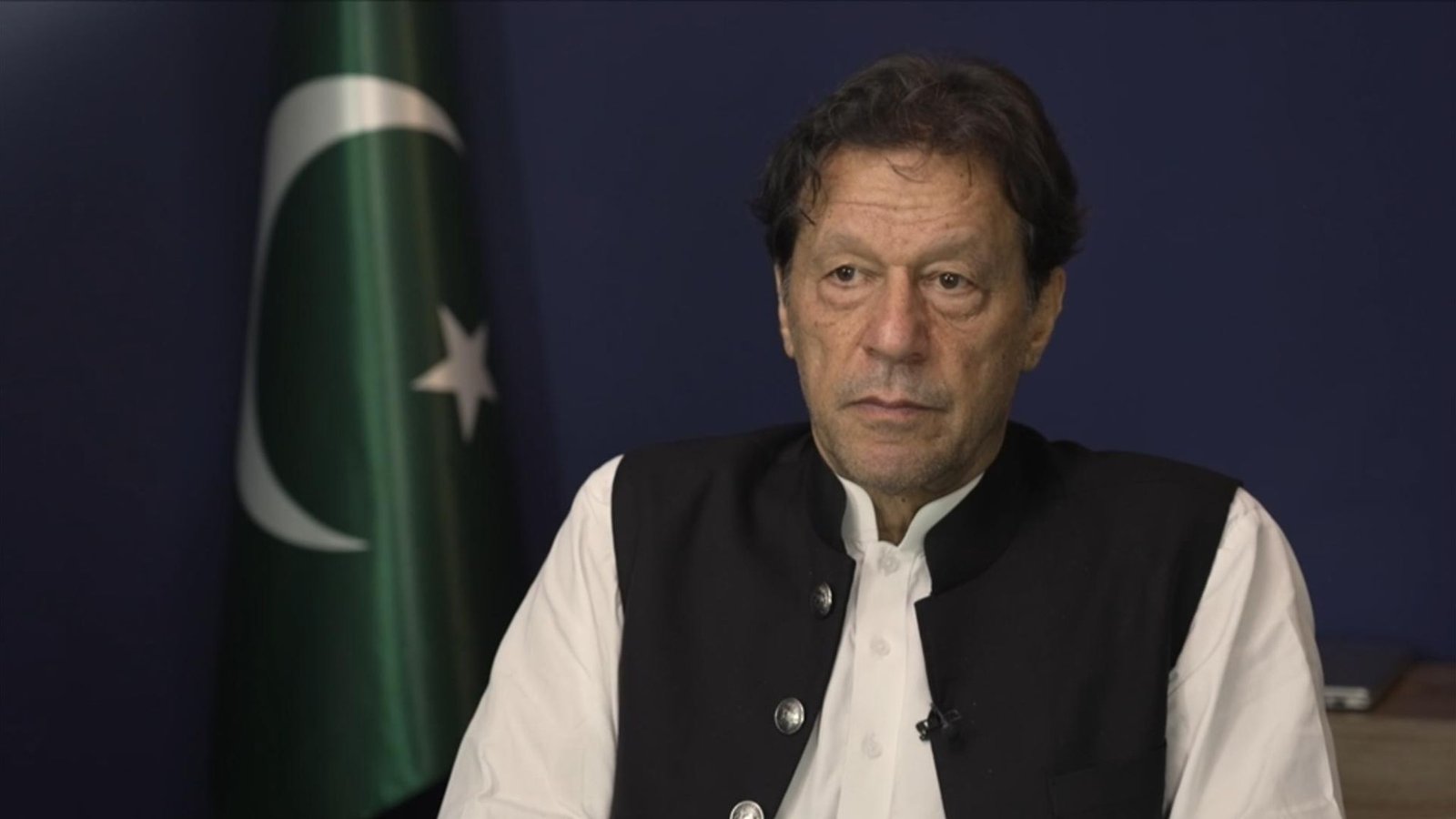
    Imran Khan, the chairman of Pakistan Tehreek-e-Insaf (PTI), has retained the services of British attorney Geoffrey Robertson KC to represent him in international courts.
    The announcement has been made at a time when the former prime minister, who was removed from power in April of last year after a vote of no confidence, is still detained in the Attock District jail after being found guilty on August 5 in the Toshakhana case.

    The PTI leader was found guilty for failing to disclose state gifts he received while in government; as a result, he received a three-year prison sentence and a Rs. 100,000 fine, excluding him from running in future elections.

    The news regarding the UK attorney was made public by PTI on Friday via a post on its official X (formerly Twitter) account, announcing its decision to hire the renowned lawyer, who has previously worked with high-profile people including Salman Rushdie and WikiLeaks founder Julian Assange.
    “PTI Chairman, Former Prime Minister @ImranKhanPTI has appointed the eminent Human Rights Barrister Geoffrey Robertson KC of @DoughtyStreet Chambers to advise and represent him in international courts in relation to unlawful detention and human rights abuses,” the post on X read.

  • WASA Faisalabad lays off over 700 daily wage workers

    WASA Faisalabad lays off over 700 daily wage workers

    WASA Faisalabad has laid off over 700 daily wage workers due to the financial crisis, as the country battles with unprecedented inflation.

    According to Samaa News, Faisalabad WASA has also issued a notification to the same. According to the Director Admin, he is unable to bear the expenses so daily wager employees will no longer be working in the department.

  • The Khorasan Diary exclusive: Gen-Z and tech-savy militants

    The Khorasan Diary exclusive: Gen-Z and tech-savy militants

    The Khorasan Diary (TKD) is a joint collaboration of journalists, researchers, and academics from across the world providing consultancy-based services for risk mitigation, security analysis, research papers, and access to original sources of information in the region of Khorasan.

    It also has a digital media platform covering areas inaccessible for mainstream media and highlighting grass root developments, particularly in conflict zones.

    In their latest investigative story, TKD has uncovered the case of a young Pakistani boy who gets entangled in militant circles through social media.

    In April 2023, the Islamic State of Khorasan (ISIS-K), a militant group active in South Asia and Central Asia, released a video featuring Serena Hotel and Police Facilitation Centre in Islamabad. The video had a threatening message — “We are coming,”. This alerted the security agencies.

    The Khorasan Diary (TKD) was given access to information in regards to the case. The pieces of information led to the discovery of a unit of ‘freelancers’ from Islamabad’s most reputable educational institutions. Apart from providing information to ISKP, the students operated on behalf of the group.

    Among these freelancers was 19-year-old Hamza*. His story began with a meme. During the COVID-19 pandemic his classes shifted online and he resorted to the internet to kill time.

    “I was always fascinated with digital media and played around with editing tools,” he told The Khorasan Diary.

    It was during this time that Hamza came across an Instagram account named ‘Jihadiaspect’* with more than 30,000 followers, sharing memes and videos related to the Islamic State Central. The content had high-definition footage, cinematic style editing, and Western music in the background appealing to the youth.

    He watched several of their videos till he discovered that the account had been using the same editing tool as he did: Capcut.

    After conversing with the user(s) through comments under their posts, Hamza made his way into the direct messages and inquired further about the editing software.

    Hamza was then added to a private Instagram group consisting of numerous teenagers and from there, he was connected with several other pages and individuals across the globe, affiliated with different sects and jihadist groups.

    Eventually, Hamza’s religious beliefs transformed as well.

    By June 2022, Hamza was introduced to a new group on Telegram named “Formula 1” managed by Islamic State of Khorasan (ISK).

    According to Hamza, his recruiter persuaded him on the basis of his Pashtun heritage, emphasising the internal conflicts within the community and advocating for the establishment of a caliphate as the ultimate solution to their issues. During this period, Hamza received several videos on Taliban’s killings of innocent Salafis.

    For his first assignment, Hamza made a video showcasing an attack involving a suicide bomber at a loya jirga in Afghanistan in June 2022, where a motorcyclist strategically drove his explosive-laden vehicle into a Taliban checkpoint.

    Hamza was praised for his work and he felt a sense of pride when it was posted.

    “It was finally happening. I had achieved something. My entire life I was scrutinized for things I never did. My father used to beat me and keep me in isolation. My mother was beaten before me multiple times and we suffered at the hands of our relatives who jostled during yearlong court briefings on how I was involved in my own father’s death. Close relatives, for months, dragged us through police stations and courts following my father’s mysterious killing to force us to surrender our family property to them as I was the only male left in my family. It was finally my time to prove to the world that I was right,” said Hamza.

    Hamza was also encouraged to write for their publication.

    He wrote for “Voice of Khorasan” but made a critical error by sourcing all the content from Wikipedia. His work was deemed plagiarized because the organization exclusively expected original content. Consequently, his article remained unpublished.

    This left Hamza disappointed and in despair.

    In February 2023, Hamza received a task to create an impactful video concerning Pakistan and to reestablish their influence in Afghanistan and Pakistan.

    Failing to meet the deadline, he received a message stating he will never be contacted again

    It was then that Hamza shot a video at Police Facilitation Center and Serena Hotel and recorded a 14-minute clip.

    It was released on various ISKP channels, jolting Islamabad’s law enforcement community and resulting in Hamza’s eventual arrest.

    Militancy, Technology, and Gen-Z

    Khorasan Diary deduced a new trend through multiple interviews with detained militants from various militant outfits in the region. The younger generation of Jihadis is apparently less influenced by ideology and more persuaded by aspects of identity crisis, broken families, and lack of opportunities.

    Emerging organizations like ISKP no longer recruit through religious seminaries. There was a time when several students from Pakistan’s private school networks joined religious or nationalist militant outfits due to a lack of proper checks from teachers and parents.

    “There was literally no one to stop me from what I was up to. For me, it was some kind of an adolescent adventure initially. My father was stuck in his own court cases and family issues. Mother was a traditional housewife who for years was facing my father’s abuses, both physical and verbal. My teachers and friends at school were aware but instead of stopping me, they were getting fascinated with what I was producing,” Hamza tells Khorasan Diary.

    Khorasan Diary also notes that online workers are difficult to track as users are cautious and usually private, and communicate on private encrypted platforms. Generally, the typical online recruiting process culminates in assigning new ISKP recruits to manage online propaganda before entrusting them with training, migration, and attack planning.
    Read the whole story by The Khorasan Diary here: Creeping Ideology; The ‘Generation-Z’ Freelancers of the ISKP

  • Interim PM Kakar cancels trip to Kenya

    Interim PM Kakar cancels trip to Kenya

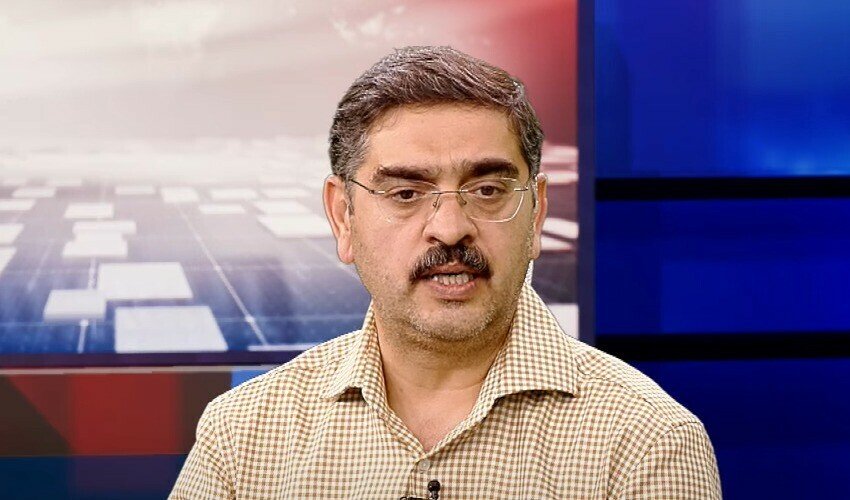
    Interim Prime Minister Anwaar-ul-Haq Kakar has cancelled a three-day official trip to Kenya, scheduled to start on September 4 (Monday), The News has reported.
    According to the Foreign Office, PM Karar was invited by President William Samoei Ruto to travel to Nairobi, Kenya, from September 4 to 6, where he would attend the Africa Climate Summit.
    The publication claimed that the prime minister decided to cancel the trip after weighing the advantages and disadvantages of the prevailing atmosphere in the country.

    Kakar’s trip to the African country would have been his first foreign sojourn since taking oath of office as interim Prime Minister of Pakistan. Interim Foreign Minister Jalil Abbas Jilani, caretaker cabinet members, advisers, and special assistants would have accompanied the PM on the visit.
    It was previously reported that the trip to Kenya was related to the strategy the previous government had developed to promote bilateral relations with African countries.

  • Missing girl found after 12 years: The story of Saba Khalil

    Missing girl found after 12 years: The story of Saba Khalil

    On Friday, Urdu News published a detailed report on the return of a missing girl from Lari Adda.

    12 years ago, it was reported that 8-year-old Saba Khalil, a resident of Lahore’s Lari Adda, had gone missing. She had gone to the market and got lost on the way back home. After searching for her everywhere, the parents approached the police.

    Her father, Mohammad Khalil, used to sell naan chana on a cart in Lari Adda. He has two sons and a daughter.

    Failure of the system

    This year in May, Punjab’s Inspector General of Police (IGP) Dr. Usman Anwar tasked his subordinates to take an initiative to find the parents of missing children. Mustansar Feroze, Chief of City Traffic Police, has handed responsibility for listing down children who have no guardians and for tracing their relatives to a branch of his department that deals with education.

    When the traffic police team compiled the lists of abandoned children in all 42 centres, the Child Protection Bureau came to know of 68 girls whose cases have been closed and whose parents have become almost impossible to trace.

    After receiving the list, a three-member traffic police team headed by Traffic Warden Mohsin Abbas Malik started the process of interviewing the children according to the order of the list. Saba Khalil was first in the list.

    The traffic police personnel had no training for this work, but they were determined to finish the task. The head of the team, Mohsin Abbas, told Urdu News that when he was interviewing Saba Khalil, the team of the Child Protection Bureau was also present.

    “Gaining children’s trust is very difficult,” he stated. Then they started questioning the girl in order to get whatever information they could. “She remembered a few main things: father’s name is Khalil, that he used to drive rickshaws in the area of Lari Adda, and the shop of Mithu chaiwala was near her house. And the tandoor.”

    Journey back home

    With this basic information, the traffic police team started the process of tracing Saba’s parents.

    Mohsin Abbas says that there were three people and all three of them reached the Lari Adda and went in different directions. The child was kept in the car with the child protection team. It was 10:30 in the morning and we decided to ask all the porters at the Lari Adda about Khalil. We had asked everyone for three hours, but no one was found.

    When Saba Khalil went missing 12 years ago, the area looked different at the time. Now major changes have taken place including the roads and paths. And for 20-year-old Saba sitting in the car, everything was new now.

    Theteam started searching all four sides of Iqbal Park up to Bati Chowk one by one. And they found a man named Khalil, but he was not Saba’s father.

    According to Mohsin, a shopkeeper in Taxali said that he knew a Mithu chai wala in a street adjacent to the Lari Adda. “We took him with us and took him to that street, but this Mithu was not the same person because Saba did not recognize that street. But in the same street we found three things together, there was a naan shop and a milk-yogurt shop. There were about 50 houses in this area. We decided to knock on the door of each house.”

    At around 2:30, the team went out to the other side of this street and saw another naan shop. Mohsin says that “The owner of this shop, Faqir Hussain, who was working inside, saw the girl and came out and said that he seems to have seen this girl. He asked ‘Is her father’s name Khalil?’ to which we nodded yes,” Abbas recalled.

    “He used to live here on rent and a few years ago he set up a shop in the old city side and shifted there. His daughter is also missing.”, recalled Hussain.

    It was around 3:30 PM when the traffic police team took Faqir Hussain and left for Phaja Siripaye Chowk.

    Mohsin Abbas says that they parked the car, taking Saba with them and started walking towards the naan shop which according to Faqir Hussain was Khalil’s shop. Outside this shop, a person was sitting on a chair and eating. As soon as he mouthed the first bite, his eyes fell on Saba and he became still.

    Mohsin says that every single moment is imprinted in his eyes. That man was standing there and his eyes were fixed on the girl. When we got close and he didn’t even notice us, I grabbed his shoulder and shook him. So he came to his senses. I asked if your name is Khalil. So he said yes. I told him to stand and I asked him, “Do you recognize this girl?” To which he replied, “This is my daughter Saba”, and he started crying.

    Saba’s father said while crying that “I just observed Friday prayer and cried and prayed for my daughter to find her.”

    Many people gathered at the spot. And every eye was full of tears. The father hugged his daughter and remained in a state of disbelief for a long time.

    Saba is still with the Child Protection Bureau as she will be handed over to her parents only after completing the legal process.

    Urdu News writes that many aspects of this story pose questions about the system itself, about the extent to which there is a lack of communication between the responsible agencies. Saba was just 10 km away from her home for 12 years.

    According to official data, the traffic police team has reunited 10 such children with their parents in the last two months.

  • Nepal, Pakistan: anything better than cricket to bring people together?

    Nepal, Pakistan: anything better than cricket to bring people together?

    Pakistan v Nepal from Moorhead to Multan: A Journey of Friendship and Fervour

    Picture this: a chilly midnight in Moorhead, a tiny university town near Fargo. Amidst the freezing air, two cricket fanatics — me and my Pakistani roommate, Shehzad — walk to the end of 20th Street just off campus to a house full of friends from Nepal. Our connection with these guys? Cricket. We had known each other through an indoor tape ball cricket tournament we played together.

    It was the turn of the millennium; TV apps and online streaming weren’t a thing back then. These guys from Nepal were our cricket saviours, the only ones in the area with Direct TV and video on demand available to watch Pakistan vs India 2004 Test series. I remember the first Test was in Multan. Sehwag smashed a triple ton and Tendulkar 194 to stamp their authority on the game. India won the match by an innings and also the series 2-1.

    Even though we had great respect for each other, there were moments when we had tempers flared during this series as all of these guys were rooting for India. That’s the nature of this encounter, it’s an emotional rollercoaster. People from Pakistan and India living abroad will relate: no matter how close you are with each other, this game will always get your emotions out of control.

    Fast-forward to 2023. Two decades later, Asia Cup is being co-hosted in Pakistan. The venue for the first game was Multan where Nepal faced Pakistan head to head for the first time. I have been in touch with these guys on and off, mostly through Facebook. As the national anthem of Nepal was being played, I dropped a one-liner message about the clash to Pawan Adhikari, now living in Houston, Texas. His response, I can feel, triggered a cascade of emotions for him just like it did for me. Memories flood in of chai-fuelled nights, banter, and heated arguments at his apartment.

    This particular game in Multan seemed to create a nostalgia that’s etched in our memories. For me this wasn’t just a game where Pakistan was playing a minnow, it was a symphony of emotions that cricket had orchestrated two decades ago. This memory and this game flung the door open to tomorrow, to the possibility of sitting with old mates, Pawan, Neeraj, Prajowl, and Shehzad; watching Nepal and Pakistan take on the world in the West Indies and Americas next year.

    From that viral image of a packed cricket ground in Katmandu of their famous victory, Nepal’s cricketing journey is a tale of resilience, a narrative that echoed the nation’s spirit, much like conquering the Everest.

    In a world often divided, cricket emerges as the unifier, a magical thread that weaves tales transcending time zones and cultures. From Moorhead’s chilly cold streets to Multan’s scorching heat, this is more than just a cricket story; it’s a tale of friendships woven by cricket’s tapestry. It’s a reminder that amidst the chaos, there’s a language we all speak, a language that unites us, This is why we love this game.