Tag: Pakistan

  • Security forces kill six terrorists in two separate operations

    Security forces kill six terrorists in two separate operations

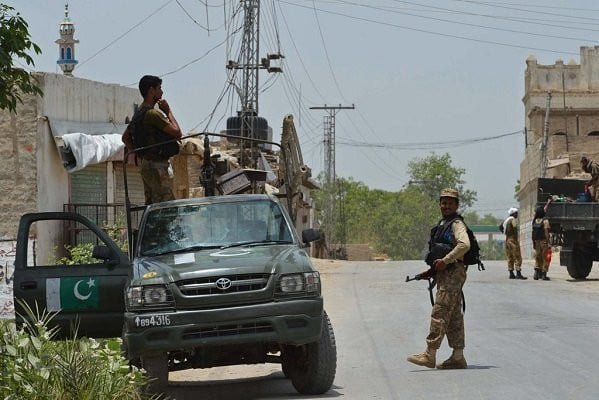
    Security forces have killed six terrorists in two separate operations in Khyber Pakhtunkhwa’s Tank and North Waziristan districts, the Inter-Services Public Relations (ISPR) has said on Friday.

    According to ISPR, an exchange of fire broke out between Pakistani troops and the terrorists late on Thursday night, June 29, in the Manzai region of Tank.

    “Own troops effectively engaged the terrorists’ location. Resultantly, three were sent to hell,” stated ISPR in a statement.

    In another encounter between troops and terrorists in the general area of Razmak, North Waziristan District, three more terrorists were killed.

    As per the ISPR, the militants were actively involved in terrorist activities against security forces and killing innocent citizens.

  • What is happening in France?

    What is happening in France?

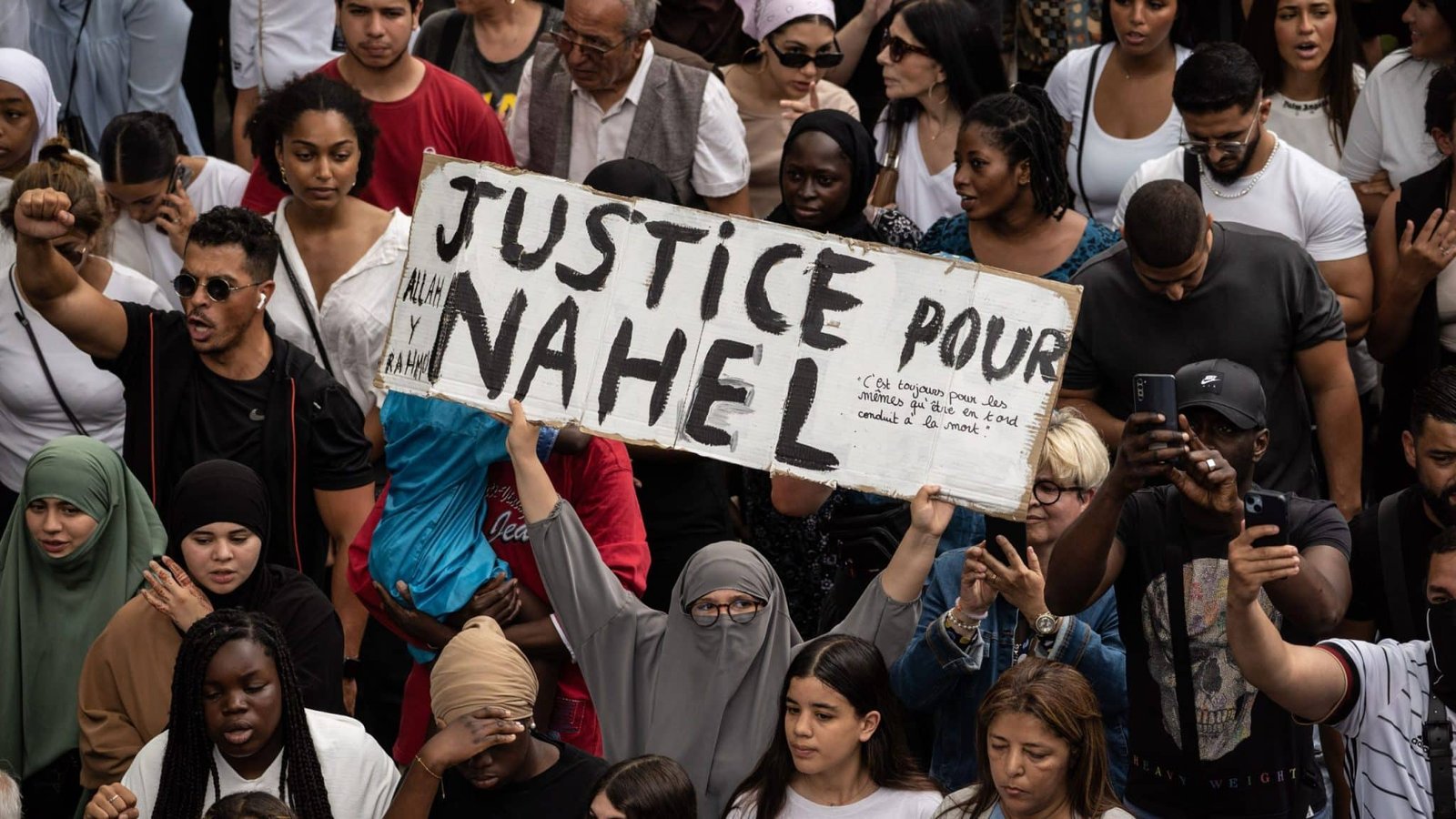
    Protests have erupted in France after police shot dead Nahel M, a 17-year-old boy of Algerian descent, on Tuesday for allegedly driving his car towards police.

    Police said that the teenager was driving his car towards them, but footage emerged on social media on Wednesday contradicting their narrative. A video clip showed a police officer pointing his weapon through the window and appearing to fire at point-blank range, with a voice saying “You are going to get a bullet in the head.”

    The protests started on Wednesday soon after the video of the incident started circulating on social media.

    French government’s stance:

    French President Emmanuel Macron said on Wednesday the shooting was “inexplicable” and “unforgivable”.

    “Nothing can justify the death of a young person,” said Macron, adding that the incident had “moved the entire nation”.

    However, the Macron government is rejecting accusations of racism among police.
    “Any accusation of racism or systemic discrimination in the police force in France is totally unfounded,” the foreign ministry said.

  • PM Shehbaz appreciates ‘efforts and hard work of Ishaq Dar’ for securing IMF deal

    PM Shehbaz appreciates ‘efforts and hard work of Ishaq Dar’ for securing IMF deal

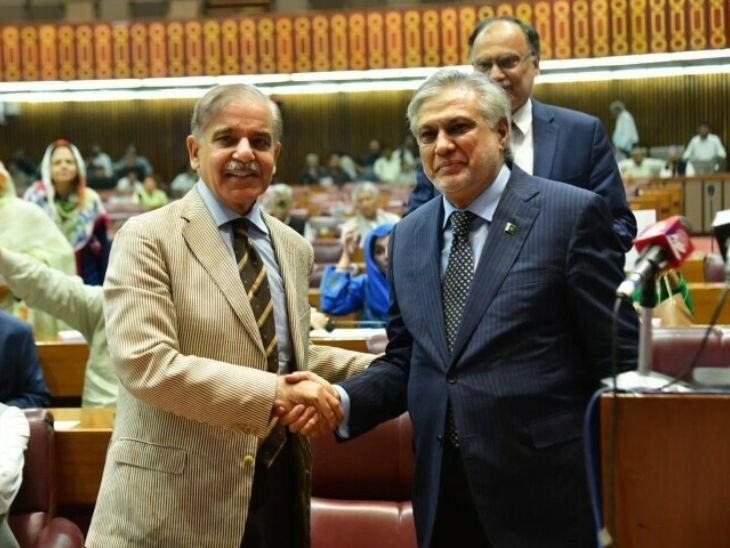
    Prime Minister (PM) Shehbaz Sharif has appreciated efforts of Finance Minister Ishaq Dar and his team at the Ministry of Finance to secure a deal with The International Monetary Fund (IMF).

    “Alhamdulillah, I am pleased to announce that Pakistan has reached a Staff-Level Agreement with the IMF on a nine-month US$3 billion Stand-By Arrangement,” the pm wrote in a tweet posted on Friday after news of the deal being finalised came through.

    Talking about the economic implications of the staff-level agreement between Pakistan and IMF, Sharif wrote, “This arrangement will help strengthen Pakistan’s foreign exchange reserves, enable Pakistan to achieve economic stability, and put the country on the path of sustainable economic growth, Insha’Allah.”

    “I would like to appreciate the efforts and hard work of Finance Minister @MIshaqDar50 and his team at the Ministry of Finance for achieving this outcome. I would also like to thank MD IMF @KGeorgieva and her team at the IMF for their cooperation and collaboration, especially during the course of last week.”

    PM Shehbaz Sharif along with Ishaq Dar will address a news conference regarding the staff level agreement with IMF in Lahore today at 4pm.

  • IMF’s $3 billion stand-by arrangement expected to bolster Pakistan’s economy and restore investor confidence

    IMF’s $3 billion stand-by arrangement expected to bolster Pakistan’s economy and restore investor confidence

    Pakistan and the International Monetary Fund (IMF) have achieved a significant milestone with the announcement of a staff-level agreement (SLA) on a $3 billion stand-by arrangement (SBA).

    Nathan Porter, the IMF’s Mission Chief to Pakistan, expressed his satisfaction, stating that the IMF team has reached a staff-level agreement with the Pakistani authorities on a nine-month Stand-by Arrangement (SBA) in the amount of SDR2,250 million (about $3 billion or 111 per cent of Pakistan’s IMF quota).

    The Pakistani economy has been facing multiple challenges since the completion of the seventh and eighth reviews under the 2019 Extended Fund Facility (EFF) in August 2022. The country has experienced external shocks, including devastating floods in 2022 that affected millions of Pakistanis, as well as a surge in international commodity prices due to the conflict in Ukraine involving Russia.

    These shocks, combined with certain policy missteps such as constraints on the foreign exchange market, have resulted in a stagnant economic growth rate. Furthermore, inflation, particularly for essential items, has risen significantly.

    Despite the authorities’ efforts to reduce imports and the trade deficit, foreign reserves have declined to alarmingly low levels. The power sector is also facing liquidity issues, with mounting arrears (circular debt) and frequent load shedding.

    The newly established stand-by arrangement (SBA) will serve as a critical support mechanism for the Pakistani government in stabilising the economy and mitigating the impact of recent external shocks. It aims to maintain macroeconomic stability while providing a framework for financial assistance from both multilateral and bilateral partners.

    The $3 billion funding for a duration of nine months has exceeded expectations and will contribute to restoring investor confidence. The uncertainty surrounding the upcoming change in government after June 2023 has been alleviated to a considerable extent. The agreement also opens avenues for social and development spending by improving domestic revenue generation and ensuring careful execution of expenditures to address the needs of the Pakistani people.

    The successful implementation of steadfast policies is paramount for Pakistan to overcome its current challenges. This includes demonstrating greater fiscal discipline, adopting a market-determined exchange rate to absorb external pressures, and making further progress on reforms, particularly in the energy sector, to enhance climate resilience and improve the business climate.

    Given the formidable obstacles faced by Pakistan, the newly established stand-by arrangement (SBA) serves as both a policy anchor and a platform for financial support from multilateral and bilateral partners in the foreseeable future.

  • IMF reaches $3 billion stand-by arrangement with Pakistan, averting impending default

    IMF reaches $3 billion stand-by arrangement with Pakistan, averting impending default

    The International Monetary Fund (IMF) and Pakistan have reached a staff-level agreement on a stand-by arrangement worth $3 billion, announced the lender. This decision has been eagerly anticipated by Pakistan, a South Asian nation that is on the verge of default.

    The approval of the IMF board, expected in July, is required to finalise the deal. After an eight-month delay, this agreement brings some relief to Pakistan, which is currently grappling with a severe balance of payments crisis and dwindling foreign exchange reserves.

    The funding of $3 billion, which will be disbursed over a period of nine months, surpasses initial expectations. Pakistan had been awaiting the release of the remaining $2.5 billion from a $6.5 billion bailout package that was initially agreed upon in 2019, and which expired on Friday. As a result, the country’s stock and currency markets remained closed on that day.

    According to IMF official Nathan Porter, the new stand-by arrangement builds upon the 2019 programme. Porter acknowledged the significant challenges faced by Pakistan’s economy in recent times, including devastating floods last year and rising commodity prices following the war in Ukraine.

    He stated, “Despite the authorities’ efforts to reduce imports and the trade deficit, reserves have declined to very low levels. Liquidity conditions in the power sector also remain acute.” Porter further emphasised that the new arrangement would serve as a policy anchor and a framework for financial assistance from both multilateral and bilateral partners in the foreseeable future.

    Porter also highlighted the acute liquidity conditions in the power sector, characterised by mounting arrears and frequent power outages. Reforming the energy sector, which has accumulated a debt of nearly 3.6 trillion Pakistani rupees ($12.58 billion), has been a pivotal aspect of the discussions between Pakistan and the IMF.

  • Inflated prices, deflated demand: Few buyers afford sacrificial animals at doubled rates for Eid-ul-Azha

    Inflated prices, deflated demand: Few buyers afford sacrificial animals at doubled rates for Eid-ul-Azha

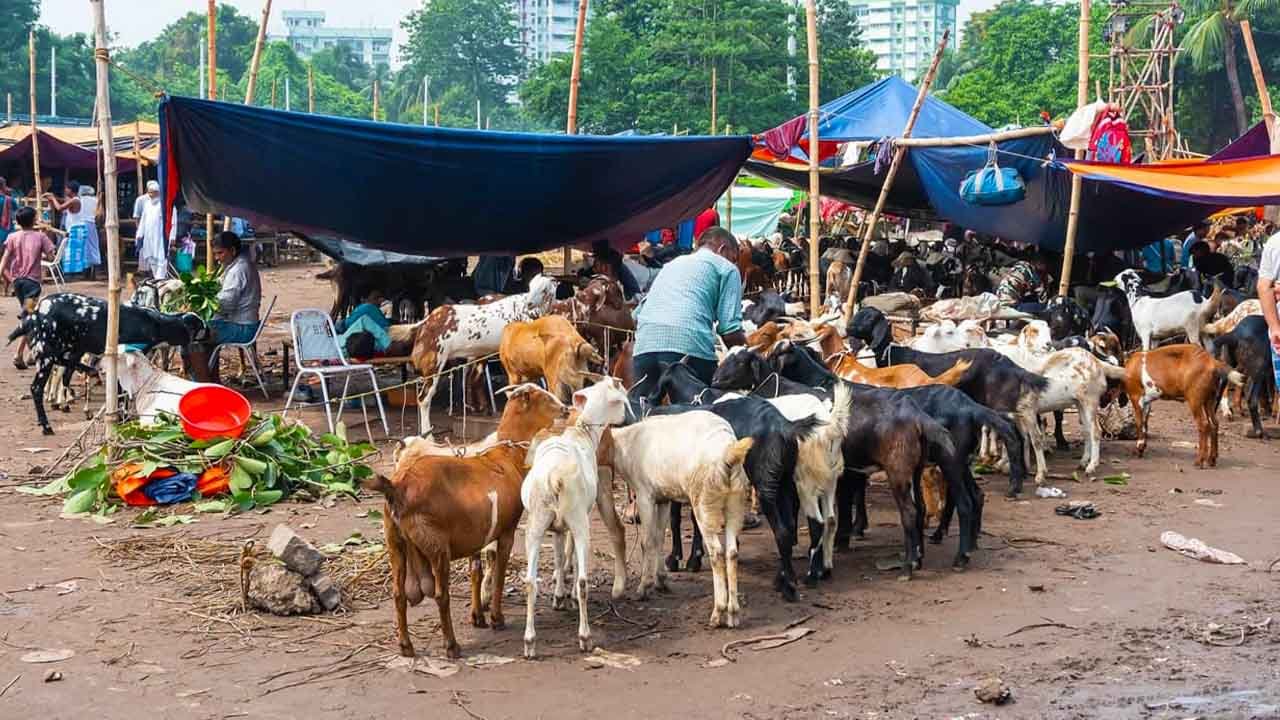
    Yesterday, Eid-ul-Azha was celebrated in Pakistan. Leading up to the occasion, thousands of sacrificial animals were made available for sale at established cattle markets in Karachi, Lahore, and Islamabad. However, a significant hurdle emerged as there were very few customers due to the prevailing issue of record inflation, which has affected millions of Pakistanis.

    Eid-ul-Azha, also known as the “Feast of Sacrifice,” is a revered observance that coincides with the final rites of the annual Hajj pilgrimage in Saudi Arabia. It is a joyous occasion where food plays a central role. Many Muslims mark the four-day festival by ritually slaughtering livestock and distributing the meat among family, friends, and the less fortunate.

    Yet, Pakistan’s annual inflation rate, reaching a record high of 37.97 per cent in May for the second consecutive month, has had a significant impact. Many buyers at Islamabad’s main cattle market expressed their inability to afford the livestock needed for the ritual sacrifice. On the other hand, sellers lamented that they had to acquire animals at exorbitant prices this year, with the cost of rearing the cattle being three times higher than before.

    Last week at Islamabad’s cattle market, the thin crowd was evidence of the prevailing desperation caused by the high cost of living, which had significantly dampened the typically thriving holiday trade in goats, cows, and sheep. One seller shared that despite bringing 20 animals, they were only able to sell five.

    Approximately 4,000 sacrificial animals had been brought from different parts of the country to the market ahead of Eid-ul-Azha. However, sellers reported a distinct lack of customers, and they expressed their concerns about the high prices of the animals, as their ability to earn income for their families depended on successful sales.

    Buyers, on the other hand, voiced their discontentment with the sellers’ pricing, noting its unfairness. Their grievances were justified, considering the substantial price disparities observed this year.

    For instance, a goat that would typically cost no more than Rs40,000 was being sold for Rs80,000, while a cow that should be priced around Rs300,000 had sellers asking for Rs700,000. These doubled rates compared to previous years reflect the challenging economic conditions in Pakistan.

    Cattle owners emphasised that looking after the animals was neither an easy nor a cheap task. The cost of animal feed, along with the overall care and maintenance, required considerable financial resources and effort.

    Sellers further elaborated on the costs associated with caring for the animals, emphasising the additional expenses incurred to ensure their well-being and appearance. They mentioned providing the animals with a diet consisting of wheat, milk, ghee, barley, nuts, and other natural ingredients to enhance their beauty, weight, and physique.

    However, the increased costs resulted in fewer customers. People’s purchasing power was significantly impacted, leading to a decline in market visitors. Even those who did come preferred to leave empty-handed due to the inflated prices of the animals.

    The prices for bulls ranged up to Rs600,000, while goats were priced between Rs50,000 and Rs150,000. The impact of inflation had a significant effect on people’s purchasing power, and as a result, there was a noticeable decrease in the number of sacrificial animals being bought compared to previous years. Many individuals who would typically purchase whole animals opted to go for “Hissa” meat instead.
  • ‘Most painful Eid for me’: Imran Khan reminiscences about jailed party leaders, workers

    ‘Most painful Eid for me’: Imran Khan reminiscences about jailed party leaders, workers

    Pakistan Tehreek-e-Insaf (PTI) chairman Imran Khan, while wishing Eid to fellow countrymen, has said that this is the most painful Eid for him, as his party leaders and workers are in jail for exercising their constitutional right to protest peacefully. 

    “Eid Mubarak to my Pakistanis. This is the most painful Eid for me. Around 10,000 of our workers and supporters are jailed and being treated as criminals for exercising their constitutional right to protest peacefully,” he wrote.

    “Our brave leaders including women leaders, Dr Yasmin Rashid and Aliya Hamza are in jail and refusing to leave PTI. 16 of our workers shot dead and 8 others suspected to have been killed but cannot be confirmed because relatives have gone underground because of the fear of police. 50 others suffered bullet wounds,” the tweet added.

    “Shockingly no mention of the use of this excessive force by security forces on unarmed protesters. And no independent investigation to ascertain what really happened on 9th May. Instead, by peddling a one sided anti-PTI official narrative, a reign of terror has been unleashed on anyone associated with the party with only one aim to dismantle it before elections.”

    He further wrote, “InshAllah PTI and the nation will come out of this dark phase much stronger. Also, there’s been a total clampdown on the media with all those critical of this fascist government facing its wrath. Imran Riaz Khan has been abducted and his whereabouts unknown for over 40 days now, and 5 of our respected journalists who have had to flee the country, we remember them too on this Eid.”

  • Pakistan condemns burning of Quran in Sweden on Eid-ul-Azha

    Pakistan’s foreign office has condemned the burning of the Holy Quran by a protester in Sweden on Wednesday on the occasion of Eid-ul-Azha.

    “Such wilful incitement to discrimination, hatred and violence cannot be justified under pretext of freedom of expression and protest”, read the statement issued by the foreign office.

    “Under international law, States are duty bound to prohibit any advocacy of religious hatred, leading to incitement of violence,” it added.

    Salwan Momika, said to be an Iraqi living in Sweden, set fire to a copy of the Quran in front of Stockholm’s central mosque.

    Turkey has also condemned the desecration, calling it a “heinous act.”

    “It is unacceptable to allow these anti-Islamic actions under the pretext of freedom of expression. To turn a blind eye to such heinous acts is to be complicit in them,” a statement issued by Turkey’s foreign minister read. 

    Sweden’s Prime Minister Ulf Kristersson said the Quran burning was “legal but not appropriate”.

  • Saas bahu narrative in dramas, Mani thinks channels know best while Hira says no comment

    Saas bahu narrative in dramas, Mani thinks channels know best while Hira says no comment

    Saas bahu narrative in dramas; Mani thinks channels know best while Hira says no comment

    Ahead of the release of the film ‘Teri Meri Kahaniyaan’, The Current team had a chat with the iconic pair Hira and Mani, who will be starring together in the horror-comedy directed by Nabeel Qureshi, along with veteran actress Gul-e-Rana.

    Aside from the questions about their upcoming film and how the two find collaborating with each other on film sets, we asked the couple what they thought about stereotypical dramas that revolve around saas-bahu narratives, and whether its time for scripts to evolve.

    To this Mani replied, “This is what people like to watch.”

    While Hira said, “I don’t know whether they should change or not, I can’t say anything.”

    Hira previously starred in the Kashf Foundation drama ‘Kashf’, in which Hira’s character was someone who had the ability to forsee the future and unfortunate events that will come to pass. It quickly went on to become a fan favourite.

    On whether more dramas like ‘Kashf’ should be made for screens, Hira replied: “I feel like everyone should be able to do what they think is right.”

    “Channel heads are well aware of what kind of dramas should be made. They are closely watching which dramas are getting good ratings. Look at the current two to four dramas which have become a hit,” Mani opined.

    Teri Meri Kahaniyaan is coming to cinemas across Pakistan on June 29.

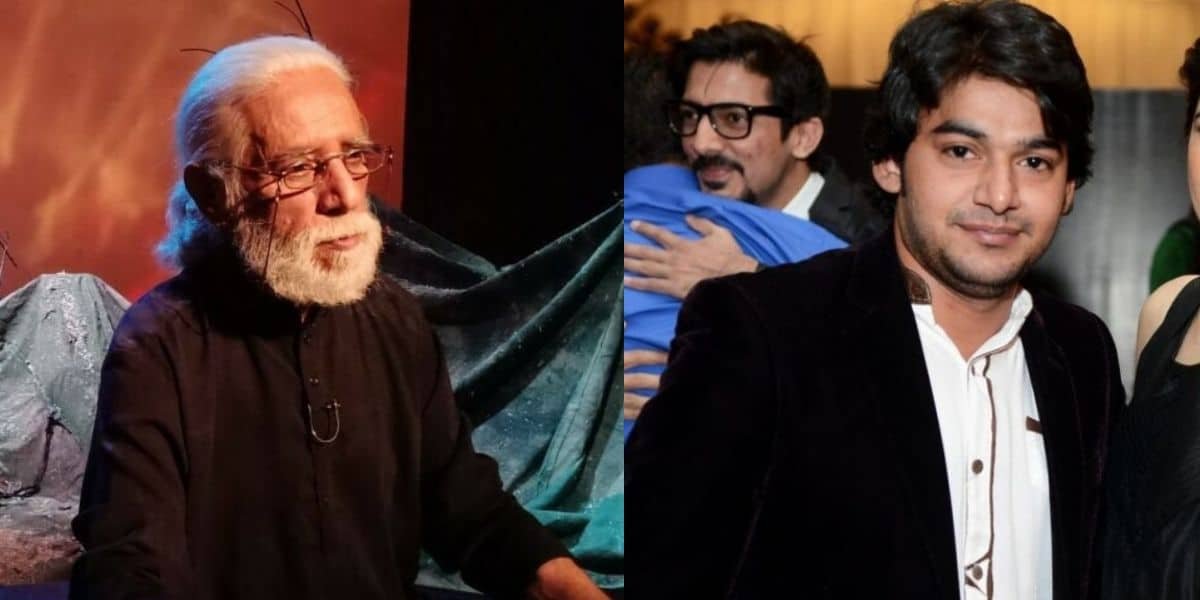
  • After Asad Abbas, veteran actor Rashid Mehmood opens up about needing financial help

    After Asad Abbas, veteran actor Rashid Mehmood opens up about needing financial help

    Veteran actor Rashid Mehmood has opened up about suffering medical setbacks after suffering a stroke. The event has impacted movement in his hands, face and tongue, the actor revealed, adding that he received limited financial assistance from the government upon appealing for help.

    “I don’t need charity,” revealed the former ‘Ainak Wala Jin’ star to Daily Point. “I need respect and dignity.”

    The actor, who had worked in renowned dramas like ‘Saheen’, recalled his disappointment when he received a check of Rs200,000 from the government upon appealing for financial assistance. “After working hard all my life, my worth was only 2 lac rupees.”

    Former Coke Studio singer Asad Abbas has also appealed to his fans and other singers to help fund a surgery as he battles kindey failure. Abbbas, who sang the OST for ‘Raqs-e-Bismil’, revealed to the Daily Pakistan podcast that his family members had spent everything they had on his operation, while most of the public figures he had collaborated with had not inquired after his health or sent any help. He currently needs PKR 50 million in order to fund his treatment in the US.

    Actor Adnan Siddiqui shared a clip of Abbas where he appealed to fans and other public figures to fund his kidney transplant, and shared that he is getting four dialyses sessions per day. In the caption, Siddiqui highlighted Abbas’ achievements as a singer:

    “Asad Abbas has graced our lives with his beautiful voice,capturing our hearts with his soulful performances and musical genius. Sadly, behind the curtain of his immense talent, he is today waging a personal battle that has left him in a state of extreme financial distress.

    He is currently grappling with a critical kidney issue, which has not only taken a toll on his health but has also created significant financial burdens.

    It is in times like these that we, as a community, need to rally together and extend our support to someone who has given us countless moments of joy through his music. As an artist too, it is our responsibility to stand by fellow artists and help them during their times of need.

    I appeal to each and every one of you to contribute whatever you can to assist Asad Abbas in this trying time. Your contribution, no matter how big or small, will make a significant difference in easing his financial burdens and allowing him to focus on his recovery and return to doing what he loves most – creating beautiful music.

    You can donate here—
    Support Asad Abbas for Kidney Transplant
    PK46HABB0001437900548101.
    Habib Bank Asad Abbas.
    Jazz Cash 03003456490.
    Easy Pesa 03003456490.”