Tag: Pakistan

  • World Bank and IMF spring meetings to address global economic uncertainties and climate change

    World Bank and IMF spring meetings to address global economic uncertainties and climate change

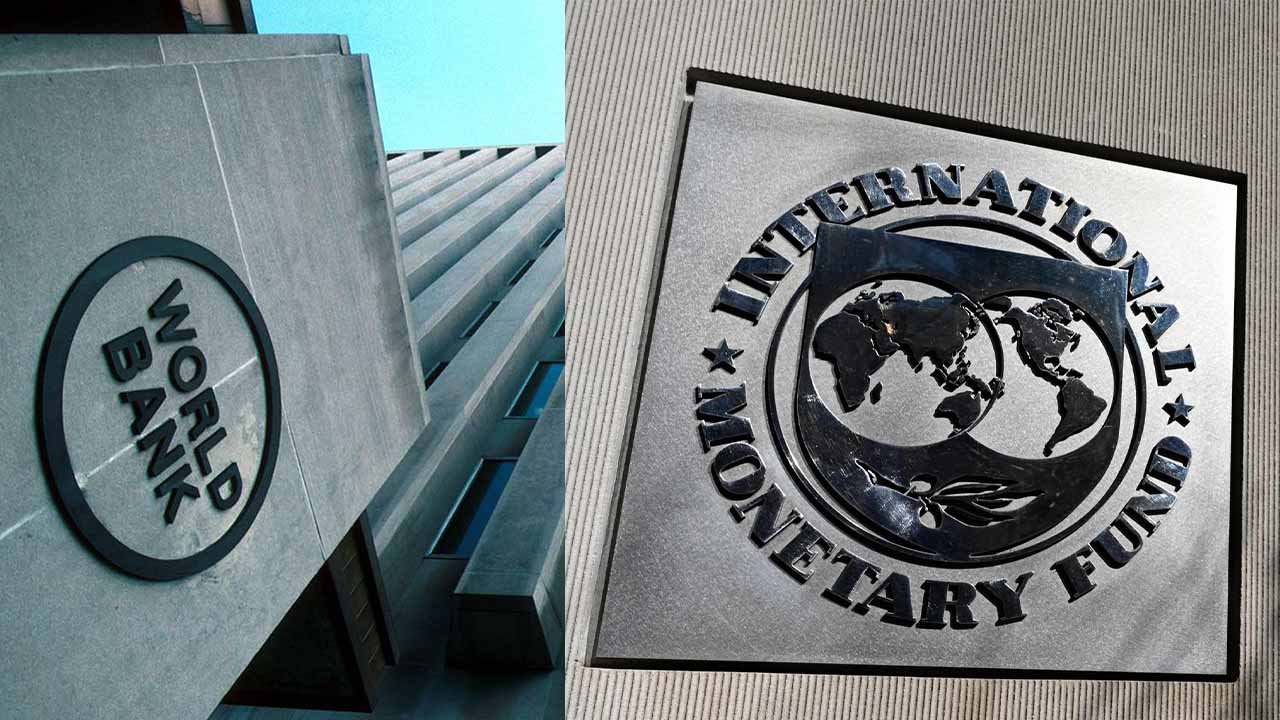
    On Monday, the 2023 spring meetings of the World Bank Group and the International Monetary Fund (IMF) commence in the US capital to examine the “uncertainties and risks weighing heavily” on the global economy. The meetings, which run from April 10 to 16, will take place at the IMF and World Bank headquarters and will focus on the impact of climate change, which is endangering lives and livelihoods worldwide.

    Finance ministers and central bank governors from around the world will attend the meetings to reconnect with international financial leaders, and some may hold one-on-one meetings with officials from the US Treasury and State Department. Pakistan will be represented at the meetings by the secretaries of finance and economic affairs, as well as the State Bank governor, in place of Finance Minister Ishaq Dar.

    An official statement outlining the issues to be discussed at the meetings indicated that “stubborn inflation, the cost-of-living crisis, and slower growth effects” are causing harm to the poor and most vulnerable. The statement further highlighted that record-high debt is impeding the progress of developing countries, and that the consequences of climate change are threatening lives and livelihoods globally. According to Dawn, experts are urging the World Bank and the IMF to create a comprehensive strategy to address the challenges that developing nations are facing.

    A picture on the UN Foundation’s website illustrates the widespread devastation caused by last year’s floods in Pakistan, prompting international financial institutions to devise a new mechanism to “assist communities affected by (climate change) catastrophes.” The caption beneath the photo emphasised that “many lives were lost, and millions lost their homes, with one-third of the country submerged.”

    According to a World Bank study released shortly after the floods, “Pakistan urgently requires substantial investment in climate resilience to safeguard its economy and reduce poverty.”
  • Here’s how you can apply for govt’s paid internship program

    The Ba-Ikhtiyar Naujawan Internship Program (BNIP) was established by the Ministry of Planning, Development, and Special Initiatives at the request of Prime Minister (PM) Shehbaz Sharif, to ensure Pakistani youth is economically empowered.

    The program aims to provide 60,000 paid internships to recent graduates across Pakistan.

    “Despite lengthy stints at educational institutes, gaps remain among Pakistan’s young graduates in terms of marketable skills and practical experience. This serves as a barrier to their entry in the job market and underlies their high unemployment rate. The Prime Minister’s Ba-Ikhtiyar Naujawan Internship Program is breaking these barriers for young graduates by equipping them with requisite skills through off-job and on-job training, and providing them with the work experience they require for entering the job market. Please create an account on this portal through the ‘Register’ feature, login to your personalised dashboard, and apply to internship opportunities available in various fields.”

    Who is eligible for the program?

    Graduates up to the age of 30 holding a Diploma, Bachelor’s degree, or higher from an HEC-recognized university or institution in Pakistan, or abroad are eligible to apply for BNIP internships.

    Is the internship paid?
    The monthly stipend for the internship is Rs25,000-40,000.
    How to apply for the internship?

    You can apply for an internship at this website.

  • Thousands of Indian Sikh pilgrims to participate in Baisakhi celebrations in Pakistan

    Thousands of Indian Sikh pilgrims to participate in Baisakhi celebrations in Pakistan

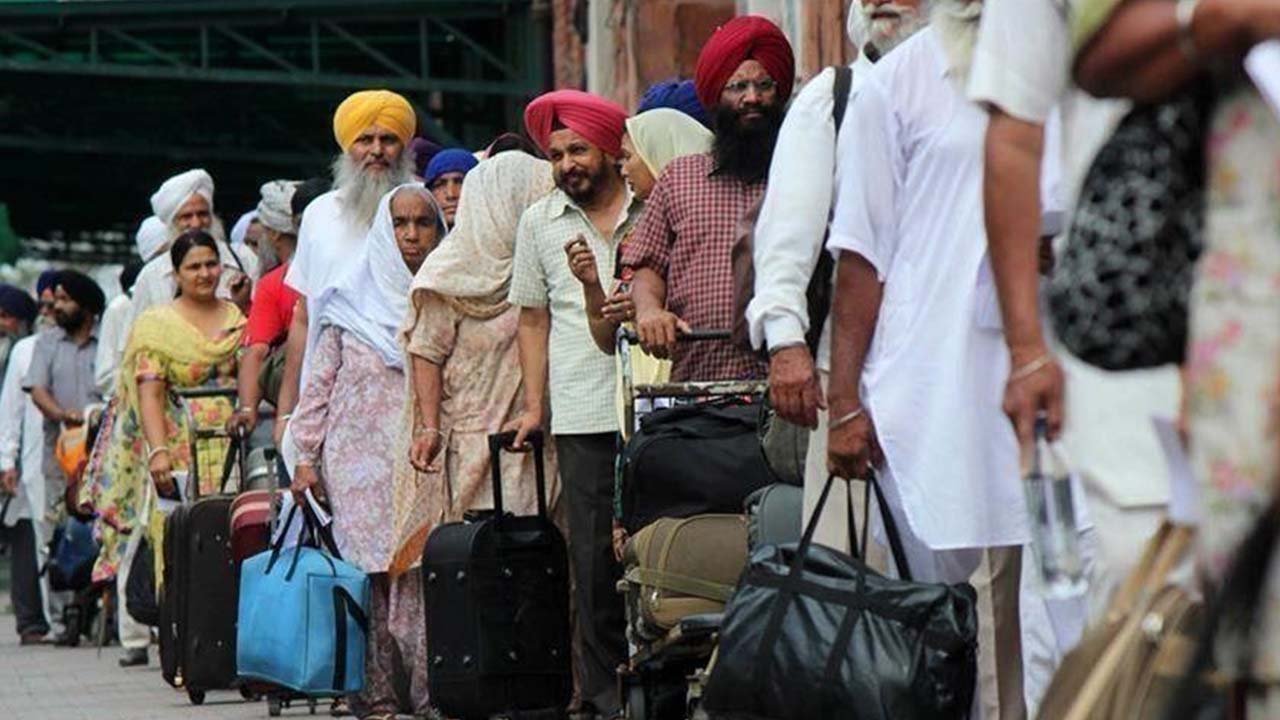
    Pakistan’s High Commission in New Delhi has announced that it has issued 2,856 visas to Sikh pilgrims from India. The visas will allow the pilgrims to travel to Pakistan and participate in the annual Baisakhi festivities, which are set to take place from April 9-18, 2023. The issuance of these visas falls under the Pakistan-India Protocol on Visits to Religious Shrines of 1974.

    Every year, many Sikh Yatrees from India travel to Pakistan to observe different religious festivals and occasions. The High Commission’s issuance of visas to these religious pilgrims is in accordance with the Pakistani government’s commitment to fully implement the Bilateral Protocol on Visits to Religious Shrines between the two countries.

    Pakistan’s Charge d’Affaires, Salman Sharif, congratulated the pilgrims on the occasion and wished them a fulfilling journey. He added that Pakistan is dedicated to preserving sacred religious places and ensuring that visiting pilgrims are provided with necessary facilitation.

    The pilgrims will visit several sites, including Dera Sahib, Panja Sahib, Nankana Sahib, and Kartarpur Sahib. They will arrive Pakistan on April 9 and return to India on April 18.

  • Emeralds, rubies and diamonds: report reveals jewels stolen from India by British Empire

    Emeralds, rubies and diamonds: report reveals jewels stolen from India by British Empire

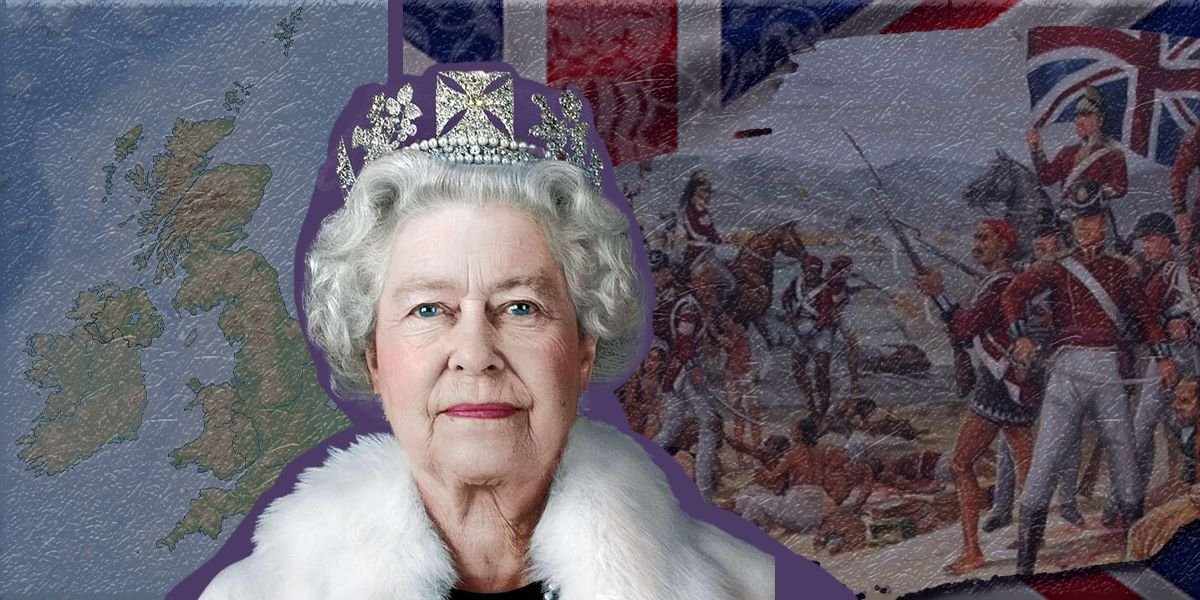
    As part of their ‘Cost Of The Crown’ series, investigating the British Royal Family’s wealth and finances, The Guardian has extracted a 46 page report from the Indian government which provided details of jewelry and other precious items stolen by the colonial British Empire during their reign over the sub-continent. Most of the gifts were handed over as gifts to Queen Victoria, the reigning monarch at the time.

    The investigation was commanded by the late Queen Elizabeth II’s grandmother, Queen Mary, to find out about the origins of her jewels.

    The report details the names of the jewels as well as their colonial origins and how they were stolen by the East India Company.

    1 Koh-i-Noor

    The legendary diamond Koh-i-Noor was taken from Maharaja Ranjit Singh’s kitty. The ruler of Lahorr had signed a treaty of friendship with the British in 1831, and six years later the then Governer-General of India, George Eden, and his sister, Fanny, visited him at his palace. The Guardian writes that Fanny had later written about Singh’s diamond collection, detailing how he decorated his horses with the finest diamonds she had ever seen:

    “If ever we are allowed to plunder this kingdom, I shall go straight to their stables.”

    in 1849, Singh and his heir, Duleep, were forced to sign over Punjab to the British army, who stole all of his jewels as a part of their conquest, along with the Koh-i-Noor.

    The diamond is part of the Imperial Collection, imbedded into Queen Elizabeth, the Queen Mother’s crown, worn by consorts.

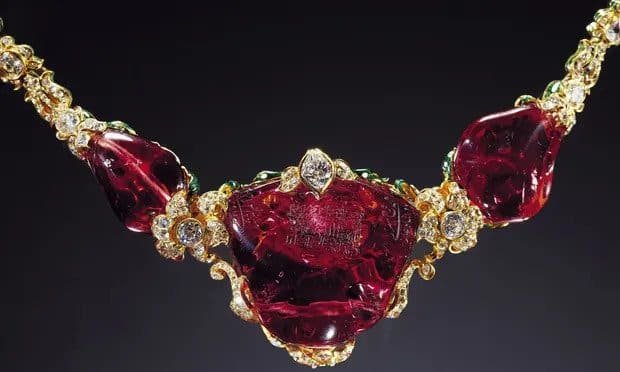
    2 The Timur Ruby gemstone

    Named after Timur, the founder of Timurind Empire in Central Asia, the gemstone is etched with the names of the five men who owned it: Jahangir (1569-1627), the 4th Mughal Emperor, Shah Jehan (1592-1666), the 5th Mughal Emperor, Farrukhsiyar (1685-1719), the 10th Mughal Emperor; Nader Shah (1688-1747), Shah of Iran; and Ahmad Shah Durrani (1722-1772), King of Afghanistan.

    By 1813, the gemstone was under the possession of Maharaja Ranjit Singh, who ruled over the Sikh Empire, and later was passed down to his heir Maharaja Sher Singh. From there, the necklace was inherited by his brother Duleep Singh, who became Maharaja when he was only five years old.

    During 1948- 49, when the British Empire waged wars over the Sikh Empire, the East India Company took over Punjab and forced the then ten-year-old Maharaja to hand over his possessions. Duleep Singh was placed under a Scottish guardian, isolated from contacting his fellow countrymen.

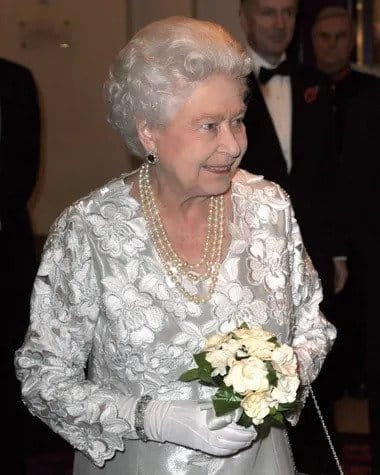
    3 Pearl necklace

    Comprising of 244 pearls and a clasp of two magnificent rubies, the necklace had originally belonged to a ruler in Punjab, until it was stolen by the British. Queen Elizabeth II was spotted wearing this necklace at the Royal Opera House in London to celebrate her diamond jubilee.

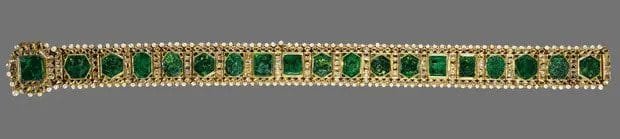
    4 Emerald girdle of Maharaja Sher Singh

    The gold girdle inlaid with 19 emeralds first came to the public’s attention during Buckingham Palace’s celebration of Prince Charles’ 70th birthday, with a display of his favorite pieces from the royal collection. The item had previously belonged to an Indian Maharaja, Sher Singh, who used it to decorate his precious horses.

  • Pakistan is the cradle of rape culture and sexism: are you surprised?

    Pakistan is the cradle of rape culture and sexism: are you surprised?

    The shocking rape of a 14-year-old girl, who was allegedly raped by her father and brother, has once again proven that there is no safe space for women in Pakistan. The girl, a resident of Azad Kashmir, was taken to a hospital by her mother after she complained of stomachache. Doctors discovered that the girl was pregnant and about to give birth. Investigation revealed that the victim’s brother and father raped her several times during the last few months. The DNA of the baby she birthed matches that of her brother’s.  Imagine the horror and fear of the girl who was not safe in her own house and where her own father and brother were her rapists and tormentors.

    Pakistan has staggering statistics that expose the rape epidemic in the country. In October last year, almost 21,900 women were reported to have been raped in Pakistan from 2017 to 2021. This meant that approximately 12 women were raped every day, or one every two hours, throughout the country. According to media reports, approximately 350 rape instances were recorded in Punjab, between May 2022 and August 2022. The Current records the tally of rape cases that are reported in news outlets on a daily basis to highlight the alarming situation. And not a single day goes by when rape isn’t reported in any city but that too doesn’t represent the actual figures because not all rape cases are reported. It’s hard to imagine what the real figures must be. Women around the country are raped, abused, and harassed every day, enduring it incessantly because the state and society has failed to ensure their safety. Occasionally, a rape case emerges in the media that elicits particular fury and ignites massive protests, while exposing the culpability of our society; the cradle for rape culture, the breeding ground that lets rapists get away by promoting victim-blaming.

    Everything about this incident tells the the horrifying story of impunity with which Pakistani men commit crimes, without an ounce of remorse. And then there are men like Pakistan People’s Party’s (PPP) Nabil Gabol, who have the audacity to pass disgusting comments about rape. In a recent interview, Gabol casually remarked: “When rape is inevitable, just enjoy it.” How can one be so heartless to say such sickening words? Gabol’s words garnered massive backlash, and rightly so. Pakistanis were angry, and outraged at the politician’s lack of sensitivity. The PPP politician apologised for his remarks later, saying that he regretted if his words had hurt women. But then he went on to blame Pakistan Tehreek-e-Insaf (PTI) supporters for launching a social media campaign against him. After issuing an apology for his misogynistic remarks, Nabil Gabol decided to defend his statement with a screenshot of PTI Chairman Imran Khan’s interview with Time Magazine. Gabol wrote that Aurat March organisers or journalists had not called Khan out for his past problematic statements. Gabol further said if he lost weight and looked handsome like Khan, then the backlash wouldn’t have happened. This non-apology and attack on women who raise their voice for victims of abuse shows that Gabol only apologised because of the backlash on social media but didn’t mean it. As if his non-apology was not enough, Gabol’s son Nadir came out to defend his father’s thoughtlessness and said that his father had intended to say: “Pain is inevitable, suffering is optional.” It is shocking that even today men have the audacity to utter such nauseating words.

    And yet, we question and pass comments on the severity of the situation. To the hopelessness and rage that fills our hearts, may women find security, protectiveness and justice in this country. Will this ever stop, is a question we ask ourselves often. Our society and justice system have failed the women of Pakistan. It is because of these attitudes that Pakistan ranks as the second-worst country on the gender gap index. Are you surprised?

  • Islamabad police all set to provide foolproof security to New Zealand team

    Islamabad police all set to provide foolproof security to New Zealand team

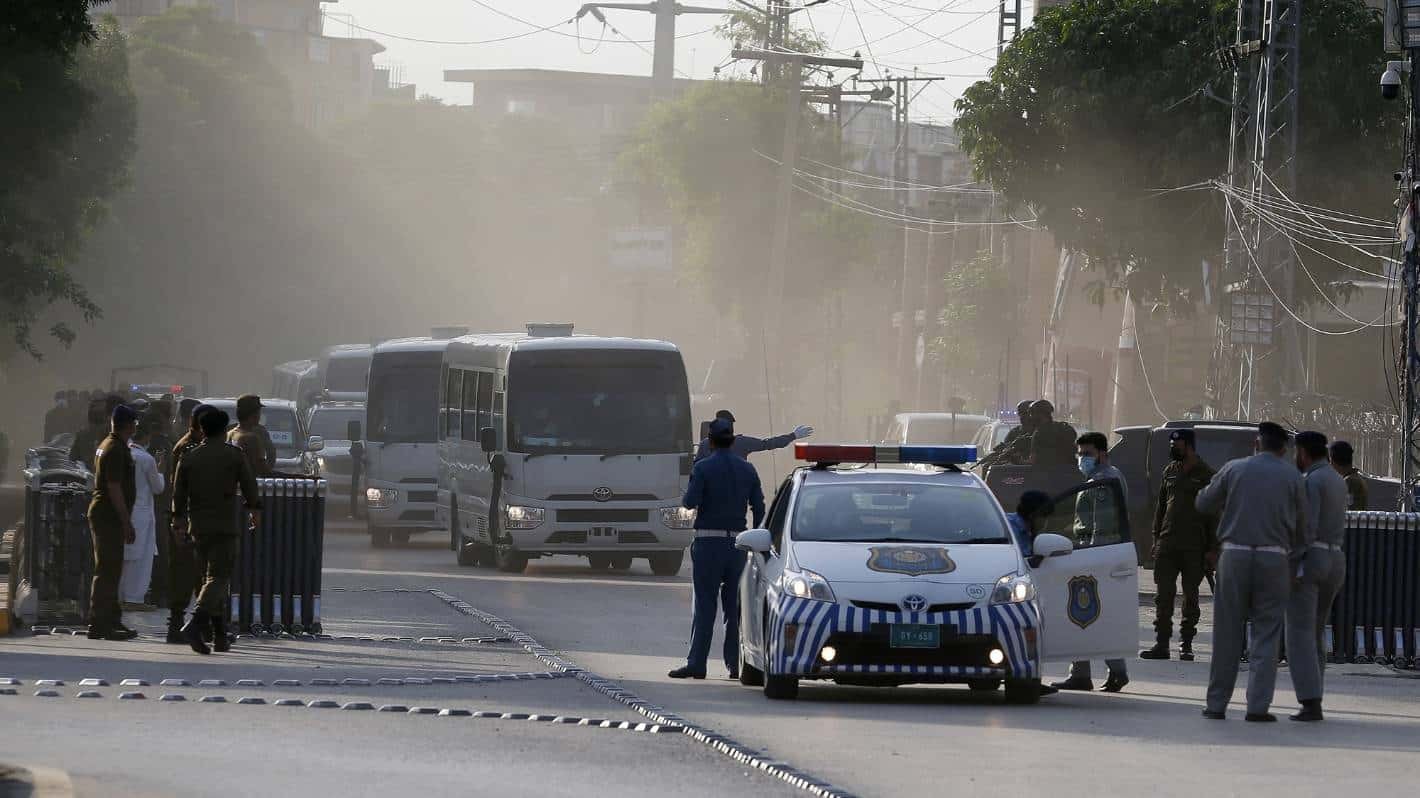
    The Islamabad police has said on Sunday that they were “fully equipped” to provide end-to-end “fool-proof and world-class” security to the New Zealand cricket team during their upcoming series in which five T20I and five One Day International (ODI) matches will be played.

    The Black Caps are scheduled to arrive in Pakistan on April 9 (today) for the limited-overs series set to begin on April 14 in Lahore.

    A day earlier, sources in the police department told Geo News that police have refused to provide security, saying they “do not have resources” and claimed that it is the responsibility of the Pakistan Cricket Board (PCB) to provide the same for security.

    The sources said that police personnel are busy with deployment at free flour distribution centres, ongoing census and other activities related to the holy month of Ramadan.

    However, Inspector General of Police Dr Akbar Nasir Khan has now said that the Islamabad police have provided the highest level of security during the visit of the English cricket team and Pakistan Super League’s (PSL) eighth edition “flawlessly” in 2022-23.

    “Police shall be playing a key role for provision of flawless security in collaboration with other stakeholders in Islamabad and Rawalpindi,” he assured.

    The touring teams stay at a hotel in the capital and travel to the Pindi Cricket Stadium for matches.

    Pakistan v New Zealand schedule:
    April 14 — 1st T20I, Lahore

    April 15 — 2nd T20I, Lahore

    April 17 — 3rd T20I, Lahore

    April 20 — 4th T20I, Rawalpindi

    April 24 — 5th T20I, Rawalpindi

    April 26 — 1st ODI, Rawalpindi

    April 30 — 2nd ODI, Karachi

    May 3 — 3rd ODI, Karachi

    May 5 — 4th ODI, Karachi

    May 7 — 5th ODI, Karachi

  • TTP uses US weapons left behind in Afghanistan for terrorism in Pakistan, claims report

    TTP uses US weapons left behind in Afghanistan for terrorism in Pakistan, claims report

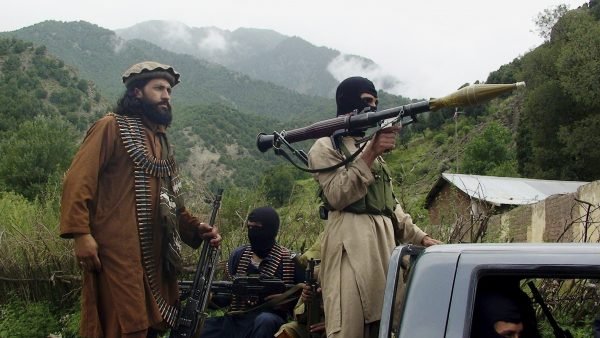
    Military weapons worth $7 billion that were left behind by the United States (US) after its exit from Afghanistan are being used by banned Tehreek-e-Taliban Pakistan (TTP) and Baloch separatist groups for terrorism in Pakistan, claimed a report by Radio Free Europe.

    The report said that the US left behind firearms, communications gear and armored vehicles which gave the militants a “vast war chest”.

    The Taliban government has rejected claims that it has supplied TTP fighters with US weapons and equipment, however, the report stands contrary to their assertion.

    Abdul Sayed, a Sweden-based researcher who tracks the TTP, said the group’s access to sophisticated combat weapons has had a “terrifying” impact, especially on the lesser-equipped police force in Pakistan.

    Since government talks with the TTP broke down in November, the militant group has intensified its attacks across Pakistan including attacks on the police.

    According to statistics released by the Pakistan Institute for Conflict and Security Studies (PICSS), January 2023 remained one of the deadliest months for terrorism since July 2018.

  • Loving ‘Kuch Ankahi’? Then you should check out PTV drama ‘Tum Se Kehna Tha’

    Loving ‘Kuch Ankahi’? Then you should check out PTV drama ‘Tum Se Kehna Tha’

    ‘Kuch Ankahi’ has made an indelible mark on the Pakistani entertainment industry, for tackling sensitive issues like marriage pressure, body shaming, as well as infidelity. However, many audience members won’t know that the writer as well as the actor who plays the dad in the drama, Syed Mohammad Ahmed, has written countless scripts for film and television, including the iconic PTV drama ‘Tum Se Kehna Tha’ which was his debut effort.

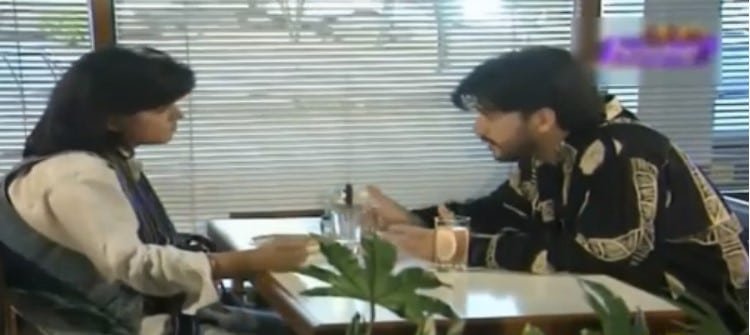
    Directed by the brilliant Sahira Kazmi, the drama is an adaptation of the Hollywood rom-com ‘While You Were Sleeping’ which is about a young woman, who is accidently mistaken to be the fiancée of a man in a coma. The drama is incredibly funny, with powerful performances by actors Marina Khan and Ali Haider, and if our audiences are hung up on the fact that there are no good dramas out there that outshine the way ‘Kuch Ankahi’ did, here are some reasons why they should definitely check out this cult classic.

    1 The powerful chemistry between Hira (played by Khan) and Bilal (played by Haider)

    Hira and Bilal are feuding opposites in the beginning of the drama, because the family completely takes her in once they find out she was Saad’s (played by Farhan Ali Agha) fiancee, but Bilal opposes this because he suspects that she is telling a lie. As the episodes progress, their rivalry turns into friendship and then in to love, giving us a healthy and meaningful relationship.

    2 Powerful women lead the drama

    Powerful, witty Hira immediately captures the hearts of the audience, especially due to the exceptional acting shown by Marina Khan. Hira works in a travel agency under her boss who was her late father’s best friend, and is like father figure to her. She has everything that any woman would want: friends, an apartment and lots of wealth, but deep down, Hira longs for a family so she won’t remain alone. If fans of ‘Kuch Ankahi’ love the sisters and their fierce devotion and dedication to each other, then they will love the way Hira loves and defends her family members, helps her sister in law tackle with the grief from divorce, and especially how drama refuses to pit women against each other.

    3 Debunks the stereotype that divorced women can never find happiness

    ‘Kuch Ankahi’ has definately engaged Pakistani audiences with its refreshing script that provided us with complex female characters who refuse to be dictated around by patriarchal expectations, then they would also find ‘Tum Se Kehna Tha’ addictive because in the same manner, it engages with the societal disgrace that divorcees often face. Through the journey of Meher (played by Seemi Pasha), a divorced woman who is still recovering from the betrayal of her first marriage, she learns to empower herself through becoming friends with Hira, and forming a friendship with Sajjad, another divorcee who encourages her to keep living her best life.

    4 Humorous and engaging side characters

    A lot of times one of the biggest criticisms of Pakistani dramas has been that the side characters are incredibly dense, and limited to only showing up to push the main lead’s story forward. However the brilliance of Syed Mohammad Ahmed is that in his scripts, each character is interesting and keeps us engaged with the show. In ‘Kuch Ankahi’, fans are in love with the Tiktok star Neeha who is the househelp’s daughter, or Shakeel, the clumsy nephew. In a similar way, in ‘Tumse Ye Kehna Tha’ side characters like the neighbour Gringo or Buwa who add to the humor of the drama.

  • From dream boy to bad boy: Twitter shares why certain Pakistani dramas have aged badly

    If you’re a citizen of Pakistani Twitter, then you would be familiar with cult dramas like ‘Zindagi Gulzar Hai’, ‘Humsafar’ and ‘Tere Bin’, that have dominated social media with swoon worthy romances as well as dreamboats like Fawad Khan and Wahaj Ali. We’ll admit it, we have been obsessed too.

    But it might turn out that all that is old is not gold? And sadly, our fav heroes might not actually be the shehzada of our dreams but actually toxic men who needs to be re examined again.

    A Twitter user shared a tweet of the main leads from the most popular Pakistani dramas: ‘Tere Bin’, ‘Zindagi Gulzaar Hai’, ‘Humsafar’ and ‘Mere Humsafar’, and in the caption she shared that arranged marriage might not be such a bad idea if it were with men like them.

    But in today’s climate when more women are asking for better representation on television screens, a man like Ashar or Zarrun won’t sit well with audiences, regardless of how good looking Fawad Khan is. With that, more twitter users began sharing the ways audiences had overlooked how regressive and sexist these male leads actually were, and should not have been projected as the standard kind of man women should look for.

    Users shared that in ‘Humsafar’, Khan’s character Ashar, kicks his wife Khirad (played by Mahira Khan) out of the house while she was pregnant because he suspects her to be cheating on him with her friend, Khizar.

    Twitter users shared how toxic Murtasim was in ‘Tere Bin’ because he slapped Meerab in episode 5, and in the most recent episode he asks her to jump to prove she wasn’t having an affair behind his back.

    We hope that the entertainment industry takes a note of this and works on improving their scripts to stop romanticizing toxic men, who can only offer the bare minimum to the women in their lives.

  • Weekly inflation in Pakistan spikes above 44%

    Weekly inflation in Pakistan spikes above 44%

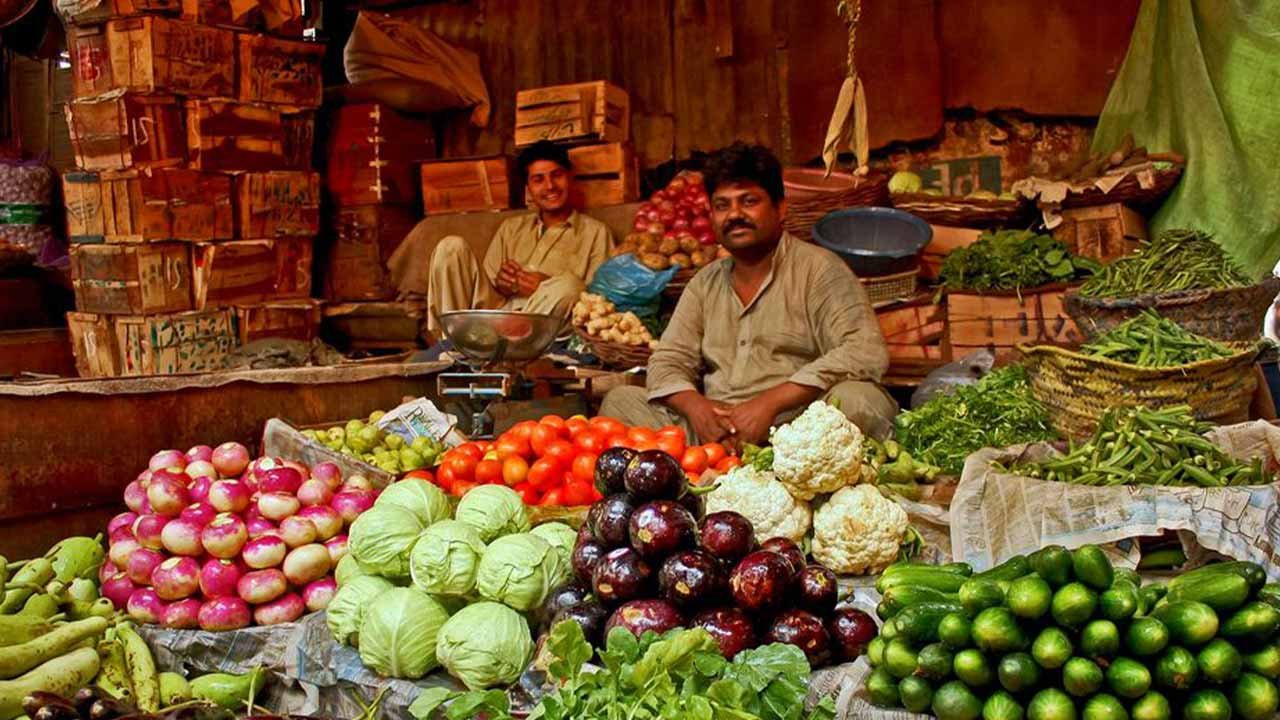
    The Pakistan Bureau of Statistics (PBS) has reported that for the week ending on April 6, 2023, the Sensitive Price Indicator (SPI) based inflation has increased by 0.92 per cent. This rise is mainly due to an increase in the prices of food items such as chicken (15.87 per cent), sugar (13.48 per cent), potatoes (5.11 per cent), bananas (4.95 per cent), wheat flour (3.10 per cent), gur (2.12 per cent), eggs (1.26 per cent), fresh milk (1.24 per cent), and non-food item long cloth (1.95 per cent).

    The year-on-year trend indicates an increase of 44.49 per cent, which is primarily due to a surge in the prices of cigarettes (165.88 per cent), wheat flour (131.72 per cent), gas charges for q1 (108.38 per cent), diesel (102.84 per cent), eggs (98.34 per cent), Lipton tea (97.63 per cent), broken basmati rice (84.92 per cent), bananas (82.23 per cent), petrol (81.17 per cent), irri-6/9 rice (80.61 per cent), moong (68.14 per cent), potatoes (65.95 per cent), maash (56.70 per cent), and onions (55.75 per cent). However, a decrease in prices has been observed for tomatoes (50.39 per cent) and powdered chillies (6.48 per cent).

    The SPI for the week under review has been recorded at 252.06 points compared to 249.75 points in the previous week, as per the latest data released by PBS on Friday. During the week, out of 51 items, prices of 27 (52.94 per cent) items increased, seven (13.73 per cent) items decreased, and 17 (33.33 per cent) items remained stable.

    The average prices of commodities that have increased during the week over the previous week include chicken (15.87 per cent), sugar (13.48 per cent), potatoes (5.11 per cent), bananas (4.95 per cent), wheat flour (3.10 per cent), gur (2.12 per cent), long cloth 57” Gul Ahmed/Al Karam (1.95 per cent), eggs (1.26 per cent), fresh milk (1.24 per cent), irri-6/9 rice (0.80 per cent), shirting (0.75 per cent), beef with bone (0.71 per cent), broken basmati rice (0.69 per cent), curd (0.60 per cent), toilet soap Lifebuoy (0.56 per cent), lawn printed Gul Ahmed/Al Karam (0.55 per cent), prepared tea (0.44 per cent), powdered salt (0.39 per cent), Georgette (0.36 per cent), Sufi washing soap (0.31 per cent), mutton (0.18 per cent), moong (0.16 per cent), masoor (0.15 per cent), maash (0.09 per cent), cooked beef (0.04 per cent), cooking oil Dalda or other similar brand (sn), 5 litre tin each (0.04 per cent), and cooked daal (0.02 per cent).

    The commodities that have recorded a decrease in their average prices are tomatoes (14.96 per cent), onions (12.66 per cent), LPG (3.73 per cent), pulse gram (1.20 per cent), vegetable ghee Dalda/Habib 2.5 kg tin each (0.71 per cent), garlic (0.16 per cent), and mustard oil (0.03 per cent).

    Commodity Year-on-Year Change Week-on-Week Change
    Cigarettes 165.88 per cent N/A
    Wheat flour 131.72 per cent 3.10 per cent
    Gas charges for q1 108.38 per cent N/A
    Diesel 102.84 per cent N/A
    Eggs 98.34 per cent 1.26 per cent
    Lipton tea 97.63 per cent N/A
    Broken basmati rice 84.92 per cent 0.69 per cent
    Bananas 82.23 per cent 4.95 per cent
    Petrol 81.17 per cent N/A
    Irri-6/9 rice 80.61 per cent 0.80 per cent
    Moong 68.14 per cent 0.16 per cent
    Potatoes 65.95 per cent 5.11 per cent
    Maash 56.70 per cent 0.09 per cent
    Onions 55.75 per cent 12.66 per cent
    Tomatoes -50.39 per cent -14.96 per cent
    Powdered chillies -6.48 per cent N/A
    Chicken N/A 15.87 per cent
    Sugar N/A 13.48 per cent
    Gur N/A 2.12 per cent
    Long cloth 57” Gul Ahmed/Al Karam N/A 1.95 per cent
    Fresh milk N/A 1.24 per cent
    Shirting N/A 0.75 per cent
    Beef with bone N/A 0.71 per cent
    Curd N/A 0.60 per cent
    Toilet soap Lifebuoy N/A 0.56 per cent
    Lawn printed Gul Ahmed/Al Karam N/A 0.55 per cent
    Prepared tea N/A 0.44 per cent
    Powdered salt N/A 0.39 per cent
    Georgette N/A 0.36 per cent
    Sufi washing soap N/A 0.31 per cent
    Mutton N/A 0.18 per cent
    Masoor N/A 0.15 per cent
    Cooked beef N/A 0.04 per cent
    Cooking oil Dalda or other similar brand (sn), 5 litre tin each N/A 0.04 per cent
    Cooked daal N/A 0.02 per cent
    LPG N/A -3.73 per cent
    Pulse gram N/A -1.20 per cent
    Vegetable ghee Dalda/Habib 2.5 kg tin each N/A -0.71 per cent
    Garlic N/A -0.16 per cent
    Mustard oil N/A -0.03 per cent