Tag: Pakistan

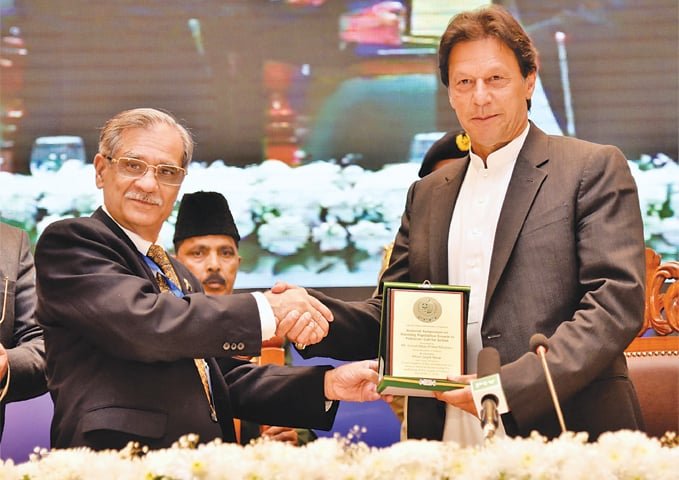
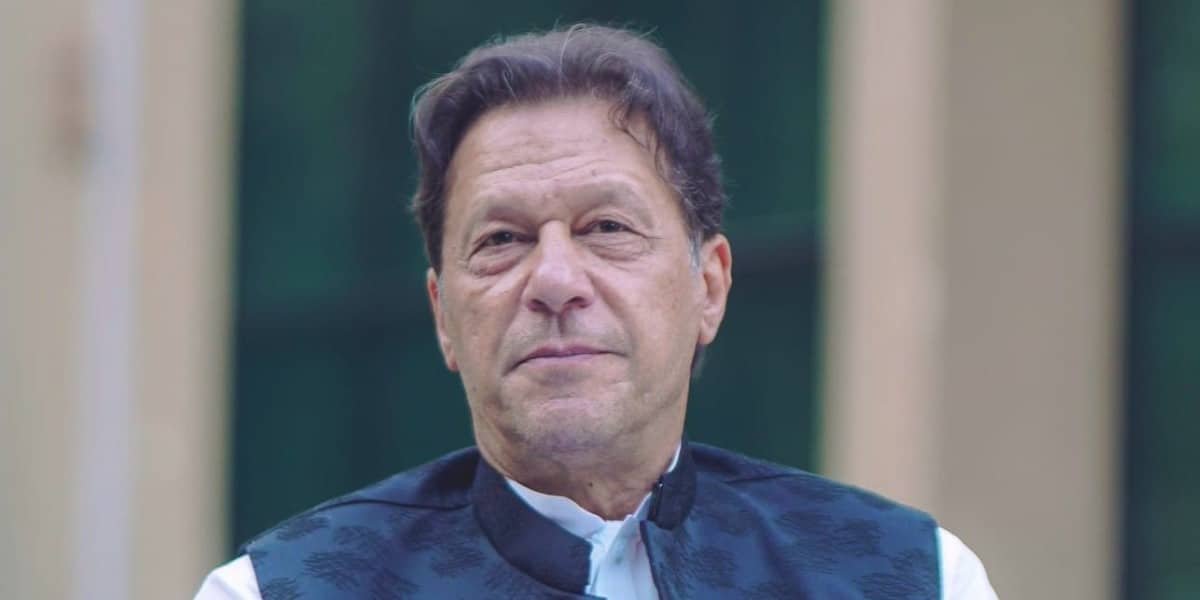
  • Bazi lay gaya Khan: 61 per cent Pakistanis positively rate PTI chief

    Bazi lay gaya Khan: 61 per cent Pakistanis positively rate PTI chief

    Pakistan Tehreek-e-Insaf (PTI) Chairman Imran Khan is “positively rated” among 61 per cent of Pakistanis, whereas only 36 per cent have a “good opinion” about Pakistan Muslim League-Nawaz (PML-N) supremo Nawaz Sharif.

     According to a survey titled Public Pulse Report published by Gallup Pakistan, around 2,000 respondents participated in providing data for the survery.

    According to the report, Khan received a positive rating from 61 per cent of the population while 37 per cent rated him negatively.

    Prime Minister (PM) Shehbaz Sharif was rated negatively by 65 per cent of Pakistanis while 32 per cent gave him a positive rating. However, people from Punjab rated him better as compared to other provinces.

    As for Foreign Minister Bilawal Bhutto-Zardari, 36 per cent rated the Pakistan People’s Party (PPP) chairman positively while 57 per cent gave him a negative rating. Of all the provinces, he got most positive ratings from Sindh.

    PML-N Senior Vice President Maryam Nawaz, however, was rated negatively by 61 per cent while 34 per cent gave her a positive rating.

    Former president Asif Ali Zardari was rated negatively by 67 per cent while 27 per cent rated him positively.
  • Pakistan’s oil industry on the brink of collapse, calls for urgent government intervention

    Pakistan’s oil industry on the brink of collapse, calls for urgent government intervention

    According to recent reports, the oil industry in the country is facing serious challenges in obtaining crude oil and petroleum products due to foreign exchange constraints and current product pricing. These challenges have been exacerbated by the recent depreciation of the currency and an increase in the central bank’s policy rate.

    The Oil Companies Advisory Council (OCAC), which comprises over three dozen major oil marketing companies (OMCs) and refineries, has expressed concern to the government about the possibility of a major disruption to the already fragile supply chain.

    In a communication to the ministers for finance and energy, the governor of the State Bank of Pakistan (SBP), and the chairman of the Oil and Gas Regulatory Authority (Ogra), the OCAC has urged for urgent engagement to address the “severe impact of the recent depreciation of the rupee.”

    The association has also requested the development and immediate implementation of a transparent mechanism for the recovery of foreign exchange losses in product pricing. If immediate revision of prices based on the current exchange rate is not feasible, the government should at least put a system in place immediately.

    The recent steep depreciation has rendered the existing letter of credit (LC) lines inadequate for the industry, which could lead to import disruption of crude and refined products. The industry has also expressed concern about the cost of opening confirmed LCs, which has gone up many times and adversely impacted profitability.

    Moreover, maintaining the 20 days’ mandatory stock cover as per OMCs license requirement at the current rupee-dollar parity and after the recent increase in the SBP policy rates has resulted in borrowing costs of more than 50 per cent of regulated margins. Additional working capital burdens can raise significant concerns around OMCs’ ability to sustain operations.

    The association has reported that its members have been doubly hit due to the erosion of equity from foreign exchange losses and a reduction in working capital lines due to an increase in the rupee-dollar parity coupled with a rise in international oil prices, particularly high-speed diesel. The OMCs have already reported about Rs35 billion cumulative losses in POL pricing in recent months.

    The international price of petrol has increased by 3 per cent ($2.8 per barrel) to $94.84 per barrel between Jan 1, 2022, and March 2, while HSD prices surged by $15.48 or 18 per cent to $103.53 per barrel. During the same period, the rupee depreciated by over 61 per cent or Rs108.38 against the US dollar. This means that oil prices and exchange rate changes require an increase in the oil industry’s needs by 90 per cent than LC limits in local currency compared with last year to produce the same quantity of HSD.

    Therefore, the oil industry has called upon the government to ensure that the banking sector enhances limits for oil companies and refineries, enabling them to manage the impact of increased oil prices and rupee depreciation that are critical for the survival of the sector and the integrity of the POL supply chain.

    According to Dawn, the OCAC has warned that the industry is on the brink of collapse, as fuel shortages in certain areas earlier this year highlight the fragile condition of the industry. Urgent government intervention is necessary to ensure uninterrupted supplies.

  • ‘Topi hee nahin, sherwani bhi utaaroonga’: PTI’s Shamim Naqvi protest against rising inflation

    ‘Topi hee nahin, sherwani bhi utaaroonga’: PTI’s Shamim Naqvi protest against rising inflation

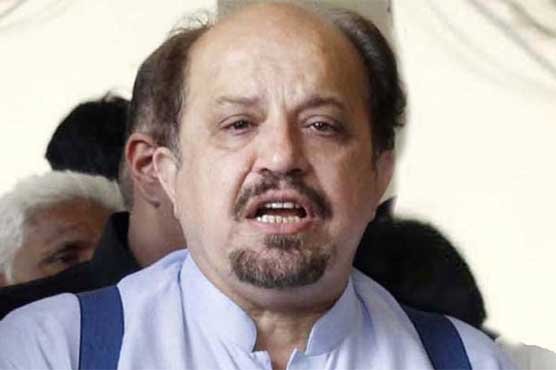
    Pakistan Tehreek-e-Insaf (PTI) leader MPA Firdous Shamim Naqvi decided to remove his cap and unbutton his sherwani during a session of the Sindh Assembly on Monday to protest against rising inflation.

    Naqvi said the poor in Sindh did not have the financial means to feed their family members. He added that there had been an unprecedented hike in the prices of essential food products as common people could not buy them anymore.

     “I won’t just take my cap off, but my sherwani too,” the PTI MPA said.

    Pakistan Peoples Party (PPP) leader Sharmila Farooqui said it was not appropriate to take off one’s clothes like this [in public]. “Do they undress like this in their houses? Mothers, sisters, daughters and wives are sitting here [in the House],” she said.

  • Economy is a feminist issue, Aurat March releases its manifesto (and we couldn’t agree more)

    Aurat March has selected it’s theme for this year: Feminism in the Times of Crisis, and the social movement has released a statement on their Instagram page detailing their demands from the government to improve the economic conditions of the country.
    “The economic crisis in Pakistan is not just a financial problem, it is a humanitarian crisis that affects the most vulnerable people in our society. The government’s reliance on Western lenders is a short-term solution that will have long-term consequences for the poor and marginalized. The current economic policies of the government are exacerbating inequality and perpetuating the cycle of poverty. We must prioritize pro-poor growth and invest in the well-being of its most marginalized citizens,” the statement reads.

    The manifesto went on to address current talks between the Pakistani government and the International Monetary Fund (IMF), stating how the measures implemented due to these loans will impact women, working class and the rural poor directly:
    “The government is relying on bailout loans from Western lenders like IMF to starve off an impending economic collapse. These loans come with conditions like privaitization of public institutions and services, removal of electricity and fuel subsidies, increase in indirect taxes, and cuts in social expenditures. These measures will impact those who are already marginalized. Women, working-class people, and rural poor are already caught up in the crushing cycles of poverty, struggling to survive amidst structural issues like mounting debt, and situational economic blows like COVID-19, the Russia-Ukraine conflict, and unprecedented destruction in the wake of the 2022 floods.”
    The movement went on to reveal that global rankings show Pakistan ranks the lowest regarding per capita income, health, and education in South Asia, and needs to introduce economic policies that prioritize the poor and marginalized of the country:
    “Global rankings increasingly evidence the need for Pakistan to prioritize pro-poor growth that ensures the wellbring of its most marginalized. The country has the lowest HDI rankings for per capita income, health, and education in South Asia. Even Bangladesh and Nepal, two of the least developed countries in the region, have better rankings. Pakistan’s expenditure on defense is higher than the combined expenditure on health and education.”
    The note ended with the movement demanding that the government introduce economic policies that prioritized the well being of the working class and poor of Pakistan:
    “We demand decent work and living wages for all residents, including regularization of temporary work and the expansion of social protection coverage. Secondly, IMF-driven policies that benefit polices that benefit global capitalism at the expense of all the poor and marginalized should be stopped. Finally, we demand rollback of budget cuts in public institutions, the reinstallment of HEC scholarships, and the implementation of survivor-centric welfare systemsn as well as quality education and healthcare for all.”

    Read their complete statement here:

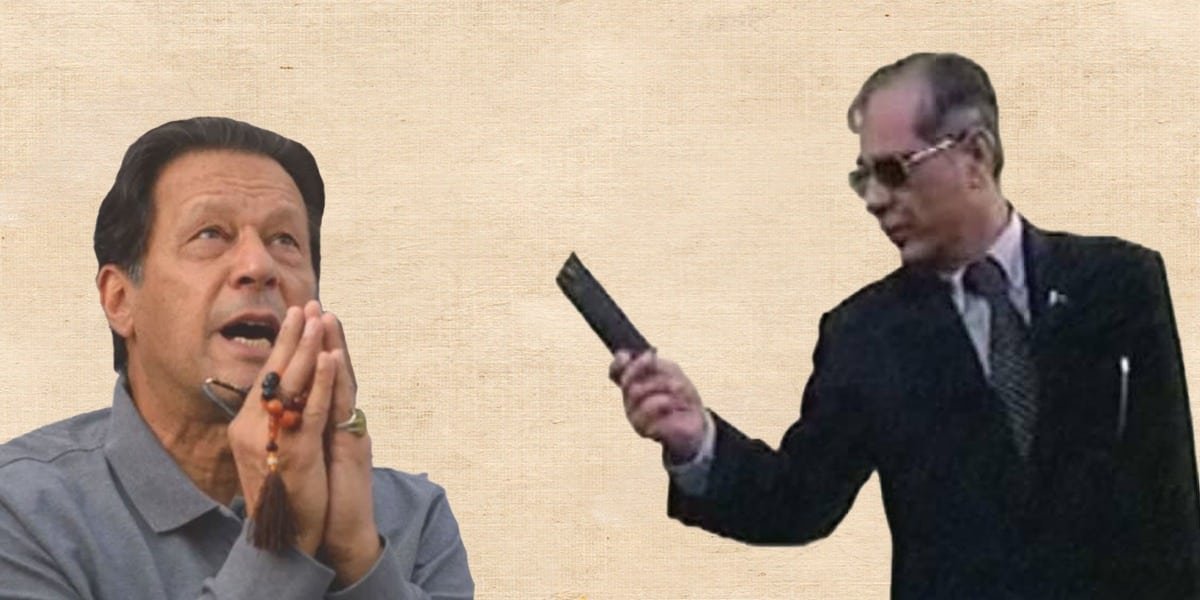
  • ‘Can we talk my Lord?’; Saqib Nisar denies, then confirms Khan contacted him

    ‘Can we talk my Lord?’; Saqib Nisar denies, then confirms Khan contacted him

    Former Chief Justice of Pakistan (CJP) Saqib Nisar has given contradictory statements about communicating with former Prime Minister (PM) Imran Khan.

    Nisar told journalist and anchorperson Adil Shahzeb of Dawn News that he had had no contact with Khan. However, he agreed that he had been in touch with former spymaster General (retd) Faiz Hameed.

    Adil Shahzeb, while speaking on Geo News program ‘Aaj Shahzeb Khanzada Kay Sath’, said that he talked to Nisar at 10AM on March 6 and the ex-CJP asked if he would lobby for Imran Khan as if his character was any less than the Pakistan Tehreek-e-Insaf (PTI) chief. “Are my capabilities and intelligence levels any less than Imran Khan’s that I would lobby for him?” Saqib Nisar was quoted as saying by the journalist.

    It was shocking for me, Adil said on the show.

    However, while talking to journalist Zahid Gishkori of Samma News, the former CJP confirmed that he had, in fact, spoken to Imran Khan.

    Gishkori tweeted the supposed conversation between Nisar and Khan.

    “Can we talk my Lord? Which time is convenient to talk?” read Khan’s text sent to Nisar some two weeks ago, as per Gishkori. It was 8PM when Justice Saqib Nisar responded, “You’re welcome.” 

    Gishkori while speaking on Shahzeb Khanzada’s show, said that Khan asked for Nisar’s help in the court cases filed against him, to which the former CJP responded: “I can’t help you”.

    “It is a difficult time for me,” Khan reportedly said, at which the ex-CJP reiterated that he wouldn’t be able to help the PTI chief out. 

    “I advised him that you are a former Premier and are targeting institutions and that he shouldn’t weaken institutions with unnecessary criticism,” the former CJP was quoted as saying by Gishkori.  

    The CJP also reportedly warned Khan about trouble if he continued with his ways.

  • Another IMF condition met as Pakistan imposes 25% sales tax on luxury items

    On Tuesday, the federal cabinet led by Prime Minister Shehbaz Sharif approved the imposition of a 25 per cent sales tax on luxury items, fulfilling a condition set by the International Monetary Fund (IMF) for the revival of the $7 billion Extended Fund Facility (EFF) that had been stalled for months.

    The cabinet approved the 25 per cent general sales tax (GST) on luxury items through a circulation summary. The Federal Board of Revenue will issue a formal notification in the coming days, and the new rate will be applicable from March 1.

    The list of items subject to the 25 per cent GST includes aerated water and juices, imported cars, mobile phones, pet food, sanitary and bathroom wares, carpets (excluding Afghanistan), chandeliers and lighting devices or equipment, chocolates, cigarettes, confectionery items, corn flakes, cosmetics, shaving items, tissue papers, crockery, decorative devices, doors and window frames, fish, footwear, fruits and dry fruits, furniture, home appliances (CBU), luxury leather jackets and apparel, mattress and sleeping bags, frozen or processed meat, musical instruments, arms and ammunition, shampoos, sunglasses, tomato ketchup and sauces, and travel bags and suitcases.

    The federal government also imposed a 25 per cent GST rate on locally manufactured luxury vehicles of 1,400cc and above. The FBR has estimated that it will collect an additional Rs15 billion in taxes through the enhanced GST rate of 25 per cent in the four-month period.

    According to sources, Pakistan and IMF held virtual negotiations on Monday to revive the loan program that had been stalled for months. During the meeting, the lender expressed satisfaction with the country’s measures, while Pakistan insisted on early finalization of the staff-level agreement.

    The negotiations were moving positively as the Fund did not place any new demands during the virtual session. The State Bank of Pakistan (SBP) informed IMF representatives about the estimated collection of foreign exchange reserves of $10 billion until June, and sources claimed that Pakistan had achieved future targets before the staff-level agreement.

    It is worth mentioning that the government has expedited the implementation of IMF demands to unlock the loan tranche for the country’s economic recovery.

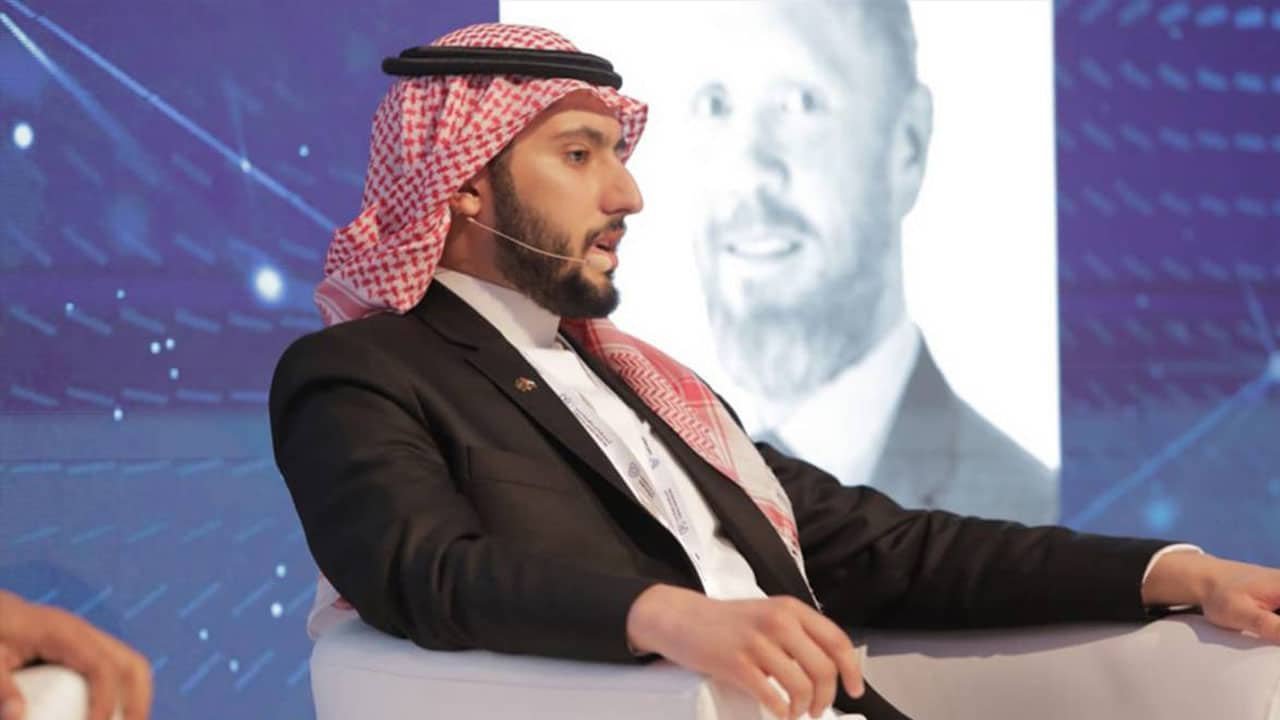
  • Saudi prince aims to create over 1,000 jobs with $100 million tech house investment in Pakistan

    Saudi prince aims to create over 1,000 jobs with $100 million tech house investment in Pakistan

    A Saudi tech company owned by Prince Fahad bin Mansour Al-Saud has announced the launch of a Saudi-Pakistan Tech House in Islamabad on Monday.

    The initiative was first announced by the prince in January at Pakistan’s largest tech event, Future Fest 2023, and aims to forge partnerships with information technology (IT) companies and enterprises in Pakistan to promote greater ease of doing business between the two countries.

    Prince Fahad is the co-founder of ILSA Interactive, which was established in 2009 by Pakistani entrepreneur Salman Nasir with offices in Riyadh and Lahore, reflecting the determination of both Pakistani and Saudi leaders to deepen an existing strategic relationship in all fields.

    The company plans to forge partnerships with IT companies, universities, and large enterprises in Pakistan. The launch ceremony took place on Monday, March 6, and Prince Fahad intends to create more than 1,000 jobs and undertake 300 projects valued at $100 million in Pakistan, Saudi Arabia, and other countries.

    Future Fest 2023 saw leading entrepreneurs, startups, policymakers, and investors from around the world participate, and a delegation of Saudi business leaders attended the event, taking part in keynote addresses, roundtable conferences, and discussions on various topics related to the future of business and startups.

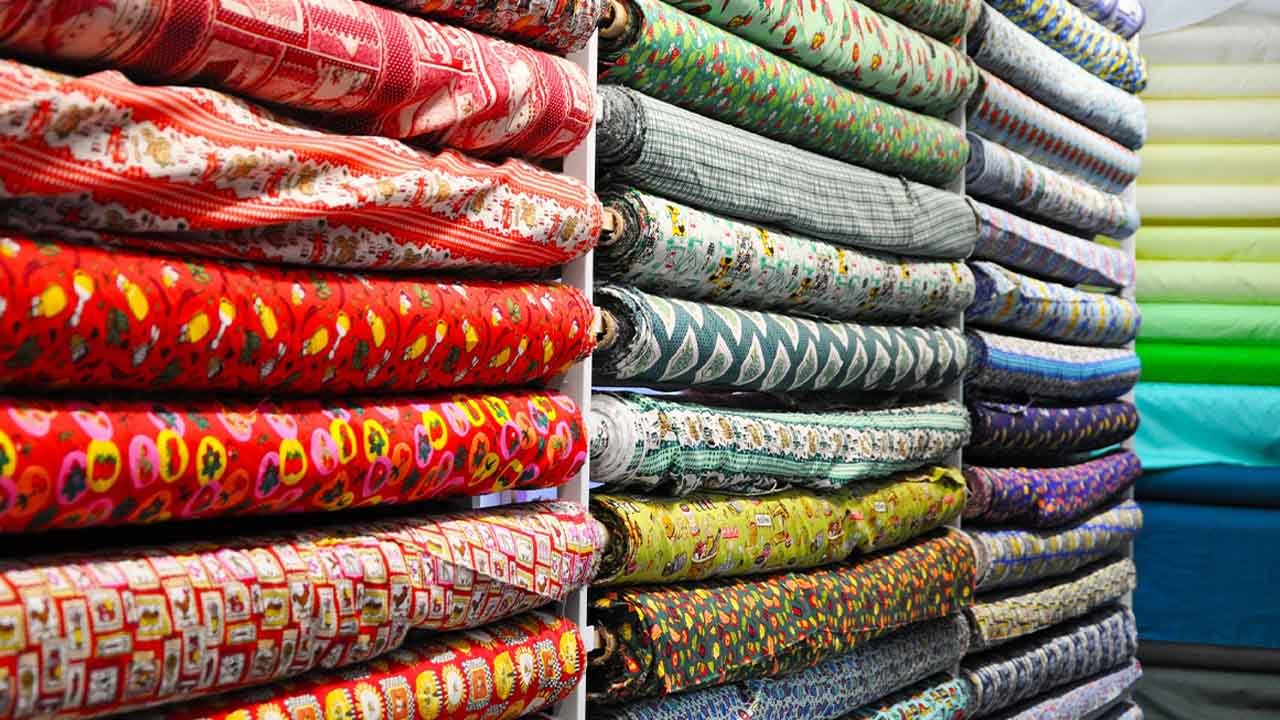
  • Pakistan’s textile industry struggles as exports fall by 28% in February

    Pakistan’s textile industry struggles as exports fall by 28% in February

    On Monday, the All Pakistan Textile Mills Association (APTMA) released provisional data indicating that Pakistan’s textile sector exports declined significantly by 28 per cent, totaling $1.2 billion in February 2023, compared to $1.67 billion in the same month the previous year.

    Additionally, APTMA reported that textile exports for the first eight months of FY23 decreased by 11 per cent to $11.24 billion, down from $12.60 billion in 8MFY22. These declines are alarming for Pakistan, whose economy is already struggling with depleting foreign exchange reserves.

    The country’s central bank has only $3.81 billion in reserves, which is barely enough to cover a month of imports.

    Industrialists in Pakistan have expressed concern about the ongoing slump in the textile sector. Data released by the Pakistan Cotton Ginner’s Association (PCGA) on Friday revealed that cotton arrival in Pakistan also decreased by 34.5 per cent year-on-year.

    Last month, APTMA urged the federal government to implement a uniform gas price of $7 per MMBtu for the export industry throughout the country to ensure a level playing field.

    APTMA also warned that the government’s decision to suspend the regionally competitive energy tariff (RCET) of electricity for Export Oriented Units (EOUs) would harm the textile industry, particularly in Punjab.

    In December, APTMA wrote a letter to Prime Minister Shehbaz Sharif, warning that the country’s textile exports could fall below $1 billion a month from 2023 onwards, highlighting a range of issues affecting the sector, which is currently operating at less than 50 per cent capacity utilization.

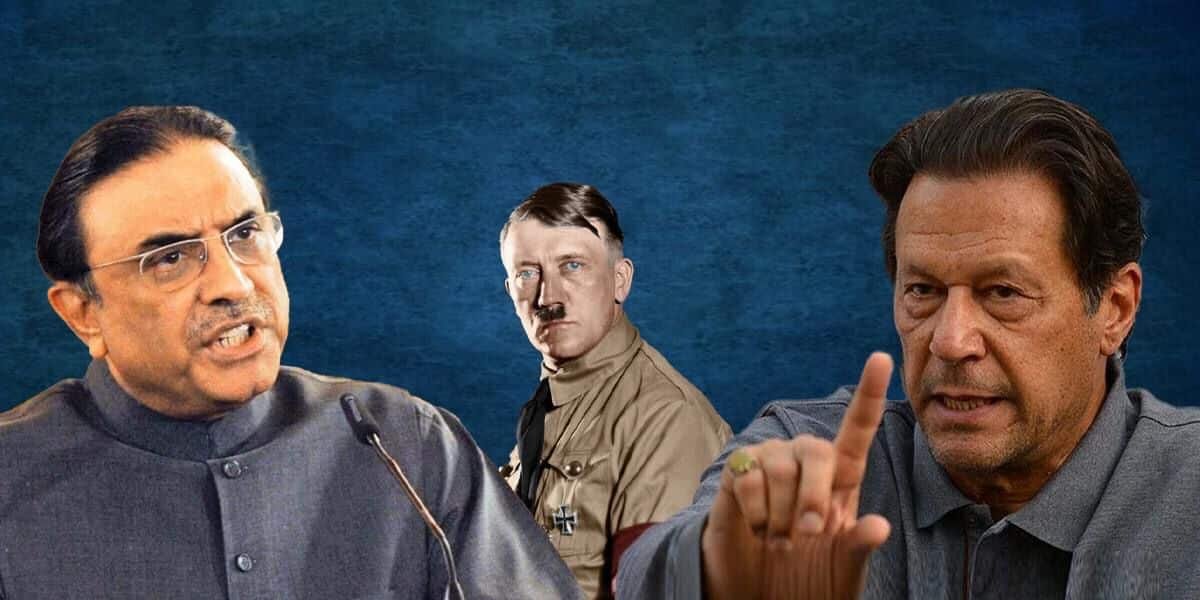
  • ‘Hitler ko bhi public support thi’, says Zardari about Khan’s popularity

    ‘Hitler ko bhi public support thi’, says Zardari about Khan’s popularity

    Former President and Pakistan People’s Pakistan (PPP) Co-chairperson Asif Ali Zardari has talked about the current political crisis in the country in a wide-ranging interview with Nasim Zehra.

    In the interview, he ruled out the possibility of talks with the PTI Chief Imran Khan. At one point, he called him “too arrogant” for that.

    Zardari again raised questions about Imran’s perception as a politician. When asked about public support towards Khan, he said that even Adolf Hitler had public support when he made the Nazi party.

    When asked about Khan’s refusal to show up at court hearings, Zardari disclosed the difficulties he had to face while he was under the custody of the National Accountability Bureau (NAB) during Imran Khan’s tenure as Prime Minister (PM).

    The former president took a jibe at the PTI head, stating that he always appeared in court whenever he was summoned.

    NAB se mera jhagrah tab hua, jab unhy ne mujhe Eid ki namaz bhi nahin parrhne di” (My fight with NAB started only when they didn’t let me offer Eid prayer).

    He said, “Later, I went to court and complained to them, then they shifted me to Adiala Jail.”

    Talking about the economy, Zardari believed that borrowing money from countries won’t help Pakistan unless the nation expands its resources and stand on its own feet.

    Zardari also said that PPP will not boycott the elections if they take place however it’s a “dangerous mode”.

    He also admitted that there is a law and order problem and lack of money but added that the “Election Commission of Pakistan (ECP) is an independent body and everybody will have to follow their instructions.”

    He also revealed that discussions with PM Shehbaz haven’t taken place yet over this matter.

  • ‘Imran Khan ko mukammal taur par sadiq aur amin nahi qarar diya tha’: Saqib Nisar

    ‘Imran Khan ko mukammal taur par sadiq aur amin nahi qarar diya tha’: Saqib Nisar

    Former Chief Justice of Pakistan (CJP) Saqib Nisar has said that he did not declare former Prime Minister (PM) Imran Khan Sadiq and Amin [truthful and honest] on all aspects of his conduct.

    Journalist Adil Shahzeb disclosed details about his conversation with Nisar, stating that the former CJP said, “Imran Khan was declared Sadiq and Amin on three points. Akram Sheikh had only asked for a verdict on three points he gave against Imran Khan. On all three points, Imran Khan was found, Sadiq and Amin.”

    Nisar claimed that those talking about the court verdicts today “do not know anything about the law”.

    “The person who is attacking the courts today was a favourite of the courts. Apart from one case, he always got relief from the courts,” the former CJP claimed.

    The former CJP also revealed that his WhatsApp has been “hacked” for two days and the data has not been recovered.

    “I fear that my data may be used for special purpose however, the hackers will be disappointed,” said Nisar. He also claimed that before the hack different recordings were merged and audio was created.

    In the past few weeks, there had been speculation on Twitter that “explosive” audio leaks related to judiciary might surface soon.

    Journalists Azaz Syed and Umer Cheema also talked about possible audio conversation leaks on their YouTube show ‘Talk Shock’.

    Talking about the former spymaster, General (retd) Faiz Hameed, the former CJP was asked if he pressured Nisar to disqualify Nawaz Sharif in the Panama case. “Who is Gen Faiz Hameed, to pressurise me? I am being accused that I am lobbying for Imran Khan in the judiciary, why would I do that, I am worried about the future of my children,” said Nisar in reply.

    He also said that the contact between them was reserved to Lt Gen Hameed messaging him to ask about how he was doing.

    The former top judge said that he would no longer give interviews and a book about his life would be published after his death that would have the “complete story”.