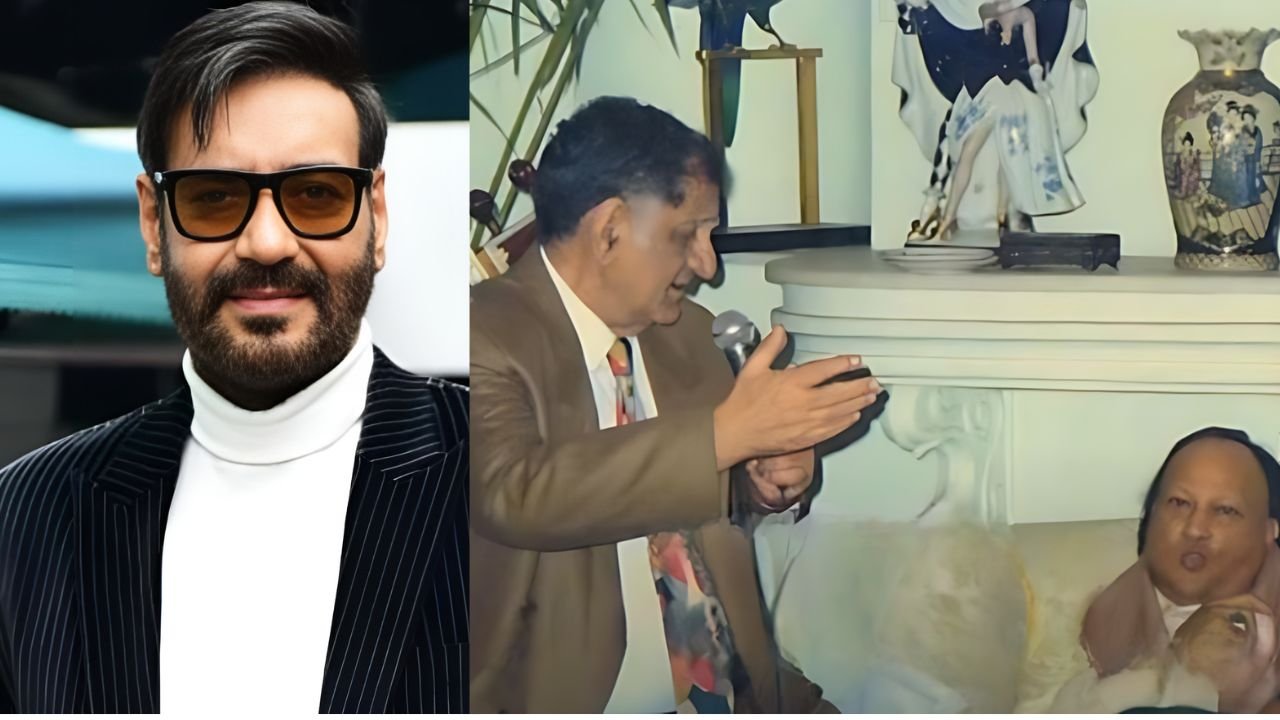
The late great Nusrat Fateh Ali Khan is missed not just by his Pakistani fans but Indian fans too. The maestro was known for belting out hit upon hit, and for being one of the most humble men in the industry.
The heartwarming tale of Nusrat Fateh Ali Khan and Indian lyricist Anand Bakhshi’s first meeting reminds us that even the most unlikely of friendships is destined for something special.
During an interview with The Lallantop, Bollywood star Ajay Devgn disclosed an interesting details of that first meeting. “Nusrat Fateh Ali Khan had arrived in India for an album recording with Bakhshi. Though we’d scheduled a number of meetings, we couldn’t connect. Nusrat Sahab was so obese he couldn’t walk around, so he wanted me to come over to him, yet he chose not to take all the calls. Taking matters into his own hands, Nusrat Fateh Ali Khan decided to visit Mr. Bakhshi’s apartment in Bandera, which didn’t have an elevator.”
“After Nusrat Sahab went to his apartment by himself, Bakhshi became embarrassed and started crying when he saw Nusrat entering the apartment while four people were holding him. Later, Bakhshi Saab would come visit him, and both of them produced music together.” Anand Bakshi was an award-winning Indian poet and lyricist.
Anand Bakshi and Nusrat Fateh Ali Khan made superhit songs like Kinna Sohna Tenu from Sanu Ek Pal Chain Na Aave. But their biggest hit was Afreen Afreen.
A Pakistani woman has travelled to India to marry her lover, Indian Express has reported.
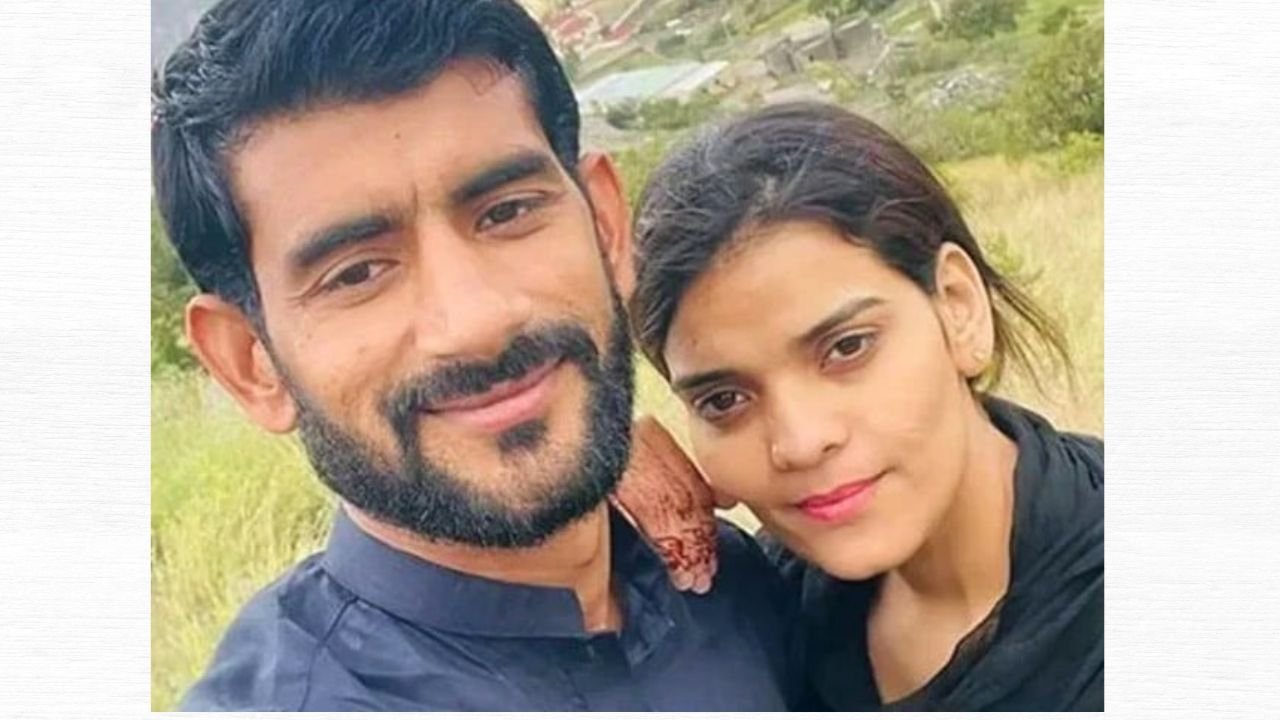
The 25-year-old Pakistani woman, identified as Mehvish, crossed the border into India and arrived in Rajasthan’s Bikaner district to be with her lover, Rehman, whom she met on Facebook.
Reports say that Mehvish was previously married to a man from Badami Bagh, Lahore. She got divorced in 2018 after 12 years of marriage and has two sons aged 12 and seven.
Her paramour Rehman also separated from his wife, the mother of his children, in 2011. His first wife alleged that he had not legally divorced her and took the matter to the police.
However, after the divorce, Mehvish connected with Rehman through Facebook. He works as a transporter in Kuwait. The two proposed to each other on March 13, 2022, and married via video conference three days later. They later had a marriage ceremony during Mehvish’s Umrah pilgrimage to Makkah in 2023.
Mehvish entered India from the Wagah border with her family on July 25 on a 45-day tourist visa. Rehman’s family picked her up and brought her to their village, Pithisar.
The stories of cross-border-romance are a common occurrence in between the warring neighbours as there have been multiple instances with the most famous being Seema who took her children to marry Sachin, an Induan she met while playing PUBG.
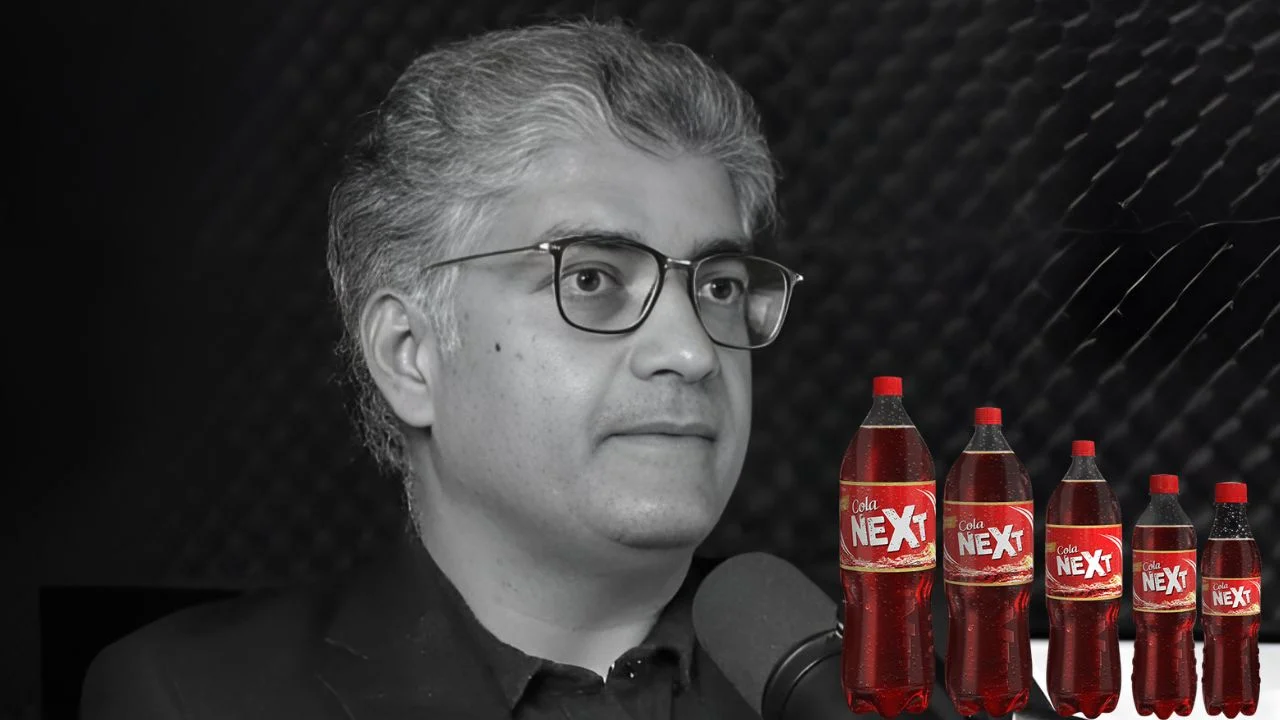
Zulfiqar Ahmed, the owner of Paracha textiles, Meezan Oil and Cola Next, who was kidnapped from Karachi a few days ago, has returned home in Lahore under equally mysterious circumstances.
Geo News reported that the business magnate has contacted his family and will be with them soon.
Interestingly, there is no information about his abductors or the whereabouts of where he was during the past few days.
On July 23, Ahmed was abducted from the Mauripur Road in Karachi as armed men took him and his friend, Qaiser, away in a double-cabin vehicle. His friend was let go shortly after.
However, two of his company’s senior employees were also allegedly abducted in Lahore recently. They have not yet returned.
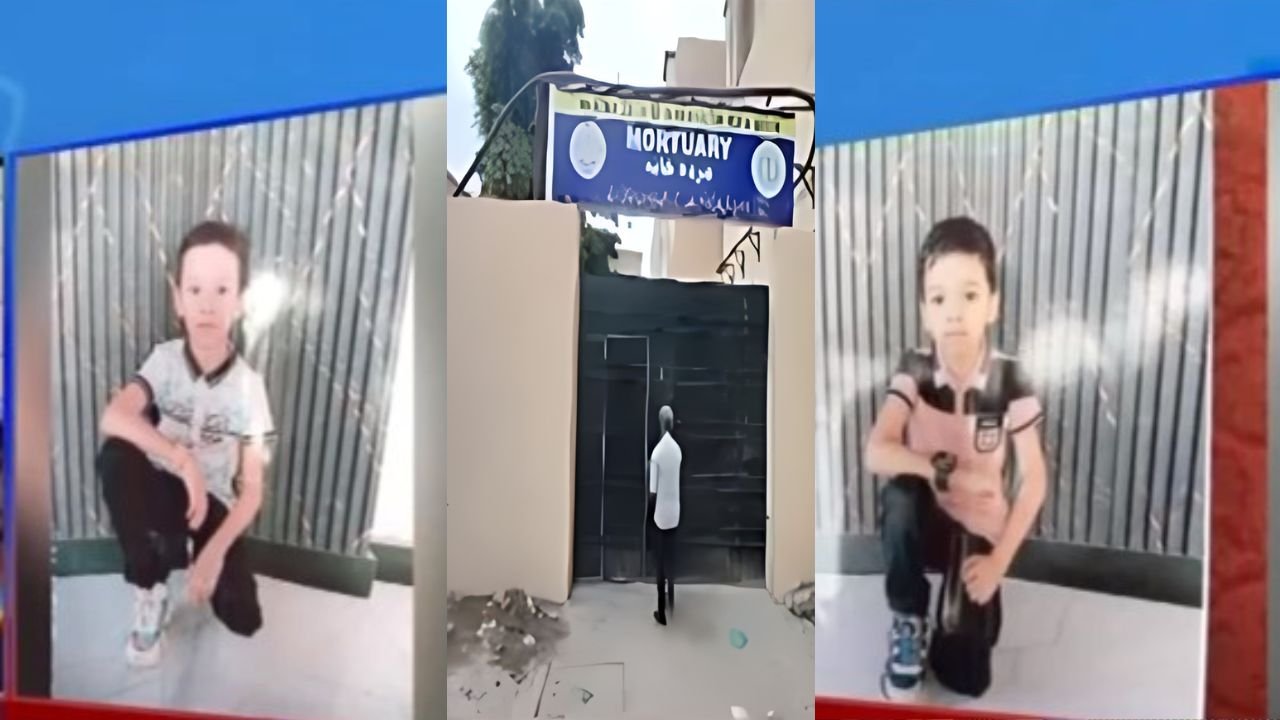
A horrific incident of a twin murder was reported in Karachi’s Machar Colony, where a quack killed two minor brothers in pursuit of ransom from their father.
The alleged murderer, identified as Abdul Kareem, lured the two brothers, Ahmed, 10, and Hassan, 8, with parrots as he knew that they were fond of birds. The police investigation says that he gave them a high dose of anaesthesia mixed with food, which caused their death.
ARY News reported that the boys had been at Kareem’s clinic since morning, and when their sister went to find them, the quack informed her that the children left already. Kareem stuffed the bodies in a cupboard and also pretended to search for them with their father.
The police arrested him on suspicion and, upon his identification, recovered the bodies from the clinic’s cupboard. The man allegedly told the police that he kidnapped the children to ask for a ransom from their father.
The police have arrested Abdul Kareem, and the matter is under investigation.
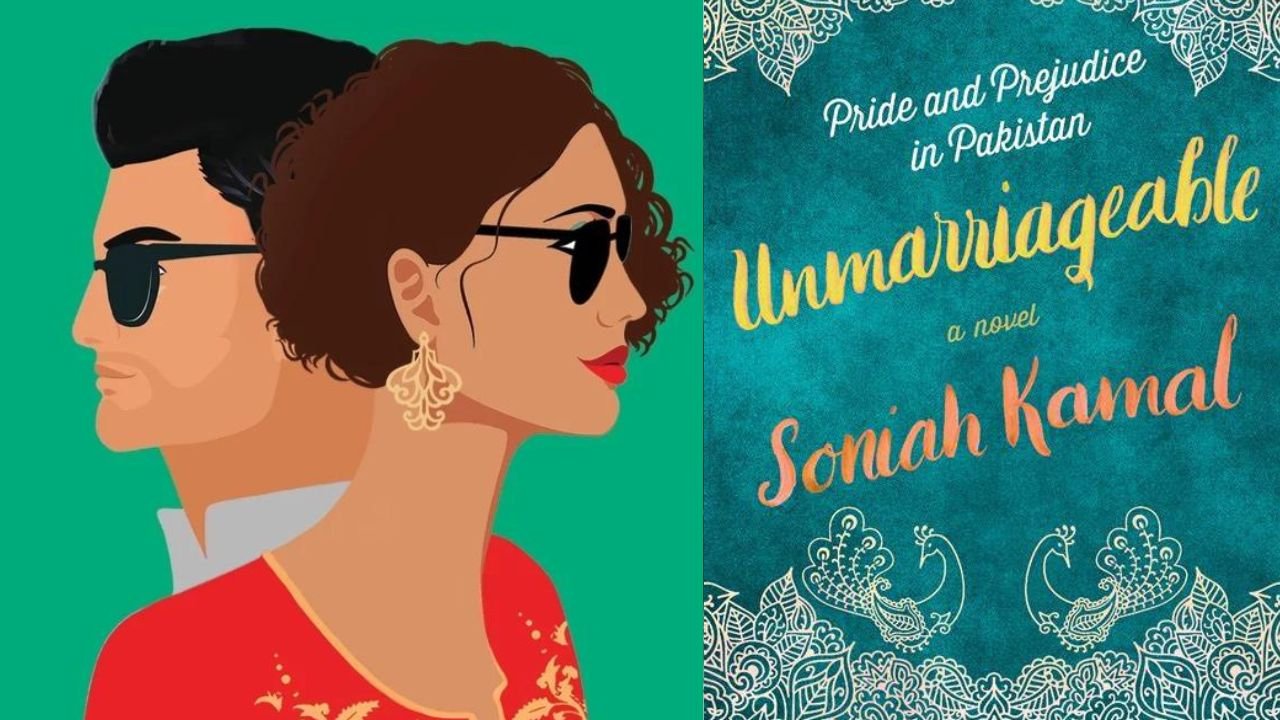
In a groundbreaking move, HUM Network is teaming up with American production companies Traveling Picture Show Company (TPSC) and Rising Tides to bring Soniah Kamal’s bestselling novel. ‘Unmarriageable’ to life in Pakistan. This modern-day retelling of ‘Pride and Prejudice’ will be one of the few Western productions shot entirely in Pakistan, showcasing the country’s beauty and complexity to a global audience.
The film follows the story of Alys Binat and Mr. Darsee against a universal backdrop of love stories, identity, and happily-ever-after told from a unique lens.
The production team includes Carissa Buffel and Luisa Iskin for TPSC, Sadia Ashraf and Shahla Khan for Rising Tides, and on the side of HUM Network, Sultana Siddiqui along with Badar Ikram will join Kamal as executive producers.
The script is written by Sadia Ashraf, who will also co-direct alongside James McMillan. The film is set to challenge stereotypes and showcase authentic cultural diversity. The American production company said, “We, along with our great partners, are thrilled to bring this beloved story to the big screen and to showcase the beauty and complexity of Pakistani culture to English-language audiences around the world,”
Talking about the film CEO HUM TV Duraid Qureshi said, “HUM network has always taken the lead in taking Pakistani culture to new territories. Partnering with Unmarriagable film production is also part of this conviction. We shall continue to take our stories to the global audiences.”
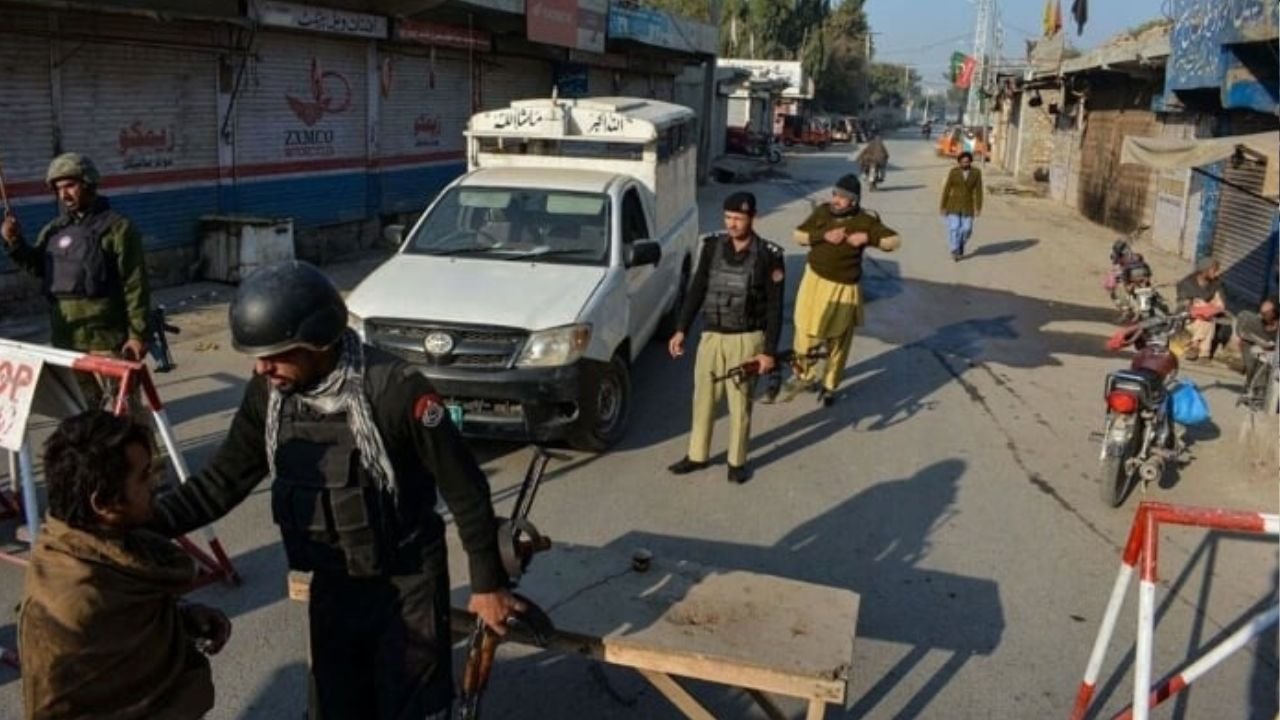
Khyber Pakhtunkhwa Police have been targeted by terrorists this year, with 76 officers killed so far.
Police force in the province is frequently targeted by terrorists. This year, 76 police personnel have been martyred and 113 have been injured.
According to a report by the Counter Terrorism Department (CTD), 23 police personnel were martyred and 23 were injured in DI Khan, 12 martyred and 12 injured in Bannu, 11 martyred and 32 injured in Bajaur, and 11 policemen martyred and 11 injured in Peshawar.
Following the American withdrawal from Afghanistan, terrorists have reportedly been using thermal guns and other modern weapons against security forces in Pakistan.
Government representatives indicate that the provincial government has begun equipping the police with modern weapons.
Last year, 184 police officers and personnel were martyred, and 408 were injured in terrorist incidents.
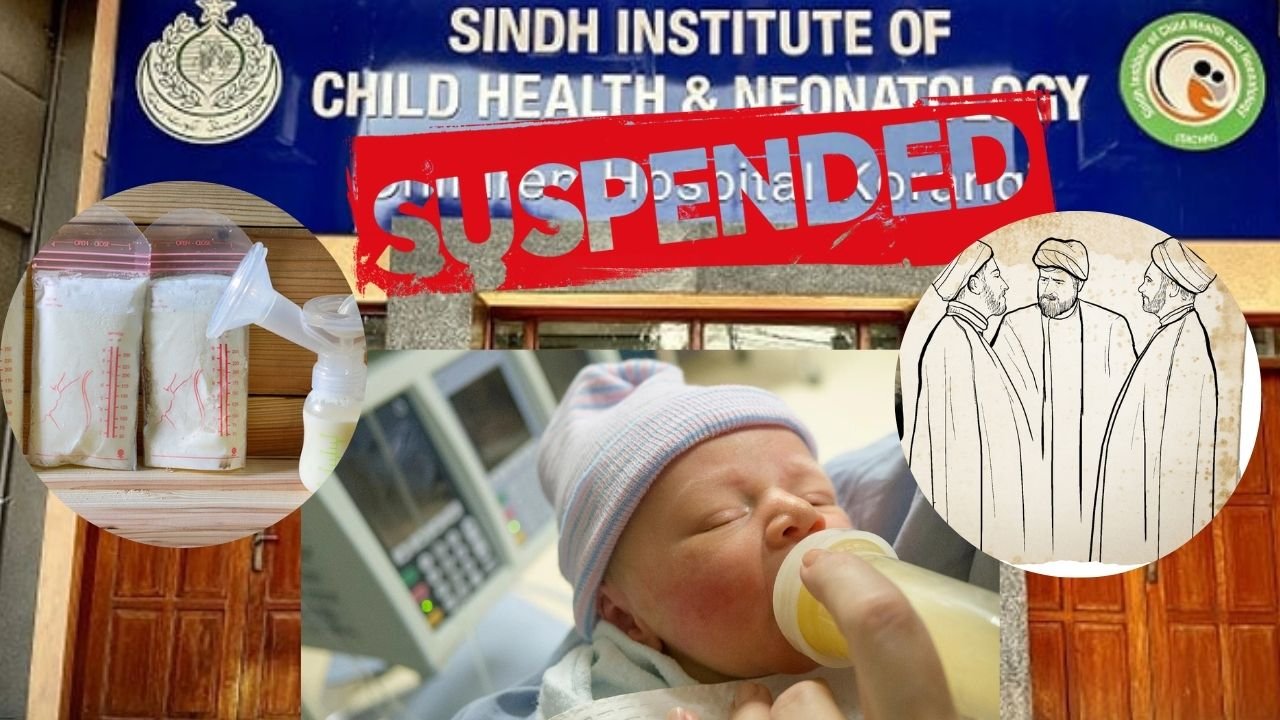
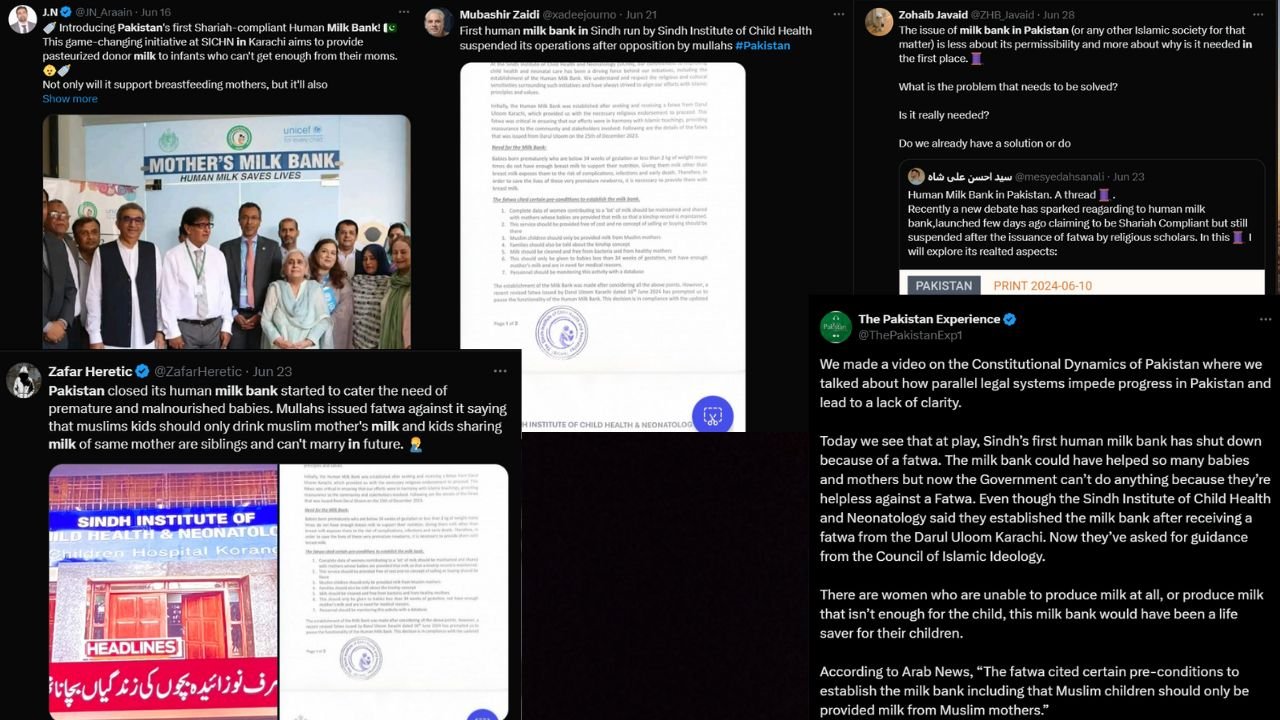
The establishment and suspension of the first ever human milk bank in Pakistan is an issue that has been making headlines all over the world.
While local media pinpoint the very nature of the issue to be controversial, international media frames it as an example of the perpetuated backwardness of our society. What perturbed me the most was the fact that the project started after getting approval from a prestigious religious body, Darul Uloom Karachi, patronized by Mufti Taqi Usmani. The approval got suspended because of a revised fatwa from the same institute.
What led to the suspension just two weeks after the inauguration, and how will this impact the mortality rate of premature children?
The human milk bank has been in the works since last year. I talked to the Executive Director of SICHN, Professor Jamal Raza, who explained that the institute had formally applied for the fatwa and, after six months of waiting, had an interview at Darul Ifta of Darl Uloom Karachi where they answered all the questions asked by distinguished muftis. “Subsequently, the fatwa was given last December, after which the equipment was procured from the UK and other places as it is not available in Pakistan,” Jamal said.
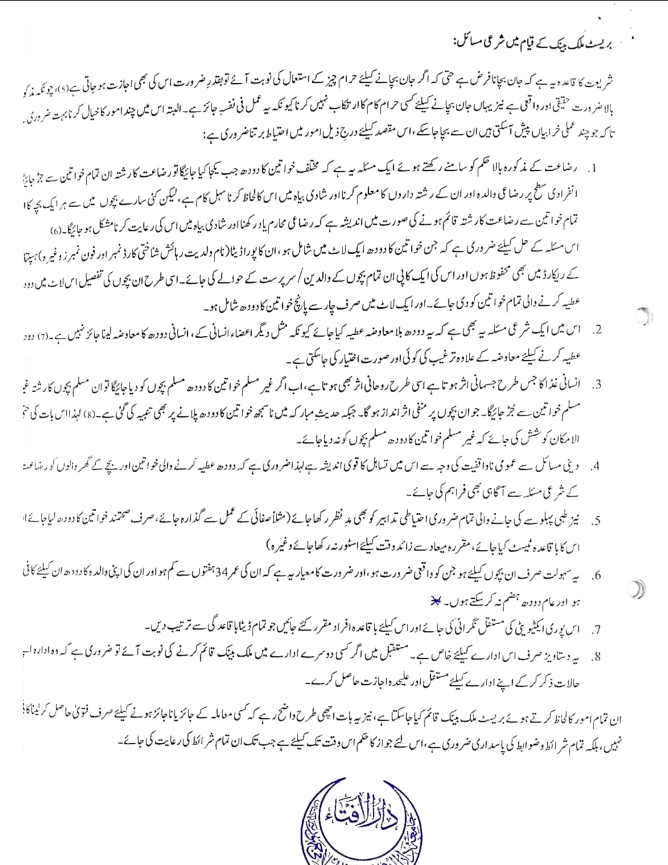
The first fatwa, issued on December 25, 2023, laid out basic tenets of Islam for breast feeding in a detailed manner. That document has been reviewed by The Current.
It outlined eight conditions that need to be followed.
The first and foremost condition was regarding the age of the child. The exclusive facility of breast milk is to be given to premature children with a gestation period of less than 34 weeks and less than 2 kilogrammes of weight.
The tenet strictly suggests a bond of milk kinship (Raḍāʿah), stating that a parent-child bond is formed when a woman gives milk to a baby who isn’t biologically related to her. To avoid future incestuous marriages between milk siblings and relations, the tenet says, the foster relationship must be clearly shared. The fatwa delineates that the bio-data of all the women in one lot (with a maximum of four to five women) must be kept in the hospital’s record and shared with the parents of the child and vice versa.
The second condition extrapolates that the act of donating milk for the child should be done voluntarily and free of cost, just like the donation of organs.
The third condition explains the spiritual impact of the milk bond, because of which it is imperative that only the breast milk of Muslim women is given to the children.
The fourth condition makes it mandatory for the women and families of the children to be educated about Shariah laws regarding the practice of Raḍāʿah.
Further conditions stress that the milk be cleaned and pasteurized, not stored for long, and only given to children who need it most desperately and cannot digest powdered milk.
The last two conditions demand that the whole activity be supervised by a group of people and assert that this provisional permission is specific to SICHN. If some other institute wants to open the same facility, then it would have to ask for it.
On June 10, 2024, Pakistan’s first Shariah-compliant ‘Human Milk Bank’ was inaugurated by Sindh Health Minister Dr Azra Pechuho. It was set up in collaboration with UNICEF.
Journalist Waqar Bhatti wrote in The News that Prof Jamal Raza, who spoke at the inauguration ceremony, described mother’s milk as the ‘original fast food’, emphasizing that it delivered all the necessary nutrients, healthy components, and disease-fighting properties that a newborn needs.
Bhatti’s report elaborated that Pakistan has a neonatal mortality rate (NMR) of 41 deaths per 1000 live births, which is one of the highest in the world, and this facility in Sindh understands that a mother’s breast milk is the best source of food and has all the antibodies that may protect the immunity of children.
Bhatti, while talking to journalists Mehtab Haider and Waqar Gillani, identified the artificial powdered milk industry as the real reason behind mothers shying away from feeding their children, not realizing that this is extremely harmful to a child’s health. As for the suspension, he claimed that the wayward discourse on social media actually misguided Mufti Taqi Usmani; otherwise, the facility was really proving to be helpful.
Since the inauguration, public sentiment has been against the establishment of the milk bank.
In a YouTube video made by Urdu Point, host Shabana asks the public about the opening of the milk bank in Sindh. All the people she talked to voiced their opinions against establishing the bank, stating religious reasons.
The reaction on social media was mixed; it either pronounced the suspension a “conspiracy of mullahs” or called it a decision in accordance with Islamic rules.
“The second fatwa directly did not mentioned this fatwa but was in response to some other question which we are not aware of, as we were not approached for any clarification nor our centre was visited for procedural verification,” Jamal Raza stressed while talking to TheCurrent.
Emphasising that they don’t intend to do anything remotely unislamic and open to all sort of suggestions, Raza added, “We feel that most of the criticism was based around lack of information to the general public and the general tendency to criticise without fact finding, thus if any religious body is willing to sit down with us to understand the process, they should not have any objection to the establishment of this bank.”
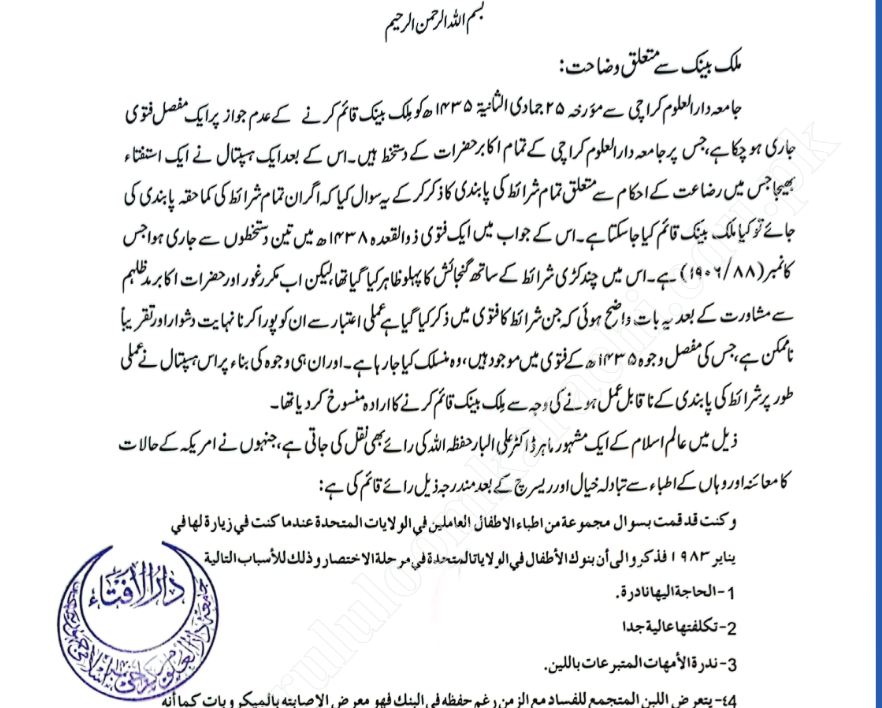
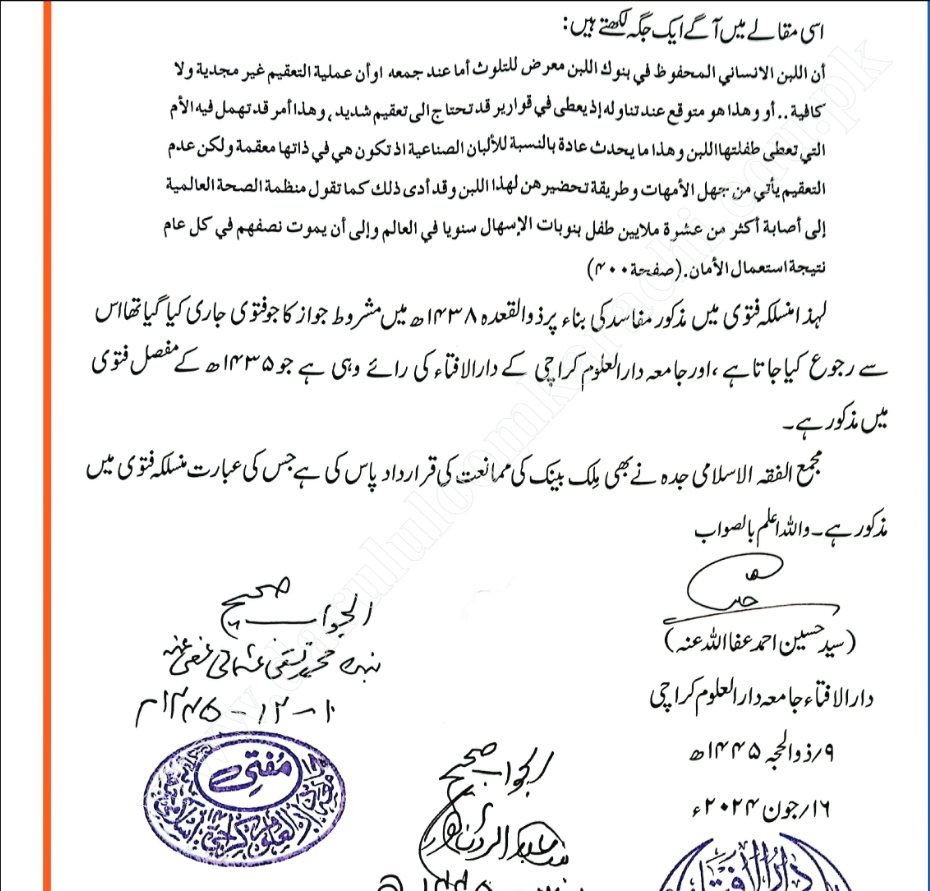
A revised fatwa issued by Darul Uloom Karachi dated June 16, 2024, prompted SICHN to discontinue the functionality of the Human Milk Bank and seek further guidance from Dar ul Uloom and Islamic Ideology Council.
I tried to talk to Dar ul Uloom about why they felt the need to have a revised fatwa and know the reason for taking back the permission they accorded earlier. The singular answer from all the multiple scholars I talked to stated that the revised fatwa is the only response they want to put out there and that they are not going to entertain any other query about this issue.
The revised Fatwa available on Dar ul Uloom Karachi’s official website includes a detailed analysis of the establishment of a milk bank that did not comply with Shariah laws because of the demanding maintenance of the concept of kinship at the facility as observed by the scholars sitting in Dar ul Ifta. It quotes an American scholar and a Jeddah’s Islamic think tank declining the establishment of a milk bank along with a detailed note from Mufti Taqi Usmani extrapolating other religious concerns entailing the issue of breast milk bank but no word on the specific issue of the establishment of milk bank in the city.
In a panel discussion about the Human Milk Bank on Samaa TV’s Mufti Online, Dr. Shawana Mufti, a prominent gynaecologist practising in America, shared her take on the issue of establishing a milk bank in the country. She highlighted that the idea is not feasible in the present socio-economic conditions of Pakistan, especially considering the high protocols there are for the milk donors to meet in the countries where they are operational. She started off by saying that she respects the opinion of all the scholars and the tenets of Islam and she totally agrees with all the scholars here, saying that this wouldn’t be successful in Pakistan because the idea of a milk bank to be formed was coined in the West as it was found out that for children who are premature at birth and can only survive if given the breastfeed. “Here they start with screening as it is checked what is the social and medical history of donor mother,” she stressed. Further, Shawana laid out how strict the screening criteria for a donor mother are, to the extent that it is considered that the mother takes painkillers or any sort of narcotics, “In Pakistan, a regular woman doesn’t even go to a doctor until she is dying or expecting a child. The financial stress in the country would never be up to the screening criteria (of international standard). Who will donate milk here? The elite women won’t donate milk here.”
Her argument was seconded by Professor Naaureed Fatima in the panel as she said that this is sadly a reality that elite class won’t donate and the commoners are so unaware about the complexity of the milk kinship that it requires a campaign to educate them about that. In this case, a milk bank in Pakistan is not a feasible idea.
I talked to Mufti Sohail Sialwi from Nottingham, UK, who opined that the basic rules delineated in both the fatwas are the same. It is clearly stated in the first fatwa that conditional permission is given because the strict criteria are hard to fulfil. That is why the fatwa asserted not just keeping a strict record but also educating both the parents and donor women about the complexities of the concept of Raḍāʿah. However, in the second fatwa, the verdict is shared after analysing the conditions in which record-keeping is an uphill task, and even if things are recorded, tempering them isn’t very difficult as the incidents of these records getting destroyed, burnt and modified. Thus, in a country like ours, the officers (liable to be corrupt or oblivious to sensitivity) cannot be trusted with a sensitive issue like this.
The matter now rests with the Islamic Ideology Council, the most high-profile religious authority in the country. I talked to the Chairman of the Islamic Ideology Council, Dr. Raghib Naeemi, who informed me that a delegation from SICHN came to the Council to defend their case, and the discussion around the topic is ongoing. However, a simple Google search revealed that a similar issue rose in 2014, and the IIC ruled against the legitimacy of a human milk bank.
Dr. Raghib Naeemi, Chairman of the Islamic Ideology Council
Islam as a religion defines the social fabric of the Pakistani nation. The concept of milk donation is considered esteemed and sacred for Muslims as derived from the religious tradition inspired by the life of the Prophet (PBUH). The need of the hour is a large-scale awareness campaign patronized by the government addressing all the misconceptions and educating mothers to not just breastfeed their children but also donate milk to premature children. The government could curb neonatal mortality by advertising for lactating mothers to feed their children inside the hospitals or even for children who, for some reason, cannot have their mother’s milk fed. Although involving money in this activity is proscribed, a form of recognition for such mothers could be to facilitate them with a healthy diet and transportation for the time they feed the child. In this way, the government can easily record these mothers and ensure the exclusivity and intimacy of the donor mother-child bond at the core of the concept of Raḍāʿah.
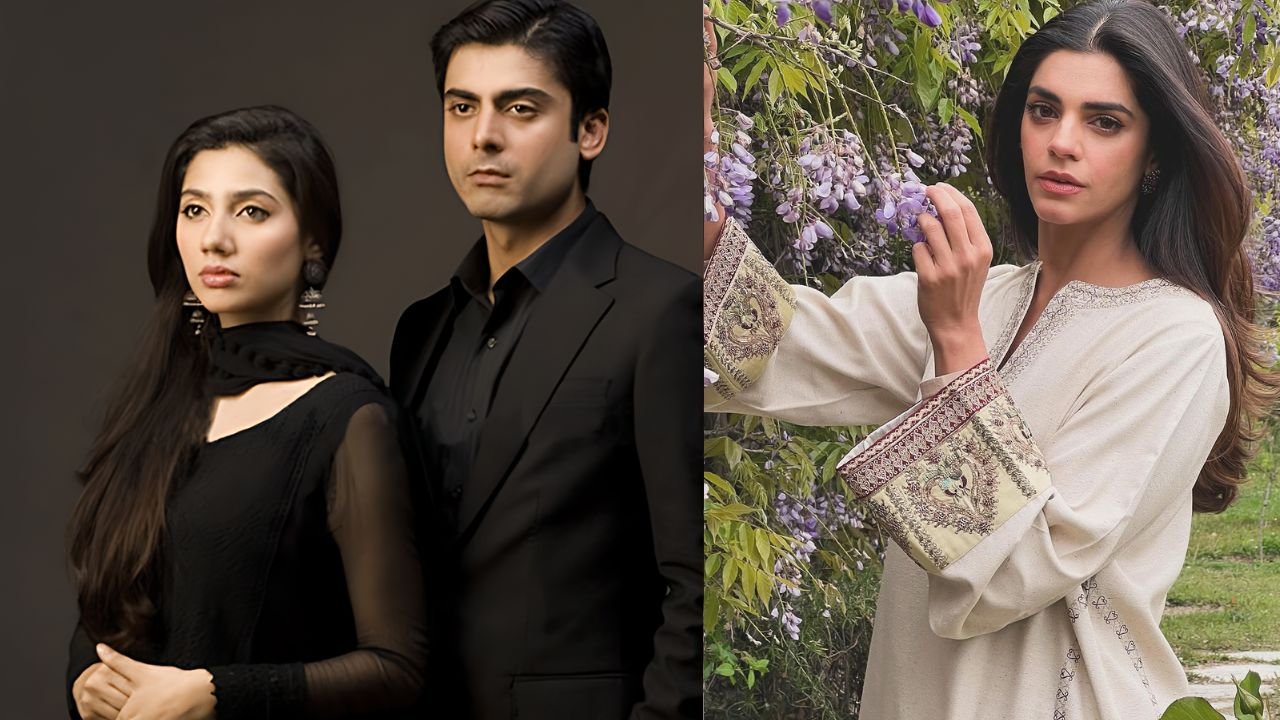
Mahira Khan and Fawad Khan, celebrated for their brilliant chemistry in Humsafar, have legions of fans, including Sanam Saeed. The talented actress who is reuniting with Fawad Khan after 12 years in the Zee web series Barzakh, told BBC Asian Network, that the Mahira Khan and Fawad Khan jori creates magic on screen.
“Unlike Mahira Khan and Fawad Khan’s pairing, when I appear on screen with Fawad, people do not feel the same magic, and our pairing does not look as good.” While talking about coming together the superstar after more than a decade, she commented, “I myself cannot believe that Fawad Khan and I are working together on screen again after 12 years. But I think fans will be shocked to see us together on screen again after so many years.”
Talking about different roles, Sanam that as an actor she has to play all kinds of roles. “Viewers should also see me as an actor and understand that I can’t appear in romantic roles every time.”
The Barzakh actress also said, “Both Mahira Khan and Fawad Khan are beautiful and cute, so their pair looks good. However, Fawad Khan’s interaction with them can be different. It is not necessary that they always appear as a pair.” Fawad and Sanam’s last project together was Zindagi Gulzar Hai, which aired on HUMTV in 2012 and was written by Umera Ahmed.
Bazarkh was released on the ZEE5 YouTube channel. The web series is directed and written by Asim Abbasi.
It seems that our public’s weird obsession with getting celebrities married off has not ended. At a recent event, famous actress Amar Khan was asked about her marriage plans. The exasperated star replied that she will get married when the right time comes up.
“This is not something anyone can predict, but [I’ll get married] whenever it is the right time,” she told a reporter.
When asked if she would ever propose to someone she likes, the ‘Baddua’ actress said it’s important that the other person feels the same way. “It is not about who I like, but it’s important that the other person has similar feelings for me, so I would like to give this opportunity to that individual,” she said.
Amar also shared that she has received many proposals. She believes in fate and destiny and thinks everyone eventually finds the right person they are meant to be with.
Talking about the qualities she wants in her future partner, Khan said, “Respect is the most important factor in any relationship. Compatibility, a good sense of humor, and other characteristics are nice, but I believe respect tops all of that. When partners have respect for each other, it gets easier to spend a good life together.”
The Hafizabad police claim to have arrested five suspects in the gang rape of a woman.
Dawn reports that the police arrested the suspects during raids carried out in the district and a few other cities and shifted them to the Sukheke police station for interrogation.
Police claimed that most arrests came in the light of information obtained from the one robber who was caught by the police soon after the rape with the help of geofencing.
Dawn’s sources reveal that the police also picked up some relatives of the main suspect in order to exert pressure on them to surrender themselves to the police.
A woman was allegedly gang-raped in front of her husband and three-year-old daughter in Hafizabad while they were going back to their home city, Chiniot, on a motorbike.
One of the three robbers was arrested shortly after the incident and police teams were assigned the task to trace and arrest the rest of the robbers.
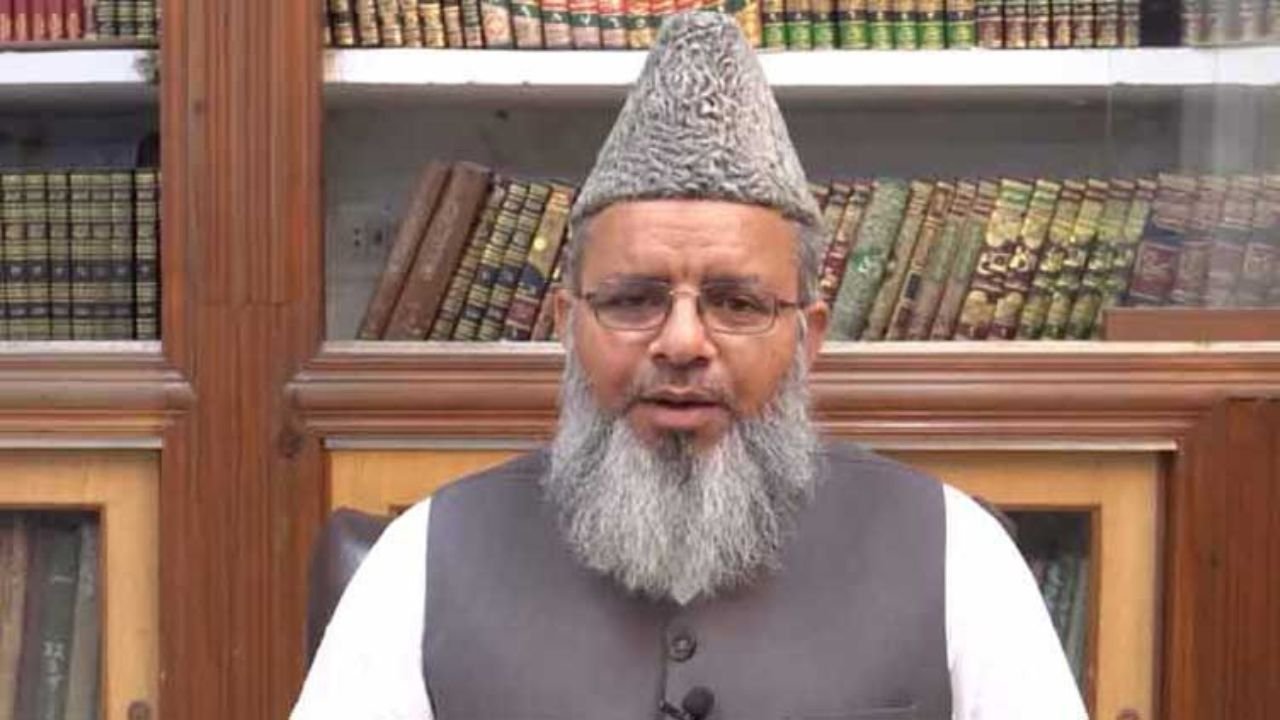 Dr. Raghib Naeemi, Chairman of the Islamic Ideology Council