Tag: Pakistan

  • Miss Grand Pakistan represents Pakistan wearing Indian designer, says wants ‘end of war, violence’

    Miss Grand Pakistan represents Pakistan wearing Indian designer, says wants ‘end of war, violence’

    Aneesa Sheikh, a 20 year-old Pakistani-American who is currently pursuing a dual degree in economics and communications at the University of Michigan, represented Pakistan in New York Fashion Week while wearing Indian designer clothing.
    In an Instagram post, Anisa shared excerpts from an interview she gave to Vogue and wrote, “When an interviewer says, “You’re representing Pakistan, but walking in NYFW wearing an Indian designer’s style.” My reply: “If wearing rhinestones, 6 inch heels, and false eyelashes will bring people of South Asian descent together despite politics and conflict throughout history, then I’ll gladly wear these designs. If fashion is the first step to unity and ending war and violence then I’ll proudly represent this.”

    Writing that she was raised in a household that meshed the dichotomy of Pakistani and American cultures seamlessly, she said that the contrast taught her a valuable lesson on, “how my beliefs may be challenged by others’ views and that compassion and respect are the tools to build the bridge between varying ways of life.”

    Offering details about her childhood, Anisa wrote, “Following the footsteps of my older sister as a competitive figure skater, which is where I grew fond of various music styles. Watching my older sister skate to a Carlos Santana medley inspired me to pick up the guitar at the age of eight. Since then, I have never sat it down. As the youngest, I often felt like my voice was drowned out by my older siblings and music was where I was heard. Expressing myself through lyrics allowed me to connect with others.”
    Her profile on Miss Grand International stated that she was proud that now as Miss Grand Pakistan, she was using her voice through music to inspire, educate, and empower individuals in medical rehabilitation centers, those at the brunt of the environmental crisis, and females who have limited access to educational opportunities.

  • Pakistani workers earn only Rs160 per ball despite producing 70% of the world’s footballs

    Pakistani workers earn only Rs160 per ball despite producing 70% of the world’s footballs

    More than two-thirds of the world’s soccer balls are made in one of Sialkot’s 1,000 factories, including the Adidas Al Rihla, the official ball of the 2022 FIFA World Cup in Qatar, which begins this month.

    Approximately 60,000 people, or 8 per cent of the city’s population, work in the soccer ball manufacturing industry in Sialkot. They frequently put in long hours and sew the panels of the balls by hand.

    In Sialkot, hand stitching is used in more than 80 per cent of the soccer balls produced. This time-consuming method increases the soccer ball’s durability and aerodynamic stability. Compared to stitches made by machines, the seams are deeper and the tension is higher.

    Bloomberg reports that stitchers make about Rs160 ($0.75) each ball. It takes three hours to finish each one. A stitcher can make roughly Rs9,600 per month by stitching three balls per day. The earnings are modest, even for an impoverished area. According to researcher estimates, a living wage for Sialkot is close to Rs20,000 per month.

    Women make up the majority of those who sew the balls. They might sew two balls in a typical day, go home to prepare meals for their kids, and then go back to work in a nearby village in the late afternoon.

    Usually, men prepare supplies or do quality checks at various phases of the production process. The industries in Sialkot employed kids as young as 5 alongside their parents up until labour laws were passed in 1997. According to a 2016 assessment, the sector in Sialkot is threatened by the ban on child labour since it “took away a large slice of a prospective skilled generation,” creating a persistent worker shortage.

    About 40 million soccer balls are purchased annually worldwide, and sales are anticipated to increase during the World Cup.

  • ‘Siyasat mein mudakhlat ghair aaini hai’: General Bajwa

    ‘Siyasat mein mudakhlat ghair aaini hai’: General Bajwa

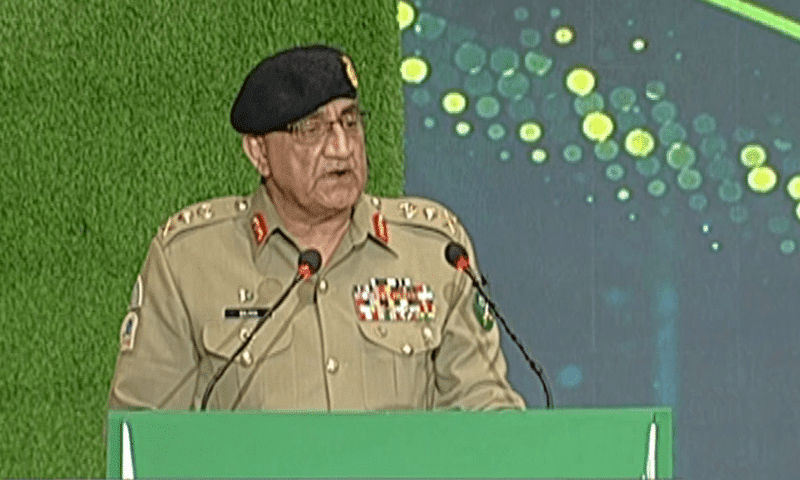
    In his last address as Chief of Army Staff (COAS), General Qamar Javed Bajwa paid tribute to the martyrs of the country before launching into a speech laden with admissions and omissions.

    Speaking at the General Headquarters (GHQ) in Rawalpindi, the outgoing army chief said, “Today, on the Defence and Martyrs Day, I am giving an address as the army chief for the last time.” Before beginning his address, he apologised for the delay in the Defence and Martyrs’ day ceremony due to devastating floods across the country.

    He began by paying tribute to those who lost their lives by saying: “Firstly, I would like to pay tribute to the martyrs who are the pride of Pakistan while acknowledging the patience of their bereaved families.” He also reassured them that the army will continue to fulfill their financial needs.

    During his address, he also stressed that the basic job of the armed forces is to protect the geographical boundaries of the countries.

    However, in the second part of the speech, COAS Bajwa spoke about political matters.

    Tacitly admitting to a longstanding charge, the COAS said that the Pakistan army is “often subjected to criticism” and the reason was the army’s involvement in politics.

    Reiterating what Director General ISI General Nadeem Anjum had said before, General Bajwa insisted once again that the army will not interfere in politics.

    “Pichlay saal February mein faisla kiya kai ab siyasat mein mudakhalat nahin hogi. Fauj ki siyasat mein mudakhlat ghair aaini hai,” he said. (Last year in February, we decided not to interfere in politics. Army’s interference in politics is unconstitutional.)

    “I assure you we are strictly adamant on this and will remain so,” he said.

    In what seemed like a criticism of former Prime Minister Imran Khan, General Bajwa said that a false narrative was built and a campaign was started against the Pakistan army.

    ‘Kya ap ko lagta hai ke mulk mei foriegn conspiracy ho aur hum chup rahy’: General Bajwa

    Talking about Imran Khan’s claims of his government being ousted because of US interference, General Bajwa asked, “Was it possible for the army to remain silent if there was a foreign conspiracy?”

    “Had this been the case, it would have been the most heinous sin on our end,” he emphasised, pointing out that the army could’ve replied but didn’t for the sake of Pakistan.

    ‘Inappropriate and undignified language was used against us’: General Bajwa

    Without naming Khan, who has at various times termed the institution “neutral”, “janwar”, “Mir Sadiq”, and “Mir Jafar”, the army chief said that instead of welcoming the military’s decision to stay away from politics, “many sectors used very inappropriate and undignified language while making the army the target of severe criticism. To criticise the army is the right of political parties and the people, but they should select their language carefully,” he added.

    ‘Calling governments’ selected and imported is wrong’: General Bajwa

    Gen Bajwa also said that political parties started criticising the army after the 2018 general elections when Khan’s government was labelled as “selected” and following the successful vote of no confidence this year, the incumbent administration is being labelled as “imported”.

    “We need to reject this behaviour,” he stressed while adding that every party will have to develop the strength to accept its victory as well as defeat.

    He said that the next government which will be formed after elections should be known as elected.

    ‘Political parties should reflect on their behaviour’: COAS

    Emphasizing on reconciliation, General Bajwa said that the army had initiated its process of “catharsis” and expected that political parties would follow suit as well and reflect on their behaviour. “This is the reality, mistakes have been made by every institution, including political parties and civil society. The army has started its catharsis, and I hope political parties will also reflect on their behaviour,” he said.

    Calling the 1971 debacle that ended with the country being split into two, a “political failure” the COAS said that the creation of Bangladesh was not a military failure.

    The COAS said that lessons should be learned from such mistakes so the nation could move forward.

    In the last part of his address, he hoped that political stakeholders would set aside their egos, learn from past mistakes, move forward and take Pakistan out of this crisis. He stressed the need for the nation to shed intolerance and adopt a “true democratic culture”.

    Earlier in the day, the Prime Minister’s Office (PMO) that it has finally received the summary from the Ministry of Defence with a list of names of the candidates for the new COAS and the chairman joint chief of staff committee (CJCSC).

    General Bajwa is set to retire on November 29 after six years in office. He was appointed in 2016 by then-PM Nawaz Sharif and later granted an additional three-year extension in 2019 by former PM Imran Khan.


  • TikTok is willing to open offices in Pakistan: IT minister

    TikTok is willing to open offices in Pakistan: IT minister

    Federal Information Technology (IT) Minister Syed Aminul Haque stated on Wednesday that popular social media platform TikTok is interested in opening offices in Islamabad after discussions were successful. He also hinted that another significant social media platform was also open to coming to the country.

    On Wednesday, he made this statement while speaking at an event in Islamabad.

    He noted that the government wanted social media businesses to establish offices in the nation and stated that TikTok was one with which effective negotiations had taken place. The platform may soon establish headquarters in Islamabad, he added.

    TikTok does not belong to a group of regional social media sites that have resisted government attempts in recent years to exert more direct control over what is posted on the site.

    He made a suggestion that a significant social media site that is a part of the collective has stated a willingness to establish offices in Pakistan.

  • Nomura warns seven countries including Pakistan are at high risk of currency crisis

    Nomura warns seven countries including Pakistan are at high risk of currency crisis

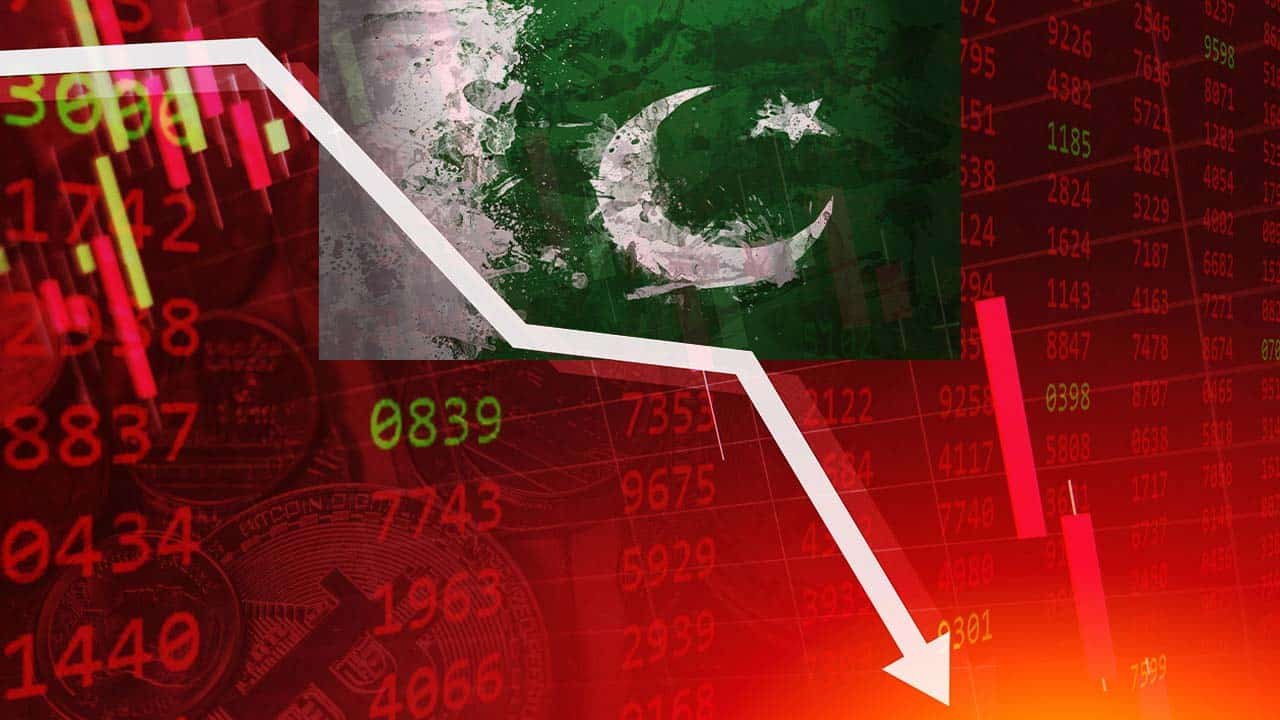
    The biggest brokerage and investment bank in Japan, Nomura Holdings, has issued a warning that seven nations, including Egypt, Romania, Sri Lanka, Turkey, the Czech Republic, Pakistan, and Hungary, are now at high risk of experiencing currency crisis.

    According to Reuters, the Japanese bank reported that 22 of the 32 nations covered by its internal “Damocles” warning system had witnessed an increase in risk since its last update in May, with the Czech Republic and Brazil experiencing the biggest rises.

    It indicates that since May, the total of the model’s scores for all 32 grew significantly from 1,744 to 2,234 points.

    “This is the highest total score since July 1999 and not too far from the peak of 2,692 during the height of the Asian crisis,” Nomura economists said, calling it “an ominous warning sign of the growing broad-based risk in EM currencies”.

    The model computes an overall score based on eight important variables, including a nation’s foreign currency reserves, exchange rate, financial soundness, and interest rates.

    Nomura calculates that a score above 100 implies a 64 per cent likelihood of a currency crisis in the next 12 months based on data from 61 prior EM currency crises that have occurred since 1996.

    Egypt currently has the lowest score at 165 after devaluing its currency significantly twice already this year and applying for an IMF programme.

    Romania, which has been using interventions to support its currency, is listed next on page 145. Both Turkey and Sri Lanka, which frequently has currency crises due to default, have ratings of 138, while the Czech Republic, Pakistan, and Hungary receive scores of 126, 120, and 100, respectively.

    The Damocles model was also applied by Nomura to the G7 group of advanced countries. The results showed that all but Japan now had Damocles scores over the 100-point barrier, with the United States and Britain leading the way.

    EM economies continue to be increasingly fragile. Due to their incomplete recovery from the COVID-19 epidemic, the majority of countries are currently dealing with high inflation, a finite amount of fiscal room, negative real interest rates, a weakened balance of payments, and reduced FX reserve cover.

    “It is somewhat surprising that there have not been more full-blown EM currency crises this year,” Nomura added.

    “Then again, EM challenges are far from over… The late Professor Rudiger Dornbusch once said, A crisis takes a much longer time coming than you think, and then it happens much faster than you would have thought”.

  • Court ends ‘assets beyond means case’ against Dar after five years

    Court ends ‘assets beyond means case’ against Dar after five years

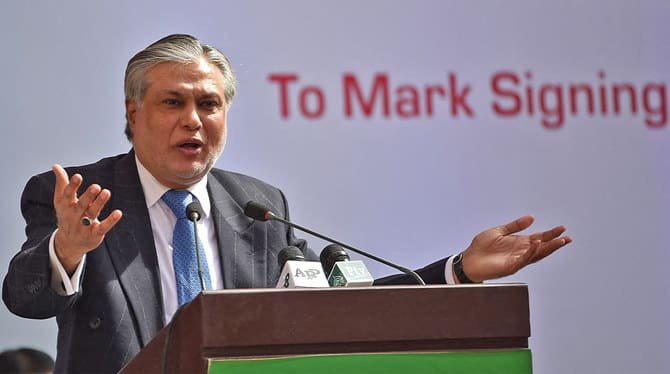
    An accountability court in Islamabad on Tuesday ended proceedings in an assets beyond means case against Federal Minister for Finance and Revenue, Ishaq Dar.

    During the hearing, Judge Mohammad Bashir remarked that “After the [National Accountability (Second Amendment) Act 2022], this case does not fall under the jurisdiction of this court.”

    “We can neither announce a decision in favour of NAB nor can we issue a decision in favour of the suspect. The trial against Ishaq Dar ends here,” Judge Bashir said.

    In August, the National Assembly passed the National Accountability (Second Amendment) Bill, 2022, which sought to exclude private transactions from the scope of NAB.

    Following the amendment, accountability courts withdrew 50 major corruption cases, including the case against Prime Minister (PM) Shehbaz Sharif, and former Chief Minister (CM) Punjab Hamza Shahbaz.

    The case

    In 2017, National Accountability Bureau (NAB) registered a case against Dar, accusing him of possessing assets disproportionate to his declared sources of income.

    Following the case, he went to London and remained there for five years until September when he returned to Pakistan and took up charge of the finance ministry.

  • 25% Pakistanis die due to unnecessary use of antibiotics

    25% Pakistanis die due to unnecessary use of antibiotics

    Almost 70 per cent of patients in Pakistan are using unnecessary antibiotics, the National Institute of Health has revealed.

    According to the federal Institute, frequent use of antibiotics has led to bacterias developing resistance against the drugs.

    NIC has said that 25 per cent of the deaths that occur every year are due to the unnecessary use of antibiotics.

    A walk was held in Islamabad to raise awareness regarding use of antibiotics.

    Health experts say that patients should not take any medicine without doctor’s instructions. They have also said that the use of antibiotics is unnecessary in case of cold, flu, cough, sore throat or viral infection.

    Doctors say that continuous use of antibiotics can lead to long-term diseases.

    Drug-resistant microbes, including bacterias and viruses, have become a global health challenge. Human healthcare providers and veterinarians are facing an endemic of ‘superbugs’ that do not respond to traditional first and second line drugs, leading to complications and even fatalities.

  • England hires chef ahead of Pakistan tour to maintain the quality of food served

    England hires chef ahead of Pakistan tour to maintain the quality of food served

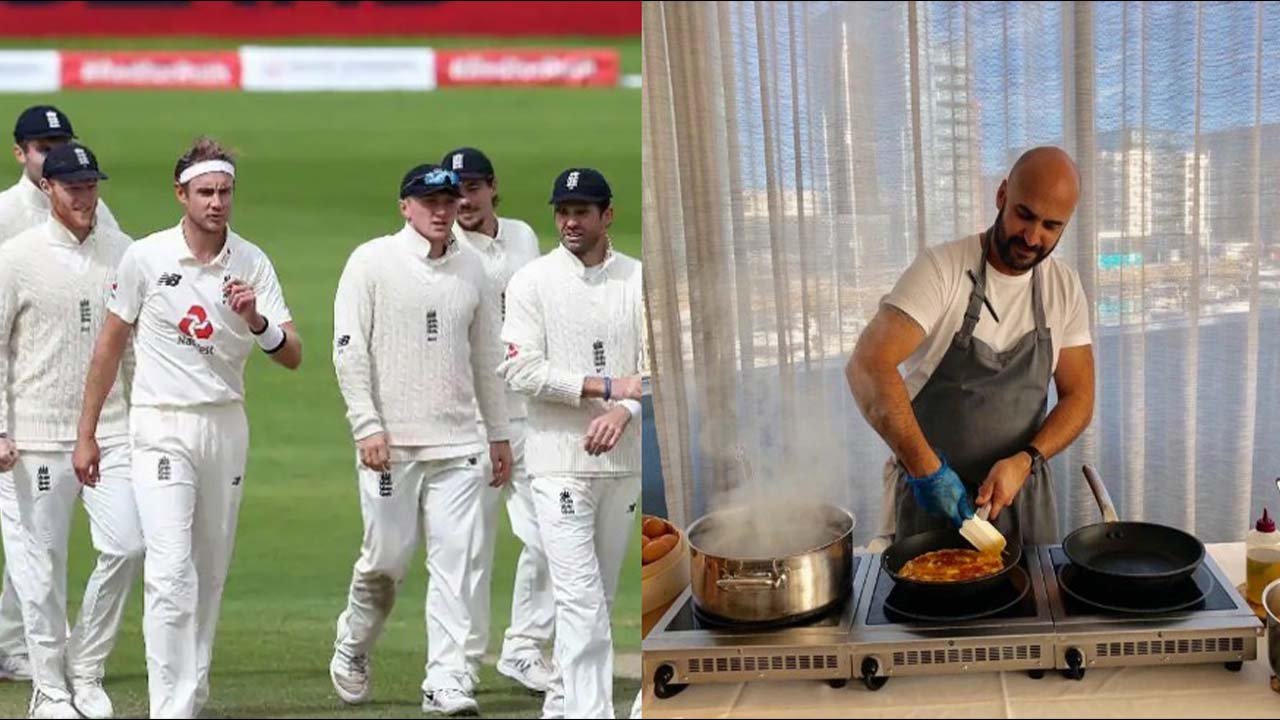
    In the early stages of Brendon McCullum’s time as head coach, the England Test team has been letting go of support personnel. A chef, however, has been added to the group for their impending visit to Pakistan.

    The appointment follows a recap of the limited-overs team’s seven-match T20I series experiences in the country. Players and support personnel said that the cuisine, especially at match locations, was not that good, and a few experienced stomachaches at various points during the tour.

    The difficulties experienced were by no means severe; nobody fell ill for a protracted length of time, and England went on to win the thrilling series 4-3. But given the demands of a Test match, not to mention the back-to-back format of the three-match series over 21 days in three different cities (Rawalpindi, Multan, and Karachi), having someone oversee food preparation and customise menus in accordance with specific needs and preferences felt necessary to control.

    While on the T20 trip, Moeen Ali, playing the role of interim captain, made light of the rivalry between Lahore and Karachi’s culinary traditions “I’ve been a little let down by Lahore’s cuisine. Karachi was quite pleasant.” Those who want to try the regional cuisines may relax knowing that Lahore is not on the schedule this time around and Karachi will host the third Test.

    According to ESPNcricinfo, Omar Meziane, who served in a comparable capacity with the England men’s football team at the 2018 World Cup and Euro 2020, will fill the position.

    The change by the Test squad will satisfy picky diners while also putting Jack Leach at rest. The left-arm spinner has Crohn’s disease, an inflammatory bowel disease, and must follow a rigorous diet in addition to taking immunosuppressant medicine to treat his condition.

    Leach experienced serious food illness on a visit of New Zealand in November 2019, which led to his hospitalisation and sepsis. Despite being able to go for the next South African Test tour, he was unable to participate in any of the activities due to the consequences of the earlier sickness and had to leave the trip early.

    The ECB has previously provided food when travelling, even though this may be the first time they have deliberately hired a chef for a trip. The Sydney Morning Herald obtained a file titled “Test catering criteria” that was provided to all hosting venues prior to the dismal 2013–14 Ashes.

    The 82 pages, which included 194 recipes for everything from protein-rich “banana and peanut bars” to Moroccan spiced griddled chicken fillets with lime and coriander mayo, were dubbed “modern pretentious” by the Herald. It didn’t help England in their humiliating 5-0 loss.

  • PAK-UNESCO Joint Centre of Excellence in Teachers Training and STEAM Learning to be established in Islamabad

    PAK-UNESCO Joint Centre of Excellence in Teachers Training and STEAM Learning to be established in Islamabad

    Pakistan and UNESCO have agreed work out the establishment of a PAK-UNESCO Joint Centre of Excellence in Teachers Training and STEAM Learning at Islamabad.

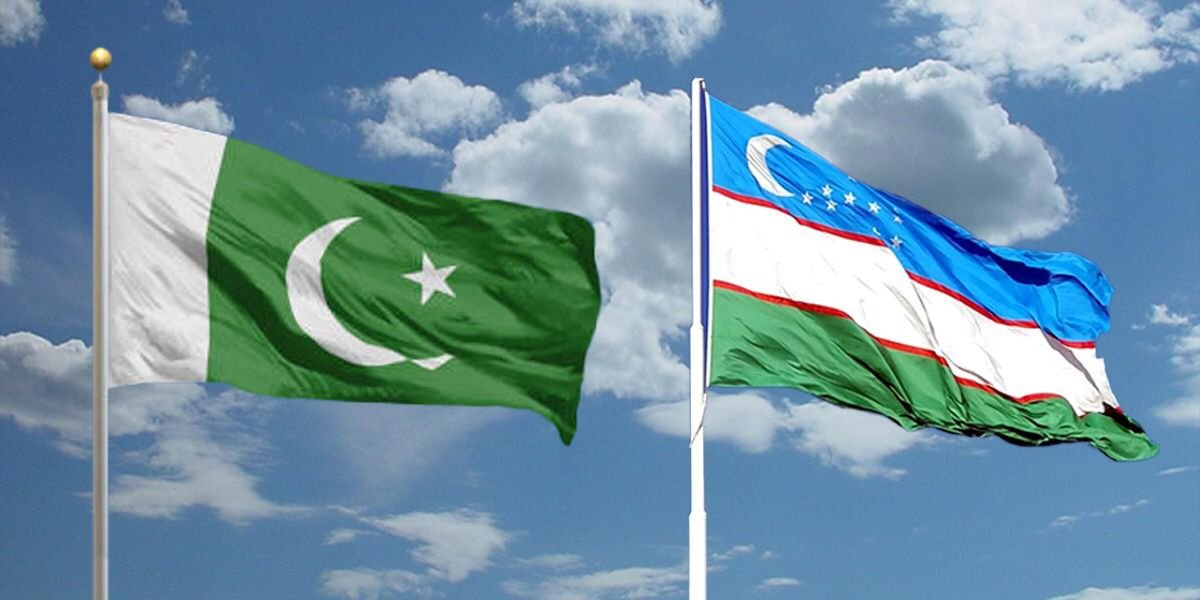
    The understanding was reached at a meeting between Minister for Federal Education and Professional Training, Rana Tanveer Hussain, and Assistant Director General for Education UNESCO, Ms Stefania Giannini. The meeting was held in Tashkent, Uzbekistan.
    Speaking on the occasion, Rana Tanveer Hussain said Pakistan will make all-out efforts to ensure inclusive, equitable and quality education while promoting lifelong learning opportunities.

    Along with its other partners (UNICEF, WFP, WHO, etc.), UNESCO has been doing its best to support Pakistan’s education sector in times of need, said Stefania Giannini. She was grateful for Pakistan’s effort to address the nation’s educational problems.

  • CPEC created 190,000 jobs in less than 10 years: Chinese official

    CPEC created 190,000 jobs in less than 10 years: Chinese official

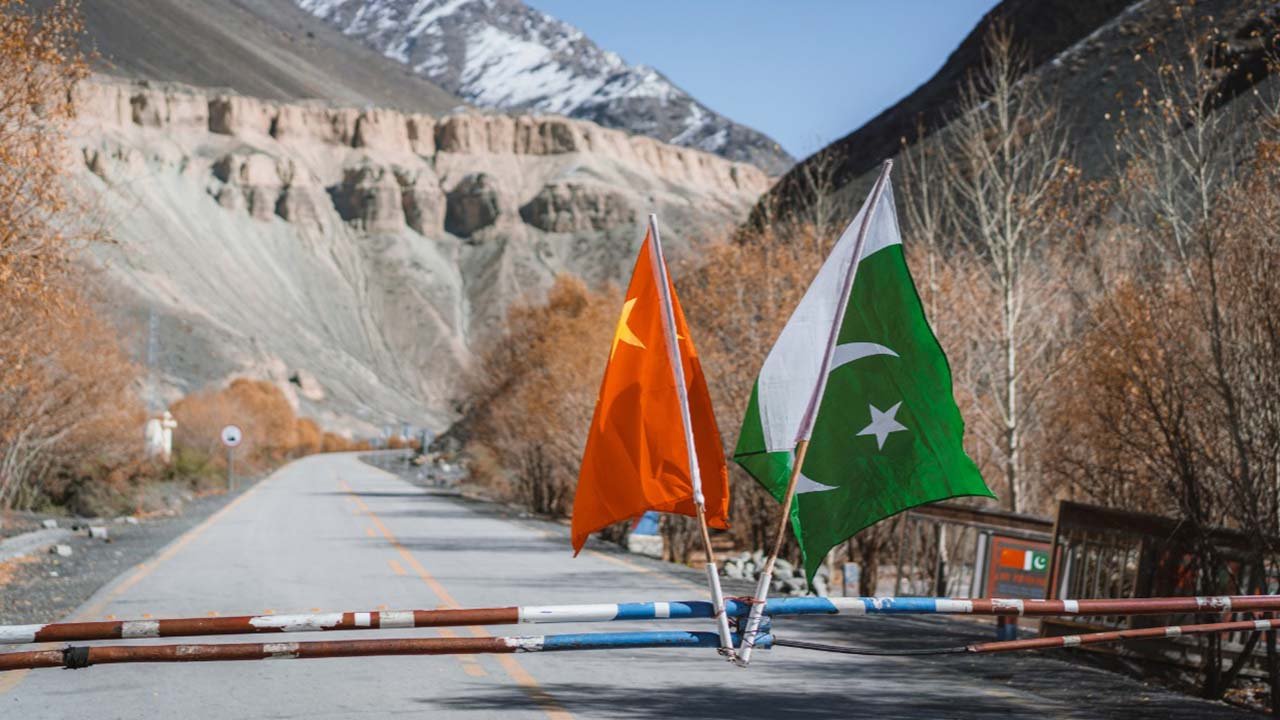
    A Chinese official said on Sunday that the China-Pakistan Economic Corridor (CPEC), a pilot project of the Belt and Road Initiatives, had generated 190,000 jobs in the previous nine years.

    According to Meng Wei, a representative of China’s National Development and Reform Commission, China and Pakistan created the Joint Cooperation Committee (JCC) on the CPEC in 2013 with an emphasis on collaboration in the Gwadar Port, energy, infrastructure, and industries.

    The two parties have recently increased their areas of collaboration to include agriculture, society, people’s livelihoods, and the information technology industries.

    The Gwadar East Bay Expressway project, the Gwadar Seawater Desalination Project, the Carlot Hydropower Station, China’s assistance to Pakistan’s flood-affected areas, and more may be seen as examples of the cooperation’s success, according to the China News Service.

    The spokesman said, “The two sides will next work together to put the leaders’ agreement into action, speed up their cooperation in areas including agriculture, mining, information technology, society, and people’s livelihood, and support the CPEC’s high-quality building.”

    CPEC is kicking off a new age of collaboration and exchanges between the two nations in a variety of fields, including energy, industry, culture, and trade and business.