Tag: Pakistan

  • ویکسینیشن ، مرد اور عورت کا پردہ

    ویکسینیشن ، مرد اور عورت کا پردہ

    ابھی ایک ہفتہ پہلے میری والدہ کو کورونا ویکیسنیشن  کی دوسری خوراک لگی ۔ پہلی خوراک والے دن  میں کافی گھبرائی ہوئی تھی کہ پتا نہیں کیسے ہوگی ، سینٹر پر کیا حال ہوگا ،لوگ کتنے ہونگے وغیرہ وغیرہ ۔ جب میں سینٹر پر پہنچی تو لوگوں کا جمِ غفیر  نظر آیا ۔ زندگی میں پہلی بار اتنے  لوگوں کو ٹیکہ لگوانے کی خوشی تھی ۔ مجھے اندازہ نہیں تھا کہ کام شروع کیسے ہوگا ۔ اسی دوران میں نے کسی سے پوچھا جو کورونا سینٹر کے نمائندہ ہی تھے ۔ انہوں نے کہا آپ میرے ساتھ آ جائیں ۔ میں آپ کا کام کروا دیتا ہوں ۔ انہوں نے دس منٹ میں فارم جمع کروا کرآخری مرحلے تک کام کروا دیا ۔  میں نے پیسے دینے چاہے تو انہوں نے کہا “میں انسانیت کے ناتے کر رہا تھا، پیسے رکھئے” ۔ ساتھ ہی انہوں نے نمبر دیا کہ اگلی خوراک پر رابطہ کیجئے گا اورمیرا نمبر بھی مانگ لیا ۔ میں نے سمجھا خدا سے کوئی غیبی مدد آئی ہے اور خدا کا شکر ادا کیا ۔

    میرا شکر البتہ دو تین دن بعد” چلو جی “میں بدلا جب ان ہی صاحب نے اِدھر اُدھر کے میسج کرنے شروع کر دیئے ۔ جب وہ باز نہ آئے، تو میں نے جھوٹ کہہ دیا کہ میں شادی شدہ ہوں میرے خاوند جی میرا فون چیک کرتے ہیں ۔ اس کے دو دن بعد میری والدہ کی ویکسینیشن تھی ۔ میں نے موصوف سے رابطہ کیا کہ مدد مل سکتی ہے ؟ جس پر انہوں نے کہا “جی مشکل ہے” ۔ میرا نقلی خاوند تو میرا دشمن نکلا ! میرے نقلی خاوند کی وجہ سے موصوف کی انسانیت ہی ختم ہو گئی؟ کیا فائدہ ایسے نقلی خاوند کا ؟

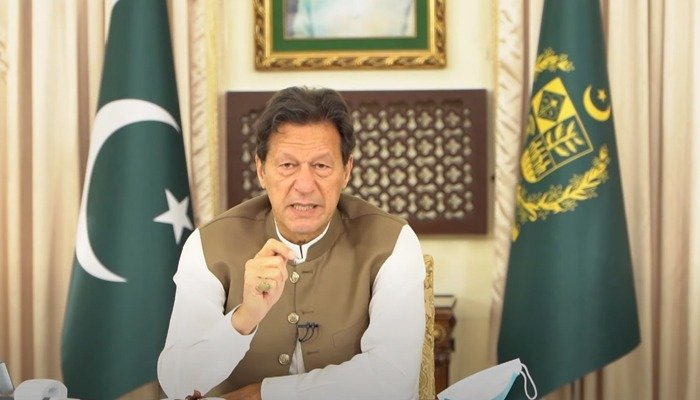
    میں نے یہ واقعہ ٹویٹر پر لکھا تو ایک شخص نے لکھا ” ہاں تو نمبر دیا تھا ، تو بھگتو اب” ۔ اور مجھے تب احساس ہوا کہ اوہو! غلطی تو میری ہی تھی  ۔ چونکہ میں عورت ہوں ، اس لئے غلطی تو ہمیشہ میری ہی ہوگی ۔ چونکہ نمبر عورت کا تھا ، مرد تو بہکے گا ! اسی ہفتے میں پاکستان کے وزیرِاعظم عمران خان نے بھی مجھے احساس دلا دیا کہ غلطی تو میری تھی، ہے اور رہے گی کیونکہ میں عورت ہوں ۔ عمران خان نے اپنے خطاب میں زور دیا کہ ملک میں جنسی زیادتی کو روکنے کے لئے ضروری ہے کہ انگریزوں کے رسم و رواج کوختم کیا جائے ۔ اور پھر دبے دبے الفاظ اور پولے پولے منہ سے کہہ دیا کہ جب عورتیں پردہ نہیں کرتی تو بہت سے مردوں سے کنٹرول نہیں ہوتا اور پھر وہ جنسی زیادتی پر “مجبور” ہو جاتے ہیں۔

    زمانے بھر کے غم اور مرد کی یہ “مجبوری!” اس دنیا نے مرد کا جینا حرام کر دیا ہے۔ کیسے کیسے “مجبور” کیا ہے۔ کیسا کیسا امتحان لیا ہے ۔ کبھی مرد “مجبور” ہو کر اپنے ہی گھر کی عورت سے جنسی زیادتی کر دیتا ہے اور کبھی “مجبور” ہو کر موٹر وے پر ایک ماں کو اُس کے بچوں کے سامنے اپنی جنسی ہوس کا شکار کرتا ہے ، کبھی مرد “مجبور” ہوکر رشتے سے انکار کرنے والی عورت سے بدلہ لینے کے لئے اسے اپنی ہوس کا شکار بنا دیتا ہے، اور کبھی مرد عوت کا ناک، کان، بازو کا کچھ حصۤہ ، ہاتھوں کی انگلیاں، پیر ، آنکھیں، بال ، ہونٹ، جو بھی حصہ نظر  آ جائے  ، اس سے “مجبور” ہو کر عورت کو اپنی ہوس کا شکار بنا دیتا ہے ۔ اور “مجبوری” ادھر رکتی نہیں۔ مرد 3 سال کے لڑکے کو بھی دیکھ کر “مجبور” ہو جاتا ہے ۔ مرد ایک “مجبوری ” کا مجسمہ ہے جسے کب کیا دکھ جائے  اور جو دکھ رہا ہو وہ کس طرح اس کو جنسی زیادتی پر “مجبور” کر دے ، آپ کو کبھی نہیں پتہ چلے گا ۔ کیا انہی “مجبوریوں” کی بات کر رہے تھے آپ،وزیرِاعظم صاحب؟

    وزیرِ اعظم صاحب ! عورت ہونے کو جرم نہ بنائیں ۔ عورت کے کپڑوں کو مردں کی درندگی چھپانے کے لئے استعمال نہ کریں ۔ مرد جوصدیوں سے جنسی درندگی کو طاقت کے حربے کے طور پر استعمال کرتاہے۔ کبھی حالتِ جنگ میں اور کبھی عورت کو “مزہ” چکھانے کے لئے ، اسے عورت کے لباس میں چھپانے کی کوشش نہ کریں ۔وزیرِاعظم صاحب! وہ کون سے کپڑے ہیں جو مدرسے کے لڑکوں کو ان “مجبور” مردوں کے شر سے نہ بچا سکے ؟وہ کون سے کپڑے ہیں جو 3 سال کی بچیوں کو مردوں سے بچا نہ سکے؟

    وزیرِ اعظم صاحب ! کبھی نظر جھکا کر دیکھیں ، کبھی نظر ہٹا کر دیکھیں ، کبھی اپنے نفس پر قابو کر کے دیکھیں ۔۔۔ پھر نہ آپ کو کسی کے کپڑوں سے شکایت ہوگی اور نہ آپ “مجبور”  ہوں گے ۔
  • UAE-brokered Pak-India peace a ‘tactical move’

    United Arab Emirates-brokered backdoor diplomacy has brought a thaw in otherwise mounting tensions between nuclear-armed Pakistan and India, but it is no more than a “tactical move”, foreign media reports quoted local experts as saying.

    Senior Pakistani and Indian intelligence officials held a series of secret meetings in Dubai in January this year in an attempt to stem the escalating tensions along the Line of Control (LoC), a de facto border that divides the disputed Kashmir valley between the two neighbors.

    Last month, the two militaries agreed to honor the 2003 cease-fire along the LoC, followed by an exchange of letters between the two premiers, which was widely viewed as an outcome of the backdoor diplomacy.

    The UAE’s ambassador to the US, Yousef Al Otaiba, confirmed Wednesday that the Gulf state is mediating between New Delhi and Islamabad to help them reach a “healthy and functional” relationship.

    Addressing a virtual session with Stanford University’s Hoover Institution, Otaiba said his country had a role behind the cease-fire at the Kashmir border, which hopefully ultimately would get relations back to a “healthy level.”

    “The ongoing cease-fire [at the Kashmir border] is certainly the outcome of the backdoor diplomacy, which is benefitting Kashmiris living on both sides of the border,” retired Lt. Gen. Talat Masood, an Islamabad-based defense analyst, told Anadolu Agency.

    “But this is all merely tactical. How long this (thaw) survives, we’ll have to wait and see,” said Masood, who served in the Pakistan Army from 1952 to 1990.

    This, he added, is not the first time that back-channel contacts have helped ease tensions between the two arch rivals.

    “It has happened on several occasions,” he said.

    Echoing Masood’s view, Ikram Sehgal, a Karachi-based defense and security expert, appeared to be skeptical about the significance of the latest developments.

    “Certainly, the UAE has interests both in India and Pakistan, and it will do its best to normalise things between the two neighbors. But in the given circumstances, it will not last long,” Sehgal told Anadolu Agency, referring to a host of land and sea disputes between the two neighbors, mainly over Kashmir.

    “One should try to be optimistic about these developments, which, although, are not very significant,” he maintained.

    Relations between India and Pakistan plummeted to a new low after August 2019, when India scrapped the longstanding special status of Jammu and Kashmir, prompting Islamabad to downgrade its diplomatic ties with New Delhi.

    Islamabad says the normalisation of ties with New Delhi is linked to a review of the Aug. 5 decision and ultimate resolution of the Kashmir dispute.

    ‘NO CHANGE IN STANCE ON KASHMIR’:

    Masood does not see any change in both countries’ stand on Kashmir following the back-channel diplomacy.

    “There is a zero chance of change in India’s current position on Kashmir. It will not reverse its August 2019 decision because it feels that Pakistan cannot do anything except for diplomatic lobbying,” he went on to argue, adding “New Delhi is more interested in talks on trade, business and tourism, whereas Islamabad’s focus is on Kashmir.”

    “India will be happy with backdoor or open diplomacy as long as it serves to maintain the current status on Kashmir,” he further said.

    “In my opinion, open and backdoor diplomatic contacts will continue, however the level of flexibility to resolve the disputes is the most important factor to watch.”
    Sharing a similar view, Sehgal, who is editor of a local defense magazine, Defense Journal of Pakistan, said New Delhi’s “downplaying” of actual issues with Islamabad is the main hurdle in the normalisation of ties.

    CHINA FACTOR:

    The two experts believe that normalisation of ties between Pakistan and India will benefit both countries but may offend Islamabad’s longtime ally China.
    “Normalisation of ties [with Pakistan] will help India focus on China and the economy, whereas it will benefit Islamabad in terms of trade and the economy,” Masood said, adding that the move, however, may irk China, which sees India as a US proxy in the region.

    Sehgal said “China is our diehard supporter on Kashmir and other issues. We cannot afford to displease it at the cost of relations with India.”

    India and China confront each other along the Line of Actual Control (LAC), a de facto border line between the two nations in the Ladakh region of the disputed Jammu and Kashmir region, where 20 Indian soldiers were killed last June.

    Border tensions between the two countries span over seven decades. China claims territory in India’s northeast, while New Delhi accuses Beijing of occupying its territory in the Aksai Chin plateau in the Himalayas, including part of the Ladakh region.

    “This is all not as simple as it seems. Many geopolitical and geoeconomic factors are involved in this process,” said Masood.

    “We may say it’s another good beginning, but a rocky terrain lies ahead.”

  • Swabi woman undergoes surgery to become ‘Umer Qureshi’

    Swabi woman undergoes surgery to become ‘Umer Qureshi’

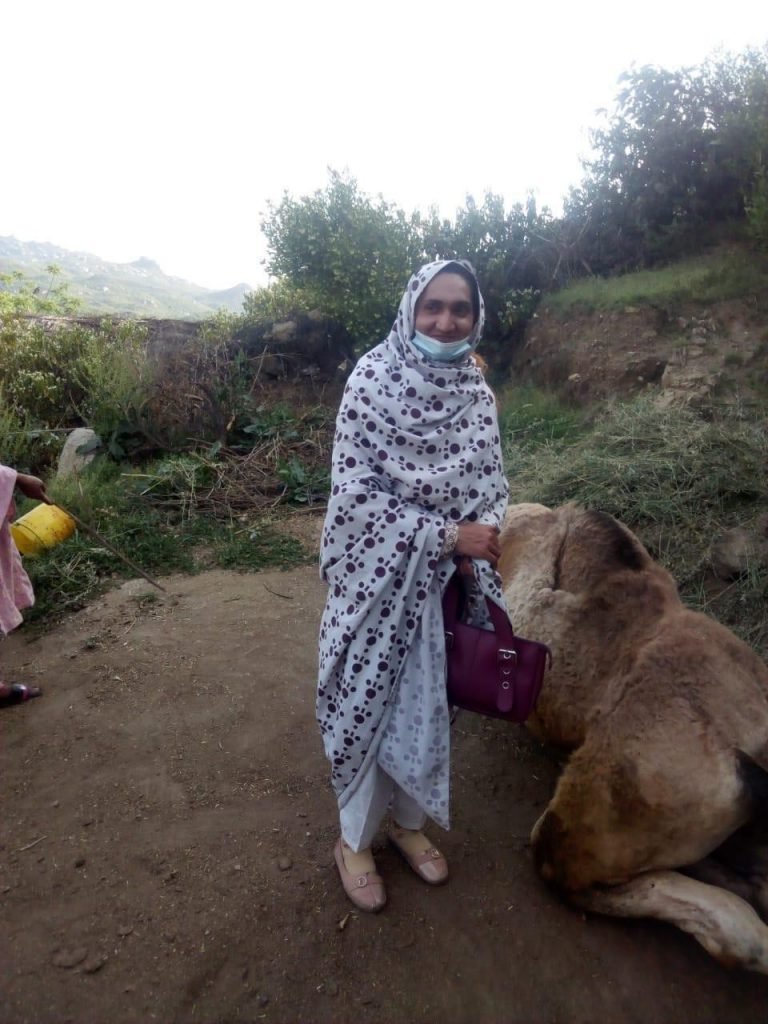
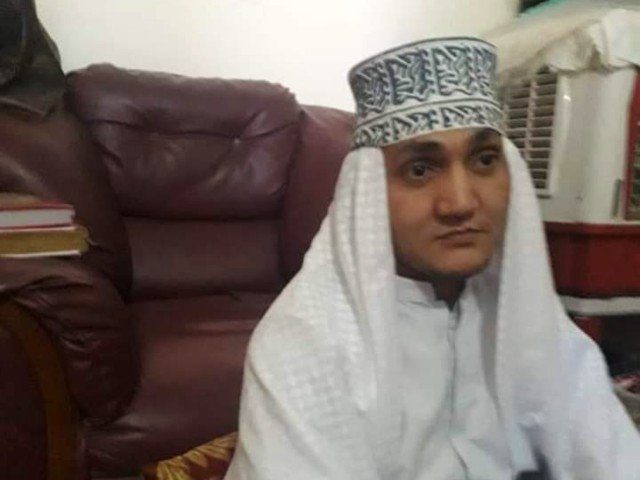
    A woman hailing from the Swabi district of Khyber-Pakhtunkhwa became a man after successful surgery on Friday.

    Talking to The Express Tribune, the woman’s brother Inamul Hassan said that his sister is an EDO education at Razzar Tehsil in Swabi. She earlier had two surgeries in Haripur district as well.

    The unmarried woman is in her 40s and lives with her parents in a village, Yar-e-Hussain.

    “A final decision about her sex would be announced after full recovery from procedures,” stated Inam.

    Photo via The Express Tribune

    Expressing his joy for having another brother in the family, Inam said he has six sisters and two brothers but now would have an elder brother as Umer Qureshi, referring to his sister with her new name.

    Read more – Pakistani passport fourth weakest in world; only stronger than Syria, Iraq and Afghanistan

    A senior official in the district education office said that it will be the decision of the provincial education ministry to let her continue on the position of EDO or change it as she is not a “woman” anymore.

    She needs a medical certificate from relevant doctors after going through such procedure as it is a legal requirement in such cases, the official explained.

    “I cannot comment on her future assignments as it’s purely provincial ministry’s domain and what rights would she enjoy at her office… all I can say is that she would need to produce medical certificates,” he added.

    “The gender changing procedures conducted abroad are considered legal, but here due to legal restrictions and religious reason, we hide our patients from the public while the family also keeps quiet,” a doctor, who wished not to be named, told The Express Tribune.

    He explained that the process required two surgeries, one for changing the gender and the other for dominating the sex they were given by the nature, adding such patients have symptoms of both genders but procedures can be different from being simple to complex depending on the body structure of the patient.

    “After the procedures, we always issue the patients certificate for changing their names and genders in legal documents. If they are serving in public offices then they need to make changes in the respected department as well,” he added.

    He further said that the people should not hesitate for such procedures if they have such symptoms.

    “Don’t be shy about what you really are. Such procedures are mostly conducted in Thailand or other countries, but it needs legal coverage in Pakistan to avoid legal restrictions.”

    He revealed that he usually performs 20 to 30 such procedures a year but people refuse to receive their certificates and try to hide the changes.

  • VIDEO: Indians fall in love with Pakistani ‘journalists with spine’ over press conference boycott video

    VIDEO: Indians fall in love with Pakistani ‘journalists with spine’ over press conference boycott video

    Indians have fallen in love with Pakistani media persons, lauding them and calling them “journalists with spines” after a video of a group of the same boycotting a press conference went viral on social media.

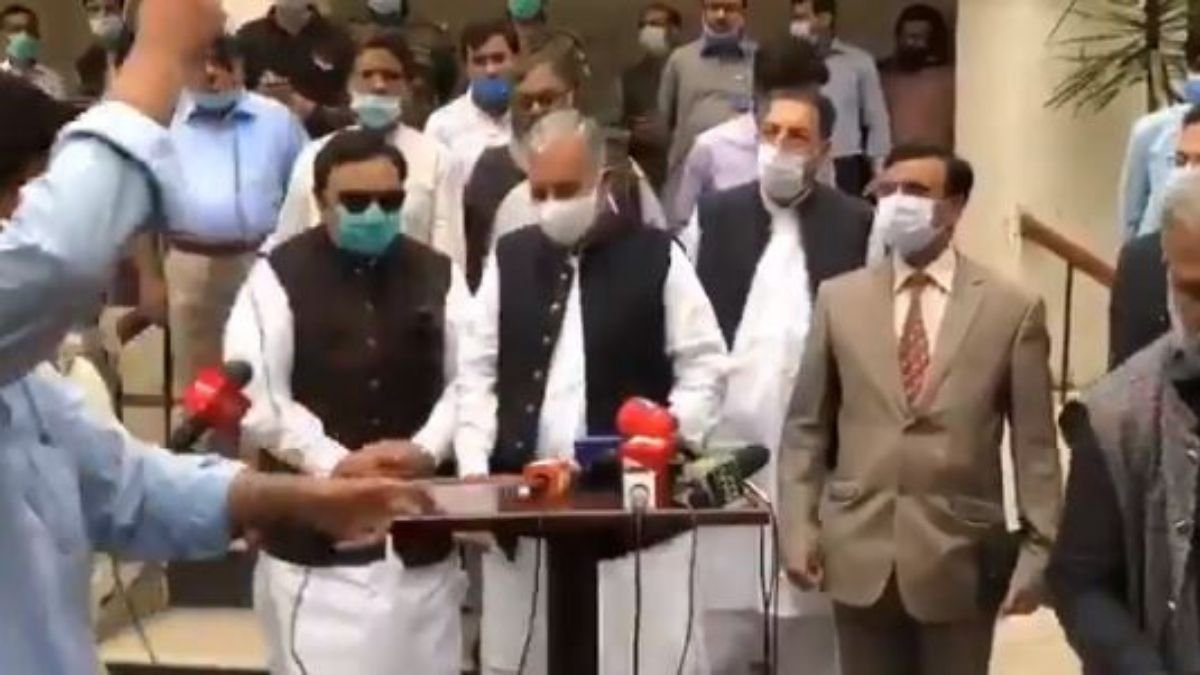
    In the viral video, one of the journalists, namely Riaz Gondal, can be seen calling out government officials for making media persons wait for hours for the press conference. “We have been waiting for two hours. Corruption in Jhelum is rampant. All government officials are looting the people in the name of welfare,” he tells the officials upon their arrival.

    “But since you have wasted our time, we are boycotting your press conference,” Gondal adds as all journalists then remove their mics from the podium.

    Though the exact details are not yet available, a social media user claimed that journalists boycotted the deputy commissioner’s press conference.

    The video has been watched and shared over a million times, especially across the border — where media is time and again accused of being a lapdog of the government.

    Here’s how Indians showered praises on the professionals on this side of the border:

    “Backbone of Pakistani media,” wrote a user in Hindi.

    https://twitter.com/sd1733/status/1381792107988316163
  • Pakistani passport fourth weakest in world; only stronger than Syria, Iraq and Afghanistan

    Pakistani passport fourth weakest in world; only stronger than Syria, Iraq and Afghanistan

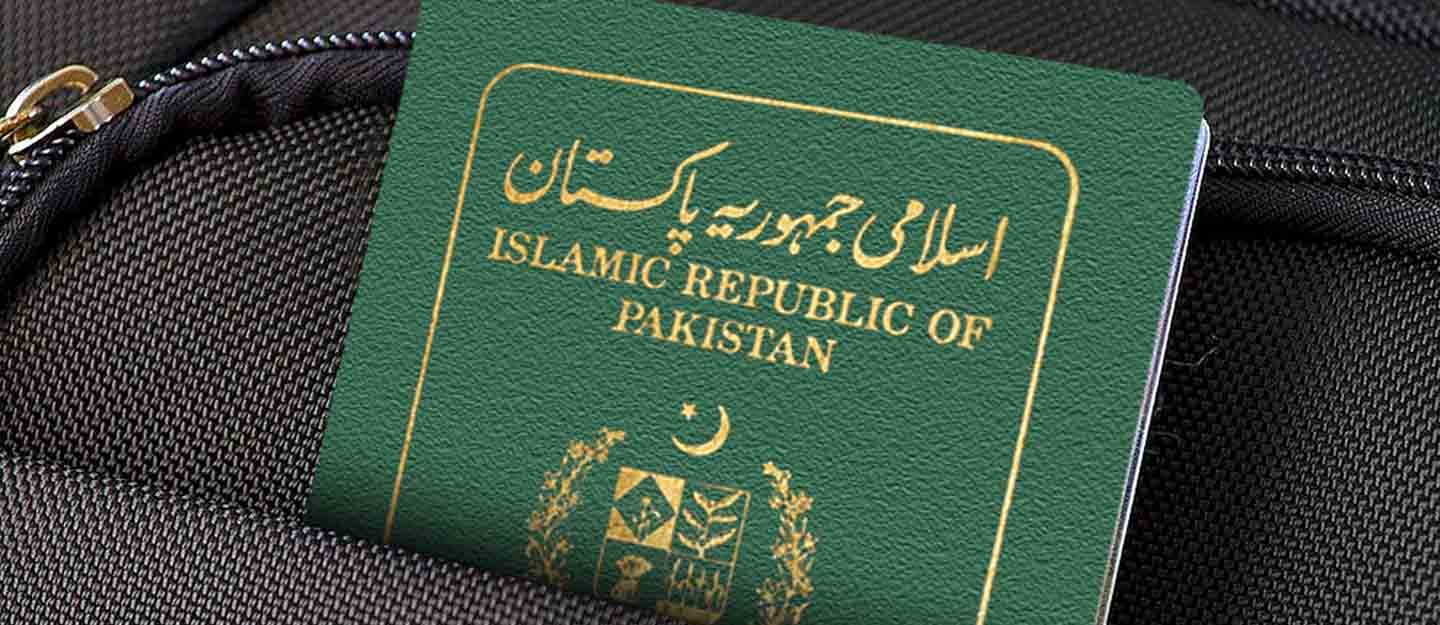
    Pakistan has ranked as the fourth weakest passport in the world, only stronger than war-torn Syria, Afghanistan and Iraq, on the Henley Passport Index.

    The Henley Passport Index assesses the travel documents based on how many countries citizens can access without a visa, using information from the International Air Transport Association.

    It does not take into account any temporary pandemic-related travel restrictions.

    Based on the index, Japan is the most powerful passport with access to 193 countries, Singapore has come second with access to 192 countries. Germany and South Korea share the third place with each giving access to 191 destinations.

    Despite a military coup, Myanmar has secured the 94th spot in the index with access to 47 destinations whereas India and Bangladesh stand at the 84th and 100th ranks, respectively.

    China and the United Arab Emirates (UAE) have climbed from the 90th position to 68th, and 65th position to 15th, respectively.

    European Union (EU) countries make the majority of countries ranked on the top 10 list of the Henley Passport Index. The report reveals that the United Kingdom (UK) and the United States (US) have dropped down to seventh place, together with Switzerland, Belgium, and New Zealand.

    Among other countries, the passports of which are ranked among the most powerful are Italy, Finland, Luxembourg, France, Spain, Netherlands, Ireland, Sweden, Malta, Greece, and Norway.

    The gap between Japan that holds first place and Afghanistan’s access to other countries is 167.

  • France advises citizens to leave Pakistan

    France advises citizens to leave Pakistan

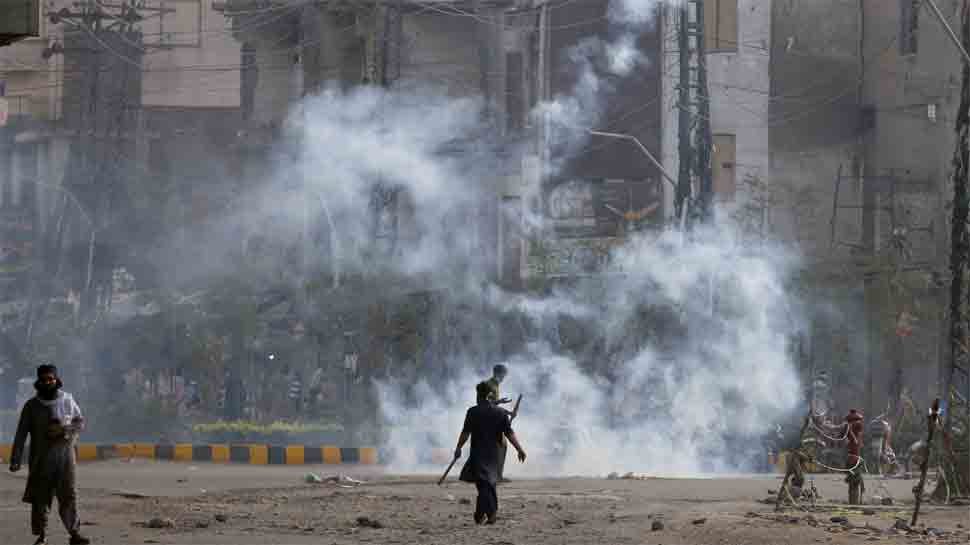
    The French Embassy has advised all French nationals and companies to temporarily leave Pakistan as violent anti-France protests paralyse the country.

    “Due to the serious threats to French interests in Pakistan, French nationals and French companies are advised to temporarily leave the country,” the embassy said in an email to French citizens.

    “The departures will be carried out by existing commercial airlines.”

    Anti-French sentiment has been simmering for months in Pakistan since the government of President Emmanuel Macron expressed support for a magazine’s right to republish blasphemous caricatures depicting Holy Prophet (PBUH).

    On Wednesday, the Pakistani government moved to ban the Tehreek-e-Labbaik Pakistan (TLP) whose leader had called for the expulsion of the French ambassador.

    Saad Rizvi was detained hours after making his demands, bringing thousands of his supporters to the streets in cities across Pakistan.

    Violent countrywide clashes have led to the death of at least three cops and hundreds of other casualties from both the police and protesters.

  • Pakistani elite consumes $17.4bn of economy: UNDP

    Pakistani elite consumes $17.4bn of economy: UNDP

    Economic privileges accorded to Pakistan’s elite groups, including the corporate sector, feudal landlords, the political class and the country’s powerful military, add up to an estimated $17.4 bn, or roughly 6 per cent of the country’s economy, a new United Nations (UN) report has found.

    The UN Development Programme’s (UNDP) National Human Development Report (NHDR) for Pakistan, which was released last week, focuses on issues of inequality in the South Asian country of 220 million people.

    “Powerful groups use their privilege to capture more than their fair share, people perpetuate structural discrimination through prejudice against others based on social characteristics, and policies are often unsuccessful at addressing the resulting inequity, or may even contribute to it,” says the report.

    Kanni Wignaraja, assistant secretary-general and regional chief of the UNDP has been on a two-week “virtual tour” of Pakistan to discuss the report’s findings, holding talks with Prime Minister Imran Khan and other top members of his cabinet.

    She says Pakistani leaders have taken the findings of the report “right on” and pledged to focus on prescriptive action. “[In our remarks in meetings] we focused right in on where […] the shadows are, and what is it that actually diverts from a reform agenda in a country,” she told Al Jazeera in an exclusive interview.

    “My hope is that there is strong intent to review things like the current tax and subsidy policies, to look at land and capital access.”

    The biggest beneficiary of the privileges – which may take the form of tax breaks, cheap input prices, higher output prices or preferential access to capital, land and services – was found to be the country’s corporate sector, which accrued an estimated $4.7 bn in privileges, the report says.

    The second and third-highest recipients of privileges were found to be the country’s richest 1 per cent, who collectively own 9 per cent of the country’s overall income, and the feudal land-owning class, which constitutes 1.1 per cent of the population but owns 22 per cent of all arable farmland.

    Both classes have strong representation in the Pakistani parliament. Wignaraja noted that this creates a paradox where those responsible for doling out the privileges were also those who were receiving them. The military was found to receive $1.7 bn in privileges, mainly in the form of preferential access to land, capital and infrastructure, as well as tax exemptions.

    The wide-ranging NHDR provides detailed data on deep-rooted inequality in Pakistan’s economy.

    While the richest 1 per cent held 9 per cent of the country’s income of $314.4 bn in 2018-19, the report found that the poorest 1 per cent held just 0.15 per cent. The UNDP has suggested Pakistan’s government take on increased spending that focuses on closing the gap between its Human Development Index (HDI) of 0.570 and that of other countries in the region.

    The UNDP has recommended policies that target spending on outcomes that provide both structural support for the country’s poor and on the infrastructure – such as education and healthcare – that would provide them further economic opportunities.

    “If I had just that one extra […] rupee, and you asked me where would I put it, I would put in girls education,” said Wignaraja. Pakistan ranks 153 out of 156 countries on the World Economic Forum’s Global Gender Gap Index with 32 per cent of primary-school-aged girls out of school.

  • Japan ambassador visits 2,400-year-old Buddhist caves in Pakistan

    Japan ambassador visits 2,400-year-old Buddhist caves in Pakistan

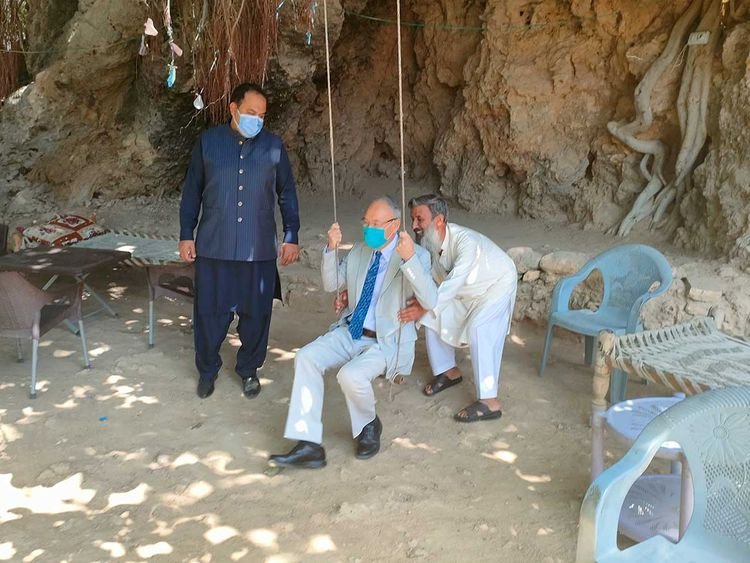
    Japanese Ambassador to Pakistan Matsuda Kuninori on Wednesday visited a Buddhist historical site, known as Shah Allah Ditta Caves, in the outskirts of Islamabad. Internationally known as Buddhist caves in the Margalla Hills, the historical site is preserving around 2,400-year-old Buddhist era murals.

    As per reports, the ambassador along with his wife and staff of the embassy praised the grandeur of the antique caves which date back to the times when young Buddhists covered long distances to reach this region that expands from the Margalla Hills to Taxila, Swat and beyond.

    The Buddhist monks spent time here in meditation and spread the message of Buddha on to the followers.

    Read more – Pakistan’s first tourism TV channel goes live

    Former Deputy Mayor of Islamabad and a representative of the Shah Allah Ditta community, Syed Zeshan Naqvi, welcomed the ambassador and told him that the caves date back to the times of Alexander the Great. He also pointed out issues faced by the local government of Islamabad (that completed its term earlier in February this year) in the preservation of the site.

    The caves had different engravings of Buddha on its walls that are of great historical importance.

    The ambassador was also of the opinion that the caves have a huge tourism potential and can be used to showcase the footprints of the Buddhist civilisation in Pakistan.

    Ambassador Kuninori also spent a few moments in meditation under the old Banyan tree at the site.

    Sharing his thoughts during the visit, Ambassador Kuninori said Pakistan was a safe country and appreciated the way the government had fought the COVID-19 pandemic by implementing a smart lockdown. Japan, he said, had already eased travel restrictions on Pakistan.

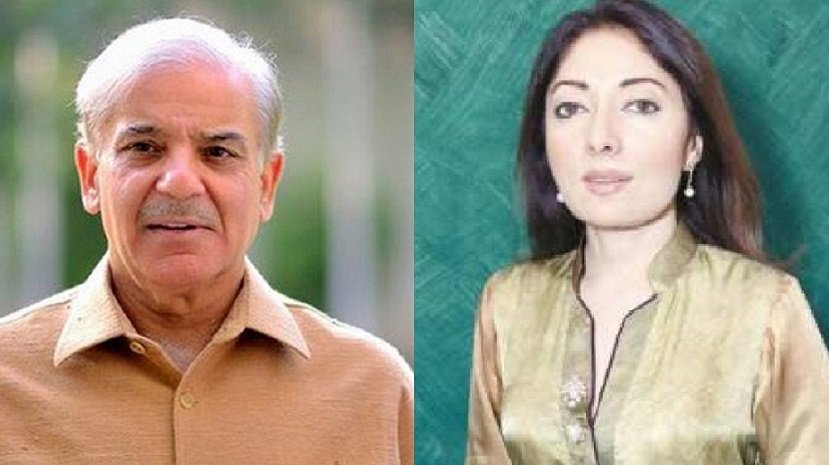
  • Shehbaz gets bail; PPP’s Sharmila, in deleted tweet, accuses PML-N of camaraderie with PTI govt

    Shehbaz gets bail; PPP’s Sharmila, in deleted tweet, accuses PML-N of camaraderie with PTI govt

    The Lahore High Court (LHC) has granted bail to Pakistan Muslim League-Nawaz (PML-N) chief and National Assembly Opposition Leader Shehbaz Sharif in the assets beyond means and money laundering case.

    He had moved the high court for post-arrest bail in the reference — filed by the National Accountability Bureau (NAB) — in March, five months after he was sent to jail on judicial remand by a trial court.

    The anti-graft watchdog had arrested Shehbaz in September after the LHC denied him further relief of pre-arrest bail in the case.

    On Tuesday, the bench, headed by Justice Sardar Muhammad Sarfraz Dogar, adjourned the hearing until today as a special prosecutor sought to start his arguments on behalf of the agency.

    An LHC division bench headed by Justice Sardar Sarfraz Dogar heard the National Accountability Bureau (NAB)’s arguments on the bail application of the opposition leader.

    On Tuesday, Shehbaz’s counsel Azam Nazir Tarar completed arguments for his bail, claiming that NAB has failed to come up with any evidence to establish the charges.

    In his bail request, Sharif alleged the NAB proceedings against him had been prompted by mala fide intention, ulterior motive, and considerations extraneous to law.

    He said the registration of a series of cases in quick succession against him and his repeated arrests at the behest of the government had been a classic example of misuse of the process of NAB to muffle the voice of the opposition.

    He said the bureau failed to collect any evidence of any corruption, kickbacks, misuse of any public office for personal gain by him throughout his political career.

    SHARMILA FARUQI’S DELETED TWEET:

    As Twitter reacted to the bail, Pakistan People’s Party (PPP) leader Sharmila Faruqi tweeted to hint at possible betterment of ties between the PML-N and Pakistan Tehreek-e-Insaf (PTI) government.

    “Accusations of joining hands with government against the PPP and bail for Shehbaz?” she said in the tweeted that was later deleted.

    Tensions are running high between the PPP and anti-government Pakistan Democratic Movement (PDM), of which the PML-N is a key member.

    Trouble had been brewing between the two political entities ever since the government-friendly Balochistan Awami Party (BAP) supported PPP’s Yousuf Raza Gilani for slot of Senate opposition leader.

    Gilani’s nomination and subsequent election considered betrayal by other PDM members except the Awami National Party (ANP) was the latest bone of contention until the PPP and ANP were served show-cause notices.

    The same led to the PPP and ANP resigning from the opposition alliance. PDM chief, Maulana Fazlur Rehman, has, however, asked both the parties to reconsider their decision.

    CASE AGAINST SHEHBAZ:

    Sharif along with his son Punjab Assembly opposition leader and PML-N Vice President Hamza Shehbaz was indicted in November in the Rs7 billion reference involving charges of money laundering and assets beyond means.

    The reference mainly accuses Sharif of being a beneficiary of the assets held in the name of his family members and frontmen, who had no sources to acquire such assets.

    It says the family members and the frontmen of the family received fake foreign remittances of billions in their personal bank accounts. In addition to these remittances, the bureau says, billions of rupees were laundered by way of foreign pay orders, which were deposited in the personal bank accounts of Hamza and his brother Suleman Shahbaz.

    The reference further says Sharif and his family failed to justify the sources of funds used for the acquisition of assets.

  • Third COVID-19 wave: 135 deaths in a day set new record for Pakistan in 2021

    Third COVID-19 wave: 135 deaths in a day set new record for Pakistan in 2021

    Pakistan reported its highest number of coronavirus-related deaths so far this year on Wednesday, amid third wave of the pandemic that is putting the country’s health service under extreme strain.

    The government portal keeping track of the outbreak in the country registered 135 deaths in the last 24 hours — up from 118 a day earlier and the highest number of fatalities since June 20 — taking the total number of deaths on the measure to 15,754.

    According to the Ministry of National Health Services (MoNHS) data, 48,092 tests were conducted on Tuesday after which 4,681 people tested positive for the contagion disease. The total number of cases in the country is 734,423.

    Punjab recorded the most deaths during the last 24 hours at 79 followed by Khyber Pakhtunkhwa (KP) with 49.

    Sindh has been the worst-hit with 269,840 cases followed by Punjab where 255,571 people have been tested positive, the statement said.

    Moreover, over 80% ventilators are occupied across the country with around 700 out of total 5,000+ patients in critical care.

    Meanwhile, the National Command and Operation Centre (NCOC) has issued revised guidelines for the second COVID-19-hit Ramzan to tackle the spread of the virus.