Tag: Pakistan

  • Faisalabad man refuses to marry daughter into family that praised PM Imran

    Faisalabad man refuses to marry daughter into family that praised PM Imran

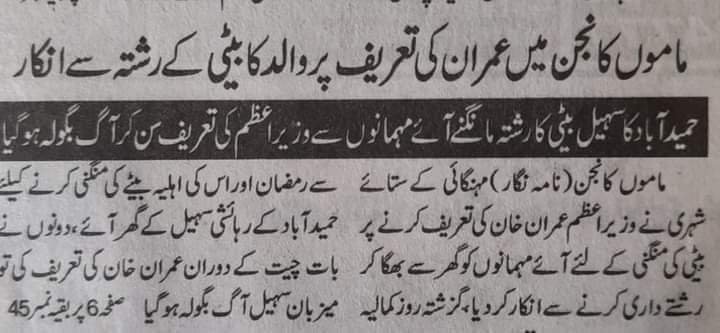
    A man in Faisalabad rejected a marriage proposal for his daughter after the other side praised Prime Minister (PM) Imran Khan, an undated Urdu newspaper clipping claimed.

    According to the report, the man, namely Hameed of Mamu Kanjan town in Tandlianwala, lost his temper when his potential son-in-law’s family praised the ruling Pakistan Tehreek-e-Insaf (PTI) and PM Imran.

    Done of inflation, Hameed lost his cool when Kamalia’s Ramzan and his wife praised the Imran-led PTI as the two families met to discuss the kids’ engagement, the report said.

    “He [Hameed] kicked the guests out of his house and refused to forge relations with them,” read the clipping.

    A massive loyalty shift has been reported among the supporters of the now ruling PTI as the opposition continues to support people against the government’s economic policies.

    Pakistan’s inflation rate, which was until recently at a record high, was 10.58% for 2019, a 5.5% increase from 2018.

    The premier claimed on Sunday that inflation had currently declined from the level of 2018 when the PTI came to power.

    “The government’s efforts are coming to fruition as both the consumer price index and core inflation had touched lower than the time of government’s formation,” he tweeted.

    “More good news on the economic front. Consumer price index and core inflation are both now lower than when our government was formed,” he said.

    Planning Minister Asad Umar also said on Twitter that inflation during January was down to 5.7% while core inflation was at 5.4%.

    “In July 2018, prior to the PTI government’s formation, CPI [consumer price index] was 5.8% and core inflation was 7.6%,” the minister said in his tweet.

    However, the Economic Survey 2019-20 released by the government as part of the current fiscal year’s budget documents and the current official data of the Pakistan Bureau of Statistics (PBS) depict a contrary picture about food inflation as the prices of essential items have gone up to between 50% and over 80% in the retail market as compared to prices in 2017-18.

  • KP govt offers job to Pakistan’s ‘Charlie Chaplin’

    KP govt offers job to Pakistan’s ‘Charlie Chaplin’

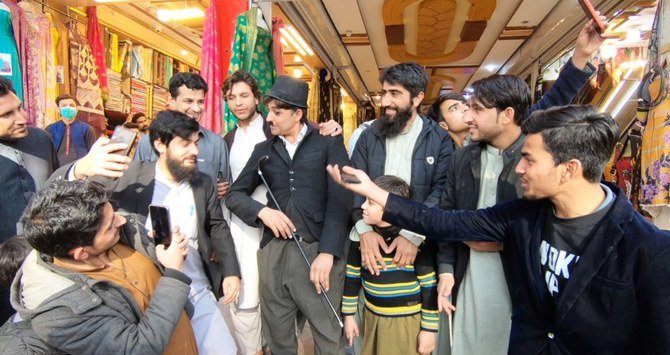
    The Government of Khyber Pakhtunkhwa has announced that it will offer legendary comic actor Charlie Chaplin’s Pakistani doppelgänger Usman Khan a job to encourage talent in the province.

    According to details, KP Minister for Labour and Culture Shaukat Yousafzai invited Khan to his home and offered him a job.

    Talking to the media, Yousafzai said the provincial government will offer Khan a suitable job and ensured that they will support him at every level. The minister added that he had forwarded Khan’s videos to the chief minister.

    Khan thanked the minister and the provincial government for the appreciation and job offer.

    Earlier, videos of ‘Peshawar’s Charlie Chaplin went viral on social media due to his comic expressions and style. His objective was to bring smiles to people’s faces amid the COVID-19 pandemic.

    The stand-up comedian wears Chaplin’s trademark oversized shoes and baggy pants, and holds a cane and black bowler hat as he performs across the city.

  • ‘An unparalleled humanitarian’: Bilquis Edhi declared ‘Person of the Decade’

    Bilquis Eidi has been selected as the Person of the Decade by an international web based organisation ‘Impact Hallmarks’.

    As per details, the finalists were shortlisted out of over 1.6 million notables with diverse backgrounds and from over 190 countries. According to the organisation’s website, the finalists were then presented to the global audience to pick out the person of their choice by voting.

    In a statement, the organisation said: “As per the domino effect verdict, concerning the IH international opinion poll outcomes, Stephen Soldz, an upright ethicist and moralist from the US, Ms Bilquis Edhi, an unparalleled noted humanitarian from Pakistan and Prof Yanghee Lee, the fabled unsurpassed human rights rapporteur of the UN, have evidently stretched and segmented the top of the decade’s impact hallmarks and the opinion poll’s top ‘tri-archy’ as well.”

    Bilquis Bano Edhi is a professional nurse, who heads the Bilquis Edhi Foundation. She has spent more than six decades of her life serving humanity in need. Her charity has saved over 42,000 unwanted babies so far by placing ‘jhoolas’ [cradles] at the Edhi Homes and centres across the country.

    Called the Mother of Pakistan, Bilquis Edhi has already been given various national and foreign awards including Hilal-e-Imtiaz, the Lenin Peace Prize, Mother Teresa Memorial International Award for Social Justice (2015), and the Ramon Magsaysay Award for Public Service, she received along with her husband Abdul Sattar Edhi in 1986.

    Besides the three topmost ‘Persons of the Decade’, the verdict announcement called seven other persons “true patrons of change, the flag-bearers of righteousness and the domino effect architects of the Top-10 of the impact hierarchy of the decade,” which includes Prof. Aurangzeb Hafi from Pakistan.

  • Will Pakistan get enough COVID-19 vaccines?

    Will Pakistan get enough COVID-19 vaccines?

    “If we are lucky to find a vaccine at $6-10 per dose, we would need a total of $540 to 900 million to acquire 90 million doses. Notwithstanding the existing allocation of $150 million and some vaccines as aid, it means that we are going to need much more money.”

    Will Pakistan get enough COVID-19 vaccines?

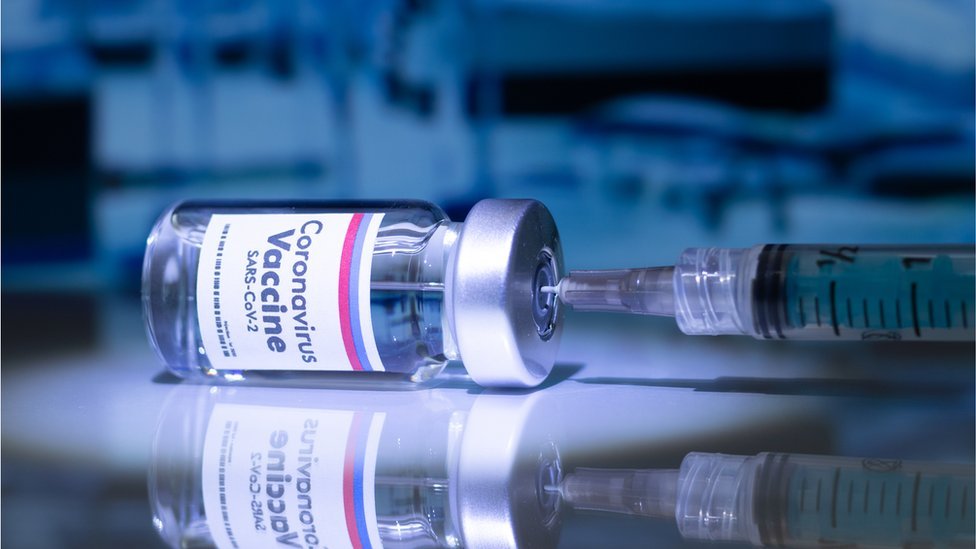
    Before we answer this question, we need to know how many vaccines we need. Pakistan has set a target to vaccinate 70 million people, out of its population of more than 220 million, to achieve “herd immunity”. Most of the COVID-19 vaccines in the market require two doses to be administered to each person. This means that we need at least 140 million doses, not taking into account any wastage.

    The next question we should ask is how many different vaccines there are in the market. So far, at least seven vaccines have been approved, out of which five have been approved for use outside their country of approval, including those by Pfizer, Moderna, Oxford-AstraZeneca, Sinopharm and Sputnik V. A number of other vaccines are in advanced stages of approval, including those by Johnson & Johnson, Novovax, CanSino and Bharat Biotech.

    Pakistan’s choice of vaccine will depend on three factors: price, storage and transportation requirement, and availability.

    The approximate per-dose price for Pfizer is $20, Moderna $10-50 (depending upon the quantity ordered), for Sputnik V less than $10, and for AstraZeneca $3-4. The price of Sinopharm’s vaccine is unknown but news reports suggest around $145 for two doses (or roughly $72.5 per dose). The price of Sinopharm seems excessive and it is not clear if Pakistan can get a discounted rate.

    The vaccines by Pfizer and Moderna need ultra-low temperatures to be stored. For instance, Pfizer’s vaccine needs to be stored at -75˚C, whereas that of Moderna needs -20˚C. This poses a serious challenge for developing countries like Pakistan, which have unreliable or mostly absent cold chains. Therefore, this handicap would prevent the wide usage of these vaccines in Pakistan. On the other hand, the Russian and Chinese vaccines as well as the one by AstraZeneca can be stored at standard refrigerator temperatures, making them much more suitable for us.

    The availability of vaccine, however, poses the most significant challenge. The manufacturers of all these vaccines have mostly booked their entire capacity for 2021 already. Some of them are now planning to further ramp up their capacity very quickly. Even the companies that are still in the final stage of vaccine trials have started to book orders from customers around the world.

    Looking at price and storage requirements, the Oxford-AstraZeneca vaccine seems to be the most suitable choice for Pakistan. However, AstraZeneca has gone into a partnership with Serum Institute of India for the supply of this vaccine to our entire region – South Asia. There is no reason to believe that Serum Institute would not prioritise Indian requirements over export orders. The rivalry between India and Pakistan is not going to help either. Sources suggest that while Serum Institute has indicated availability of the vaccine for exports by the third quarter of 2021, the volume that it would be able to provide to Pakistan remains unclear. There is also a chance that this stipulated timeline is not followed.

    This leaves Pakistan with the Chinese and Russian vaccines only.

    Incidentally, this is not a Pakistan-specific problem and instead a challenge faced by all low-income countries, which are struggling to acquire sufficient quantities of vaccine. Out of a total of 7.2 billion doses booked so far, 5.2 billion have been booked by high or upper middle-income countries, whereas 2 billion doses have been booked by lower middle-income countries, including 1.5 billion by India alone. So far, the low-income countries have booked no significant volumes of the vaccine.

    Nevertheless, it does not absolve the state of its responsibility to provide enough vaccines for its citizens and that too in a timely fashion.

    What has Pakistan done so far in this regard?

    We have so far adopted a three-pronged strategy. Firstly, we have joined the COVAX alliance, which is aimed at facilitating equitable access to COVID-19 vaccine. Secondly, the government is developing its own plan to acquire the vaccine and administer it through the public sector healthcare system. And lastly, the government has allowed the private sector to import the vaccine so that they can also provide them to those who can afford.

    COVAX is an alliance formed through efforts of the UN, WHO and GAVI. The Alliance is planning to make 2 billion doses available by the end of 2021 for high-risk and vulnerable populations. Out of this, 1.3 billion doses will be financed by donors and provided to 92 low and lower-middle income countries including Pakistan, targeting up to 20 per cent of their population, while the rest of 700 million doses will be made available to 80 wealthier nations that have joined COVAX, on a self-financed basis. Although COVAX, owing to its sheer size, has been able to secure some sizeable contracts for vaccine supply, it is not clear if it will be able to meet its ambitious target within the stipulated time. So far, COVAX has committed 50 million doses to Pakistan, which still leaves us with another 90 million doses to procure to meet the target of 140 million vaccine doses.

    For government’s own vaccine procurement, Pakistan has so far allocated $150 million to provide vaccines for the most vulnerable 5 per cent of the population. Reportedly, the government is also negotiating with development partners to get another $100 million. So far, the government has only confirmed booking for one million doses of the Sinopharm vaccine. In addition, China has also announced providing 0.5 million doses to Pakistan free of cost. These 1.5 million doses would be enough only for 750,000 people or 1 per cent of the targeted population.

    The price of the Chinese contract is unknown but if it’s anywhere close to $72.5 for a dose, then it would have taken $72.5 million or almost half the allocated amount. If, however, the Chinese have given the vaccine on a discount, it might have left us with more money.

    Although the government’s permission to allow private sector import of the vaccine is a good step, it is unlikely that the private sector would get a significant vaccine supply in 2021.

    If we are lucky to find a vaccine at $6-10 per dose, we would need a total of $540 to 900 million to acquire 90 million doses. Notwithstanding the existing allocation of $150 million and some vaccines as aid, it means that we are going to need much more money.

    Pakistan needs to act fast, mobilise financing and secure supply contracts from Chinese, Russians and those manufacturers that are in advanced stage of trials to get a timely supply of the vaccine. Then comes the challenge of vaccinating the massive target of 70 million people.

    In short, Pakistan may get enough vaccine, but it is likely to take more than a year. Given the current situation, it seems that Pakistan is not likely to meet its vaccination target before the second half of 2022.
  • PM reveals he was offered money ahead of Senate election

    PM reveals he was offered money ahead of Senate election

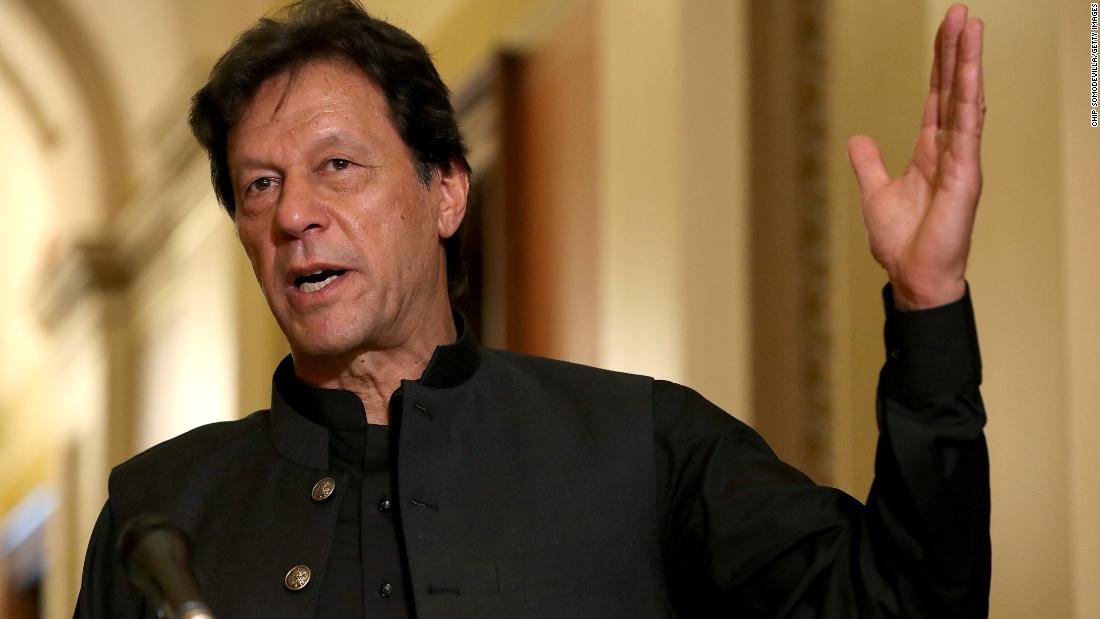
    Defending his party’s move to hold the upcoming election of the upper house of the parliament through open ballot, Prime Minister (PM) Imran Khan has spoken of bribes paid to buy loyalties, revealing that he himself had been offered some.

    “Money goes to the very top,” the premier said while speaking to media on Friday.

    According to Dawn, PM Imran claimed that 20 members of the Khyber Pakhtunkhwa (KP) Assembly belonging to the Pakistan Tehreek-e-Insaf (PTI) were paid Rs50 million each during the last Senate poll to vote in favour of certain candidates.

    Saying that the parties opposing the amendment aimed at curbing corruption would stand exposed, he added the PTI had expelled the 20 members after they were found guilty of horse-trading by an investigation committee.

    “We also know who is raising money to buy loyalties this time,” he said, without naming anyone.

    He termed the practice “betrayal” with Pakistan because the Senate had a particular “status and role” since it represented the provinces in the federation.

    The premier said it reflected poorly on the kind of people who came to the Senate through money and questioned the ability of such lawmakers to represent their respective provinces. “Apart from that, what kind of democracy is this where legislators sell their vote by taking money?” he asked.

    Acknowledging that his government did not have a two-thirds majority in the lower house, the premier said the ruling party would still try to present the amendment for open ballot in the Senate elections to curb horse-trading.

  • Kid, who was spotted driving SUV, says he went out to get ice cream

    Kid, who was spotted driving SUV, says he went out to get ice cream

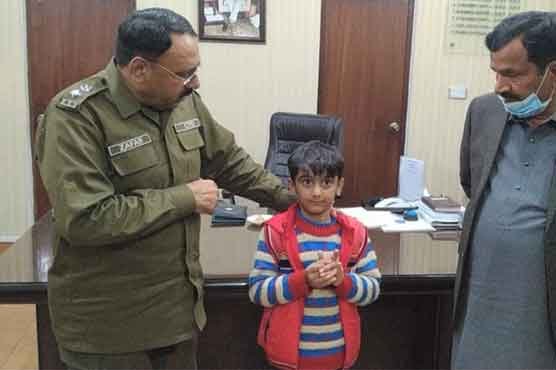
    The boy whose video driving a Land Cruiser in Multan went viral earlier this week says that he took the vehicle out for a ride because he felt like having ice cream.

    When asked by a reporter, the kid said he drove to several places to get the ice cream but couldn’t find any, so he decided to head back home. According to the kid, this was not the first time that he drove this vehicle.

    “My father didn’t scold me,” said the kid in response to a question. He only said that “I shouldn’t drive [at this age] again”.

    The kid’s father said he was sleeping when his son took the key of the vehicle from his bedside. “When I woke up and couldn’t find the key, I took my driver and went out to look for the kid,” he said, adding that the kid was returning home when “we came across him”.

    He also said that he went to the police voluntarily.

    On Friday, the father of the kid was fined Rs 1,000 for negligence. He has also submitted an affidavit to the police stating that the incident occurred due to his negligence and will not happen again. The man and his son were allowed to go home after submitting surety bonds.

  • Twitter unhappy with PTI minister for badmouthing former PM’s late father

    Federal Minister for Maritime Affairs Ali Haider Zaidi has drawn the ire of hundreds of social media users for badmouthing the late father of former prime minister (PM) and Pakistan Muslim League-Nawaz (PML-N) leader Shahid Khaqan Abbasi.

    Khaqan Abbasi, who was an air commodore in the Pakistan Air Force (PAF) until his removal by former premier Zulfikar Ali Bhutto, served as the federal minister for production in ex-PM Muhammad Khan Junejo’s cabinet. He died on April 10, 1988, after his car was hit by a missile in the Ojhri Camp disaster.

    “Huge secrets lie behind these huge businesses,” Federal Minister Zaidi wrote as he tweeted a 1991 report against the late Abbasi.

    His tweet, however, did not sit very well with a majority of Twitter users who said:

    While some are also supporting the minister’s statement, what do you think of the tweet? Let The Current know in the comments…

  • ‘Not bound by it’: Pakistan questions legitimacy of UN treaty on nuclear weapons

    ‘Not bound by it’: Pakistan questions legitimacy of UN treaty on nuclear weapons

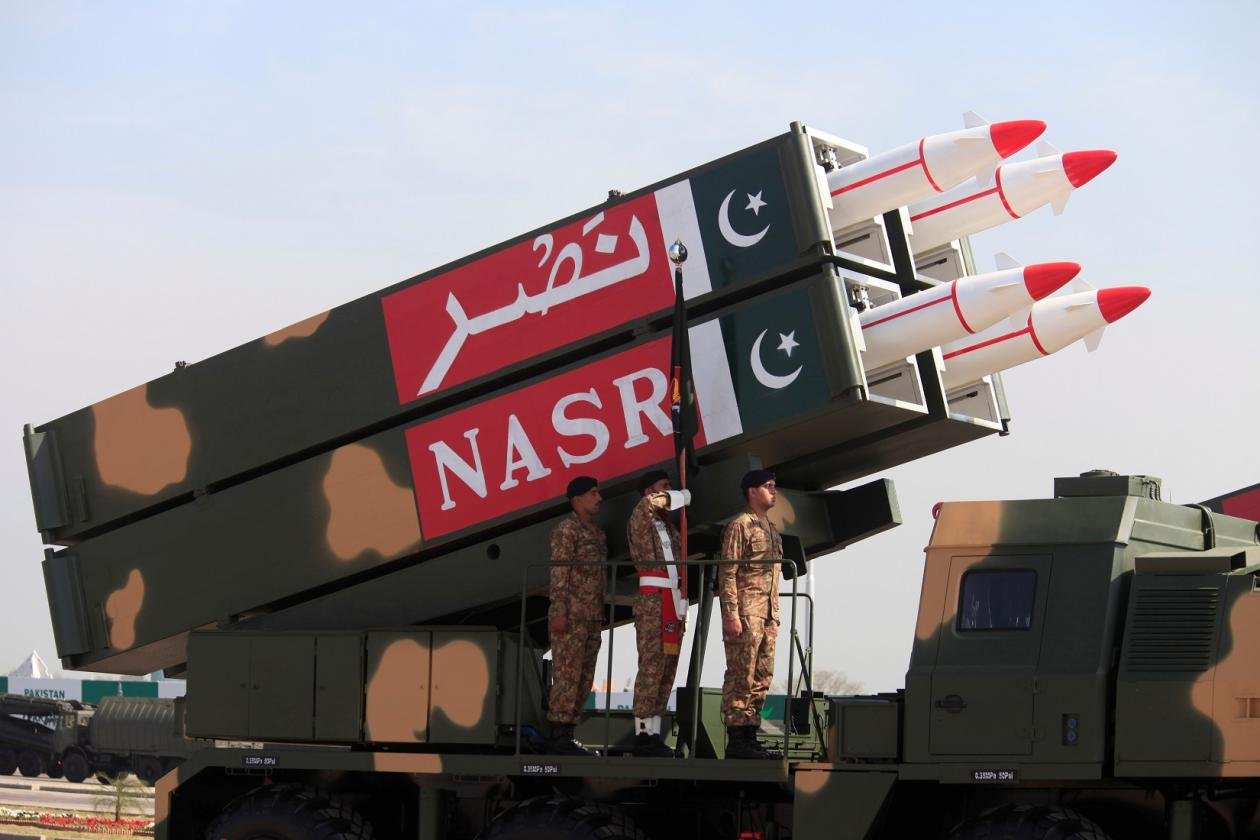
    Pakistan says it is not bound by any of the obligations enshrined in the Treaty on the Prohibition of Nuclear Weapons — adopted in July 2017 — as the accord failed to take on board the “legitimate interests of all the stakeholders”.

    The UN Treaty on the Prohibition of Nuclear Weapons (TPNW) was adopted by the UN in 2017 and it reached 50 ratification in October by Austria, Ireland, Mexico, New Zealand, South Africa, Nigeria, and Thailand among other countries.

    In a statement issued by the Foreign Office, Islamabad said this treaty neither forms a part of nor contributes to the development of customary international law in any manner.

    According to the statement, the treaty was negotiated outside the established UN disarmament negotiating forums.

    “None of the nuclear-armed states, including Pakistan, took part in the negotiations of the treaty which failed to take on board the legitimate interests of all the stakeholders. Many non-nuclear armed states have also refrained from becoming parties to the treaty,” it added.

    “The United Nations General Assembly, at its first special session devoted to nuclear disarmament in 1978, had agreed by consensus that in the adoption of disarmament measures, the right of each state to security should be kept in mind, and at each stage of the disarmament process, the objective would be undiminished security for all states at the lowest possible level of armaments and military forces,” the statement said.

    The FO said the nuclear prohibition can only be achieved “as a cooperative and universally agreed undertaking through a consensus-based process involving all the relevant stakeholders which results in equal and undiminished security for all states”.

    “It is indispensable for any initiative on nuclear disarmament to take into account the vital security considerations of each and every state,” the FO statement implored.

  • ‘You call yourself professor… mind your tone’: Ahsan Iqbal gets a scolding from NA speaker

    Ruckus on Friday marred yet another session of the National Assembly as Pakistan Muslim League-Nawaz (PML-N) senior leader Ahsan Iqbal got a scolding from speaker of the House, Asad Qaiser.

    “Please follow rules. I am doing so too […] mind your tone,” the speaker told the opposition lawmaker.

    While the reason behind the war of words has not yet been confirmed by any, a video of the episode showed Iqbal repeatedly interrupting the speaker, demanding what appeared to be more time on the floor of the House.

    “Please mind your tone. You have been a minister, and you call yourself ‘professor’… is this the way to talk?” a visibly displeased Qaiser was seen asking Iqbal who kept talking back at the speaker.

    WATCH VIDEO:

    Earlier, rumpus also erupted after PML-N MNA Afzal Khokhar tabled a privilege motion.

    During the session, while talking about the operation to demolish his Lahore residence, the Khokhar Palace, the PML-N leader told the House that the administration had stormed his place late at night and destroyed furniture among other things.

    “This type of attitude of Punjab authorities will not be tolerated,” he said.

    The House has been adjourned to meet again on Monday.

  • FBR goes after NAB for not paying Rs69 crores in taxes

    FBR goes after NAB for not paying Rs69 crores in taxes

    The Federal Board of Revenue (FBR) has served a notice to the National Accountability Bureau (NAB) for costing the country a whopping Rs690 million (Rs69 crores).

    As per the details, NAB did not deduct 15% withholding tax while paying damages worth over Rs4 billion (Rs4 Arab) in the Broadsheet case.

    The News quoted sources as saying that a notice on behalf of the International Tax Department of FBR under Section 152 of FBR Ordinance was sent to NAB to pay the said amount.

    The notice said it had come to the knowledge of tax department that NAB had paid damages to Broadsheet LLC — the United Kingdom (UK) based company roped in during military ruler Pervez Musharraf’s regime to track down foreign assets purchased by Pakistani politicians “through looted money”.

    “NAB had to deduct 15% withholding tax and deposit it to the national exchequer at the time of payment under the Income Tax Ordinance, but it was not followed,” it said.

    The fine was paid to the UK-based firm after NAB ended with it the asset recovery agreement in 2003, pushing Broadsheet as a third party to move the London High Court for damages.

    The UK-based companies claimed that Pakistan owed them money according to the terms agreed upon since the government was taking action to seize assets identified by the firm, including the Avenfiled Apartments of the Sharif family.

    After much drama, an arbitration court of London had imposed a $20 million fine on NAB in the Broadsheet case. However, NAB had to pay an extra $9 million under the head of mark-up due to non-payment on time.

    The court in London had withdrawn over $28 million partially in this regard by freezing accounts of the Pakistan High Commission.