Tag: Pakistan

  • Govt is grossly under-reporting coronavirus deaths and infections: PM’s task force head

    Govt is grossly under-reporting coronavirus deaths and infections: PM’s task force head

    Pakistan is understating its rate of infections and the death toll from the coronavirus, the head of a government task force has said as the country becomes a hotspot for the pandemic in South Asia, Bloomberg reported.

    “The actual numbers will be two to three times more than what the government is reporting,” Dr Attaur Rahman, chairman of Prime Minister (PM) Imran Khan’s task force on science and technology, said and added that a large number of cases weren’t being reported because of low testing and as reasons other than respiratory failure weren’t being counted in deaths.

    WATCH VIDEO:

    Pakistan’s coronavirus cases have increased manifold since the government eased a lockdown in the second week of May after a partial shutdown of about two months. PM Imran has said he is allowing some businesses to open as he fears people will die of poverty and hunger instead of the virus. Alarmed by the rising number of cases, the authorities have again started shutting down residential localities in 20 key cities including the federal capital and Lahore.

    Pakistan is the second most infected nation in Asia after India with over 150,000 cases and about 3,000 deaths. The fatality rate of 2% is less than half of the 5% global average.

    Random testing in Pakistan’s second-largest city, Lahore, by the health department of Punjab in May showed that at least 6 per cent of all tests came back positive for COVID-19 while in some areas the percentage was as high as 14 per cent, Voice of America reported.

    Based on the city’s population and the sampling data, the health department working group, comprised of epidemiologists, public health specialists, applied economists, statisticians and public policy specialists, calculated the number of cases in Lahore to be 670,800 on May 15.

    The rate at which the infection was spreading alarmed those involved.

    “Our calculations said the numbers were doubling every two weeks,” said Dr Waheeduzzaman Tariq, a senior virologist who was part of the group and sits on multiple government committees dealing with the coronavirus pandemic.

    According to those numbers, on June 15, the figure should be approximately 2.7 million infected people in Lahore alone.

  • Palestinians mourn death of PAF hero who became only pilot to have downed four Israeli aircraft during Six-Day War

    Palestinians mourn death of PAF hero who became only pilot to have downed four Israeli aircraft during Six-Day War

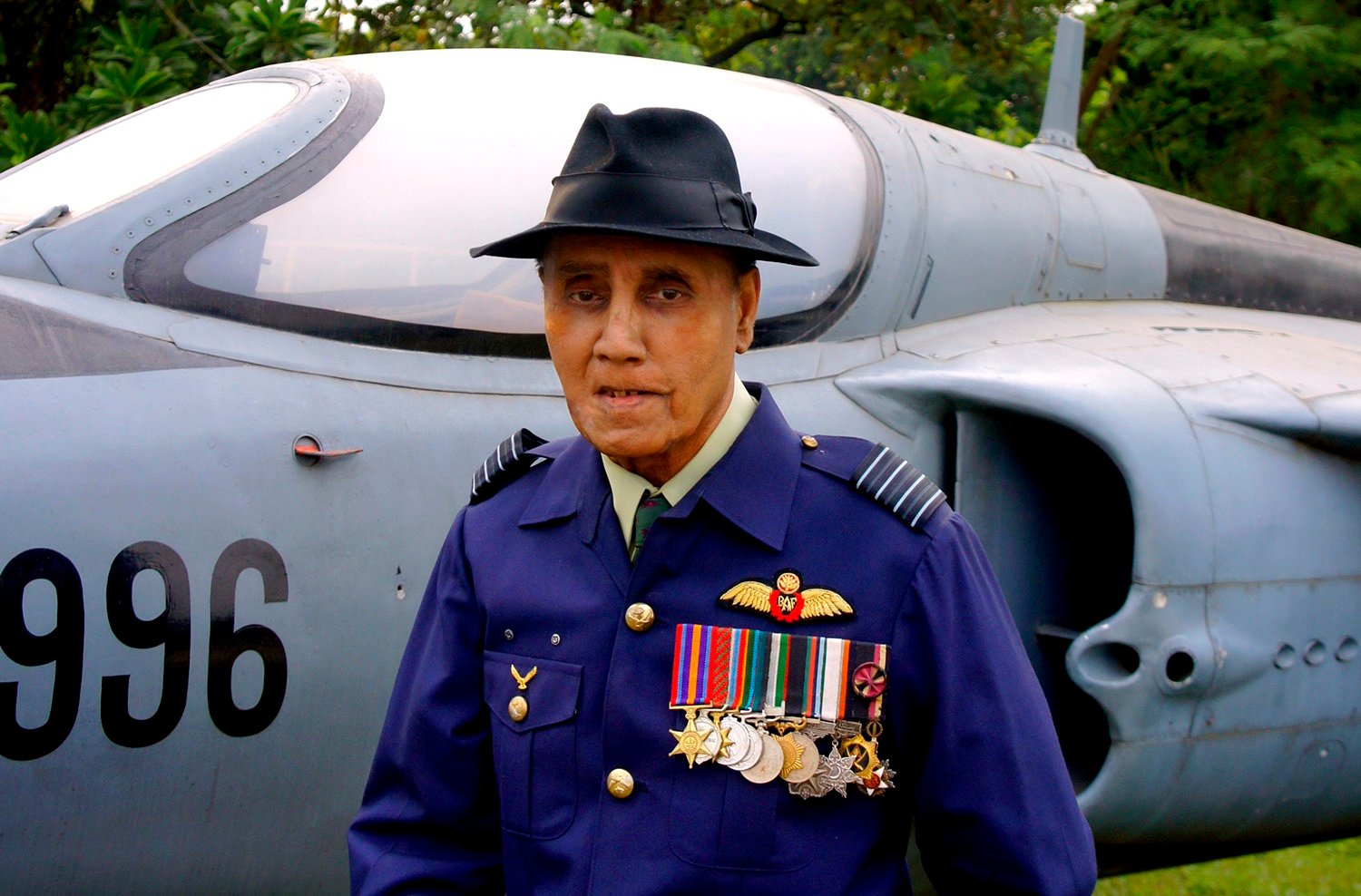
    Palestinian activists are mourning the loss of legendary fighter pilot Saiful Azam, who was awarded Sitara-i-Jura’at for his heroics in the 1965 war against India, and breathed his last in Bangladesh capital Dhaka earlier this week.

    The 80-year-old retired group captain died at his residence, local newspaper Jugantor said. He had been suffering from various old-age complications for a long time.

    Bangladeshi army’s mouthpiece Inter Service Public Relation Directorate also confirmed the death to Anadolu Agency over the phone.

    “We came to know about his death but we have not published it on our official web page as he is a retired official,” ISPR Director Lt. Col. Abdullah Ibn Zaid said.

    Pakistan Air Force Chief of Air Staff Air Chief Marshal Mujahid Anwar Khan expressed heartfelt grief on the demise of the great war veteran, according to a press release by PAF’s media wing. The air chief paid rich tribute to Azam, saying that the former fighter pilot will always be remembered for his professionalism and his part in the 1965 Indo-Pak and 1967 Arab-Israel wars.

    A unique figure in the history of Bangladesh, Azam fought in wars as a fighter pilot in three different countries — Jordan, Iraq and Pakistan. 

    During the 1967 Six-Day War, he was the only pilot to have downed four Israeli aircraft.

    On June 5, 1967, four Israeli jets were descending on Jordan’s Mafraq airbase to smash the country’s tiny air force, shortly after the entire Egyptian air force had been destroyed.

    Jordanian air force commanders deployed Azam to thwart the attack, shooting down two aircraft. He was shifted to Iraq two days later to defend air bases, where he shot down two more Israeli planes.

    Mourning him on Facebook, Palestinian historian Osama al-Ashqar hailed Azam as a great airman.

    “Our brothers in Bangladesh and Pakistan were our partners in resistance and defending the Al-Aqsa Mosque,” he added. 

    Palestinian professor Naji Shoukri posted on his Twitter prayers mourning Azam. 

    “Saiful Azam loved Palestine and fought for the sake of Jerusalem,” said Shoukri, saluting him and wishing him God’s grace.

    Renowned Palestinian journalist Tamer al-Mishal lauded Azam called him “the Eagle of the Air”.

    In recognition of Azam’s contributions, he was conferred with military awards by Jordan and Iraq. The United States (US) also gave him the Living Eagles title in 2001 for his outstanding skills.

    After the cessation of Bangladesh from Pakistan in 1971, the veteran pilot joined the Bangladesh Air Force to serve his homeland. In 1980, he retired and joined the civil service and later took up a political career.

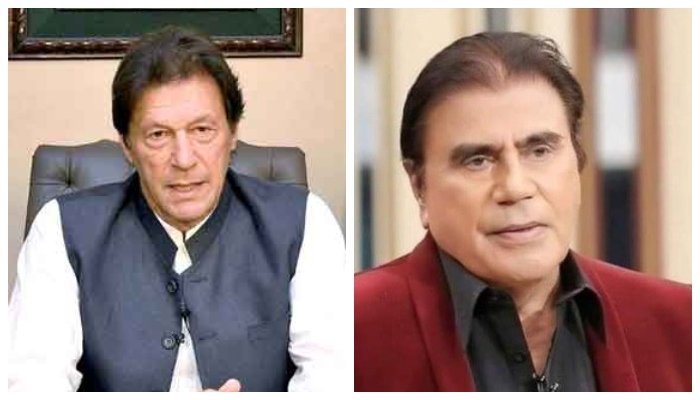
  • 1997: When Tariq Aziz defeated Imran Khan by a margin of over 45,000 votes

    1997: When Tariq Aziz defeated Imran Khan by a margin of over 45,000 votes

    Veteran actor and television host Tariq Aziz passed away in Lahore on Wednesday.

    He was 84 years old and was admitted to a private hospital last night after he fell critically ill. The cause of his death, however, has not yet been ascertained.

    Born in 1936 in British India, Aziz received his early education in Jalandhar (now in India) before starting his career at Radio Pakistan in Lahore. When state-owned Pakistan Television (PTV) started its broadcast in 1964 from Lahore, he became the first male news announcer of the country.

    In 1974, Aziz started the first-of-its-type game show, Neelam Ghar, from PTV. The show went on to register unprecedented heights. It was later rebranded as Tariq Aziz Show in 1996 before finally renamed Bazm-e-Tariq Aziz in 2006.

    Aziz also tried his luck in movies. He starred in Insaniyat (1967) alongside Waheed Murad and Zeba, following which he played a leading role in Haar Gaya Insaan.

    He received the Pride of Performance award in 1992 for his services.

    TARIQ AZIZ VS IMRAN KHAN:

    Unprecedented fame as a radio and television personality was, however, not it for Aziz who also went on to contest general elections in the 90s.

    He was active in student politics during his college days and had joined the Pakistan People’s Party (PPP) in 1970. In those days, Aziz was called a “firebrand socialist” known for charging up crowds with revolutionary slogans at Zulfikar Ali Bhutto’s rallies. However, later he parted his ways and went back to the entertainment world. In 1996, he joined the Pakistan Muslim League-Nawaz (PML-N) and was later elected member of the National Assembly from Lahore.

    Imran Khan, after founding Pakistan Tehreek-e-Insaf (PTI) in 1996 fielded himself from multiple seats in the 1997 general elections.

    Only from Lahore, Imran contested from NA-94 and NA-95 seats where he suffered defeats at the hands of Tariq Aziz and then PML-N president Nawaz Sharif, respectively.

    He received 4,595 votes against Aziz’s 50,227, paving way for Aziz’s election to the Lower House.

    Aziz was also one of the political activists who were charged with attacking the Supreme Court of Pakistan building in 1997.

  • ‘Hit-and-run’: Road accident in Islamabad further heightens Indo-Pak tensions

    ‘Hit-and-run’: Road accident in Islamabad further heightens Indo-Pak tensions

    • Two Indian High Commission officials detained briefly after running over pedestrian in Islamabad on Monday
    • Both officials of non-diplomat status handed back to Indian High Commission owing to diplomatic immunity while Indian reports claim they were let go off after New Delhi pressurised authorities in Pakistan
    • India had earlier claimed harassment and assault of officials and raised concerns over alleged abduction in response to expulsion of two Pakistan High Commission officials over ‘espionage’ in New Delhi

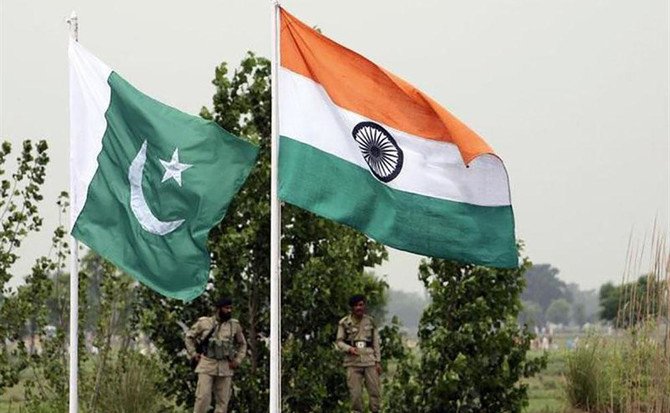
    A road accident in Islamabad has further heightened Indo-Pak tensions as diplomatic ties between the two neighbours continue to deteriorate ever since New Delhi’s abrogation of Article 370 for the annexation of held Kashmir last year in August.

    As per the details, Islamabad Capital Territory (ICT) police on Monday arrested two staff members of the Indian High Commission (IHC) over their involvement in a hit-and-run incident.

    A vehicle, reportedly a BMW, hit a pedestrian walking on the embassy road at around 8 am. The two staffers, identified as Silvades Paul and Dawamu Brahamu, tried to flee after the incident but were caught by bystanders and handed over to local police.

    The critically injured pedestrian, whose identity has still not been revealed, was shifted to a nearby hospital for treatment.

    Eyewitnesses said the car was being driven irresponsibly and had gotten out of control due to speeding on Khayabane Suhrawardy.

    While it is said that the police were initially unaware that the two accused belonged to the IHC, an FIR [First Information Report] registered at the Secretariat police station of the federal capital, a copy of which is available with this scribe, revealed that one of the officials also possessed Rs10,000 worth of counterfeit currency.

    Local police later informed the Foreign Office (FO) about the incident. However, on Monday evening the two staffers, neither of whom were diplomats, were released because they had diplomatic immunity.

    The two reportedly belong to India’s Central Industrial Security Force (CISF). A sixteen-member specialised security unit from CISF has been deployed at the Indian High Commission in Islamabad since 2009 for the protection of the high commission and diplomats posted here.

    Both were booked by the police for reckless driving, causing injury due to negligent driving, and possessing fake currency.

    It is pertinent to note that officials at the FO were initially unaware of the development, while Indian media reports claimed that the two officials had been abducted and shifted to an undisclosed location.

    Amid Indian claims that the “missing” officials were let go off after torture and New Delhi pressurising Islamabad against the alleged abduction, officials, including the assistant sub-inspector concerned, deny the claims saying it was “nothing but regular action against two people accused of hit-and-run besides possession of counterfeit currency”.

    Pakistan was further asked to return the two Indian staffers along with the official car to the high commission.

    Deputy Superintendent of Police Iqbal Khan said the Indians were detained and shifted to the police station for completing the legal process.

    The FIR also suggests the same.

    Deputy Inspector General (FIG) of Police Operation Waqaruddin Syed said that both the detained Indians were hours later released from the police custody after confirming their status from the FO.

    PAYBACK?

    “The officials were out for an official work before they went missing. The Indian government has taken up the matter with Pakistani authorities,” said Indian reports earlier in the day as they hinted at the possibility of “payback” in response to India declaring two officials of the Pakistan High Commission (PHC) in New Delhi “persona non grata requiring them to leave India within 24 hours” alleging that they had been found guilty of espionage.

    Pakistan had condemned the Indian government’s decision to expel the staff members as part of a “persistent anti-Pakistan propaganda”.

    Islamabad had said that the two staff members of the Pakistan High Commission in New Delhi were “lifted by the Indian authorities today (31 May 2020) on false and unsubstantiated charges”. They were subsequently released after the Pakistan High Commission intervened.

    “We condemn the detention and torture as well as threatening and pressuring of the diplomatic officials to accept false charges,” the FO had said.

    DIPLOMATS AND RASH DRIVING:

    Earlier this year, an SUV belonging to the United States (US) Embassy drove into a car on a main artery of the federal capital, killing a woman and injuring five members of her family.

    The police arrested the Pakistani driver of the US Embassy, named Amjad Zaman, and registered a case against him at Margalla police station.

    Accidents involving vehicles belonging to diplomatic missions, especially the US Embassy, have been frequent in recent years and in most cases the drivers got away unpunished by invoking diplomatic immunity.

    In April 2018, a motorcyclist was killed after being hit by a vehicle driven by the military attaché at the US Embassy in Islamabad.

    In Feb 2013, an SUV driven by an administrative assistant at the US Embassy hit two motorcyclists near Kohsar Complex on Margalla Avenue, killing one of them and injuring the other.

    In July 2010, an officer attached to the US Embassy’s Force Protection Department hit and killed a young man riding a motorcycle on 7th Avenue.

    In 2011, a Central Intelligence Agency (CIA) contractor, Raymond Davis, caused countrywide outrage after he killed two persons when he ran over a motorcycle in Lahore. The deadly incident had strained ties between Washington and Islamabad. Davis went scot-free after paying blood money to the families of the victims.
  • ‘Unrealistic and meaningless’: Economists react to PTI govt’s second federal budget

    ‘Unrealistic and meaningless’: Economists react to PTI govt’s second federal budget

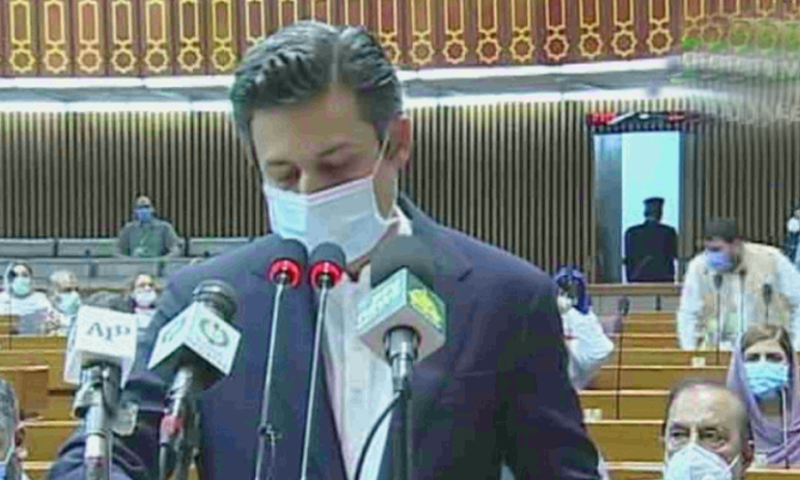
    The Pakistan Tehreek-e-Insaf (PTI) government has unveiled a Rs7.13 trillion budget for the upcoming fiscal year, which was presented before the parliament by Industries Minister Hammad Azhar amid opposition members’ protest against the same for being “anti-people”.

    But while the budget, which Prime Minister (PM) Imran Khan’s team claims will bring relief to the masses in coronavirus times, is drawing mixed reactions from political leaders and the general public, what do economists have to say about it?

    MUZZAMMIL ASLAM:

    “Given the GDP [gross domestic product] projections (2.1%) for next year, it is apparent that the government has failed to provide impetus to the economy. This has highlighted resource constraints the current government is facing. The government is basically relying on the stimulus of 1.2 trillion it provided during COVID-19 and is now consolidating its finances due to [the] IMF [International Monetary Fund] programme.”

    YOUSUF NAZAR:

    “Budget making has been reduced to a meaningless annual ritual given the overall dismal performance in meeting the targets, a performance which had little to do with the pandemic. Given that Pakistan’s economy is contracting for the first time in history, I had hoped that the government will come up with a plan to revive growth. A big near term risk to growth is the locust attack. I don’t see anything in the budget to help the agriculture sector face this threat. On a broader note, the government seems lost and overwhelmed by the economic contraction. I don’t see how it succeed in meeting the revenue target through privatisation when the business confidence is so low and the premier appears to be, honestly, clueless about we need to do to reform the economy, reset spending priorities and revive confidence in the government.”

    FARHAN BOKHARI:

    “It is an unrealistic budget that is based on an unrealistic tax collection target. The budget should have included a bold plan to cut losses in public sector companies and an equally bold plan for tackling losses in the energy sector. Pakistan additionally needs an emergency plan to raise agricultural productivity as agriculture is the only sector of the economy that has recorded some growth. Such big moves require a national political consensus which is missing as the premier refuses to talk to other mainstream political leaders.”

    According to Hammad Azhar, the Federal Board of Revenue (FBR) revenue target for next year has been kept at Rs4.95 trillion, while defence allocations amount to around Rs1.3 trillion.

    READ: Twitter loses it over Rs1.29 trillion budget for defence, Rs83.63 billion for education

    The federal development programme has been budgeted at Rs650 billion to support growth prospects.

    The budget for fiscal year (FY) 2020-21 comes at a time when the country is battling the COVID-19 pandemic that has served a severe blow to the economy. According to reports, it has been formulated considering the impact of the virus and to give relief to the citizens, as part of which no new taxes have been imposed.

    Check out the budget document here.

  • Fakhar-e-Bannu: Mardan appoints first female AC in 50 years

    Fakhar-e-Bannu: Mardan appoints first female AC in 50 years

    Hailing from KP’s Bannu district and stationed in Mardan Gul Bano is serving the people the best way she can. Gul Bano is the first female Assistant Commissioner in the 50-year history of Mardan Tehsil.

    Gul Bano was called ‘Fakhar-e-Bannu (Pride of Bannu)’ soon after she passed her Competitive Superior Services (CSS) exams. In an interview with Independent Urdu, Bano said, “After clearing my CSS exams, I was worried about what the villagers would think. But now they are proud of me and after seeing my photos on social media, they call me ‘Fakhr-e-Bannu’.”

    https://twitter.com/theSahira_/status/1176935618296909824?s=20

    Gul Bano’s success has paved a way for other girls in her area. Gul Bano completed her early education from City Model School, Peshawar. Then she did her intermediate from Jinnah College for Women. She then went to Peshawar University from where she obtained an MBA degree.

    Speaking to the media outlet, Gul Bano said that she developed an interest in Civil Services after her brother passed the exam.

    Her husband Dr Zahidullah was also appointed as a district police officer (DPO) in Mardan, the same district where Gul Bano is serving as assistant commissioner for the past eight months.

  • Twitter loses it over Rs1.29 trillion budget for defence, Rs83.63 billion for education

    With the Pakistan Tehreek-e-Insaf (PTI) government unveiling its second budget in the National Assembly (NA) on Friday, Twitterati are losing it over nearly Rs1.3 trillion being allocated for defence against not even Rs84 billion for education in the Rs7.13 trillion budget for fiscal year (FY) 2020-21.

    One trillion equals 1,000 billion.

    DEFENCE BUDGET:

    According to Dawn, the government has proposed Rs1.29 trillion defence allocation for the next fiscal year, representing an 11.8 per cent increase over the original allocation for the outgoing year. Federal Minister for Industries Hammad Azhar, while presenting the budget in the National Assembly, said that defence and internal security have been given adequate attention in the budget.

    The military had last year forgone a major hike because of the economic challenges then facing the country and settled for a raise of 4.74 per cent, but by the end of the year, it had overshot the allocation by 6.33 per cent.

    The original allocation for last year was Rs1.15 trillion, but according to revised figures presented before the lower house of parliament, about Rs1.23 trillion had been spent. It has now virtually become a norm for actual defence spending incurred in a year to be higher than the original allocation.

    EDUCATION BUDGET:

    Meanwhile, the government has earmarked Rs83.363 billion for Education Affairs and Services against the revised allocation of Rs81.253 billion for the current fiscal year, showing an increase of around 2.5 per cent. The country’s public expenditure on education as a percentage to gross domestic product (GDP) is estimated at 2.3 per cent in the fiscal year 2019-20, which, according to reports, is the lowest in the region.

    An amount worth Rs70.741 billion has been allocated for Tertiary Education Affairs and Services in budget 2020-21, which is 84.9 per cent of the total allocation under this head, while Rs2.931 billion have been earmarked for pre-Primary & Primary Education Affairs, Rs7.344 billion for Secondary Education Affairs & Services and Rs1.237 billion for administration.

    Since the federal government only finances higher education after the 18th Amendment when education as a subject was devolved to provinces, the government has increased the budgetary allocation for the higher education sector from Rs59 billion in 2019-20 to Rs64 billion for the next fiscal year. According to the budget documents, Rs29.470 billion have been earmarked for the Higher Education Commission (HEC) under the Public Sector Development Programm (PSDP) for 2020-21.

    TWITTER REACTS:

    With the nearly 1447.62 per cent difference between the spending on defence and education not sitting well with many, here’s how Twitterati are reacting:

    Some also highlighted how the government had allocated only Rs70 billion for combating the coronavirus and other disasters at a time when dozens were losing their lives to the virus across the country every day.

    What do you think of Budget 2020? Let The Current know in the comments.

    You can go through the budget document here.

  • Out-and-about Nawaz now spotted at London park

    Former prime minister (PM) Nawaz Sharif, who was allowed to leave the country for treatment despite his conviction and subsequent imprisonment in a National Accountability Bureau (NAB) case against him, has been advised to engage in physical activity and take daily walks as lockdown rules have eased in the United Kingdom (UK).

    Two days after Nawaz’s personal physician Dr Adnan Khan said that the ex-PM had been in self-quarantine due to his vulnerable age and a history of cardiovascular and metabolic disease, he was seen taking a walk at a park in London, which according to Adnan, had been advised by his doctors in the UK.

    “Now, as lockdown is eased & authorities are allowing to go out for health reasons, PM #NawazSharif is medically advised to take regular physical activity & should manage walks daily for physical well-being as essential in the management of Heart Disease, Diabetes & Hypertension,” Dr Adnan had tweeted earlier this week.

    The picture doing rounds over the internet showed Nawaz with his son Hussain Nawaz, grandson and two others, taking a walk.

    He did not have a mask on.

    “Former PM Nawaz Sharif has complex cardiac and carotid artery disease with significant co-morbidities, including diabetes, hypertension and chronic renal disease,” Dr Adnan told The News.

    Due to the UK government’s previous rules on lockdown amidst coronavirus pandemic, he was in self-quarantine at residence. Since the rules have been relaxed, his consulting doctors have advised him to take regular exercise and daily walks as an essential part of the disease management.

    “It is very unfortunate that controversy is made when an under treatment patient is out for a walk. While there’s little doubt that the intent behind leaking the picture was mala fide, in reality, had an opposite effect and a glimpse of Nawaz Sharif infused new life into his followers and workers.”

    Last week, a fresh picture of Nawaz at a roadside cafe in London had sparked a debate about his health. In the picture, he was seen sitting at the roadside eatery with his granddaughters, sporting a blue shalwar kameez and a cap. As the picture went viral on social media, it sparked a debate about the former premier’s health with his detractors asking why he does not return to Pakistan if he is well and roaming on London streets, while his supporters expressed joy at seeing their leader in good health and spirits.

    Dr Adnan, who left for Pakistan two weeks ago, said that he would soon return to London, as the former PM has to undergo planned cardiac intervention and further in-hospital treatment. He said that all possible necessary precautions guided by the consultants and international health advisories have been taken by Nawaz during walks and exercises.

  • ‘Our relief package is as large as your country’s GDP,’ India reacts to Imran’s offer to share Ehsaas project

    ‘Our relief package is as large as your country’s GDP,’ India reacts to Imran’s offer to share Ehsaas project

    — Islamabad regrets negative remarks by New Delhi regarding goodwill suggestion by PM Imran

    In a stinging reply to Prime Minister (PM) Imran Khan’s offer of sharing with India his government’s cash transfer project technology to help the poor amid the coronavirus crisis, New Delhi has said that the size of its economic relief package during the pandemic is as large as Pakistan’s Gross Domestic Product (GDP).

    “Pakistan would do well to recall that they have a debt problem which covers 90% of their GDP. As far as India goes, our stimulus package is as large as the GDP of Pakistan,” said Anurag Srivastava, a spokesperson for India’s Ministry of External Affairs (MEA), on Thursday.

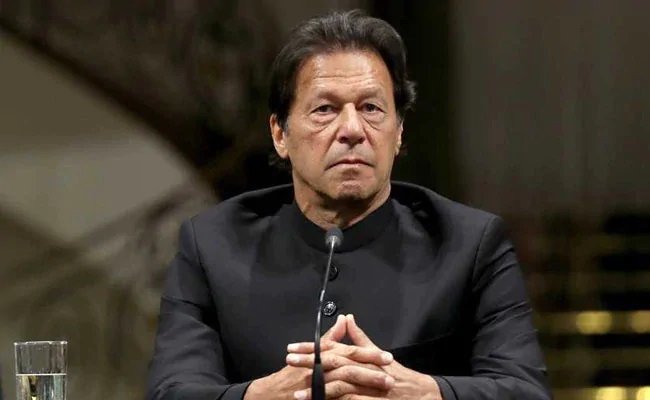
    Imran had earlier in the day tweeted a news report published in an Indian daily highlighting the suffering of a section among the poor in India due to the economic challenges posed by the COVID-19 outbreak, saying that his government was willing to help with its successful cash transfer programme, which he boasted was recognised internationally.

    “I am ready to offer help and share our successful cash transfer programme, lauded internationally for its reach and transparency, with India,” the premier had said while sharing the report as per which 34 per cent households across India will not be able to survive for more than a week without assistance.

    He had said his government successfully transferred Rs120 billion in nine weeks to over 10 million families in a transparent manner to deal with the economic fallout of the virus.

    ISLAMABAD REACTS TO NEW DELHI’S RESPONSE:

    In response to New Delhi’s reaction to the premier’s offer, the Foreign Office (FO) regretted “negative remarks by the MEA spokesperson regarding a goodwill suggestion by the PM to share Pakistan’s successful experience in ameliorating the impact of COVID-19 on the poorest sections of the society”.

    “Remarks by the MEA spokesperson reflect an unprofessional attempt at point-scoring over a serious issue that involves the lives of millions of poor people in the subcontinent, worst affected by the COVID-19 pandemic,” read a statement issued by the FO on Friday.

    THE REPORT:

    A study titled “How are Indian households coping under the COVID-19 lockdown? Eight key findings”, carried out by experts at the University of Pennsylvania, the University of Chicago and the Mumbai-based Centre for Monitoring the Indian Economy (CMIE) reveals that nearly 84 per cent of Indian households are seeing decreases in income since the lockdown began. Nearly a third of all households will not be able to survive beyond a week without additional assistance.

    “Direct and immediate transfers of food and cash are a very high priority,” said Heather Schofield, assistant professor of medical ethics and health policy at the Perelman School of Medicine and a Wharton professor of business economics and public policy.

    When a nationwide lockdown began in late March, India’s Ministry of Labour and Employment asked private and public organisations not to terminate jobs on the pretext of prevailing conditions. But these pleas hardly made any difference and large-scale retrenchments that took place as cope with the contagion.

    However, the study found a “sharp and broad negative impact on household income” as the pandemic diminished their staying capacity, adding that the unemployment rate in the country had crossed 27 percent in early May, up nearly four-fold from levels in January-February.

    The fall in incomes affected people in the lower and middle segments of the income distribution most severely, the study found. “Households in the lowest of the five income groups had average monthly per-capital earnings of less than Rs3,800 (about $50), while those at the high end made between Rs12,374 and upwards of Rs100,000 ($167 to $1,370 and more).”

    Households in the middle-income groups are hurt disproportionately more perhaps because they are most likely to be dependent on sources of income that are hit due to the lockdown, the study’s authors stated.

    Rural households have seen disproportionately more distress than those in urban India during the lockdowns. Incomes have fallen at some 88% of rural households, compared to 75% of urban households, the study found.

    Only 30% of households are able to survive one month or more without additional assistance. “Crucially, 14% of the sample is already out of funds and risks immediate and severe deprivation if they are unable to borrow or receive additional benefits,” the report warned.

    “Rapid distribution of in-kind or cash transfers is needed to prevent a sharp increase in malnutrition and severe deprivation. Such transfers will also likely promote a more robust recovery as the country is able to reopen.”

    The need for additional resources is also affected by where the household is located. “The urban poor have the least time before their resources are depleted,” the study said.

    Nearly two-thirds of urban households that earn less than median income households will run out of resources in two weeks. Rural households in similar income groups have relatively more resilience, the study found, as 54% of them have sufficient resources for the same period of time.

  • Millions of years old sabre-toothed fish discovered in Pakistan named after a witch

    Millions of years old sabre-toothed fish discovered in Pakistan named after a witch

    An ancient fossil of the sabre-toothed anchovy fish unearthed in Pakistan has been named after a  witch because of its long, pointy teeth.

    An almost 50-million-year-old fossil of another type of fish of the same species was found in Belgium.

    A complete fossil or fossil of Belgium and another partial fossil has been found in the Salt Range of the Salt Mountains of the Punjab Province of Pakistan. According to experts, the teeth of this fish, like the big and pointed teeth (Saber Tooth) Tiger, were large and unusual which made it a dangerous predator and it used to hunt small fish. The strange thing is that today this kind of creature has almost no teeth and it lives by eating microscopic objects floating on the sea.

    Experts led by Alessio Capobianco, a PhD student at the University of Michigan’s Department of Earth and Environmental Sciences, said the fossil was 45 million years old, according to Capobianco’s research paper in the Royal Society’s research journal.

    The paper indicated that the fossil was discovered in “Rakhi Nala on the east side of the Sulaiman Range in the Dera Ghazi Khan” in Punjab.

    “One meter in length, it lived in the shallow seas of Pakistan 45 million years ago,” said Capobianco.

    According to an analysis, the ancient anchovy had a row of fine teeth in its lower jaw and a single, long, and pointed one in the upper jaw.

    In present-day, however, the same species is tiny, has almost no teeth, and consumes microscopic objects floating in the sea. It forms the second-largest population among fishes of Pakistan.

    According to WWF Pakistan Technical Adviser (Marine Fisheries) Moazzam Khan, it’s an integral part of pizza around the world and is also used in various other types of fish-based meals.

    “It eats insects by sifting through the water,” Khan said.