Tag: Pakistan

  • Fans spot ‘Virat Kohli’, ‘Usman Shinwari’ in Ertuğrul

    Fans spot ‘Virat Kohli’, ‘Usman Shinwari’ in Ertuğrul

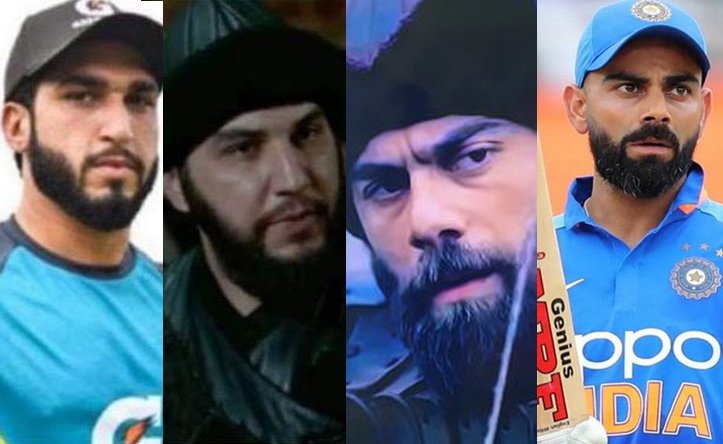
    As Diriliş: Ertuğrul fever continues to grip Pakistanis, fans have now started pointing out how two of the show’s characters look a bit too much like two South Asian cricketing stars… and to be honest, the resemblance is truly uncanny!

    READ: Pakistanis lose it over ‘un-Islamic’ Instagram of ‘Diriliş: Ertuğrul’ star

    While many took to Twitter to point out how much a character from the show resembled Pakistan’s left-arm fast bowler Usman Shinwari…

    …another cricketing star, Mohammad Amir, cannot seem to help but wonder if Indian skipper Virat Kohli is also there in the series.

    While the Indian batsman is yet to respond, here’s what Twitterati are saying:

    Turkish historic drama series Diriliş: Ertuğrul has been trending ever since its first episode aired on PTV Home. Pakistanis are loving the drama series and it has become a sensation in the country to the point that PTV is now aiming to set a new record with the series.

    In an exclusive interview with The Current, Pakistan Tehreek-e-Insaf (PTI) Senator Faisal Javed Khan revealed that Turkish President Recep Tayyip Erdoğan had gifted the drama series to Pakistan as a goodwill gesture.

  • COVID-19 & industry: Current situation and the way forward

    In the previous two years, Pakistan had started to pick its pace at a slightly high point and the economy had started to improve.  Both the current account along with the non-oil current account had continued to improve after exchange rate reforms while sectors with the highest forward linkages i.e cement, iron and steel, had started to show an upward spike in production.

    The fiscal side also seemed to strengthen over a period of time while growth in revenue collections at all levels, especially direct taxes, was also witnessed.

    However, with the ongoing coronavirus pandemic raising its ugly head, the meager growth achieved is now threatened.

    According to a World Bank (WB) assessment, the global impact of COVID-19 can reach $347 billion (0.4 per cent of Global GDP). Nearly all regions suffer a double-digit decline in trade volumes in 2020, with exports from North America and Asia hitting the hardest. But it is important to note that this hit was majorly experienced by countries with sizable exports due to trade problems while Pakistan has a low global value chains (GVC) exposure to the world, especially to People’s Republic of China (PRC), which means it has suffered lesser trade disruptions so far.

    Trades have fallen steeper in sectors with complex value chains, particularly electronics and automotive products.

    According to Urban Unit’s spatial industrial data, currently, 18 per cent of the industries in Pakistan are operational. These include the fertilizer industry, agriculture, agriculture spare parts and export industry, all of which are operating under conditions of following certain standard operating procedures (SOPs) developed by the Punjab government. However, strict monitoring from the government will also be required as an exemplary practice of these SOPs which will further encourage the authorities to open up other capital-intensive sectors.

    On the monetary side, there are several efforts made by the government. Under a federal package, a Rs100 billion relief package has been provided to small and medium-sized enterprises (SMEs) and the agriculture sector along with concessional loans. Money is allocated to lower the input cost for farmers along with a Rs12,000 monthly package with facilities of panagahs [shelter homes] and langar centers [soup kitchens].

    The Punjab government has also implemented tax reductions as all forms of GST have been removed from online platforms, businesses and services related to HR; deferment of tax has been implied for properties and CVT & stamp duties have been reduced to 2 per cent on property transactions, construction industries, hospitals and medical consultants. In addition to these, the State Bank of Pakistan (SBP) has provided relaxation in export schemes (EFS & LTFF) and has enhanced liquidity for exporters while providing extensions in the time period to ship and import goods against advance payment.

    The central bank has also reduced its interest rate from 13.5 per cent to 9 per cent.

    However, there are some further actions that the government can take in order to improve the current economic situation. A regulatory framework can be adopted keeping in view some of the best international practices from where many risk management practices can be learnt to determine the best price discovery (for example, the United States has dropped the interest rate to 0 per cent).

    Secondly, allowing ease of entry for institutional capital in order to broaden the depth of the market i.e. attracting FDIs in newly established special economic zones in Faisalabad, Bhalwal, Vehari and Rahim Yar Khan by simplifying provincial and federal procedures. Thirdly, the role of aggregators, producers and organisations can be improved for better price negotiations for SME’s.

    Fourth, access to foreign capital should be made easier and distortions should be minimised by developing linkages with the international markets. That means ease of doing business index, logistic performance index and reduced lead time for exports should be commenced. Lastly, e-markets should be developed where participants can access both international and domestic markets. An e-commerce policy at the provincial level must be put in place with incentives to increase documentation of economy and online trade at B2B B2C and C2C levels.

    It is to be noted that Pakistan is not alone in this economic downfall. It is vital to have a positive outlook on the situation and prepare for the future with better resilience. Effective policies and active preparedness can give impetus to the post-pandemic industrial revival.

  • Pakistani pharmaceutical company to manufacture Remdesivir, only drug approved to treat coronavirus

    Pakistani pharmaceutical company to manufacture Remdesivir, only drug approved to treat coronavirus

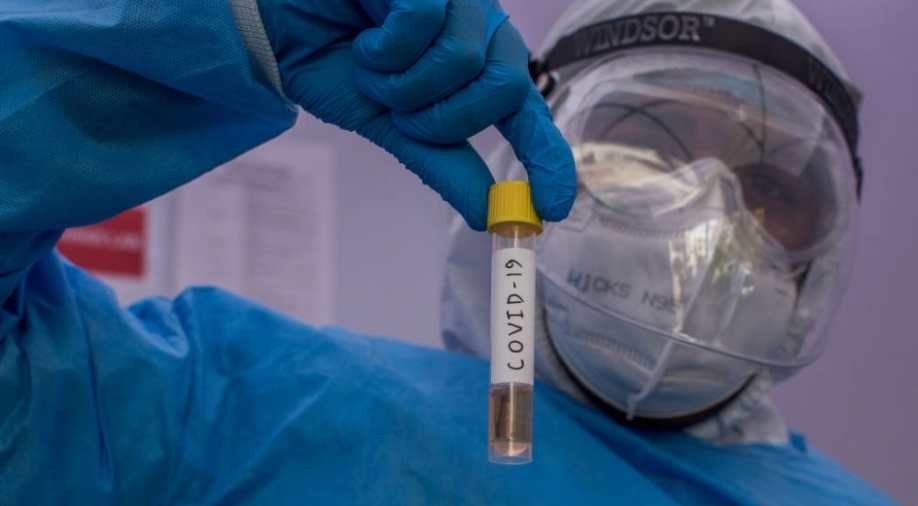
    A local Pakistani company will manufacture Remdesivir, an international drug being used to treat coronavirus patients, in less than two months, Special Assistant to Prime Minister (SAPM) on Health Dr Zafar Mirza announced as five companies in the world were granted the license to manufacture the medicine.

    “American company Gilead has manufactured this drug and it has proven effective in treating coronavirus patients,” he said during a press conference. “It is said that the use of the drug has reduced the intensity of the virus by 30%.”

    “Among the five companies [granted the license to manufacture the drug] one of them is a Pakistani company,” he said, referring to it as a “breakthrough news”.

    He said that the medicine will be available for COVID-19 patients in Pakistan after it is registered within six to eight weeks and manufactured in the country.

    “It will not only be available for patients in Pakistan but the plan is to export this drug to 127 countries,” he said. “Pakistan will be among three countries in the world to produce and export this to 127 countries. This is a big breakthrough and this is big news for coronavirus patients in Pakistan, who are increasing by the day and are expected to increase more.”

    Ferozsons Laboratories Limited CEO Osman Khalid Waheed said that it would be the company’s aim to sell the drug at the least cost, The News reported.

    Adviser to the PM for Commerce, Textile and Investment Abdul Razzak Dawood said that it was a proud moment for Pakistan and the country’s pharmaceutical industry that a Pakistani company had been made the licensee of the coronavirus drug.

    He said that it was the government’s aim to diversify exports and that included pharmaceuticals. “It is not only good news for the people of Pakistan but for countries around the world.”

    ‘FREE CORONAVIRUS VACCINE’:

    Meanwhile, PM Imran Khan has joined the more than 140 signatories of a letter saying any vaccine for COVID-19 should not be patented and the science should be shared among nations.

    The World Health Assembly, the policy-setting body of the UN’s World Health Organisation (WHO), holds its annual general meeting next week.

    The signatories, which include incumbent and former world leaders, called on the World Health Assembly (WHA) to rally behind the cause.

    “Governments and international partners must unite around a global guarantee which ensures that, when a safe and effective vaccine is developed, it is produced rapidly at scale and made available for all people, in all countries, free of charge,” the letter said.

    “The same applies to all treatments, diagnostics, and other technologies for COVID-19.”

    The letter was signed by Senegalese President Macky Sall and Ghanaian President Nana Akufo-Addo. Former presidents and premiers among the signatories included Shaukat Aziz, Jan Peter Balkenende, Jose Manuel Barroso, Gordon Brown, Helen Clark, Felipe Gonzalez, Ellen Johnson Sirleaf, Aleksander Kwasniewski, Mary McAleese, Olusegun Obasanjo and Juan Manuel Santos.

    The letter comes amid fury in France after French pharmaceutical giant Sanofi said it would reserve the first shipments of any COVID-19 vaccine for the United States (US).

    The multinational’s chief executive Paul Hudson said the US would get first dibs because its government was helping to fund the vaccine research, drawing outrage from officials and health experts.

    The letter ahead of the WHA said it was not the time to leave the task of resolving the pandemic to market forces or let the interests of wealthy companies and governments come before the need to save lives.
  • Historic first: No cars sold in Pakistan in a month

    Historic first: No cars sold in Pakistan in a month

    In a historic first, not even a single car was sold in Pakistan during April 2020 as countrywide lockdowns due to the coronavirus continued to take a toll on the economy, and consequently, the automobile sector, SAMAA quoted analysts as saying.

    According to data from Pakistan Automotive Manufacturers Association, the lockdowns resulted in the closure of plant operations along with car dealerships across the country. Car sales in the last 10 months ending April dropped by 52% compared to the same period of the preceding financial year, Topline Securities said in a report, adding that motorcycle sales were also affected.

    “The auto industry sold 39 units in April, which only included trucks and buses,” Inter Market Securities (IMS) said in a separate report, noting there were no passenger car sales due to the lockdown that came into force on March 24.

    Tractor sales were down 30% in April compared to the same month of 2019. “The decline in [tractor] sales was probably because of a partial lockdown, which was later eased for the tractor industry given its links to the agriculture sector amid harvesting season,” it said.

    READ MORE: Coronavirus may never go away, WHO says

    “With the easing of lockdowns in the country effective May 11, we expect sales to resume for the last two weeks of May,” IMS said. It, however, added the sales are expected to pick up in the first half of 2021. This is because Indus Motor Company, the makers of Toyota in Pakistan, and Honda Car Pakistan Limited increased prices recently and Pak Suzuki Motor Company is likely to follow suit. But analysts at IMS also said the reduction of more than 4% in interest rates may help auto-financing pick up earlier than expected.

    Similar situations have been reported across the globe as COVID-19 continues to affect global economy and spell misery for consumers.

    According to BBC, the United Kingdom’s (UK) motor industry has been in suspended animation for weeks. Showrooms have been closed while vast factories, which normally produce hundreds of cars every day for sale here and abroad, have been standing idle.

  • Jemima reacts after Amir Mateen tries to give her parenting advice

    Jemima reacts after Amir Mateen tries to give her parenting advice

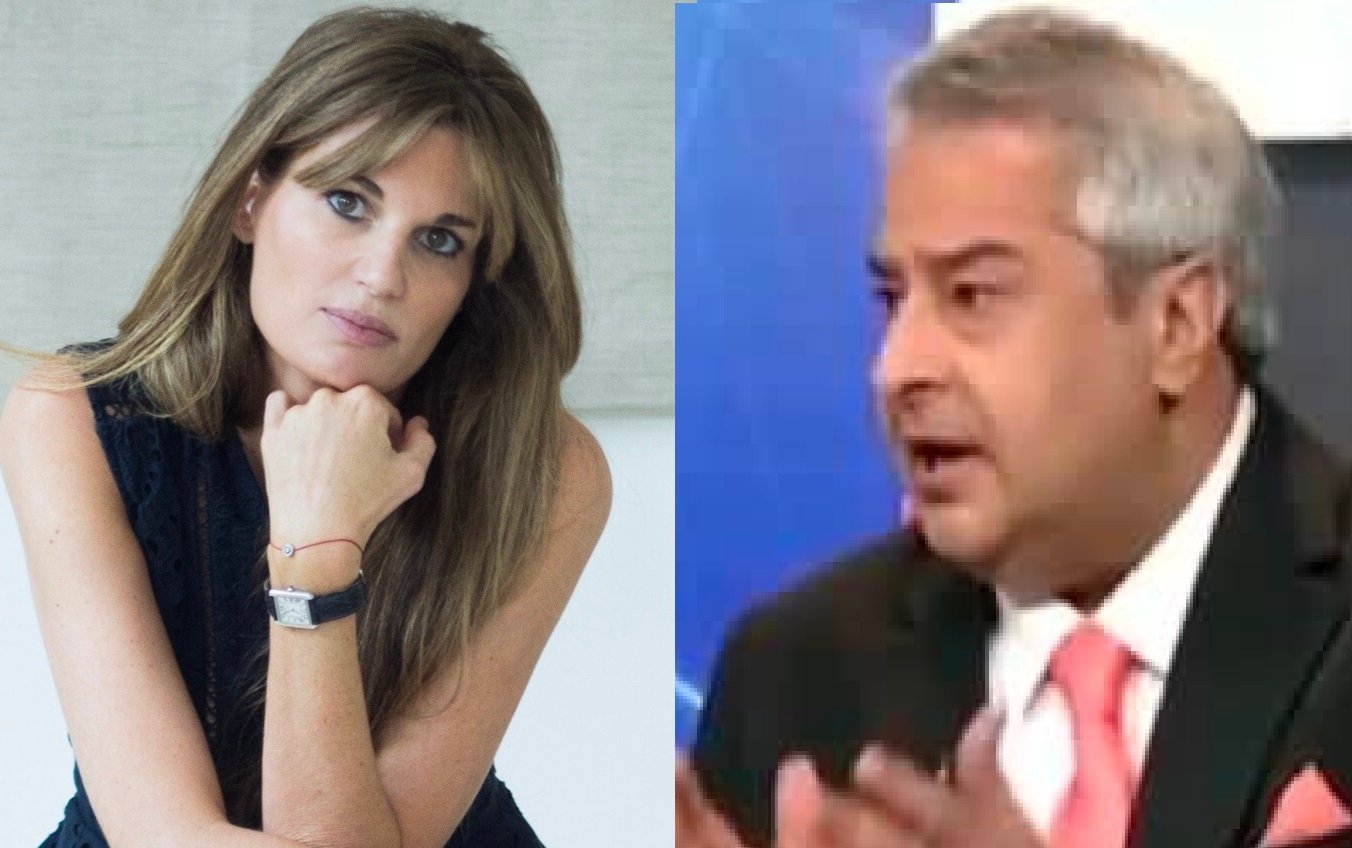
    British journalist, film producer and former wife of Prime Minister (PM) Imran Khan, Jemima Goldsmith, has reacted to senior Pakistani journalist and analyst Amir Mateen trying to give her what seemed to be parenting advice.

    As per the details, Jemima recently tweeted about how her son is relieved that he can now play sports “but only with her [due to the lockdown]”, drawing reactions from Pakistani Twitterati among whom she remains immensely popular even years after her separation with cricketer-turned-politician Imran.

    Among netizens reacting to the tweet was Mateen, who said:

    “Sad. He should have [a] normal life and pursue his interests,” Mateen tweeted, which did not seem to sit very well with Jemima.

    Here’s what Mateen had to say in response:

    “It was a joke. [British PM] Boris Johnson announced this eve you can play sports but only with members of your own household,” Jemima said in a subsequent tweet.

    In response to which, Mateen made Jemima realise how “she had lived here long enough to understand that even her jokes are taken seriously in Pakistan”.

    But all’s well that ends well…

    What do you think of this discussion? Let The Current know in the comments.

  • Coronavirus patients can now stay at home in Punjab

    Coronavirus patients can now stay at home in Punjab

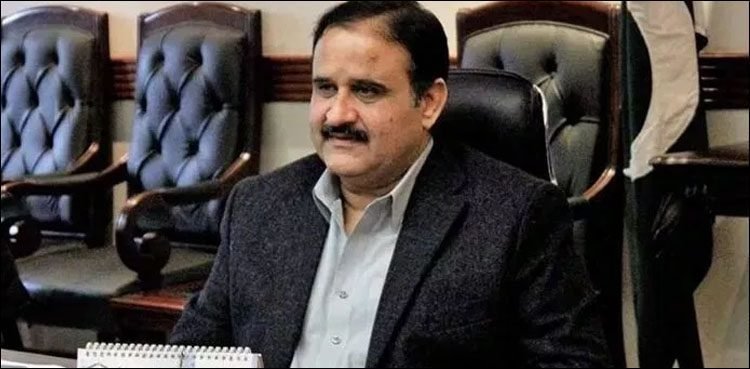
    Punjab Chief Minister (CM) Sardar Usman Buzdar has given his permission for coronavirus patients with mild symptoms to quarantine themselves at home rather than being admitted to a government facility.

    According to a notification issued by the Punjab Primary and Secondary Healthcare Department, the Punjab chief minister, on the directions of corona expert advisory group and technical working group, has advised for following standard operating procedures (SOPs), devised by the International Health Organisation (IHO) for home isolation.

    He said that the patient would be kept in isolation under the supervision of the district health authority concerned in his or her house where all necessary facilities were available.

    He said that such hotels, school buildings, mosques, hostels and community centres could also be used for isolation where all necessary facilities were provided by the government which would also take the responsibility to disinfect the buildings on a daily basis.

    “However, buildings, where cooling and heating systems can cause the spread of the virus, cannot be used for isolation,” he made it clear.

    Buzdar said that solid waste of patients would be disposed of according to the given guidelines.

    The CM said that food would be provided to the patient in only disposable packs. He said that decision of home isolation of any patient would be made by home isolation committee, formed by the assistant commissioner of the area and assistant commissioner or his representative, DDO Health and chief officer of the area concerned would be members of the committee.

    “Population Welfare, Livestock, Excise and Taxation staff would monitor and report about the isolation committee and three isolation committees would be formed in one union council in which at least one doctor would also be a member of the committee, whereas one committee would be constituted in a rural union council with one doctor in it,” the CM said.

    The chief minister said that the committee would also review space for keeping patients in home isolation according to the number of family members whereas the family would be informed about the SOPs before allowing any patient home isolation.

    “The patient would be bound to inform the authorities about his condition on a daily basis and testing protocol would be mandatory for the patient,” he said.

    The chief minister said that the period of home isolation would be for 10 days and for removal of home isolation conditions, the patient had to show at least two negative corona tests and after the termination of home isolation, another test would be conducted after five days.

    In case of non-availability of the test, the patient would have to stay in quarantine for more than two weeks.

  • Meera is back in Pakistan

    Meera is back in Pakistan

    After being stranded in New York for several weeks, Meera has managed to return to Pakistan on a special flight arranged by the Government of Pakistan to repatriate stranded Pakistanis in the United States.

    Read more – Meera says she wants to die in her own country, appeals to PM Imran for help

    In a video message posted to Instagram, the actor shared that she is back in Pakistan and gave a special shoutout to the Pakistan Embassy in Washington and the New York Consulate for assisting her. Meera appreciated the work of the Pakistan Embassy and Consulate in the US and said that they facilitated her – and all other stranded passengers – at every step. She also requested people not to pass negative comments or lash out at them because they are trying to do their best to help everyone as much as they can.

    https://www.instagram.com/p/CAGl83fjaA6/

    Last month, Meera had appealed to Prime Minister Imran Khan to bring her back home. In a video message, the actor had said that she was stranded in New York for the past two months and that she was running out of resources and funds to sustain herself. Meera urged the Government of Pakistan to facilitate her journey back home as soon as possible because New York was turning into a graveyard and she did not want to die in a foreign land.

    Read more – Meera in New York: An update from Times Square

    Meanwhile, Ambassador of Pakistan to the US Asad Khan had earlier shared pictures and videos of the first special flight taking off from the US for Lahore.

  • Pakistanis lose it over ‘un-Islamic’ Instagram of ‘Diriliş: Ertuğrul’ star

    Pakistanis lose it over ‘un-Islamic’ Instagram of ‘Diriliş: Ertuğrul’ star

    With hit Turkish series ‘Diriliş: Ertuğrul’ continuing to grip Pakistan ever since it was released in the country in Urdu on Prime Minister (PM) Imran Khan’s advice to “help youngsters connect with their roots”, the Instagram handle of one of the show’s stars has left many in the country “disappointed”.

    As praise pours in for the historical fiction over the internet by both celebrities and general public, fans have started following the show’s actors on social media.

    Amid all the hype, a group of fans, who apparently do not understand the concept of acting, is having a meltdown because actors, who play different characters in the show based in the pre-Ottoman era, are much different in their real lives of the 21st century.

    Among these characters is Halime Sultan played by Esra Bilgiç, who a couple of weeks ago posted on her Instagram a picture that wasn’t very well-received by her fans in Pakistan.

    Here are some of the reactions by Pakistanis:

    Some also apologised on behalf of their countrymen:

    Meanwhile, owing to the show’s popularity in Pakistan and after hitting millions of YouTube subscribers, the team behind the series has urged fans for more subscriptions in order to hit the world record for “most subscribers on YouTube in a month”.

  • Pakistan Army major passes away of coronavirus

    Pakistan Army major passes away of coronavirus

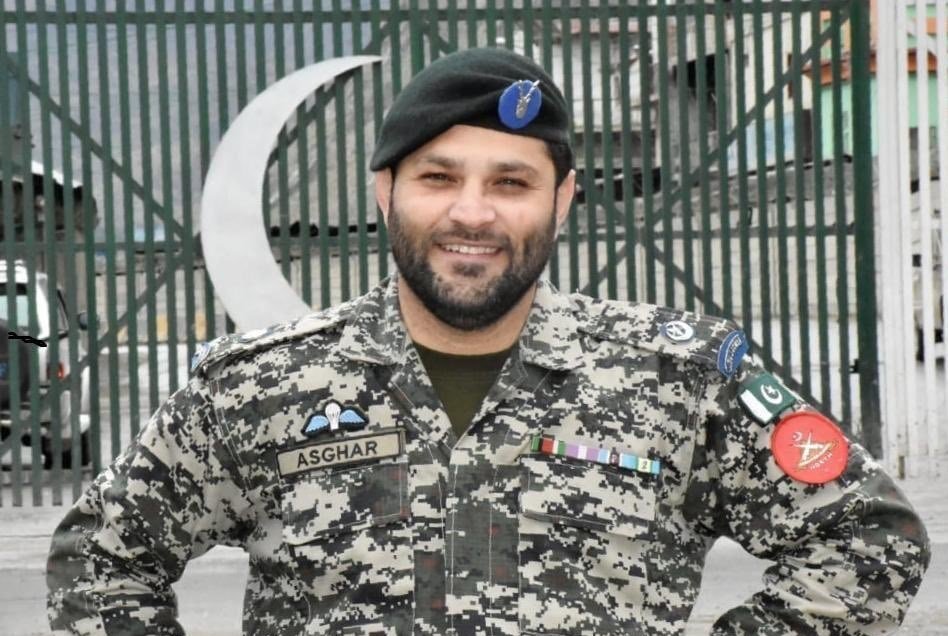
    Major Muhammad Asghar “laid his life in the line of duty at Torkham border” after losing the battle against coronavirus, Inter-Services Public Relations (ISPR) reported Sunday. 

    “Major Muhammad Asghar laid his life in the line of duty at #Torkham border in fight against #COVID-19. Evacuated to CMH Peshawar with breathing problems, was put on ventilator but succumbed to Corona Virus. There is no cause bigger than serving the Nation,” the media’s military wing tweeted. 

    Pakistan climbed to the 20th spot on the global coronavirus ranking on Sunday after the nationwide tally of COVID-19 patients crossed 30,000 after Sindh reported 709 new cases.

    Asghar is the first security official to have lost his life in the war against the pandemic in Pakistan.

    By the time this report was filed, the country had reported 30,446 COVID-19 cases with 662 fatalities.

  • Not-so-‘smart lockdown’

    Not-so-‘smart lockdown’

    More than 30,000 confirmed cases of coronavirus have been reported in Pakistan with over 600 deaths. The government has opted for a “smart lockdown” as both the number of cases and fatalities continue to increase on a daily basis, but nationwide lockdowns are also being eased with each passing day.

    Some government officials allude to the theory of herd immunity while others say that since the mortality rate of coronavirus is low in Pakistan, we must reopen the economy as the country cannot survive without it. We are left to our own devices now. You can choose to stay at home and in isolation if your work allows you to do it. Otherwise, go out but take precautions and hope that you don’t get coronavirus.

    We understand that the decision must not have been easy for the government but are we really preferring death over struggle?

    The world is also facing the brunt of easing lockdowns: South Korea warned of a ‘second wave’ of the coronavirus as infections rebounded to a one-month high on Sunday while coronavirus infections are rising in Germany days after the country eased its lockdown restrictions. These were two countries that had actually flattened the curve and had controlled the coronavirus cases to quite an extent.

    Imagine if the said countries — with the capacity of aggressive testing and better healthcare facilities — are struggling once again due to the second wave of the virus, what can happen in the near future in Pakistan — a country where a proper lockdown was hardly imposed for two weeks. Where the prime minister was against locking down from day one and where the ‘elite’ were blamed by the premier for somehow enforcing lockdown. Where the lockdown restrictions were eased but it led to everyone thinking that things were back to normal.

    Punjab is now allowing gyms, hair salons and barbershops to reopen again. If the administrations could not ensure that proper SOPs were followed in mosques during Ramzan, how will the local administrations ensure the same at barbershops or gyms or salons? While KP and Balochistan seem to be taking the pandemic lightly, hard-hit Sindh is also mulling opening markets.

    We talk of a ‘smart lockdown’ but we are not too smart, are we? People follow rules when they are enforced and properly implemented. They follow government instructions when the government is not giving out mixed messages or confusing messages. First, we tell them that only old people die of coronavirus, then we tell them that coronavirus doesn’t kill too many people and then we say well, even if it kills people, we must not give up hope and we need to go back to work because… economy.