Tag: Pakistan

  • Rishi Kapoor’s unfulfilled wish: a visit to Pakistan

    Rishi Kapoor’s unfulfilled wish: a visit to Pakistan

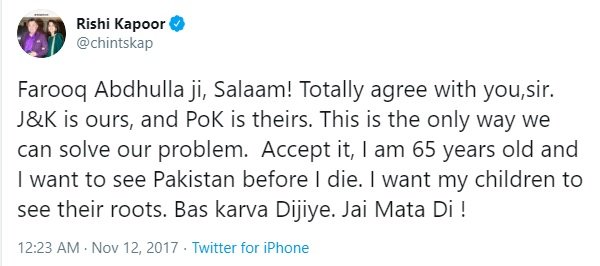
    With a heavy heart, the world has bid goodbye to veteran actor Rishi Kapoor, who breathed his last Thursday morning. A few hours after his death, an old tweet of the actor surfaced in which he expressed his desire to visit Pakistan so that his children can see their roots.

    IN PICTURES: Rishi Kapoor’s funeral

    In the tweet, shared in November 2017, Kapoor appeals to Kashmiri politician Farooq Abdullah to solve the Kashmir issue so that he can visit Pakistan before he dies.
    Unfortunately, the actor passed away before that could happen and the past couple of years has seen Indo-Pak relations go from bad to worse.

    Rishi, himself had strong ties with Pakistan. Not only are his ancestral roots in the country but he was also connected with the people here especially via social media and often engaged in heated debate with them.

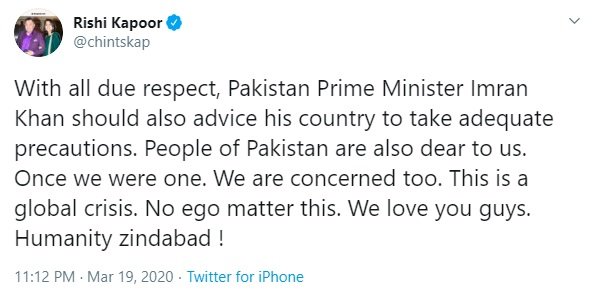
    A few weeks before his demise, Kapoor had asked Prime Minister Imran Khan to “advise his country to take adequate precautions.”

    “People of Pakistan are also dear to us,” the actor had written in a tweet.
    Rishi’s ancestral home, popularly known as the ‘Kapoor Haveli’ is located in Qissa Khwani Bazar, in Peshawar Pakistan. Rishi’s father Raj Kapoor, grandfather and patriarch of the Bollywood royalty Prithviraj Kapoor and grand uncle Trilock Kapoor were all born in this building. According to details, the house was constructed between 1918 and 1922 by Dewan Basheswarnath Kapoor, father of Prithviraj Kapoor. However, after the partition the Kapoors’ migrated to India.
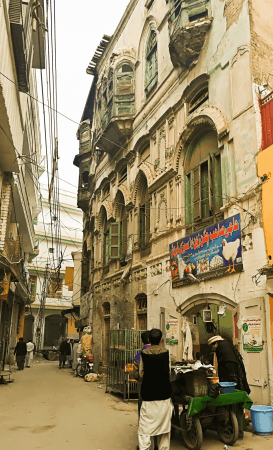
    The magnificent haveli has about forty rooms with exquisite overhanging balconies and astonishing floral motifs in its front.

    In 2019, Rishi had requested the Government of Pakistan to preserve his ancestral home and convert it into a museum.

    Minister of Foreign Affairs Shah Mahmood Qureshi, at that time, had said, “There was a call from Rishi Kapoor. He requested that his family’s home in Peshawar should be made into a museum or some sort of institution. We have accepted his request.”

    Similarly, Shehryar Afridi, who was serving as the Interior Minister at that time had shared that the actor had called him personally with his request.

    “He had called me and talked about making his ancestral home into a museum. Now the federal and provincial governments are working on this and will transform the house into a museum soon,” Afridi had stated.

    Rishi had last visited Pakistan with Shashi Kapoor and Randhir Kapoor in 1990. They had travelled to Peshawar to see their family’s house and also took some soil from the house to keep their heritage intact.

    Decades later, Rishi shared a picture from the visit on social media.

    Kapoor breathed his last a day after he was admitted to the hospital after he complained of breathing difficulties. The actor had been battling with cancer for a while now.

    Read more – Veteran Bollywood actor Rishi Kapoor passes away

    Announcing his demise, the actor’s family in a statement had said that he remained his jovial and entertaining self till the end and that he would “like to be remembered with a smile and not with tears.”

  • The Current wins Google’s innovation challenge, becomes only organisation from Pakistan to secure funding

    The Current wins Google’s innovation challenge, becomes only organisation from Pakistan to secure funding

    Pakistan’s fastest-growing digital media start-up, The Current, has won the Google News Initiative (GNI) Innovation Challenge, becoming the only media organisation in the country to have secured the coveted spot and that too within just a year of its launch.

    Under the challenge, Google received applications from over 255 news organisations and technology companies from across the Asia Pacific, including media giants like Japan’s Nippon Television Network, out of which 18 were selected to receive $2.3 million in funding.

    The first round of the challenge focused on diversifying revenue and saw dozens of examples of creative new approaches. The applicants were asked for proposals to increase reader engagement, which ultimately leads to greater loyalty and willingness to pay for content.

    The 255 strong submissions revolved around topics like user-generated content, community management, fact-checking and the use of technologies such as machine learning to tackle business challenges.

    As part of the project, The Current will develop a membership model that will be the first of its kind in Pakistan — with three levels of membership provided for its most avid followers. The plan is to provide content and training that members want, and also test a viable alternate stream of revenue for digital news startups.

    The challenge had been won by Jang Media Group in Pakistan last year. As part of the project, the media organisation developed state-of-the-art Artificial Intelligence (AI) and Augmented Reality (AR) platforms for digitising its historical news archives. The project was similar in scale and ambition to the New York Times collaboration with Google in transforming its archives.

    Here’s what you should know about the selected projects from 2020 and the previous years.

  • Resting the food panic amid COVID-19

    Resting the food panic amid COVID-19

    The global coronavirus pandemic has resulted in either a partial or full closure of most industries, wreaking havoc on the country’s economy. Though food scarcity is not a problem yet, during Ramzan, the closures can spell misery for people despite the government’s assurance of consistent supply. In order to simmer down the current food panic and hoarding of goods, it is to be ensured that the production and availability of essential goods are not halted by the arrival of COVID-19 in Pakistan.

    There are two sources of concern in this situation.

    First, despite growth in livestock, which contributes to almost 2/3 of the agricultural output in Pakistan and accelerated slightly to 4.0% in fiscal year (FY) 2019; agricultural production as a whole expanded by only 0.8%. Second, with COVID-19 escalating, Pakistan has recently suspended its trade and closed its borders, leaving many distressed and worrying about the shortage of essential Iftar items.

    In order to address the first concern, it is imperative to note that an overall decline in all sectors was already being witnessed before COVID-19. The slowdown in the agriculture industry was exacerbated by weaker demand and higher costs until the disease arrived. As for the shortage of essentials food items, Punjab alone is a mass producer of many food essentials that will be easily available during Ramzan. An analysis by the Urban Unit states the availability of most essential items from April to June 2020:

    • Tomatoes: Punjab’s production was recorded 1,38,397 tons during 2018-19
    • Potatoes: Punjab has 96.94% share in the total domestic production of potato and the total arrival in local wholesale markets was recorded at 510 to 515 trucks/day on an average
    • Garlic: Domestic production was recorded at 72,598 tons in 2018/2019.
    • Chilies: Production of chilies in Punjab is 11,698 tons
    • Onions: 20% in total domestic production
    • In addition to these, all forms of meat and dairy will be available as 3.7 million litres of milk are supplied per day and the daily supply of beef and mutton is 518,861 tonnes and 130,000 tonnes per day, respectively.

    Under essential items, rice is the only commodity that is expected to suffer a blow by the pandemic, but it is harvested in September. All vegetables and fruits such as capsicum, cabbage, cauliflower, bittergourd, cucumber, turnip, guava, melons and strawberries will be available in an abundant amount.

    While no serious panic has been witnessed in consumer behavior in Pakistan unlike in Europe or the United States (US), the government must exercise extreme vigilance on supply-demand trends during Ramzan. There should be no hoarding, and a robust price control mechanism must be put in place at the grass-root level by respective provincial and district administrations.

    For example, the Food Department of the Punjab government has taken effective and strict measures and warned of a crackdown on unnecessary stock holdings.

    So far, collective efforts by the Food Department along with the Deputy Commissioner’s Office and the Industries Department have led to the collection of fines worth Rs2,883.71 million from accumulators of food items, out of which Rs882.03 million was collected within just 40 days i.e. from March 1 to April 9.

    In an attempt to reduce the current wheat prices, the department is further identifying and disqualifying ghost mills from the official quota and borders are also being sealed, barring wheat transportation outside the province and ensuring food security.

  • From interior to info, health, telecom, power, civil aviation among others: Military men serving Pakistan

    From interior to info, health, telecom, power, civil aviation among others: Military men serving Pakistan

    With former military bigwig Lieutenant General (r) Asim Bajwa being appointed as the special assistant to the prime minister (SAPM) on information and broadcasting earlier this week, the list of military men discharging their duties in various sectors to serve Pakistan has been added to.

    The development falls in line with the beliefs of various members of the ruling Pakistan Tehreek-e-Insaf (PTI), including PM Imran Khan and his federal ministers such as Fawad Chaudhry, who have time and again praised the armed forces of the country for being the most powerful and well-organised national institutions.

    While some elements appear bothered by the increasing list of both former and serving military officials working with the government at a time when civil-military relations in the country “stand at their historic best”, here is what you should know about those working to revamp different sectors for the cause of ‘Naya Pakistan’.

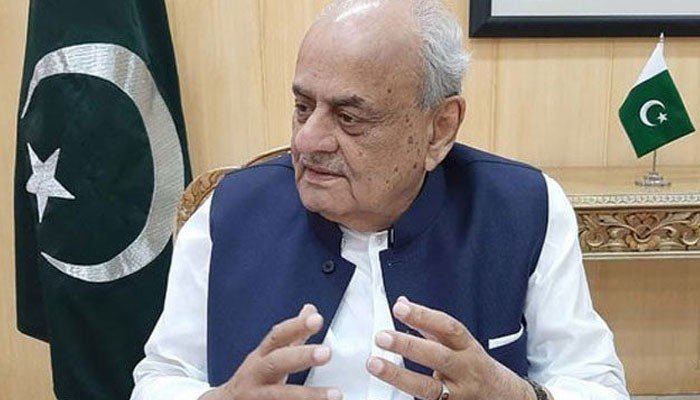
    Interior Minister Brigadier (r) Ijaz Shah:

    The Ministry of Interior, which is primarily responsible for implementing the internal policies, state security and administration of internal affairs involving the state, is being led by Brig (r) Ijaz Ahmed Shah. Prior to entering politics, Shah has served as a spy military officer of the Pakistan Army. He has also served as the minister for parliamentary affairs.

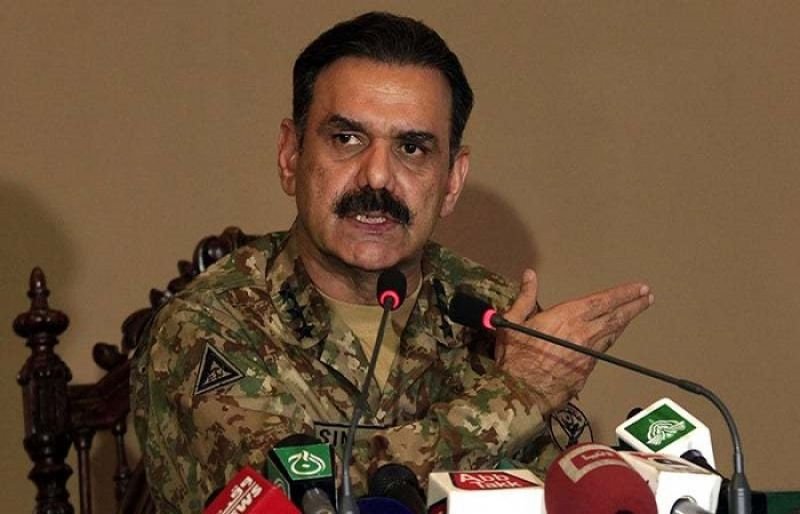
    SAPM on Information & Broadcasting Lt Gen (r) Asim Bajwa:

    Lt Gen (r) Bajwa, who replaced former information minister Dr Firdous Ashiq Awan as the premier’s media aide on Monday, is a retired three-star general. During his military career, he has served as the director general (DG) of the Inter-Services Public Relations (ISPR) as well as the commander of Pakistan Army’s Southern Command. He is also the chairman of the China-Pakistan Economic Corridor (CPEC) Authority.

    NDMA Chairman Lt Gen Muhammad Afzal:

    Lt Gen Muhammad Afzal of the National Disaster Management Authority (NDMA) — a federal authority mandated to deal with disasters and their management in the country — has risen to the occasion over the past few weeks as the coronavirus situation in Pakistan started worsening. Other than his experience with the Frontier Works Organization (FWO), he is qualified in international law of conflict with a special focus on civilian casualties and displaced persons.

    FROM CIVIL AVIATION TO HEALTH AND BEYOND:

    Among other not so familiar names are Squadron Leader (r) Shahrukh Nusrat, who is serving as an executive at the Civil Aviation Authority (CAA) after he was reappointed as the authority’s DG last year; National Institute of Health (NIH) Executive Director Maj Gen Dr Aamer Ikram, Air Marshal Arshad Malik, who is serving as the chief executive officer (CEO) of the Pakistan International Airlines (PIA); Water & Power Development Authority (WAPDA) Chairperson Lt Gen (r) Muzammil Hussain and Pakistan Telecommunication Authority (PTA) chief Maj Gen (r) Amir Bajwa.

  • 21 cops on Sunday, 92 health professionals in two days test positive for coronavirus

    21 cops on Sunday, 92 health professionals in two days test positive for coronavirus

    At least 21 Punjab Police officials on Sunday and 92 health professionals within the last two days have tested positive for the new coronavirus. The sudden spike in the number of health professionals contracting the virus has increased the national tally of infected doctors, nurses, paramedics and support staff to 345.

    As per the details of the infected cops, additional inspector general (AIG) operations has said that over 60 police personnel were tested for the virus, out of which 21 tested positive. One of the cops was deployed at the Central Police Office (CPO) whereas the results of many others are awaited.

    While cops dealing with masses are at a greater risk to contract COVID-19 and incidents of them falling sick have been reported from various parts of the country, health professionals remain on the frontline in the battle against the global pandemic.

    According to a Ministry of National Health Services, Regulation and Coordination official, the number of health professionals contracting the virus increased to 345 from 253 after new cases were detected among the medical community.

    The official said that doctors are the most-affected among healthcare professionals with over 165 of them now undergoing treatment across the country. As many as 131 members of paramedical and support staff, as well as 41 nurses, have also contracted the virus.

    Apart from the confirmed cases, more than 1,500 doctors, nurses, paramedics and those with whom they came into contact, are in quarantine. Many are waiting for their test results after coming into contact with health professionals who have already tested positive, the official said.

    They added that most of the cases of coronavirus among health professionals had been reported in Balochistan, Khyber Pakhtunkhwa (KP) and Punjab, while a few cases had also been reported in Sindh and the federal capital.

  • Lockdown, you still there?

    Lockdown, you still there?

    As per authorities, a lockdown is not only in place in Pakistan but has also been extended.

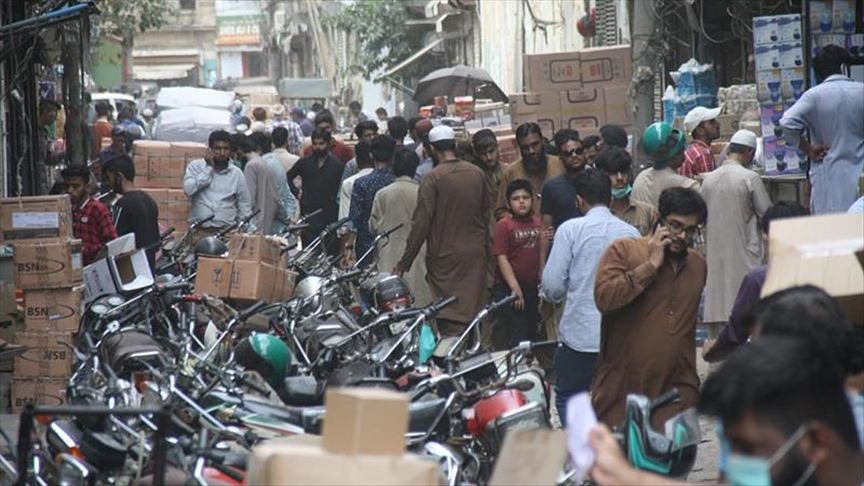
    Yet, there is no lockdown.

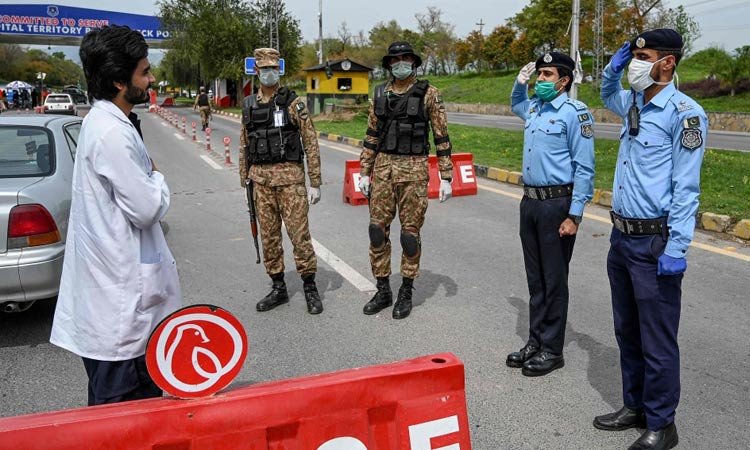
    We all know that when the federal and provincial governments imposed restrictions all across the country to curb the spread of coronavirus –COVID-19 –, most people followed the rules and stayed indoors. Less traffic was seen on the roads and consequently, the air quality became much better. But most importantly, the lockdown to some extent served its actual purpose in helping the authorities control coronavirus.

    Then in mid-April, the government announced that while the lockdown had been extended, some industries and shops ccould re-open. This led to ulema announcing that they too would reopen mosques and offer Taraweeh during the holy month of Ramzan. The government finally held negotiations with religious scholars and an accord was signed, as per which all mosques would have to follow 20 SOPs to remain open.

    A few days before Ramzan, senior doctors in Karachi held an urgent and heart-wrenching press conference. They said that after the lockdown was eased, a 40 per cent spike in coronavirus cases had been recorded from April 16-21. A 40 per cent increase in just five days. Imagine! The following day, senior doctors in Lahore also held a similar press conference and urged the government to consider imposing a stricter lockdown for the next two weeks.

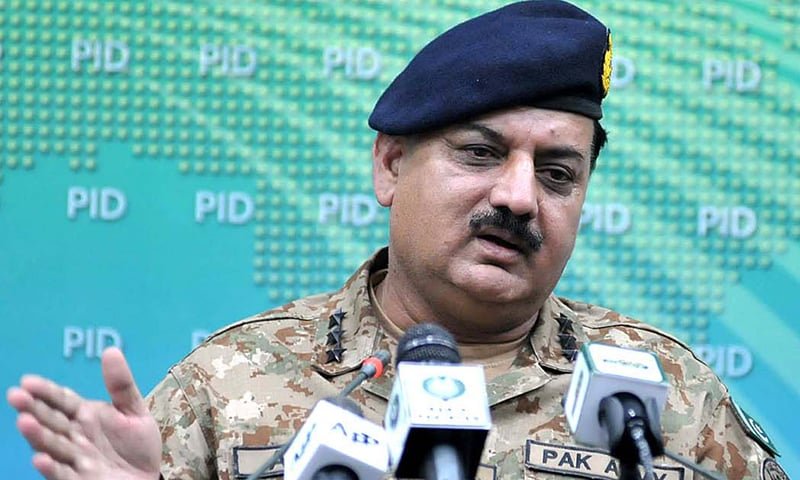
    All this came amid the government’s realisation of the fact that the number of cases in Pakistan is likely to increase by mid-May. The Inter-Services Public Relations (ISPR) chief also warned of this in his press conference.

    In view of what the medical community was saying, the Sindh government on Thursday night decided to go back to their old SOPs of allowing just 3-5 people — mosque administration — to offer prayers at mosques. The rest of the country has allowed resumption of congregational prayers due to Ramzan. Apparently, not all mosques are following the agreed-upon SOPs. According to a survey conducted by the Pattan Development Organisation and published by Dawn, more than 80 per cent of mosques in Punjab and the federal capital did not put in place the measures agreed upon by the government and ulema regarding first Taraweeh congregations on Friday.

    The government will eventually have to reconsider this relaxation in lockdown. We understand that the economic downturn due to the coronavirus outbreak and lockdown was something the government was worried about and rightly so. The choice between saving the economy and an increase in coronavirus cases is difficult. But we will have to make a choice. Pakistan has crossed 13,000 cases. The number of deaths is also slowly increasing. We must remain vigilant.

    An aside: In his dua during Prime Minister (PM) Imran Khan’s telethon to raise funds for coronavirus relief, Maulana Tariq Jamil came under fire for criticising media. He later apologised when different anchors conducted shows against what he had said, but what he didn’t apologise for and what was not even highlighted much either, was how he correlated women and ‘behayai’ (vulgarity) and then said this ‘azaab’ is a result of the vices that exist in our society.

    Minister for Human Rights Shireen Mazari rightly pointed out in a tweet that it was “absurd for anyone under any guise to even suggest the COVID-19 pandemic was a result of women wearing short sleeves or because of private schools/universities misleading the youth. This simply reflects either ignorance abt pandemics or a misogynist mindset. Absolutely unacceptable.”

    In a country where thousands of women are killed in the name of honour annually, where domestic abuse is on the rise, where crimes against women keep increasing instead of decreasing, blaming women for a pandemic is unacceptable.

  • COVID-19: Should we worry about Pakistan’s economy?

    The world has come to a screeching halt.

    The coronavirus pandemic has affected lives in so many different ways that no one could have imagined only a few months ago. Large metropolitan cities like New York and London seem like ghost towns right out of a Hollywood movie. Restaurants, cinemas and airlines have stopped operating and malls are deserted. People, no matter where they are, are just afraid to get out of their houses and carry on with normal life. It is no more a health crisis, and is instead, taking the shape of an unprecedented economic catastrophe.

    No one knows the exact scale of this catastrophe, but everyone knows that a major recession is in the offing.

    Pakistan is no exception and the International Monetary Fund (IMF) has projected a 1.5 per cent contraction in the country’s GDP this year, the first in over seven decades, whereas the World Bank (WB) estimates that it can be as much as 2.2 per cent. Next year would be no different and the economy is expected to post negligible growth, that too if we are lucky. However, even this guesstimate can very easily turn into further contraction, if the crisis continues to deepen.

    HOW TO UNDERSTAND COVID-19’s IMPACT ON PAKISTAN’S ECONOMY?

    In layman’s terms, there are two major ways in which the pandemic can affect the economy. The first is what’s happening outside the country, while the second is what’s happening inside. In other words, the effects on the economy can be driven by both global factors and domestic developments.

    If you remember the 2008 global financial crisis, which turned the world’s financial markets upside down, you would also remember that it did not have a major impact on Pakistan’s economy. That can be explained by our poor integration with the world’s financial markets, which has been a blessing in disguise. Therefore, one thing is certain that the impact of a global economic meltdown is going to have a much more diluted effect on Pakistan than other countries that are fully integrated into the global economy.

    There is no doubt that the country would sail through this storm, but not without a well-thought-out action plan to stimulate the economy and bring it back to life, once the crisis is over.

    Let’s look at the global travel and tourism industry, for instance, that is taking a major hit. But Pakistan hardly had any share in this market and therefore is not likely to get impacted much. Nevertheless, disruptions in economies of Pakistan’s export destinations like the United States (US) and Europe are having a major bearing on Pakistan’s exports. Export orders are being cancelled, leading to a serious dip in the country’s already flailing exports. Fall in workers’ remittances is another area that is going to adversely impact the country, as Pakistani workers in the Middle East and elsewhere suffer job losses.

    Now we come to the in-country crisis, the impact of which is going to be driven by the severity and duration of the disease outbreak and the state’s response to it i.e. the nature and duration of the lockdown and the restrictions imposed. The already imposed lockdown, though enforced unevenly, has affected the economy in a big way. Millions of jobs are at stake and daily wage workers, who in most cases already belong to a vulnerable segment, are likely to be the major sufferers of the crisis.

    The lockdown has also suppressed demand in a number of industries such as automotive, consumer goods and construction among others. But more significantly, services sectors like domestic travel and transport, retail and wholesale trade, and hospitality are the worst casualties with their business activities coming to a standstill.

    Suppressed economic activity is resulting in a significant revenue loss for the government, whereas massive emergency response and relief activities are driving the expenditures high. The fiscal deficit is likely to touch 10 per cent of the GDP, leaving hardly any money for development, while the debt-to-GDP ratio is expected to hit the roof on the back of substantially increased debt burden. And if the country has to impose a blanket lockdown again at some stage, owing to the worsening health situation, all these indicators could quickly go from bad to worse.

    It is time for us to start thinking about some difficult fiscal and economic reform sore points that we have been avoiding for years.

    However, there is also a silver lining. Looking at Pakistan’s GDP composition, there are quite a few sectors like agriculture, electricity generation and distribution, gas distribution, communication, government services etc that are going to be much more resilient to this crisis. Moreover, there could also be some windfall earnings from the global economic downturn. The unprecedented fall in global oil prices is likely to bring in some relief for the country through the reduction in import bill. Additionally, as the world gears up for providing relief to developing countries to fight the economic shock, Pakistan is likely to be one of the beneficiaries of debt relief measures and aid inflows. In fact, the country has already received $1.4 billion in rapid financing from the IMF.

    Nevertheless, we must realise that Pakistan was already facing a tough economic situation and COVID-19 hit the country just when macroeconomic indicators were beginning to stabilise. There is no doubt that the country would sail through this storm, but not without a well-thought-out action plan to stimulate the economy and bring it back to life, once the crisis is over. And this would need much more than what’s being offered in the recently introduced fiscal stimulus package. Moreover, we would need years of fiscal discipline and economic prudence before we are fully able to recover from this shock.

    Now is the time to start thinking about some of the difficult fiscal and economic reform sore points like bleeding state-owned enterprises, ballooning wage and pension bill, swelling circular debt and inefficient government machinery, that we have been avoiding for years.

  • Coronavirus: ‘Pakistan to start conducting 50,000 tests a day,’ says Lt Gen Afzal

    Coronavirus: ‘Pakistan to start conducting 50,000 tests a day,’ says Lt Gen Afzal

    National Disaster Management Authority (NDMA) Chairman Lieutenant General Muhammad Afzal has said that Pakistan will start conducting 50,000 coronavirus tests a day from next week as a meeting held at the National Command and Operations Centre has decided that virus detection kits would be provided to all departments concerned at the earliest.

    Speaking to journalists, the NDMA chairman said that earlier only those who showed symptoms of the coronavirus were being tested, but the authorities are now shifting to randomised testing for effective implementation of the government’s plans to curb the menace of COVID-19 that has so far claimed 251 lives in Pakistan and left over 12,000 people sick across the country.

    Lt Gen Afzal added that 800,000 testing kits were available and efforts were being made to procure more.

    On April 11, the NDMA received a medical consignment from China consisting of 59 ventilators, about 936 kilogrammes (kg) of surgical masks, protective suits, safety lenses, thermometers, and 1,720 kg of unstitched cloth for surgical gowns, all of which were distributed among provinces.

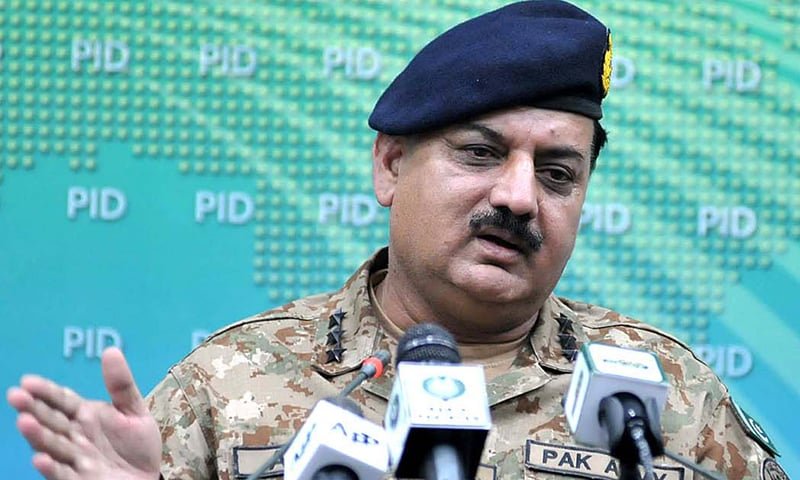
    Meanwhile, according to Inter-Services Public Relations (ISPR) Director General (DG) Major General Babar Iftikhar, Chief of Army Staff (COAS) General Qamar Javed Bajwa has instructed the military to help civilian administration during the holy month of Ramzan that has arrived amid the global coronavirus pandemic.  

    “COAS held a special conference at General Headquarters (GHQ) today where the overview of the coronavirus deployment and situation was taken into account. COAS instructed all commanders to ensures border security and carry out routine activities as per schedule,” the military spokesperson said while addressing a press conference on Friday.

    “The army chief gave the instruction to work with civil authorities to ease the difficulties being faced by the people during Ramzan,” he said.

  • PM Imran launches ‘Yaran-e-Watan’ for overseas health professionals

    PM Imran launches ‘Yaran-e-Watan’ for overseas health professionals

    The federal government has launched ‘Yaran-e-Watan’ to allow overseas Pakistani health professionals to support the country’s efforts to help fight the coronavirus pandemic.

    Taking to Twitter on Saturday, PM Imran said that Pakistani health professionals are on the frontline in the fight against COVID-19 across the world and they want to help the government to combat COVID19 in Pakistan.

    “We have launched YaranWatan initiative for our overseas health professionals who can now register to volunteer their services,” he wrote.

    Special Assistant to Prime Minister (SAPM) on Health Dr Zafar Mirza said, the initiative has been launched in collaboration with the Ministry of National Health Services, Regulations and Coordination, the Ministry of Overseas Pakistanis and Human Resource Development with support from the Pakistani diaspora health organisations.

    He said the platform will help utilise the full potential of the diaspora community, including medical doctors, nurses, pharmacists, administrators, health economists, public health professionals and other professionals, in developing Pakistan’s health sector.

    Meanwhile Tania Aidrus also encouraged doctors, both local and overseas, to offer their services to the country.

  • COVID-19 cases in Pakistan can rise to 200,000 by July, warns World Health Organization

    COVID-19 cases in Pakistan can rise to 200,000 by July, warns World Health Organization

    The number of estimated coronavirus cases in Pakistan can rise to 200,000 by mid-July if “effective interventions” are not taken, the World Health Organisation (WHO) has warned.

    According to WHO Director General (DG) Dr Tedros Adhanom, who was speaking at the launch of a virtual conference titled “Pakistan National Strategic Preparedness and Response Plan”, without effective interventions, there could be an estimated 200,000 cases by mid-July, the impacts of which on the economy could be devastating and double the number of people living in poverty.

    He said that the required funding for the plan was $595 million, which would be allocated to support various measures.

    “We must act in solidarity, with a coherent, coordinated approach,” Dr Tedros was quoted as saying.

    The statement from the global health body comes at a time when coronavirus cases in Pakistan have reached 10,982 with at least 230 fatalities.