Tag: Pakistani banks

  • Banks increase charges for ATM withdrawals from other banks

    Banks increase charges for ATM withdrawals from other banks

    For cash withdrawals at ATMs from banks other than the account’s host bank, some commercial banks have increased the per transaction cost from Rs18.50 to Rs23.44.

    Some banks have already begun charging their clients, while others are expected to do so within the coming weeks.

    The details indicate that commercial banks, including United Bank Limited (UBL), Askari Bank, Bank Al Habib, Meezan Bank, Bank of Punjab (BOP), Telenor Microfinance Bank, and National Bank of Pakistan (NBP), updated their schedule of charges and increased the fees on cash withdrawals made by customers of various banks through their ATMs.

    Banks like Bank Alfalah, MCB Bank, and Habib Bank Limited did not change the fees for cash withdrawals made through the Link 1 changeover. On the same account, these banks charge between Rs18.50 and Rs18.75 every transaction.

    These fees make up a substantial portion of 1-Link Switch as well as a small portion of a bank that operates an ATM that is utilised by clients of other banks to conduct transactions.

    Not all banks will necessarily use the same strategy. However, the majority of banks, are expected to gradually impose or increase the fees.
  • State Bank announces a five-day work week for banks

    State Bank announces a five-day work week for banks

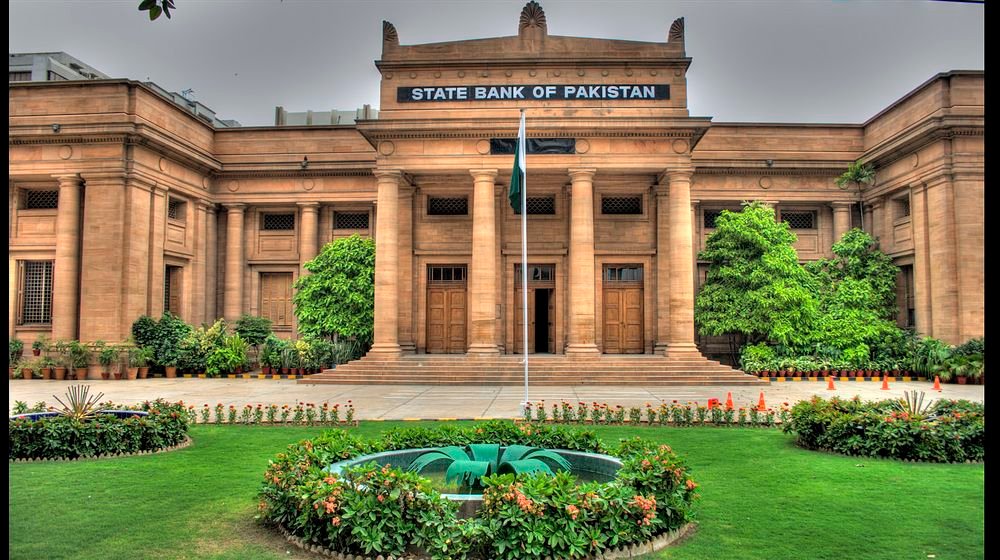
    The State Bank of Pakistan (SBP) on Friday announced bank timings with five working days. The notification from the State Bank came after the federal government decided not to reinstate the Saturday weekly off, and decided to go with six working days with decreased working hours.

    According to a notification issued in this regard, banks will observe office hours from 9am to 5:30pm Monday to Thursday with a prayer/lunch break from 1:30pm to 2:15pm.

    On Friday, banks will observe timings from 9am to 6pm with a prayer/lunch break.

    The Securities & Exchange Commission of Pakistan (SECP) offices will be open on Saturday, but the stock market and the business sector will operate on a five-day schedule and will be closed on Saturday.

    The Pakistan People’s Party (PPP) government implemented two-day weekly holidays in 2011 with the goal of conserving energy.

  • Expats remitting around $7m per day, PM told

    Expats remitting around $7m per day, PM told

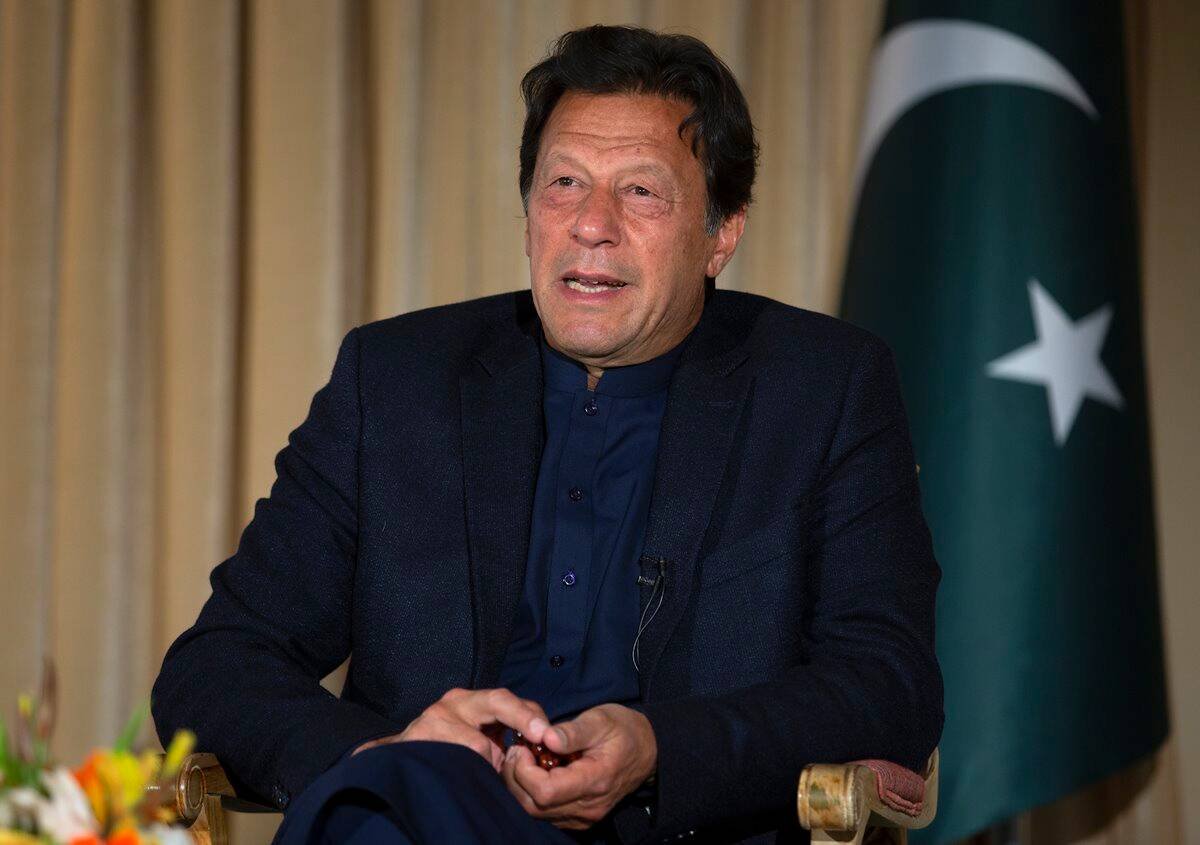
    Prime Minister (PM) Imran Khan said that 82,728 Roshan Digital Accounts (RDA) opened so far in 97 countries of different continents by the overseas Pakistanis.

    $436 million through these facilities have been remitted in digital accounts. On average, Pakistani expatriates are remitting around $6 to $7 million every day.

    The prime minister was presiding over a meeting to review the progress of the facilities made available for the overseas Pakistanis under the Roshan Digital Account.

    The facility was introduced under the vision of PM Imran and received encouraging response from overseas Pakistanis.

    The expatriates from Saudi Arabia (KSA), The United Arab Emirates (UAE), United Kingdom (UK), and the United States of America (USA) had taken lead in utilising the facility.

    The participants were apprised of the cooperation of ministries of Foreign Affairs and Finance, Overseas Pakistanis and Human Resource Development as well as the Federal Board of Revenue (FBR) in the success of Roshan Digital Account.

    The Roshan Digital Account (RDA) is the brainchild of the government of Pakistan and has been initiated by the State Bank of Pakistan.

    The RDA initiative aims at connecting the diaspora with Pakistan financially by facilitating their remittances and will operate in collaboration with eight leading commercial banks operating in Pakistan.

    The eight leading banks have been providing innovative banking solutions for millions so that they can open an account in any bank through an entirely digital and online process; without visiting a bank branch, embassy or consulate. All they need to do is submit the basic set of information and documents.

  • Six top Pakistani banks named in global money laundering leaks

    Six top Pakistani banks named in global money laundering leaks

    Six Pakistani banks have been named in an investigation on the role global banks play in money laundering by Buzzfeed News and the International Consortium of Investigative Journalists (ICIJ), for 29 suspicious transactions close to $2.5 million.

    The banks named are Allied Bank, United Bank (UBL), Habib Metropolitan Bank, Bank Alfalah, Standard Chartered Bank Pakistan, and Habib Bank (HBL). All the suspicious transactions took place in 2011 and 2012. 

    Buzzfeed News had shared with ICIJ more than 2,100 suspicious activity reports, or SARs, filed by global banks to the U.S. Treasury Department’s intelligence unit, the Financial Crimes Enforcement Network, known as FinCEN. 

    According to the investigation, global banks moved more than $2 trillion between 1999 and 2017 in suspicious payments, and flagged bank clients in more than 170 countries who were identified as being involved in potentially illicit transactions. 

    Banks file SARs when they believe a client is using services for potential criminal activity, though the filing in itself does not require a bank to stop doing business with a client. 

    According to the data revealed by ICIJ, 29 such suspicious transactions to and from Pakistan were flagged. Of those, the ‘received’ transactions amounted to $1,942,560, while the ‘sent’ transaction was $452,000.

    Allied Bank had 12 suspicious transactions flagged, receiving $1,001170; UBL had eight transactions flagged, receiving $399,620; Habib Metro had two transactions flagged, receiving $74,980; Bank Alfalah had three transactions flagged, receiving $99,480 and sending $452,000; Standard Chartered had four transactions flagged, receiving $199,860; and HBL had one transaction flagged, receiving $167,450. 

    Out of the 29 transactions, Standard Chartered filed 28 SARs with FinCEN, while The Bank of New York Mellon Corp., filed one. All of these transactions took place between September and December 2012, except for one transaction that took place in November 2011.