Tag: Pakistani Celebrities

  • Kuch Ankahi goes out with a bang, leaving audiences wanting more

    Kuch Ankahi goes out with a bang, leaving audiences wanting more

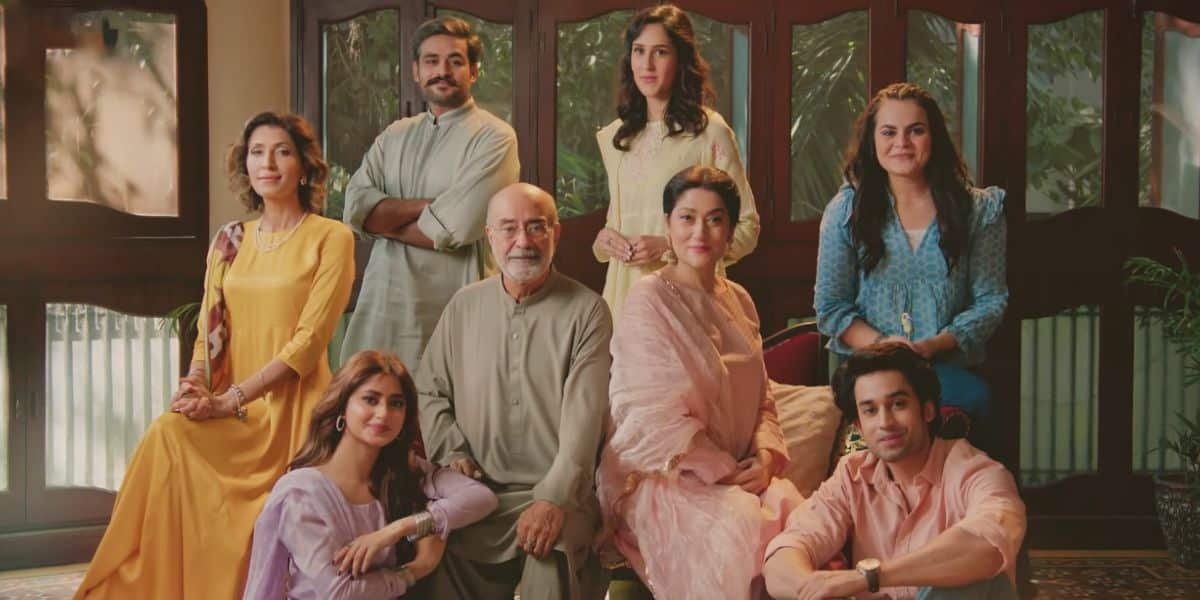
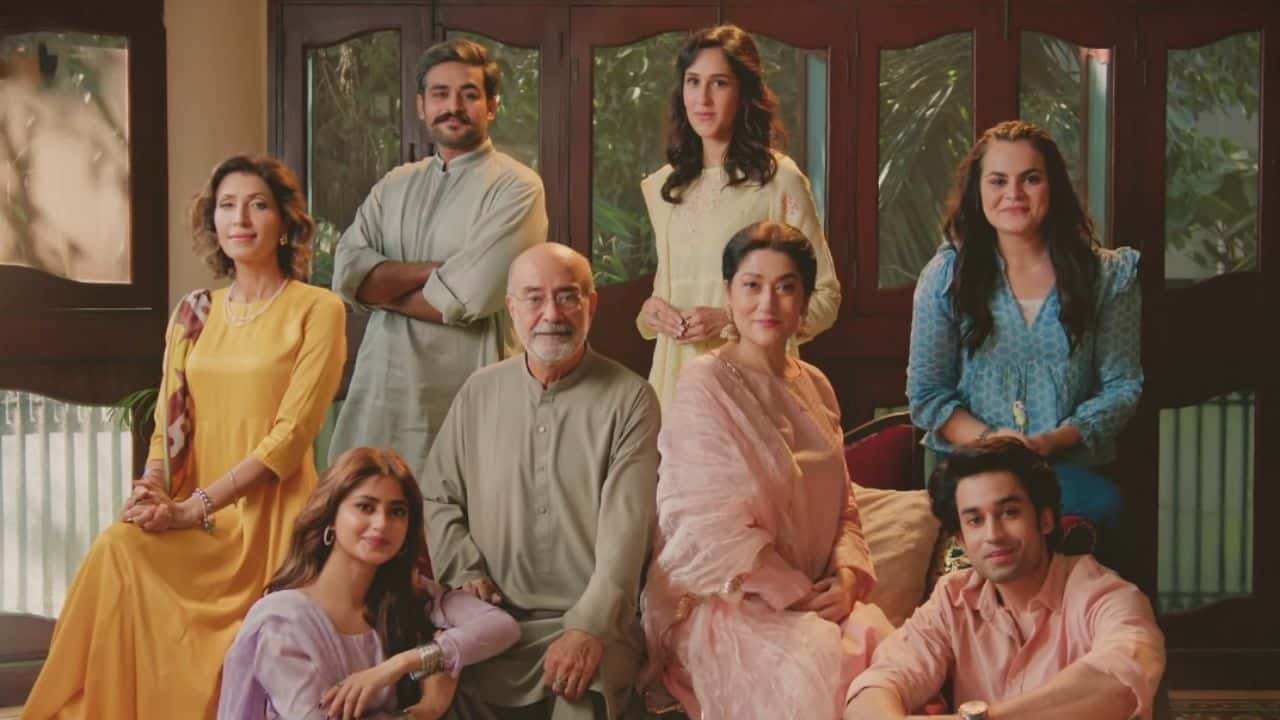
    The last episode of Kuch Ankahi aired on Saturday night, receiving high ratings from audiences for a satisfying wrap up to its gorgeous story telling and moving performances by Sajal Aly, Bilal Abbas and Qudsia Ali. The build up to this spectacular finale was besieged with questions about who would Aliya finally pick: Salman or Azfar? Would Sofia phupoo give in and marry uncle Thanvi? Would Samiya abandon her husband and his toxic mother to start being independent on her own? But in the final episode, Kuch Ankahi wrapped up all these questions, leaving all of us hoping that this is the show that should be getting a season 2.

    We finally see Aliya and Salman put aside their differences, a win for fans of the show who had shipped the cat-and-mouse duo from the very first episode. Many were left heart broken by how Azfar was rejected, despite the love he had for Aliya. But hopefully, there are better things in store for him?

    We also got a beautiful wedding as Sophia Phupoo and Uncle Thanvi wed, a satisfying resolution to her reluctance of letting go of her first love and husband who had passed away quickly. But then their heart tugging meeting at the train station, when Thanvi promises to prove his love to Sophia, just proved the show made a breakthrough by focusing on two aged people getting married.

    Clearly, we’re not over the episode, and neither is social media. As since yesterday, users sobbing over the ending of a gorgeous drama that gave us everything we’ve been asking Pakistani dramas to provide us.

  • Audiences are all praise for last episode of ‘Jhoom’

    Audiences are all praise for last episode of ‘Jhoom’

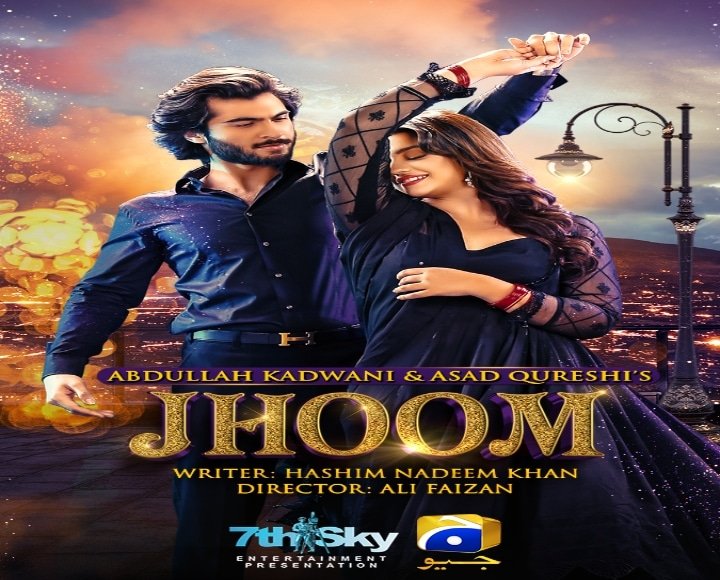
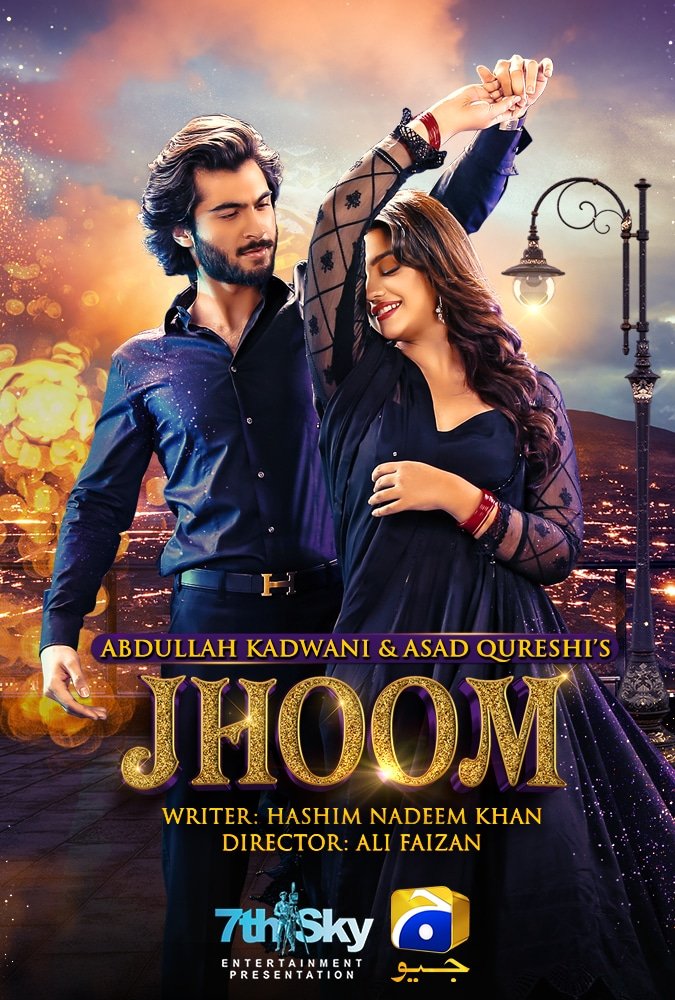
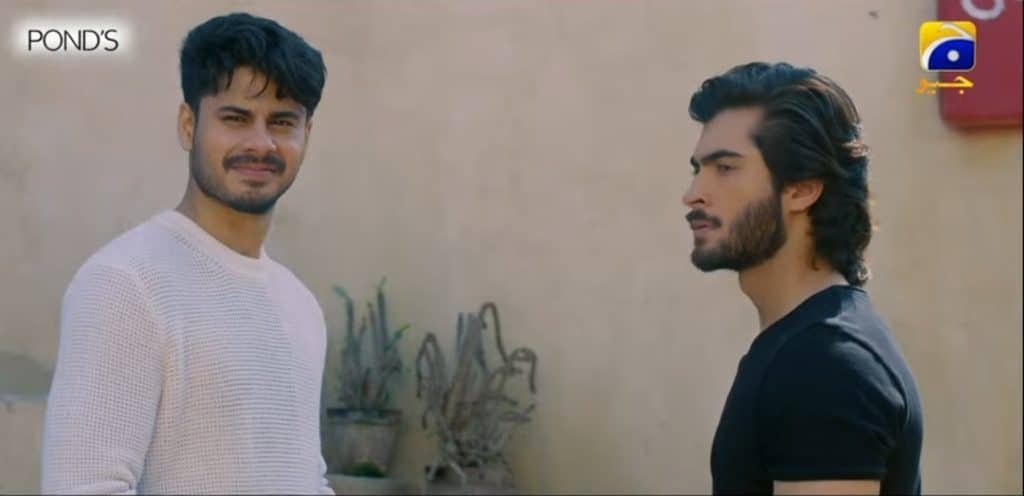
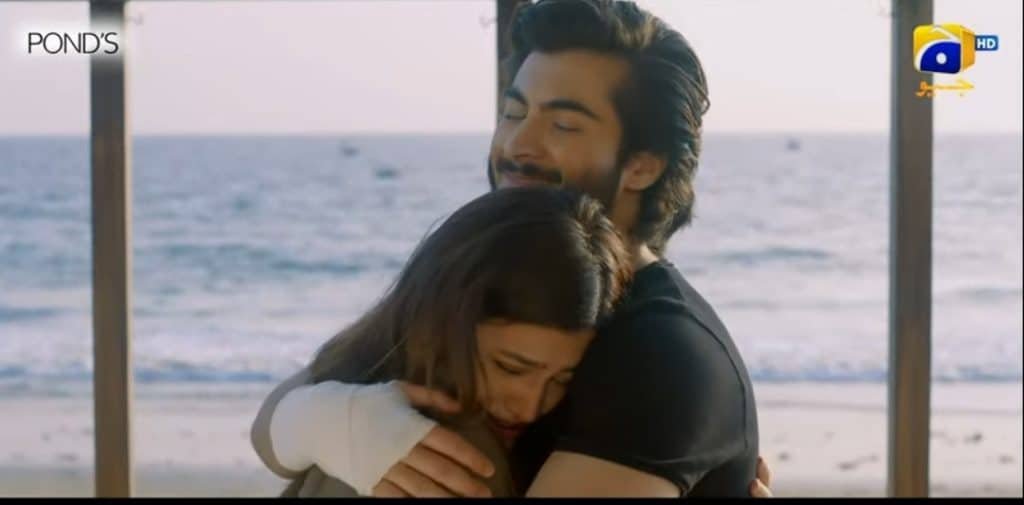
    Geo Television’s serial ‘Jhoom’ has turned into a hit, with Hashim Nadeem’s writing and Ali Faizan’s direction garnering accolades.

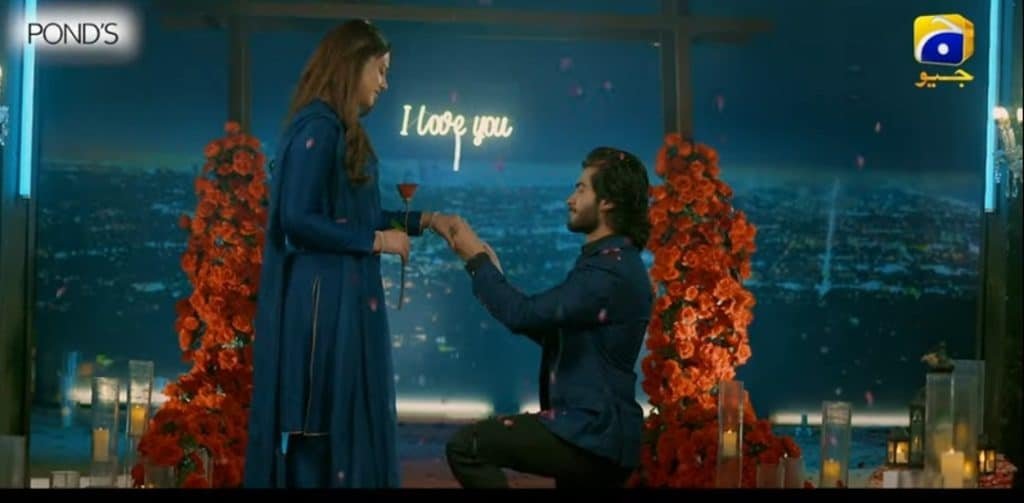
    A 7th Sky Entertainment presentation, Jhoom features the love story of a couple with a sizable age difference. Haroon Kadwani plays the character of angry young man Aryaan while Zara Noor Abbas is playing the character of the hardworking and mature Doctor Maryam. Audiences became immediate fans, with each episode of the drama garnering more than 10 million views on YouTube.

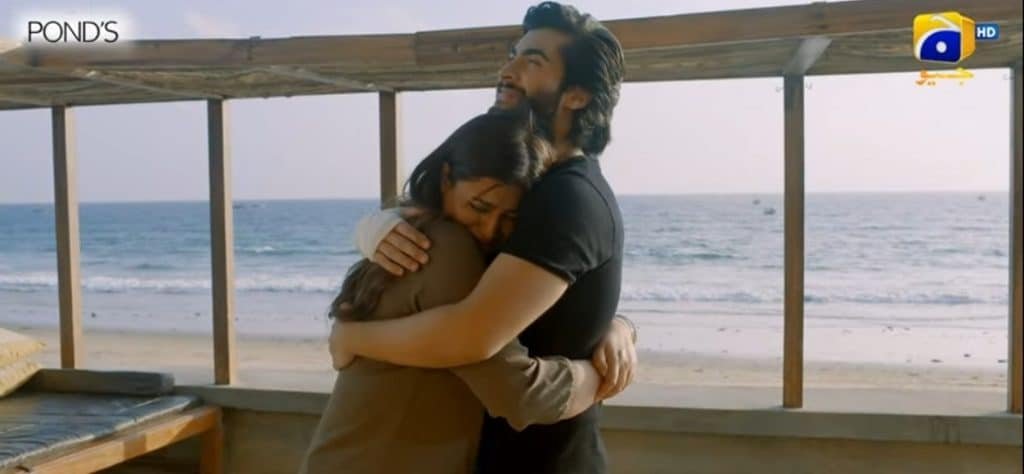
    The last episode of the drama has aired and fans were in rapture, saying that the last episode made them cry with Maryam and Aryaan. Many fans were of the view that Aryaan should have not forgiven Maryam because she didn’t stand by his side when he needed her the most but mostly fans loved the happy ending.

    Many fans are already demanding a second season while others were sad that the drama ended early.
    Read audience comments about the ending:

  • ‘College Gate’ hits TV screens with mixed reviews

    ‘College Gate’ hits TV screens with mixed reviews

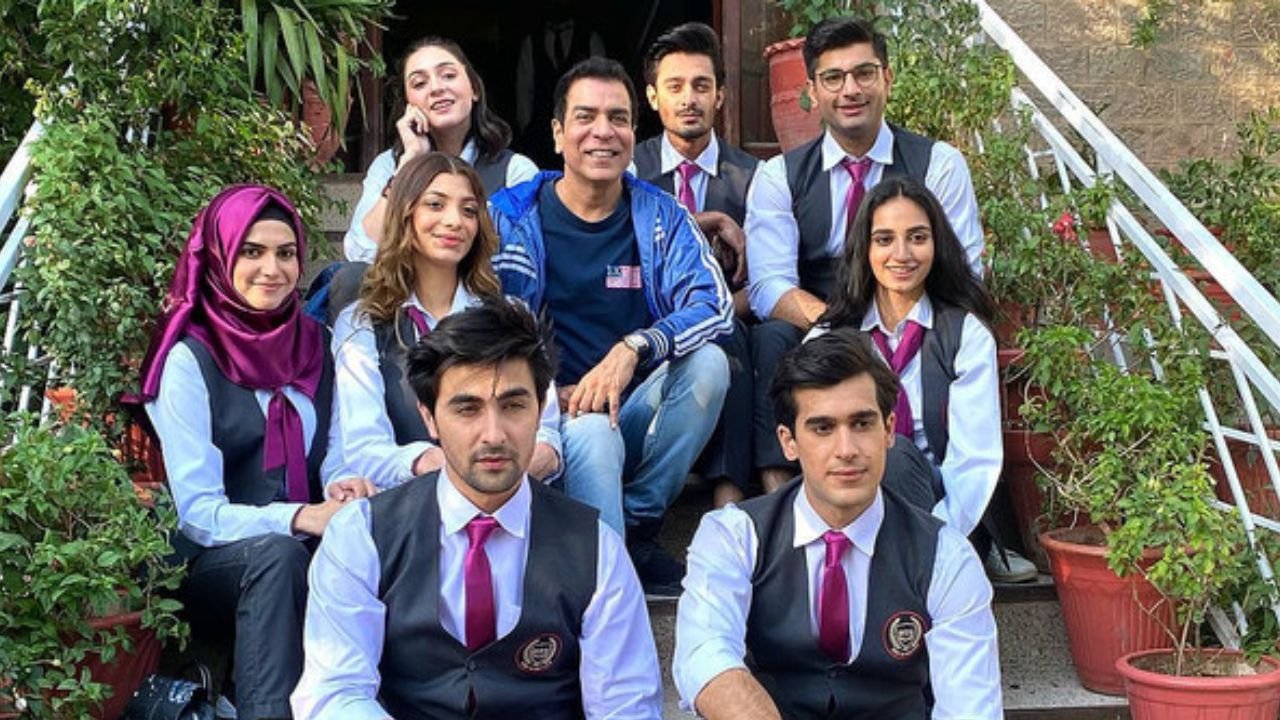
    Green Entertainment rolled out a list of its anticipated dramas this week, including College Gate, an exploration of the lives of six students as they tackle bullying, financial independence, career dreams and pressure to step into adulthood. The cast includes a list of newcomers like Mamia Shajaffer, Khaqan Shahnawaz and Zarrar Khan.

    The first two episodes, where we see the students stepping into a new phase of their lives, debuted this week. We see the main leads struggling to follow dreams to become a singer, dealing with bullying or drug abuse.

    Social media users have mixed reviews about the episodes, with some applauding the show for focusing on the lives of teenagers and taking a break from saas-bahu dramas, while others felt that the casting choices could have been different.

    Some users found the episodes to be engaging for tackling issues only teenagers were dealing with.

    Many felt that the script was similar to the web series ‘Midsummer Chaos’ or Netflix shows like Elite.

    Others pointed out that the actors playing the characters could not pass off as teenagers, stressing that a more age appropriate cast should have been selected rather than actors in their 30s.

  • Saba Qamar and Imran Abbas shine in the first episode of ‘Tumhare Husn Kay Naam’

    Saba Qamar and Imran Abbas shine in the first episode of ‘Tumhare Husn Kay Naam’

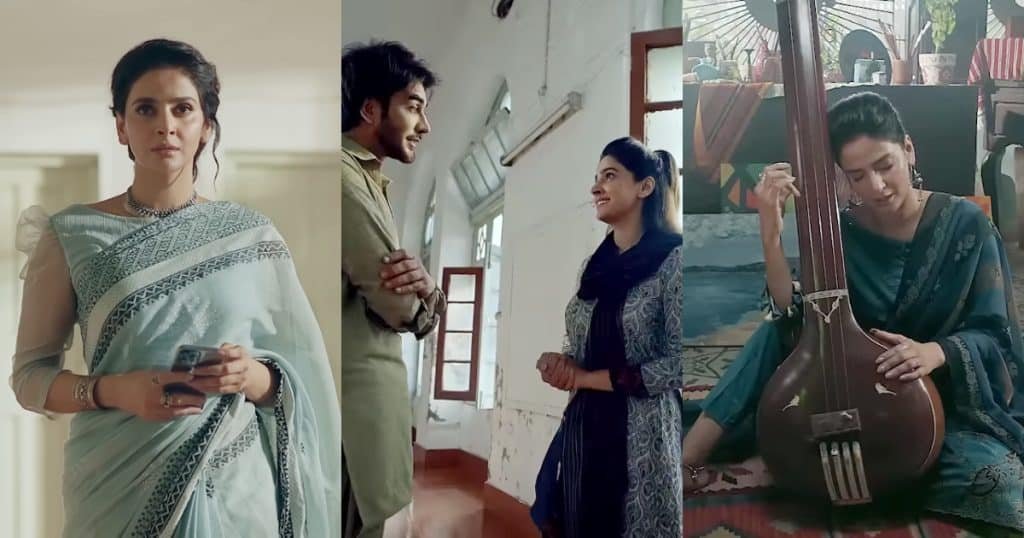
    ‘Tumhare Husn Kay Naam’, the new drama serial on Green TV is a timeless love-story woven in threads of melancholic romance, philosophy and nostalgia. Salma (played by Qamar) and Sikandar (played by Abbas), the main leads, epitomize true love as a condition that defies all man-made social divisions and differences. Gear up for a classic romance story bound to stir an ocean of emotions within you.

    In the first episode we see that Salma’s mother doesn’t like her daughter’s avoid painting and singing but her father supports her.

    Salma is hit by a ball by Sikander at her university, leading him to worry that he may be expelled. He is poor but he loves the arts and wants to become an architect.

    He apologizes to Salma, and the two become closer.

    The serial breaks the heart with an amazing story, that triumphs with the brilliant direction of Saqib Khan and spectacular performances by Saba Qamar and Imran Abbas.

    The episode also got positive reviews from social media.

  • Saying goodbye to ‘Kuch Ankahi’ with the five times it completely blew us away

    Saying goodbye to ‘Kuch Ankahi’ with the five times it completely blew us away

    From the moment it graced our screens, ‘Kuch Ankahi’- with its story of three sisters dealing with marriage pressure, workplace harassment, taking on a challenging careers- seared itself on the Pakistani entertainment industry as a cultural milestone that told a gorgeous story about the bond of sisterhood.

    Only 26 episodes long, ‘Kuch Ankahi’ won our hearts with its flawless story telling and brave portrayal of issues that today’s political climate would have prevented them from doing so.

    With the final episode coming up on Saturday, our hearts are heavy as we will no longer have to look forward to Shamoo Begum and Agha Jaan kay jhagray, Alia and Salman’s cat and mouse chase and the wholesome love between the three sisters. Let’s look back at the five moments where ‘Kuch Ankahi’ truly proved that it was a masterclass in good story telling.

    1 The men in the drama won our hearts.

    At a time when dramas today think a hit series needs a man slapping a woman or a girl being forcibly married without her consent, ‘Kuch Ankahi’ set the bar higher by proving that what audiences want is not violence, but well-written characters that are supportive of the women around them. The bond that the father Agha Jaan had with his daughters, and how he kept taking their side regardless of what society told him, moved us to tears. His defence of youngest daughter Tanya and her passion to become a filmmaker, or backing Samiya if she wanted to back out of her marriage at the last minute.

    2. When the show made a breakthrough by supporting Joyland

    In a scene in episode four that takes place in Tanya’s room, Aliya stands behind her wall of posters, among which is Saim Sadiq’s film ‘Joyland’, a love story between a transgender woman and a man. It was a small, but powerful display of support towards Pakistani filmmakers.

    3 The nikkah scene that defended the right to divorce clause and urged for women to be aware of their rights in the marriage contract

    The nikkah scene from episode 11 received praise on Twitter when Sofia phupoo (played by actress Vaneeza Ahmed) passionately urged the molvi sahab to not cut out the clauses from the nikkah where the woman writes down her demands, highlighting that these are essential for a woman’s safety in marriage, as Islam has rightfully granted them.

    4 Child sexual abuse

    With the story of Deepak, the son of the family’s Hindu house helper, the drama dwelled into the growing issue of child abuse, as he is raped by the tailor he works with. Later, when Sofia phupho and the family learn about the crime, they take in Deepak as a family member and enroll him in a good school so that he regains his confidence in a safe environment.

    5 Neha and her dream to become a tiktok star

    Any woman on screen who isn’t a gharelo good girl married off at the age of 20, is either an awaragard or too bold for society or someone who meets a tragic end. Especially so for women who are obsessed with using social media apps like TikTok . But ‘Kuch Ankahi’ debunks this mindset with the wholesome story of Neha, the daughter of a Hindu working class family, who loves using TikTok. However , she fears her father will beat her if her videos are found. But as the story progresses, Neha finds new-found courage with the support of Taniya to keep making videos, and soon she gets a job as an actress, with her father completely supporting her choice.

  • Want to know how to talk about domestic violence? Tere Bin has nothing on 1990’s Aahat

    Want to know how to talk about domestic violence? Tere Bin has nothing on 1990’s Aahat

    In a triggering scene, a house helper is seen violently beaten, dragged across the floor by her hair as her husband screams at her to give him more money. The woman keeps refusing, since the man is a drunkard who steals all their money to gamble it away. When the house help begins crying for help, another woman steps outside from her apartment and stands between them to protect her. The drunkard orders her to leave, as its a personal matter between a husband and his wife. But the woman refuses to do so, threatening to call the police. She takes the beaten woman inside her house.

    Did this scene come from a recent hit drama like ‘Tere Bin’, or from a forgotten, classical drama from the 90’s which talked about post- partum depression, pressure to give birth to sons and struggles of a working class family to make a living for their three daughters? Haseena Moin’s ‘Aahat’ was decades ahead of its time when it came to discussing sensitive topics, giving women the catharsis they need that decades later, ‘Tere Bin’ glorified with toxic relationships.

    In several ways, Aahat was ahead of its time when it pulled back the curtain to reveal the struggles Pakistani women underwent, talking about the things that today’s television dramas would have been called ‘vulgar’. It explores the struggles of Rabiya, who gave birth to a fourth daughter, and is being pressurised by her mother-in-law to give her a son, or her husband must marry another woman. Rabiya’s pain is nothing new for Pakistani women, who bear the brunt of family problems, and the drama never shies away from being blunt about the pain: like a scene where Rabiya is made to isolate herself from her children in a room until she is able to give birth to a healthy son, under the orders of a peerni. Or the taunts for only giving birth to daughters which puts pressure on her health as she toils around the house, regardless of the warnings of her doctor and friend.

    But most importantly, what makes ‘Aahat’ the exemplary drama that proved Haseena Moin knew what Pakistani women yearned for, better than the writers today, was how she crafted female friendships that rose from the pains women shared with each other. Rabiya’s friendship with the brilliant and witty Naheed (played by Talat Naseer) is what guides her to take a stand for herself and eventually for her children. Naheed’s boldness and selfless love for Rabiya rescues her in moments when her post-partum depression make the worst of her, like in the first episode, she immediately begins working around the house after undergoing a critical surgery, because her mother-in-law refuses to take care of her three daughters, calling them a burden. Or the humiliation Rabiya endures because of the limited money her husband makes, that eventually push her into making shocking decisions. It was Naheed who offered her safety, and eventually proved that the drama was a love letter to the magic of female friendships.

    In an episode when Rabiya has to make a critical decision, Naheed reminds her that she will never be granted a place on the table, but she needs to keep raising her voice to make it happen.

    “Hum aurtoon kay pass koi jagah nahi hoti’ she urges. “Mein isliee har dafa chala rahi hoti hoon kyun kay mujhay pata hai kay istarhaan meri awaaz koi sunay ga. Islie apni awaaz uthaya karo ta ke log tumhein sunien.”

    Would this message remain evergreen in the years ahead ? Tere Bin, currently rated as a critical hit drama on Pakistani screens, proved that the enduring message of friendships and female empowerment has been lost forever. For 58 episodes, the drama stomped out any effort Moin made to give Pakistani women the space they needed to find their voice; instead glorifying the opposite with a clueless storyline featuring two toxic characters, and an even toxic slutty savitri who plotted to break them apart. From the first five episodes, Meerub was slapped for refusing to marry Murtasim, lead a toxic storyline of stalking, abuse, harassment, and even marital rape to a point. What was once a space crafted by the gentle and clever writing of Haseena, is now bombarded with 45 minutes of Haya plotting to make sure Murtasim catches Meerab in a scene that makes him slap her and then divorce her so Haya could become his wife.

    The wound left behind by the passing of Haseena bleeds anew when we come to realise that what television dramas show on our screens is what even female drama writers today staunchly believe is what the audience needs. When the writer of Tere Bin Nooran Mahkdoom, had been questioned about the controversial marital rape episode, she defended it as ‘a demand of a serial’, a complete 180 from the time when a decades old drama written in the times of Zia had not only condemned domestic abuse and rape, but even made sure that the message that abusers should be punished is given to the audience.

    The problem never was just about Tere Bin, but the complete decline in the quality of our dramas, pushed by an industry that now considers that any show featuring one of out the following: domestic violence, wailing women, a satti savitri desperately wanting a man’s attention. Pick one of them and you have a hit on your hands, even get a Pride of Pakistan award ready. Take a stand and make a drama like ‘Udaari’ that talks about child abuse and sexual assault, PEMRA is at your doorstep ready to call you a traitor for going against the Islamic Republic of Pakistan.

    In a time even Pakistani women can’t find a place to be still, with the economy ravaging, human rights violations growing even worse by the day, public spots becoming hunting grounds for rapists and harassers, the grief we carry in our bodies is understood by no one better than Haseena Moin, and the prevailing message that becomes relevant as currently a hit drama featuring two cousins falling in love features a scene accusing women for falsifying rape accusations for the sake of attention. It’s no surprise that more women are turning to classical dramas because the gentleness and sharp writing of Moin will keep outshining whatever dumpster bin dramas we’re fed in the name of ‘hit dramas’.
  • Nimra Bucha set to star in BBC’s Agatha Christie adaptation ‘Murder is easy’

    Nimra Bucha set to star in BBC’s Agatha Christie adaptation ‘Murder is easy’

    Theater veteran Nimra Bucha has been on a roll since working in coveted projects like ‘Ms Marvel’, ‘Churails’ and ‘Polite Society’. Now, Variety reports that the Pakistani actress is set to work in the BBC drama adaption of the popular Agatha Christie novel ‘Murder Is Easy’.

    The cast comprises of ‘Lord of the Rings’ lead Morfydd Clark and Downtown Abbey’s Penelope Wilton.

    Filming for the adaptation is currently taking place in Scotland, with ‘Industry’ actor David Johnson set to play the lead as Fitzwilliam. Set in 1945 England, Fitzwilliam encounters an old woman, Ms Pinkerton, on the train, who tells him of a murderer on the loose in the quiet village of Wychwood under Ashe. While locals dismiss the murders, Miss Pinkerton remains unsure and seeks help from Scotland Yard, but is found mysteriously dead on her way. After this, Fitzwilliam takes matter in his own hands and investigates who the murderer is.

    The two-part series is written by Siân Ejiwunmi-Le Berre while Meenu Gaur of Zinda Bhaag and World on Fire, will be directing.

  • Films about elderly people aren’t considered commercially viable: Simi Raheal

    Films about elderly people aren’t considered commercially viable: Simi Raheal

    Veteran actress Simi Raheal recently starred with Salman Shahid in the acclaimed Eid telefilm ‘Budhi Ghori Lal Lagham’, about an elderly couple who are struck with a tragedy, then choose to live adventurously. The short film was written and directed by actor Sheheryar Munawar, who previously received rave reviews for his Mahira Khan starrer short film ‘Prince Charming’.

    We spoke to Raheal at the premier of ‘Teri Meri Kahaniyaan’ at Cue Cinema and asked what drove her to the role.

    “He wrote and directed it, and the inspiration came from his own parents. We had recently done a tv series and I don’t know why but he wanted both Salman saab and myself as pivotal characters,” she disclosed.

    Raheal was also of the opinion that people want to listen to stories other than the typical saas bahu dramas. “There are a lot of stories out there, and different types of people and a lot of issues. Elderly people have their own set of problems. They want to do things. It’s not necessary that everything is for the youth.”

    Recently, veteran actress Mahnoor Baloch also apoke up about why she refused to work in Pakistani dramas, citing a lack of roles for women who are in their forties or fifties. Speaking on this matter, Raheal said it’s because stories that didn’t fit into the ‘hero heroine’ formulae are not considered ‘commercially viable’:

    “It’s not written actually, because people don’t write stories about aged women. Mostly people are interested in writing stories about heroes and heroines, which all have the same formulae. Other stories, people feel will not be commercially viable hence they remain untouched.”

    ‘Budhi Ghori Lal Lagham’ is available to watch on Youtube.

  • Imran Ashraf’s ex reveals her biggest regret is changing herself for a man

    Imran Ashraf’s ex reveals her biggest regret is changing herself for a man

    Actor Imran Ashraf and his former wife Kiran Ashfaque announced their divorce in October 2022, after being married for four years. Recently, Kiran created a stir on her Instagram account where she wrote that she deeply regretted changing herself for a man, and vowed to never take such a step again.

    “I swear, by my life and my love of it, that I will never live for the sake of another man, nor ask another man to live for mine.
    Do not change ur personality or anything for anyone ❤️
    I did it and i regret it.”

    While it may or may not have been a direct reference to her ex, many Instagram users lauded the influencer’s brave stand on embracing your own body and learning never to change to make others happy

    Previously, Kiran did a Q & A on Instagram with her followers where, after months of silence, she finally opened up about why she chose to divorce the actor. Some of her responses made users feel like that not everything was glamorous behind the scenes as it is in front of the cameras.

    When a user asked Kiran why she had divorced her husband, she snapped back “Go and ask him why did he divorce me.”

    When another user asked Kiran on whether she got a divorce because of her bold nature, her response was:

    “I was always a bold person, but I had changed myself for someone. My advice to everyone is to never change yourself for someone else. Check my old photos on Google babe.”

  • Pakistani dramas, stop treating topics like sexual harassment so lightly

    Pakistani dramas, stop treating topics like sexual harassment so lightly

    Ab ye hi reh gaya tha?

    Pakistani dramas have a strict formula. To make sure that a drama turns into a hit. They try not to even think about emphasising the understanding of social issues or for once making a drama that is not about sass bahu jhagray. The problem is that they include scenes like women being abused, exploited, and even flip the narrative by trying to justify that women make up harassment scandals just to entrap men.

    ‘Mujhay Pyaar Hua Tha’ decided to take the cake after showing two cousins getting married, a weird love triangle, father getting paralysed after daughter tries to rebel, now the good-at-heart male lead is getting trapped by another woman, who falsely accuses him of harassing her, because obviously women don’t get sexual harassed or assaulted in the Islamic Republic of Pakistan. They just make up stories, right? So wrong.

    https://twitter.com/eliteclownn/status/1675888756648464386?s=20

    In this scene, a woman shows up to Saad’s office, threatening him that she has personal pictures of his wife Maheer (played by Hania Amir) and her ex-lover Areeb (Zaviyaar Nauman Ijaz), which she will leak on social media unless Saad visits her house. When he arrives there, she hands him coffee which she had drugged with something that makes him unconscious. When Saad awakens, the woman calls the police and re-arranges the scene to make it look like she was sexually assaulted, and Saad is arrested and taken away.

    We hope that the makers of ‘Mujhay Pyaar Hua Tha’, its writer and the lead actors understand that sexual harassment is a serious crime, and not a made up fantasy that women endorse just to make money and trap innocent men. If it’s so hard for the lead actors to understand why being well aware about social issues is important when working in dramas, take an example from Mawra Hocane when she revealed that she refused to work in the drama ‘Qisa Meherbano Ka’ which was depicting marital rape, that after discussing this issue with the producer Momina Duraid and the director Iqbal Hussain, they all agreed to re-write the scene and then shot it.

    Twitter users had to condemn Pakistani dramas for once more proving that we could take one step forward, but in exchange we’ll go several steps back.

    “It’s extremely irresponsible to show false rape allegations in countries with rape culture,” one user wrote. “I hope makers realise they are feeding victim complex of Desi men for lukewarm twists.”