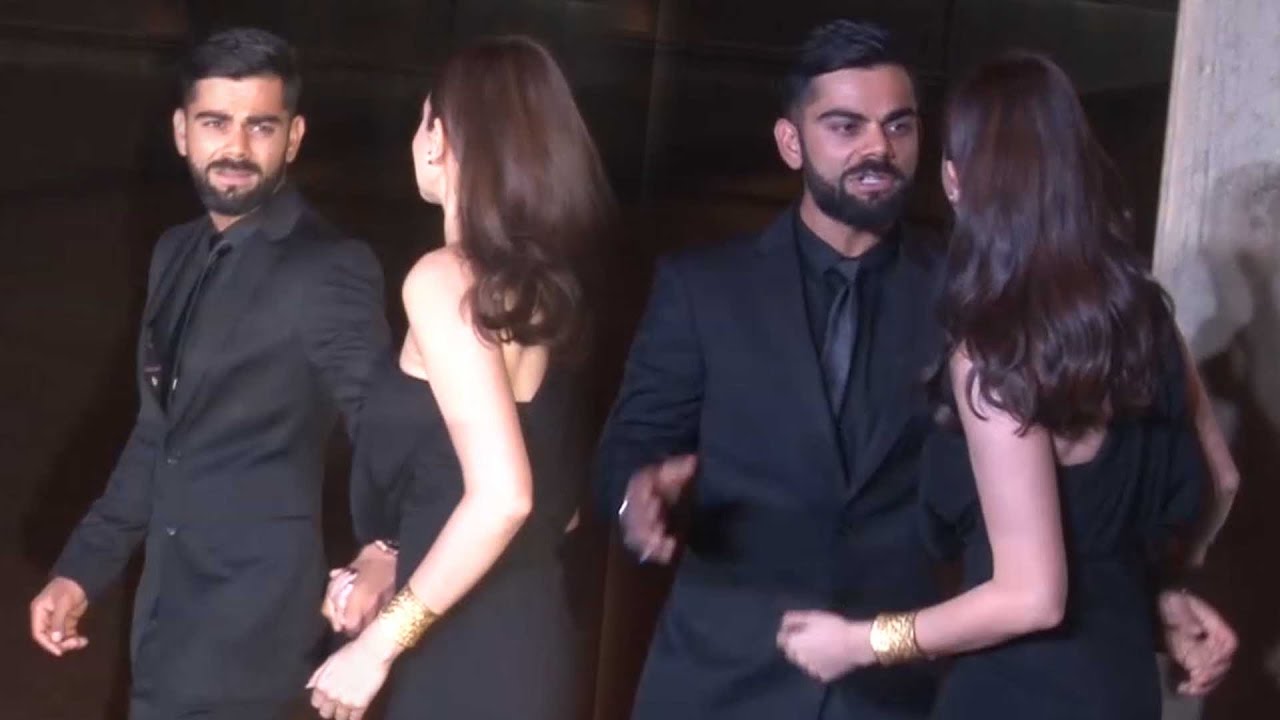
A video clip from an interview has resurfaced of actor Hina Altaf from Tabish Hashmi’s show To Be Honest. The talented performer can be heard sharing an incident with cricketer Fawad Alam.
The Udaari star mentioned at the show that once she interacteed with Fawad at Nida Yasir’s morning show and he asked her an awkward question. She said, “Usne mujhe on-air hi keh diya ke ap waqayi hi itni sharmili hain kya? (Are you actually so shy?”
The Dour diva recently opened up on why she doesn’t share personal pictures with her husband Aagha Ali on social media.
Responding to a follower, who asked her about this, Hina said: “A lot of people ask me the same question.”
“I don’t feel like posting anything or everything about our lives. Judgmental behaviour, people passing comments and assuming things on their own at times does not feel good,” continued the actor. “I like to keep my life a little private.”
Hina further said that she is not suggesting anyone to do the same, adding: “You are the boss of your own life, so you better do only what makes you happy.”
“And having professional life yet personal life which is not on display all the time makes me happy and at peace,” added Hina.
Meanwhile, Hina also gave a sneak peek into her life, saying: “I was in Lahore and my mother-in-law cooked amazing biryani.”
Hina and Ali, who gained popularity after their brilliant performance in the hit drama serial Dil-e-Gumshuda, tied the knot in an intimate ceremony on May 22, 2020. The power couple is also hosting a show called The Couple Show, in which they chat with other couples from the industry about their lives.
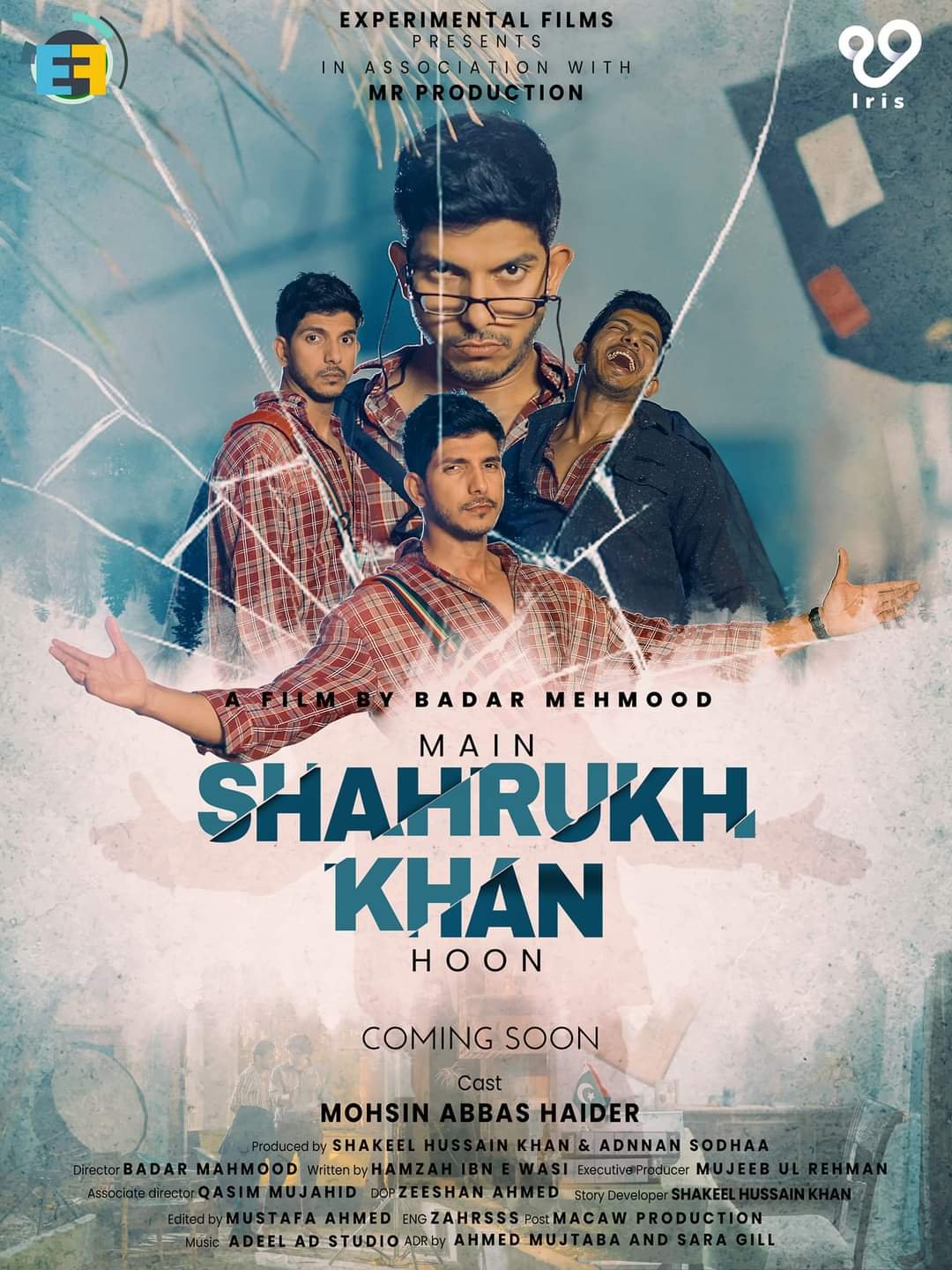
Actor Mohsin Abbas Haider recently shared the first look of his forthcoming short film, Main Shah Rukh Khan Hoon directed by Badar Mehmood.
Ever since the poster has been released, it was speculated that maybe this is Khan’s Pakistani biopic.
However Mohsin exclusively revealed to The Current that, “This is not SRK’s biopic, this is the story of an aspiring actor who wants to make it big and has grand ambitions. The boy is very impressed by Shah Rukh and is his fan, the story revolves around how SRK impacts his acting career.”
The Na Maloom Afraad star added further that he is playing five characters in the film and he is very excited about the same.”
Earlier the talented actor-host shared his fan moment after he received an autograph from one of the superstars from Bollywood, Shahrukh Khan.
In an Instagram post, Mohsin shared his excitement about receiving SRK’s hand written autograph. “Fan Moment, Finally Received The Autograph Of A Man Whose Story/Struggle Inspired Me In My Struggling Days. Who Motivates Me. A Self Made Superstar, My Mentor, The King, The Legendary Sir,” he wrote.
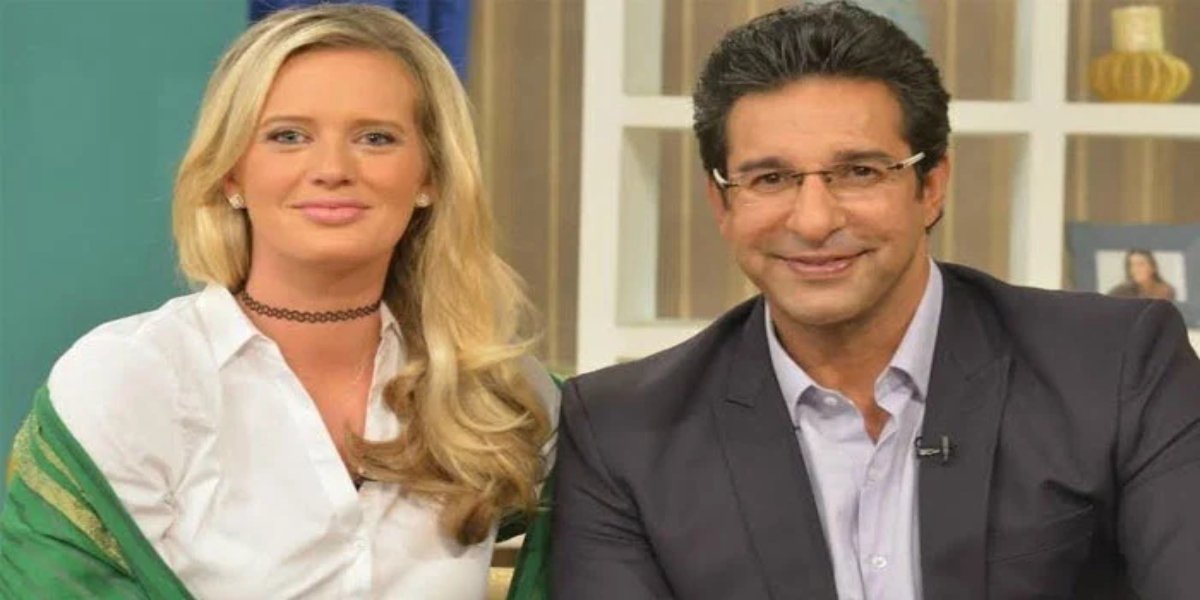
Cricket Legend Former Pakistan pacer Wasim Akram’s wife, Shaniera Akram, never fails to steal the limelight on social media, and on this occasion as well, she impressed netizens and garnered appreciation on Instagram for her bowling skills.
Wasim, shared a video on his official Instagram account, in which his wife can be seen bowling to him at a mini-stadium during a Dubai Expo event.
While Wasim, on his wife’s cricketing skills, asked the fans whether she should be in the next PSL draft. “Found a new bowler, I reckon Shaniera should be in the next PSL draft, what do you guys think?” he asked.
“Had good fun at the @mastercardmea event at Expo Dubai,” he added.
Meanwhile, fans gave a positive response to Wasim’s question about Shaniera playing in the PSL.
https://www.youtube.com/watch?v=Mb9q-K_NyEQ
In the caption, Wasim wrote that he had “found a new bowler” and endorsed Shaniera’s inclusion in the next Pakistan Super League (PSL) edition.
“Found a new bowler, I reckon @iamshaniera should be in the next PSL draft, what do you guys think? Had good fun at @mastercardmea event at Expo Dubai,” Wasim wrote.
Any project rightfully belongs to the actors who have worked in them. However many a times, stars have passed on some iconic roles for reasons like scheduling conflicts or lack of interest. In hindsight, some of them probably regret their choices after seeing those projects becoming a rage with the audiences.
Here’s a list of eleven popular stars who turned down these super successful projects.
Humayun Saeed – Humsafar & Pyaray Afzal
Humayun Saeed, who busted all TRP charts with his last outing, Mere Paas Tum Ho, revealed in an interview for the promotions of Punjab Nahi Jaungi, that he regrets refusing Fawad Khan’s role in Sarmad Khoosat’s Humsafar. Humsafar became an instant hit when it aired in 2011 and brought in the leading couple, Mahira and Fawad immense love and appreciation, not only in Pakistan, but from across the border too. Humayun also turned down the offer of starring in Nadeem Baig’s Pyaray Afzal, the actor decided to produce it rather and got on board Hamza Ali Abbasi for the same role.
Mahira Khan – Ainee Ki Ayegi Baraat
Mahira Khan was offered the titular role in Ainee Ki Ayegi Baraat, but she turned it down for being a multi-starrer, the character then fell in the lap of her Humsafar co-star, Naveen Waqar who agreed to do the part. The acclaimed series broke all records of ratings and also catapulted Naveen to stardom.
Hira Mani – Dilruba
After the success of Do Bol, Hira Mani was flooded with offers, surprisingly she was offered two big projects, Dilruba and Kashf at the same time from the same production house and she chose the latter. Dilruba’s script didn’t appeal her therefore she rejected it. Hira stated that she wants her characters to be different from her previous ones and that they should have a message for the viewers.
Fawad Khan – Pyaray Afzal & Mata-e-Jaan Hai Tu
Fawad Khan was the first choice for Pyaray Afzal but he had to reject the offer for his Bollywood debut, Khoobsurat opposite Sonam Kapoor. Khan was also the first choice for playing the role of Ibad (Aabi) in Mata-e-Jaan Hai Tu after Humsafar’s success. Penned by Farhat Ishtiaq, of Bin Roye fame, Fawad could not be part of the project because he was not in the country and could not get the visa on time.
Ayeza Khan – Ishq Zahe Naseeb
Before Yumna Zaidi’s entry in Farooq Rind’s Ishq Zah-e-Naseeb, the role of Shakra was offered to Ayeza Khan and Neelam Munir but they turned it down as the other female character essayed by Sonya Hussyn had more screen-time.
Sonya Hussyn – Mere Paas Tum Ho
Sonya Hussyn was the first choice for playing the role of Mehwish in Mere Pass Tum Ho which was later played by Ayeza Khan. The producer of the play Humayun Saeed shared in an interview that initially he wanted to cast Aisha Khan in the role but she got married and left showbiz. Sonya was the next choice for playing the role. She however refused to play the role because she did not want to play a character that portrayed the female protagonist in a negative light.
Mere Pass Tum Ho was a massive hit but Sonya does not regret her decision at all. She shared in an interview that her decision was well-thought-out.
Sohai Ali Abro – Chupke Chupke
Sohai Ali Abro was the first choice and the actor had even shot a few scenes for the drama before the shoot was halted due to Covid-19 and lockdowns. Later, Abro had to exit the show due to personal reasons. The role was later played by Ayeza khan and netizens were divided over Ayeza’s casting in the show.
Mikaal Zulfiqar – Udaari
Mikaal Zulfiqar was offered the role of Imtiaz in Udaari but the actor refused it as it was out of his comfort zone. The character of a child molester was later performed by Ahsan Khan and made him win all the best actor awards the same year.
Mohsin Abbas Haider – Khaani
Khaani turned out to be a game-changer for Feroze Khan but it was previously offered to Mohsin Abbas Haider who confessed the same in an interview.
Kubra Khan – Mushk
Kubra was being selective when she turned down three projects in a row, Mere Paas Tum Ho, Mushk and even Alif. Although Kubra ended up doing Alif and even gained critical acclaim for her performance. She refused Mushk after the project went through a script change and was replaced by Momal Sheikh in the show. Kubra was also offered Hira Mani’s role in Mere Paas Tum Ho but she turned it down as it was a supporting character.
Pakistan is a third world nation, the majority population is rooted in patriarchal norms and customs, and crimes against women are alarming, our dramas don’t do a lot in trying to eradicate the misogynistic morals demanded from a woman.
A female in a patriarchal society is often burdened with the responsibility of carrying the family’s honor all on her own and Pakistani dramas continue to further mindset by introducing increasingly problematic tropes.
Many recently released dramas featured sequences of a father not being able to handle his daughter’s misfortunes and ending up dead because of it. This has now become repetitive to garner ratings by sensationalising the death of a heroine’s father. The fathers’ biggest problem are often associated with the daughter’s married life. It really is an unfortunate development of recent times that mainstream media has further escalated the regressive mindsets about the parental burdens of a daughter. Scenes of a father suffering from a fatal heart attack because of the disgraceful situations that arose due to the daughter’s actions or misfortunes.
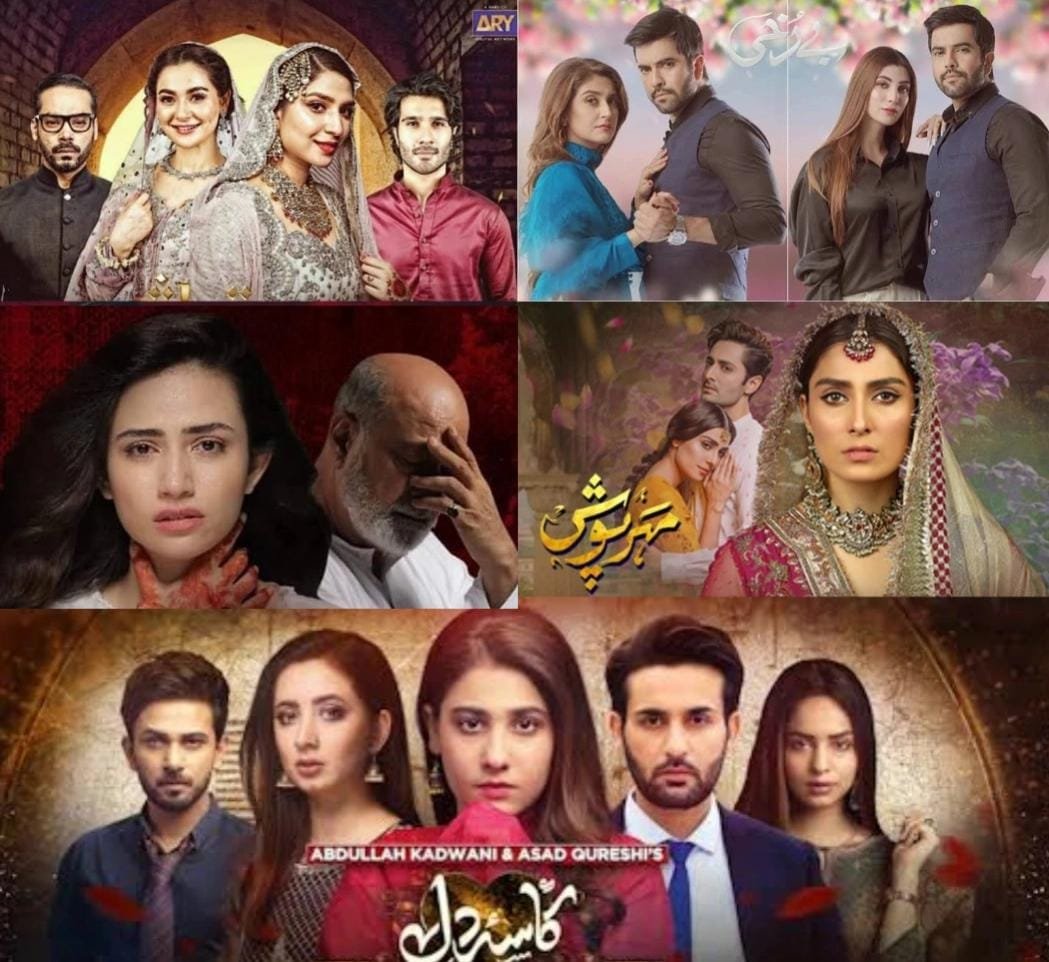
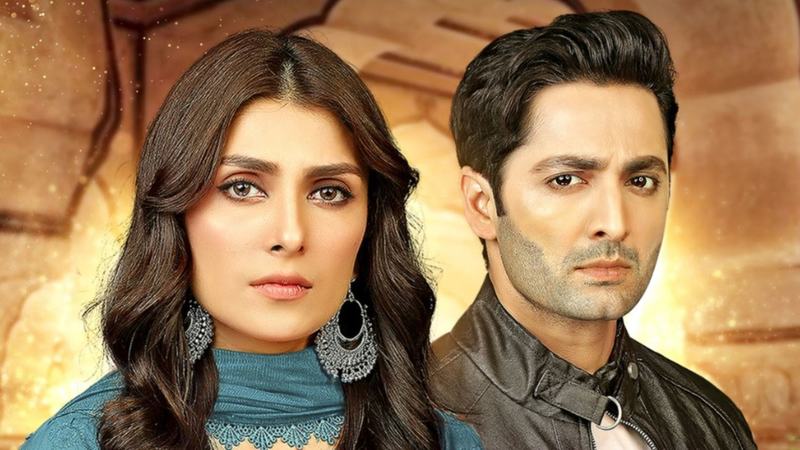
Ayeza Khan’s Meherposh shows the female protagonist’s father getting a heart attack the moment Mehru’s husband divorces her in front of her entire family in a very distasteful dramatic sequence. The father dies as he couldn’t bear the dishonor his daughter’s misfortune brought the family.
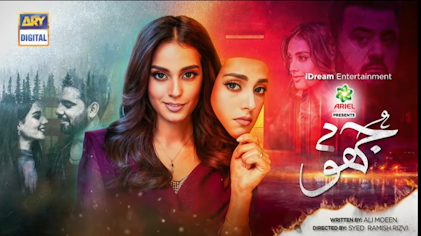
Drama serial Jhooti starring Iqra Aziz showcased Nirma as the trouble maker of the family.
She emotionally blackmails and tortures her family for various reasons after being incited by her conman husband. The resulting family feuds lead to her father dying from a heart attack. Nirma’s mother is also shown to have died previously due to constant disturbances created by Nirma in the house.
In Yaariyan when the father, upon realizing how his one daughter toyed with the life of his other daughter’s prospective marital life, he is unable to bear the burden of the truth and ends up dying by heart attack.
Geo TV’s soap Uraan featuring Kinza Hashmi showed the father of one of the central female characters getting a heart attack while he is driving from his nephew’s house, who threatens to forcefully marry his daughter if she doesn’t consent to the marriage willingly. The heart attack leads to his demise.
ARY’s Ghalati also had a sequence where the female protagonist’s father dies of a heart attack after he sees his daughter being divorced amidst a family gathering. In other dramas if the fathers are not shown to directly drop dead because of their daughter’s misfortunes, the dramas push them to death by indirectly making the daughter the culprit for it.
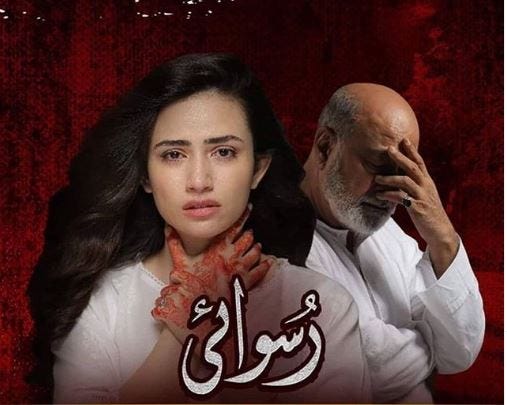
Ruswai based on a rape victim, showed a father of a gang-rape survivor dealing with how the incident has shaken up the lives of both his children. He tries his best to settle things however, he is unable to do so. He feels helpless and in an emotionally burdened state, he loses his life in a car crash. Later in the same episode, it is revealed that the father wanted to commit suicide.
Pyar Ke Sadqay shows the female protagonist’s father being falsely prisoned due to his daughter’s step-father in law who wanted to use this opportunity to manipulate her into marrying him, in exchange for her father’s bail. The father gets a heart attack while imprisoned which leads to his death.
Saboor Aly’sTum Ho Wajah also has a similar situation where the father, weakened by his daughter eloping, ends up dying after getting a heart attack.
Nand shows a father dying in a car crash because he is chasing after his daughter, who has been forcefully taken from the house by her husband in the father’s absence. The father’s disturbed psychological state leads to a fatal car crash.
The heroine’s father in Zebaish dies trying to save his daughter from falling victim to the evil plans of the villain.
The trivialization of ethos attached to a daughter’s married life for a dotting father has been brutally dramatized and exploited by the scriptwriters for cheap thrilling sequences in the drama. The death sequences are also used to justify juvenile twists and plot changes.
Why are the fathers of only female characters shown to have such terrible consequences due to their daughters’ actions or their dwindling married life?
Fathers, are believed to be the biggest support system of a girl. But our Pakistani dramas have made the parents yet another way for a female character to face more miseries. They are pushed to death or shown to be out of their senses to either punish the female character’s wrongdoings, for instance, Jalan, or just to add some more misery to the female character’s life.
Daughters are supposed to be blessings and they should be shown in the same light instead of a burden that ultimately crushes her parents to death.
Pakistani Twitter is calling out a drama serial Aitebaar for showing a husband not believing his wife, and assuming she was raped by goons after she tells him that she was not raped. The drama serial features Zarnish Khan and Syed Jibran in lead roles, in the characters of Parisa and Hamza respectively.
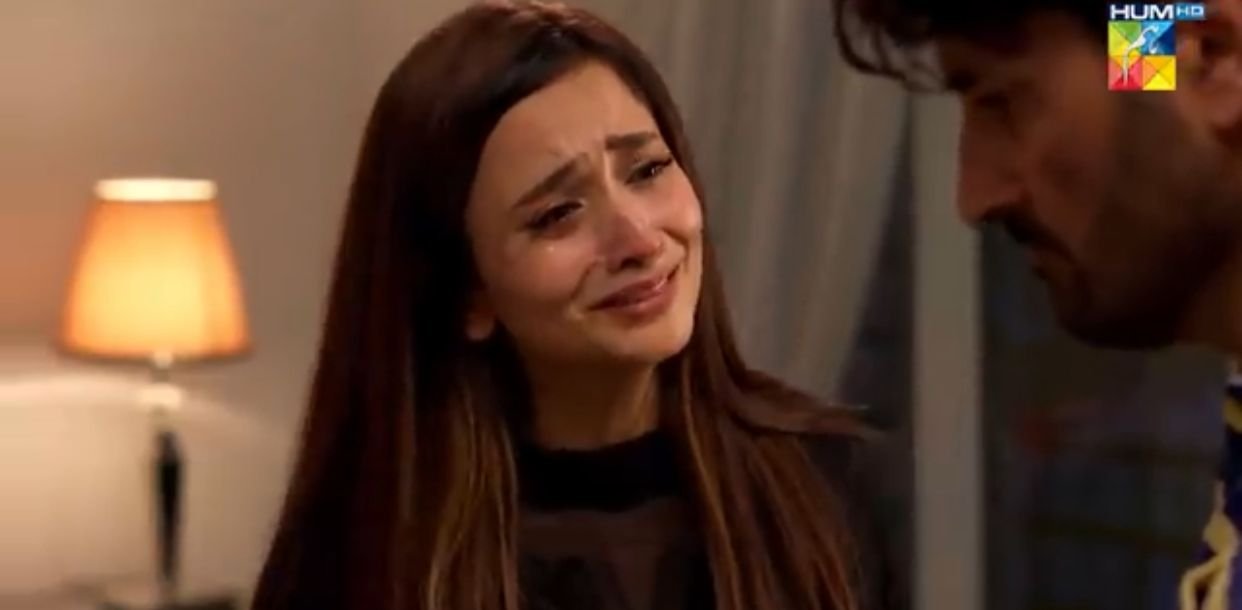
The particular scene is from the second episode of the drama in which the wife Parisa is trying to convince Hamza that she was not raped, but Hamza refuses to believe his wife.
Parisa and Hamza were in the car when kidnappers took Parisa with them after beating Hamza and leaving him on the road. However, Parisa luckily manages to escape from the situation and remains unharmed.
The husband in the scene says to his wife: “Mein nae bhula pa raha kay kisi geayr ne tumhe chuwa hai” (I am unable to forget that some stranger has touched you.” To which Parisa explained it to him that nothing happened to her but he refused to believe.
Pakistani Twitter is calling out the drama serial for showing a husband victim blaming his wife:
I’ve always supported dramas based on rape victims etc but our drama industry never fails to disturb women by showing a raped woman recovered from any site in torn clothes who later spends her whole life proving her innocence to everyone around her particularly #aitbaar
A drama on @Humtvnetwork showing a woman got abducted & fights the goons to reach back home & now her husband’s not even looking at her cuz she MIGHT hv gotten raped! Wtf! Is jahil qaum ko mazeed jahil banany ka theka liya hua hai in channels ne!
This reminded me the movie Verna, what a disaster. Pakistani directors and writers need to really educate themselves before creating content on these issues because they are certainly doing more damage than good https://t.co/WX3doeFAD0
Watched another one like that, I think 2 yrs back. The woman faces the worst emotional abuse from her husband and his family because she had been abducted on the wedding day. That was after which I stopped watching Pakistani dramas
Ridiculous drama plot on Hum TV. Rich brat abducted a girl. She ran away later but husband refuses to believe her when she says nothing happened. He’s shooing her away.
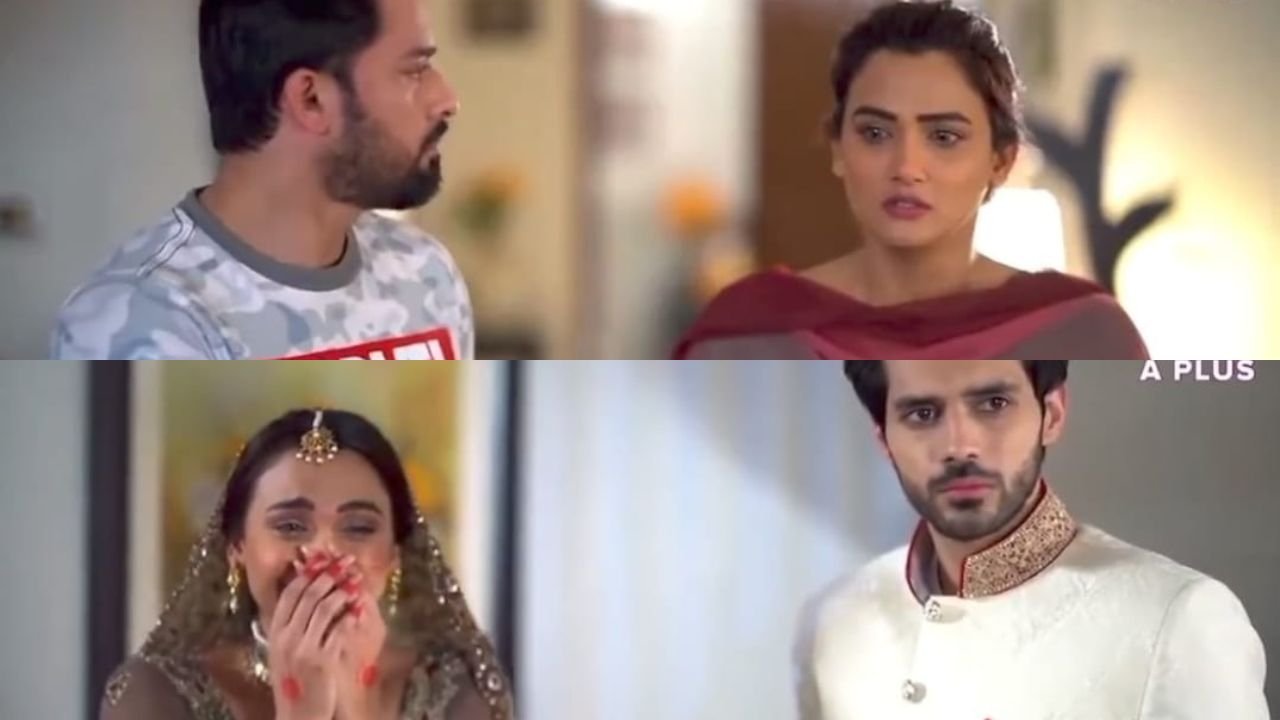
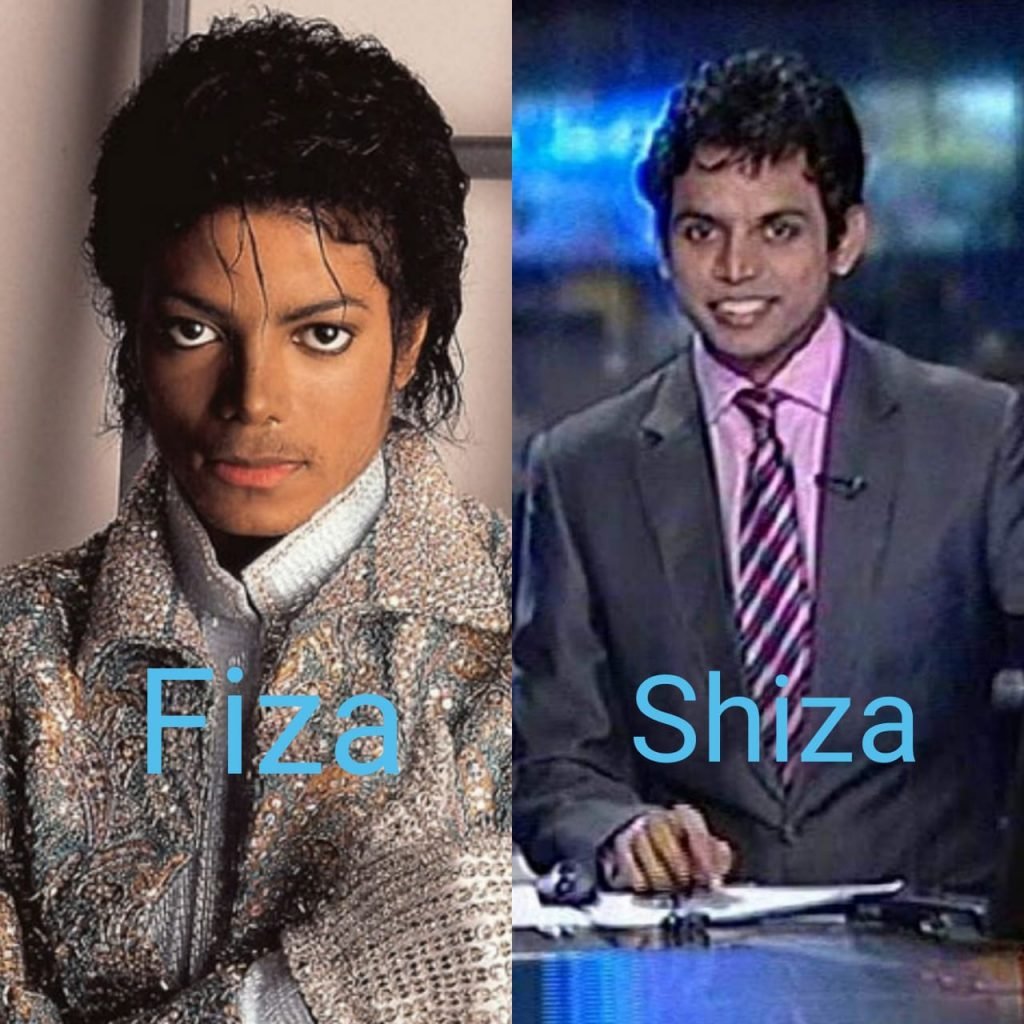
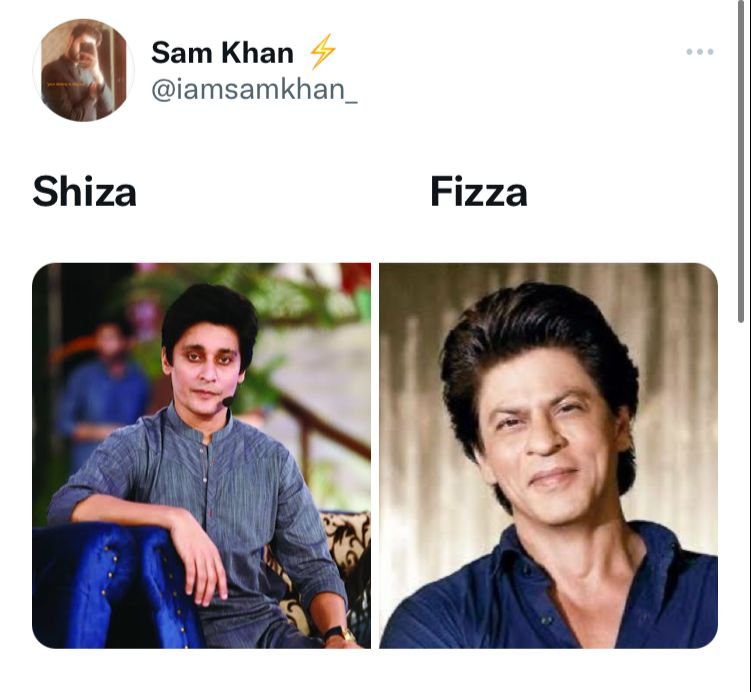
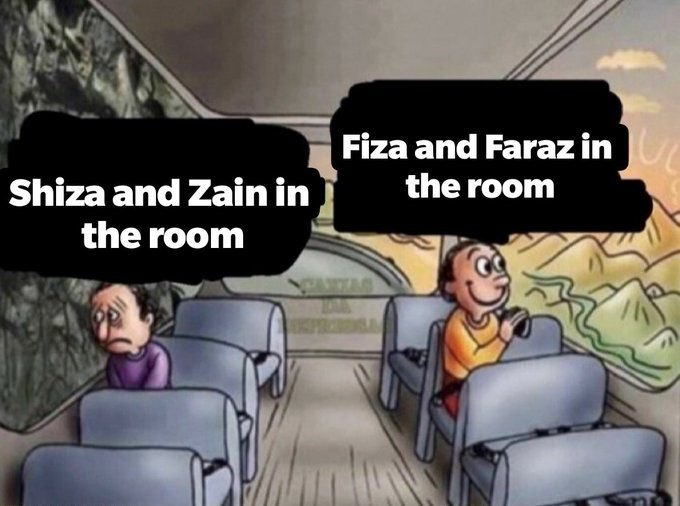
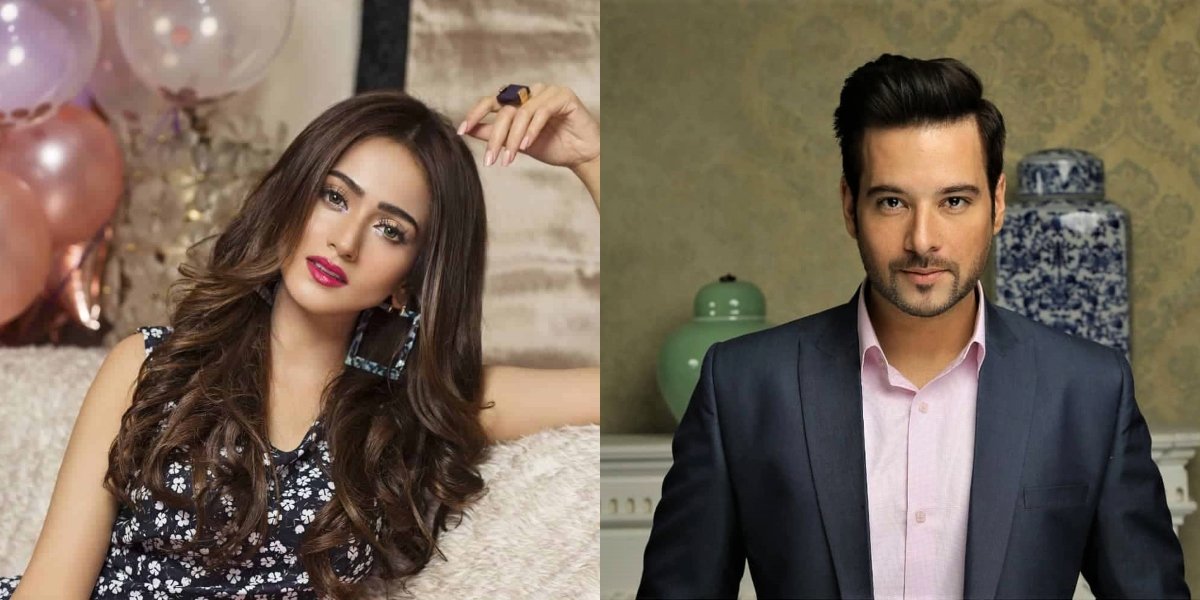
A clip of a Pakistani drama Judwa is doing the rounds on social media in which a bride has been swapped on her wedding night by her twin sister and netizens are confused about what is happening.
Memes of that viral clip are circulating on social media. We have collected a few, have a look:
One of the social media users has broken down what is happening in the drama.
Saving you from the torment, you owe me one!
1. Identical twins (F) marry fraternal twins(M). 2. Another girl has a crush on a fraternal twin (M) asks mom (phopo of groom) to sabotage. 3. Phopo switches room on wedding night. 4. Grooms go to wrong rooms.
While one user revealed that phupho of the brothers was behind the misunderstanding.
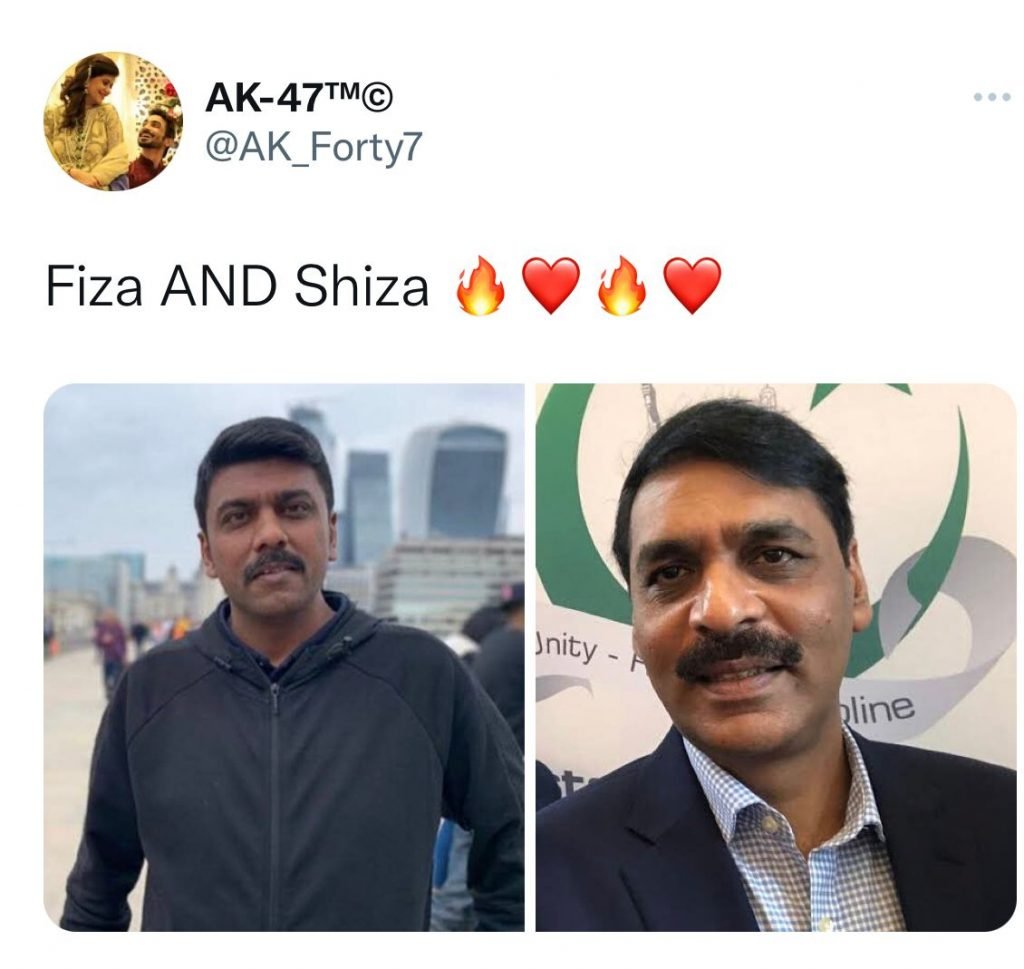
2/2) But she gets burned and dies on mehndi night. Phupho realises it’s because of her false oath on Quran so she repents and apologies. Boys parents convinces them ti marry again. So then Shiza marries Zain and Fiza marries Faraz.
Actor Zarnish Khan recently appeared on The Current Life series. Zarinsh revealed three qualities of co-star Mikaal Zulfiqar, “He is a lot of fun, I think our chemistry is very good, and he is very easy to work with.”
Upon answering a question about how did she feel on winning the ‘Best Actress Soap’ at Hum Style awards in 2015 for Susraal Mera, she said, “When I started working, I was very young and I did not know much, so I did not know how much it is exciting to win an award.”
She continued by saying that it was overwhelming to win an award for her first project, first in terms of lead. The Sun Yaara diva also said that her mum passed away, the day she heard about the news of wining the award, because of that she had mixed feelings.
She also told The Current that her favorite childhood book is Notebook. Her favourite actress is Saba Qamar and favourite actor is Nauman Ijaz, she revealed.
Zarnish Khan was married when she was only 17 years old. She said she would recommend it marrying at that age because one is very flexible and adaptable at that age.
Actor Syra Yousuf has opened up about her experience being a single mother. She recently appeared in an interview, in which she was asked about the challenges she has to face.
“Shahroz and I, we make sure that we co-parent Nooreh so the other parent is never absent. He is very much involved, his parents, Nooreh’s grandparents are very much involved,” she said.
The actor further shared, “I have that support so I don’t think that I feel the challenges of a single mother.”
Earlier this year in September, Shahroz Sabzwari praised Syra for raising their daughter Nooreh well.
Syra and Shahroz tied the knot in 2012 after a long on-off relationship which began in 2006. The celebrity couple separated in late 2019 and later confirmed their divorce in February 2020. The very same year later, Shahroz tied the knot with model Sadaf Kanwal.
On the work front, Syra can be seen in the ISPR sponsored drama serial Sinf-e-Aahan. Written by Umera Ahmed and helmed by Nadeem Baig, Sinf-e-Aahan airs on ARY Digital.
A few years ago, Pakistani television was considered to be superior to the country’s film industry. The reason for the edge was the meaningful and relatable content often churned out by PTV, STN, and then later, some cable and satellite networks.
However, in recent years, dramas based upon ‘unrealistic’ and ‘unpleasant’ themes are becoming common. One such theme includes showing two sisters fighting each other for a ‘man’.
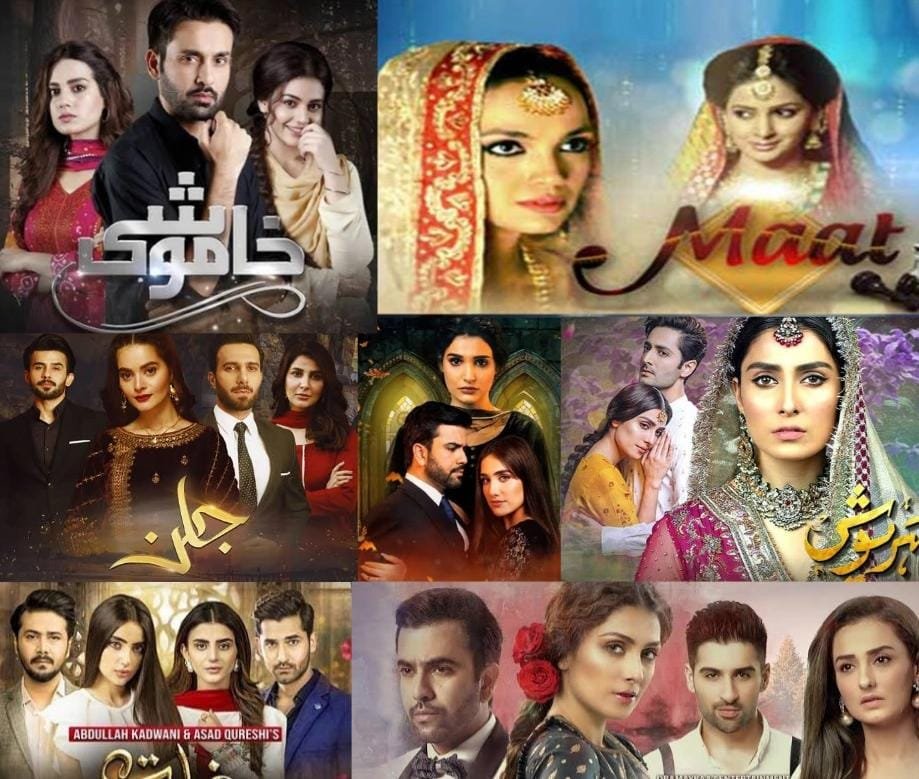
Some dramas pertaining to this theme became famous, Maat, Khamoshi, Kashf and Jalan. Producing dramas in which sisters happen to be interested in the same man are being normalized by directors for the sake of ratings and attention.
Be it Saba Qamar and Amna Sheikh in Maat, Iqra Aziz and Zara Noor Abbas in Khamoshi, or Hira Mani and Sabeena Farooq in Kashf, drama producers are normalizing love triangles with two sisters and a mutual love interest.
Nisha in ARY’s Jalan, played by Minal Khan risked everything to destroy the life and marriage of her sister Misha but also to grab the man she thought was just perfect and had everything that she ever dreamt of. This drama was a clear-cut case of producers bent on grabbing the ratings, without even thinking about what they were showing in the drama. Nisha’s character tried her best to put up a fight but she had no idea the evil she was faced with in the form of her younger sister.
It is alarming to see the rise in sister rivalry again in Pakistani drama, that too where sisters are pit against each other only because they want to be with the same man.
In Junaid Khan’s latest Ek Jhoota Lafz Mohabbat, the younger sister played by Aiza Awan threatens her brother-in-law of suicide and even cuts her wrist in front of her demanding a divorce for her elder sister. This is the extreme of emotional blackmailing.
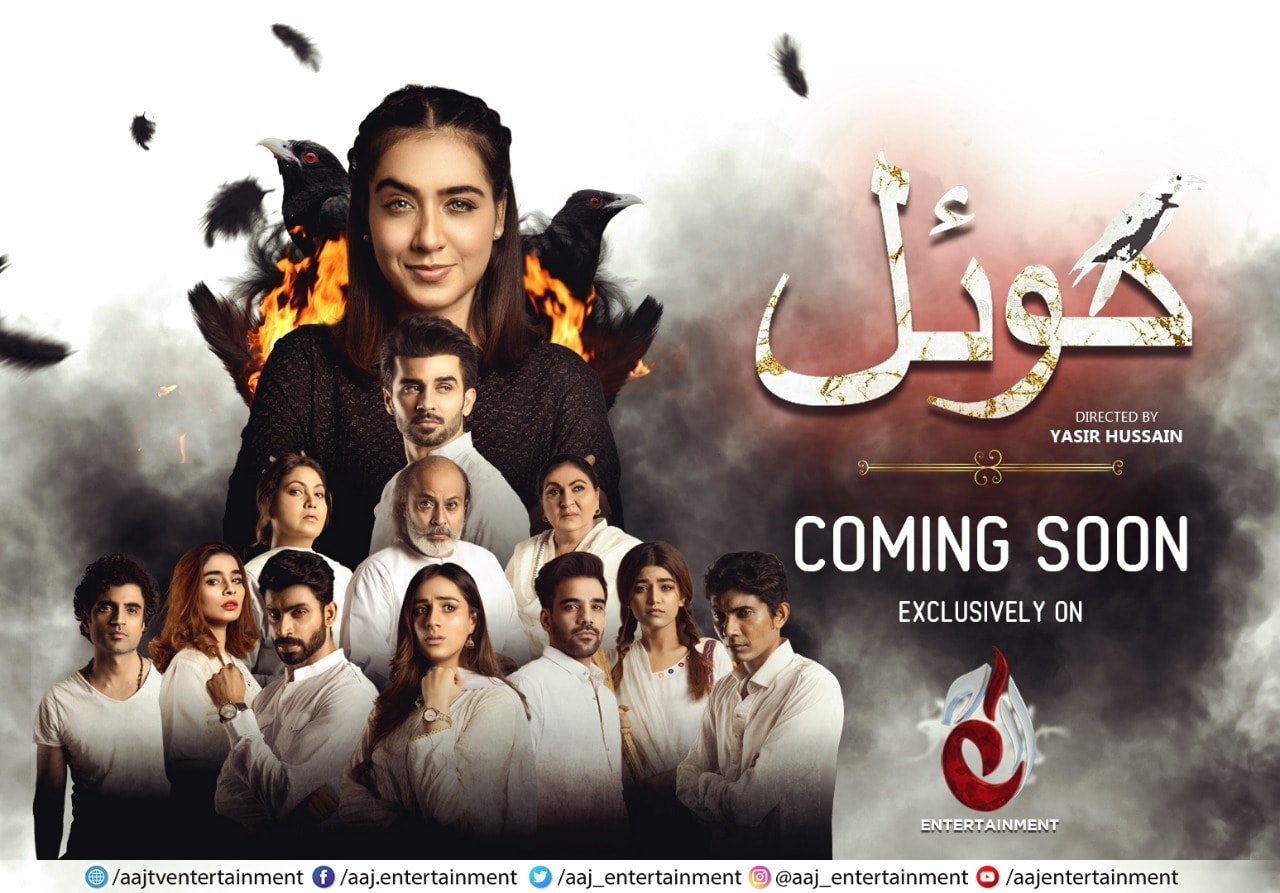
More such projects are set to be released in the near future including Yasir Hussain’s directorial debut, Koel starring Mansha Pasha, Fahad Sheikh and Maham Aamir.
This is highly problematic as such stories create a toxic impact on the audience. Television serials are actively viewed by their target audience i.e. the women, and are seen as having some similarity to real-life situations by many. Thus targeting sibling relationships will just add to the negativity and conflict being paraded as entertainment.
Such dramas also show sisters wishing death upon each other such as Iqra’s character in Khamoshi, or creating trouble for their sibling, such as Sabeena’s character in Kashf.
The more disturbing factor is that in most cases the male love interest is either committed or married to one of the sisters while the other one sets her eyes on him. This also violates the values and norms attached to the brother in law-sister in law relationship in our culture.
In the Ayeza Khan starrer Meherposh, the younger sister plans to poison her elder sister and murder her as she doubts that her husband is in love with her elder sister.
TV dramas hardly show two brothers fighting over a mutual love interest.
Actor Saba Qamar recently called out this wave of content in an interview stating that she is tired of reading scripts where two sisters are falling in love with the same guy and that then entire drama revolves around the problem.
She cited the example of Maat and said that she has also done a play like that but she wouldn’t want to repeat it in her career.
Television producers should stop churning out regressive content and should also be mindful of their social responsibilities about portraying family ethos on TV screens.





![Jalan's End Leaves Audiences Torn and Frustrated [Pictures] - Lens](https://current.perceptiond.net/wp-content/uploads/2021/11/Jalan.jpg)