Tag: Pakistani dramas

  • Meray Pass Old Gentleman Hai? Yumna Zaidi, Humayun Saeed pairing draws mixed reviews

    Meray Pass Old Gentleman Hai? Yumna Zaidi, Humayun Saeed pairing draws mixed reviews

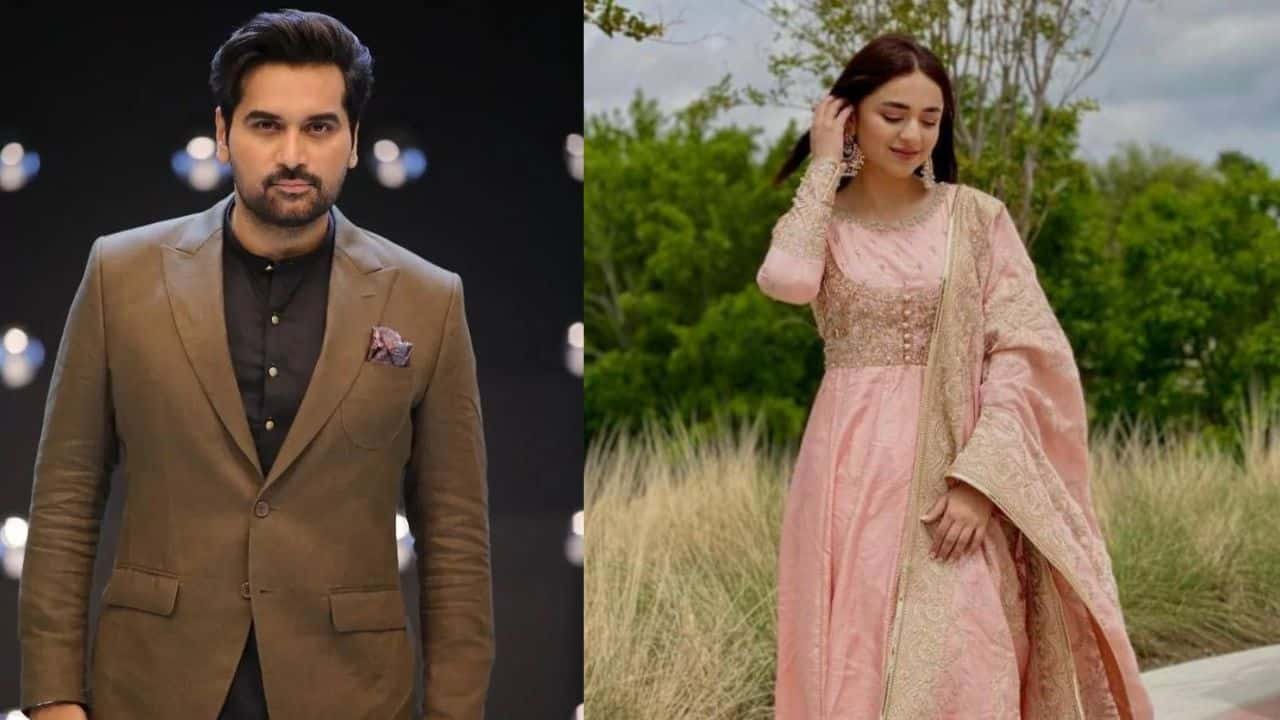
    Yesterday, it was officially announced that actress Yumna Zaidi and Humayun Saeed will be pairing up for an upcoming drama for Green Entertainment, penned by the ‘Mere Pass Tum Ho’ screenwriter Khalil-ul-Rehman Qamar, and produced by Saeed’s wife, Samina Humayun.

    This is the first time the two will be coming together on the screen together. Social media users were thrilled that the actress never stops dominating the screen.

    https://twitter.com/kyakaruun/status/1681005153023926273?s=20

    However, not everyone agreed that the news was exciting, slamming screenwriter Rehman and Humayun Saeed for once more, pairing an older actor with a woman decades younger than him. Yumna Zaidi is currently 33 years old, while Humayun is 51.

    Many were happy with the casting because of the stellar performances both actors have given in past projects, but were concerned because of the age difference.

    Saeed has been criticised in the past for working with younger women as romance leads in films, like Ayeza Khan is 32 years old but had played his wife in ‘Mere Pass Tum Ho’. While in the film ‘London Nahi Jaunga’, Kubra Khan was 30 years old.

    https://twitter.com/xakyanaseem/status/1681199828414476290?s=20

    If we revert back on Pakistan’s pop culture history a bit, then some would remember in 2019, veteran actor Firdous Jamal was a guest on an ARY show where he said that Mahira Khan is of the age where she should be playing grandmother roles. A bit rich considering that men of the same age are still romancing younger women?

    Hopefully, Pakistani dramas can listen and get out of this creepy mindset!

  • ’22 Qadam’ is the long awaited sports drama Pakistan truly needed

    ’22 Qadam’ is the long awaited sports drama Pakistan truly needed

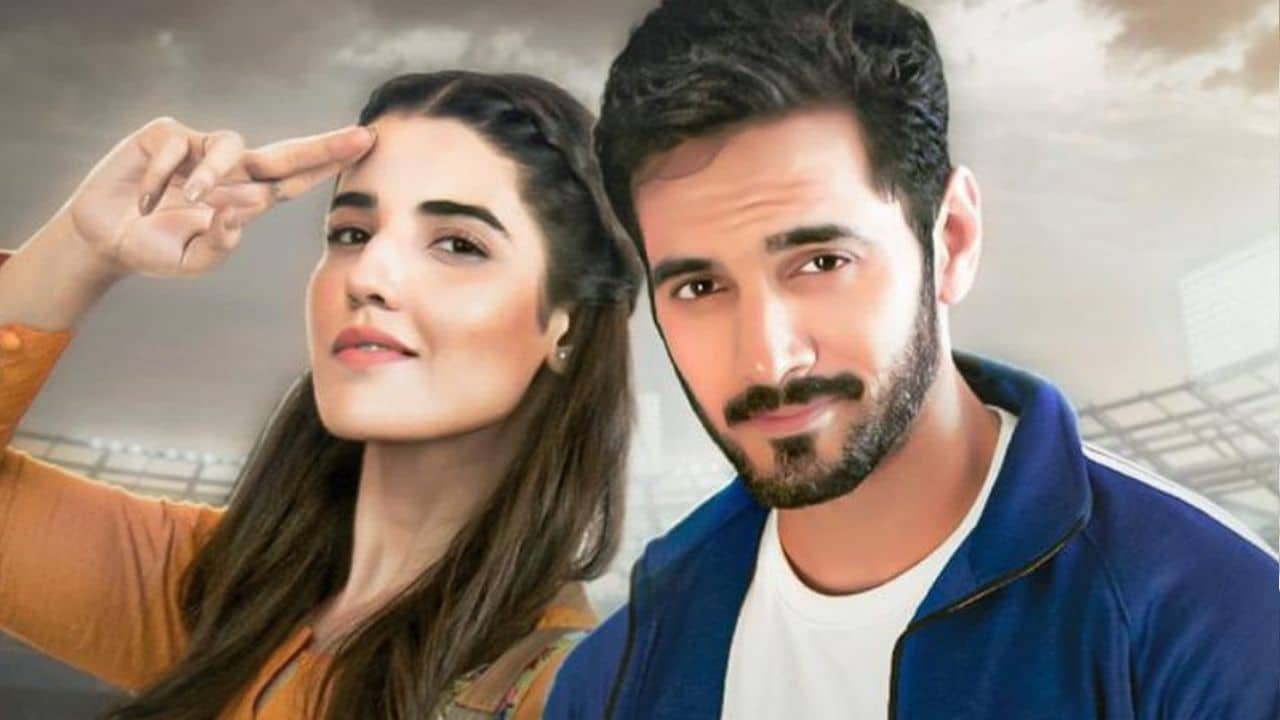
    It’s no surprise that Pakistan is bursting with stories that desperately need to be told on the big screen, but our attention always falls back to the same old ‘saas bahu jhagray’. But this time, Green Entertainment is proving that good, diverse story telling is back in the game with a series of dramas released last week that have been receiving praise from audiences. Among them ’22 Qadam’ looks like a real game-changer because it is truly the first time that we’re getting a good sports drama, that too about women.

    There haven’t been good sports biopics made on Pakistani players, considering how impressive the list of icons is. There was the rare gem of a telefilm ‘Bhaag Amina Bhaag’ released in 2011, starring Amina Sheikh as female Pakistani athlete Naseem Hamid, who won a gold medal at the 11th South Asian Games in Bangladesh. Since then, a biopic on Shoaib Akhtar was in the works but the former cricket star announced that he was leaving the project. It’s disappointing how no attempt was made by our entertainment industry to explore the lives of sports stars, but it feels like ’22 Qadam’ is taking a step in the right direction. The story revolves around a woman’s passion for cricket, leading her to becoming a national player.

    Helmed by the powerful performances by Hareem Farooq and Wahaj Ali, ’22 Qadam is for all those who grew up loving the Bollywood film ‘Chak De! India’ and how it championed women in sports, a long neglected issue that remains pushed out of the spotlight because of patriarchal assumptions that women can’t play sports, and how underfunded this issue remains. The series focuses on a spirited, confident woman Fari who dreams of becoming a cricket player, and her luck turns around when she gets an opportunity to meet the famous cricket player Sana Mir, who makes a cameo in the second episode as a visitor in a girl’s college, and advises Fari to never give up on her dream. As Fari is climbing up the ladder to success, the series alternates with the story of Jimmy, a former cricket star who after an injury, was forced to give up on the game and take a back seat.

    “When we came up with this concept,” Farooq told The Current when the series was announced. “The thought behind it was that we need to empower women in the best way possible and there is no way better than projecting women in sports. Cricket, especially being the most loved sport in South-Asia.”

    She also stressed on the importance of such a drama that would not only be enjoyed by people, but also educate them about breaking stereotypes, calling ’22 Qadam’: ‘the voice of the unheard’.

    Since the two episodes went up on social media, clearly online audiences share our joy because the feedback has been nothing but positive.

  • Kuch Ankahi goes out with a bang, leaving audiences wanting more

    Kuch Ankahi goes out with a bang, leaving audiences wanting more

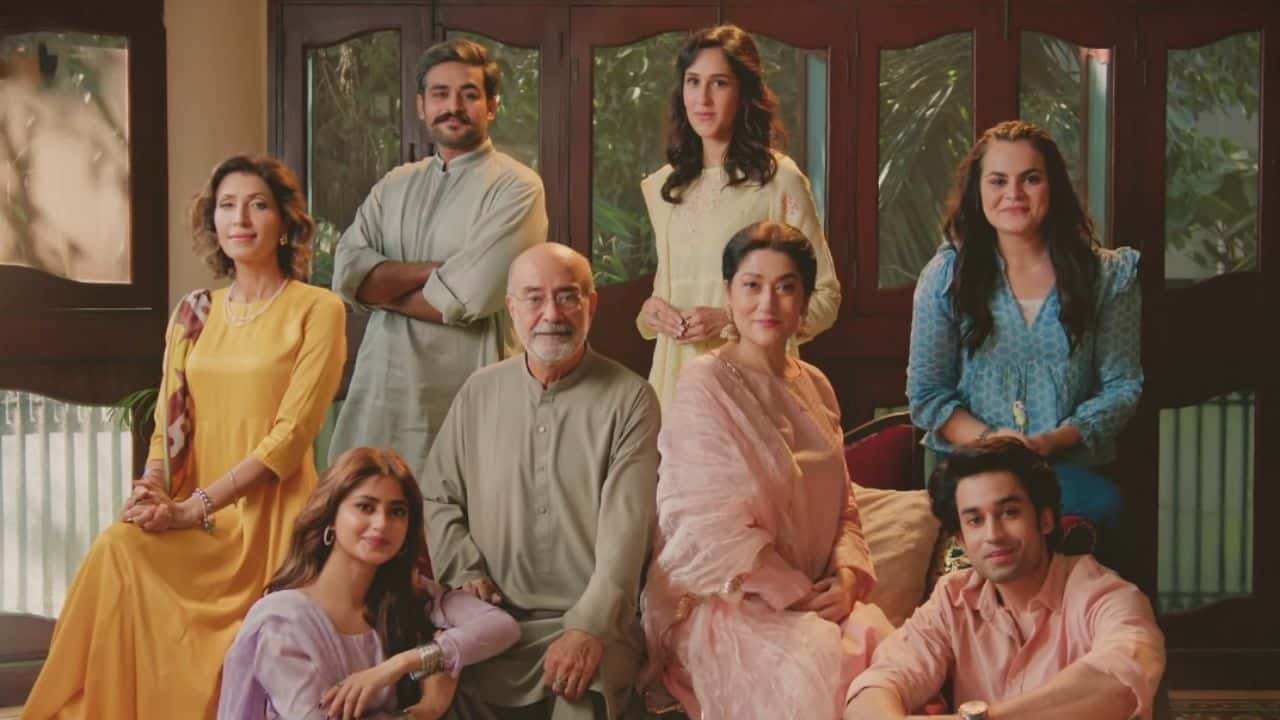
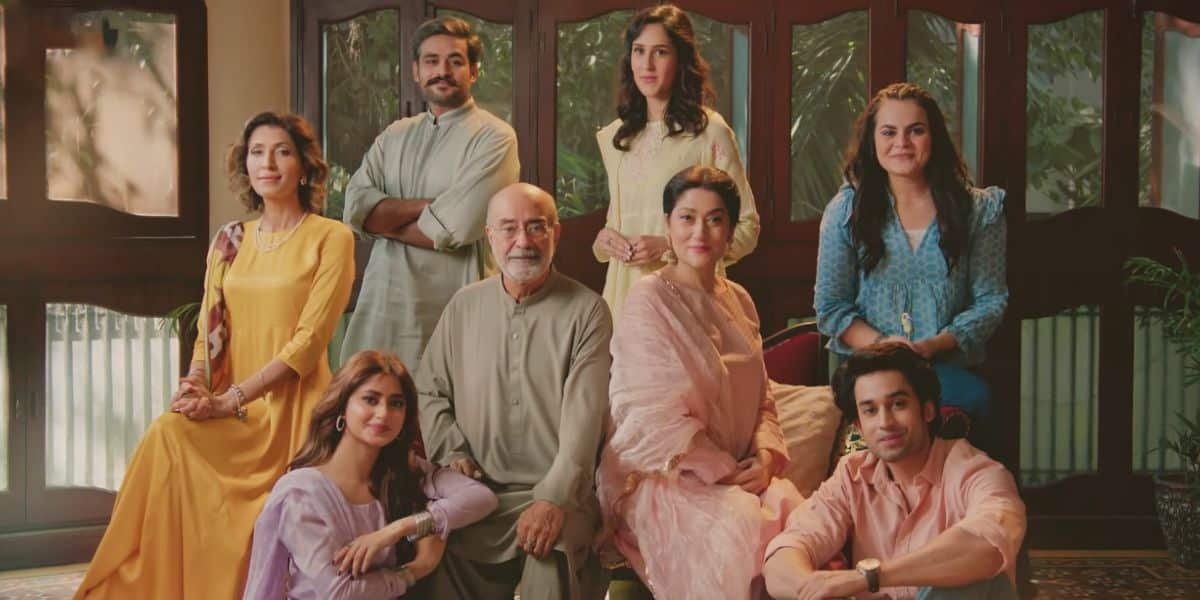
    The last episode of Kuch Ankahi aired on Saturday night, receiving high ratings from audiences for a satisfying wrap up to its gorgeous story telling and moving performances by Sajal Aly, Bilal Abbas and Qudsia Ali. The build up to this spectacular finale was besieged with questions about who would Aliya finally pick: Salman or Azfar? Would Sofia phupoo give in and marry uncle Thanvi? Would Samiya abandon her husband and his toxic mother to start being independent on her own? But in the final episode, Kuch Ankahi wrapped up all these questions, leaving all of us hoping that this is the show that should be getting a season 2.

    We finally see Aliya and Salman put aside their differences, a win for fans of the show who had shipped the cat-and-mouse duo from the very first episode. Many were left heart broken by how Azfar was rejected, despite the love he had for Aliya. But hopefully, there are better things in store for him?

    We also got a beautiful wedding as Sophia Phupoo and Uncle Thanvi wed, a satisfying resolution to her reluctance of letting go of her first love and husband who had passed away quickly. But then their heart tugging meeting at the train station, when Thanvi promises to prove his love to Sophia, just proved the show made a breakthrough by focusing on two aged people getting married.

    Clearly, we’re not over the episode, and neither is social media. As since yesterday, users sobbing over the ending of a gorgeous drama that gave us everything we’ve been asking Pakistani dramas to provide us.

  • ‘College Gate’ hits TV screens with mixed reviews

    ‘College Gate’ hits TV screens with mixed reviews

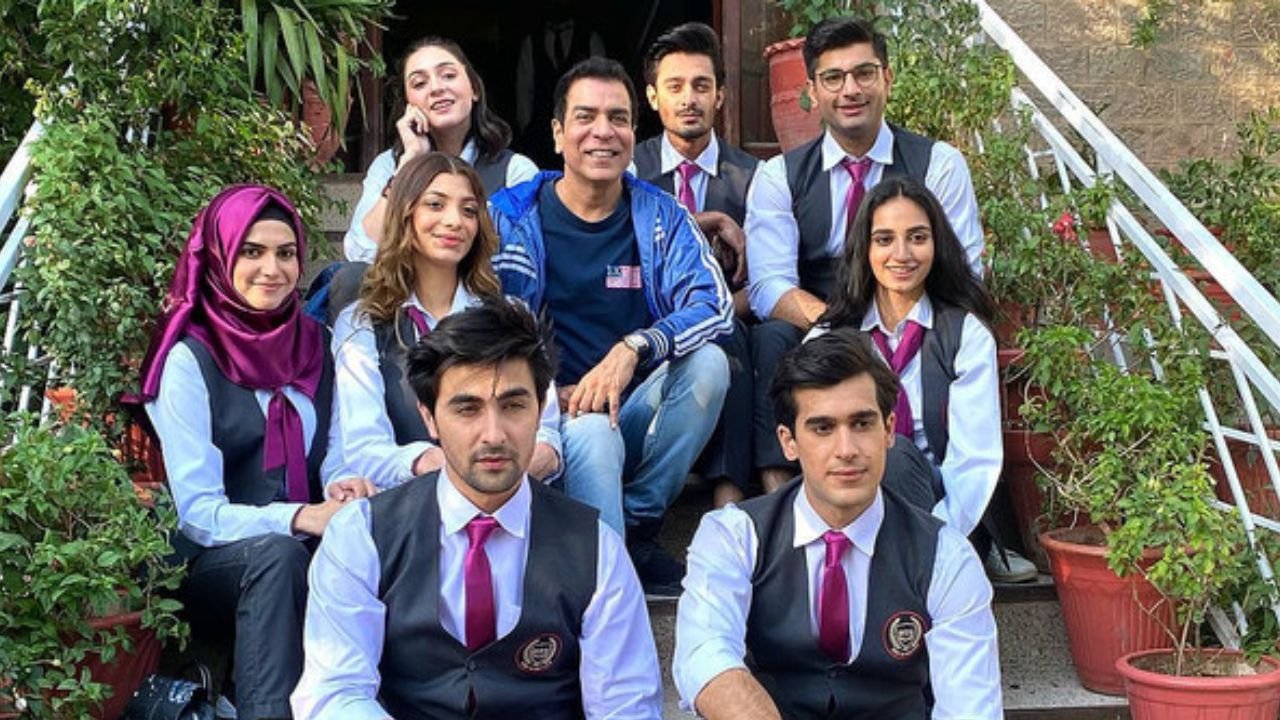
    Green Entertainment rolled out a list of its anticipated dramas this week, including College Gate, an exploration of the lives of six students as they tackle bullying, financial independence, career dreams and pressure to step into adulthood. The cast includes a list of newcomers like Mamia Shajaffer, Khaqan Shahnawaz and Zarrar Khan.

    The first two episodes, where we see the students stepping into a new phase of their lives, debuted this week. We see the main leads struggling to follow dreams to become a singer, dealing with bullying or drug abuse.

    Social media users have mixed reviews about the episodes, with some applauding the show for focusing on the lives of teenagers and taking a break from saas-bahu dramas, while others felt that the casting choices could have been different.

    Some users found the episodes to be engaging for tackling issues only teenagers were dealing with.

    Many felt that the script was similar to the web series ‘Midsummer Chaos’ or Netflix shows like Elite.

    Others pointed out that the actors playing the characters could not pass off as teenagers, stressing that a more age appropriate cast should have been selected rather than actors in their 30s.

  • Saying goodbye to ‘Kuch Ankahi’ with the five times it completely blew us away

    Saying goodbye to ‘Kuch Ankahi’ with the five times it completely blew us away

    From the moment it graced our screens, ‘Kuch Ankahi’- with its story of three sisters dealing with marriage pressure, workplace harassment, taking on a challenging careers- seared itself on the Pakistani entertainment industry as a cultural milestone that told a gorgeous story about the bond of sisterhood.

    Only 26 episodes long, ‘Kuch Ankahi’ won our hearts with its flawless story telling and brave portrayal of issues that today’s political climate would have prevented them from doing so.

    With the final episode coming up on Saturday, our hearts are heavy as we will no longer have to look forward to Shamoo Begum and Agha Jaan kay jhagray, Alia and Salman’s cat and mouse chase and the wholesome love between the three sisters. Let’s look back at the five moments where ‘Kuch Ankahi’ truly proved that it was a masterclass in good story telling.

    1 The men in the drama won our hearts.

    At a time when dramas today think a hit series needs a man slapping a woman or a girl being forcibly married without her consent, ‘Kuch Ankahi’ set the bar higher by proving that what audiences want is not violence, but well-written characters that are supportive of the women around them. The bond that the father Agha Jaan had with his daughters, and how he kept taking their side regardless of what society told him, moved us to tears. His defence of youngest daughter Tanya and her passion to become a filmmaker, or backing Samiya if she wanted to back out of her marriage at the last minute.

    2. When the show made a breakthrough by supporting Joyland

    In a scene in episode four that takes place in Tanya’s room, Aliya stands behind her wall of posters, among which is Saim Sadiq’s film ‘Joyland’, a love story between a transgender woman and a man. It was a small, but powerful display of support towards Pakistani filmmakers.

    3 The nikkah scene that defended the right to divorce clause and urged for women to be aware of their rights in the marriage contract

    The nikkah scene from episode 11 received praise on Twitter when Sofia phupoo (played by actress Vaneeza Ahmed) passionately urged the molvi sahab to not cut out the clauses from the nikkah where the woman writes down her demands, highlighting that these are essential for a woman’s safety in marriage, as Islam has rightfully granted them.

    4 Child sexual abuse

    With the story of Deepak, the son of the family’s Hindu house helper, the drama dwelled into the growing issue of child abuse, as he is raped by the tailor he works with. Later, when Sofia phupho and the family learn about the crime, they take in Deepak as a family member and enroll him in a good school so that he regains his confidence in a safe environment.

    5 Neha and her dream to become a tiktok star

    Any woman on screen who isn’t a gharelo good girl married off at the age of 20, is either an awaragard or too bold for society or someone who meets a tragic end. Especially so for women who are obsessed with using social media apps like TikTok . But ‘Kuch Ankahi’ debunks this mindset with the wholesome story of Neha, the daughter of a Hindu working class family, who loves using TikTok. However , she fears her father will beat her if her videos are found. But as the story progresses, Neha finds new-found courage with the support of Taniya to keep making videos, and soon she gets a job as an actress, with her father completely supporting her choice.

  • Want to know how to talk about domestic violence? Tere Bin has nothing on 1990’s Aahat

    Want to know how to talk about domestic violence? Tere Bin has nothing on 1990’s Aahat

    In a triggering scene, a house helper is seen violently beaten, dragged across the floor by her hair as her husband screams at her to give him more money. The woman keeps refusing, since the man is a drunkard who steals all their money to gamble it away. When the house help begins crying for help, another woman steps outside from her apartment and stands between them to protect her. The drunkard orders her to leave, as its a personal matter between a husband and his wife. But the woman refuses to do so, threatening to call the police. She takes the beaten woman inside her house.

    Did this scene come from a recent hit drama like ‘Tere Bin’, or from a forgotten, classical drama from the 90’s which talked about post- partum depression, pressure to give birth to sons and struggles of a working class family to make a living for their three daughters? Haseena Moin’s ‘Aahat’ was decades ahead of its time when it came to discussing sensitive topics, giving women the catharsis they need that decades later, ‘Tere Bin’ glorified with toxic relationships.

    In several ways, Aahat was ahead of its time when it pulled back the curtain to reveal the struggles Pakistani women underwent, talking about the things that today’s television dramas would have been called ‘vulgar’. It explores the struggles of Rabiya, who gave birth to a fourth daughter, and is being pressurised by her mother-in-law to give her a son, or her husband must marry another woman. Rabiya’s pain is nothing new for Pakistani women, who bear the brunt of family problems, and the drama never shies away from being blunt about the pain: like a scene where Rabiya is made to isolate herself from her children in a room until she is able to give birth to a healthy son, under the orders of a peerni. Or the taunts for only giving birth to daughters which puts pressure on her health as she toils around the house, regardless of the warnings of her doctor and friend.

    But most importantly, what makes ‘Aahat’ the exemplary drama that proved Haseena Moin knew what Pakistani women yearned for, better than the writers today, was how she crafted female friendships that rose from the pains women shared with each other. Rabiya’s friendship with the brilliant and witty Naheed (played by Talat Naseer) is what guides her to take a stand for herself and eventually for her children. Naheed’s boldness and selfless love for Rabiya rescues her in moments when her post-partum depression make the worst of her, like in the first episode, she immediately begins working around the house after undergoing a critical surgery, because her mother-in-law refuses to take care of her three daughters, calling them a burden. Or the humiliation Rabiya endures because of the limited money her husband makes, that eventually push her into making shocking decisions. It was Naheed who offered her safety, and eventually proved that the drama was a love letter to the magic of female friendships.

    In an episode when Rabiya has to make a critical decision, Naheed reminds her that she will never be granted a place on the table, but she needs to keep raising her voice to make it happen.

    “Hum aurtoon kay pass koi jagah nahi hoti’ she urges. “Mein isliee har dafa chala rahi hoti hoon kyun kay mujhay pata hai kay istarhaan meri awaaz koi sunay ga. Islie apni awaaz uthaya karo ta ke log tumhein sunien.”

    Would this message remain evergreen in the years ahead ? Tere Bin, currently rated as a critical hit drama on Pakistani screens, proved that the enduring message of friendships and female empowerment has been lost forever. For 58 episodes, the drama stomped out any effort Moin made to give Pakistani women the space they needed to find their voice; instead glorifying the opposite with a clueless storyline featuring two toxic characters, and an even toxic slutty savitri who plotted to break them apart. From the first five episodes, Meerub was slapped for refusing to marry Murtasim, lead a toxic storyline of stalking, abuse, harassment, and even marital rape to a point. What was once a space crafted by the gentle and clever writing of Haseena, is now bombarded with 45 minutes of Haya plotting to make sure Murtasim catches Meerab in a scene that makes him slap her and then divorce her so Haya could become his wife.

    The wound left behind by the passing of Haseena bleeds anew when we come to realise that what television dramas show on our screens is what even female drama writers today staunchly believe is what the audience needs. When the writer of Tere Bin Nooran Mahkdoom, had been questioned about the controversial marital rape episode, she defended it as ‘a demand of a serial’, a complete 180 from the time when a decades old drama written in the times of Zia had not only condemned domestic abuse and rape, but even made sure that the message that abusers should be punished is given to the audience.

    The problem never was just about Tere Bin, but the complete decline in the quality of our dramas, pushed by an industry that now considers that any show featuring one of out the following: domestic violence, wailing women, a satti savitri desperately wanting a man’s attention. Pick one of them and you have a hit on your hands, even get a Pride of Pakistan award ready. Take a stand and make a drama like ‘Udaari’ that talks about child abuse and sexual assault, PEMRA is at your doorstep ready to call you a traitor for going against the Islamic Republic of Pakistan.

    In a time even Pakistani women can’t find a place to be still, with the economy ravaging, human rights violations growing even worse by the day, public spots becoming hunting grounds for rapists and harassers, the grief we carry in our bodies is understood by no one better than Haseena Moin, and the prevailing message that becomes relevant as currently a hit drama featuring two cousins falling in love features a scene accusing women for falsifying rape accusations for the sake of attention. It’s no surprise that more women are turning to classical dramas because the gentleness and sharp writing of Moin will keep outshining whatever dumpster bin dramas we’re fed in the name of ‘hit dramas’.
  • Films about elderly people aren’t considered commercially viable: Simi Raheal

    Films about elderly people aren’t considered commercially viable: Simi Raheal

    Veteran actress Simi Raheal recently starred with Salman Shahid in the acclaimed Eid telefilm ‘Budhi Ghori Lal Lagham’, about an elderly couple who are struck with a tragedy, then choose to live adventurously. The short film was written and directed by actor Sheheryar Munawar, who previously received rave reviews for his Mahira Khan starrer short film ‘Prince Charming’.

    We spoke to Raheal at the premier of ‘Teri Meri Kahaniyaan’ at Cue Cinema and asked what drove her to the role.

    “He wrote and directed it, and the inspiration came from his own parents. We had recently done a tv series and I don’t know why but he wanted both Salman saab and myself as pivotal characters,” she disclosed.

    Raheal was also of the opinion that people want to listen to stories other than the typical saas bahu dramas. “There are a lot of stories out there, and different types of people and a lot of issues. Elderly people have their own set of problems. They want to do things. It’s not necessary that everything is for the youth.”

    Recently, veteran actress Mahnoor Baloch also apoke up about why she refused to work in Pakistani dramas, citing a lack of roles for women who are in their forties or fifties. Speaking on this matter, Raheal said it’s because stories that didn’t fit into the ‘hero heroine’ formulae are not considered ‘commercially viable’:

    “It’s not written actually, because people don’t write stories about aged women. Mostly people are interested in writing stories about heroes and heroines, which all have the same formulae. Other stories, people feel will not be commercially viable hence they remain untouched.”

    ‘Budhi Ghori Lal Lagham’ is available to watch on Youtube.

  • Pakistani dramas, stop treating topics like sexual harassment so lightly

    Pakistani dramas, stop treating topics like sexual harassment so lightly

    Ab ye hi reh gaya tha?

    Pakistani dramas have a strict formula. To make sure that a drama turns into a hit. They try not to even think about emphasising the understanding of social issues or for once making a drama that is not about sass bahu jhagray. The problem is that they include scenes like women being abused, exploited, and even flip the narrative by trying to justify that women make up harassment scandals just to entrap men.

    ‘Mujhay Pyaar Hua Tha’ decided to take the cake after showing two cousins getting married, a weird love triangle, father getting paralysed after daughter tries to rebel, now the good-at-heart male lead is getting trapped by another woman, who falsely accuses him of harassing her, because obviously women don’t get sexual harassed or assaulted in the Islamic Republic of Pakistan. They just make up stories, right? So wrong.

    https://twitter.com/eliteclownn/status/1675888756648464386?s=20

    In this scene, a woman shows up to Saad’s office, threatening him that she has personal pictures of his wife Maheer (played by Hania Amir) and her ex-lover Areeb (Zaviyaar Nauman Ijaz), which she will leak on social media unless Saad visits her house. When he arrives there, she hands him coffee which she had drugged with something that makes him unconscious. When Saad awakens, the woman calls the police and re-arranges the scene to make it look like she was sexually assaulted, and Saad is arrested and taken away.

    We hope that the makers of ‘Mujhay Pyaar Hua Tha’, its writer and the lead actors understand that sexual harassment is a serious crime, and not a made up fantasy that women endorse just to make money and trap innocent men. If it’s so hard for the lead actors to understand why being well aware about social issues is important when working in dramas, take an example from Mawra Hocane when she revealed that she refused to work in the drama ‘Qisa Meherbano Ka’ which was depicting marital rape, that after discussing this issue with the producer Momina Duraid and the director Iqbal Hussain, they all agreed to re-write the scene and then shot it.

    Twitter users had to condemn Pakistani dramas for once more proving that we could take one step forward, but in exchange we’ll go several steps back.

    “It’s extremely irresponsible to show false rape allegations in countries with rape culture,” one user wrote. “I hope makers realise they are feeding victim complex of Desi men for lukewarm twists.”

  • Twitter celebrates 11 years of actor Yumna Zaidi with some of her best performances

    Twitter celebrates 11 years of actor Yumna Zaidi with some of her best performances

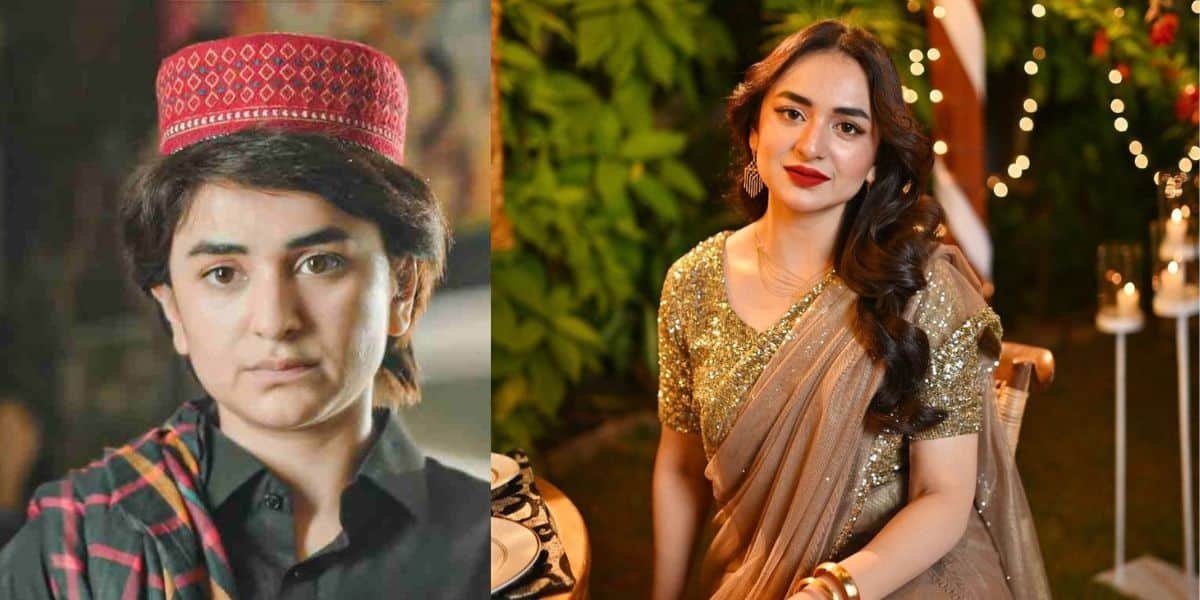
    Today marks eleven years since actress Yumna Zaidi made her mark in the entertainment industry, breaking all the rules with her show-stopping talent and the ability to completely change pop culture with every powerful performance. In those years, her roles have ranged from a child prostitute learning to overcome her past to a headstrong woman with an ambition to serve in the army, and a fearless girl who disguises herself as a man to make a living for her family. In other words, every time she appears on screen, be prepared for a performance so mesmerizing that it will be seared on your memory.

    In celebration of this event, Zaidi’s fans on Twitter marked the occasion by highlighting their favorite performances in dramas.

    Tere Bin

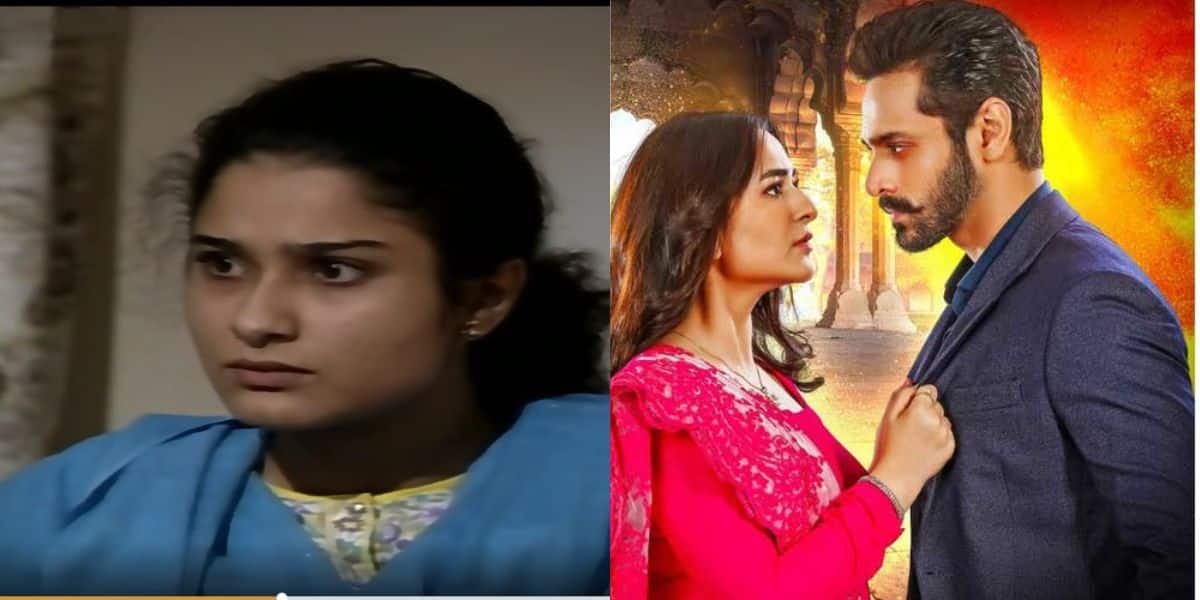
    Hate the drama all you want, but give credit to Zaidi for bringing life to a powerful woman like Meerab, despite attempts by the writer and the show-runners to mold her into another bheegi bili. Yes, the story is cringe worthy and typical of the saas bahu dramas where a woman is abused, bullied by her family members, and she learns to forgive them all. But Zaidi is the only good part of the show with her Meerab, a feared headstrong character who openly challenges her husband, refuses to follow the traditions of her in-laws, and in doing so managed to make the show a bit more bearable.

    Bakhtawar

    How could we forget the drama that proved Yumna is not someone who will fade away after a few years? Very few actresses have taken the leap to challenge themselves to take on a project that challenges social norms, especially in a country like Pakistan. But Yumna did it so and delivered a performance that is to this day still revered by fans. She plays the independent and competitive Bakhtawar, a girl born in a working class family who flees to a new city after her uncle tries to marry her off. To make a living for her family, she cuts off her hair and takes on a boyish appearance to find work.

    Sinf-e-Ahan

    Yumna continued to prove that she was a thespian with this feminist drama, where she played a girl from a conservative family, destined to be married off quickly, but she defies all of them by joining the army, despite their doubts. Paired with equally wonderful performances from Syra Yousef, Kubra Khan and Sajal Aly, this is the drama we recommend to anyone who wishes to understand the lore surrounding Yumna Zaidi.

  • Sonya Hussyn will play an addict in her next drama

    Sonya Hussyn will play an addict in her next drama

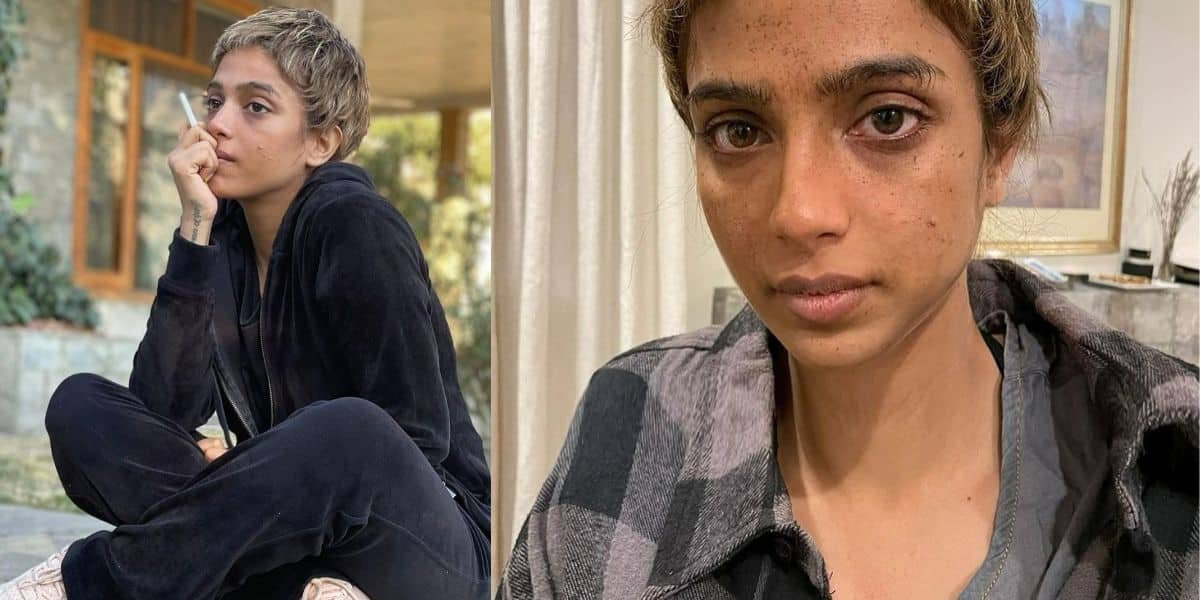
    Actress Sonya Hussyn is setting up her career to be that of a thespian with the wide range of characters she has played on screen. In a post yesterday, she revealed that her next character, Murshid, is an addict, and debuted her look on Instagram.

    The drama’s name is “Gangs of Kharasaan”

    The actress also revealed that this character held a special place in her heart.

    “Addicts are humans too!!!! Meet “ MURSHID
    Unveiling the first look of my new project, Gang of Kharasaan!
    After playing horain in saraab, Murshid is another character that holds a special place in my heart ”

    Hussyn had previously played a boxer from Lyari in the film ‘Daadal’ who set out to avenge her sister’s honor by becoming a contract killer.

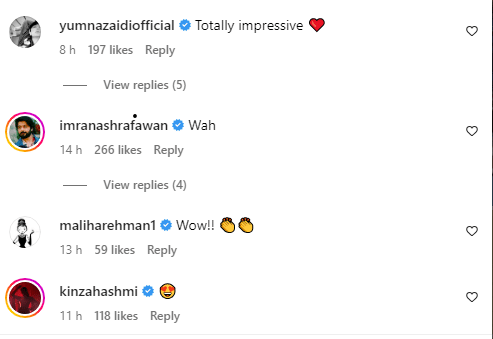
    Since she debuted her look on Instagram, celebrities like Yumna Zaidi, Imran Ashraf Awan and Kinza Hashmi have showered praise on the actor’s commitment to completely alter her appearance to portray a character.

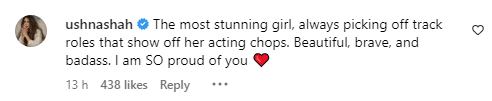
    “The most stunning girl,” actress Ushna Shah wrote. “Always picking off track roles that show off her acting chops. Beautiful, brave, and badass. I am SO proud of you.”