Tag: Pakistani Rupee

  • Intraday update: Pakistani rupee plunges to historic low of Rs290 against dollar amid political turmoil

    Intraday update: Pakistani rupee plunges to historic low of Rs290 against dollar amid political turmoil

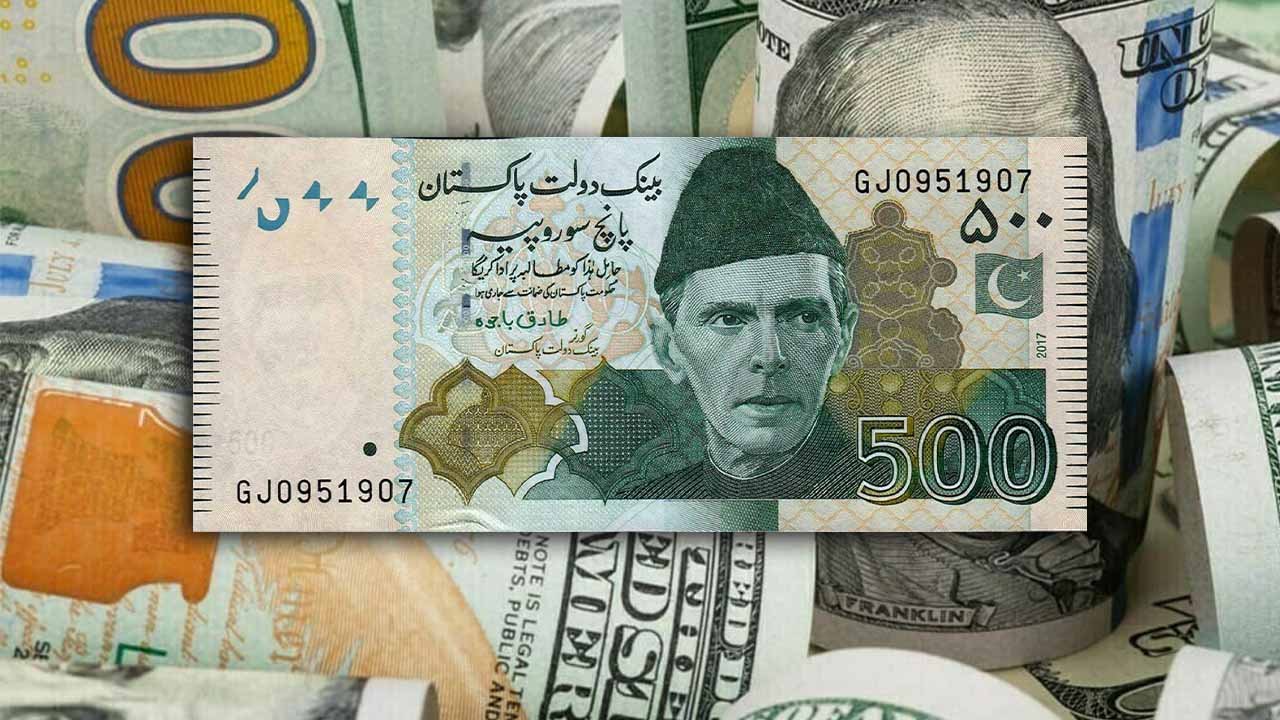
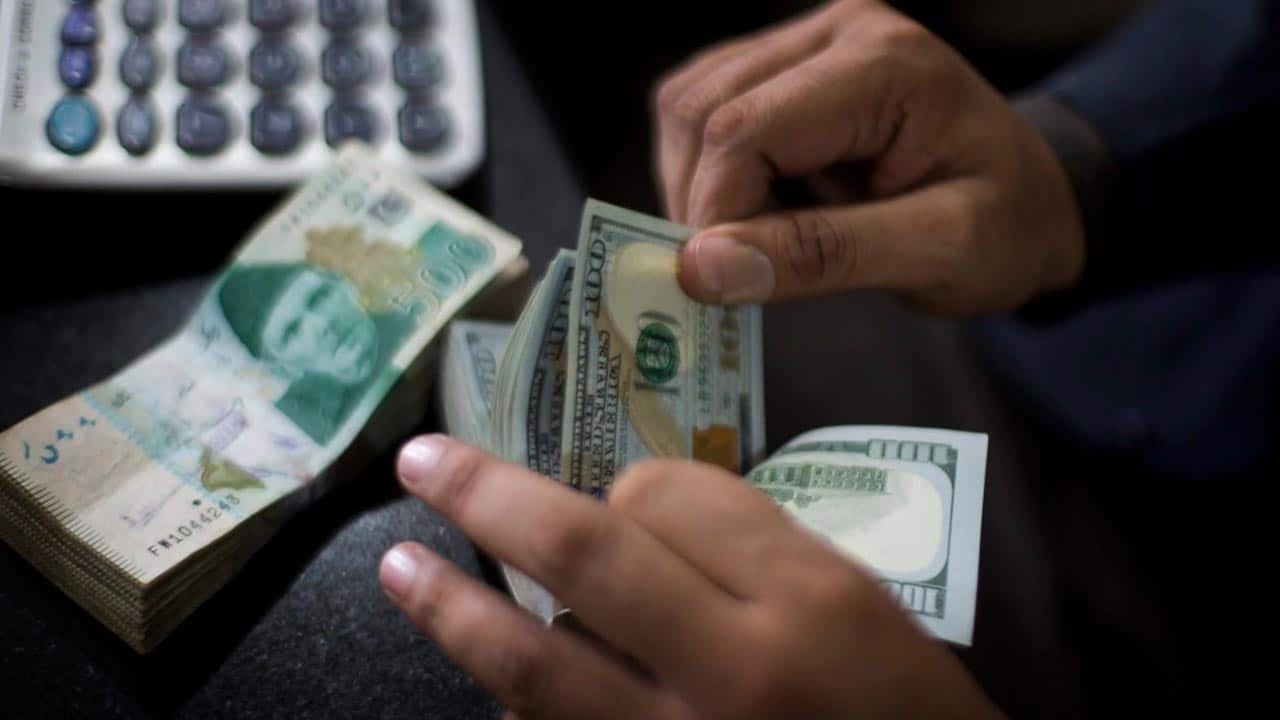
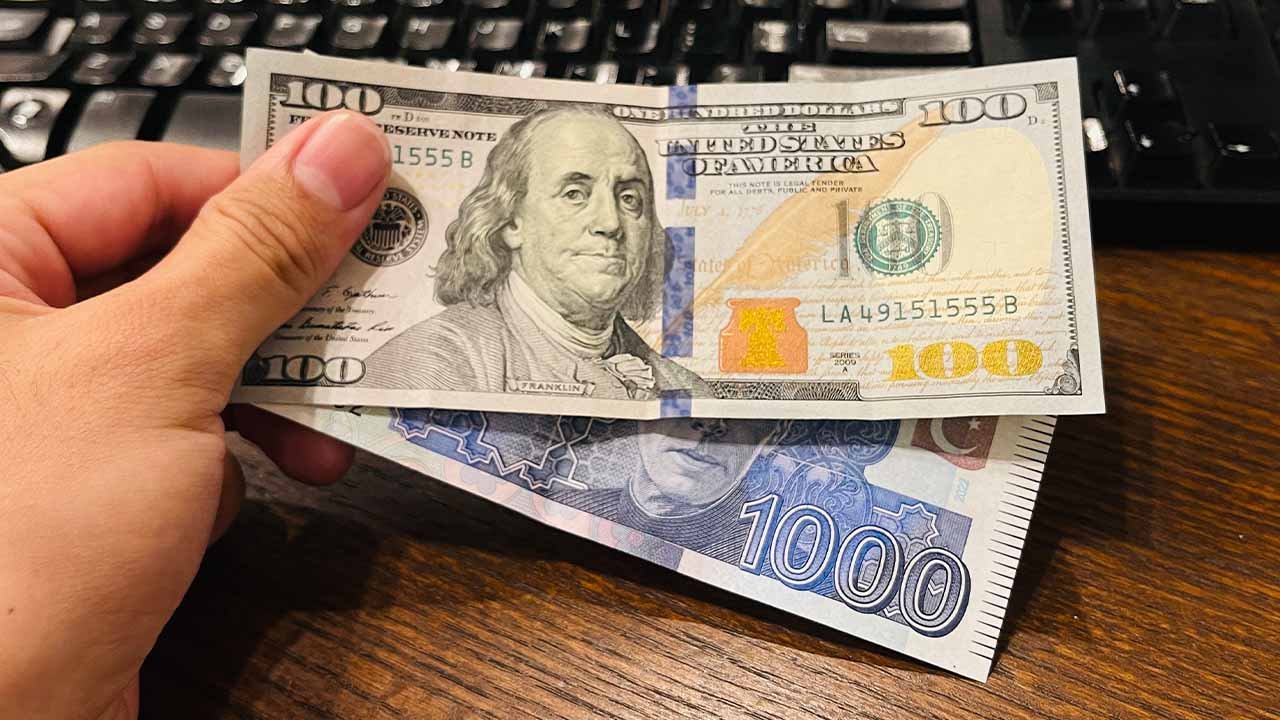
    On Wednesday, the Pakistani rupee (PKR) reached a historic low against the US dollar, falling to Rs290 during intraday trading at the interbank foreign exchange market. This decline is a major setback to Pakistan’s economy, as the rupee lost Rs5.16 in a single day compared to the previous day’s closing rate of Rs284.84.

    The previous record low of Rs288.43 was set in April. The sharp decline in the Pakistani rupee raises concerns about the country’s financial stability, and several factors have contributed to this depreciation.

    The arrest of former Prime Minister Imran Khan on corruption charges has led to increased uncertainty and added pressure on the Pakistani rupee. This political turmoil has negatively impacted investor confidence and the value of the local currency.

    Furthermore, the uncertain status of the International Monetary Fund (IMF) loan programme has further exacerbated the decline of the Pakistani rupee. Although the government had anticipated an installment of $1.2 billion under the Extended Fund Facility (EFF) program, delays in loan disbursement and recent developments in negotiations have raised concerns about Pakistan’s ability to meet its financial obligations. These doubts have put additional strain on the rupee’s value.

    Currency experts are closely monitoring these developments and expressing caution about the future outlook of the Pakistani rupee. The government must take decisive measures to stabilize the currency and restore investor confidence. This may involve implementing effective economic policies, addressing corruption concerns, and ensuring a more transparent and predictable investment environment.

    It is crucial for the Pakistani government to engage in constructive dialogue with the IMF to secure the much-needed loan program. Demonstrating a commitment to fiscal discipline, structural reforms, and good governance can potentially alleviate concerns surrounding the economy and enhance the rupee’s value in the international market.

    While the situation appears challenging, it is important to note that currency fluctuations are not unique to Pakistan. Several emerging economies have faced similar issues in recent years. The government’s response and its ability to address the underlying causes of the rupee’s depreciation will be critical.
  • Fitch warns of further depreciation of Pakistani rupee due to $6.7 billion debt payment

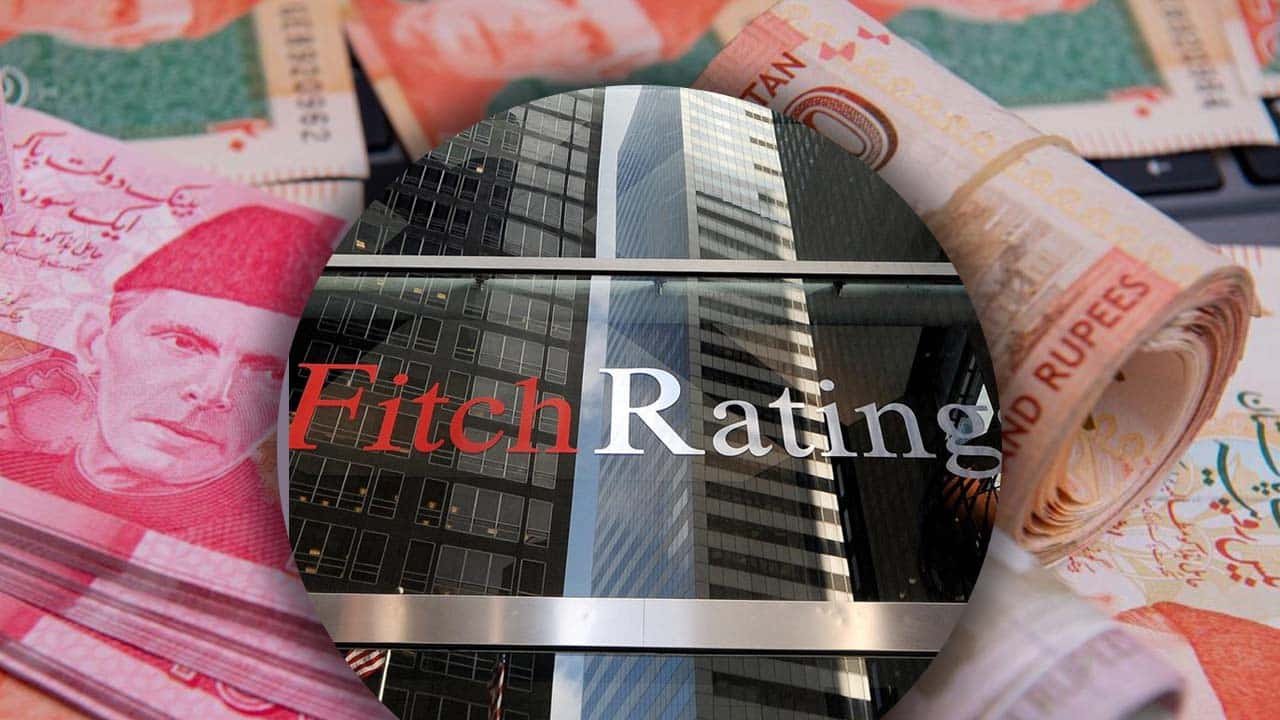
    Fitch warns of further depreciation of Pakistani rupee due to $6.7 billion debt payment

    Fitch, the world’s leading credit rating agency based in Hong Kong, said on Friday that Pakistan must pay a total of $6.7 billion in debt payments for the ongoing fiscal year of 2022-23.

    Of this amount, $3.7 billion must be paid by Islamabad this month, with another $3 billion due in June. Krisjanis Krustins, Fitch’s director, warned that these payments could cause the Pakistani rupee to depreciate further, exerting greater pressure on the country’s currency.

    Krustins also revealed that Pakistan expects a rollover of $2.4 billion from China to address its economic needs. However, he emphasised the need for Pakistan to revive its International Monetary Fund (IMF) loan programme.

    Pakistan has been working to restart the stalled loan programme with the IMF. Earlier this year, Saudi Arabia and the United Arab Emirates pledged external funds, but the IMF has demanded that Pakistan “do more” to unlock the loan programme.

    Finance Secretary Hamid Yakoob recently met with the IMF in the US, but the meeting remained unfruitful. The international lender has proposed that Pakistan arrange $1 billion from commercial banks to unlock the loan programme.

  • IMF loan delay continues to impact Pakistani rupee

    IMF loan delay continues to impact Pakistani rupee

    During trading on Wednesday, the Pakistani rupee experienced a slight decrease against the US dollar, with a depreciation of almost 0.06 per cent in the inter-bank market. At around 12:45 pm, the currency was being traded at Rs284.06, which is a decline of Re0.16.

    This comes after the rupee had previously regained some ground against the US dollar on Tuesday, settling at Rs283.9 in the inter-bank market. The International Monetary Fund (IMF) Extended Fund Facility (EFF) has been stalled since last year, and market participants are waiting for its resumption.

    Experts have suggested that the reduced demand for US dollars can be attributed to the increase in inflows from workers’ remittances and a decline in import payments. Globally, the dollar saw some stability on Wednesday after being influenced by bond market volatility. Investors closely monitored US economic indicators, Federal Reserve commentary, and corporate earnings for indications about the path for interest rates.

    The dollar index, which measures the greenback against six major peers, rose by 0.11 per cent to 101.83 in Asian trading, following a 0.36 per cent decline on Tuesday that reversed the 0.54 per cent increase from the previous session.

    Oil prices, which serve as a significant indicator of currency parity, declined on Wednesday as the market considered potential interest rate hikes from the Federal Reserve. Such hikes could slow growth and dampen oil consumption, offsetting the impact of falling US inventories and strong Chinese economic data.

  • Pakistani rupee falls to historic low of Rs288.43 against dollar

    Pakistani rupee falls to historic low of Rs288.43 against dollar

    On Wednesday, the Pakistani rupee (PKR) reached a new record low, falling to Rs288.43 against the US dollar in the interbank market.

    The State Bank of Pakistan (SBP) reported that the rupee slid by Rs1.34 against the greenback before closing at Rs288.43. Meanwhile, the Forex Association of Pakistan (FAP) has reported that the selling rate of the dollar in the open market was recorded at Rs295.

    This comes after the rupee had closed at Rs287.09 per US dollar the day before, with the greenback trading at over Rs291 in the open market. Additionally, on April 5, the rupee had closed at Rs287.85 per US dollar, while the greenback was trading at over Rs293 in the open market.

    Experts suggest that the drop in the rupee’s value can be attributed to various factors such as economic challenges, political uncertainty, and depleting foreign exchange reserves.

    It is worth noting that a staff-level agreement between the International Monetary Fund (IMF) and Pakistan was scheduled to take place on February 9.

  • Seasonal demand: Gold price increases by Rs5,600 to Rs207,500 per tola

    Seasonal demand: Gold price increases by Rs5,600 to Rs207,500 per tola

    On Friday, gold prices in Pakistan experienced a significant increase due to seasonal demand and the rush to purchase the precious metal during Ramadan and the upcoming wedding season.

    According to data from the All-Pakistan Sarafa Gems and Jewellers Association (APSGJA), the price of 24-carat gold surged by Rs5,600 per tola and Rs4,801 per 10 grammes to settle at Rs207,500 and Rs177,898, respectively.

    In recent sessions, the price of gold had decreased due to a decline in international prices and the appreciation of the Pakistani rupee against the US dollar. However, the bullion sparkled once again on Friday as local markets reopened following a day off for Pakistan Day.

    The price of gold in Pakistan is strongly influenced by the rupee-dollar parity since almost all of the country’s gold demand is met through imports, with traders following international prices to set rates. The metal is imported by jewelers against the US dollar and UAE dirham before its price is converted into rupees.

    The APSGJA also noted that the price of gold in Pakistan was Rs12,000 per tola cheaper than in the Dubai market, indicating that the Pakistani gold market was currently less expensive than the global market.

    Meanwhile, in the international market, gold prices continued to rise on Friday, buoyed by a drop in Treasury yields after the US Federal Reserve hinted at a possible end to its monetary tightening cycle. The per-ounce price settled at $1,997 after a significant increase of $58.

    The longer-term prospects for gold remain positive due to expectations of a pause in US interest rate hikes. In addition, silver prices in the domestic market rose by Rs20 per tola and Rs17.15 per 10 grammes, settling at Rs2,220 per tola and Rs1,903.29 per 10 grammes, respectively.

  • State Bank of Pakistan’s foreign exchange reserves rise to $4.3 billion after Chinese loan

    State Bank of Pakistan’s foreign exchange reserves rise to $4.3 billion after Chinese loan

    Pakistan’s foreign exchange reserves held by the State Bank of Pakistan (SBP) have exceeded $4 billion after the country received a $500 million loan from the Industrial and Commercial Bank of China (ICBC).

    In a weekly bulletin, the SBP reported a rise in foreign exchange reserves by $487 million, boosting the total to $4,301 million as of 3 March, providing an import cover of around a month. This was part of the ICBC’s $1.3 billion facility, which followed another loan of $700 million from the China Development Bank.

    These loans were essential as Pakistan has not received funds from any other country, except China, while the $350 billion economy struggles to revive its stalled International Monetary Fund (IMF) program.

    There are $7 billion of repayments due in the coming months, including a Chinese loan of $2 billion due in March. According to Geo, experts believe that the Pakistan rupee, which has fallen to a historic low of Rs282.30 against the dollar in the interbank market, can only recover to Rs265 if the situation improves.

    Meanwhile, the government has imposed restrictions on imports due to a shortage of dollars, which has resulted in the partial closure of textile and automobile manufacturers, raising fears of unemployment.

  • Pakistani rupee’s three-day winning streak ends due to delayed IMF deal

    Pakistani rupee’s three-day winning streak ends due to delayed IMF deal

    The value of the Pakistani rupee (PKR) decreased 0.45 per cent against the US dollar following a three-day period of gains due to prolonged delays in critical funding from the International Monetary Fund (IMF).

    During the interbank session held today, the PKR depreciated by Rs1.3 to settle at Rs279.12 per USD, compared to yesterday’s closing of Rs277.87 against USD.

    Throughout the session, the local unit traded within a range of Rs1.75, reaching a high bid of Rs278.75 and a low offer of Rs277.5. In the open market, the PKR was traded at Rs277/Rs280.5 versus USD.

    On the other hand, the local unit gained Rs5.1 against the Pound Sterling, with the day’s closing quote at Rs329.98 versus GBP, while the previous session closed at Rs335.11 per GBP.

    Furthermore, the PKR’s value also strengthened by Rs2.9 against the EUR, which closed at Rs294.19 at the interbank today.

  • All economic indicators moving in right direction: Dar dismisses rumors of Pakistan’s default

    All economic indicators moving in right direction: Dar dismisses rumors of Pakistan’s default

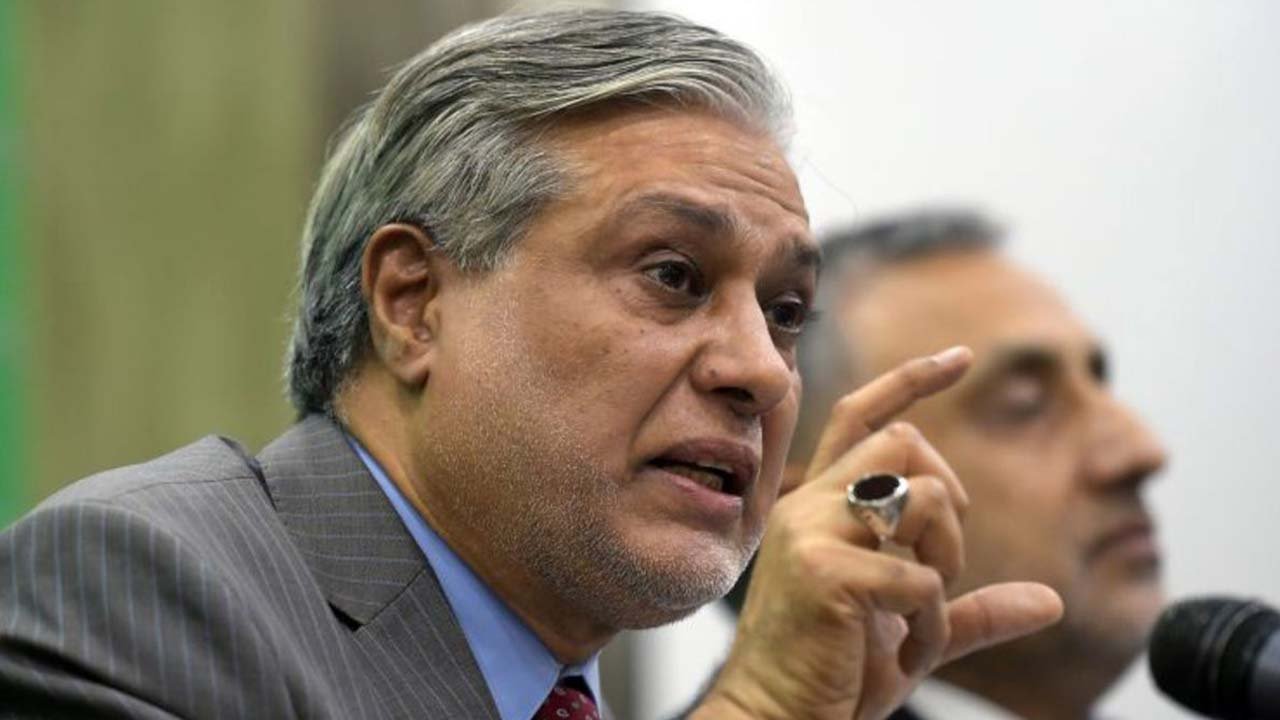
    According to the announcement by Pakistan’s Federal Finance Minister Ishaq Dar, negotiations between Pakistan and the International Monetary Fund (IMF) are about to conclude, and a staff-level agreement is expected to be signed soon.

    The minister also dismissed rumours of Pakistan defaulting as completely false and stated that all economic indicators are moving in the right direction. He highlighted that the State Bank of Pakistan’s foreign exchange reserves have increased and that foreign commercial banks have started extending facilities to Pakistan.

    However, the Pakistani rupee has plunged to a new all-time low of Rs290.18 against the US dollar in the interbank market, which is causing concern among importers who are panic buying dollars while exporters are reportedly withholding selling the greenback in anticipation of a higher exchange rate.

    It is reported that the IMF wants the value of the rupee in the interbank market to match its value in the black currency market.

  • Pakistani rupee drops by more than Rs18 against US dollar due to delay in IMF deal

    Pakistani rupee drops by more than Rs18 against US dollar due to delay in IMF deal

    Pakistani rupee (PKR) experienced a significant decline of over Rs18.8 against the US dollar in the interbank market during intra-day trade, ahead of the monetary policy review and delay in the International Monetary Fund (IMF) deal.

    At approximately 11:40 am, the greenback was being traded at Rs285 against the local currency, compared to its previous day’s closing of Rs266.11.

    Zafar Paracha, the General Secretary of ECAP, expressed concern over the delay in the agreement with IMF and the lender’s demand to peg the currency rate with that of the grey market, which has resulted in market uncertainty.

    In his opinion, the current rate is too high and should not have risen to this extent. He also noted that the greenback was being traded at Rs290 in the grey market a day earlier.

    Adnan Asghar, a currency market expert, stated that the delay in the deal between Pakistan and the IMF has contributed to the depreciation of the rupee.

    He added that the uncertain political situation has also been a factor in the decline of the rupee’s value. Asghar warned that the country is approaching a default situation due to this delay.

  • Pakistani rupee breaks winning streak, closes at Rs262.51 against dollar

    Pakistani rupee breaks winning streak, closes at Rs262.51 against dollar

    During Tuesday’s interbank trading, the Pakistani rupee (PKR) declined and experienced losses against the dollar, reaching a low of Rs265 versus the dollar.
    The rupee lost 63 paisas versus the dollar by the time markets closed, depreciating by 0.24 per cent.

    The local currency commenced trading at Rs261.50 versus the US dollar with full red value. By lunchtime, the dollar had risen to about Rs264 versus the rupee. Before the interbank closure, the local currency was mostly bearish versus the top foreign currency after 1 PM.

    The National Assembly passed the Finance (Supplementary) Bill, 2023, on Monday, proposing extra taxes and tariffs of Rs170 billion, ending the rupee’s five-day winning streak against the dollar and clearing the way for the staff-level deal with the International Monetary Fund (IMF).

    After its record-breaking single-day plunge of Rs25 in the latter week of January, when the rupee was finally “freed” versus the US dollar in the inter-bank market, the rupee has lost more than Rs27. The PKR has decreased by 62.99 paisas today based on observable market trends and fiscal developments.

    Money exchangers claim that a further delay in the staff-level agreement with the IMF might increase pressure on the PKR as investors and exporters alike track exchange rate movements to calculate profit yields in the face of constrained revenue estimates and related import restrictions.

    The rupee may appreciate until the conclusion of the current fiscal year, 2022–2023, in the event that the rescue is successful.

    After obtaining a $2.5 billion loan, the IMF’s current loan programme will end on June 30, 2023. Pakistan will have to reapply for the new loan programme if necessary in the next fiscal year.