Tag: Pakistan's Economy

  • Pakistan’s forex reserves dip by $79 million amidst external debt repayments

    Pakistan’s forex reserves dip by $79 million amidst external debt repayments

    Pakistan’s total liquid foreign exchange reserves declined by $79 million in the past week, primarily due to external debt repayments. 

    According to the State Bank of Pakistan (SBP), as of November 10, 2023, the country’s total reserves amounted to $12.535 billion, down from $12.614 billion on November 3, 2023.

    During the reviewed week, SBP’s reserves decreased by $115 million to $7.397 billion due to debt servicing. Conversely, commercial banks’ net foreign reserves increased by $36 million, reaching $5.139 billion by the end of the week.

    In a significant development, the International Monetary Fund (IMF) announced on Wednesday that a staff-level agreement (SLA) has been reached on the first review of a nine-month stand-by arrangement (SBA) totaling $3 billion with Pakistani authorities.

    Pending approval by the IMF Executive Board, the SLA signifies a milestone, and upon approval, an amount of SDR 528 million, approximately a $700 million loan tranche, will be disbursed to Pakistan. 

    This disbursement will bring the total funds received under the IMF SBA to $1.9 billion.

    These incoming funds are expected to contribute to replenishing the country’s diminishing foreign exchange reserves. 

    The IMF team, led by Nathan Porter, conducted discussions in Pakistan from November 2–15, 2023, culminating in the announcement of the SLA upon the completion of the economic review.
  • IMF’s $700 million tranche approval crucial for Pakistani rupee’s recovery

    IMF’s $700 million tranche approval crucial for Pakistani rupee’s recovery

    The Pakistani Rupee (PKR) is expected to rebound against the US dollar this week, with this revival contingent on the approval of the next tranche by the International Monetary Fund (IMF).

    Last week, the PKR weakened by 1.78 rupees (0.6 per cent), closing at Rs280.57 against the US dollar, marking a second consecutive week of decline. On the last trading day, it reached a high of Rs280.5 and a low of Rs280.15 against the greenback.

    In the open market, the rupee depreciated by 50 paisa, closing at Rs279.5 for buying and Rs292.8 for selling, compared to Rs279 and Rs282 a week ago.

    The rupee’s decline is attributed to expectations of the IMF’s approval for the next $700 million tranche of its $3 billion loan. Geopolitical tensions in the Middle East and decreased export receipts have also played a role.

    Despite hopes for recovery post-IMF approval, concerns linger about its long-term stability, with Goldman Sachs predicting a short-lived strong performance.

    The rupee’s fate remains tied to the 280 level until the IMF’s decision. The upcoming weeks and months hold uncertainty amid global economic challenges and geopolitical issues.

    Economists and financial experts are closely watching events, especially the IMF’s decision, which will significantly impact Pakistan’s economic stability as it strives to restore economic health and growth.

  • PM Kakar calls for reduction in prices of essential items and services after petrol price cut 

    PM Kakar calls for reduction in prices of essential items and services after petrol price cut 

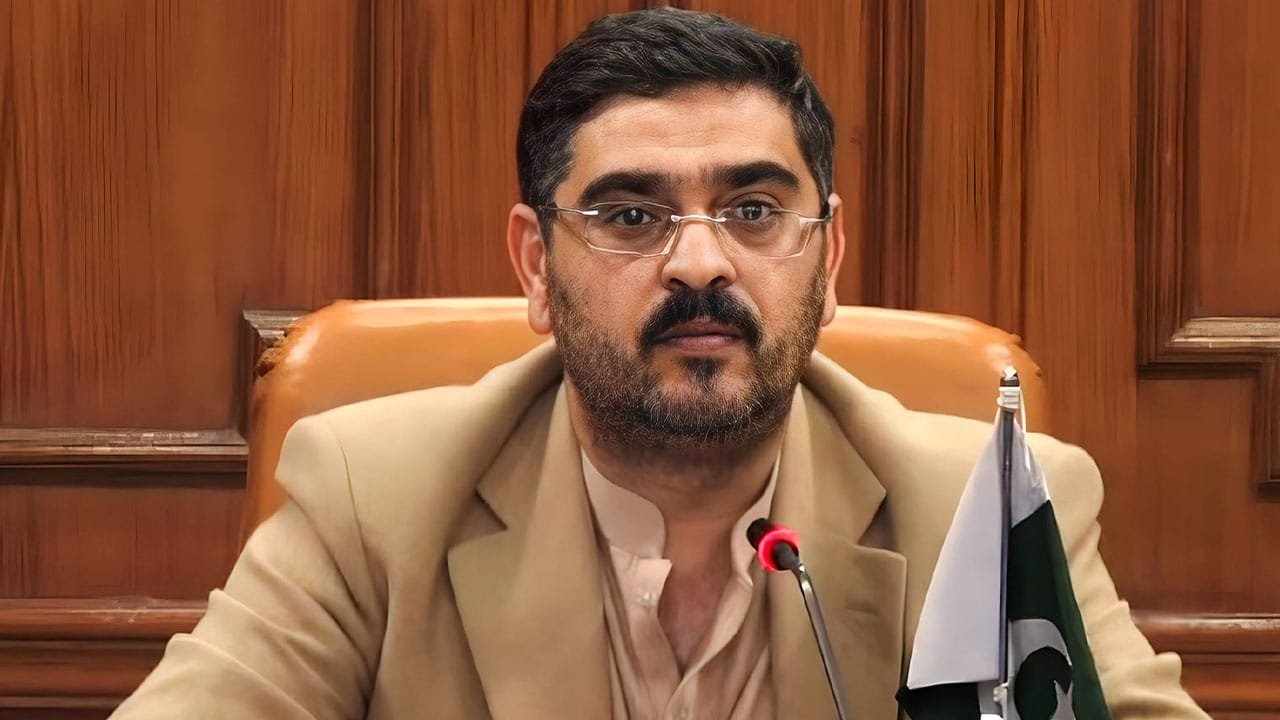
    On Monday, Caretaker Prime Minister (PM) Anwaar ul Haq Kakar called upon the chief ministers to take decisive action in lowering the prices of essential goods and services in response to a significant reduction in fuel costs. 

    In a momentous development, the government has implemented a substantial reduction of Rs40 in the price of petrol. 

    Prime Minister Anwaar ul Haq Kakar issued clear directives at both the federal and provincial levels, urging the implementation of a stringent price control mechanism. 

    PM Kakar stressed that all endeavours must be focused on ensuring that the benefits of reduced petroleum prices are passed on to the citizens of Pakistan. 

    The prime minister emphasised the unwavering enforcement of his directives. 

    Prior to this decision, the cost of petrol had seen a remarkable reduction of Rs40 per litre in Pakistan. 

    As per a notification issued by the Oil and Gas Regulatory Authority, the price of petrol now stands at Rs283.38 per litre, reflecting a reduction of Rs40 per litre

    Meanwhile, the price of high-speed diesel (HSD) has been lowered by Rs15 per litre to reach Rs303.18, while kerosene oil prices have witnessed a reduction of Rs22.43 per litre, now standing at Rs214.85.