Tag: #palestine

  • Gazans mark ‘saddest’ Eid with little to celebrate or eat

    Gazans mark ‘saddest’ Eid with little to celebrate or eat

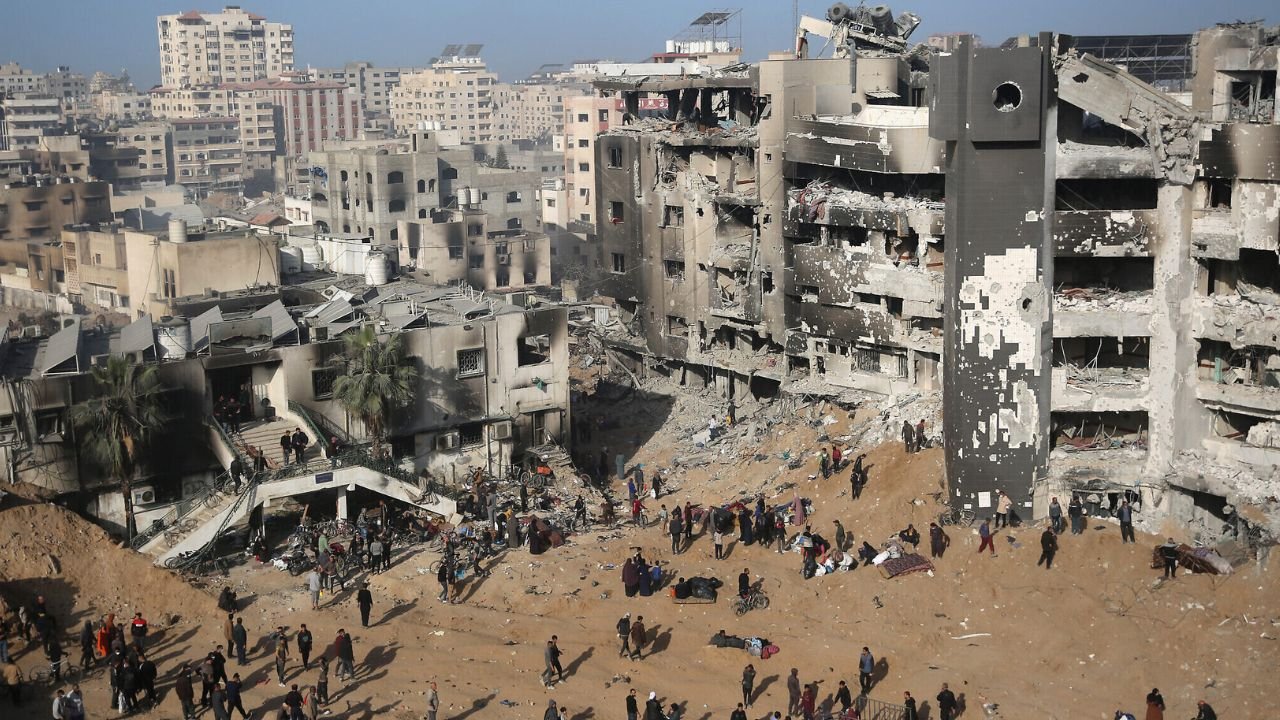
    Gazans did their best to celebrate the end of Ramadan in the driving rain on Wednesday, as the genocide ravaged on with 14 killed, including children, in a strike on their home, the health ministry said.

    The Israeli military said it struck several targets on the first day of the Eid al-Fitr holiday, with a jet hitting a rocket launch site and troops killing a “terrorist cell” in close quarters fighting.

    An AFP photographer witnessed the aftermath of the the bombing of the home in Nuseirat refugee camp in central Gaza. Family members clutched the bodies of dead children at the Al-Aqsa Martyrs Hospital in nearby Deir el-Balah.

    There was no immediate comment from the Israeli army.

    Israel said 468 aid trucks — a record since the October 7 — were allowed into Gaza on the eve of the holiday which marks the end of the Muslim fasting month and is traditionally celebrated with family gatherings.

    But with the United Nations warning the besieged territory is on the verge of famine, there was little to feast on for the 2.4 million residents of Gaza, up to 1.5 million of whom are crammed into camps around the far-southern city of Rafah.

    The faithful gathered at dawn outside the city’s flattened Al-Farooq Mosque, where worshipper Khairi Abu Singer complained that Israel’s relentless bombardment had even “deprived Palestinians from praying inside their mosques”.

    Father-of-four Ahmed Qishta, 33, told AFP there was little to celebrate at what should be a joyous time.

    “We prepared sweets and biscuits from the aid we got from the UN and now we are giving it to the children. We try to be happy but it is difficult.”

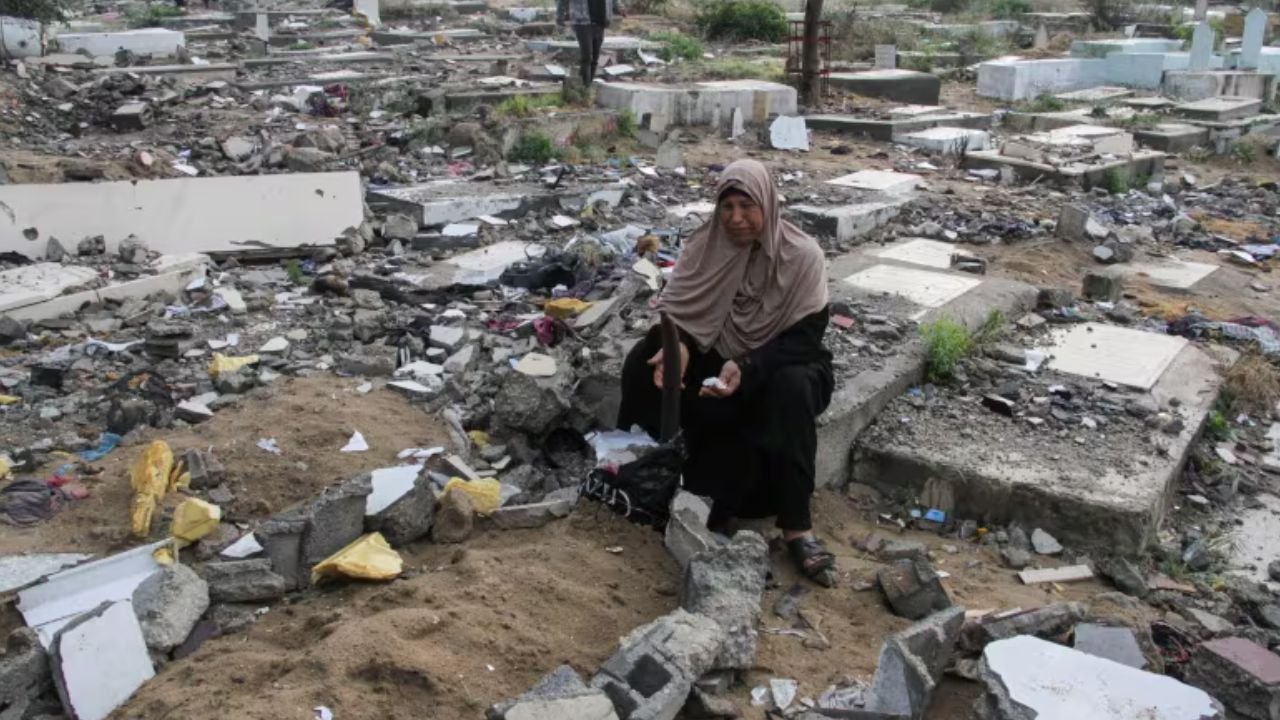
    He said they went to pray at the graves of family members killed in the war before going to the Ibn Taymiyyah mosque for Eid prayers.

    There has never been “such an Eid — all sadness, fear, destruction and a grinding war”, he said.

    Abir Sakik, 40, who fled her home in Gaza City with her family and is now living in a tent in Rafah, said she had no “ingredients for the cakes and sweets” she would usually make.

    Instead she made cakes from crushed dates. “We want to rejoice despite all the blood, death and shelling,” she told AFP.

    ‘Enough of war’

    Sakik said that despite it being a religious holiday, the Israeli military “committed a massacre and killed women and children” in the camp.

    “We are tired and weary — enough, enough of war and destruction,” she said, adding that Gazans were desperate for a truce.

    “We try to bring joy to the children. Before all this, there was a great atmosphere at Eid with the children’s toys, the Eid cakes, the food, the chocolates in every house — everything was sweet and beautiful.

    “But they destroyed all of Gaza,” she said.

    Nihaya Atallah, 49, from Jabalia camp in northern Gaza, also celebrated the festival in a tent in Rafah. “Our spirits are broken, our homes destroyed,” she told AFP.

    “There’s no Eid, no joy, only war and loss.”

    Rafah resident Moaz Abu Moussa said that “despite the pain and massacres, we will show our happiness in these difficult circumstances”.

    “We don’t care about the war, we will live Eid like other Muslims and show our happiness to the displaced people and families of martyrs and detainees.”

    Meanwhile in Jerusalem tens of thousands of worshippers poured into the Al-Aqsa mosque compound, Islam’s third holiest site, for morning prayers.

    “It’s the saddest Eid ever,” said nurse Rawan Abd, 32, from Israeli-annexed east Jerusalem. “At the mosque you could see the sadness on people’s faces.”

    In the occupied West Bank, the atmosphere was even more sombre, with many Palestinians in the flashpoint northern city of Jenin visiting its cemetery to pray for those who have been killed since the Israeli genocide in Gaza began.

    Israeli offensive has killed at least 33,482 people in Gaza, mostly women and children, according to the health ministry.

    bur-fg/hkb

    © Agence France-Presse
  • Israel bombs Gaza during Eid despite US rebuke

    Israel bombs Gaza during Eid despite US rebuke

    GAZA STRIP: Israeli strikes hit Gaza on Wednesday as Muslims marked the end of the holy fasting month of Ramzan and after US President Joe Biden labelled Israel’s approach to the war a “mistake”.

    Palestinians gathered for morning prayers on the first day of the Eid al-Fitr holiday amid the ruins of Gaza, which has been devastated by more than six months of war since October 7.

    Tens of thousands also flocked to Israeli-annexed east Jerusalem’s Al-Aqsa mosque compound where one worshipper, nurse Rawan Abd, said: “It’s the saddest Eid ever… you could see the sadness on people’s faces.

    “Usually we come to Al-Aqsa to celebrate, this year we came just to support each other,” the 32-year-old said at Islam’s third holiest site, which is also revered by Jews as the Temple Mount.

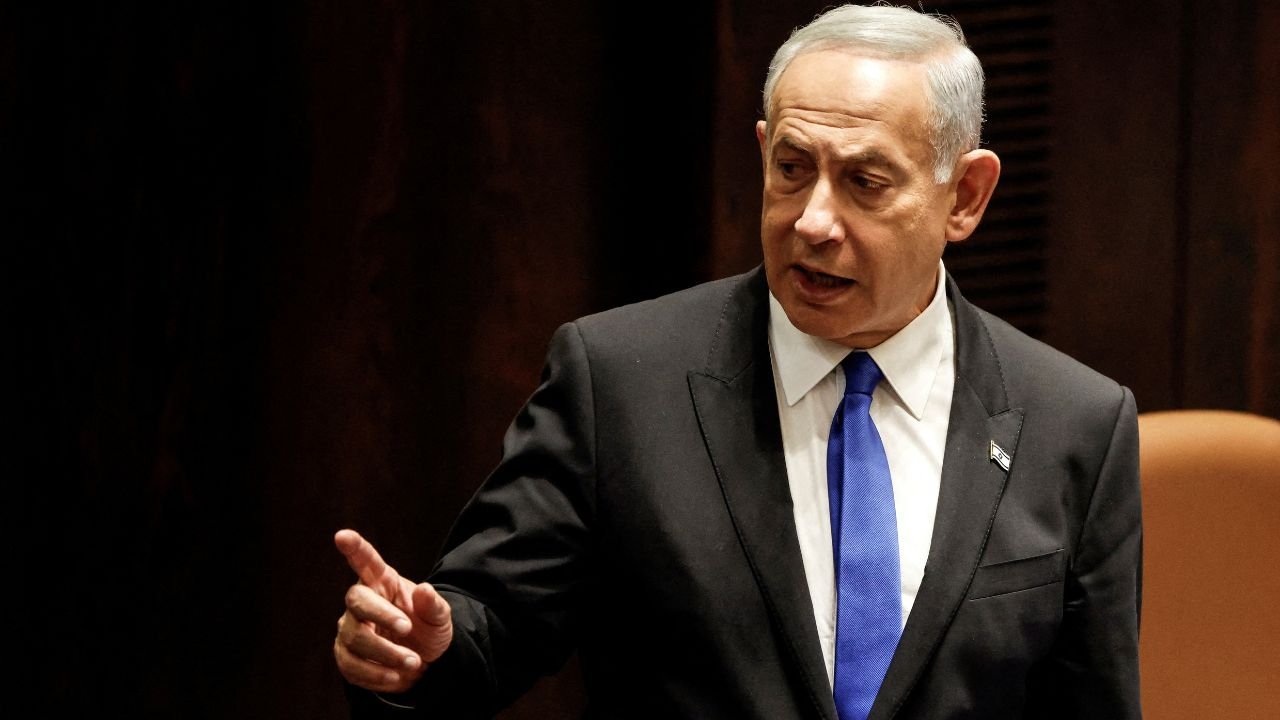
    Israeli forces kept up combat operations and air strikes on Gaza a day after Prime Minister Benjamin Netanyahu vowed no let-up in the campaign to destroy Hamas and bring home the hostages.

    Netanyahu insisted on that “no force in the world” would stop Israeli troops from entering Gaza’s far-southern city of Rafah which is packed with displaced Palestinians.

    His threat came amid ongoing talks in Cairo involving US, Egyptian and Qatari mediators for a truce and hostage release deal.

    Biden, voicing his growing frustration with hawkish Netanyahu, issued some of his sternest criticism yet of the war, which has brought mass civilian casualties and widespread suffering.

    “I think what he’s doing is a mistake,” Biden told Spanish-language TV network Univision in an interview that aired Tuesday night after being recorded last week. “I don’t agree with his approach.”

    He urged Netanyahu to “just call for a ceasefire, allow for the next six, eight weeks, total access to all food and medicine going into the country.”

    ‘Famine-like conditions’

    The war broke out with October 7 against Israel, which resulted in the deaths of 1,170 people, mostly civilians, according to Israeli figures.

    Palestinian also took about 250 hostages, 129 of whom remain in Gaza, including 34 the Israeli army says are dead.

    Israel’s retaliatory offensive has killed at least 33,360 people in Gaza, mostly women and children, according to Gaza’s health ministry.

    Another 14 people were killed – including small children – in a strike on a home in Nuseirat camp in central Gaza, the health ministry said.

    The army said Wednesday that “Israeli troops are continuing to operate in the central Gaza Strip and killed a number of terrorists over the past day”.

    It added that aircraft had “struck dozens of terror targets in the Gaza Strip, including military sites, launchers, tunnel shafts and infrastructure.”

    Israel has imposed a siege that has deprived Gaza’s people of most food, water, fuel, medicines, and other essential goods.

    Humanitarian groups have accused Israel of using starvation as a weapon of war in Gaza, where UN experts say half the population is facing “catastrophic” food insecurity.

    Washington’s recent tougher line with Israel, its main ally in the region, has brought some results, according to the US Agency for International Development.

    Recent days had seen a “sea change” in aid deliveries, said USAID administrator Samantha Power, with Israel reporting 468 trucks entering from Egypt on Tuesday.

    However, Power stressed that Israel needs to do more, saying that “we have famine-like conditions in Gaza, and supermarkets filled with food within a few kilometres away” in southern Israel.

    Washington has also resumed funding to the UN agency for Palestinian refugees after cutting it weeks ago after Israel claimed that some UNRWA staff took part in the October 7.

    ‘It will be punished’

    Hamas has said it is studying the latest proposal for a truce. A framework being circulated would halt fighting for six weeks and see the exchange of about 40 hostages for hundreds of Palestinian prisoners.

    However, Hamas has so far also publicly insisted on a full withdrawal of Israeli ground forces and a permanent ceasefire – demands Israel has rejected outright.

    US National Security Advisor Jake Sullivan said Tuesday that Israel had to “take some steps forward” while Hamas’s public statements had been “less than encouraging”.

    The US State Department has however also warned Israel that “a full-scale military invasion of Rafah would have an enormously harmful effect” on civilians and “would ultimately hurt Israel’s security”.

    US Secretary of State Antony Blinken said Tuesday he had no indication of an “imminent” assault on the city, where around 1.5 million Palestinians are sheltering.

    Blinken also said he doubted Israel would attack Rafah before a delegation is set to visit Washington next week.

    Regional tensions have surged amid the Gaza war, and Israel was widely blamed for an April 1 strike on arch foe Iran’s consulate in Damascus that killed seven Revolutionary Guards.

    Iran’s supreme leader Ayatollah Ali Khamenei warned Israel that “the evil regime made a mistake in this regard. It must be punished and will be punished.”

    Israeli Foreign Minister Israel Katz swiftly replied with a Persian-language post warning that “if Iran attacks from its territory, Israel will respond and attack Iran.”

  • Palestinian Muslims mark sad and tense ‘holiest Ramadan night’ in Jerusalem

    Palestinian Muslims marked a tense and sombre last Friday of Ramadan in Jerusalem as Israeli police controlling the entrance to the Al-Aqsa mosque – the third holiest site in Islam – attacked worshippers.

    Some 120,000 people descended on the shrine, which dominates the Old City, officials said, with grand mufti Muhammad Ahmad Hussein urging the faithful to brave the heavy police presence because of the war in Gaza.

    Adli al-Agha, 53, from Jerusalem, told AFP that many people “had to flee dawn prayers” after Israeli police deployed a mini-drone spraying tear gas to disperse people chanting “Glory to God”.

    “In our soul and our blood, we sacrifice for you Al-Aqsa,” worshippers declared, according to Agha.

    Police said they arrested eight people for inciting terrorism.

    Yasser Basha, from Tulkarem in the Israeli-occupied West Bank, said police were restricting entrance to the mosque to the old and the very young. Only men over 55 and women over 50 were being allowed inside, he said.

    “If it wasn’t for the war, things would have been much easier,” he added.

    Friday also marks Laylat al-Qadr (“The Night of Destiny”), the spiritual climax of the Muslim holy month, which commemorates the moment the archangel Gabriel first appeared to Prophet Mohammed and began revealing the Koran.

    It is the night when Muslims believe their prayers are most likely to be granted, a festive moment while children stay up late and shops stay open till the small hours.

    But many Palestinians are not in the mood to celebrate and are praying for an end to the war in Gaza after almost six months of bloodshed.

    Sameeha Al Qadi, 55, who had come from near Bethlehem, said Jerusalem “is sad and has lost its light — we all feel what is going on in Gaza. We can’t escape it for a minute.”

    This year there are few Ramadan decorations or lights in the Holy City, with Palestinians instead having a bitter coffee and a date — traditionally to mark mourning — on Tuesdays and Wednesdays, when feasts are usually held.

    “There is sweet nothing about the feast this year. People are not celebrating,” said Sabah, 54, some of whose relatives have been killed in Gaza.

    “Everything is bitter in my mouth. It is so painful at this time which is all about family.”

    Easter was similarly subdued last weekend for Palestinian Christians.

    Adnan Jafar, 60, a sweet maker in the Old City, said usually in Ramadan his shop is at its busiest.

    “But I have never had a Ramadan like this. And we all know why. (Gaza) is not just affecting us, it is affecting the whole world.”

    Israeli genocide in Gaza has killed at least 33,091 people since October 7, mostly women and children, according to the territory’s health ministry.

  • Israeli fire ‘most likely’ killed woman hostage on Oct 7: Army

    Israeli fire ‘most likely’ killed woman hostage on Oct 7: Army

    An Israeli investigation found Friday that an Israeli woman who had been seized during the October 7 attack was “most likely” killed when a combat helicopter fired on her kidnappers’ vehicle.

    Efrat Katz and most of the militants in the vehicle were killed when the Israeli aircraft fired on them on October 7, the army investigation said.

    The helicopter “fired at a vehicle that had terrorists in it, and which, in retrospect, based on the testimonies, also had hostages in it,” the army said in a statement.

    “As a result of the fire, most of the terrorists manning the vehicle were killed, and most likely, Efrat Katz … was killed as well.”

    The “tragic and unfortunate” event occurred at a time of “fighting and conditions of uncertainty,” Israeli Air Force chief Tomer Bar said in the statement.

    “The commander of the air force did not find fault in the operation by the helicopter crew, who operated in compliance with the orders in a complex reality of war.”

    The army statement said the mistake occurred because surveillance systems could not distinguish hostages from kidnappers once in a vehicle, and that “the shooting was defined as shooting at a vehicle with terrorists”.

    Katz, 68 at the time of Hamas’s attack on southern Israel, was kidnapped from the Nir Oz kibbutz close to the Gaza border.

    Her daughter Doron Katz-Asher and her two children were taken hostage during the attack, but were later released on November 24.

    Katz’s partner Gadi Moses and his ex-wife Margalit Moses were also taken hostage during the attack. She was later released but Gadi is believed to remain in captivity in Gaza and still alive.

    The Hamas attack resulted in the death of 1,170 Israelis and foreigners, most of them civilians, according to an AFP tally of Israeli official figures.

    Palestinian militants took more than 250 hostages, of whom 130 remain in Gaza, including 34 the Israeli army says are dead.

    Israeli genocide in Gaza has killed at least 33,091 people since October 7, mostly women and children, according to the health ministry in the Hamas-run territory.

  • Israel increases Gaza aid; admits ‘mistakes’ in aid worker deaths

    TEL AVIV: The Israeli army on Friday admitted a series of errors and violations of its rules in the killing of seven aid workers in Gaza, saying it had mistakenly believed it was “targeting armed Hamas operatives”.

    The two brigade officers who ordered the drone strikes, a colonel and a major, are being fired, the army said, and its Southern Command chief reprimanded.

    It was a rare confession of wrongdoing by Israel in its nearly six-month war against Hamas in the Gaza Strip, where the health ministry of the Hamas-ruled territory says more than 33,000 people, mostly civilians, have been killed.

    The victims — an Australian, three Britons, a North American, a Palestinian and a Pole — were killed Monday night in three strikes over four minutes by an Israeli drone as they ran for their lives between their three vehicles, the military said.

    The US-based charity for which they worked, World Central Kitchen, demanded an independent inquiry, and Poland called for a “criminal” probe after the military’s announcement.

    The drone team who killed the aid workers made an “operational misjudgement of the situation” after spotting a suspected Hamas gunman shooting from the top of one of the food trucks the aid workers were escorting, an internal Israeli military inquiry found.

    Senior Israeli officers showed reporters clips from drone footage of what they said was a “Hamas operative” joining the US-based World Central Kitchen (WCK) convoy.

    Although the roofs of the three aid workers’ vehicles were emblazoned with WCK logos, retired Israeli general Yoav Har-Even, who is leading the investigation, said the drone’s camera could not see them in the dark.

    “This was a key factor in the chain of events,” he said.

    The aid group has said its team was travelling in a “de-conflicted” area at the time of the strike. “Despite coordinating movements with the (Israeli army), the convoy was hit as it was leaving the Deir al-Balah warehouse,” WCK said.

    The army said aid was moved at night to avoid deadly stampedes by hungry Gazans.

    The aid workers’ deaths “outraged” US President Joe Biden who demanded Israeli Prime Minister Benjamin Netanyahu order steps toward an “immediate ceasefire”.

    Israel later said it would allow “temporary” aid deliveries into northern Gaza, where the United Nations has warned of imminent famine.

    Har-Even admitted that “the three air strikes were in violation of standard operating procedures”.

    But he argued that “the state of mind” of the Israeli drone commanders “was that they were striking cars that had been seized by Hamas” after they thought one passenger was carrying a gun rather than a bag.

    “One of the commanders mistakenly assumed the gunmen were inside the vehicles and were Hamas terrorists,” the army said in a statement.

    US Secretary of State Antony Blinken said it was “very important that Israel is taking full responsibility for this incident.”

    The aid workers were killed after they had overseen the unloading of a ship carrying 300 tonnes of food aid from Cyprus to a warehouse inland.

    But as they drove south at 11:09 pm on April 1 the drone “struck one car, and identified people running out of the car and entering the second car,” Har-Even said.

    “They decided to hit it, which was against standard operating procedures. Then they struck the third car.”

    Asked by AFP, the general was not able to explain what happened to the “Hamas gunman” on the truck but he conceded they had been mistaken to think armed Hamas suspects had joined the WCK aid workers in the three pickups.

    “It is a tragedy. It is a serious mistake that we are responsible for,” Israeli military spokesman Daniel Hagari told reporters. “That shouldn’t have happened.”

    Har-Even said it was a breakdown in communication in the chain of military command which may have led to the strikes.

    He said that WCK had provided all the information necessary, but it was not passed down.

    “The biggest mistake was that (the drone team) didn’t have the coordination plan,” he said. “Their belief was the vehicles were Hamas, based on operational misjudgement and misclassification.”

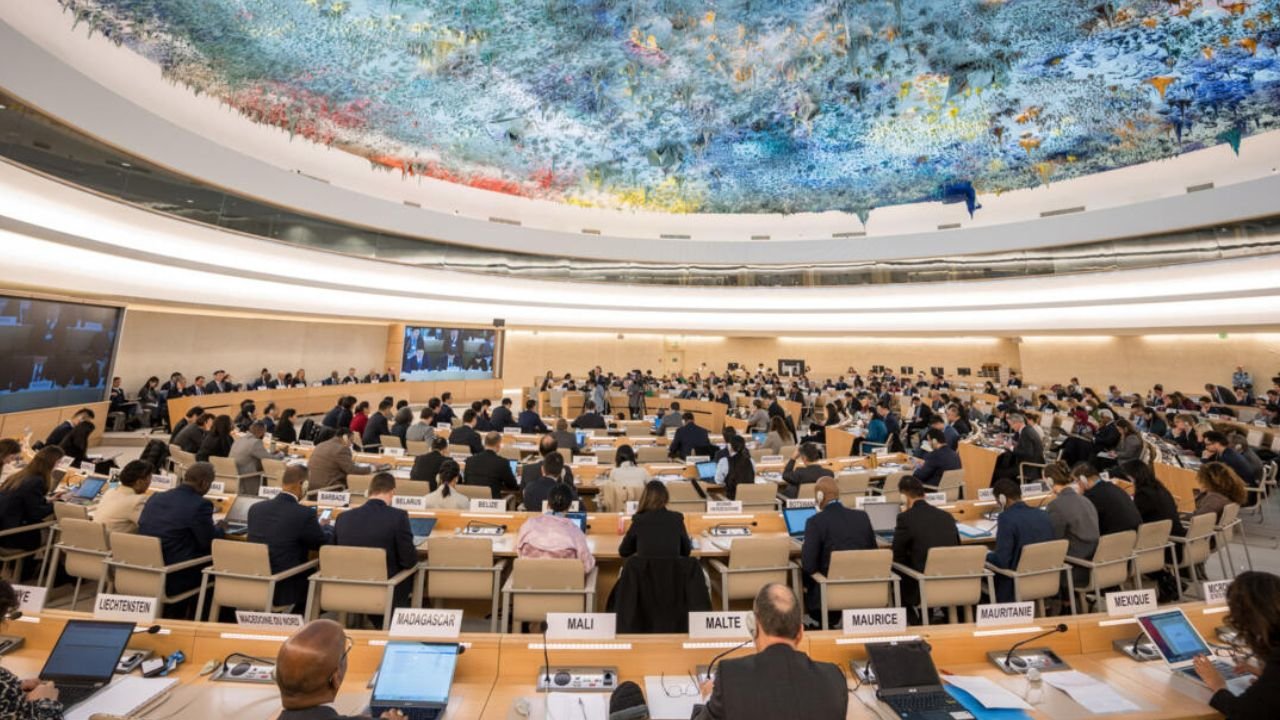
  • UN Rights Council considers call for halt to arms sales to Israel

    UN Rights Council considers call for halt to arms sales to Israel

    The UN Human Rights Council was on Friday debating whether to demand a halt in arms sales to Israel, whose genocide in Gaza has killed more than 33,000 people.

    If the text is adopted, it would mark the first time that the United Nations’ top rights body has taken a position on the bloodiest-ever genocide to beset the besieged Palestinian territory.

    The draft text calls on countries to “cease the sale, transfer and diversion of arms, munitions and other military equipment to Israel”.

    This, it said, is needed among other things “to prevent further violations of international humanitarian law and violations and abuses of human rights”.

    It stresses that the International Court of Justice ruled in January “that there is a plausible risk of genocide” in Gaza.

    Friday’s draft resolution, which was brought forward by Pakistan on behalf of all Organisation of Islamic Cooperation (OIC) member states except Albania, calls for “an immediate ceasefire” and “for immediate emergency humanitarian access and assistance”.

    It comes after the UN Security Council in New York last week also finally passed a resolution calling for a ceasefire — thanks to an abstention from Washington, Israel’s closest ally and largest arms supplier.

    However, the ceasefire demand has had no impact on the ground.

    Palestinian militants also took more than 250 hostages on October 7, and 130 remain in Gaza, including 34 who the army says are dead.

    Israel’s retaliatory campaign has killed at least 33,037 people, mostly women and children, according to the health ministry in Gaza.

    The rights council draft resolution does not name Hamas but it does condemn the firing of rockets at Israeli civilian areas and demands “the immediate release of all remaining hostages”.

    The strongly worded text repeatedly names Israel, stressing it is “the occupying Power”.

    It demands that Israel end its occupation of all Palestinian territories and “immediately lift its blockade on the Gaza Strip and all other forms of collective punishment”.

    The text, which was revised late on Thursday removing several references to genocide, continues to express “grave concern at statements by Israeli officials amounting to incitement to genocide”.

    And it urges countries to “prevent the continued forcible transfer of Palestinians within and from Gaza”.

    It warns in particular “against any large-scale military operations in the city of Rafah” in the south of the densely populated Gaza Strip, where well over one million civilians are sheltering, warning of “devastating humanitarian consequences”.

    The draft resolution also condemns “the use of starvation of civilians as a method of warfare in Gaza”, where the UN has warned that famine is looming.

    And it slammed “the unlawful denial of humanitarian access, wilful impediment to relief supplies and deprivation of objects indispensable to the survival of civilians, including food, water, electricity, fuel and telecommunications, by Israel”.

    The text also condemns Israel’s “use of explosive weapons with wide area effects by Israel in populated areas in Gaza”.

    Friday’s draft resolution deplores the fact that Israel has persistently refused to cooperate with numerous investigations ordered by the UN rights council.

    And it insists on the “imperative of credible, timely and comprehensive accountability for all violations of international law” in Gaza.

    It calls on the Commission of Inquiry on the rights situation in the occupied Palestinian territories — the highest-level UN investigation launched prior to October 7 — to probe all “direct and indirect transfer or sale of arms, munitions, parts, components and dual use items to Israel, the occupying Power”.

    The team, it said, should identify the weapons used since October 7 and “analyse the legal consequences of these transfers”.

    The investigators should present their findings to the council at its 59th session, which will be held in mid-2025, it said.

  • Palestinian-US doctor walks out of Biden meeting in Gaza protest

    Palestinian-US doctor walks out of Biden meeting in Gaza protest

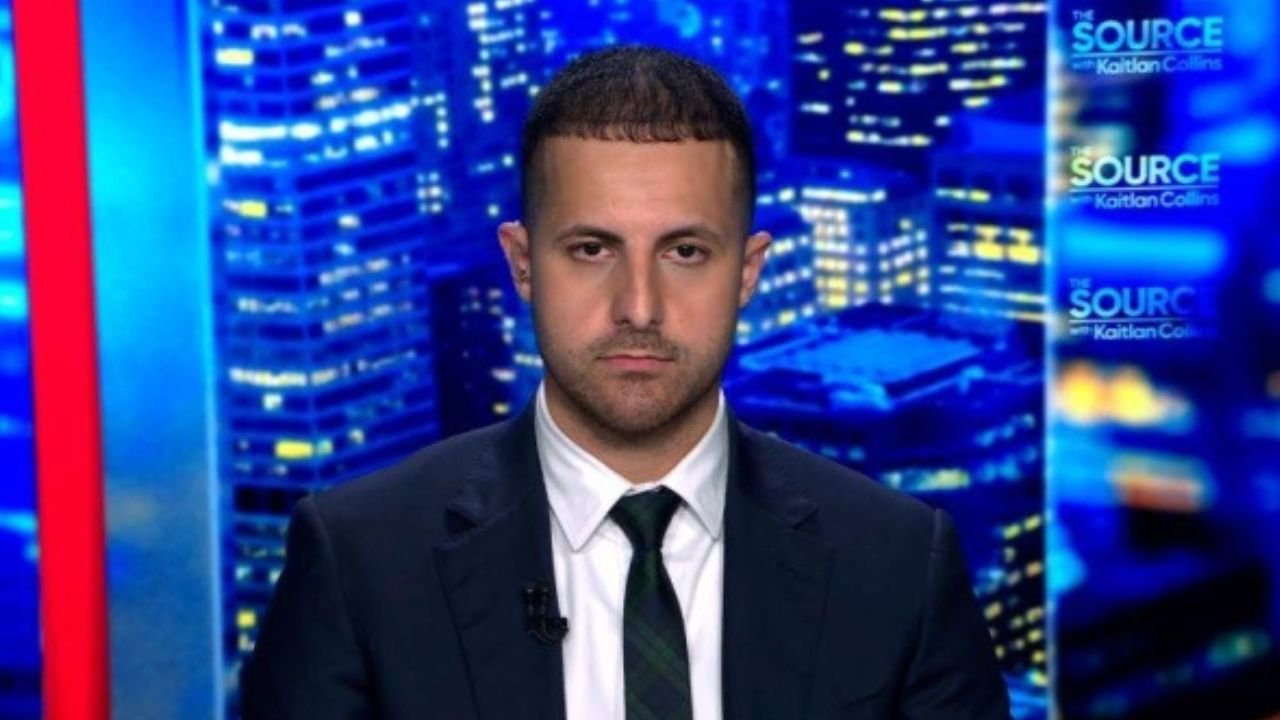
    Washington (AFP) – A Palestinian-American doctor said he walked out of a Ramadan event with President Joe Biden at the White House to show solidarity with the people of Gaza against Israel’s offensive.

    Thaer Ahmad, who traveled to Gaza earlier this year, told CNN he left the meeting between Biden and members of the Muslim community on Tuesday in protest at US “rhetoric” supporting Israel.

    “I let him know that I am from a community that’s reeling. We are grieving. Our heart is broken for what’s been taking place over the last six months,” Ahmad, an emergency doctor from Chicago, said he told the president.

    He said he then “let him know that out of respect for my community, out of respect for all of the people who have suffered, who have been killed in the process, I need to walk out of the meeting.”

    Biden “actually said that he understood,” he added.

    The White House said on Wednesday that Biden respected the doctor’s stance.

    “The president respects any American’s right to peacefully protest,” Press Secretary Karine Jean-Pierre told a briefing. “He understands that this is a painful moment for many Americans.”

    Biden had downsized the traditional event to mark the Muslim holy month of Ramadan amid growing domestic anger over his support for Israel’s offensive in Gaza following October 7 attacks.

    Muslim leaders met the president but asked for there to be no fast-breaking dinner, with Biden holding only a small meal separately with Muslim White House staff.

    Tensions over Gaza soared further this week after an Israeli air strike killed seven employees of a US-based charity, World Central Kitchen, on Monday.

    Biden said on Tuesday he was “outraged” and accused Israel of not doing enough to protect aid workers or civilians, in one of his strongest statements since the war started.

    “I think you can sense the frustration in that statement yesterday,” US National Security Council spokesman John Kirby told reporters.

    But the White House said that Biden continued to support Israel’s “right to defend itself” and there were no plans to curb arms deliveries to the key US ally.

  • Ramy Youssef gets resounding applause on SNL at emotional call for freedom in Palestine

    Ramy Youssef gets resounding applause on SNL at emotional call for freedom in Palestine

    Ramy Youssef has spoken up about the genocide in Gaza on Saturday Night Live, earning resounding applause. He made a heartfelt request to “stop the suffering” and “stop the violence.”

    Ramy Youssef, the creator of the show ‘Ramy’ and an actor in “Poor Things,” said: “This weekend is very spiritual. We’re in Ramadan, a holy month. Tomorrow is Easter. And yesterday, Beyoncé released a new album. There are just so many religions celebrating all at once.”
    Talking about prayer, Youssef said, “In my friend group, I’m one of the few who prays. I’m friends with a lot of sinners—really bad people. They call me when they’re in trouble because they want me to pray for them.”

    The publication mentioned that Youssef then made a joke about a friend who was in the middle of a custody battle over his dog. He then talked about another friend named Ahmed who called him asking for prayers for his family in Gaza. Youssef, who strongly supports peace in Palestine, said, “I’m like, ‘Dude, I got you.’ So that night, when I prayed, it was… complicated. I had a lot to ask for. I said, ‘God, please help Ahmed’s family. Please stop the suffering. Stop the violence. Please free the people of Palestine, please.’”
    While the audience cheered, Youssef said, “And please free the hostages, all the hostages, please.” Then he joked, “And while you’re at it, you know, free Mr. Bojangles. He’s a beautiful dog. I’m praying for that dog.”

    Youssef was among the people wearing an Artists for Ceasefire pin at the Academy Awards in March. He told Variety on the red carpet, “We’re asking for an immediate and permanent ceasefire in Gaza.”

    “We’re asking for peace and long-term fairness for the people of Palestine. It’s a message for everyone: ‘Let’s stop hurting children. Let’s not make more war.’ Nobody has ever thought bombing was a good idea when looking back at war. It’s amazing to be around many artists ready to speak out… the support is growing. Many people will wear these pins tonight. There’s a lot of talking on the news, but this is about speaking from the heart. We’re aiming to spread a big message of humanity.”

    Youssef was born in New York to parents from Egypt who moved to the United States. His TV show ‘Ramy,’ which he made and acted in as the main character, started in 2019. The show reflects his own life. It’s about a first-generation millennial American with immigrant parents. Youssef won a Golden Globe in January 2020 for his role.

  • Israeli PM vows to ban Al Jazeera broadcasts

    Israeli PM vows to ban Al Jazeera broadcasts

    Israeli Prime Minister Benjamin Netanyahu pledged Monday to use a fresh national security law passed by parliament to ban news channel Al Jazeera from broadcasting in the country.

    The law, passed on Monday by 70 votes to 10, grants top ministers the power to ban broadcasts by foreign channels deemed a national security threat and to shut their offices.

    Netanyahu was quick to single out Qatar-based channel Al Jazeera, with which his government has a long-running feud that predates Israeli genocide in Gaza.

    “The terrorist channel Al Jazeera will no longer broadcast from Israel. I intend to act immediately in accordance with the new law to stop the channel’s activities,” Netanyahu said on X, formerly Twitter.

    The broadcaster slammed the ban as “part of a series of systematic Israeli attacks to silence Al Jazeera”, including the killing of one of its most prominent journalists in the region while covering an Israeli raid in May 2022.

    In a statement, the network said Netanyahu had launched a “frantic” and “disgraceful” campaign of accusations against the network, vowing to continue its “bold” coverage of the war.

    Two network correspondents have been killed during the conflict and the broadcaster’s office in the besieged Palestinian territory has been bombed.

    The New York-based Committee to Protect Journalists said the law “contributes to a climate of self-censorship and hostility toward the press, a trend that has escalated since the Israel-Gaza war began”.

    At least 95 journalists and media workers have been killed since the war began after an unprecedented attack by Hamas on October 7, according to the group, marking “the deadliest period for journalists since CPJ began gathering data in 1992”.

    In January, Israel said an Al Jazeera staff journalist and a freelancer killed in an air strike in Gaza were “terror operatives”.

    The following month, it accused another journalist with the channel who was wounded in a separate strike of being a “deputy company commander” with Hamas.

    Al Jazeera has fiercely denied Israel’s allegations and accused it of systematically targeting Al Jazeera employees in the Gaza Strip.

    Hamas said in a statement that the ban showed that Israel “desperately seeks to obscure the truth of its heinous crimes”.

    White House spokeswoman Karine Jean-Pierre said “if it is true, a move like this is concerning”.

    Broadcasting in both English and Arabic, Al Jazeera bills itself as the “first independent news channel in the Arab world”.

    Launched in Doha in 1996, the network says it has more than 70 bureaus around the globe, with 3,000 employees and an audience in 430 million homes.

    Qatar, which funds Al Jazeera, also serves as a base for Hamas leader Ismail Haniyeh.

    Tensions between Israel and Al Jazeera have only grown since the latest Israel-Hamas conflict erupted on October 7.

    Al Jazeera’s bureau chief in Gaza, Wael al-Dahdouh, was wounded in an Israeli strike in December that killed the network’s cameraman.

    His wife, two of their children and a grandson were killed in the October bombardment of central Gaza’s Nuseirat refugee camp.

    His eldest son was the Al Jazeera staff journalist killed in January when a strike targeted a car in Rafah.

    Israel has launched a relentless air and ground campaign after October 7 that has reduced much of Gaza to rubble and killed at least 32,845 people, mostly women and children, according to the Gaza health ministry.

  • NGO World Central Kitchen says seven of its workers killed in Israeli strike in Gaza

    NGO World Central Kitchen says seven of its workers killed in Israeli strike in Gaza

    An Israeli strike killed several people working for US-based charity World Central Kitchen in the Gaza Strip on Monday, according to the organization’s founder.

    World Central Kitchen “lost several of our sisters and brothers in an IDF air strike in Gaza. I am heartbroken and grieving for their families and friends and our whole WCK family,” chef Jose Andres posted on social media site X.

    Earlier, the Gaza health ministry had said the bodies of four foreign aid workers and their Palestinian driver were brought to the hospital in the central town of Deir el-Balah after an Israeli strike targeted their vehicle.

    Hamas said in a statement that the aid workers included “British, Australian and Polish nationalities, with the fourth nationality not known”, and that the fifth person killed was a Palestinian driver and translator.

    US National Security Council spokesperson Adrienne Watson said the White House was “heartbroken and deeply troubled by the strike.”

    “Humanitarian aid workers must be protected as they deliver aid that is desperately needed, and we urge Israel to swiftly investigate what happened,” she wrote on X.

    The Israeli military said in a statement that it was “conducting a thorough review at the highest levels to understand the circumstances of this tragic incident”, adding that it had been “working closely with WCK” in the effort to provide aid to Palestinians.

    At the Al-Aqsa Hospital in Deir el-Balah, an AFP correspondent saw five bodies with three foreign passports lying nearby.

    Australian Prime Minister Anthony Albanese on Tuesday confirmed one of the killed aid workers was Australian national Zomi Frankcom.

    “This is completely unacceptable. Australia expects full accountability for the deaths of aid workers,” Albanese said

    World Central Kitchen has been involved in delivering the aid arriving by boat from Cyprus, and in the construction of a temporary jetty in Gaza.

    Gaza has been under a near-complete blockade since October 7, with the United Nations accusing Israel of preventing deliveries of humanitarian assistance urgently needed by all 2.4 million Palestinians.

    UN agencies have warned repeatedly that northern Gaza is on the verge of famine, calling the situation a man-made crisis because aid lorries are backed up on the Egypt-Gaza border awaiting long checks by Israeli officials. Israel has denied responsibility.

    Israeli genocide in Gaza has killed at least 32,845 people, mostly women and children, according to the health ministry in Gaza.