Tag: PAMA

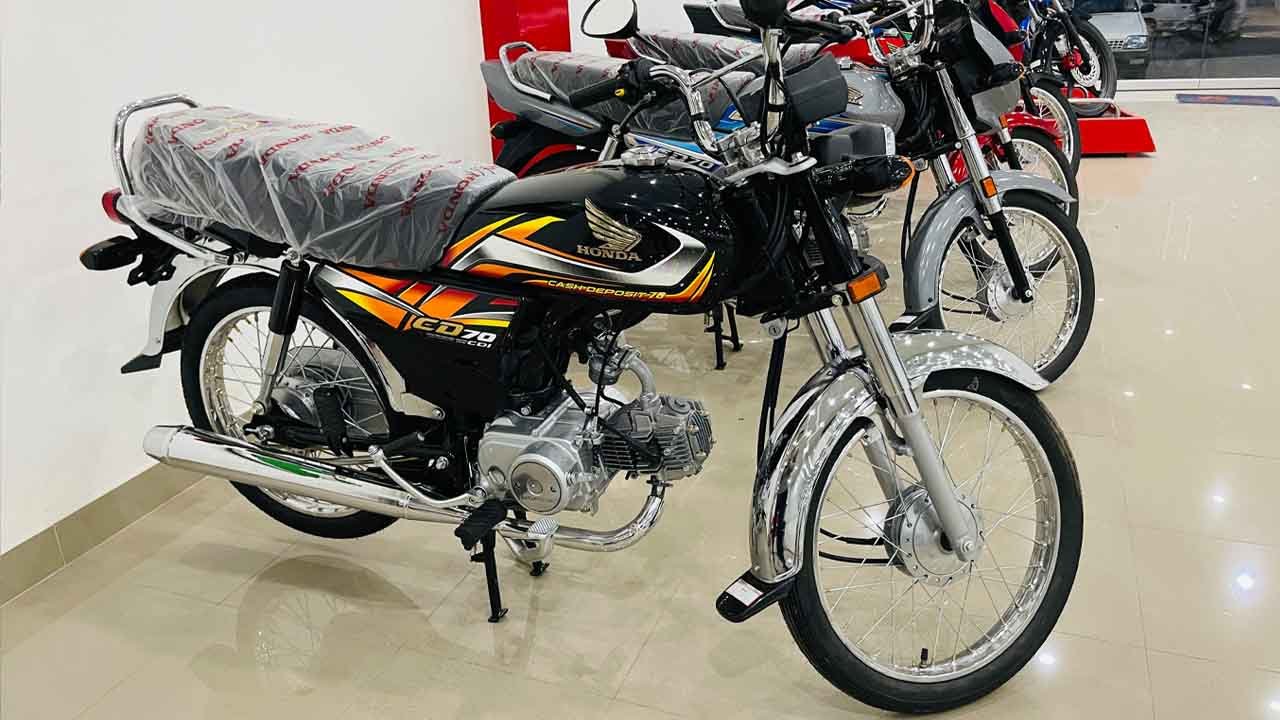
  • Honda leads motorcycle sales, selling over 70,000 bikes in a month despite high prices

    Honda leads motorcycle sales, selling over 70,000 bikes in a month despite high prices

    Sales of motorcycles and three-wheelers in Pakistan rose by 15.5 per cent year-on-year in July 2024, reaching 84,993 units.

    This compares to 73,588 units sold during the same month last year, according to the latest data from the Pakistan Automotive Manufacturers Association (PAMA).

    However, on a month-on-month basis, sales declined by 5.45 per cent, down from 89,895 units in June 2024.

    Production figures for motorcycles and three-wheelers showed a total of 85,516 units in July, marking an 11.55 per cent increase from 76,661 units produced in July 2023. Conversely, production fell by 2.65 per cent compared to the 87,844 units manufactured in June 2024.

    Honda remained the market leader with 70,255 units sold in July, capturing an 82.66 per cent market share. This represents a 12.4 per cent decrease from the previous month but a 13.29 per cent increase compared to July 2023.

    United Auto Motorcycle and Suzuki ranked second and third, with sales of 9,202 and 1,643 units, respectively.

    Sazgar Three Wheeler sold 1,624 units in July, reflecting a 10.67 per cent decrease from the previous month but a significant 113.4 per cent increase compared to July 2023.

  • Car sales in Pakistan hit 15-year low in FY 2023-24: PAMA data

    Car sales in Pakistan hit 15-year low in FY 2023-24: PAMA data

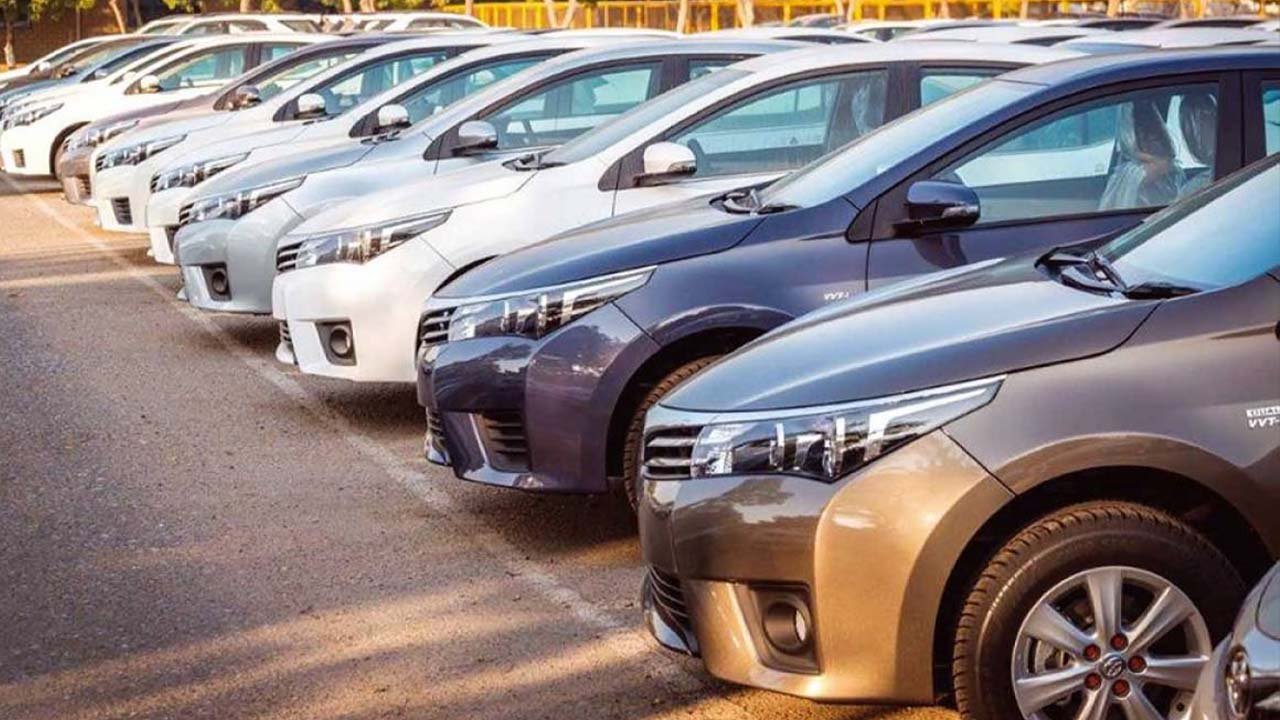
    Car sales in Pakistan plummeted to their lowest level in 15 years during the fiscal year 2023-24, as reported by the Pakistan Automotive Manufacturers Association (PAMA).

    The data reveals that sales of cars, including light commercial vehicles (LCVs), vans, and jeeps, declined by 18.2 per cent year-on-year, amounting to 103,826 units by the end of the fiscal year on June 30, 2024.

    This marks the lowest sales figures since FY 2009.

    In comparison, 126,878 units were sold in the previous fiscal year, while the average sales over the past five years stood at 188,030 units.

    Furthemore, passenger car sales decreased by 15.7 per cent year-on-year to 81,577 units during the fiscal year, compared to 96,811 units recorded in the previous year.

    Total production of passenger cars was 79,573 units in FY24, a 22.0 per cent decline from the 101,984 units produced last year.

    The PAMA data also highlighted that the highest number of passenger car sales occurred in the ‘Below 1000cc’ category, with 38,657 units sold in FY24.

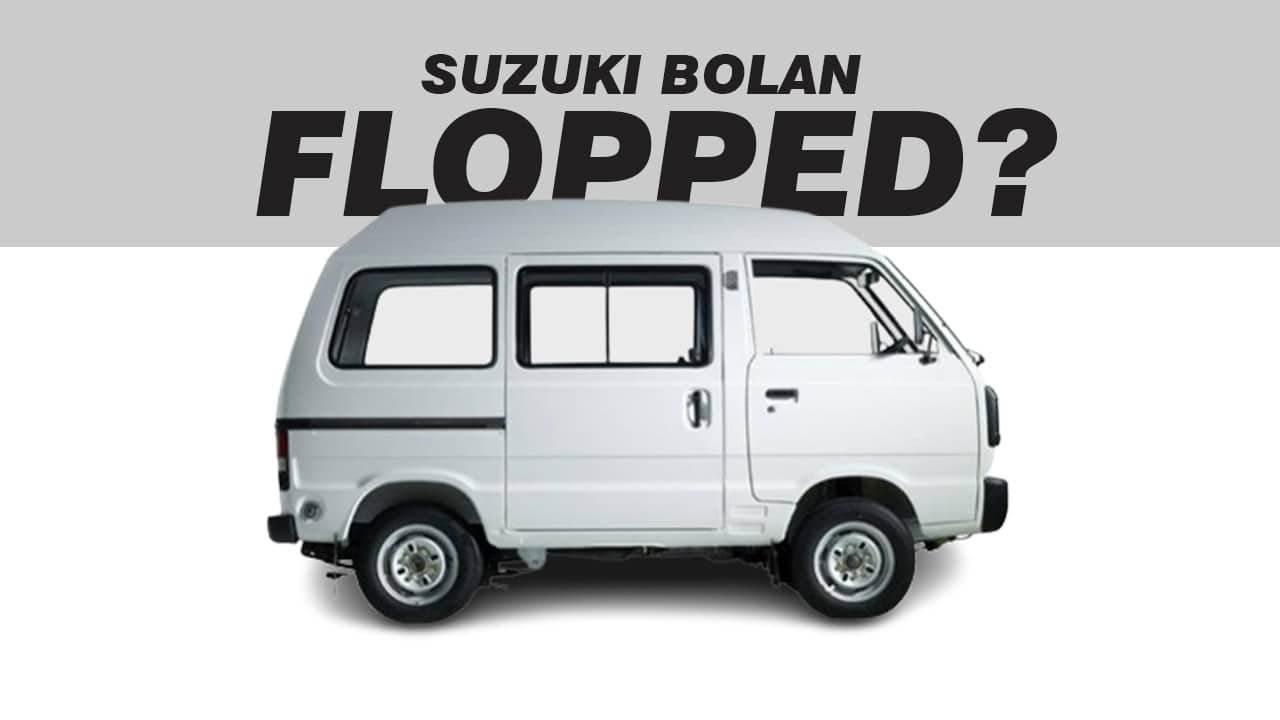
    Within this segment, Suzuki Alto led with 35,883 units sold, followed by Suzuki Bolan with 2,774 units.

  • Car sales increase in Pakistan despite high prices, economic challenges

    Car sales increase in Pakistan despite high prices, economic challenges

    In a surprising turn of events, the soaring prices of cars in Pakistan have not deterred buyers, as car sales experienced a notable uptick in February 2024.

    According to data released by the Pakistan Automotive Manufacturers Association (PAMA), car sales edged up by 1.94 per cent, reaching 7,953 units, compared to 7,802 units recorded in January 2024.

    This positive momentum follows a robust performance in the preceding month, where car sales hit their highest mark since December 2022.

    Analysts attribute this continued growth to the momentum generated by the new year, which has carried over into February.

    Year-on-year comparisons reveal a substantial increase, with car sales spiking by 2.18 times compared to February 2023, when only 3,642 units were sold.

    However, despite this recent surge, cumulative sales for the first eight months of fiscal year 2024 stand at 46,417 units, marking a 40.93 per cent decline from the same period last year.

    Similarly, the production of passenger cars has witnessed a significant downturn, with 8MFY24 recording 48,402 units, reflecting a 40.84 per cent decrease compared to the previous fiscal year.

    In February alone, production plummeted by 16.77 per cent month-on-month, totaling 8,002 units, down from 9,614 units in January 2023.

    Nonetheless, on a year-on-year basis, production saw a remarkable surge of 69.97 per cent, indicating a shift in manufacturing trends.

    Despite these fluctuations, the automotive landscape faces challenges, notably with Pak Suzuki Motor Company announcing two price hikes within a span of ten days in response to increased sales tax.

    The repercussions of these adjustments on sales are anticipated to unfold in the coming weeks, as the market adapts to the new pricing structure.

  • Pak Suzuki’s fiscal year ends with Rs9.68 billion loss: Operational disruptions and low demand

    Pak Suzuki’s fiscal year ends with Rs9.68 billion loss: Operational disruptions and low demand

    Pak Suzuki Motor Company Limited (PSMCL) has reported a substantial net loss of Rs9.68 billion for the fiscal year that ended on June 30, 2023. The loss was attributed to import restrictions and weakened demand, causing a significant increase compared to last year’s Rs17.238 million loss.

    The drop in sales was due to operational disruptions caused by inventory shortages. The loss per share (LPS) reached Rs117.58 for this year, a stark contrast to the Rs0.21 LPS recorded from January to June 2022. Despite these challenges, the cost of sales remained stable at Rs39.037 billion, compared to Rs108.415 billion the previous year.

    Financial expenses surged to Rs10.141 billion from Rs1.842 billion last year, contributing to the increased losses. However, the company did manage to achieve a Rs3.238 billion profit for the quarter ending on June 30, a significant improvement from the Rs442.989 million recorded during the same quarter the previous year. Earnings per share for this quarter were Rs39.36, compared to Rs5.38 per share in the previous year.

    Experts noted that the second-quarter results exceeded expectations due to increased gross margins from car price hikes. The company also gained from finance income of Rs2.6 billion due to exchange rate gains.

    During this time, the company’s revenue dropped by 67 per cent year-on-year and 2 per cent quarter-on-quarter due to lower sales volume caused by disruptions in raw material supply and reduced demand. Despite challenges, the company achieved a 10 per cent gross profit margin in 2QCY23, a significant increase from 4 per cent the previous year.

    According to The News, the auto sector faces challenges like obtaining Letters of Credit (LCs) for imports and sluggish demand due to high prices and interest rates. Car sales declined 57 per cent year-on-year in the first month of fiscal year 2023–24, as reported by the Pakistan Automotive Manufacturers Association (PAMA). PAMA-registered car manufacturers sold only 5,092 units in July, a 16 per cent decrease from the previous month.

    Despite the challenges faced by Pakistan’s auto industry, including low sales and various disruptions, it’s worth noting that car prices in the country remain at their highest point.

  • Pakistan’s auto sector records 98% sales growth in March despite high prices

    Pakistan’s auto sector records 98% sales growth in March despite high prices

    Despite high car prices, Pakistan’s auto sector has seen a growth of 98 per cent in March, selling about 7,201 units compared to 3,642 units sold in the previous month. The increase has provided a ray of hope to the auto sector, which has picked up some pace after several months.

    However, car sales, including sales of non-Pakistan Automotive Manufacturers Association (PAMA) vehicles, plunged 68 per cent in March compared to the same month last year, due to non-production days and a decline in purchasing power.

    The monthly growth is due to better volumetric sales of Pak Suzuki Motor Company (PSMC) and Indus Motors, which increased by 475 per cent and 6 per cent respectively on a month-on-month basis. Arif Habib Limited also stated that due to rising inflationary pressure, consumers have switched to affordable vehicles of below 1000cc, which increased by 423 per cent.

    Despite the recent growth, fears of a slowdown still exist due to measures taken by the State Bank of Pakistan (SBP) to curb imports, resulting in production limitations as auto assemblers require prior permission to import completely knocked-down (CKD) units and raw materials.

    Sales of all other variants of cars, jeeps, tractors, pick-ups, three-wheelers and two-wheelers have also witnessed a year-on-year decline in March 2023, according to data released by PAMA a day earlier.

    In the first nine months of fiscal year 2022-23, 85,776 units were sold, down 50 per cent from 172,612 units sold during the same period in FY22. Sales of 1300cc and above cars were recorded at 2,913 units, down 67 per cent compared to the same month of the previous year’s sales of 9,280 units. In March 2023, 1,000cc cars recorded sales of 964 units, including 475 units of Suzuki Cultus and 489 units of Suzuki WagonR, against 2,410 units in the same month last year.

    Further breakdown of the data reveals that below 1000cc vehicles recorded a sale of 3,324 units, lower by 70 per cent than 11,109 units sold last year. Suzuki’s new Alto sold 2,542 units in March 2023 compared to 9,814 units in March 2022.

    Buses and trucks saw a decrease to 308 units in March from 565 units in the same month last year, while sales of jeeps and pick-ups decreased to 2,150 units from 4,403 units sold during the same period last year. Sales of tractors dropped to 2,984 units from 5,651 units in March 2022, while sales of rickshaws and motorbikes also decreased to 84,307 units in March against 151,010 units in the same period last year.

    PSMC recorded a jump of 475 per cent on a monthly basis to 5,628 units primarily due to the availability of CKD parts amid an easing of LC issues, while Indus Motors reported an increase of 6 per cent month-on-month to 1,912 units in March. However, Honda Car (HCAR) sales declined by 49 per cent month-on-month to 835 units in March due to the closure of the plant for 23 days on account of CKD issues.

    Hyundai sales were down 34 per cent month-on-month, with Tucson down 46 per cent month-on-month to 380 units and Sonata down 40 per cent month-on-month to 118 units in the period under review.

  • Car sales in Pakistan drop by 65% due to low purchasing power, supply chain disruptions

    Car sales in Pakistan drop by 65% due to low purchasing power, supply chain disruptions

    According to data from the Pakistan Automotive Manufacturers Association (PAMA), passenger car sales in Pakistan experienced a significant decline of 65 per cent in January 2023 compared to the same period the previous year. This was attributed to a shortage of raw materials, low purchasing power, and price surges.

    With the exception of Suzuki’s Swift, sales of all other variants of cars, trucks, buses, tractors, pick-ups, and three-wheelers, as well as two-wheelers, also dropped in January 2023.

    The seven-month sales data for FY23 showed a 43 per cent drop compared to the same period last year, with passenger car sales decreasing by 65 per cent to 6,021 units. In January 2023, engine-wise sales data showed that sales of 1,300cc and above cars were recorded at 4,207 units, down 55.5 per cent compared to the same period last year. Additionally, 1,000cc cars recorded sales of 1,214 units, a decrease of 55.2 per cent from the same period the previous year.

    In January 2023, sales of passenger cars with engines less than 1,000cc plummeted to 600 units, down 88 per cent from 4,820 units sold in the same period last year.

    Sales of Suzuki’s new Alto were particularly hard hit, dropping to 44 units from 3,864 units last year, as the company was unable to produce any due to raw material shortages. Commercial vehicle sales were also impacted, with buses and trucks declining to 470 units from 778 units in January 2022.

    Despite this, the sale of jeeps and pickups increased to 4,846 units from 3,625 units sold last year, largely due to an increase in sales of Honda BR-V and HR-V. Tractor sales, on the other hand, decreased to 3,406 units from 4,966 units in January 2022.

    Meanwhile, sales of rickshaws and motorcycles dropped to 109,558 units from 153,658 units in the same period last year. According to Topline Securities, Pakistan’s overall car sales, including those of non-PAMA members, stood at around 11,500 units, down 37 per cent from the previous month, primarily due to Pak Suzuki’s inability to produce due to the non-availability of CKD parts.

    In January 2023, the automotive industry in Pakistan experienced a 47 per cent year-on-year drop in sales, contributing to a 39 per cent decline in sales for the first seven months of FY23. According to Sunny Kumar, an analyst for Topline Securities, this is due to rising car prices, costly auto financing, and limited consumer purchasing power.

    Pak Suzuki (PSMC) was hit particularly hard, with sales falling to 2,946 units, the lowest level since April 2020, largely due to a credit letters issue. In contrast, Hyundai sales increased 81 per cent month-on-month, with Tuscon sales up 69 per cent and Sonata sales up 241 per cent in January 2023. In the tractor sector, Millat Tractors and Al-Ghazi Tractors recorded increased sales in January 2023 compared to the previous month.

    However, the industry’s overall sales have dropped by 53 per cent YoY to 14,919 units in 7MFY23, affected by floods, plant shutdowns, higher prices, and low consumer purchasing power.
  • Pak Suzuki discontinues Bolan’s AC variant after one year

    Pak Suzuki discontinues Bolan’s AC variant after one year

    Pak-Suzuki Motor Company (PSMC) will no longer sell the Suzuki Bolan’s AC variant. After almost 15 years, this variation was finally introduced last year, and tragically, its production will cease once again.

    The company’s decision to stop producing the AC variant of the Suzuki Bolan is a blatant indication that it has failed to pique consumer interest for a variety of reasons, some of which include its inflated cost and the extraordinarily uncomfortable ride.

    Despite all of these factors, other variants of Suzuki Bolan are extremely common in Pakistan and are seen running on almost every road and in every city.

    The first Suzuki Bolan with AC was introduced in 2006-2007, however it was a flop due to overheating, poor engine performance, and subpar AC.

    Moreover, the Bolan’s engine is housed underneath the driver’s seat, which makes it extremely challenging for the driver and front passenger to sit, particularly when the engine is hot.

    Despite expectations that the AC variation would be successful this time, it was not able to attract buyers.

  • In Pictures: Pakistan unveils its first electric car with 210km range

    In Pictures: Pakistan unveils its first electric car with 210km range

    Except for Pakistan, electric vehicles have gained massive popularity throughout the world. A few imported cars that are available in the local market are pricey and out of the range of the average person.

    Now that Pakistan’s first electric automobile has been launched with some outstanding features, things are set to change.

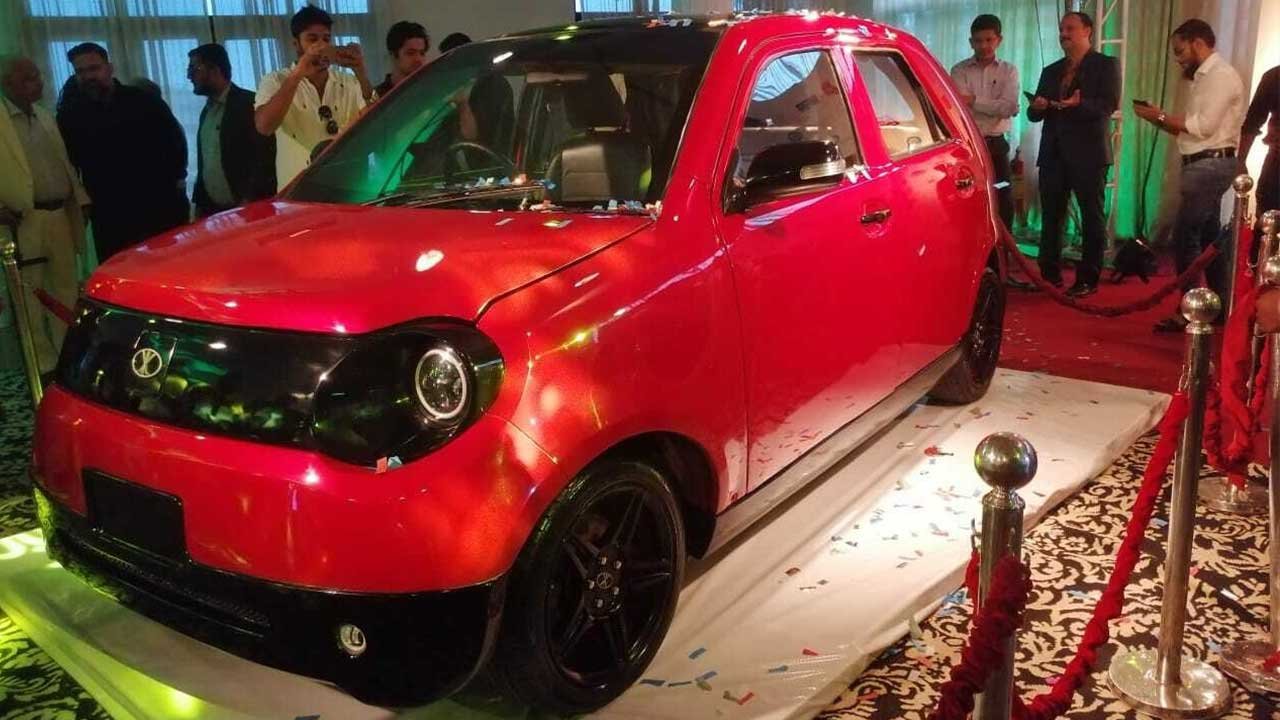
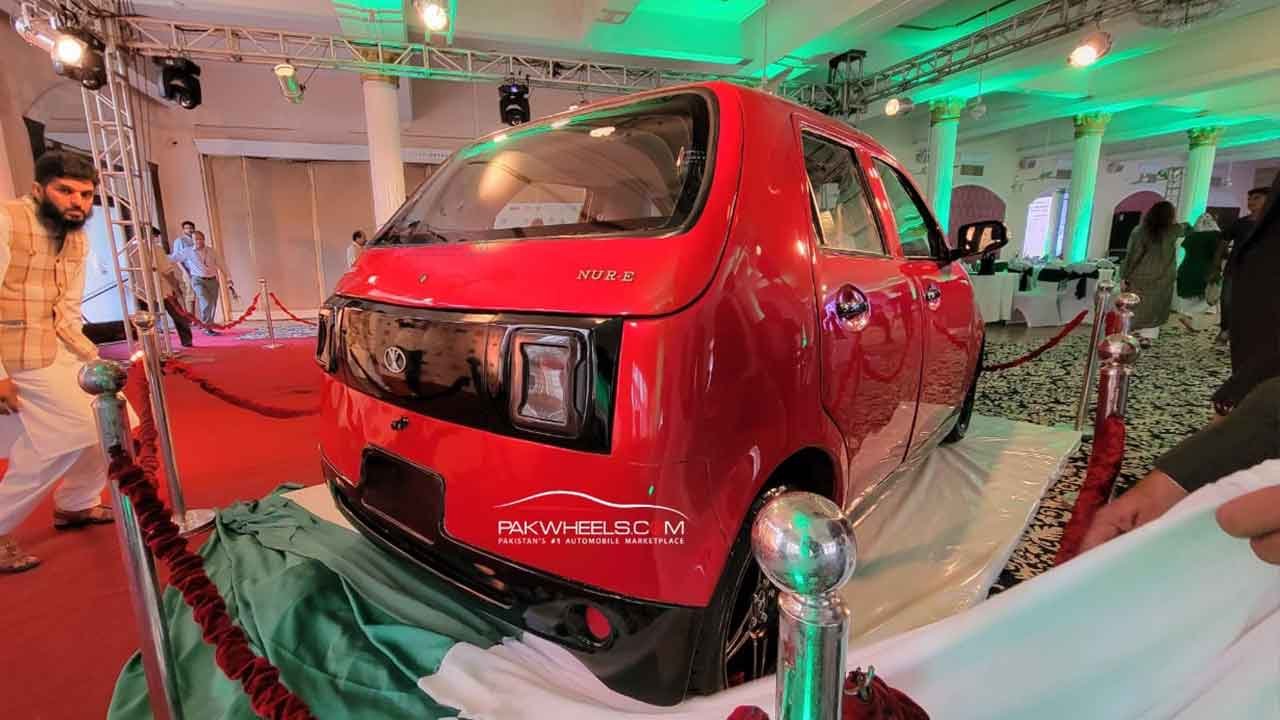
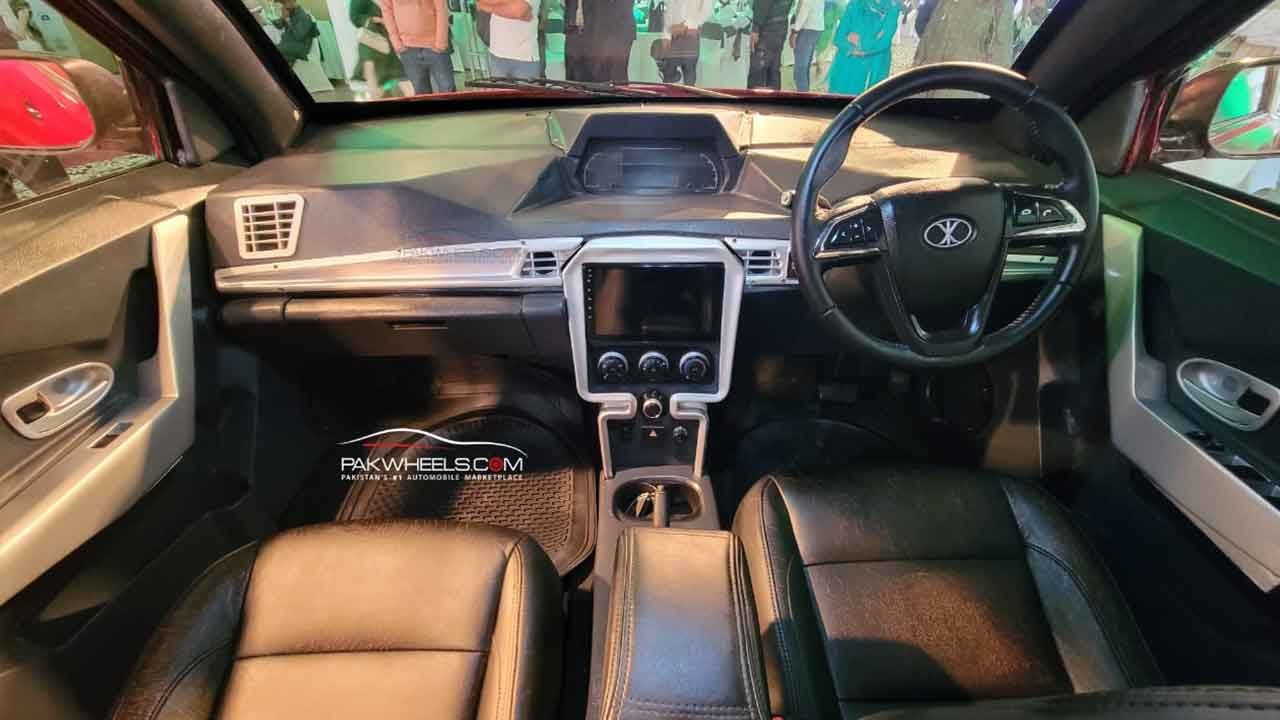
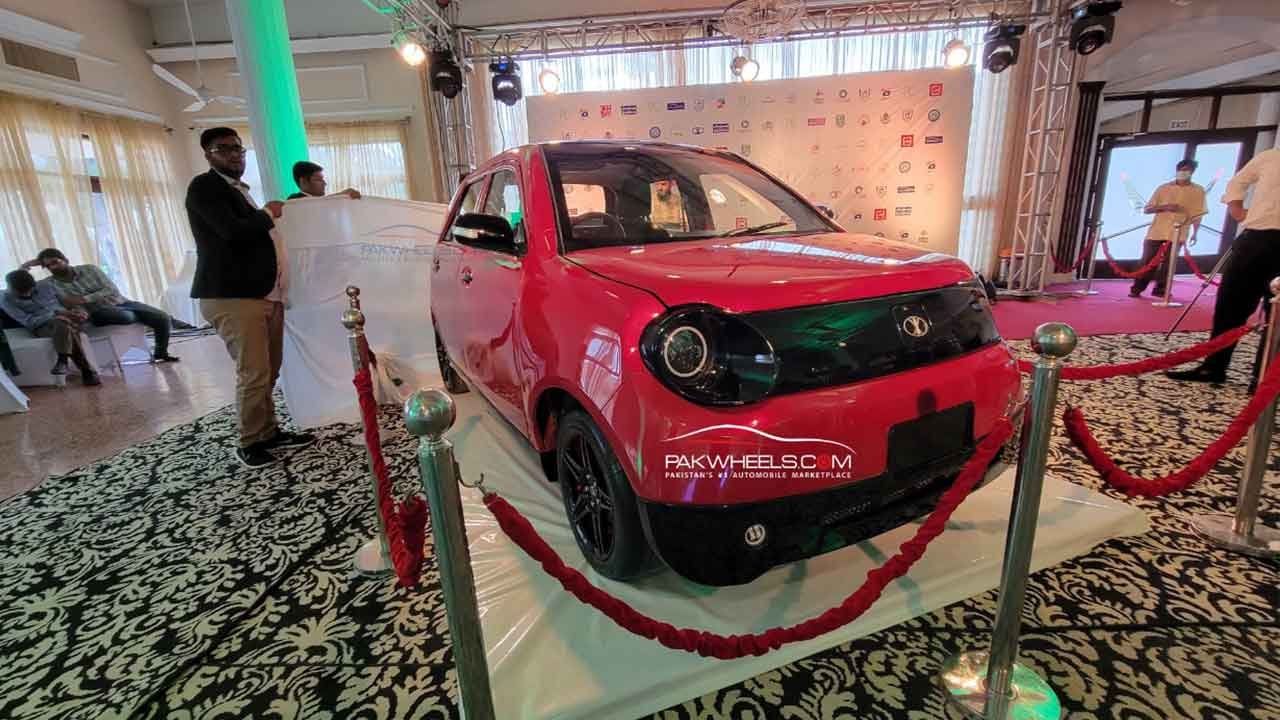
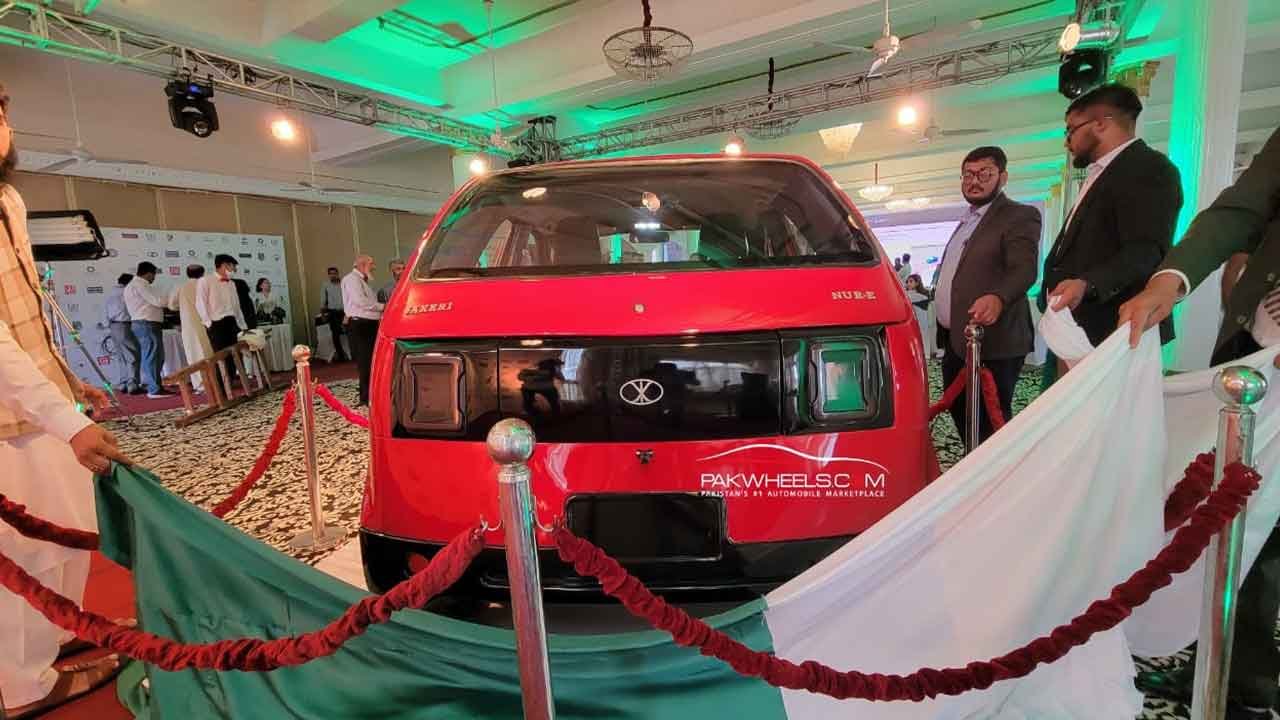
    On Independence Day, Pakistan’s first electric vehicle prototype, the NUR-E 75, was displayed on August 14.

    The battery in the car will have a 35kWh capacity with a range of 210 kilometres after being fully charged.

    NUR-E 75 will save a significant amount of fuel, contribute to the fight against climate change, and maintain economic prosperity, claims Dr Khurshid Qureshi, founder and chairperson of the Distinguished Innovation, Collaboration & Entrepreneurship (DICE) Foundation, who developed the prototype.

    It has a maximum speed of 120km/h, tyre size of 16 inches, a ground clearance of 190mm, and a charging capacity of 220V in eight hours, with fast charging also available.

    Dr Qureshi claimed that the production of the car has three stages: the first involved industrial design, production, and launch; the second involved expanding production to include sedans and SUVs, small commercial trucks, and EV platform export; and the third involves exporting the cars.

    Read more: Cheapest new cars to buy in Pakistan

    The completely working prototype, EV NUR-E 75, is ready for testing and regulatory approval, he said, adding that manufacturing started in 2019. Meanwhile, design work on a rolling platform that will be utilised for multiple vehicle segments is in progress.

    The little hatchback’s maximum output is 80 kW (108 horsepower), and its 35 kWh battery can travel 210 km without the air conditioner on.

    He emphasised that the vehicle, given to Pakistan as a gift for its diamond jubilee, would play a significant role in the context of the environment and climate change and help us transition away from the use of non-renewable fuels.

  • Honda Pakistan records 40 per cent increase in earnings

    Honda Pakistan records 40 per cent increase in earnings

    Honda Atlas Cars Limited (HACL) concluded the financial year with a 40 per cent increase in earnings, giving investors reason to be optimistic. This is despite several challenges including an ongoing chip shortage, rising commodity prices on overseas markets, hefty freight rates, and the rupee’s depreciation.

    “The result is below our expectations, which is mainly due to higher-than-expected distribution costs and effective tax rate,” Ismail Iqbal Securities auto sector analyst Muqeet Naeem stated.

    The automaker benefited from the fact that demand for four-wheelers remained high despite the problems.

    Honda purchasers appear to be unconcerned with price changes, preferring to purchase their preferred vehicles whenever they want, regardless of how much more expensive they are now than they were only two years ago.

    Prices have continued to rise at a rapid pace. There may also be a sense that prices will continue to rise. However, in a market known for “own money” or high premiums, continued demand despite price increases should not be surprising.

    The earnings per unit sold is a great marker of how quickly prices have risen. Honda sold 57 per cent more automobiles in MY22 than the previous year, which ended in March 21.

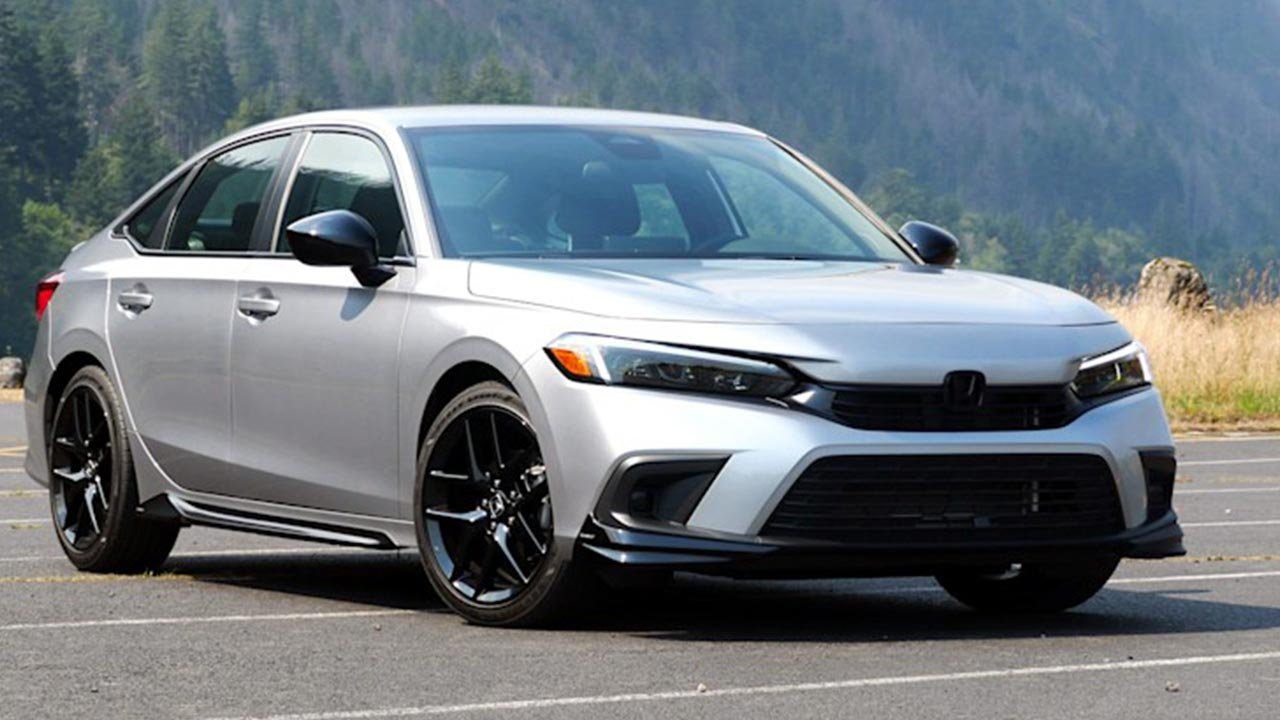
    The introduction of a new Civic generation considerably attributed to Honda’s sales growth.

    Not only have imports become more expensive as the PKR has depreciated against the greenback, but inflationary pressures on inputs and rising fuel prices have also contributed to cost increases. Revenue and cost per unit sold have generally increased in lockstep.

    As a result, despite strong demand growth, margins have fallen to 5 per cent.

    Other income, which consists of customer advances, has significantly bolstered the company’s profitability. Other income boosted the bottom line by 47 per cent in MY22, compared to 33 per cent the previous year. This also suggests that demand will continue to rise in the coming months.

    However, as lending rates continue to skyrocket, the company may lose demand from purchasers who plan to finance their vehicles through a bank.

  • Honda City Hybrid 7th gen launched, Pakistan continues with retired 6th gen

    Honda City Hybrid 7th gen launched, Pakistan continues with retired 6th gen

    Honda has finally debuted the long-awaited City hybrid sedan in the Indian market. The ex-showroom price of the 2022 Honda City Hybrid e:HEV is 1.9 million INR (PKR 4.7 million). It’s only available in a single ZX model with all of the bells and whistles.

    Last year, the new City Hybrid made its global premiere, and it is India’s first mainstream segment automobile to have robust hybrid technology.

    Powertrain

    The City e:powertrain HEV’s consists of a 1.5-liter Atkinson-Cycle DOHC i-VTEC petrol engine combined with two electric motors. One serves as an electric generator, while the other serves as a propeller. The combined output of this powerplant is 124 horsepower, with a peak torque of 253 Nm. It also comes with three driving modes: EV Drive, Hybrid Drive, and Engine Drive, as well as Regeneration mode for slowing.

    Fuel economy

    The new Honda City Hybrid e:HEV is India’s most fuel-efficient sedan, with a stated economy of 26.50 kmpl. Honda has also included 37 high-tech Honda Connect features in the vehicle. Honda’s Sensing Technology is also being introduced for the first time in India.

    Safety technologies such as Collision Mitigation Braking System, Adaptive Cruise Control, Lane Keeping Assist System, and more are included in the City e:HEV.

    Read more: Honda Atlas announces price hike instead of fixing delivery issues

    Arrival in Pakistan

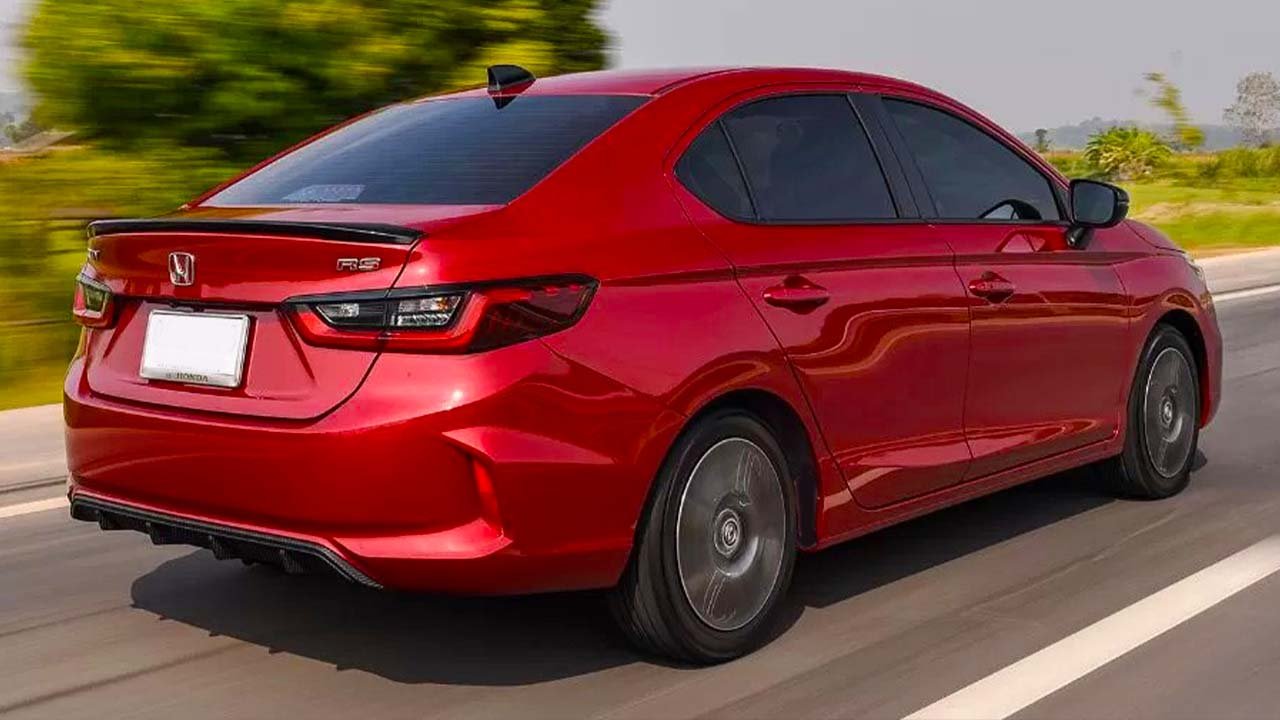
    After the 6th generation, Honda City was retired globally, Honda Atlas Cars Pakistan Limited (HACPL) introduced the latter into the Pakistani auto market, and given the history of Pakistani manufacturers, the car may continue for years, as the 5th generation Honda City was sold by Honda Atlas for more than a decade.