Tag: passenger cars

  • Car sales in Pakistan hit 15-year low in FY 2023-24: PAMA data

    Car sales in Pakistan hit 15-year low in FY 2023-24: PAMA data

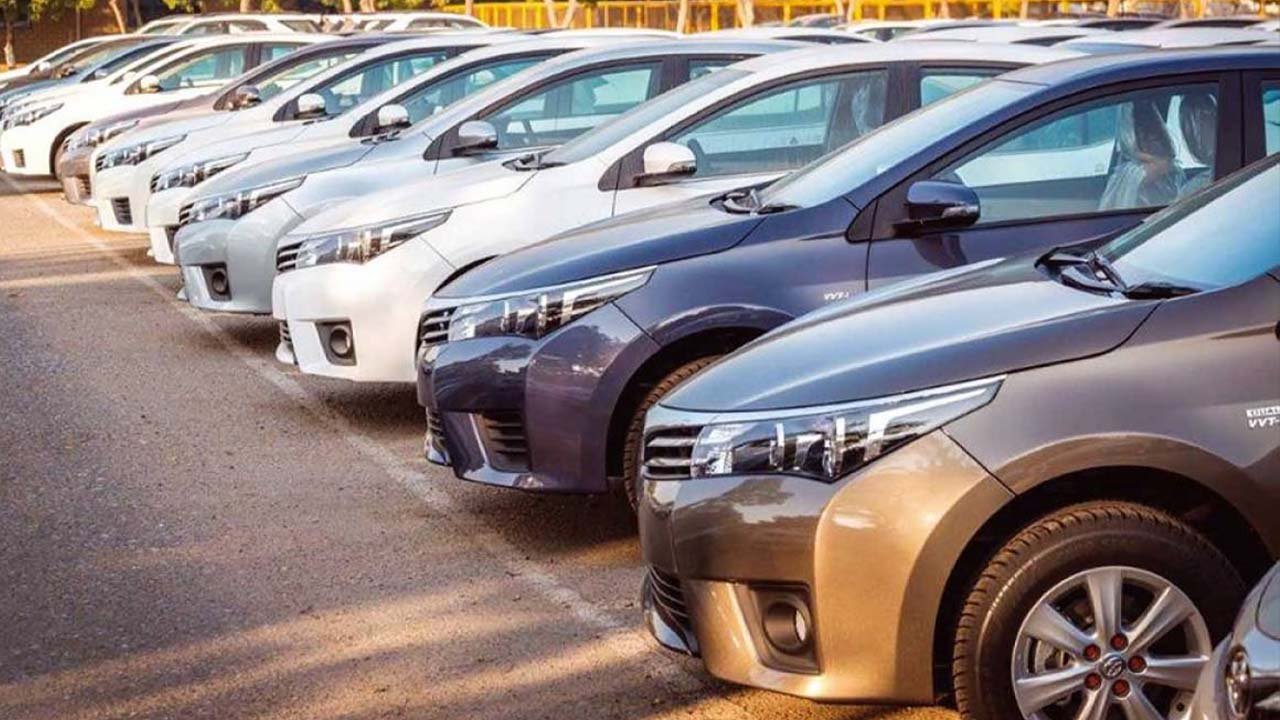
    Car sales in Pakistan plummeted to their lowest level in 15 years during the fiscal year 2023-24, as reported by the Pakistan Automotive Manufacturers Association (PAMA).

    The data reveals that sales of cars, including light commercial vehicles (LCVs), vans, and jeeps, declined by 18.2 per cent year-on-year, amounting to 103,826 units by the end of the fiscal year on June 30, 2024.

    This marks the lowest sales figures since FY 2009.

    In comparison, 126,878 units were sold in the previous fiscal year, while the average sales over the past five years stood at 188,030 units.

    Furthemore, passenger car sales decreased by 15.7 per cent year-on-year to 81,577 units during the fiscal year, compared to 96,811 units recorded in the previous year.

    Total production of passenger cars was 79,573 units in FY24, a 22.0 per cent decline from the 101,984 units produced last year.

    The PAMA data also highlighted that the highest number of passenger car sales occurred in the ‘Below 1000cc’ category, with 38,657 units sold in FY24.

    Within this segment, Suzuki Alto led with 35,883 units sold, followed by Suzuki Bolan with 2,774 units.
  • Car sales increase in Pakistan despite high prices, economic challenges

    Car sales increase in Pakistan despite high prices, economic challenges

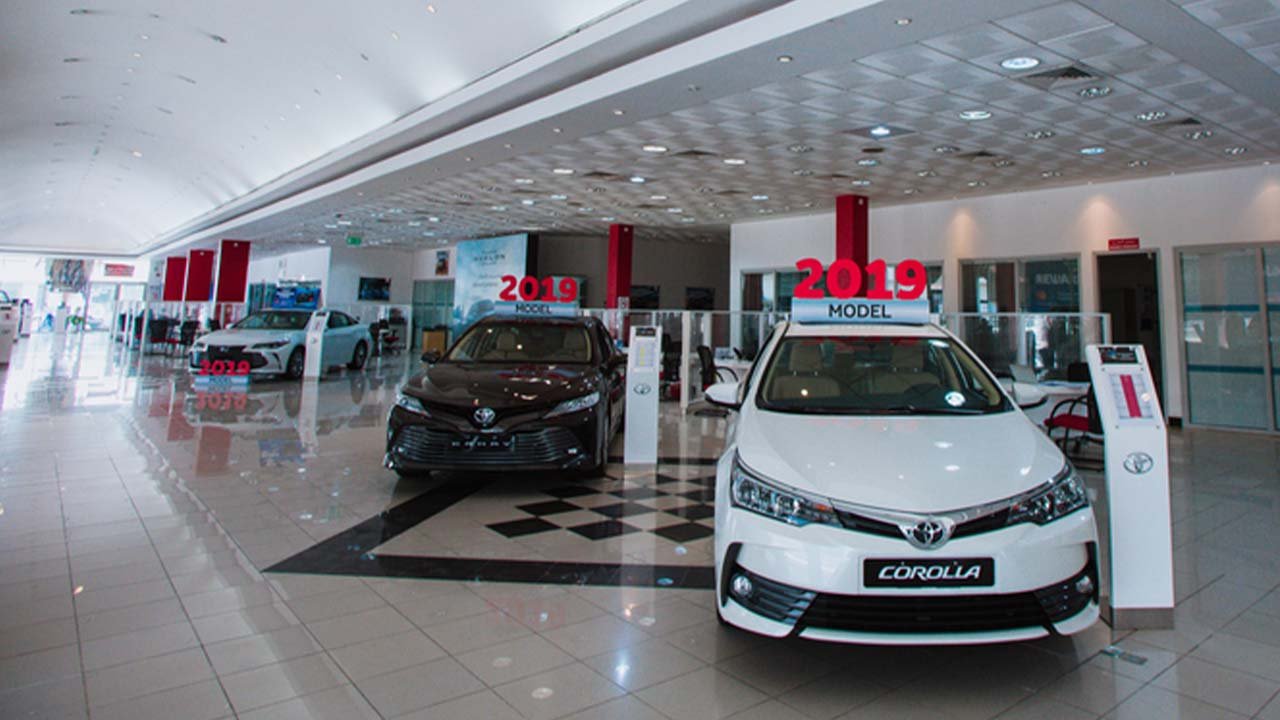
    In a surprising turn of events, the soaring prices of cars in Pakistan have not deterred buyers, as car sales experienced a notable uptick in February 2024.

    According to data released by the Pakistan Automotive Manufacturers Association (PAMA), car sales edged up by 1.94 per cent, reaching 7,953 units, compared to 7,802 units recorded in January 2024.

    This positive momentum follows a robust performance in the preceding month, where car sales hit their highest mark since December 2022.

    Analysts attribute this continued growth to the momentum generated by the new year, which has carried over into February.

    Year-on-year comparisons reveal a substantial increase, with car sales spiking by 2.18 times compared to February 2023, when only 3,642 units were sold.

    However, despite this recent surge, cumulative sales for the first eight months of fiscal year 2024 stand at 46,417 units, marking a 40.93 per cent decline from the same period last year.

    Similarly, the production of passenger cars has witnessed a significant downturn, with 8MFY24 recording 48,402 units, reflecting a 40.84 per cent decrease compared to the previous fiscal year.

    In February alone, production plummeted by 16.77 per cent month-on-month, totaling 8,002 units, down from 9,614 units in January 2023.

    Nonetheless, on a year-on-year basis, production saw a remarkable surge of 69.97 per cent, indicating a shift in manufacturing trends.

    Despite these fluctuations, the automotive landscape faces challenges, notably with Pak Suzuki Motor Company announcing two price hikes within a span of ten days in response to increased sales tax.

    The repercussions of these adjustments on sales are anticipated to unfold in the coming weeks, as the market adapts to the new pricing structure.

  • US plans to raise fuel economy standards to 24.6 km per litre by 2032

    US plans to raise fuel economy standards to 24.6 km per litre by 2032

    The Biden administration has presented a proposal to increase fuel economy standards by 2032, aiming for a fleet-wide average of 58 miles per gallon (25 kilometres per litre). The primary goal of this proposal is to reduce greenhouse gas emissions and decrease fuel consumption.

    The proposal, put forth by the National Highway Traffic Safety Administration (NHTSA), is focused on the model years from 2027 to 2032. It calls for a yearly increase of 2 per cent in Corporate Average Fuel Economy (CAFE) requirements for passenger cars and 4 per cent for light trucks. Additionally, the agency is suggesting new fuel efficiency standards for heavy-duty pickup trucks and vans for the years 2030 to 2035, with a yearly rise of 10 per cent.

    Previously, in 2022, NHTSA had finalised rules for the years 2024 to 2026, which mandated a fleet average of 49 mpg by 2026. These rules gradually increased efficiency requirements by 8 per cent in 2024 and 2025 and by 10 per cent in 2026.

    NHTSA’s latest proposal is estimated to save vehicle owners in 2032 approximately $1,043 per vehicle in lifetime fuel costs. However, it will also result in an average increase of $932 in vehicle costs.

    According to NHTSA, this rule will incentivize manufacturers to produce internal combustion engine vehicles during the specified timeframe to achieve significant fuel economy improvements, enhance energy security, and substantially reduce harmful pollution.

    It’s important to note that CAFE requirements are not as stringent as the Environmental Protection Agency’s (EPA) proposal in April to reduce vehicle tailpipe emissions. The NHTSA is legally prohibited from considering electric vehicles’ fuel economy when setting standards.

    The EPA’s proposed standards for the years 2027–2032 are expected to lead to a 56 per cent reduction in emissions, with an average annual pollution cut of 13 per cent. Furthermore, it could result in 67 per cent of new vehicles in 2032 being electric.

    According to Reuters, NHTSA anticipates that its proposal would contribute to an 88 billion-gallon reduction in gasoline consumption by 2050.

    The agency is currently seeking feedback on five alternatives, which include not increasing requirements at all as well as raising them annually by 6 per cent for cars and 8 per cent for light trucks. NHTSA believes its preferred alternative strikes a balance between necessary improvements and ensuring the market can handle the changes without causing consumer acceptance or sales issues.

    In response to the EPA’s emissions proposal, the Alliance for Automotive Innovation, representing companies like General Motors, Toyota Motor, and Volkswagen, requested a more lenient approach, deeming the EPA’s proposal “neither reasonable nor achievable.” On the other hand, Tesla expressed the view that the EPA should make its proposal more rigorous. The alliance is currently reviewing NHTSA’s proposal.