Tag: Payments

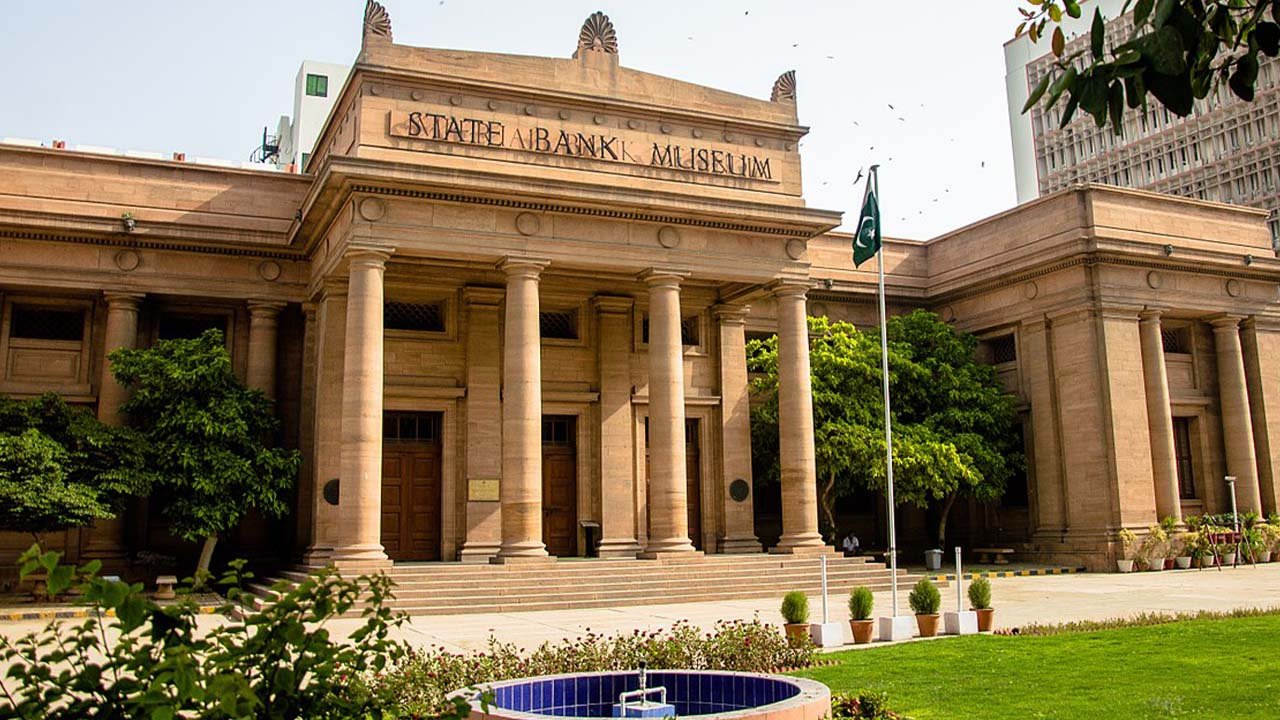
  • LC payments up to $50,000 to be released by SBP

    LC payments up to $50,000 to be released by SBP

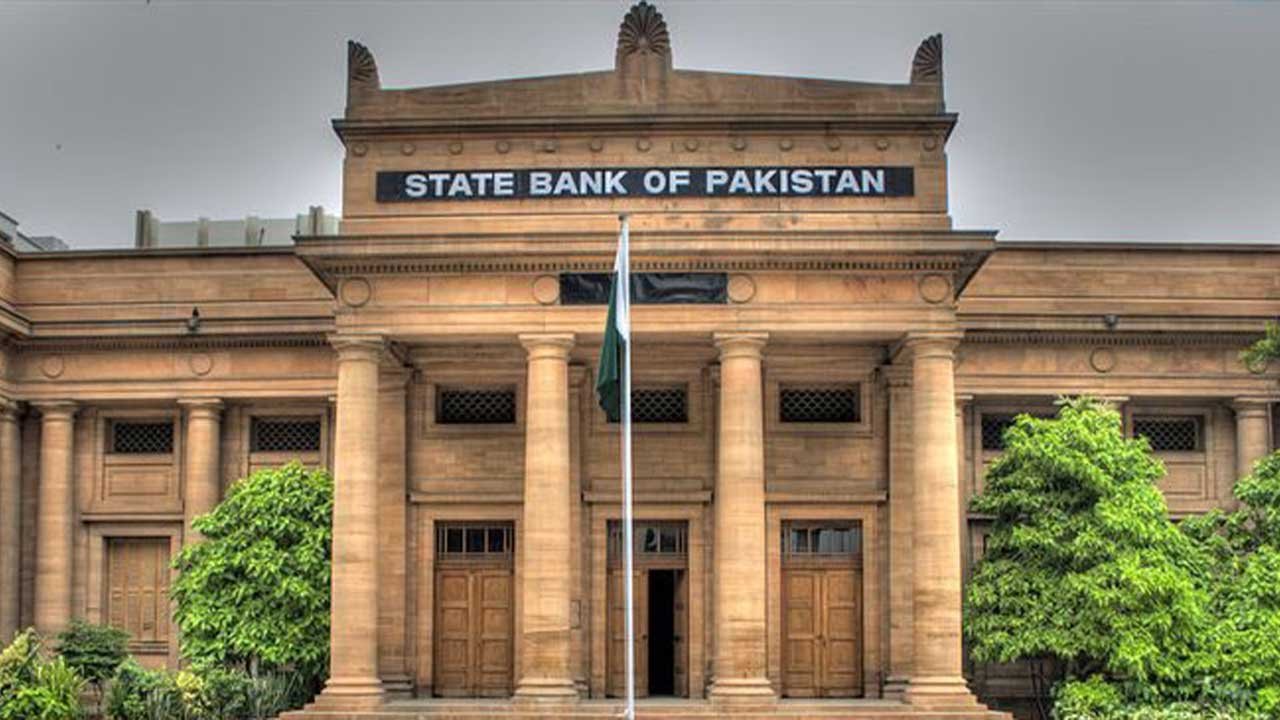
    Federal Finance Minister Ishaq Dar said that $50,000 in letters of credit (LC) payments that are overdue will be settled this week.

    According to Geo, the decision was made following a discussion with the Governor State Bank of Pakistan (SBP) Jameel Ahmed Dar said that the SBP chief will convey these instructions to clear LCs as a “first step” towards growth next month before departing for Washington DC to meet with International Monetary Fund (IMF).

    Almost 4,400 requests for opening LCs, a payment mechanism used in international trade to provide an economic guarantee from a creditworthy bank to an exporter of goods, will be deducted after these decisions, according to the speaker, who revealed that there were a total of 7,952 cases still pending.

    For certain imports, including completely knocked down (CKD) vehicles, telephones, and various types of machinery, the SBP previously required prior approval before opening LCs or registering contracts. However, these directives were given on May 20.

    The Finance Minister also made it clear that Pakistan will not be refinancing its loans through the Paris Club. According to him, Pakistan will make sure to make timely payments to multilateral organisations for its national sovereign debt obligations. He claimed that in this regard, a strategy had been developed.

  • YouTube introduces Creator Music, a music store for content creators

    YouTube introduces Creator Music, a music store for content creators

    YouTube will now enable the monetization of licensed music for content producers. The company unveiled a platform called Creator Music earlier this week, allowing YouTubers to use a library of well-known songs in their videos without risking demonetization.

    With the rules of the music rights laid out plainly so that producers may understand the charges, this new location will offer a sizable collection of songs that they can browse through, search, and buy. Additionally, they will be able to select tracks that feature a new revenue-sharing option, which allows both content producers and owners of music rights to profit from their work.

    The modifications were unveiled at today’s Made on YouTube live event, where the company outlined its strategies for retaining the community of video creators in the face of TikTok’s mounting threat. Here, it made a number of announcements with the main goal of assisting creators in increasing their earnings.

    However, YouTube is also making it easier for producers to locate musical accompaniment for their videos using Creator Music.

    “Creators have told us, time and time again, that finding the right song isn’t the hard part. It’s actually figuring out how to license it,” said Amjad Hanif, VP of Creator Products at YouTube.

    The music license holder receives all ad money when a creative utilises a tune they don’t own, as was revealed at the event. Because of this, YouTube videos frequently do not use commercial music, which the company’s new service intends to address.

    The tracks on Creator Music can either be bought directly or through a rev-share agreement, which keeps the money in-house instead of going to the rights holder. In the first case, the creator is purchasing a license with clearly stated terms and fees.

    In the latter scenario, creators won’t have to pay anything up front to get access to the songs; instead, they will divide a portion of their earnings with the musicians.

    Creators can utilise this new resource to look for the songs they have in mind or to look for songs within the budget they have established for the project. Instead of being restricted to stock music or having no music at all, as is frequently the case, especially with smaller makers who cannot afford the costs associated with using music in their films, the service allows them a method to access a bigger repertoire of contemporary music.

  • Pakistan gets temporary relief of $3.68 billion from G-20 countries

    Pakistan gets temporary relief of $3.68 billion from G-20 countries

    The Ministry of Economic Affairs stated that the Government of Pakistan and the French Republic on Monday signed an agreement as part of the G20 Debt Service Suspension Initiative (DSSI).

    The government signed a DSSI, which amounted to the suspension of loans totaling $107 million under the G20 DSSI framework, according to a statement made in this regard by the ministry, according to Profit.

    This sum, which was initially due between July and December 2021, will now be paid back over a six-year period (plus a one-year grace period) in semi-annual installments, according to the statement.

    Federal Secretary for Economic Affairs Division Mian Asad Hayaud Din and French Ambassador to Pakistan Nicolas Galey signed the agreement today in Islamabad.

    Agreements for the revocation of $261 million between the government and the French Republic have already been signed.

    The ministry mentioned that the G20 DSSI has provided the fiscal space required to address the immediate health and financial demands of the Islamic Republic of Pakistan as a result of the support given by Pakistan’s development partners.

    According to the ministry, $3,688 million in debt has been suspended and rescheduled overall under the DSSI framework, which covers the period from May 2020 to December 2021.

    Pakistan has so far reached 93 agreements and signed them with 21 bilateral creditors for the restructuring of its liabilities under the G20 DSSI framework, totaling a delay of nearly $3,150 million.

    The above-mentioned agreements have been signed, bringing the total to $3,257 million. The G20 DSSI’s remaining agreements are currently the subject of negotiations.

  • SBP hikes interest rate by 150 basis points to control inflation

    SBP hikes interest rate by 150 basis points to control inflation

    The State Bank of Pakistan’s (SBP) Monetary Policy Committee (MPC) approved a 150 basis point increase in the benchmark interest rate, pushing it to 13.75 per cent to control inflation.

    It is worth noting that this is the maximum level of interest rate since 2011 when it was 14 per cent.

    The central bank mentioned in a statement that after the last MPC meeting, preliminary estimates indicate that growth in FY22 has been considerably higher than predicted.

    On May 23, the MPC agreed to hike the policy rate by 150 basis points to 13.75 per cent. “This action, together with much needed fiscal consolidation, should help moderate demand to a more sustainable pace while keeping inflation expectations anchored and containing risks to external stability.

    “External pressures remain elevated and the inflation outlook has deteriorated due to both home-grown and international factors. Domestically, an expansionary fiscal stance this year, exacerbated by the recent energy subsidy package, has fueled demand and lingering policy uncertainty has compounded pressures on the exchange rate”.

    “Globally, inflation has intensified due to the Russia-Ukraine conflict and renewed supply disruptions caused by the new Covid wave in China. As a result, almost all central banks across the world are suddenly confronting multi-year high inflation and a challenging outlook.”

    The MPC stated that raising interest rates will help to protect external and economic stability.

    “Since the last MPC meeting, secondary market yields, benchmark rates and cut-off rates in the government’s auctions have risen, particularly at the short end. The MPC noted that the market rates should be aligned with the policy rate and in case of any misalignment after today’s policy decision, the SBP would take appropriate action”.

    According to the report, overall inflation climbed from 12.7 per cent (year on year) in March to 13.4 per cent in April, led by consumable food products and core inflation. “The rise in core inflation reflects strong domestic demand and second-round effects of supply shocks,” it noted.

    The MPC believes that when power and fuel subsidies are phased out, inflation will spike momentarily and remain strong through FY23 before falling steeply in FY24. “This baseline outlook is subject to risks from the path of global commodity prices and the domestic fiscal policy stance,” it said.

  • Car sales up by 53.7 per cent in 2022, despite repeated price hikes

    Car sales up by 53.7 per cent in 2022, despite repeated price hikes

    The latest data provided by the Pakistan Automotive Manufacturing Association (PAMA) shows that overall car sales climbed by 53.78 per cent during the first nine months of the current fiscal year 2021-22 (July-March) compared to the same period in the past financial year.

    Keeping in view the recent figures, 172,612 vehicles were delivered in the time period under consideration, compared to 112,244 cars in the previous year. In March 2022, the country’s car sales climbed by 33.28 per cent on a year-over-year (YoY) basis when compared to the same month in 2021.

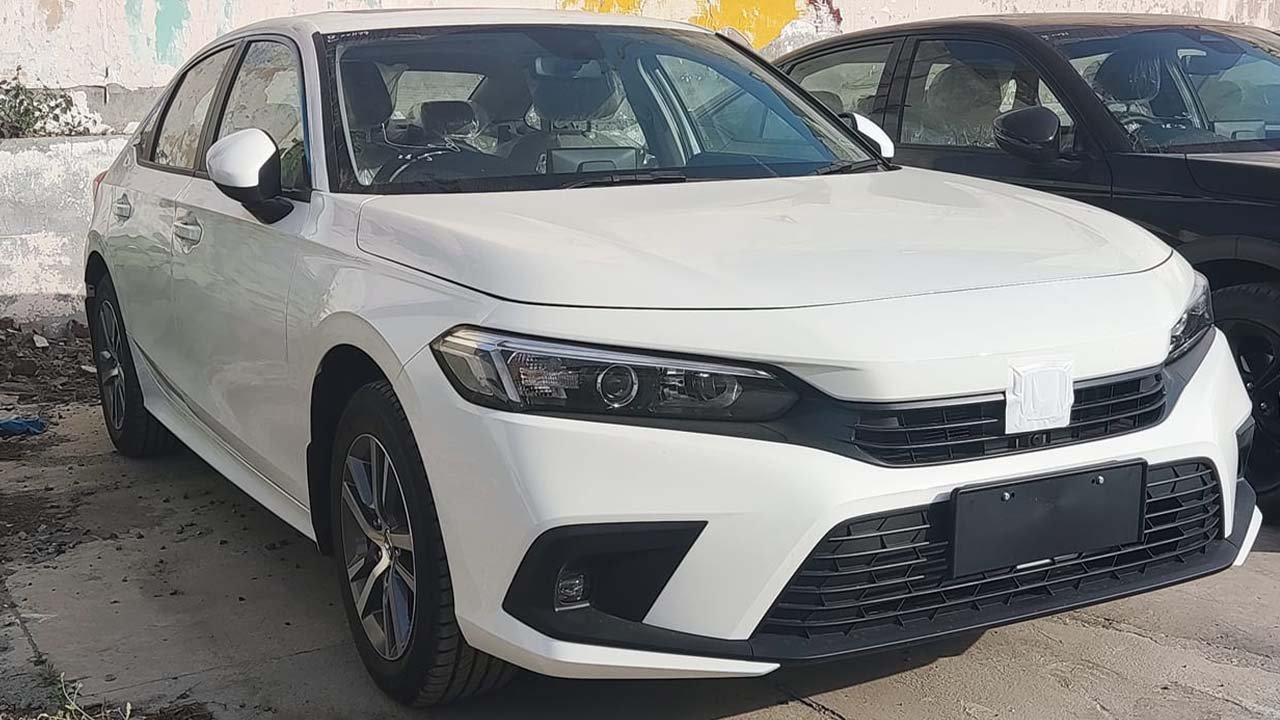
    In March 2022, car sales soared to 22,799 units, up from 17,105 units in the same month the previous year. considering the breakdown of the numbers, around 26,830 combined units of Honda Civic and City were sold in the fiscal year 2021-22, compared to 18,816 units in 2021, indicating a 42.59 per cent increase.

    The sale of Toyota Corolla and Yaris sedans increased by 24.93 per cent in the same time, rising to 43,695 units from 34,975 units the previous year. Suzuki Swift sales, on the other hand, fell by 73.78 per cent, from 1,896 units in July-March 2020-21 to 497 units. The drop witnessed in sales of Suzuki Swift was due to the production cut of the older Swift, which was scheduled to be replaced by the fourth generation in February of this year.

    Read more: Toyota Pakistan records highest monthly sales, selling 7,132 vehicles in March 2022

    With 53,241 units sold so far in the fiscal year 2022, Pakistan’s smallest engine size vehicle, the 660cc Alto, is now the most popular. It is worth noting that the mini hatchback is also the country’s ‘cheapest’ four wheeler from the big three.

  • FBR records 29.1% growth during July 2021 to March 2022, despite providing ‘massive tax relief’

    The provisional revenue collection data for the months of July 2021 to March 2022 of the current financial year 2021-22 have been announced by the Federal Board of Revenue (FBR).

    The net collection was Rs575 billion for the month of March 2022, up 20.5 per cent from Rs477 billion in March 2021.

    Conversely, the gross revenues, rose by 28.9 per cent in the current financial year, from Rs3,577 billion in July 2020 to March 2021 to Rs4,611 billion in July 2021 to March 2022. Furthermore, the amount of reimbursements granted in March 2022 was Rs31.9 billion, compared to Rs26.3 billion in March 2021, showing a 21.3 per cent upsurge.

    Then again, refunds of Rs229 billion were paid from July 2021 to March 2022, a 25 per cent increase over the Rs183 billion paid the previous year.

    Read more: Petrol, Diesel prices to remain unchanged till April 15

    It is worth noting that the continuous remarkable growth in revenue collection has been achieved despite the government providing ‘massive tax relief’ to the general public on a variety of vital commodities.

    For the first time in Pakistan’s history, the sales tax on all petroleum products was abolished, costing the FBR Rs45 billion in the past month.

  • James Faulkner leaves PSL prematurely, accuses PCB of not honouring agreed payments, PCB denies

    James Faulkner leaves PSL prematurely, accuses PCB of not honouring agreed payments, PCB denies

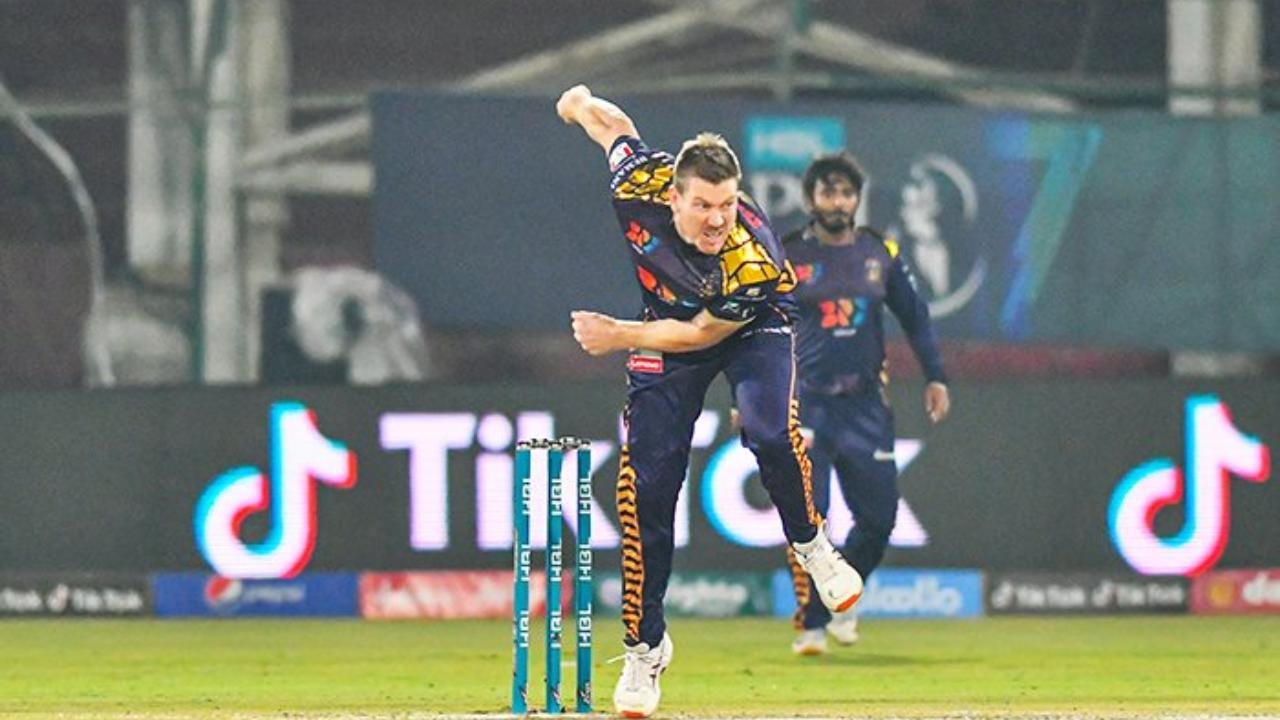
    Australian cricketer James Faulkner has left the Pakistan Super League (PSL) prematurely over a payment dispute, saying the Pakistan Cricket Board (PCB) hasn’t honoured the contractually agreed payments and has instead “continued to lie” to him.

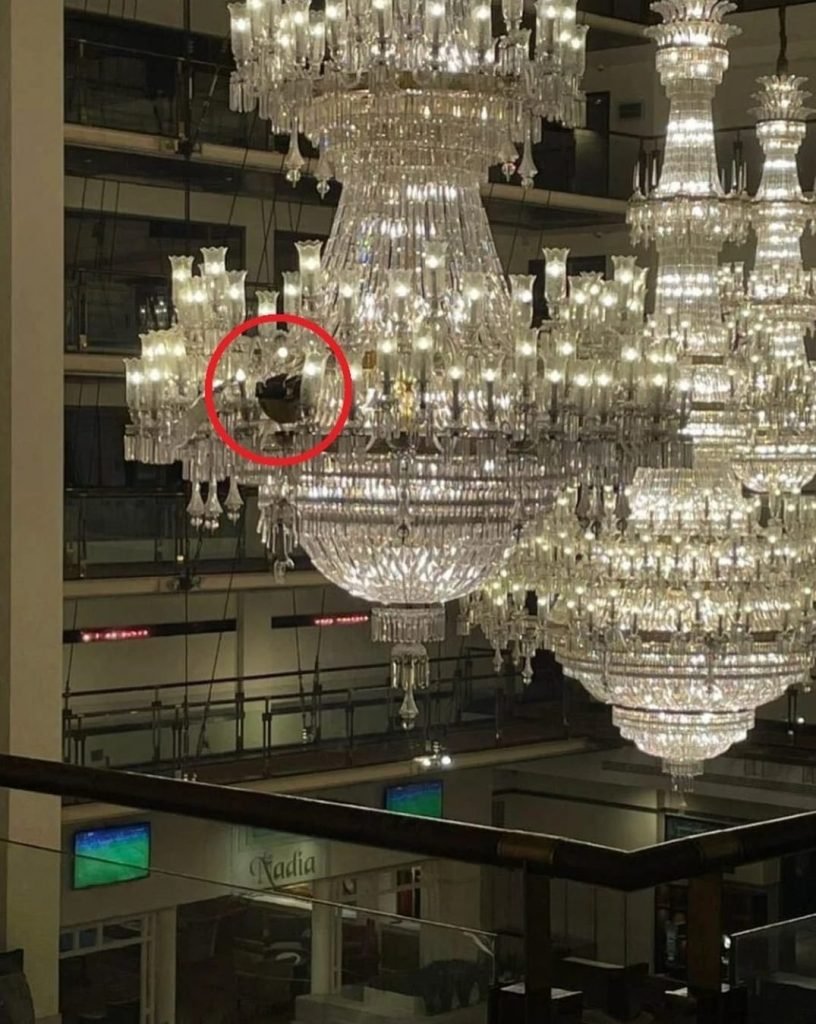
    Faulkner, who has not played Quetta Gladiators’ last three games, was understood to have grown increasingly agitated over the matter. Faulkner had been negotiating with the PCB over the due payments, with things getting so heated on Friday that he threw his bat and helmet from the lobby floor balcony onto a chandelier after a discussion with a PCB official before leaving for the airport.

    Earlier today, he posted two tweets apologising to Pakistan cricket fans and calling his treatment at the hands of the PCB and the PSL “a disgrace”.

    “I apologise to the Pakistan cricket fans. But unfortunately, I’ve had to withdraw from the last 2 matches and leave the @thePSLt20 due to the @TheRealPCB not honouring my contractual agreement/payments. I’ve been here the whole duration and they have continued to lie to me. It hurts to leave as I wanted to help to get international cricket back in Pakistan as there is so much young talent and the fans are amazing. But the treatment I have received has been a disgrace from the @TheRealPCB and @thePSLt20. I’m sure you all understand my position.”

    The PCB issued a brief statement saying they had “regretfully taken note of Mr James Faulkner’s false and misleading accusations” and that the board would shortly release a detailed statement.

    Traditionally, the PCB has always dealt with making player payments initially before recovering the money from the franchises, which may explain why Faulkner’s primary grievance lies with the PCB rather than his franchise. Gladiators distanced themselves from the issue, telling ESPNcricinfo the Australian’s payment dispute was with the PCB.

    Faulkner played six PSL games this season, taking six wickets and scoring 49 runs.