Tag: petrol

  • Petroleum dealers strike as OGRA directs oil companies to keep pumps open

    Petroleum dealers strike as OGRA directs oil companies to keep pumps open

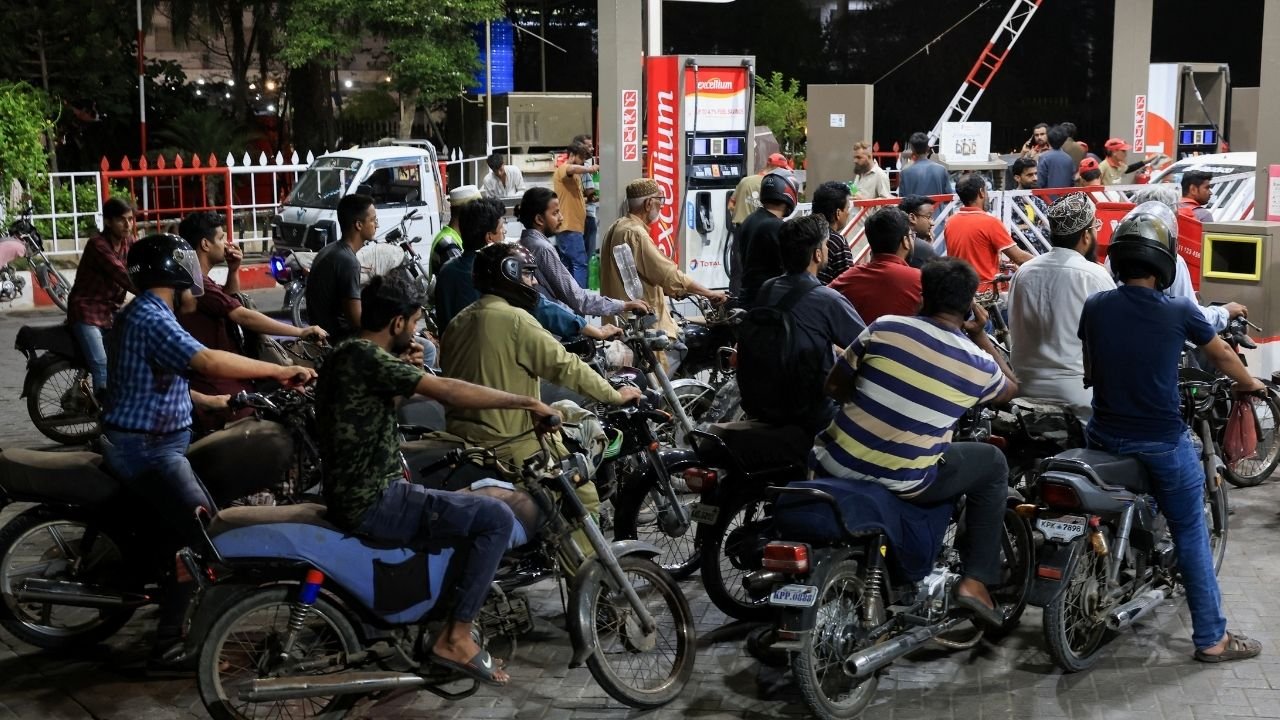
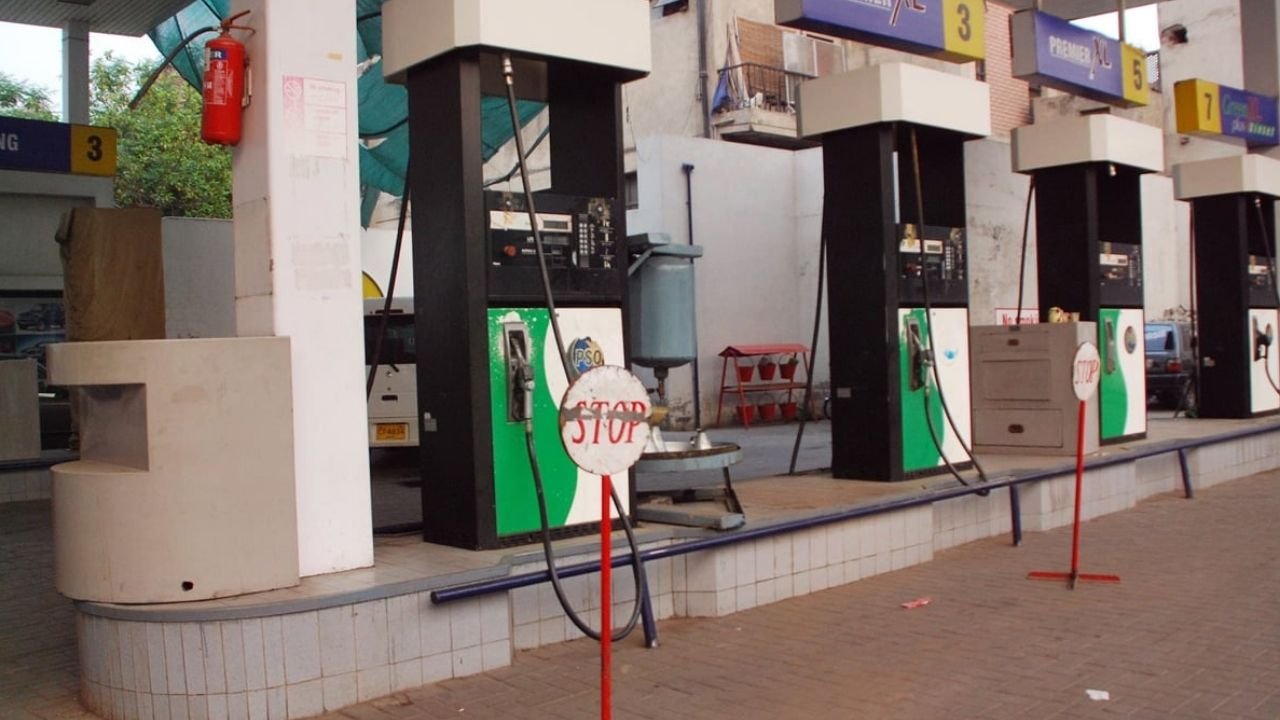
    The Oil and Gas Regulatory Authority (OGRA) and the Petroleum Division have issued a joint statement following the strike announced by the Petroleum Dealers Association, stating that petroleum products will be available nationwide.

    The statement directed oil marketing companies to keep pumps open and ensure continuous supply.

    According to the joint statement, the country has abundant petroleum products, and they will remain available throughout the nation.

    Earlier, the Petroleum Dealers Association had declared a nationwide strike starting on July 5.

    Abdul Sami Khan, Chairman of the Petroleum Dealers Association, announced the strike, emphasising that businesses cannot sustain operations with such high taxes. He warned that pumps across the country will begin to run dry tonight and stated that negotiations will not resume until the government accepts their demands.

  • Petrol pumps going on nationwide strike from July 5

    Petrol pumps going on nationwide strike from July 5

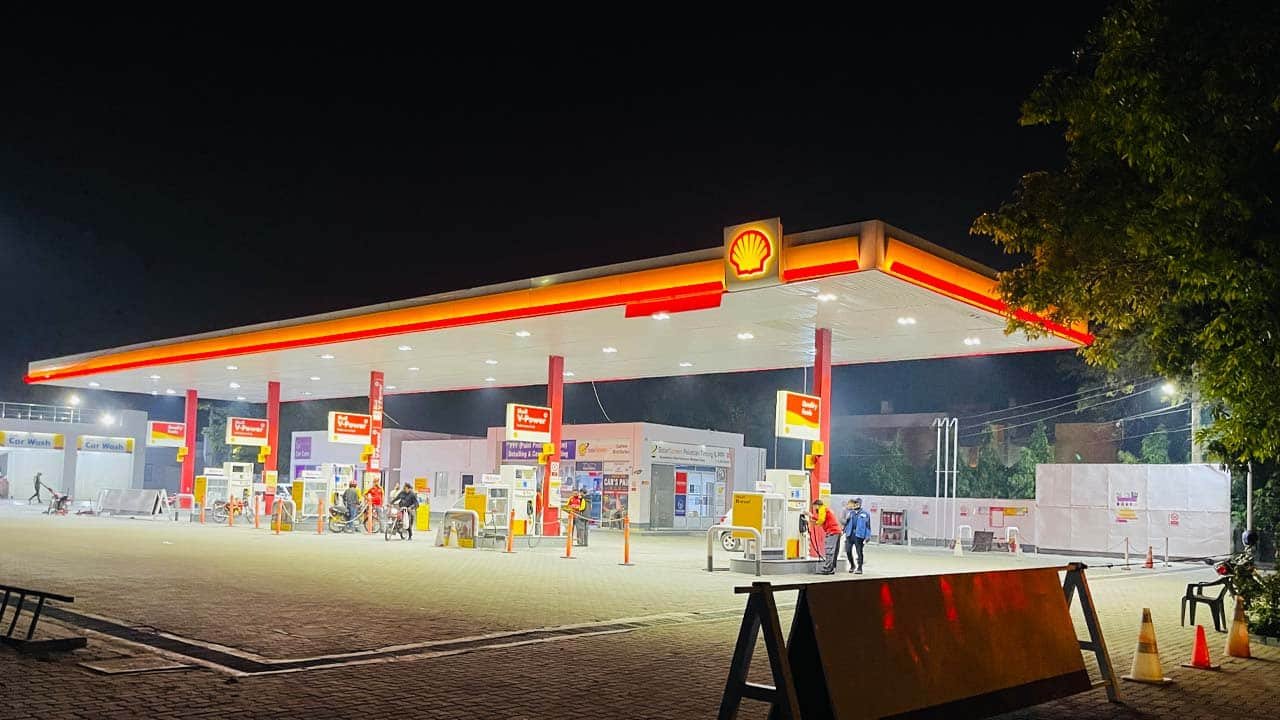
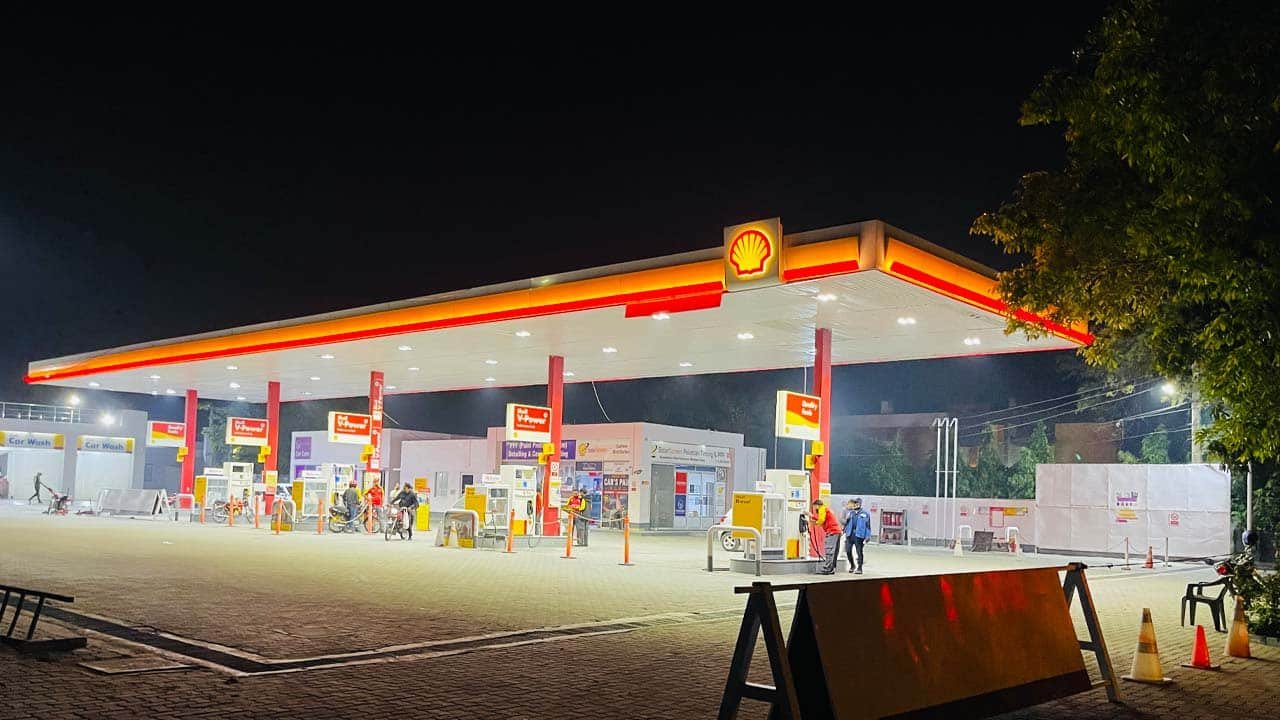
    The Pakistan Petroleum Dealers Association has decided to close petrol pumps across the country starting from 6 am on Friday, July 5.

    The strike was announced after negotiations between the Association and the government fell apart.

    A delegation from the Pakistan Petroleum Dealers Association held meetings with the Finance Minister, Chairman of FBR, and Chairman of OGRA.

    Abdul Sami Khan, President of the Petroleum Dealers Association, stated that the strike may last for more than one day, according to an Aaj News report.

    People have been advised to keep petrol tanks filled until July 4, as pumps across the country will begin to run dry tomorrow night.

    He also mentioned that negotiations will not resume until the government reverses its decision. Fourteen thousand dealers across the country will shut down their pumps starting July 5.

    On the other hand, the Pakistan Oil Tankers Association has declared that it will not be part of the strike.

    Shams Shahwani, Chairman of the Oil Tankers Association, stated that petrol and diesel supplies will continue uninterrupted throughout the country. He believes that given the current circumstances, stopping the supply is not an option, and he wants to prevent inconvenience to customers.

  • Petroleum sales in Pakistan drop to six-month low

    Petroleum sales in Pakistan drop to six-month low

    The sale of total petroleum products in Pakistan fell to 1.1 million tonnes in April 2024, a 6 per cent decrease compared to 1.17 million tonnes in the same month last year.

    According to data released by brokerage house Topline Securities, this is the lowest level recorded in the past six months, reflecting a trend influenced by reduced demand for petrol and furnace oil (FO).

    Despite the overall decline, high-speed diesel (HSD) sales showed a modest improvement, rising by 2 per cent year-on-year, reaching 0.469 million tonnes in April.

    Meanwhile, the sale of MS (petrol) dropped by 9 per cent, totaling 0.53 million tonnes, and FO sales saw a dramatic 59 per cent decrease, settling at 0.03 million tonnes.

    Topline Securities attributed this sharp decline in FO sales to a reduction in power generation from FO-based power plants.

    Month-on-month, petroleum offtake declined by 4 per cent compared to 1.15 million tonnes in March 2024. FO experienced the most significant drop, decreasing by 33 per cent month-on-month in April.

    Looking at the broader picture, the first ten months of fiscal year 2024 saw total petroleum sales drop by 11 per cent year-on-year, totaling 12.443 million tonnes.

    Product-wise data indicate a downturn in all categories, with MS, HSD, and FO offtake settling at 5.83 million tonnes, 5.05 million tonnes, and 0.869 million tonnes, respectively. This represents a decrease of 6 per cent for MS, 4 per cent for HSD, and 53 per cent for FO.

    In terms of individual company performance, Pakistan State Oil (PSO) experienced a 3 per cent decline in offtake year-on-year in April 2024, with a 7 per cent drop in MS sales and a 4 per cent decrease in HSD. FO sales for PSO also fell by 22 per cent.

    However, despite these decreases, PSO’s market share improved from 49 per cent in April 2023 to 51 per cent in April 2024.

    Shell Pakistan Limited (SHEL) recorded a 7 per cent year-on-year decline in sales, with reductions across all product categories.

    Hascol Petroleum Limited (HASCOL) saw a significant 23 per cent year-on-year drop in sales, primarily due to a 42 per cent reduction in MS sales.

    Attock Petroleum Limited (APL) also witnessed an 18 per cent decline in sales compared to April 2023.
  • Govt may cut petrol price by more than Rs10 per litre

    Govt may cut petrol price by more than Rs10 per litre

    The government is poised to provide significant relief by potentially reducing petrol and diesel prices by Rs13 and Rs15 per litre, respectively, in the upcoming fortnightly pricing update.

    This anticipated reduction is attributed to a noteworthy downturn in international petroleum and diesel prices over the past fortnight.

    The stability of the local currency at a weighted average of approximately PKR 284.33 per USD further contributes to this potential relief. 

    Current estimates as of December 2008 reveal a global decline in petrol and diesel prices by 5.44 per cent and 5.6 per cent, reaching $94.95 and $100.05 per barrel, respectively.

    As the next pricing update is still a week away, the future trajectory of these prices hinges on global market movements and exchange rate fluctuations. 

    Notably, in the preceding fortnight, the government maintained the petrol price at Rs281.34 while reducing the HSD price by Rs7 to Rs289.71 per litre.

  • Govt maintains petrol price at Rs281.34, cuts diesel price by Rs7 per litre 

    Govt maintains petrol price at Rs281.34, cuts diesel price by Rs7 per litre 

    On Thursday, the caretaker government announced its decision to maintain the current petrol price at Rs281.34 per litre while implementing a reduction of Rs7 per litre for high-speed diesel (HSD) for the upcoming two weeks. 

    As per the official notification from the finance ministry, the revised price for high-speed diesel will be Rs289.71 per litre starting on December 1. 

    Additionally, the prices for kerosene and light diesel oil have decreased by Rs3.82 and Rs4.52, respectively. 

    Following these adjustments, kerosene will now be priced at Rs201.16 per litre, and light diesel oil will be available at Rs175.93 per litre. 

    This decision comes in response to factors such as an IMF review and the recent global decline in oil prices. 

    Notably, the postponement of a ministerial meeting by Opec+ (the Organisation of the Petroleum Exporting Countries and allies, including Russia) to November 30 contributed to a midweek tumble in global oil prices. 

    Brent crude futures experienced a 0.4 per cent decline, down 37 cents to $80.21 per barrel, while US West Texas Intermediate (WTI) crude futures lost 0.4 per cent, down 29 cents to $75.25. 

  • Govt decides not to reduce petrol, diesel prices

    Govt decides not to reduce petrol, diesel prices

    The caretaker government announced on Tuesday that petrol and diesel prices would remain unchanged until November 15. 

    Furthermore, the government reduced the prices of kerosene and light-speed diesel by Rs 3.82 and Rs3.40 per litre. Kerosene and light-speed diesel will now be priced at Rs211.03 and Rs189.46 per litre, respectively.

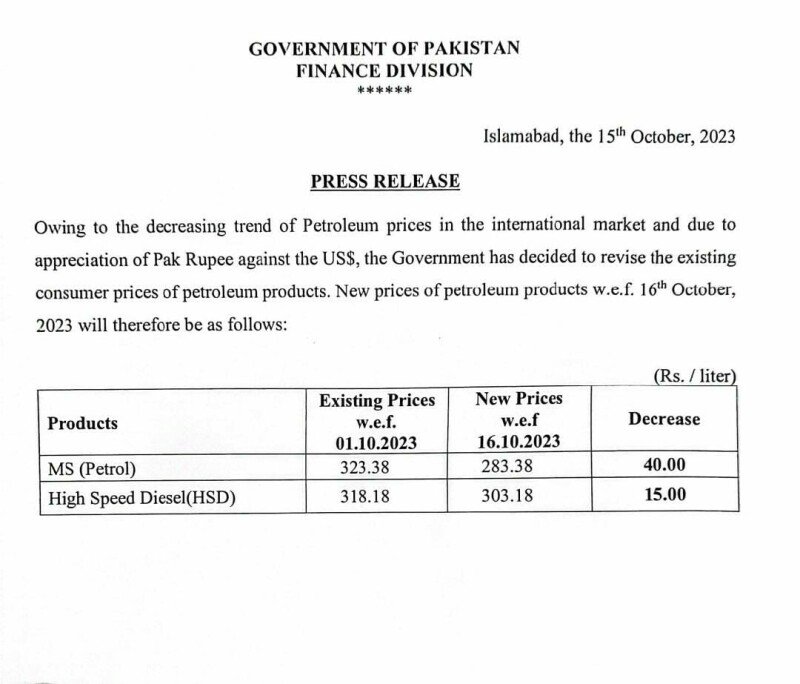
    In the previous review on October 15, the caretaker government had announced a reduction of Rs 40 and Rs15 in petrol and diesel prices, bringing them to Rs283.38 and Rs303.18 per litre, respectively. 

    This adjustment was made in response to the continuous appreciation of the local currency against the greenback and fluctuations in international petroleum product prices.

  • Petrol price in Pakistan slashed by Rs40 to Rs283.38 per litre

    Petrol price in Pakistan slashed by Rs40 to Rs283.38 per litre

    In a move to ease the burden on masses dealing with high inflation, the caretaker government has decided to lower the cost of petrol by Rs40 per litre and high-speed diesel (HSD) by Rs15 for the next two weeks. 

    The new per litre rates are set at Rs283.38 for petrol and Rs303.18 for diesel. 

    This change comes as a response to fluctuations in international fuel prices and an improved exchange rate, leading the government to adjust consumer prices for petroleum products. 

    For the second time in a row, the interim government is taking steps to lower petroleum prices, following three consecutive bi-weekly increases.

    In the previous adjustment, petrol saw a reduction of Rs8 per litre, while high-speed diesel decreased by Rs11 per litre.

    Between August 15 and September 15, the prices of petrol and high-speed diesel had surged by Rs58.43 and Rs55.83 per litre, reaching historic highs at retail of Rs331-333 per litre.

    Earlier this week, it was anticipated that the prices of HSD and petrol would dip below Rs300 per litre in the upcoming review, thanks to a significant decline in global oil rates and the strengthening of the rupee.

  • Stockholm to ban petrol, diesel cars in city centre from 2025

    Stockholm to ban petrol, diesel cars in city centre from 2025

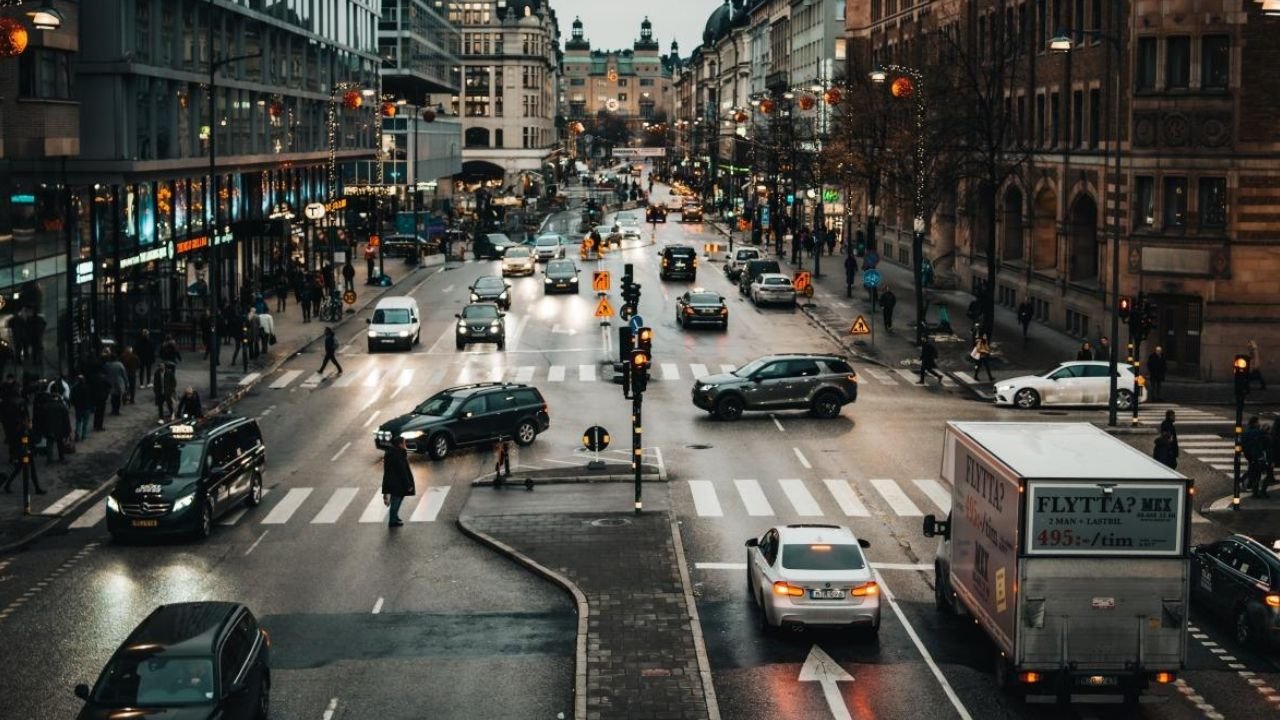
    The capital of Sweden, Stockholm, will ban the presence of petrol and diesel cars by 2025 in a central 20-block area of the city in order to achieve better air quality.

    The city’s vice-mayor for transport and urban environment, Lars Stromgren, said in a statement, “Nowadays the air in Stockholm causes babies to have sick lungs and the elderly to die prematurely. It is a completely unacceptable situation,”
    He added that there is a need to “limit the harmful exhaust gases from petrol and diesel cars,”

    The 20-block area of the city is a bustling part of Stockholm with a shopping district, office buildings, and eateries. And according to Stromgren, this area “has a lot of pedestrians and cyclists, where the air quality needs to be better,”

    “This is also a part of the city where we see that there is a lot of interest in a faster electrification, with actors that can spearhead the transition,” he added.

    The ban will come into effect on December 31, 2024. However, police cars, ambulances and other security services will be exempted.

  • Govt raises petrol price by Rs26.02 per litre, diesel by Rs17

    On Friday night, the interim government implemented a significant adjustment in fuel prices. The cost of petrol rose by Rs26.02 per litre, reaching a new rate of Rs331.38 per litre, while high-speed diesel (HSD) saw an increase of Rs17.34 per litre, settling at Rs329.18 per litre.

    The Ministry of Finance made this announcement via a post on X (formerly known as Twitter) after midnight.

    This decision was driven by the continuous upward trajectory of petroleum prices in the global market. It’s important to note that there were no alterations made to the rates of kerosene or light diesel oil.

    This latest price surge closely follows a substantial hike on September 1, when the interim government elevated fuel prices by up to Rs18 per litre. This increase was preceded by similar adjustments made by the interim government on August 15.

    The rationale behind these price adjustments lies in adherence to existing tax structures and import parity prices. These changes were primarily necessitated by currency fluctuations and a slight uptick in international oil prices.

  • ‘Never leaving home again’: social media is in tears after ANOTHER petrol price hike

    ‘Never leaving home again’: social media is in tears after ANOTHER petrol price hike

    Kuch rehnay nahi dena? Yesterday night, the caretaker government announced yet another price hike in petrol charges, taking it to a historic high of Rs 301 per litre.

    In a statement, the finance ministry said that the reason behind the hike included escalating prices in the international market as well as shifts in exchange rates.

    But social media users were in dismay that after exorbitant electricity bills, they will have to pay unheard of sums for fuel.

    Sab se pehle tou, get used to the social distancing times and start staying more at home, like this user put it.

    Waisay this would be a good excuse

    Go back to ye olde times and send letters to your beloved?

    *Dances to the bop while wailing*