Tag: petrol prices

  • OGRA reduces LPG price to Rs234 per kg amidst cost-cutting measures by OGDCL

    OGRA reduces LPG price to Rs234 per kg amidst cost-cutting measures by OGDCL

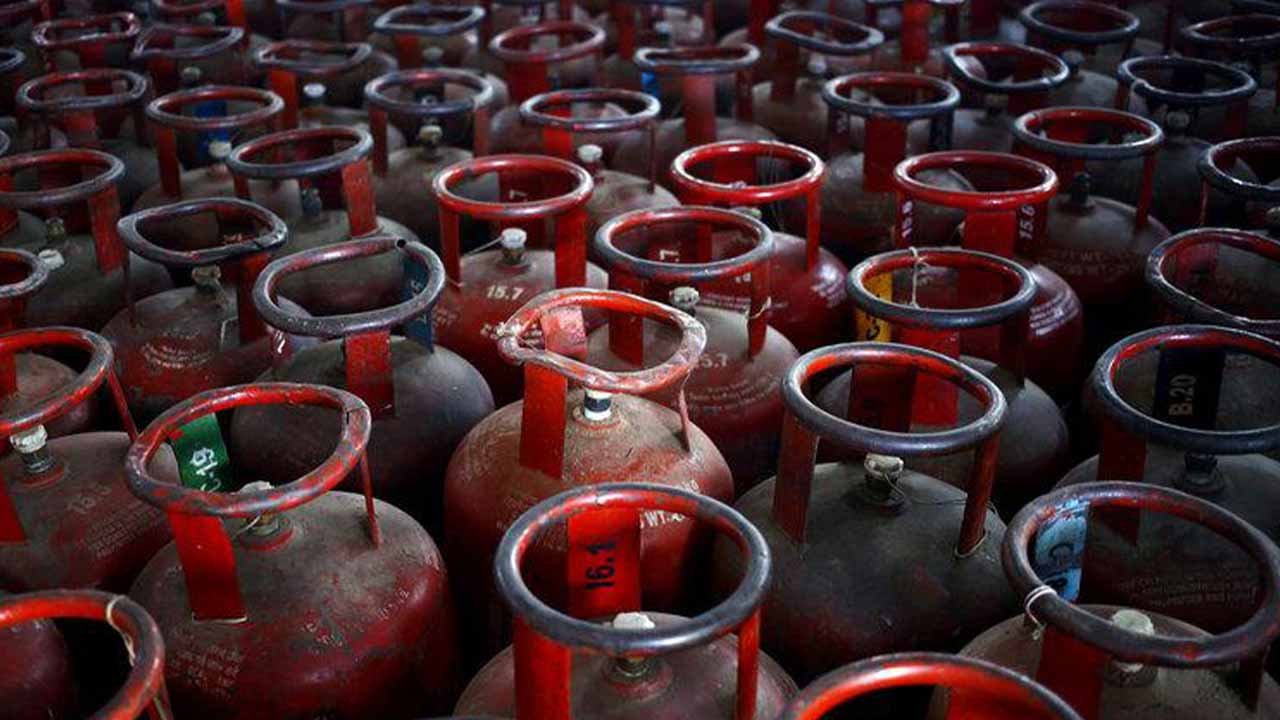
    The Oil and Gas Regulatory Authority (OGRA) has announced a reduction in the price of Liquefied Petroleum Gas (LPG), providing relief to consumers who depend on LPG.

    According to a recent notification, LPG prices have been cut by Rs3.87, bringing the cost down to Rs234 per kilogramme. This new rate is effective immediately.

    This development follows a significant cost reduction in production by the Oil and Gas Development Company (OGDCL), attributed to the arrival of three ships carrying imported LPG.

    The increased supply has enabled OGDCL to lower production costs, subsequently leading to the reduced consumer prices.

    In a related development, the prices of petrol and diesel in Pakistan are also anticipated to drop from June 1. According to sources, petrol prices are expected to decrease by Rs5 per litre, while diesel prices may see a reduction of Rs4 per litre.

    The Ministry of Finance will announce the new rates after consulting with the Prime Minister.

    The OGRA summary proposing the price reductions will be submitted to the Petroleum Division by May 31st, sources added.

    This move is part of a broader strategy to alleviate the financial burden on the public by ensuring affordable fuel prices amidst fluctuating global oil markets.

  • Petrol prices expected to see notable increase next week

    Petrol prices expected to see notable increase next week

    Consumers already grappling with the burdens of inflation may soon face another blow as reports indicate an imminent hike in petroleum prices within the country.

    Recent assessments suggest a potential increase in petrol prices by over Rs9 per liter commencing April 1. This surge could propel the new price range for petrol from Rs279.75 to Rs289.25.

    Furthermore, there are indications that the government is contemplating raising the petroleum levy from Rs60 to Rs100.

    The petroleum development levy has undergone various adjustments in recent fiscal years, witnessing a notable escalation during FY-2023.

    Sources reveal that the federal government is deliberating a proposal to either subject petroleum to General Sales Tax (GST) or elevate the existing levy rate to fulfill IMF requisites for reinstating an 18 per cent GST on petrol.

    The proposed budget for the upcoming financial year outlines plans to increase the petroleum levy from Rs60 to Rs100 per liter.

    Presently, a levy of Rs60 per liter is imposed on both petrol and diesel, yielding an estimated annual revenue of Rs950 billion. Since March 2022, GST on petroleum products has been maintained at zero levels.

    In the initial budget drafts, GST was slated to be set at 18 per cent, in alignment with International Monetary Fund stipulations calling for the restoration of the standard GST rate.

    On March 15, the government opted to maintain the price of petrol while reducing the cost of high-speed diesel by Rs1.77 per litre.

    Petrol prices, fuel prices, government policy, petroleum levy, inflation, consumer concerns,

  • Govt expected to increase petrol price by Rs3.5 for first half of March

    Govt expected to increase petrol price by Rs3.5 for first half of March

    In a possible move that could impact consumers, the government is considering a hike in petrol prices by Rs3.5 per litre for the initial half of March 2024.

    As of the latest estimates until February 27, 2024, the ex-refinery price of petroleum has seen a noticeable rise, reaching Rs195.75 per litre. This reflects an increase of approximately Rs3.58 compared to the preceding fortnight’s price of Rs192.17 per litre.

    Contrary to petrol, there might be no significant adjustment in the price of high-speed diesel (HSD), with the government likely to maintain the current rate due to marginal changes in its pricing structure.

    The national currency has experienced a modest appreciation against the USD since the previous fortnight’s decision, settling at a weighted average rate of approximately PKR 279.37 per USD.

    It is crucial to highlight that, with two more sessions pending before the next pricing update, the final prices will be subject to global market fluctuations and exchange rate variations.

    The official announcement revealing the new prices is scheduled for midnight on February 29, 2024. If approved, these adjustments will remain effective for the first half of March. 

  • Economic challenges await next govt as Pakistan votes

    Economic challenges await next govt as Pakistan votes

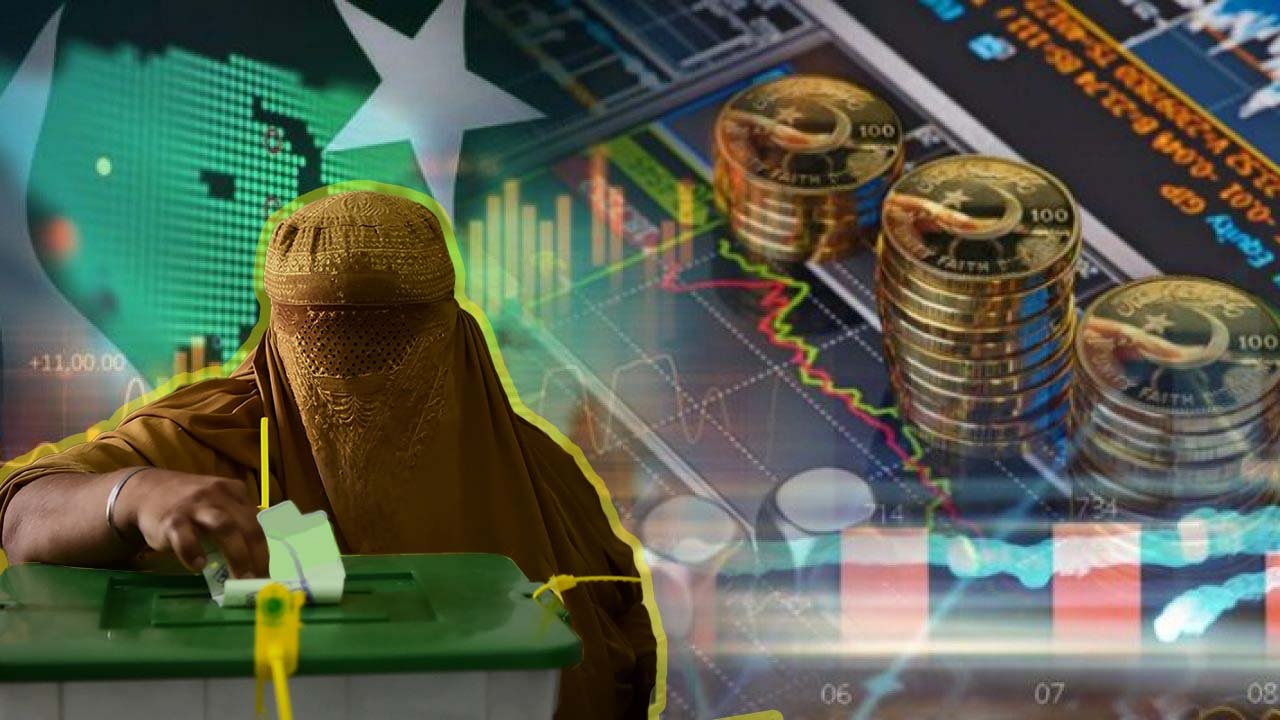
    Pakistan is set to hold its national elections on Thursday, a crucial event for the country grappling with multiple crises.

    As the new government prepares to take charge, it faces daunting challenges in stabilising the economy.

    Last summer, Pakistan narrowly avoided a sovereign default through a last-minute $3 billion bailout from the International Monetary Fund (IMF).

    However, this lifeline is set to end in March, and officials anticipate the need for a new, extended programme.

    Negotiating this program swiftly is imperative for the incoming government, as the economy is burdened by record-high inflation and slow growth resulting from stringent reforms.

    The country’s headline inflation stood at 28.3 per cent year-on-year in January, slightly lower than December’s 29.7 per cent. Despite government expectations, citizens are anxious for the new administration to address the soaring inflation that has significantly impacted their daily lives.

    Moreover, recent increases in gas prices, with a 35.13 per cent hike for Sui Northern Gas Pipelines Limited (SNGPL) and 8.57 per cent for Sui Southern Gas Company Limited (SSGC), add to the economic challenges. The move, effective from January 1, 2024, is the second increase in gas prices this fiscal year.

    In addition to rising gas prices, the cost of petrol and diesel has surged, with a notable increase of Rs13.55 per litre announced on February 1, 2024. This hike is attributed to the ongoing tensions in the Middle East, including Israel’s conflict with Gaza and Houthi attacks in the Red Sea.

    Amid these economic hardships, the National Electric Power Regulatory Authority (NEPRA) has approved an increase in electricity tariffs for distribution companies (Discos) by Rs4.57 per unit for December 2023. This adjustment addresses the escalating fuel costs impacting the power sector.

    The new government is also expected to address the exchange rate concerns as the Pakistani rupee struggles against the US dollar, currently standing at around Rs279.

    The disparity has led to increased prices for essential commodities, further straining the population.

    Adding to the complexity of the upcoming elections is the high political tension, with former prime minister Imran Khan describing a crackdown on him and his party.

    Khan, who has been in jail since August, faces pending cases, including accusations of ordering violent attacks on military installations.

    Despite his imprisonment, Khan maintains substantial popular support, and continued political unrest could jeopardise the stability needed for economic recovery and foreign investment.

    As Pakistan stands at a critical juncture, the incoming government’s ability to navigate these challenges will determine the nation’s economic trajectory in the coming years.
  • Govt reduces petrol price by Rs8 to Rs259.34 per litre for next fortnight

    Govt reduces petrol price by Rs8 to Rs259.34 per litre for next fortnight

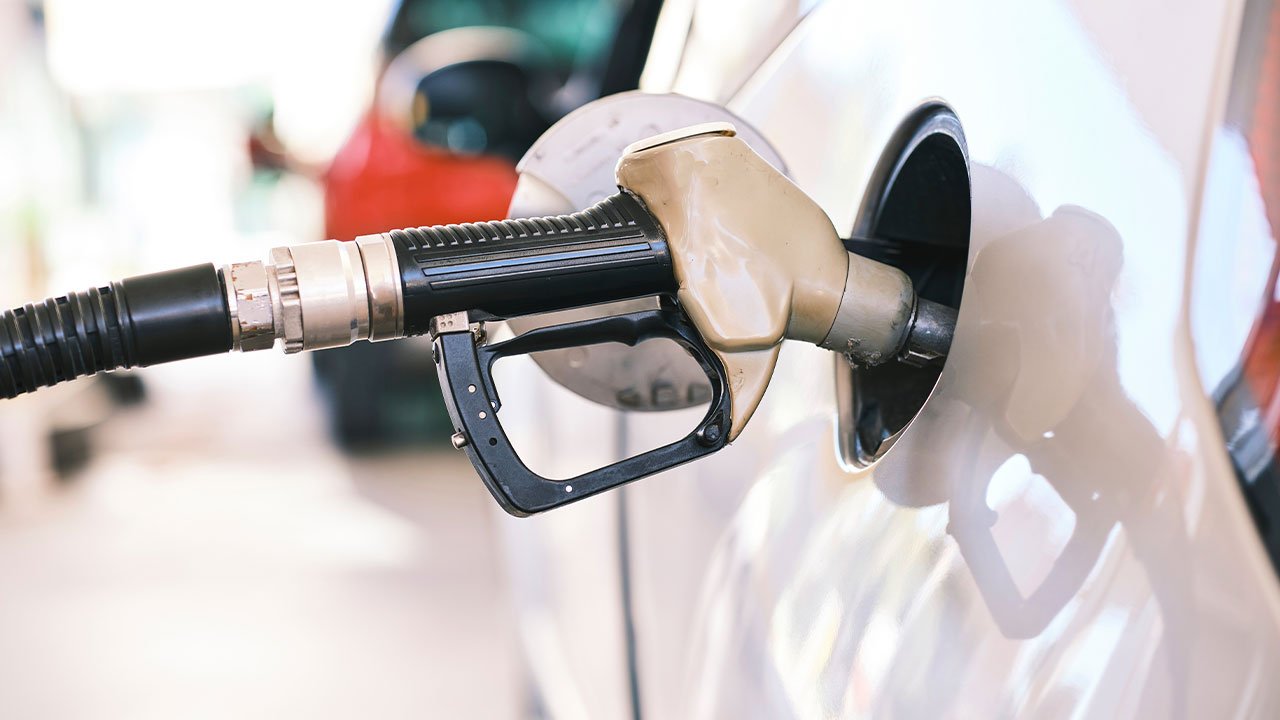
    In a significant move, the caretaker government announced a substantial reduction in the price of petrol by Rs8 per litre for the upcoming fortnight, effective January 16.

    This decision, as conveyed in a notification issued today by the Finance Division, aligns with the recommendations put forth by the Oil and Gas Regulatory Authority (OGRA).

    The adjusted ex-depot price of petrol now stands at Rs259.34 per litre, reflecting a notable decrease from the previous rate of Rs267.34 per litre.

    However, it is important to note that there have been no alterations in the prices of high-speed diesel, light-diesel oil, or kerosene oil.

    The government has already reached the maximum permissible limit under the law, with a Rs60 per litre petroleum levy imposed on both petrol and high-speed diesel (HSD).

    This levy is in line with the commitments made to the International Monetary Fund (IMF), aiming to collect Rs869 billion during the current fiscal year.

    Optimistically, the government anticipates surpassing this target, with the collection expected to exceed Rs950 billion by the end of June.

    Petroleum and electricity prices have been identified as key contributors to inflation, which surged to 29.7 per cent in December, as indicated by the Consumer Price Index.

    Presently, the government imposes a tax of approximately Rs82 per litre on both petrol and HSD.

    This adjustment in petrol prices not only provides relief to consumers but also marks a strategic step by the caretaker government to manage fiscal targets while considering the economic impact on the general population.

    The move is anticipated to have ripple effects on inflation rates, offering a temporary respite from the cost of living for the common citizen.

  • Govt expected to slash petrol prices for second half of January

    Govt expected to slash petrol prices for second half of January

    In a move aimed at providing relief to consumers, the government is expected to reduce petrol prices by more than Rs5 per litre for the second half of January.

    This decision comes as a response to the recent dip in global oil prices, ensuring that the benefits are passed on to the end-users.

    According to the latest pricing estimates until January 12, international petroleum prices have experienced a decline of 1 per cent over the last fortnight. This decrease in global prices may serve as a key factor in the government’s decision to revise the domestic petrol rates.

    On a different note, the price of High-Speed Diesel (HSD) is anticipated to see a slight uptick, with an expected increase of Rs2 per litre. This adjustment is attributed to a modest rise in international diesel prices during the relevant period.

    It’s crucial to highlight that one more session remains before the next pricing update, and the future trajectory of these prices will be contingent on global market movements and exchange rate fluctuations.

    Recalling the decisions from the previous fortnight, the government maintained petrol and diesel prices at Rs267.34 and Rs276.21 per litre, respectively.

    Additionally, there has been a marginal appreciation of the local currency against the USD since the previous fortnight’s pricing decision. The weighted average exchange rate now stands at approximately PKR 281.31 per USD. This development is expected to contribute to the adjustment of petrol prices in the domestic market.

    The official announcement of the revised prices is scheduled for midnight on January 15. The new prices will come into effect immediately and will be applicable for the rest of the month.

  • Petrol price slashed by Rs14 per litre, providing relief amidst inflation

    Petrol price slashed by Rs14 per litre, providing relief amidst inflation

    As announced in an official notification by the Finance Division, the revised prices for petroleum products, applicable from December 16 to December 31, have been endorsed by the Oil and Gas Regulatory Authority (OGRA).

    The recalibrated rates indicate a decline in petrol prices to Rs267.34 per litre, while the diesel rate has seen a reduction of Rs13.50 per litre, now standing at Rs276.21 per litre, according to the Finance Division’s official statement.

    Furthermore, the cost of kerosene oil has been curtailed by Rs10.14 per litre, settling at Rs191.02, and light diesel oil is now priced at Rs164.64 per litre following a reduction of Rs11.29.

    This adjustment comes in response to the notable decrease in global oil prices over the past two weeks, a factor contributing to the anticipation of a downward trend in fuel prices during the fortnightly review.

    It’s imperative to note that the government undertakes a bi-weekly reassessment of petroleum product prices, aligning them with international market dynamics and the exchange rate of the rupee. This latest revision reflects a proactive approach by the authorities to mitigate the economic impact on the general populace.

  • Here’s why KIA Pakistan is teasing ‘Yasir and Alvin’ 

    Here’s why KIA Pakistan is teasing ‘Yasir and Alvin’ 

    KIA Motors Pakistan recently stirred curiosity on social media by mentioning “Yasir and Alvin” in a post, leaving some oblivious while surprising others.  

    Clarifying the mystery, KIA Lucky Motor Corporation is hinting at the introduction of a sedan resembling the Toyota Yaris and Changan Alsvin.  

    This serves as a clear indication of the automaker’s intent to enter this segment. The upcoming car is expected to match the size of the Toyota Yaris and Changan Alsvin, eliminating the possibility of it being an entirely different model.  

    This move suggests that, for the time being, the Corolla and Civic segments remain unthreatened by a new entrant.  

    While the brand has not disclosed the car’s details or its name, it is apparent that a new vehicle is on the verge of being launched. 

    Considering the current economic challenges in Pakistan, with soaring car prices, launching a new vehicle seems like a risky decision.  

    The nation is already grappling with high petrol costs and escalating inflation, making the timing of this introduction noteworthy. 

  • Petrol and diesel prices expected to surpass Rs300 per litre this week

    As global oil rates surge and the rupee’s value against the US dollar weakens, there are growing indications that petrol and diesel prices in Pakistan could soon breach the significant Rs300 mark. The Oil and Gas Regulatory Authority (Ogra) is reportedly contemplating recommending a substantial increase in petroleum product prices for the upcoming fortnight, in an attempt to address the challenges posed by these economic dynamics.

    Sources indicate that if the proposal is approved, petrol prices might experience a sharp upswing of around Rs12 per litre, while diesel could see an even more substantial increase of Rs14.83 per litre. These potential hikes, set to take effect from September 1, 2023, have sparked concerns about their impact on the already high inflation rate, which currently stands at 28 per cent.

    A senior official from the Energy Ministry has expressed apprehensions regarding the potential consequences of these price adjustments. Balancing the need to mitigate citizens’ financial burdens with the demands of existing agreements, the government is grappling with a challenging decision. Notably, any attempt to counteract the price hikes could put the caretaker government in a precarious situation, as it might be perceived as a default on the International Monetary Fund’s (IMF) stipulations tied to a $3 billion standby agreement (SBA) loan.

    The depreciation of the rupee against the dollar has further fueled the need for these adjustments. With the dollar’s value reaching Rs301.75 in the interbank market and around Rs319 in the open market, the impact on petroleum prices is undeniable. The authorities have decided to recalibrate their calculations, opting for a dollar rate of Rs299 to account for the recent Rs12 exchange rate impact.

    Beyond the exchange rate, the recent surge in LC (letter of credit) confirmation charges, marked by a 10 per cent increase, has also played a role in pushing petroleum prices upwards. These charges have contributed to the overall increase in the cost of PSO (Pakistan State Oil) petroleum products. Presently, Mogas (motor gasoline) is priced at Rs290.45 per litre; however, this could rise by Rs12 per litre if the recommendations are greenlit. Similarly, the price of HSD (high-speed diesel) might surge from Rs293.40 per litre to Rs308.23 per litre, assuming the proposed Rs14.83 increase goes into effect.

    According to The News, of particular concern is the potential hike in diesel prices, given its primary use in powering heavy transport vehicles, trains, and various agricultural engines. This ripple effect could raise the cost of essential commodities, putting pressure on consumers’ wallets. 

    On the other hand, a surge in petrol prices would directly affect private transportation, rickshaws, two-wheelers, and small vehicles, disproportionately impacting the budgets of middle and lower-middle-class citizens. The impending decision on petroleum prices presents a delicate challenge for the government, requiring a careful balance between economic realities, inflation concerns, and public sentiment.

  • Here are the revised diesel and petrol prices effective July 16, 2023

    Here are the revised diesel and petrol prices effective July 16, 2023

    Finance Minister Ishaq Dar announced on Saturday that the prices of petrol and diesel will be reduced in the upcoming fortnightly review.

    During a televised address, the minister said that petrol prices will be reduced by Rs9 per litre, while diesel prices will see a decrease of Rs7 per litre. These adjustments were made due to changes in the international market over the past 15 days, with one petroleum product’s price increasing and the other decreasing.

    Following these revisions, the new price for petrol will be Rs253 per litre, and high-speed diesel (HSD) will be priced at Rs253.50 per litre. Minister Dar clarified that the petroleum development levy (PDL), which was previously raised to Rs60 per litre in response to the International Monetary Fund’s (IMF) request, will remain unchanged.

    The new prices will take effect on July 16, Sunday. Minister Dar also highlighted that the local currency has strengthened against the US dollar in the last 15 days, following Pakistan’s successful negotiation of a $3 billion Stand-By Arrangement (SBA) with the IMF.

    Here are the new diesel and petrol prices effective from tomorrow (July 16, 2023):

    Petroleum Product Previous Price Reduction Revised Price
    Petrol Rs263 per litre Rs9 per litre Rs254 per litre
    Diesel Rs260.50 per litre Rs7 per litre Rs253.50 per litre