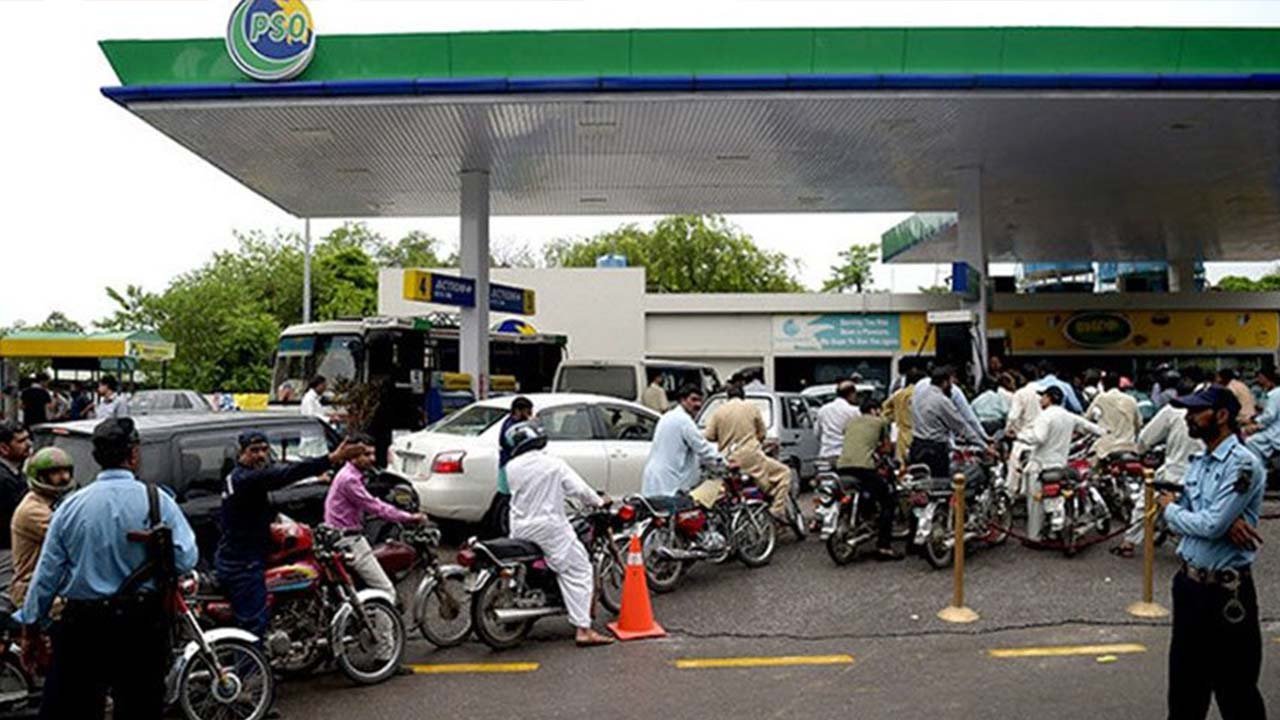
Tag: petrol

  • ‘More mouths to feed than we can cope with’: Street Kitchen ‘Khana Ghar’ feeds millions of Pakistanis amid inflation

    Due the ongoing inflation crisis in Pakistan, food and petrol prices have risen astronomically, leading to many families finding it difficult to afford basic necessities like rice or flour. Writing for The Guardian, Zofeen T Ebrahim has covered the story of the street kitchen ‘Khana Ghar’ set up in Karachi’s poorest district by Parveen Saeed, who has been serving food to families for the past 22 years.

    Opening up to The Guardian, Saeed said that the kitchen has become even more busy since Ramzan began, as more families have arrived to receive one-month food rations:

    “But we can only give one bag to one family, and we need their ID cards to check that,” she said. “There are more and more mouths to feed than we can cope with.”

    Saeed, who had received the Pride of Performance award in 2021, sells salan and roti to families for only Rs 3. Before the Covid-19 lockdown, the kitchen provided meals for 6,000 people, but afterwards it rose to 7000, and now currently stands at 8,200.

    Saeed revealed that people stand in line for long hours in order to eat, because the ongoing political and economic instability has made it difficult for people to make a living:

    “These people are not beggars, they have become destitute..where are the jobs?”

    “Food prices have hit the sky. It is heartbreaking as they have waited for a couple of hours, only to leave empty-handed.”

    The newspaper also spoke to some of the regulars who visit Khana Ghar. Former construction worker Mohammad Shakeel, a father of six, suffered a head injury and broken wrists after which finding work became incredibly hard. He said the food was a ‘Godsend’ because “with a kilo of flour costing 150 rupees, we would not be able to survive the jump in food prices.”

    A widow who has been relying on Khana Ghar to feed her polio ridden daughter and toddler grandson said, “Had it not been for Parveen, we would have died from hunger.”
  • Petrol, diesel prices expected to decrease following decline in global crude oil prices

    Petrol, diesel prices expected to decrease following decline in global crude oil prices

    Petroleum product prices in Pakistan are expected to reduce from April 1st following a decline in international crude oil prices. The oil marketing companies (OMCs) estimated that the price of diesel could go down by Rs15-20 per litre, while the price of petrol is expected to decline by Rs4-5 per litre.

    However, industry sources suggest that the Finance Division may keep the prices unchanged.

    In its last fortnight review, the federal government had increased the price of petrol to Rs272 per litre, attributing the hike to the depreciation of the Pakistani rupee against the US dollar and an increase in the prices registered by Platts Singapore.

    The government raised the price of MS (petrol) by Rs5 per litre and hi-speed diesel by Rs13 per litre. The price of kerosene oil saw an increase of Rs2.56 by reducing the government’s dues, while the price of light diesel oil remained constant by adjusting the government dues.

    The new prices came into effect on March 16 and will remain in place until March 31. The Finance Division is expected to announce the new rates late on March 31, which will remain in place for the next 15 days.

  • Pakistan did not consult IMF regarding discounted petrol for low-income people: Esther Perez

    Pakistan did not consult IMF regarding discounted petrol for low-income people: Esther Perez

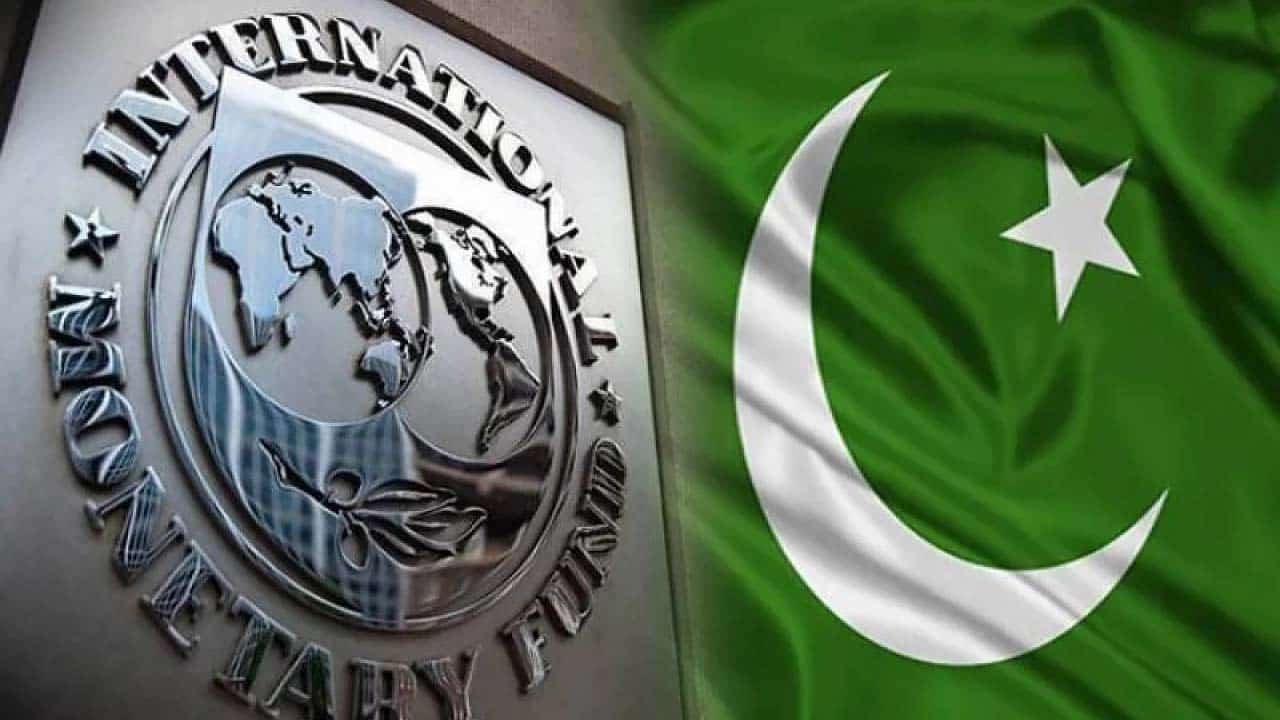
    According to the International Monetary Fund (IMF), Pakistan’s government did not seek advice from the multilateral lender regarding the discounted petrol for the low-income group.

    The government’s plan to increase fuel costs for more affluent drivers to pay for a subsidy for those with lower incomes, according to Esther Perez, the IMF’s resident representative for Pakistan, was not discussed with the international lender.

    “Fund staff are seeking greater details on the scheme in terms of its operation, cost, targeting, protections against fraud and abuse, and offsetting measures, and will carefully discuss these elements with the authorities,” said Perez.

    Earlier, the federal government announced that it would reduce the price of petrol up to Rs100 for motorcycle riders and owners of vehicles up to 800 cc in order to lessen the impact of rising petrol costs on people who are already suffering from inflation. According to Malik, Prime Minister Shehbaz Sharif has ordered that low-income individuals receive petrol subsidies of up to Rs100 per liter instead of Rs50.

    Under a comprehensive strategy, cheap petrol will be offered to motorcyclists and owners of vehicles up to 800 cc, while owners of vehicles beyond 800 cc will be charged full price. The minister made it clear that this is not a subsidy but a cross-subsidy.

    According to Malik, “the owners of big vehicles will pay more for petrol.” The rich will pay Rs100 more for petrol, while the poor will pay Rs100 less. 210 million people are poor in a population of 220 million, and we stand with poor Pakistanis.”

    He said the decision to provide fuel at lesser rates will be implemented within six weeks.

  • Govt to cut per litre petrol price for low-income people by Rs100: Musadik Malik

    Govt to cut per litre petrol price for low-income people by Rs100: Musadik Malik

    The State Minister for Petroleum, Musadik Malik, announced on Monday a significant reduction of Rs100 in the price of petrol for low-income people.

    The minister stated during a news conference held in Islamabad that the wealthy will pay Rs100 more for petroleum products while the underprivileged will receive the same amount in relief.

    The specifics of this execution strategy will probably be made public by the administration within the upcoming week.

    In addition, the government would provide low-income groups with gas subsidies.

    Prior to this, Prime Minister (PM) Shehbaz Sharif stated that low-income individuals would pay Rs50 less for petrol. However, Musadik Malik declared on Monday that the Prime Minister had now ordered to provide a Rs100 discount on petrol to low-income citizens instead of a Rs50 discount.

    While chairing a review meeting on Sunday, PM Shehbaz said that the petroleum relief would be given to low-income consumers who have motorcycles, rickshaws, and other small vehicles (less than 800cc).

    He said the program of petroleum subsidies would be started soon, and a comprehensive strategy would be formed with the cooperation of relevant departments for effective implementation of the subsidy program.

    He said motorcycles, rickshaws, and small cars were used by low-income people, and the petroleum subsidy would give relief to the poor.

    The government was making efforts to provide all possible help to the poor people despite its economic difficulties, he added.

  • Govt announces Rs50 per litre petrol subsidy for low-income individuals

    Govt announces Rs50 per litre petrol subsidy for low-income individuals

    The government has announced a relief package for low-income individuals in the form of a petroleum subsidy worth Rs50 per litre. This announcement was made during a meeting chaired by Prime Minister (PM) Muhammad Shehbaz Sharif on Sunday.

    The Prime Minister directed that consumers using small vehicles such as motorcycles, rickshaws, and 800-CC vehicles will be included in the subsidy scheme. He also instructed relevant authorities to finalise the scheme as soon as possible to ensure its effective implementation.

    The Prime Minister emphasized that this subsidy will provide much-needed relief to low-income individuals, as they are the primary users of small vehicles. Despite the severe economic difficulties faced by the country, the government is committed to assisting the poor in every way possible.

    During the meeting, Minister of State for Petroleum Musadik Malik briefed participants on the strategy for implementing the subsidy to low-income individuals.

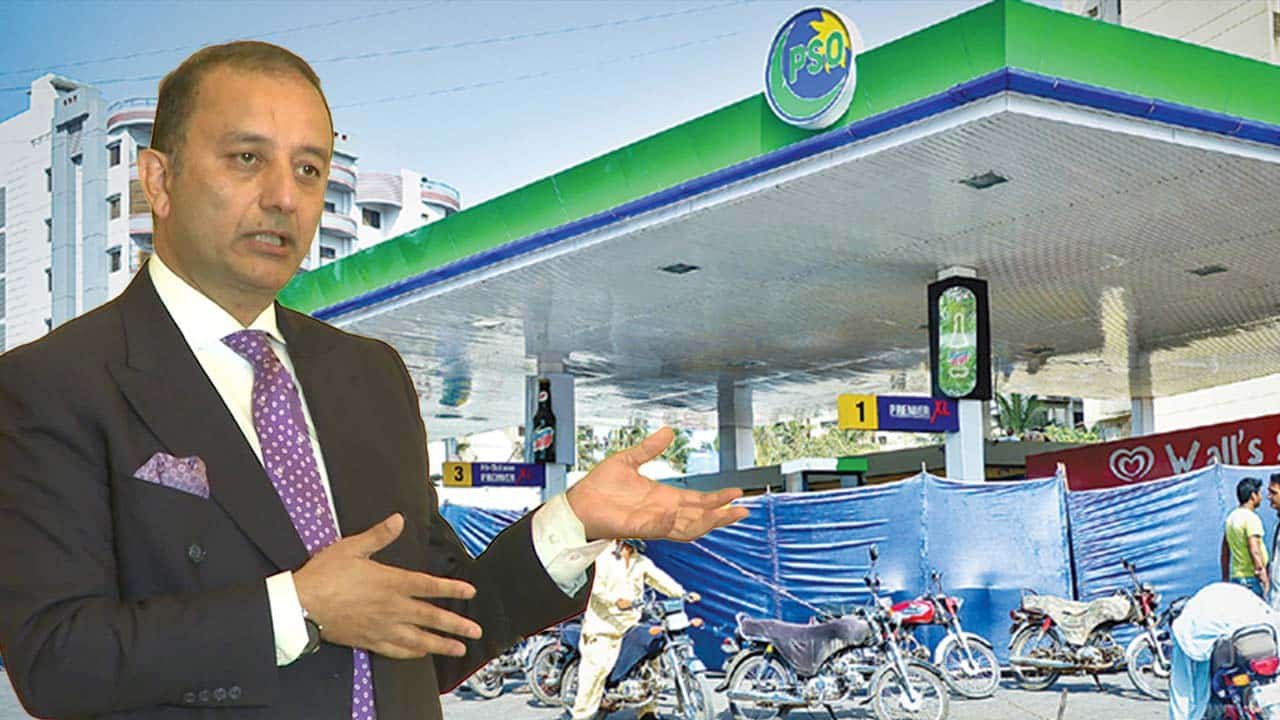
  • PSO reportedly planning to buy Telenor to expand its business beyond oil

    PSO reportedly planning to buy Telenor to expand its business beyond oil

    Pakistan State Oil (PSO) is reportedly conducting due diligence on the Pakistani operations of a Norwegian telecommunications operator, in response to Telenor’s plans to sell its Pakistani operations valued at around $1 billion. Pending regulatory approval, PSO has expressed interest in acquiring Telenor Pakistan and Easypaisa, following the completion of bidding documentation and due diligence.

    Easypaisa, a leading mobile wallet, mobile payments, and branchless banking services provider, boasts a significant customer base of nine million monthly active users. Launched in 2009 as a money transfer service through Unstructured Supplementary Service Data (USSD) channels, Easypaisa introduced a mobile app in 2016, offering a broad range of financial transactions. Telenor Microfinance Bank owns Easypaisa, and jointly, Telenor Group most recently launched a debit card on January 17, 2023.

    According to Mettis Global, Telenor Pakistan’s decision to exit the market stems from heavy taxation on the telecommunications industry and the policies of the Pakistani Telecommunication Authority (PTA), which have significantly reduced its revenues. Although Telenor Pakistan has faced operational losses for the past three years, there is no certainty that discussions regarding the sale of its Pakistani operations will result in a transaction.

    For PSO, the potential acquisition of Telenor’s operations in Pakistan aligns with its efforts to expand its business beyond traditional oil and gas. If successful, the acquisition could enable PSO to diversify its revenue streams and leverage Pakistan’s growing digital payments market.

  • International petrol, diesel prices drop, but no relief for Pakistanis

    The government has decided not to reduce the prices of diesel and petrol for local consumers, despite a significant decrease in their international prices. This decision is intended to offset previous exchange losses and raise taxation.

    On February 28, 2023, the average fortnightly prices of petrol and diesel in the global market will be used for the next price revision. According to industry sources, the average price of diesel for the next fortnightly review has dropped by $7 per barrel, which equates to a reduction of Rs30 per litre for domestic diesel prices.

    The global average price of diesel has fallen to approximately $100 per barrel compared to $107 per barrel in the previous fortnight. Similarly, the average price of petrol has dropped to $90 per barrel for the next review of prices compared to $93 per barrel in the last fortnightly review, which translates into a reduction of Rs10 per litre for consumers in the local market.

    According to Geo, the appreciation of the Pakistani rupee against the dollar in the last two weeks has also contributed to the reduction in import prices of diesel and petrol. However, industry sources do not expect any significant reduction in the prices of diesel and petrol for domestic consumers.

    The government is expected to adjust the exchange losses, which were not passed on fully to the oil sector in the last several reviews. For example, an exchange loss adjustment of Rs88 per litre was due on diesel, but the government only transferred Rs12 per litre on this head, leaving the remaining amount to be adjusted. The same is true for petrol, with an exchange loss adjustment of Rs34 per litre due, but only Rs12 per litre being given to the oil industry.

    Under the conditions set by the International Monetary Fund (IMF), the government may increase the petroleum levy (PL) on diesel to Rs50 per litre, as it now has room to do so. Currently, the PL on diesel is Rs40 per litre.

    If the government does not impose GST, sources expect a cut of Rs10 per litre in diesel prices, which would otherwise deprive local consumers of the drop in diesel prices in the global market.

    However, official industry sources do not anticipate any reduction in the price of petrol for local consumers, which would otherwise have been down by Rs10, as per the trends of its price in the global market.

  • Govt increases petrol price by Rs22 to a historic high of Rs272 per litre

    Govt increases petrol price by Rs22 to a historic high of Rs272 per litre

    In an effort to satisfy the International Monetary Fund (IMF) and secure a crucial loan tranche, the federal government has raised the price of petrol to a historic high. This move comes mere hours after the introduction of a tax-laden “mini-budget”.

    Petroleum division confirmed that the price of petrol has increased by Rs22.20 to reach Rs272 per litre, citing the devaluation of the rupee relative to the dollar as the primary reason for the surge.

    The revised petrol prices are effective from 12 am tonight.

    Following an increase of Rs17.20, the cost of high-speed diesel has risen to Rs280 per litre. Similarly, kerosene oil is now priced at Rs202.73 per litre after a hike of Rs12.90, while light diesel oil is available at Rs196.68 per litre after an increase of Rs9.68.

    It is noteworthy that the surge in the prices of petroleum products was a requirement set by the lending organization based in Washington, which could result in a further escalation of the already record-high inflation. This development is compounded by the recent implementation of new fiscal measures via the ‘mini-budget’.

  • Petrol, diesel prices expected to increase by more than Rs32 per litre from tomorrow

    Petrol, diesel prices expected to increase by more than Rs32 per litre from tomorrow

    The prices of petroleum products are expected to increase by more than Rs32 per litre from February 16th, due to fluctuations in the US dollar exchange rate. The current price of petroleum, oil and lubricants is set at Rs236.40 per dollar, which equates to Rs271.82 for the next fortnight. It’s worth noting that free-on-board Platt prices have seen a decline when compared to last fortnight’s pricing.

    Official and industrial sources have indicated that the price of Mogas is expected to increase by 12.8 per cent per litre, or by Rs32.07, resulting in a new price of Rs281.87 from the previous price of Rs249.8 per litre. The price of diesel is also set to rise by 12.5 per cent, or by Rs32.84, to reach Rs295.64 per litre, up from the previous price of Rs262.8 per litre.

    Kerosene oil is predicted to increase by 14.8 per cent, or by Rs28.05, bringing the new price to Rs217.88 per litre. Additionally, light diesel oil (LDO) could go up 5.3 per cent, or by Rs9.90, resulting in a new price of Rs196.90 per litre from Rs187 per litre set in the last review.

    According to The News, based on current government taxes and estimated Pakistan State Oil (PSO) incidentals, the prices mentioned above are projected. However, there is a possibility of the government adjusting the exchange rate to over Rs251, which could result in an increase of Rs15 per litre for both Mogas and diesel products. Moreover, the petroleum levy for diesel, currently standing at Rs40, may increase by Rs10 to reach Rs50 from February 16th.

    The government had set a target of earning Rs850 billion by imposing a petroleum levy on petroleum, oil, and lubricants. However, there is an estimated shortfall of Rs250 billion, and the authorities are hoping to collect a revenue of Rs600 billion.

    It’s worth noting that the government had implemented a significant increase of Rs35 per litre from February 1st, 2023, until February 15th. Presently, the government is charging Rs50 per litre as a petroleum levy, and the general sales tax (GST) has not been imposed yet.

    According to an official, the losses incurred by the refineries and oil marketing companies (OMCs) due to the exchange rate will be eliminated in a phased manner, as the government does not wish to burden consumers with the entire exchange rate at once.

    The federal government’s last review of petroleum product prices took place on January 29, 2021.

    At present, Pakistan is experiencing a shortage of petrol, with the province of Punjab, which has the largest population, bearing the brunt of the crisis. Petroleum dealers have been blamed for the situation.

    Additionally, it has been alleged that hoarders are stockpiling petrol in anticipation of a price hike scheduled for February 15th (today).

  • Petrol price likely to rise by Rs20 per litre in upcoming review

    Petrol price likely to rise by Rs20 per litre in upcoming review

    Oil industry sources report that there may be a Rs20 per litre increase in petrol prices at the upcoming review on February 15, 2023. The increase is based on calculations of the international price of petrol, specifically on a free on board (FOB) basis.

    During the previous fortnightly review of fuel prices, the government implemented a substantial increase of Rs35 per litre. Currently, the government imposes a petroleum levy (PL) of Rs50 per litre, while the general sales tax (GST) has not yet been levied.

    Sources suggest that the price of petrol could increase further if the foreign exchange rate is adjusted at the next review. They noted that the exchange rate is currently unfavorable, negating any potential benefits or reductions for local consumers.

    Despite a decrease in international petrol prices, the sharp depreciation of the rupee against the dollar has offset gains, adversely affecting domestic consumers. Additionally, the sources warned that the government may implement a Rs20 per litre adjustment to account for the exchange rate, which could result in an overall increase of up to Rs40 per litre.

    The price of diesel, as reported by sources, has not seen any increase on FOB without exchange rate adjustments. However, they stated that diesel prices could potentially increase in the next review if the exchange rate is adjusted. The government previously adjusted Rs14 per litre on diesel due to the exchange rate, but the recent appreciation of the dollar has effectively negated this adjustment from the last review.

    While global diesel prices have reportedly decreased by five to six dollars per barrel, the depreciation of the rupee prevents the government from passing on the reduction to local consumers.

    The most recent price adjustment of petroleum products was made on January 29, 2021, by the federal government. Following the review, petrol was priced at Rs249.80 per litre, high-speed diesel at Rs262.80 per litre, kerosene oil at Rs189.83 per litre, and light-speed diesel at Rs187 per litre.

    The government implemented an increase in petrol and high-speed diesel prices by Rs35 per litre each, and raised the rates of kerosene oil and light diesel oil by Rs18 per litre each on January 29, 2023.

    Pakistan is currently experiencing a shortage of petrol, with its most populous province, Punjab, being hit the hardest. The crisis has affected major and minor cities, towns, and villages in Punjab, with the shortage being attributed to petroleum dealers.

    Sources previously reported that in addition to a low import of petrol by most Oil Marketing Companies (OMCs), petroleum dealers were also involved in hoarding petrol in anticipation of an expected price increase in mid-February.