Tag: petrol

  • Pakistan is not ‘pursuing or receiving’ any discounted energy from Russia: FM Bilawal Bhutto

    Pakistan is not ‘pursuing or receiving’ any discounted energy from Russia: FM Bilawal Bhutto

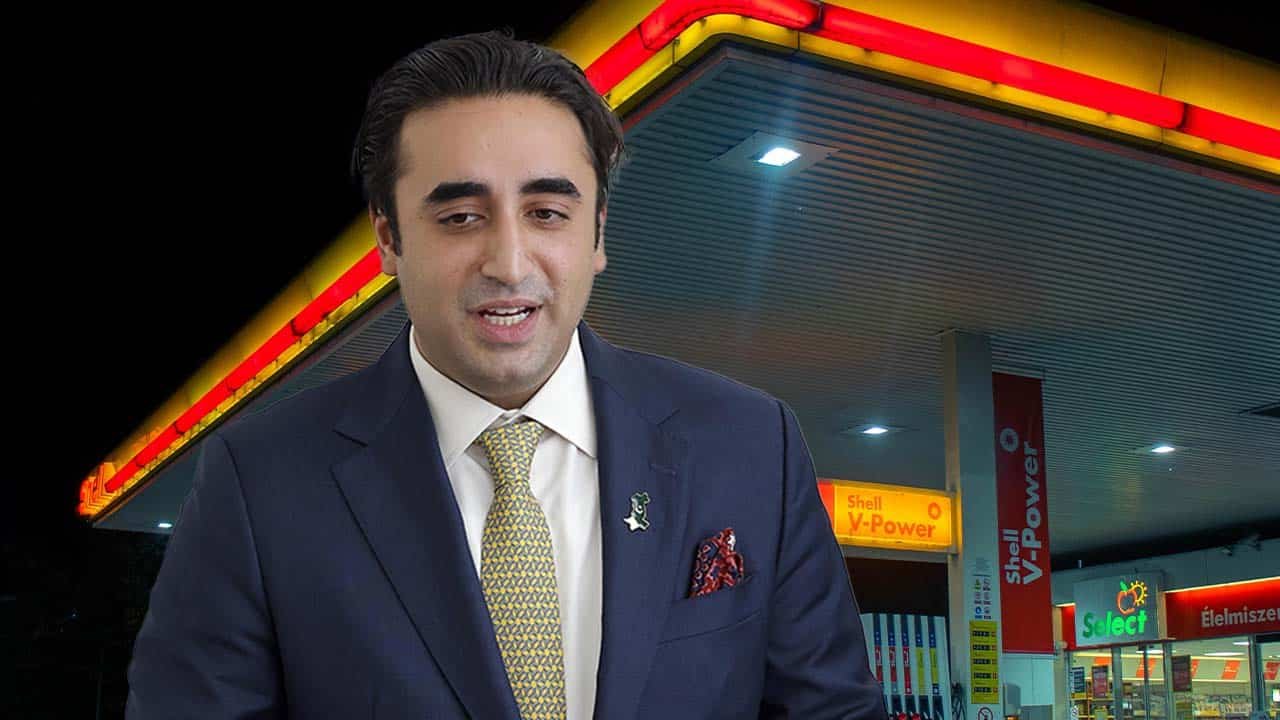
    Pakistan is not “pursuing or receiving” any discounted energy from Russia, according to Foreign Minister Bilawal Bhutto Zardari, who is in the US for a seven-day visit.

    Earlier, State Minister for Petroleum Musadik Malik had announced that Russia had decided to provide crude oil, petrol, and diesel to Pakistan at lesser rates.

    He had stated that specific terms and conditions of the discounted oil commodities will be decided upon during the upcoming visit of the Russian energy minister to Islamabad by mid-January, but that prices would be on par with or even lower than those being offered to other nations, according to Geo.

    Before that meeting, Malik had stated, the two parties would refine their ideas to the point at which an executive summary or an agreement could be signed and supplies would begin to flow.

    As winter approaches, Pakistan struggles to meet domestic gas supply needs while also trying to control a current account deficit that has been swollen by energy purchases, largely for oil.

    Because spot prices are still out of reach for the nation and shipments under long-term contracts are still insufficient to meet the expanding demand, the nation has been unable to purchase liquefied natural gas from the international market.

    In an interview, the PPP chairman said: “As far as Russia is concerned, we aren’t pursuing or receiving any discounted energy, but we are facing an extremely difficult economic situation, inflation, pump prices.”

    However, he acknowledged Pakistan’s energy insecurity. “We are exploring various avenues to expand our areas where we can get our energy from,” FM Bilawal said, adding that “any energy from Russia will take a long time for us to develop.”
  • Govt slashes petrol price by Rs10 to Rs214.80 per litre

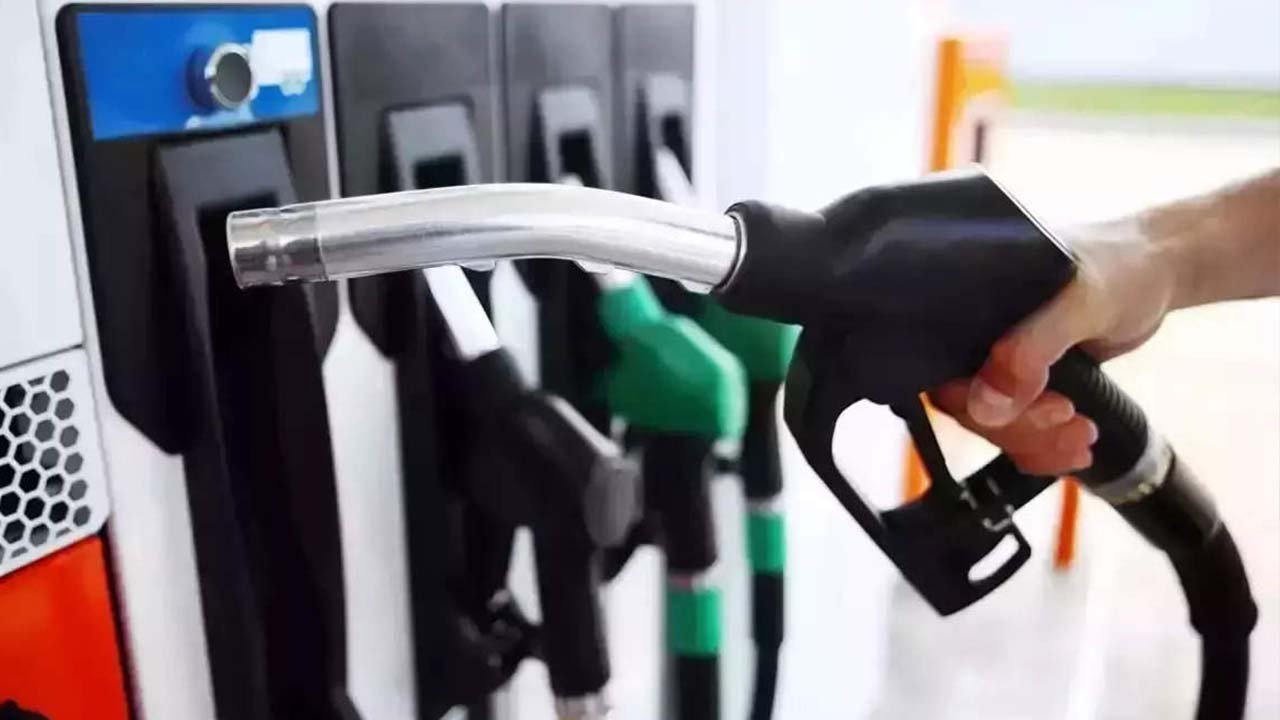
    Govt slashes petrol price by Rs10 to Rs214.80 per litre

    The federal government on Thursday announced a reduction in the price of petroleum products by up to Rs10.

    Finance Minister Ishaq Dar said that the price of high-speed diesel (HSD) will be decreased by Rs7.5, petrol by Rs10, kerosene oil by Rs10, and light diesel oil (LDO) by Rs10.

    After the reduction, the new price of HSD would be Rs227.80 per litre, petrol Rs214.80 per litre, kerosene oil Rs171.83 per liter, and LDO Rs169 per litre.

    According to the details, new prices would be implemented at midnight tonight.

    The reduction follows a decline in global oil prices. Brent crude prices were down 33 cents or 0.4 per cent at $82.37 a barrel as of December 15 at 1453 GMT, while US crude futures were down 43 cents or 0.6 per cent at $76.85.

    After a Pakistani delegation visited Moscow earlier this week, sources indicated that Russia had confirmed the availability of 100,000 barrels of crude oil per day to Pakistan.

    They also stated that a delegation from Moscow would travel to Islamabad in January to negotiate the terms of a deal, including prices and the method of payment.

  • Experts predict reduction in prices of petrol, diesel

    Experts predict reduction in prices of petrol, diesel

    According to oil price forecasts from energy experts, the price of petrol is likely to go down by Rs7.50 per litre, while the price of High-Speed Diesel (HSD) may be reduced by Rs12.37 per litre for the rest of this month.

    However, there won’t be a reduction in the price of petrol and high-speed diesel if the government increases the petroleum levy (PL) and corrects the backlog of exchange loss on a free-on-board (FOB) basis, according to Brecorder.

    Sources said that the price of petrol is likely to go down by Rs7.50, from Rs224.80 to Rs217.30 per litre, while the price of HSD is expected to slide by Rs12.37, from Rs235.30 to Rs222.93 per litre.

    The government is also poised to raise the tax on HSD, Superior Kerosene Oil (SKO), and Light Diesel Oil, according to sources in the Petroleum Division (LDO).

    It is also possible that the exchange loss arrears in fuel prices would be adjusted.

    There are lower prospects of the price of gasoline and HSD decreasing if the government raises the PL and corrects the exchange loss arrears. When petroleum goods reach the maximum level for PL, which is Rs50 per litre on each petroleum product, the government has promised the International Monetary Fund (IMF) that it will apply general sale tax (GST).

    Currently, the government is charging a petroleum levy of Rs50 per litre on petrol, Rs25 per litre on HSD, Rs7.01 per litre on SKO and Rs15.39 per litre on LDO.

    The government, however, has promised the international lender that it will hike the levy on diesel to Rs50 by April 2023.

  • Russia agrees to provide petrol and diesel to Pakistan at discounted rates

    Russia agrees to provide petrol and diesel to Pakistan at discounted rates

    State Minister for Petroleum Musadik Malik announced on Monday that Russia has agreed to supply Pakistan with cheap petrol, diesel, and crude oil.

    Malik said he wanted to congratulate the public for a fruitful trip to Russia, calling it “more successful than our expectations,” during a news conference in Islamabad.

    According to The News, the state minister for petroleum, the secretary for petroleum Capt. (retd) Muhammad Mahmood, the joint secretary, and representatives of the petroleum division made up the delegation from Pakistan that travelled to Moscow to look into the possibility of obtaining Russian crude oil and other petroleum products at a lower price.

    Malik said that Russia lacked liquefied natural gas (LNG). The import of LNG is the subject of ongoing discussions with Russian private companies, and Malik added that state-run LNG producers in Russia have also been contacted.

    The state minister claims that negotiations with Moscow about the pipeline projects have advanced significantly.

    The News last week stated, citing sources, that during negotiations in Moscow, the Pakistani team requested a 30–40 per cent discount on Russian crude oil; however, the Russians refused, stating that all volumes had already been promised.

  • Pakistan’s petroleum sales decline by 12% due to high fuel prices and limited car sales

    Pakistan’s petroleum sales decline by 12% due to high fuel prices and limited car sales

    Sales of Pakistan’s oil marketing companies (OMCs) dropped in November 2022 by 12 percent YoY and 7 percent MoM to 1.55 million metric tonnes (MT), down from 1.66 MT in October 2022 and 1.99 MT in November 2021. This decline was caused by higher petroleum prices, lower power generation, and a decline in car sales.

    Product-wise, sales of Motor Spirit (MS) declined by 3 per cent YoY to reach 0.67 million tonnes, while sales of High Speed Diesel (HSD) decreased by 18 per cent YoY to reach 0.67 million in November 2022. In the meantime, FO sales volumes fell by 22 per cent YoY to 0.14 million tonnes.

    Volumes of MS, HSD, and FO decreased on a monthly basis by 1 per cent, 6 per cent, and 33 per cent MoM, respectively.

    Overall, OMC sales decreased by 20 per cent YoY to 7.70 MTs in 5MFY23 from 9.60 MTs in 5MFY22, a 20 per cent drop. When compared to the same period previous year, the sales of MS, HSD, and FO fell by 16 per cent YoY, 24 per cent YoY, and 26 per cent YoY, respectively.

    As per company-level analysis, Attock Petroleum (APL) saw sales increase by 21 per cent YoY and 4 per cent MoM to 0.13MTs during the review period, while Pakistan State Oil (PSO) saw sales decline by 2 per cent YoY and 5 per cent MoM to 0.81MTs.

    In the meantime, sales at Shell Pakistan (SHEL) fell by 10 per cent MoM and 21 per cent YoY during the review period, to 0.11MTs.

    In November 2022, HASCOL’s sales plummeted by 30 per cent MoM and 16 per cent YoY, respectively, to reach 0.021MTs.
    PSO, APL, SHEL, and HASCOL’s combined sales for 5MFY23 were 4.02MT, 0.71MT, 0.57MT, and 0.13MT, respectively, representing declines of 18 per cent YoY, 21 per cent YoY, 23 per cent YoY, and 2 per cent YoY.

  • Russia refuses to give Pakistan 30–40% discount on crude oil

    Russia refuses to give Pakistan 30–40% discount on crude oil

    It appears that talks with Russia came to an end without any conclusion since Moscow has refused to offer Pakistan a 30–40 per cent discount on crude oil, claiming that all volumes were committed.

    During the negotiations, the Pakistani group, which included State Minister for Petroleum Musadik Malik, the joint secretary, and representatives of the Pakistani Embassy in Moscow, sought a reduction.

    However, Russia has pledged to take Pakistan’s request into consideration and to later communicate its opinion through diplomatic channels.

    Nevertheless, according to sources, Russia can provide oil at the rates it is currently offering to its major client countries, which are stable and solid economies, at an appropriate time. All quantities are currently contracted with significant purchasers, they claimed.

    The Russian side urged Pakistan to start by keeping its word over the Pakistan Stream Gas Pipeline, which will be built from Karachi to Lahore, Punjab.

    During the negotiations, the Pakistani side expressed a desire to alter the PSGP project’s model. The Russian side claimed that only a few provisions of the shareholding agreement needed to be finalised and that the model of the project under the GtG arrangement had already been established.

    According to Geo, the official delegation from Pakistan travelled to Moscow on November 29 for a three-day meeting with Russian officials to discuss the possibility of importing crude oil at a reduced price, as well as the mode of payment and shipping costs.

    Russian crude oil may be processed in Pakistan’s refineries, and one private refinery has previously used Russian crude oil to provide completed goods, according to sources in the industry ministry.

  • Petrol, diesel prices to remain unchanged for the next 15 days

    Petrol, diesel prices to remain unchanged for the next 15 days

    Despite a global decrease in oil prices, the federal government has decided to maintain the existing prices of petrol and diesel for the next 15 days.

    Finance Minister Ishaq Dar announced to keep the prices of petrol and high-speed diesel unchanged for the next 15 days. However, he announced a reduction of Rs10 per litre in the prices of kerosene oil and Rs7 on light diesel oil.

    The current prices for petrol are Rs224.80 per litre and Rs235.30 for High-Speed Diesel (HSD).

    Furthermore, Dar also announced a 15-day extension in the filing of income tax returns.

    On November 15, the finance minister announced to keep the prices of petrol, diesel, and other petroleum products unchanged. He said that the prices of petrol, diesel, light diesel and kerosene oil will remain unchanged till November 30 as per the federal government’s decision.

  • Pakistani delegation leaves for Russia to hold discussions on cheaper oil

    Pakistani delegation leaves for Russia to hold discussions on cheaper oil

    Minister of State for Petroleum Dr Musadik Malik and the petroleum secretary have flown to Russia to hold talks over oil and gas, a source with knowledge of the situation said on Monday on the condition of anonymity.

    The trip comes as the country struggles to meet domestic gas supply demands as winter approaches while battling to contain a current account deficit swelled by energy payments, mostly for oil.

    Ishaq Dar, the federal minister of finance, had already stated that the delegation will discuss an oil contract with Moscow.

    “We should pray the visit is successful and the government manages to secure a deal on favourable terms and conditions,” Dar said during an interview.

    Given the sharp rise in the cost of energy commodities in recent months, buying Russian oil at lower prices has gained popularity. This has been difficult, especially for emerging economies like Pakistan, whose energy requirements are mostly met by imports of petroleum.

    The State Bank of Pakistan (SBP) said that during the first four months of the current fiscal year, Pakistan imported petroleum products worth $7.547 billion.

    Dar had earlier stated, speaking to a crowd in Dubai on November 13, that Islamabad hoped to clinch an import pact with Moscow on conditions comparable to those of New Delhi. He said that Pakistan could purchase oil from Russia since India was doing the same, and the US had been informed of this.

  • Exports from Pakistan witness 35.7% increase in first four months of FY23

    According to data from the Pakistan Bureau of Statistics (PBS), exports from Pakistan increased by 35.77 per cent in rupee terms during the first four months of the current fiscal year (2022-23) compared to the same time previous year.

    According to Geo, exports from July through October (2022-23) were Rs2,131,776 million, up from Rs1,570,136 in the corresponding period the previous year. This represents a growth of 35.77 per cent.

    In comparison to October 2021, when exports were Rs423,063 million, the country’s exports rose by 24.29 per cent to Rs525,831 million in October 2022.

    When compared to the exports of Rs563,714 million reported in September 2022, the exports climbed by 6.72 per cent in October 2022 on a monthly basis.

    The main commodities of exports during October 2022 were:

    Knitwear (Rs86,400 million), readymade garments (Rs60,778 million), bedwear (Rs47,895 million), cotton cloth (Rs37,407 million), rice other than basmati (Rs20,344 million), towels (Rs17,553 million), made-up articles, excluding towels & Bedwear (Rs12,758 million), fish products (Rs12,057 million), rice Basmati (Rs11,375 million) and cotton yarn (Rs10,819 million).

    On the other side, imports increased by 12.87 per cent from July through October 2022 to a total of Rs4,701,648 million, compared to Rs4,165,590 million during the same time previous year.

    Imports totaled Rs1,039,036 million in October 2022 compared to Rs1,232,299 million in September 2022 and Rs1,093,545 million in October 2021, a drop of 15.68 per cent over September 2021 and 4.98 per cent over October 2021.

    The major imports during October 2022 were:

     Petroleum products (Rs100,436 million), petroleum crude (Rs82,124 million), natural gas, liquified (Rs65,485 million), palm oil (Rs59,739 million), plastic materials (Rs47,301 million), iron & steel (Rs38,517 million), raw cotton (Rs29,943 million), iron & steel scrap (Rs26,037 million), electrical machinery & apparatus (Rs24,058 million) and medicinal products (Rs23,234 million).

  • Forced stabilisation of oil prices causes oil industry to face over Rs7 billion in losses: OCAC

    Forced stabilisation of oil prices causes oil industry to face over Rs7 billion in losses: OCAC

    Maintaining oil prices for the second consecutive fortnight could harm the oil industry and disrupt petroleum products supply. The oil industry claims that it has suffered a loss of over Rs7 billion due to the government’s plan to keep oil prices artificially low.

    The nation’s oil industry protested against the government’s “manipulation” of the pricing system in its most recent fortnightly review to keep ex-depot petroleum product prices the same for the next 15 days.

    “This forced stabilisation of oil prices at the cost of the industry is not sustainable and will severely impact the already crippled oil industry,” wrote the Oil Companies Advisory Council (OCAC) — an umbrella organisation of more than three dozen oil marketing companies (OMCs) and refineries — to the Ministry of Energy on Wednesday.

    Following political pressure from the opposition Pakistan Tehreek-i-Insaf (PTI), the government declared on Tuesday that all product prices will remain unchanged. However, market participants, including Ogra, had predicted hikes in POL prices beginning on November 16.

    The oil sector claimed that the government was maintaining the rates in defiance of the long-standing pricing system. Over the next 15 days, the oil industry is expected to lose more than Rs7.6 billion as a result of the unilateral shift in pricing.

    According to the OCAC, the price freeze would result in losses for OMCs of Rs8.34 on each litre of petrol and Rs7.15 on each litre of high-speed diesel (HSD), totaling Rs7.55 billion.

    Even though the rates were rising in accordance with the pricing methodology set by the government itself, it claimed that the prices of motor fuels had remained the same for the second fortnight of November. Instead of passing on the increase or absorbing the increase by lowering the petroleum levy, it was claimed that the price components were “very forcefully and unjustly reduced.”

    “The industry is already facing a severe financial crunch due to high global prices, depreciation of the rupee, increased charges on confirmation of letters of credit, high premiums on import, etc and will not be able to survive if these unfair adjustments are not removed immediately”, the OCAC wrote to the Oil and Gas Regulatory Authority (Ogra) and the Petroleum Division.

    According to Dawn, inland freight equalisation margin (IFEM), a collection of transportation fees paid to OMCs, was decreased by Rs3.21 and Rs2.72 per litre on petrol and HSD, respectively, according to the OCAC. According to sources, the Ministry of Finance called the senior Ogra officials on Tuesday night to make these cuts.

    On gasoline and HSD, respectively, the exchange loss adjustment was also decreased by Rs3.01 and Rs2.11 per litre. Additionally, the long-awaited increase of OMC’s sales margins from Rs2.68 to Rs6 per litre was approved by the ECC on October 31. With another loss of Rs2.32 per litre on both products, the “revised margin for both products has not been incorporated in the prices.”

    Based on estimated sales volumes for the second fortnight of November from Ogra, the OCAC estimated a total loss of Rs7.55 billion, including Rs4.25 billion for petrol and Rs3.30 billion for HSD.

    The “forced price stabilization” could pose problems for the supply chain and jeopardise the industry’s survival, according to the OCAC, given the lower stock levels and higher import volume requirements.