Tag: petroleum division

  • OGRA reduces LPG price to Rs234 per kg amidst cost-cutting measures by OGDCL

    OGRA reduces LPG price to Rs234 per kg amidst cost-cutting measures by OGDCL

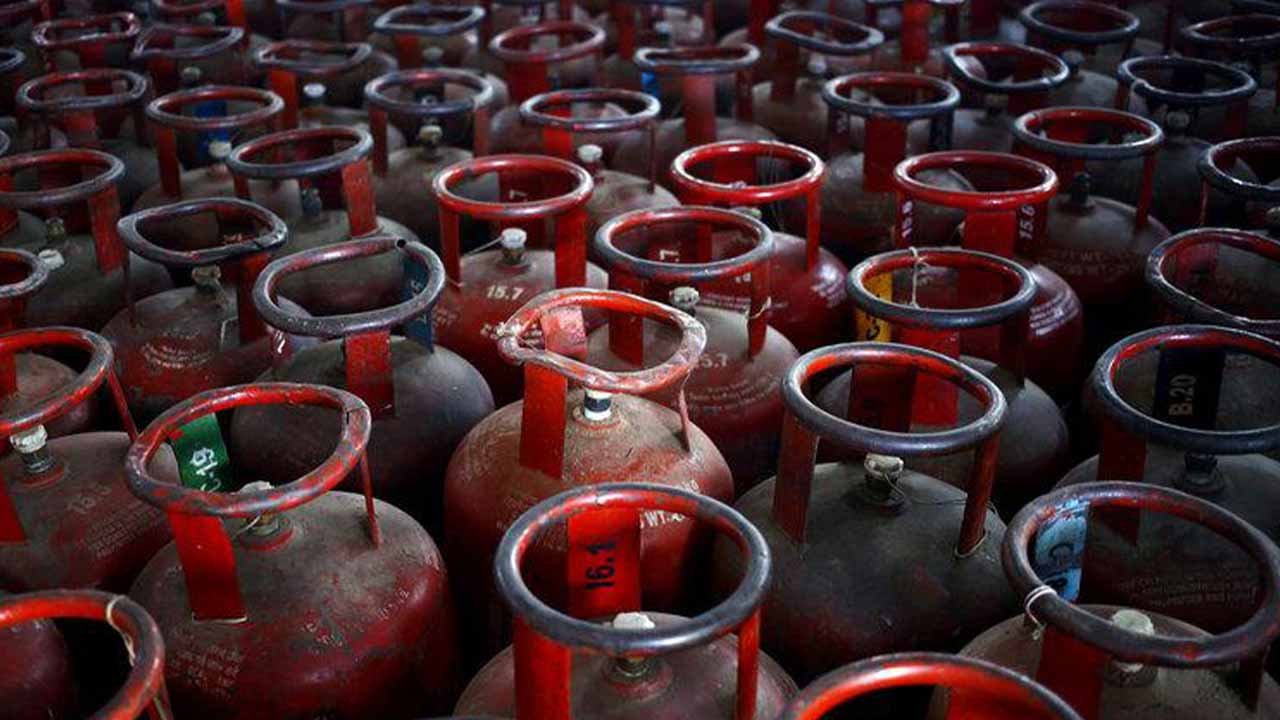
    The Oil and Gas Regulatory Authority (OGRA) has announced a reduction in the price of Liquefied Petroleum Gas (LPG), providing relief to consumers who depend on LPG.

    According to a recent notification, LPG prices have been cut by Rs3.87, bringing the cost down to Rs234 per kilogramme. This new rate is effective immediately.

    This development follows a significant cost reduction in production by the Oil and Gas Development Company (OGDCL), attributed to the arrival of three ships carrying imported LPG.

    The increased supply has enabled OGDCL to lower production costs, subsequently leading to the reduced consumer prices.

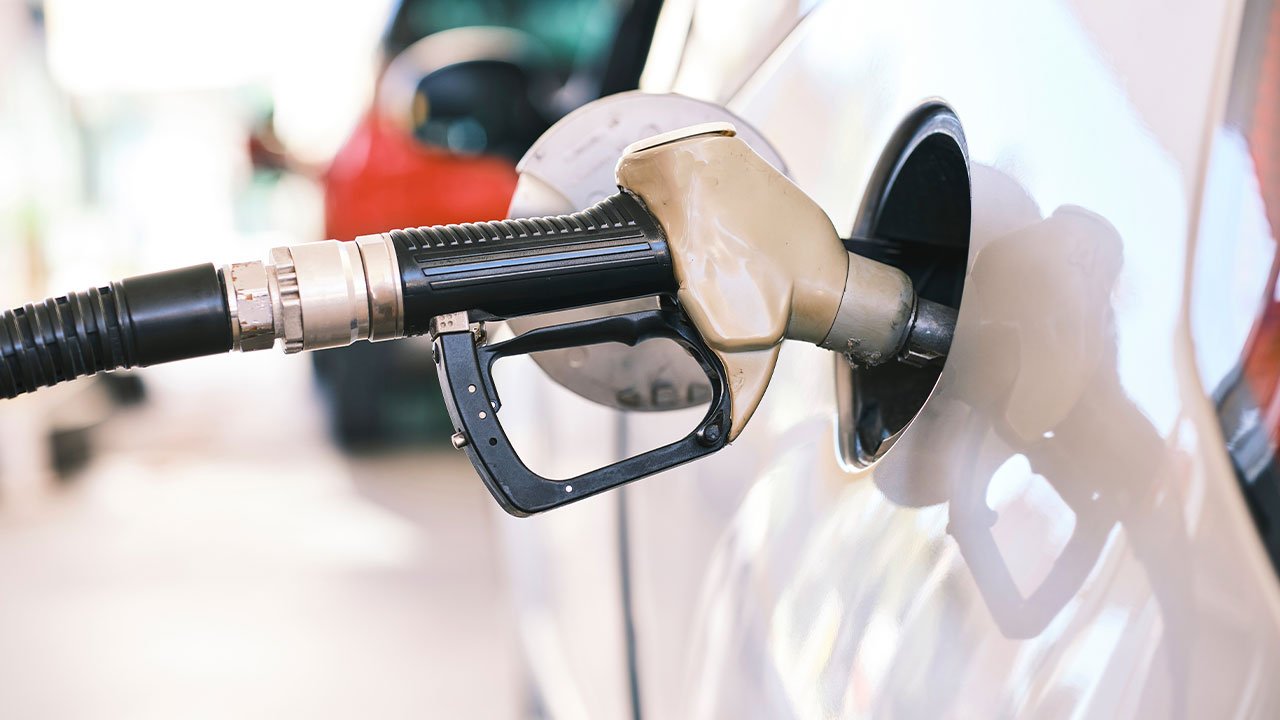
    In a related development, the prices of petrol and diesel in Pakistan are also anticipated to drop from June 1. According to sources, petrol prices are expected to decrease by Rs5 per litre, while diesel prices may see a reduction of Rs4 per litre.

    The Ministry of Finance will announce the new rates after consulting with the Prime Minister.

    The OGRA summary proposing the price reductions will be submitted to the Petroleum Division by May 31st, sources added.

    This move is part of a broader strategy to alleviate the financial burden on the public by ensuring affordable fuel prices amidst fluctuating global oil markets.

  • IMF mission to arrive tomorrow for final review discussions on Pakistan’s SBA

    IMF mission to arrive tomorrow for final review discussions on Pakistan’s SBA

    The International Monetary Fund (IMF) mission is poised to commence vital economic review discussions from March 14 to 18, 2024, marking the conclusive evaluation of Pakistan’s Standby Arrangement (SBA).

    Sources within the Finance Ministry have confirmed that the IMF mission is scheduled to touch down in Pakistan tomorrow night, kickstarting a series of pivotal discussions set to unfold over the next four days.

    During this intensive period, the IMF mission is slated to engage in comprehensive dialogue with Pakistan’s economic team. Key participants include representatives from the Finance Ministry, Energy Ministry, Federal Board of Revenue (FBR), State Bank of Pakistan (SBP), Planning Commission, and the Petroleum Division.

    Insiders suggest that the IMF mission will delve into discussions covering a spectrum of economic facets. Talks are expected to encompass various critical sectors, including finance, energy, taxation, and central banking.

    Furthermore, in parallel with these discussions, preliminary conversations are anticipated to unfold regarding the potential initiation of a new loan programme with the IMF mission. This prospect adds an extra layer of significance to the ongoing economic deliberations as Pakistan navigates its financial landscape in the pursuit of sustainable economic growth.

    Stay tuned for comprehensive coverage as the IMF mission engages in the final review of Pakistan’s Standby Arrangement, paving the way for crucial decisions that could shape the nation’s economic trajectory in the coming months.

  • Petrol price in Pakistan slashed by Rs40 to Rs283.38 per litre

    Petrol price in Pakistan slashed by Rs40 to Rs283.38 per litre

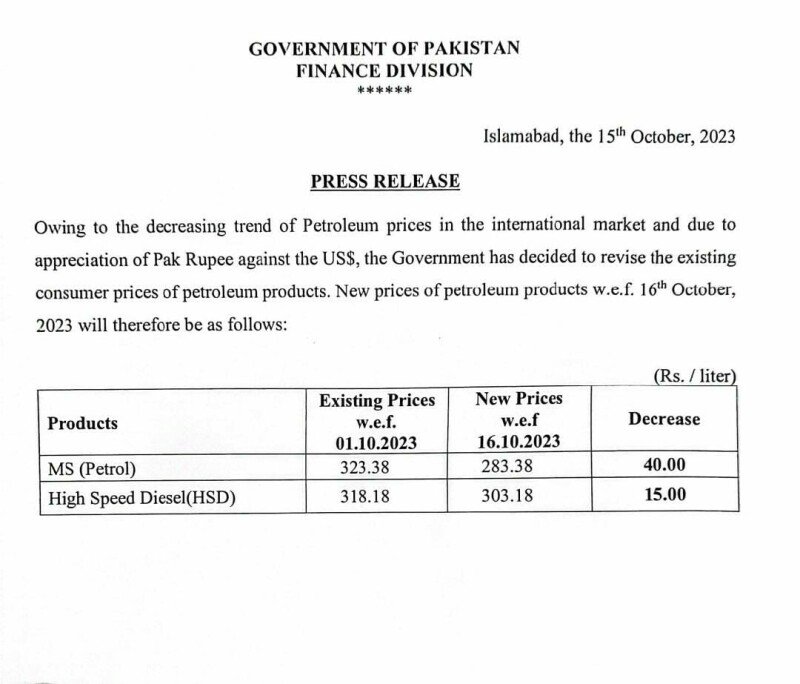
    In a move to ease the burden on masses dealing with high inflation, the caretaker government has decided to lower the cost of petrol by Rs40 per litre and high-speed diesel (HSD) by Rs15 for the next two weeks. 

    The new per litre rates are set at Rs283.38 for petrol and Rs303.18 for diesel. 

    This change comes as a response to fluctuations in international fuel prices and an improved exchange rate, leading the government to adjust consumer prices for petroleum products. 

    For the second time in a row, the interim government is taking steps to lower petroleum prices, following three consecutive bi-weekly increases.

    In the previous adjustment, petrol saw a reduction of Rs8 per litre, while high-speed diesel decreased by Rs11 per litre.

    Between August 15 and September 15, the prices of petrol and high-speed diesel had surged by Rs58.43 and Rs55.83 per litre, reaching historic highs at retail of Rs331-333 per litre.

    Earlier this week, it was anticipated that the prices of HSD and petrol would dip below Rs300 per litre in the upcoming review, thanks to a significant decline in global oil rates and the strengthening of the rupee.

  • One rupee relief: Petroleum Division reveals ‘benefit’ of importing Russian crude

    The Petroleum Division has presented a comprehensive briefing to the caretaker Prime Minister, Anwaar ul Haq Kakar, regarding the potential impact of Russian crude oil on petroleum prices in Pakistan.

    According to The News, the Petroleum Division highlighted that the projected benefit to consumers resulting from the import of Russian crude oil remains relatively modest, at approximately Re1 per litre for both petrol and diesel. This assessment takes into account various operational intricacies and market dynamics.

    Importing Russian crude oil carries two notable risks, the division stated. The first pertains to the duration of transportation, which spans between 30 and 36 days, and the second revolves around the production of furnace oil.

    Approximately 60 per cent of furnace oil generated from Russian crude must be exported, incurring a 25 per cent loss in the process.

    It is significant to note that, currently, only the Pakistan Refinery Limited (PRL) has expressed readiness to refine Russian oil. However, if PRL assumes the responsibility of refining Russian oil exclusively, only a nominal Re1 relief can be passed on to consumers for each litre of gasoline and diesel.

    In a potential collaborative effort, the prime minister was informed that if PARCO (Pak-Arab Refinery Company) and NRL (National Refinery Limited) jointly undertake the refining of Russian oil, the benefit to consumers could potentially increase to Rs3 per litre. The magnitude of this relief would be contingent on the volume of Russian crude involved in the process.

    PARCO, as a comparatively modern refinery with superior facilities, is expected to contribute to enhanced yields from Russian crude and, consequently, a reduction in the production of furnace oil. However, it was also revealed that both PARCO and NRL have declined the proposition to refine Russian oil.

    The caretaker Prime Minister, Anwaar ul Haq Kakar, has expressed the need for a thorough evaluation of the situation, considering the potential benefits, risks, and the willingness of refineries to participate in the process. The decision regarding the import and refining of Russian crude oil remains a pivotal concern as Pakistan navigates its energy landscape in the coming days.

    This development emphasises the intricate balance between economic considerations and strategic decisions in the energy sector that Pakistan faces as it grapples with global oil market dynamics.

  • Pakistan to receive first-ever shipment of low-cost oil from Russia in May

    Pakistan to receive first-ever shipment of low-cost oil from Russia in May

    Minister of State for Petroleum, Musadik Malik, announced on Sunday that Pakistan will receive its first-ever shipment of low-cost oil from Russia next month, which is expected to benefit the general public.

    In an interview with a private news channel, the minister confirmed that the government had finalised a deal with Russian authorities following successful dialogues. The shipment is expected to arrive in May via cargo. The minister also ensured that the government will pass on the cost savings to consumers.

    Regarding power and gas tariffs, Malik stated that the government is planning to introduce different tariffs for the poor and elite classes. He stated that the government has already made progress in this regard and hopes to issue separate billing for the underprivileged and elite class. The new tariff structure is expected to provide relief to the poor segment of society.

    Last month, officials from the Petroleum Division had disclosed that Pakistan was in talks with Russia to procure crude oil at around $50 per barrel, which is $10 per barrel lower than the price cap imposed by the G7 countries on oil imports from Russia due to its conflict with Ukraine.

    The officials had shared that Moscow was keen on completing all the prerequisites, such as the mode of payment, shipping cost with premium, and insurance cost, before signing the agreement with Pakistan.

  • Pakistan’s Petroleum Division eyes discounted Russian crude oil amid high global prices

    Pakistan’s Petroleum Division eyes discounted Russian crude oil amid high global prices

    Petroleum Division is attempting to purchase Russian crude oil for approximately $50/barrel, which is at least $10/barrel below the price ceiling imposed by G7 countries on this valuable commodity originating from Russia because of its conflict with Ukraine. Presently, crude oil is being sold internationally for $82.78/barrel.

    Officials participating in the virtual negotiations with Russia have disclosed that Moscow is primarily focused on fulfilling all prerequisites, such as deciding on the method of payment, shipping costs with premium, and insurance expenses, before entering into an agreement with Pakistan. These officials, who requested anonymity, revealed that Russia will respond regarding the discount on the base price after the prerequisites are finalized. They also stated that shipping the crude oil from Russian ports will take 30 days, resulting in a $10-15/barrel increase due to transportation costs.

    The talks between Moscow and Islamabad are progressing positively, with the expectation that a government-to-government deal on Russian crude oil imports will be finalized by the end of March. When asked, officials stated that the government has decided not to disclose the payment method to Russia for crude oil imports, but authorities are considering using Pakistan National Shipping Corporation (PNSC) ships or Russian tankers for transportation.

    An official cautioned that the landed cost of Russian crude must be considered because the crude vessel will arrive in 30 days, leading to a per barrel shipping cost of $10-15. They added that Moscow has not agreed on the discount yet, and the maximum discount may be offset by the crude oil’s shipping costs.

    State Minister Musadik Malik had previously claimed that Pakistan would receive a 30% discount on Russian crude oil during a press conference. The government plans to import one Russian crude oil ship to test the landed cost compared to the existing cost of crude being imported from Abu Dhabi National Oil Company (ADNOC) of the United Arab Emirates and Saudi Aramco.

    According to Geo, the Petroleum Division secretary is currently in Karachi to further discuss the import of Russian crude oil to process it for finished products with the top management of Pak-Arab Refinery Company Limited (PARCO), Pakistan State Oil (PSO), Pakistan Refinery Limited (PRL), and other refineries. If the test ship’s cost is low enough to bring down the prices of petroleum, oil, and lubricants, Pakistan will approve Russian oil cargos within a month.

    Due to a US dollar liquidity crunch, Pakistan will pay Russia in the currencies of friendly countries such as China, Saudi Arabia, and the UAE. The officials revealed that the ship carrying Russian crude will be insured by the National Insurance Company Limited (NICL) and Pakistan Reinsurance Company Limited (PakRE). The State Bank of Pakistan (SBP), which was previously hesitant about transactions with Russian banks due to G7 restrictions, has now expressed a willingness to communicate with the Russian counterpart bank regarding a payment mechanism for oil imports in three currencies other than dollars.

  • Forced stabilisation of oil prices causes oil industry to face over Rs7 billion in losses: OCAC

    Forced stabilisation of oil prices causes oil industry to face over Rs7 billion in losses: OCAC

    Maintaining oil prices for the second consecutive fortnight could harm the oil industry and disrupt petroleum products supply. The oil industry claims that it has suffered a loss of over Rs7 billion due to the government’s plan to keep oil prices artificially low.

    The nation’s oil industry protested against the government’s “manipulation” of the pricing system in its most recent fortnightly review to keep ex-depot petroleum product prices the same for the next 15 days.

    “This forced stabilisation of oil prices at the cost of the industry is not sustainable and will severely impact the already crippled oil industry,” wrote the Oil Companies Advisory Council (OCAC) — an umbrella organisation of more than three dozen oil marketing companies (OMCs) and refineries — to the Ministry of Energy on Wednesday.

    Following political pressure from the opposition Pakistan Tehreek-i-Insaf (PTI), the government declared on Tuesday that all product prices will remain unchanged. However, market participants, including Ogra, had predicted hikes in POL prices beginning on November 16.

    The oil sector claimed that the government was maintaining the rates in defiance of the long-standing pricing system. Over the next 15 days, the oil industry is expected to lose more than Rs7.6 billion as a result of the unilateral shift in pricing.

    According to the OCAC, the price freeze would result in losses for OMCs of Rs8.34 on each litre of petrol and Rs7.15 on each litre of high-speed diesel (HSD), totaling Rs7.55 billion.

    Even though the rates were rising in accordance with the pricing methodology set by the government itself, it claimed that the prices of motor fuels had remained the same for the second fortnight of November. Instead of passing on the increase or absorbing the increase by lowering the petroleum levy, it was claimed that the price components were “very forcefully and unjustly reduced.”

    “The industry is already facing a severe financial crunch due to high global prices, depreciation of the rupee, increased charges on confirmation of letters of credit, high premiums on import, etc and will not be able to survive if these unfair adjustments are not removed immediately”, the OCAC wrote to the Oil and Gas Regulatory Authority (Ogra) and the Petroleum Division.

    According to Dawn, inland freight equalisation margin (IFEM), a collection of transportation fees paid to OMCs, was decreased by Rs3.21 and Rs2.72 per litre on petrol and HSD, respectively, according to the OCAC. According to sources, the Ministry of Finance called the senior Ogra officials on Tuesday night to make these cuts.

    On gasoline and HSD, respectively, the exchange loss adjustment was also decreased by Rs3.01 and Rs2.11 per litre. Additionally, the long-awaited increase of OMC’s sales margins from Rs2.68 to Rs6 per litre was approved by the ECC on October 31. With another loss of Rs2.32 per litre on both products, the “revised margin for both products has not been incorporated in the prices.”

    Based on estimated sales volumes for the second fortnight of November from Ogra, the OCAC estimated a total loss of Rs7.55 billion, including Rs4.25 billion for petrol and Rs3.30 billion for HSD.

    The “forced price stabilization” could pose problems for the supply chain and jeopardise the industry’s survival, according to the OCAC, given the lower stock levels and higher import volume requirements.
  • Pakistan has sufficient petrol and diesel to meet domestic demand: Petroleum Division

    Pakistan has sufficient petrol and diesel to meet domestic demand: Petroleum Division

    The Petroleum Division said on Tuesday that the country has sufficient petrol and High-Speed Diesel (HSD) in stock to meet domestic demand after allowing Oil Marketing Companies (OMCs) to recover Rs10 per litre on HSD for the next two months (November-December 2022) by raising the premium limit to $15 per barrel.

    The OCAC had cautioned the federal government about a likely shortage of petrol and HSD in the coming days due to limited imports and limited local availability.

    According to the OCAC’s letter to the Oil and Gas Regulatory Authority (Ogra), the gap is due to limited supply and excessive premiums on fuel stocks on the international market.

    The Economic Coordination Committee (ECC), led by Finance Minister Ishaq Dar, approved the summary proposed by the Ministry of Energy on Friday (Petroleum Division).

    The ministry aimed to secure sustainable HSD imports for November-December 2022 by loading the country’s risk factors of $6 bbl, with an upper limit premium of $15 to the OMCs for pricing computation.

  • Pakistan aims to enhance Saudi oil facility to $3.6 billion

    Pakistan aims to enhance Saudi oil facility to $3.6 billion

    A spokesperson for the Petroleum Division said that Pakistan is in talks with Saudi Arabia to increase the size of an oil facility on deferred payments from its current $1.2 billion to $3.6 billion.

    According to The News, when former Prime Minister Imran Khan visited Riyadh in October of last year, Saudi Arabia made a $4.2 billion support agreement, which included a $1.2 billion oil loan facility for Pakistan.

    Syed Zakria Ali Shah, joint secretary of international and joint ventures at the Pakistani petroleum division, revealed that the division was attempting to increase the value of its current facility with Saudi Arabia from $1.2 billion to $3.6 billion.

    Pakistan receives monthly oil deliveries worth $100 million under the current Saudi oil facility with deferred payment. Oil prices were low when the deal was struck, but because of their exponential rise, we are currently negotiating with the Saudis to increase their oil facility from $100 million to $300 million every month.

    A member of the Islamic Development Bank (IsDB) group, the International Islamic Trade Finance Corporation (ITFC), Shah claimed Saudi Arabia was also assisting Pakistan in using another existing oil financing facility.

    The last framework agreement for this facility was signed between our economic affairs division and ITFC on February 21, 2022, according to Shah. “The government of Pakistan has this facility for oil and liquefied natural gas (LNG) imports under the framework agreement with ITFC since 2017–18,” he said.

    The facility will cost a total of $4.5 billion over three years, from 2022 to 2024, or roughly $1.5 billion per year on a best-effort basis, the official continued.