Tag: Petroleum products

  • Petrol price likely to increase by Rs15 per litre after August 16

    Petrol price likely to increase by Rs15 per litre after August 16

    Starting August 16, petroleum products are expected to undergo a notable price hike. In particular, the price of petrol is projected to rise by Rs15 per litre, while diesel will likely see a steeper increase of Rs20 per litre.

    This surge in prices is attributed to a rise in global commodity rates. Recent reports indicate that the cost of crude oil has climbed by $5 per barrel, going from $86 to $91 per barrel. This increase is largely due to the elevated prices of petroleum products on the global market. Additionally, a separate premium charge of $2 per barrel has been applied to crude oil.

    Simultaneously, the international prices for both diesel and gasoline have also experienced a $5 surge, climbing from $97 per barrel to $102 per barrel.

    Should these prices remain unchanged, the anticipated effect on Pakistan’s fuel market would translate to a Rs15 per litre hike for petrol and a more substantial Rs20 per litre increase for diesel.

    In the context of the previous fortnightly review conducted by the outgoing government, a significant Rs19 per litre escalation in petrol and diesel prices had been announced. This decision was justified as being in alignment with the demands of the International Monetary Fund.
  • Massive reduction in petrol price expected as Pakistan aims for one-third crude oil import from Russia

    Massive reduction in petrol price expected as Pakistan aims for one-third crude oil import from Russia

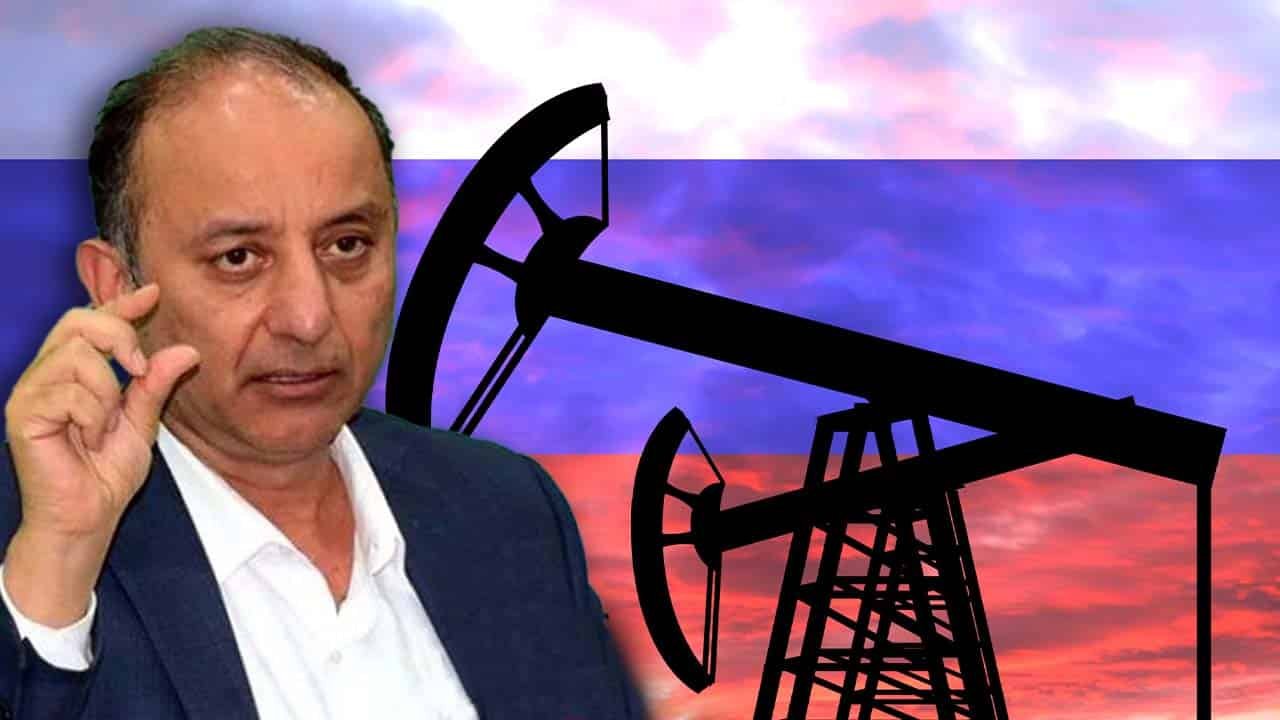
    Minister of State for Petroleum, Musadik Malik, has announced that the prices of petroleum products will witness a decrease once a continuous supply of oil from Russia is ensured.

    Speaking to a private news channel, Malik highlighted the substantial difference in prices that will benefit the masses once Pakistan starts fulfilling one-third of its domestic oil needs through imported Russian oil. He stated, “Our target is to obtain one-third of crude oil from Russia at a discounted rate. When we achieve this objective, petroleum products will be available at a cheaper price.”

    In response to a question about the expected decrease in fuel prices, Malik said, “I am unable to divulge the precise pricing details at this moment. However, it will lead to a significant difference.”

    While the state minister refrained from disclosing the current price, he emphasised that a substantial reduction in price would occur. He also mentioned that the first oil cargo has already arrived in Karachi, and the government is focused on maintaining a steady supply of Russian oil.

    The current deal involves 100,000 metric tonnes of oil, with the second consignment scheduled to arrive at the port next week.

    When asked about the possible effects of buying Russian oil and any potential issues at the global level, Malik expressed confidence that adhering to agreements and maintaining transparency would prevent any complications. He underscored the importance of responsible international engagement.

    Previously, Prime Minister Shehbaz Sharif expressed his fulfillment of another promise made to the nation, stating that the arrival of the first-ever Russian oil cargo marks the beginning of a new relationship between Pakistan and the Russian Federation. He described the day as transformative and emphasised the country’s commitment to achieving prosperity, economic growth, and energy security.

    Following its docking at the port, the authorities have commenced the process of transferring the Russian crude from the oil tanker to the Pakistan Refinery Limited for further processing and extraction of various final products. The transportation of crude oil to the facility is expected to be completed within the next 24 to 36 hours.

    It is worth noting that this is the first time Russian crude oil is being treated in Pakistan. The determination of the actual price of petroleum products in Pakistan will be possible only after the completion of the processing of this imported oil.

  • Petrol price expected to decrease by Rs10 per litre for the next fortnight

    Petrol price expected to decrease by Rs10 per litre for the next fortnight

    The prices of petroleum products are expected to decrease starting from May 16, as the coalition government intends to provide some relief to the distressed public amidst the severe economic crisis and record inflation.

    According to reports in local media, petrol price will see a reduction of Rs10 per litre for the rest of May.

    It has been reported that the Oil and Gas Regulatory Authority (OGRA) has recommended a decrease in the prices of petroleum products. Based on these reports, the price of petrol may be reduced by Rs10 per litre, while the price of diesel is anticipated to decrease by Rs8 per litre.

    OGRA has submitted a summary to the government, and Finance Minister Ishaq Dar and other officials will seek the input of Prime Minister Shehbaz Sharif on the recommendations. The final decision will be announced today.

    The revised prices of petroleum products for the upcoming two weeks will be implemented after midnight on May 15.

    Earlier this month, the federal government announced a reduction of Rs5 per litre in the price of diesel, while the price of petrol remained unchanged. Presently, petrol is being sold at Rs282, HSD at Rs288, kerosene oil at Rs176.07, and light diesel oil at Rs164.68 per litre.

  • Petrol, diesel prices expected to decrease following decline in global crude oil prices

    Petrol, diesel prices expected to decrease following decline in global crude oil prices

    Petroleum product prices in Pakistan are expected to reduce from April 1st following a decline in international crude oil prices. The oil marketing companies (OMCs) estimated that the price of diesel could go down by Rs15-20 per litre, while the price of petrol is expected to decline by Rs4-5 per litre.

    However, industry sources suggest that the Finance Division may keep the prices unchanged.

    In its last fortnight review, the federal government had increased the price of petrol to Rs272 per litre, attributing the hike to the depreciation of the Pakistani rupee against the US dollar and an increase in the prices registered by Platts Singapore.

    The government raised the price of MS (petrol) by Rs5 per litre and hi-speed diesel by Rs13 per litre. The price of kerosene oil saw an increase of Rs2.56 by reducing the government’s dues, while the price of light diesel oil remained constant by adjusting the government dues.

    The new prices came into effect on March 16 and will remain in place until March 31. The Finance Division is expected to announce the new rates late on March 31, which will remain in place for the next 15 days.

  • Short-term inflation skyrockets to record 45.64% in Pakistan: What’s causing the surge?

    Short-term inflation skyrockets to record 45.64% in Pakistan: What’s causing the surge?

    The Pakistan Bureau of Statistics (PBS) has released data revealing that short-term inflation based on the Sensitive Price Index (SPI) rose to a record 45.64 per cent for the combined income group on a year-on-year basis for the week ending March 16.

    This increase was driven by the consistent rise in the prices of essential commodities. However, on a week-on-week basis, short-term inflation increased by 0.96 per cent due to the rising cost of tomatoes, potatoes, cooking oil and fruits.

    The SPI is expected to intensify further as the full impact of depreciation, an increase in petroleum products, a hike in general sales tax and higher energy costs has yet to be reflected in official data. Commodity prices are likely to increase rapidly with a spike in demand. The year-on-year SPI surged to 45.5 per cent during the week ending September 1, 2022, and stayed above 40 per cent for the first time since August 18 last year when the reading was 42.31 per cent.

    Of the 51 items in the SPI basket, prices of 28 items soared, while those of 11 items decreased, and rates of 12 items remained unchanged. During the week under review, the prices of onions, cigarettes, gas charges for Q1, diesel, tea Lipton, petrol, rice irri-6/9, rice basmati broken, bananas, eggs, pulse moong, wheat flour and bread increased the most over the same week a year ago.

    On a week-on-week basis, the biggest change was observed in the prices of tomatoes, tea Lipton, potatoes, bananas, sugar, wheat flour, cooking oil 5 litre, vegetable ghee 2.5 Kg, lawn, diesel, shirting, and petrol. Products whose prices saw the highest decline over the previous week were onions, chicken, garlic, pulse masoor, eggs, LPG, vegetable ghee 1 Kg, pulse gram, pulse mash, pulse moong, and mustard oil.

    The government has been taking strict measures, such as hikes in fuel and power tariffs, withdrawal of subsidies, market-based exchange rate, and higher taxation, under the International Monetary Fund (IMF) programme to generate revenue for bridging the fiscal deficit, which may result in slow economic growth and higher inflation in the coming months. The increase in the policy rate to 20 per cent, general sales tax rate from 17 per cent to 18 per cent on most items, and to 25 per cent on more than 800 imported food and non-food items will further increase the retail prices of consumer goods.

  • Petrol, diesel prices expected to increase by more than Rs32 per litre from tomorrow

    Petrol, diesel prices expected to increase by more than Rs32 per litre from tomorrow

    The prices of petroleum products are expected to increase by more than Rs32 per litre from February 16th, due to fluctuations in the US dollar exchange rate. The current price of petroleum, oil and lubricants is set at Rs236.40 per dollar, which equates to Rs271.82 for the next fortnight. It’s worth noting that free-on-board Platt prices have seen a decline when compared to last fortnight’s pricing.

    Official and industrial sources have indicated that the price of Mogas is expected to increase by 12.8 per cent per litre, or by Rs32.07, resulting in a new price of Rs281.87 from the previous price of Rs249.8 per litre. The price of diesel is also set to rise by 12.5 per cent, or by Rs32.84, to reach Rs295.64 per litre, up from the previous price of Rs262.8 per litre.

    Kerosene oil is predicted to increase by 14.8 per cent, or by Rs28.05, bringing the new price to Rs217.88 per litre. Additionally, light diesel oil (LDO) could go up 5.3 per cent, or by Rs9.90, resulting in a new price of Rs196.90 per litre from Rs187 per litre set in the last review.

    According to The News, based on current government taxes and estimated Pakistan State Oil (PSO) incidentals, the prices mentioned above are projected. However, there is a possibility of the government adjusting the exchange rate to over Rs251, which could result in an increase of Rs15 per litre for both Mogas and diesel products. Moreover, the petroleum levy for diesel, currently standing at Rs40, may increase by Rs10 to reach Rs50 from February 16th.

    The government had set a target of earning Rs850 billion by imposing a petroleum levy on petroleum, oil, and lubricants. However, there is an estimated shortfall of Rs250 billion, and the authorities are hoping to collect a revenue of Rs600 billion.

    It’s worth noting that the government had implemented a significant increase of Rs35 per litre from February 1st, 2023, until February 15th. Presently, the government is charging Rs50 per litre as a petroleum levy, and the general sales tax (GST) has not been imposed yet.

    According to an official, the losses incurred by the refineries and oil marketing companies (OMCs) due to the exchange rate will be eliminated in a phased manner, as the government does not wish to burden consumers with the entire exchange rate at once.

    The federal government’s last review of petroleum product prices took place on January 29, 2021.

    At present, Pakistan is experiencing a shortage of petrol, with the province of Punjab, which has the largest population, bearing the brunt of the crisis. Petroleum dealers have been blamed for the situation.

    Additionally, it has been alleged that hoarders are stockpiling petrol in anticipation of a price hike scheduled for February 15th (today).

  • Mazeed mehnga petrol: Oil prices may go up by Rs4 per litre

    Mazeed mehnga petrol: Oil prices may go up by Rs4 per litre

    The government is expected to marginally increase the price of petroleum products for the next two weeks in order to collect revenue from local consumers.

    According to an official of the Petroleum Division, price increases for petroleum products may range from Rs3 to Rs4 per litre.

    He noted that in order to fulfill its promise to the International Monetary Fund, the government was anticipated to adjust tariffs on petroleum goods (IMF). In an effort to increase revenue, it has already increased the petroleum duty on petrol and high-octane blending component (HOBC) to Rs50 per litre.

    The petroleum charge on Super and HOBC is at an all-time high, yet there is no general sales tax on petroleum goods.

    According to sources in the petroleum industry, oil products’ ex-refinery prices could decrease marginally during the next two weeks. According to them, the price of gasoline might drop by about Rs1.6 per litre and the price of high-speed diesel (HSD) by Rs3, although they said that these figures did not account for exchange rate loss adjustments. As a result, given that the government skipped it the last time, there might be an addition of around Rs 4 to the price of HSD per litre.

    Additionally, they noted that the previous oil price revision had resulted in a negative Inland Freight Equalisation Margin (IFEM) of roughly Rs 5 per litre for HSD consumers; however, it was anticipated that this would change in the new price announcement.

    In addition to this, changes in the petroleum levy on HSD and the imposition of general sales tax on both gasoline and HSD also affect price revision.

    Oil prices had previously been held steady for the seven days of November 1–15.

    For the first week of November, it was anticipated that the price of gasoline would decrease by Rs2.86 per litre and the price of HSD would increase by Rs3.70 per litre in accordance with the Platts trading platform and exchange rate movement. The government, however, refused to lower the price of petrol for the public.

    HSD currently costs Rs235.30 per litre, while a litre of petrol costs Rs224.80. Light diesel oil costs Rs186.50 per litre, while kerosene costs Rs191.83 per litre.

  • Petroleum prices to remain unchanged for next fortnight

    Petroleum prices to remain unchanged for next fortnight

    For the upcoming two weeks, the government has decided to keep petroleum product prices unchanged.

    Ishaq Dar, the finance minister, made the announcement during a press conference.

    This means that the price of petrol will remain unchanged at Rs224.80 per liter, high-speed diesel (HSD) at Rs235.30, light diesel oil (LDO) Rs186.50, while kerosene will be sold at Rs191.83.

    It is important to note that the administration did not change the prices during the most recent fortnightly review. The government refused to lower the price of gasoline for the general population by raising the petroleum development levy (PDL) by Rs14.84.

    Dar also stated that the government will clear the outstanding letters of credit (LCs) after speaking with the State Bank of Pakistan (SBP), with the cap increasing to $100,000 from the existing $50,000 as of November 1.

    Despite the relief, locals are forced to buy petrol for their daily commute at outrageously high costs. Contrarily, it is anticipated that CNG stations in Punjab and Sindh may be closed for longer than four months, which has made the issues of the populace much worse.

  • Petrol price may go down by Rs9.63 per litre for the next fortnight

    The price of petrol is expected to decrease by Rs9.63 per litre for the next two weeks, while diesel prices are anticipated to increase.

    According to reports, the Oil and Gas Regulatory Authority (OGRA) has advised lowering gasoline prices for the final fifteen days of the current month, September.

    However, a final decision about increased petroleum pricing would only be made after receiving Prime Minister Shehbaz Sharif’s approval.

    For the specified period, the cost of diesel is probably going to go up by Rs3.04 per litre, bringing the price from Rs247.26 per litre to Rs250.30.

    The federal government announced an increase in the price of gasoline and diesel for the first two weeks of September on August 31.

    The price of gasoline increased by Rs2.07 to reach Rs235.98 per litre, while the price of high-speed diesel increased by Rs2.99 to reach Rs247.43.

    According to Express Tribune, various strategies have reportedly been used by the government and OGRA to maintain low petroleum prices in order to avert political reaction.