Tag: philanthropy

  • Sister Zeph from Gujranwala wins The Global Teacher Prize 2023

    Sister Zeph from Gujranwala wins The Global Teacher Prize 2023

    Sister Zeph, the founder of Zephaniah Education and Empowerment Foundation, received the Global Teacher Prize 2023 worth a million dollars, on November 8.

    Sister Zeph began teaching when she was 13 years old in the courtyard of her home in Gujranwala. Her students were neighbourhood children who couldn’t afford school fees. She has empowered many students from underprivileged backgrounds in a journey spanning 27 years. Her organization is operating two schools and a skills centre primarily in Gujranwala, with students from 11 nearby villages, all of them from humble families.

    She got selected from over 7,000 nominations for the Global Teacher Prize from 130 countries around the world. The ceremony was held at UNESCO’S General Conference in Paris where she accepted her award. “We are delighted to announce that Sister Zeph, an English, Urdu, culture, inter-faith harmony, climate change teacher at Gujranwala, Punjab in Pakistan, has been named the winner of the Varkey Foundation Global Teacher Prize 2023,” the orgnisation announced in a statement.

    UNESCO Director-General Audrey Azoulay congratulated the Pakistani teacher on receiving the prestigious award. “We all remember a teacher who has had an impact on our life and changed our future. It may sound like a truism but it’s true: teachers are life-changers. Congrats to Sister Zeph from Pakistan, 2023 Global Teachers Prize Winner. Thanks to her for her commitment as a life-changer,” she wrote on her Twitter handle.

    With this award, she plans to open another bigger school on a scale of 10 acres where children from poor families can be educated without any discrimination. She has aims of making an orphan house as well where kids will be taught about a range of subjects.

    In an interview, she said that she felt the need to become a teacher because she believed “there should be more people in this profession” and because she thought that there should be more children in school.

  • McDonald’s Pakistan donates Rs1 crore to aid Gaza victims via Edhi Foundation

    McDonald’s Pakistan donates Rs1 crore to aid Gaza victims via Edhi Foundation

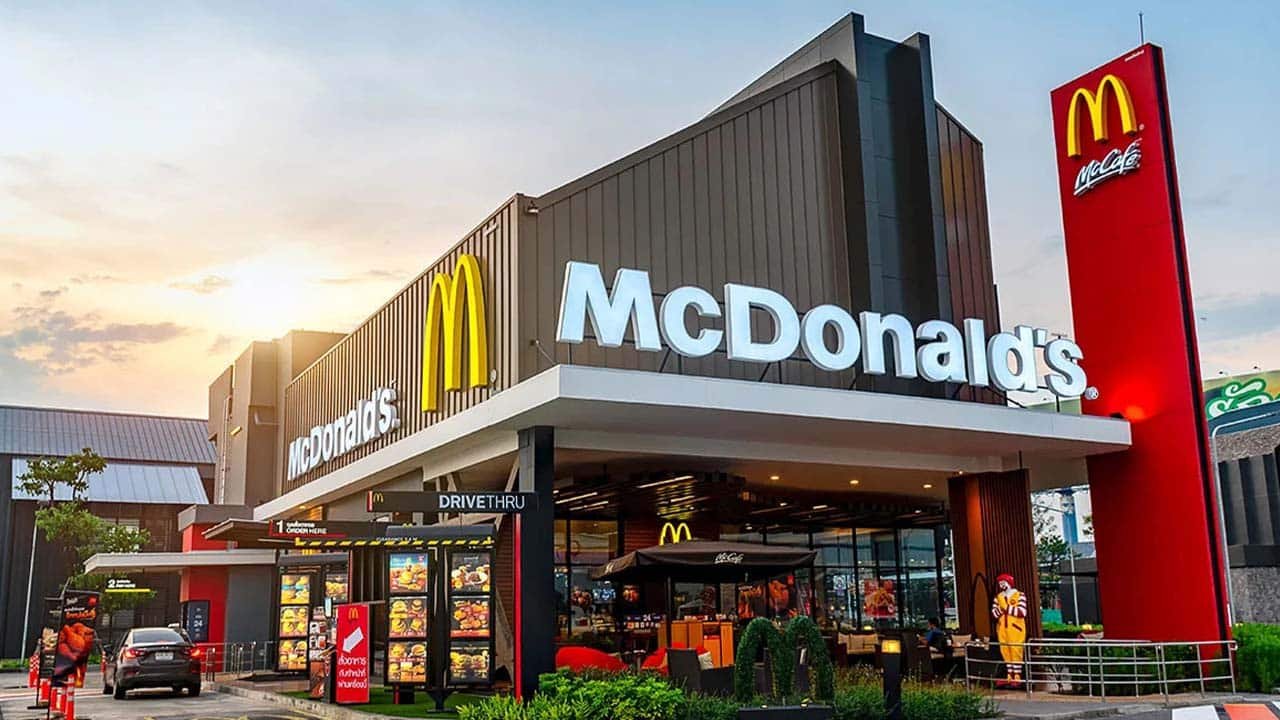
    McDonald’s Pakistan has officially announced a donation of Rs1 crore to provide support to Gaza victims through the Edhi Foundation. This announcement was made via the company’s official social media account on X (formerly known as Twitter).

    This philanthropic effort arises amidst a global controversy surrounding McDonald’s due to allegations of indirectly supplying free meals to the Israeli occupation army. In response, McDonald’s Pakistan, in an official statement, clarified its stance by emphasising that it is an independently operated entity with no connections to McDonald’s Israel.

    The company reiterated its commitment to addressing the urgent humanitarian crisis in Gaza, underscoring its dedication to assisting those impacted by the ongoing conflict in the region. However, it’s important to note that this act of goodwill also sheds light on the broader controversy surrounding McDonald’s, as its involvement in providing complimentary meals to the Israeli occupation army has triggered global protests and boycott movements.

    Numerous McDonald’s branches in different countries have taken swift measures to distance themselves from the actions of the Israeli branch, asserting that the Israeli branch’s actions do not represent their own positions. This announcement may be an attempt to mitigate the backlash from some Pakistanis who criticised the food chain for its perceived support of Israel. Whether these events have impacted McDonald’s Pakistan’s sales remains uncertain at this time.

  • Bill Gates to drop off the world’s rich list

    Bill Gates to drop off the world’s rich list

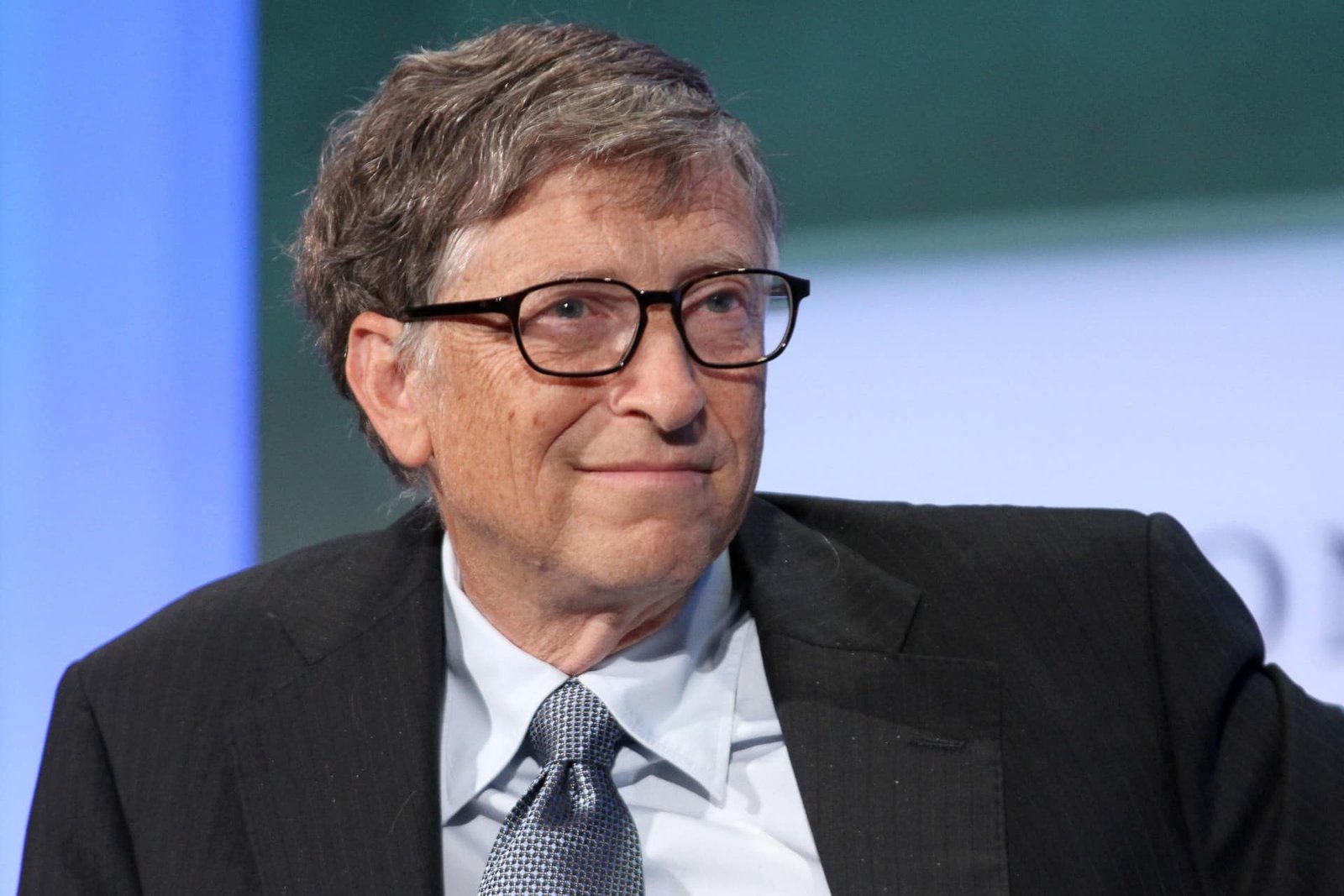
    Microsoft co-founder and billionaire Bill Gates has announced that he is planning to give away all his wealth, adding that he will eventually “drop off” the world’s rich list. Gates first pledged to give away his wealth back in 2010.

    Gates, the fourth richest man in the world according to the Bloomberg Billionaire Index, plans to donate all his wealth to the Gates Foundation and will eventually be leaving the world’s rich list. Till date, he along with his ex-wife have donated more than $50 billion to the Gates Foundation, which is one of the world’s largest charity organisations that focuses on providing healthcare and education to individuals around the world. In 2020, they funded work in over 130 countries.

    Bill Gates announced that he would transfer $20 billion to the Gates Foundation this month.

    “I have an obligation to return my resources to society in ways that have the greatest impact for reducing suffering and improving lives. And I hope others in positions of great wealth and privilege will step up in this moment too.”

    Bill Gates held Forbes‘ title of the richest person in the world between 1995 and 2010, and again from 2013 to 2017.

  • Khan Academy receives $5 million from Elon Musk

    Tesla CEO Elon Musk has donated $5 million to online learning organisation Khan Academy.

    In a YouTube video posted Monday, Khan Academy founder Salman Khan thanked Musk for the donation, which the Tesla CEO made through his Musk Foundation.

    “Elon, I hope you really feel good about this,” said Khan in the video. “This is going to allow us to accelerate all sorts of content. Our aspirations are all subjects — from kids to the early stages of college. This will accelerate our science content, allow us to do more early learning, allow us to make the software and the practice that much more engaging.”

    Founded in 2002, the Musk Foundation supports research in renewable energy, human space exploration, pediatrics and science and engineering.

    Read more – ‘Bijli aati hai?’: Twitter reacts to Fawad Chaudhry’s invitation to Tesla’s Elon Musk

    Khan Academy is a nonprofit that aims to “provide free, world-class education for anyone, anywhere.” Students worldwide can utilize Khan Academy videos, which are translated into more than 36 languages, and learn at their own pace. The resources — videos, practice exercises, and personalized learning dashboards — are also used by parents and teachers.

    As the coronavirus pandemic forced schools to turn to distance learning, many students and parents who struggled with the transition turned to Khan Academy for help, the organisation says.

    While many students may not recognise Khan by his face, millions of them know him by his voice, because of his video tutorials on subjects ranging from photosynthesis and calculus to the American Revolution.

    Khan Academy has over 120 million registered users, with up to 30 million students using the platform every month.

    “I view this type of investment in what we’re doing as really foundational for us to be able to build a multi-generational institution so that future Elon Musks of the world are also able to tap into their potential and help all of us up-level who we are as a civilization,” said Khan.

  • The lesson of inclusivity

    The lesson of inclusivity

    While COVID-19 has been creating havoc, unfortunately, in all parts of the world, it has had a massive impact in most developing countries, choking up the already shaking health and welfare systems.

    In Pakistan, the outbreak has caused an economic stoppage that amounts to a great loss, where the graph for unemployment shot up high from the very beginning of this pandemic. Not to forget, the worst-hit out of the country’s total population are the daily wage earners and those who inhabit unfortunately in the urban slums. Moreover, while the major parts of the city and larger groups were attended to and received help, the disabled were marginalised a great deal.

    For years, Pakistan as a nation has marked itself in the top three charitable countries around the globe. Local charities have been playing a key role in curtailing the economic burden on the government by providing meals, medical assistance and other key services to low-income groups.

    In order to assist and form a chain reaction with the said cause during these unreasonably trying times, PepsiCo Foundation — the philanthropic wing of the organisation — declared and extended support for the unemployed people and partnered up with the best charitable organisations under the umbrella of the ‘Millions of Meals’ initiative. The campaign was envisioned on such a large scale and designed to complete the aim of distributing an astonishing number of 13 million meals with over 500 volunteers and countless supporters, to the communities most affected by the COVID-19 outbreak.

    In order to assist the poor survive the harshness of lockdowns, unemployment and hunger caused due to economic and financial challenges, Pepsi joined hands with nine distinct charities. Among several others, targeting the lesson of ‘inclusivity’ is where NOWPDP was collaborated with, that caters to the differently-abled people in the society. 

    The idea was to empower millions of dreams, despite the odds and reach out all corners of the country, with a vision of providing immediate emergency disaster relief for the many vulnerable, neglected parts of Pakistan. NOWPDP helped in taking forward the initiative and making sure no one gets left behind specially those who are limited in their physical ability.

    NOWPDP operates in the development sector with a focus on inclusion through empowerment of persons with disabilities. As mentioned above, with the pandemic spreading its shadow all over, the most affected were the differently-abled who were now absolutely clueless and helpless in terms of taking care of their needs.

    Their agenda is to help people with disabilities and for them to be an important stakeholder in the bigger picture, whether it is in regard to education or employment, as they emphasise on their big idea, “A Part. Not Apart”. In addition, what fuels the members of this organisation, include; empathy, action and social justice. Persons with disabilities (PWDs) have equal access to opportunities and are an integral part of society. Their aim is to promote an inclusive society through holistic and sustainable endeavors in the areas of education and economic empowerment.

    Supported by PepsiCo, NOWPDP took on the responsibility of reaching out to thousands of vulnerable households. They reached out to the differently-abled residing in Hyderabad, Sujawal, Tando Allah Yar, Tando Muhammad Khan, Kot Ghulam Muhammad, Nawabshah, Sukkur, Larkana and distributed 171,675 meals altogether. For this, a group of people was specially brought together to form a call centre at NOWPDP during pandemic times to address and facilitate those in need. This effort was catering specially to the differently-abled and the deserving, where employees were to get the database together of those residing in various cities of Pakistan. 

    Babar Iqbal, a call centre agent at NOWPDP said, “Upon calling the differently-abled person, we are asked if they will be getting ration. When they are told all that it entails, the response and most importantly the happiness in their voice along with prayers is something that can’t be explained in words.”

    In addition, while the big cities of Pakistan are catered to by multiple organisations, the ones that get left behind are the differently-abled residing in interior Sindh.

    NOWPDP Executive Director Omair Ahmad said, “To achieve economic empowerment for disenfranchised communities, particularly persons with disabilities, it is incumbent on us to take the first step and show a desire, willingness and empathy to ensure that they have access to basic necessities like food and water. Without welfare, empowerment becomes a distant reality, a facade, an unachievable goal, and a dream. Thus, we are grateful to Pepsi for this initiative and understanding the urgency of this need for thousands of persons with disabilities across the country, and promptly extending their support. We hope that this journey on the path of hope will allow millions to achieve their dream of empowerment.

    This nation is full of people with a big heart who are ever ready to help those in need. We take great pride in it and this collaboration of PEPSICO and NOWPDP, which has shown us how inclusivity holds sheer importance and how endearing it is to cater to the disabled, is providing them with employment opportunities and assisting them to grow and know there are lots to look after them leaving no man behind when the entire world is at a halt owing to the pandemic. Here’s to more successful collaborations and a wish for phase 2 to take place.

  • Blog: Knee Jerk – Plan of Action

    Blog: Knee Jerk – Plan of Action

    Typical Ration Bag: Rs1,600
    Includes: Flour, oil, sugar, rice, lentil and a soap

    “We’re building a stockpile. The word stockpile by definition means not for immediate use. It means you’re preparing for a battle to come and you have to have the equipment and you have to have it now. I can tell you this, if you wait to prepare for the storm to hit, it is too late, my friends. You have to prepare before the storm hits. And in this case, the storm is when you hit that high point, when you hit that apex. How do you know when you’re going to get there? You don’t. There is no crystal ball but there is science and there is data and there are health professionals who have studied this virus and its progress since China. Listen to them and follow the data to develop one coordinated plan,” said Governor Andrew Cuomo of New York in a press briefing on coronavirus on March 30.

    I witnessed the nation coming together when the deadly 2005 earthquake hit northern Pakistan. It devastated entire communities in Khyber Pakhtunkhwa (KP) and Azad Jammu & Kashmir (AJK). The 7.6 Richter scale quake wreaked havoc and misery to 400,000 families when at least 80,000 lost their lives. 90% of the affectees were from difficult-to-access rural areas in the mountains.

    Pakistan had in recent times not seen such extensive devastation and was hardly prepared to handle such a disaster. But the nation witnessed an unprecedented surge of sympathy for the affected communities when people from all over the country and the world rushed for assistance.

    Today, amid the coronavirus pandemic, an unprecedented lockdown is in place. And as all of us reflect on our daily lives, I hear nonprofits, independent guerrillas and civil society members coming forward and donating and collecting ration bags for daily wage affectees or families living under the poverty line. Several good-hearted folks have come together and started the drive by spreading the word on social media platforms to support the cause.

    Each cause has a different price and structure of distribution. We can select packages for a week, a month and so on. But what’s next? 

    My question is: where is the map of action for the households or the system where it’s equally, ethically and socially distributed? How are we deciding what neighbourhoods need the most? 

    Arif Hasan and I were are in an anti-encroachment WhatsApp group, where he said, “It’s frightening to see how everyone will end up washing for 20 seconds in a country where water is a contested property.”

    Celebrities and social media influencer’s are following a global practice of how to deal with COVID-19. Whereas we need to rethink of global south issues and practice a regional solution. Standards come from international forums, but they need to be localised and regionalised. 

    If today non-profit organisations and independent ration collectors are designing packages and sending mass messages to collect funds to feed the affectees, then maybe we also need to study and collect per household data and map the areas where any organisation is not distributing.

    What we need is a holistic plan for preparedness for disaster or unprecedented situational circumstances. This is the time when we need platforms to come together and work closely with local authorities and develop a strategy or a masterplan, through breaking down clusters, focusing on vulnerable communities and involving organisations.

    In our provincial context, where the Sindh government has shown a strong sense of perspective in times like these, maybe this is when we need to reflect and look for local strategic plans and grassroots level data analysis for future disaster distribution methodology, where civil society’s intervention is not just out of goodwill but equality and social systems. Where collaboration can be meaningful, and data sharing becomes a common practice.