Tag: PKR

  • Intraday update: Pakistani rupee plunges to historic low of Rs290 against dollar amid political turmoil

    Intraday update: Pakistani rupee plunges to historic low of Rs290 against dollar amid political turmoil

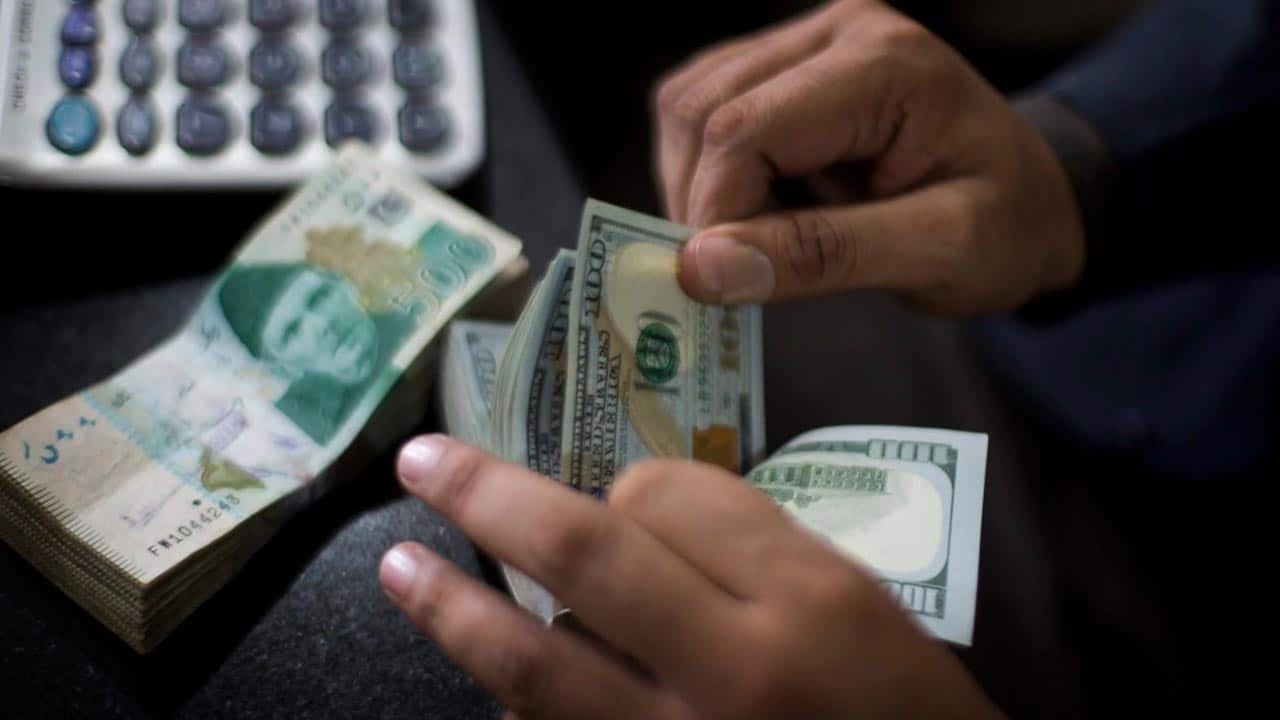
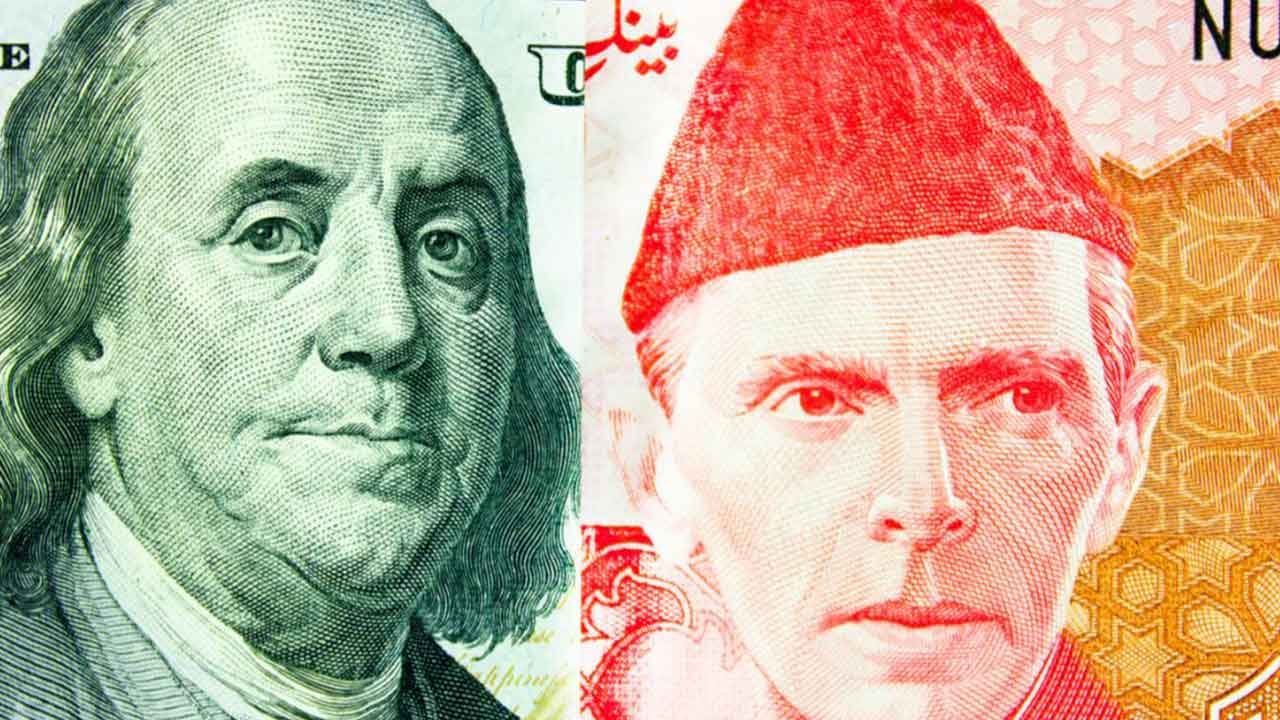
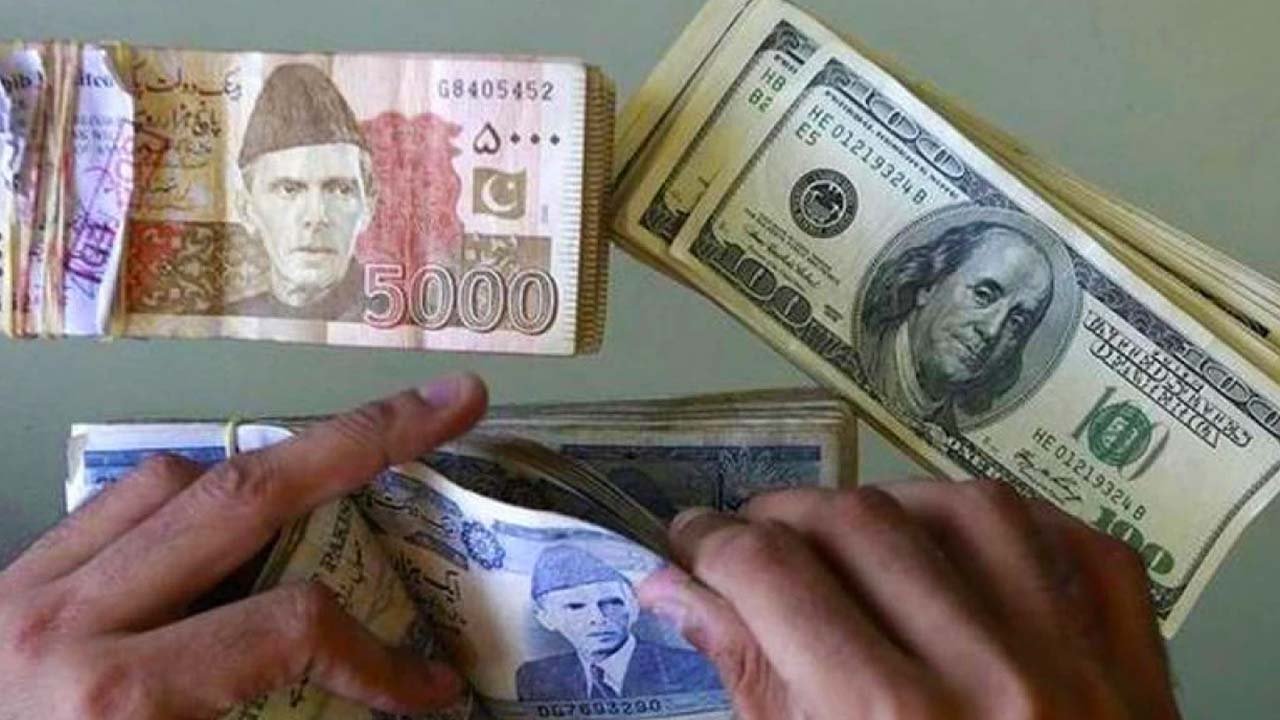
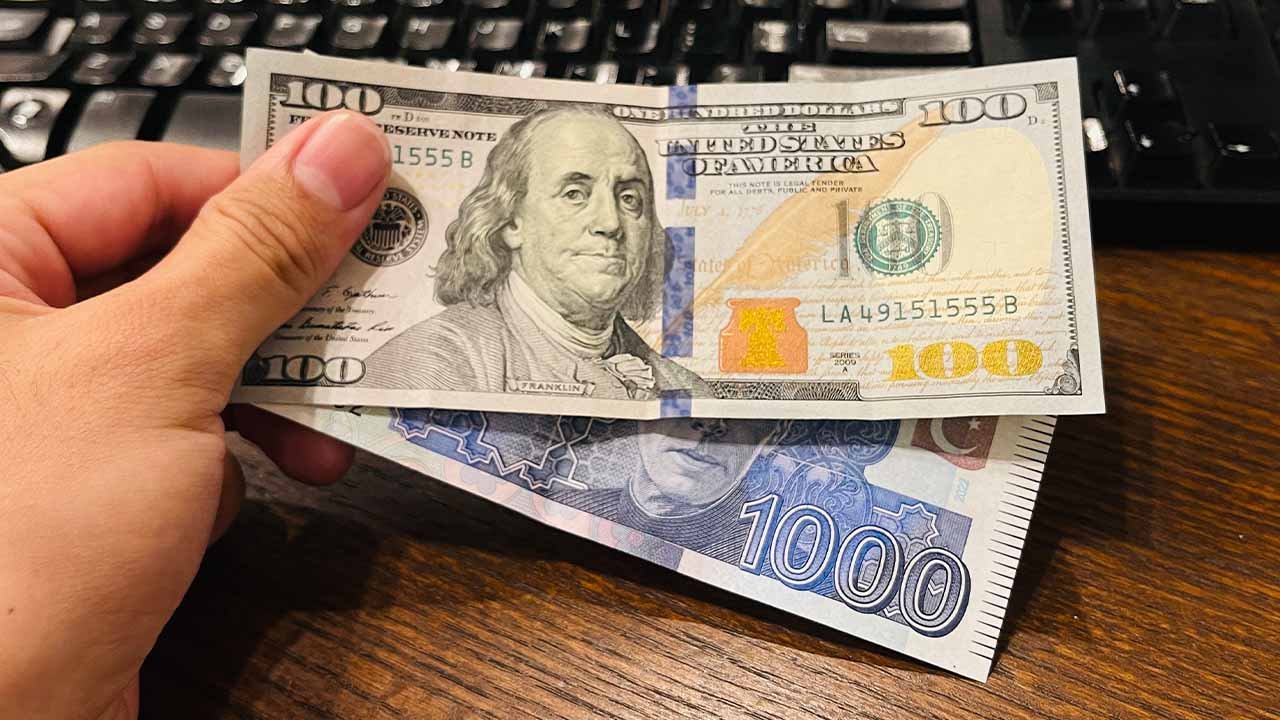
    On Wednesday, the Pakistani rupee (PKR) reached a historic low against the US dollar, falling to Rs290 during intraday trading at the interbank foreign exchange market. This decline is a major setback to Pakistan’s economy, as the rupee lost Rs5.16 in a single day compared to the previous day’s closing rate of Rs284.84.

    The previous record low of Rs288.43 was set in April. The sharp decline in the Pakistani rupee raises concerns about the country’s financial stability, and several factors have contributed to this depreciation.

    The arrest of former Prime Minister Imran Khan on corruption charges has led to increased uncertainty and added pressure on the Pakistani rupee. This political turmoil has negatively impacted investor confidence and the value of the local currency.

    Furthermore, the uncertain status of the International Monetary Fund (IMF) loan programme has further exacerbated the decline of the Pakistani rupee. Although the government had anticipated an installment of $1.2 billion under the Extended Fund Facility (EFF) program, delays in loan disbursement and recent developments in negotiations have raised concerns about Pakistan’s ability to meet its financial obligations. These doubts have put additional strain on the rupee’s value.

    Currency experts are closely monitoring these developments and expressing caution about the future outlook of the Pakistani rupee. The government must take decisive measures to stabilize the currency and restore investor confidence. This may involve implementing effective economic policies, addressing corruption concerns, and ensuring a more transparent and predictable investment environment.

    It is crucial for the Pakistani government to engage in constructive dialogue with the IMF to secure the much-needed loan program. Demonstrating a commitment to fiscal discipline, structural reforms, and good governance can potentially alleviate concerns surrounding the economy and enhance the rupee’s value in the international market.

    While the situation appears challenging, it is important to note that currency fluctuations are not unique to Pakistan. Several emerging economies have faced similar issues in recent years. The government’s response and its ability to address the underlying causes of the rupee’s depreciation will be critical.
  • Pakistani rupee falls to historic low of Rs288.43 against dollar

    Pakistani rupee falls to historic low of Rs288.43 against dollar

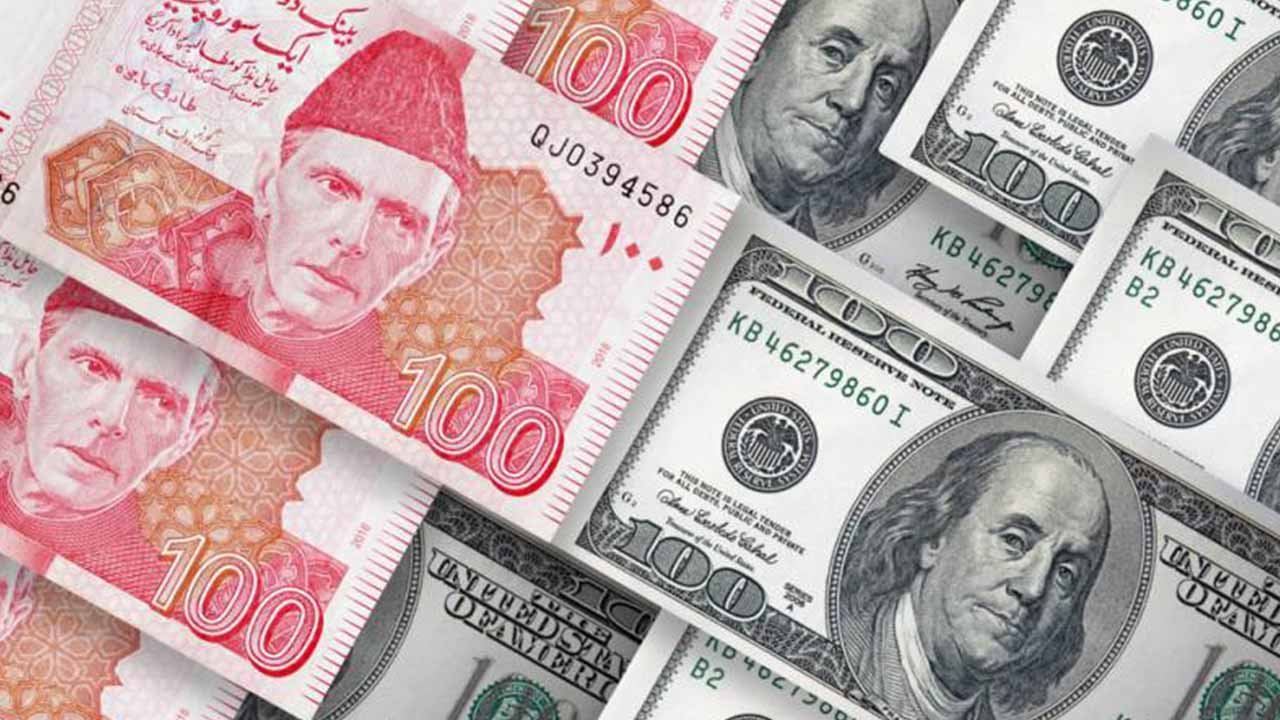
    On Wednesday, the Pakistani rupee (PKR) reached a new record low, falling to Rs288.43 against the US dollar in the interbank market.

    The State Bank of Pakistan (SBP) reported that the rupee slid by Rs1.34 against the greenback before closing at Rs288.43. Meanwhile, the Forex Association of Pakistan (FAP) has reported that the selling rate of the dollar in the open market was recorded at Rs295.

    This comes after the rupee had closed at Rs287.09 per US dollar the day before, with the greenback trading at over Rs291 in the open market. Additionally, on April 5, the rupee had closed at Rs287.85 per US dollar, while the greenback was trading at over Rs293 in the open market.

    Experts suggest that the drop in the rupee’s value can be attributed to various factors such as economic challenges, political uncertainty, and depleting foreign exchange reserves.

    It is worth noting that a staff-level agreement between the International Monetary Fund (IMF) and Pakistan was scheduled to take place on February 9.

  • Pakistani rupee drops by more than Rs18 against US dollar due to delay in IMF deal

    Pakistani rupee drops by more than Rs18 against US dollar due to delay in IMF deal

    Pakistani rupee (PKR) experienced a significant decline of over Rs18.8 against the US dollar in the interbank market during intra-day trade, ahead of the monetary policy review and delay in the International Monetary Fund (IMF) deal.

    At approximately 11:40 am, the greenback was being traded at Rs285 against the local currency, compared to its previous day’s closing of Rs266.11.

    Zafar Paracha, the General Secretary of ECAP, expressed concern over the delay in the agreement with IMF and the lender’s demand to peg the currency rate with that of the grey market, which has resulted in market uncertainty.

    In his opinion, the current rate is too high and should not have risen to this extent. He also noted that the greenback was being traded at Rs290 in the grey market a day earlier.

    Adnan Asghar, a currency market expert, stated that the delay in the deal between Pakistan and the IMF has contributed to the depreciation of the rupee.

    He added that the uncertain political situation has also been a factor in the decline of the rupee’s value. Asghar warned that the country is approaching a default situation due to this delay.

  • Gold prices rise on weaker Pakistani rupee and economic outlook

    Gold prices rise on weaker Pakistani rupee and economic outlook

    On Tuesday, gold prices rose further to reach a one-week peak achieved last week, supported by a weaker Pakistani rupee. Investors were keeping an eye on upcoming economic developments that could impact the market’s direction. The All-Pakistan Sarafa Gems and Jewellers Association (APSGJA) reported that the price of gold (24 carats) rose by Rs500 per tola and Rs429 per 10 grammes to settle at Rs197,000 and Rs168,896, respectively.

    The decline of the Pakistani rupee against the US dollar in the interbank market by 0.24 per cent to Rs262.51 boosted the appeal of the precious metal. However, the outlook for gold remained uncertain as the prospects of the rupee’s recovery against the dollar increased, driven by optimism surrounding the revival of the International Monetary Fund (IMF) programme.

    The yellow metal gained Rs3,800 per tola over the last three sessions. Silver prices in the domestic market also increased by Rs20 per tola and Rs17.14 per 10 grams to settle at Rs2,150 per tola and Rs1,843.27 per 10 grammes, respectively.

    Meanwhile, in the international market, gold prices dropped by $12 per ounce to settle at $1,832 due to the rise of the dollar, while investors awaited US economic data to determine the Federal Reserve’s interest rate strategy. The dollar index remained high, making dollar-priced gold more expensive for buyers with other currencies.

    Han Tan, chief market analyst at Exinity, said that gold’s primary driver remains the changing expectations surrounding the Fed’s policy moves, and the upcoming release of the FOMC minutes could provide more clues. If the US economy continues to defy the Fed’s rate hikes, it could lead to a higher peak for US rates, which would disappoint bullion bulls.

    The market focus this week is on the release of the Federal Open Market Committee’s January meeting minutes on Wednesday, followed by US gross domestic product data on Thursday and Friday’s core PCE price index. Although gold prices reached their highest level since April 2022 earlier this month at $1,959.60, they have dropped by approximately $130 after US data indicated a robust economy.

  • Pakistani rupee breaks winning streak, closes at Rs262.51 against dollar

    Pakistani rupee breaks winning streak, closes at Rs262.51 against dollar

    During Tuesday’s interbank trading, the Pakistani rupee (PKR) declined and experienced losses against the dollar, reaching a low of Rs265 versus the dollar.
    The rupee lost 63 paisas versus the dollar by the time markets closed, depreciating by 0.24 per cent.

    The local currency commenced trading at Rs261.50 versus the US dollar with full red value. By lunchtime, the dollar had risen to about Rs264 versus the rupee. Before the interbank closure, the local currency was mostly bearish versus the top foreign currency after 1 PM.

    The National Assembly passed the Finance (Supplementary) Bill, 2023, on Monday, proposing extra taxes and tariffs of Rs170 billion, ending the rupee’s five-day winning streak against the dollar and clearing the way for the staff-level deal with the International Monetary Fund (IMF).

    After its record-breaking single-day plunge of Rs25 in the latter week of January, when the rupee was finally “freed” versus the US dollar in the inter-bank market, the rupee has lost more than Rs27. The PKR has decreased by 62.99 paisas today based on observable market trends and fiscal developments.

    Money exchangers claim that a further delay in the staff-level agreement with the IMF might increase pressure on the PKR as investors and exporters alike track exchange rate movements to calculate profit yields in the face of constrained revenue estimates and related import restrictions.

    The rupee may appreciate until the conclusion of the current fiscal year, 2022–2023, in the event that the rescue is successful.

    After obtaining a $2.5 billion loan, the IMF’s current loan programme will end on June 30, 2023. Pakistan will have to reapply for the new loan programme if necessary in the next fiscal year.

  • Petrol, diesel prices expected to increase by more than Rs32 per litre from tomorrow

    Petrol, diesel prices expected to increase by more than Rs32 per litre from tomorrow

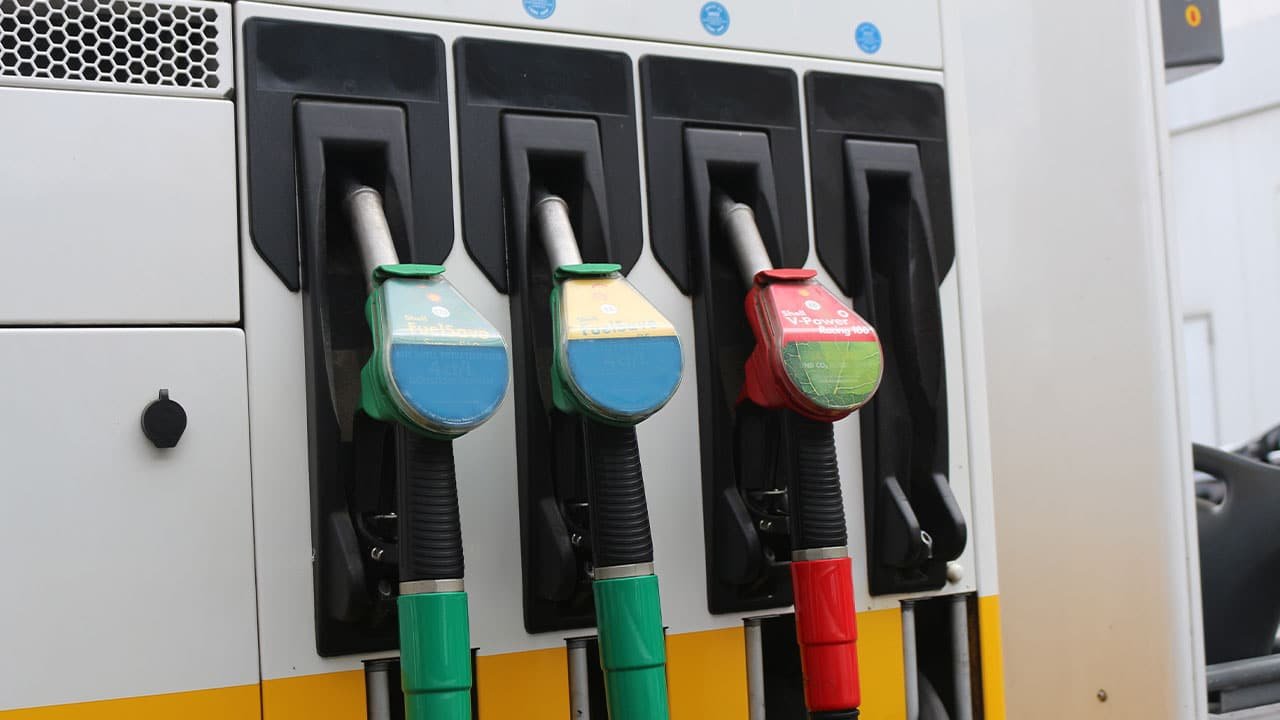
    The prices of petroleum products are expected to increase by more than Rs32 per litre from February 16th, due to fluctuations in the US dollar exchange rate. The current price of petroleum, oil and lubricants is set at Rs236.40 per dollar, which equates to Rs271.82 for the next fortnight. It’s worth noting that free-on-board Platt prices have seen a decline when compared to last fortnight’s pricing.

    Official and industrial sources have indicated that the price of Mogas is expected to increase by 12.8 per cent per litre, or by Rs32.07, resulting in a new price of Rs281.87 from the previous price of Rs249.8 per litre. The price of diesel is also set to rise by 12.5 per cent, or by Rs32.84, to reach Rs295.64 per litre, up from the previous price of Rs262.8 per litre.

    Kerosene oil is predicted to increase by 14.8 per cent, or by Rs28.05, bringing the new price to Rs217.88 per litre. Additionally, light diesel oil (LDO) could go up 5.3 per cent, or by Rs9.90, resulting in a new price of Rs196.90 per litre from Rs187 per litre set in the last review.

    According to The News, based on current government taxes and estimated Pakistan State Oil (PSO) incidentals, the prices mentioned above are projected. However, there is a possibility of the government adjusting the exchange rate to over Rs251, which could result in an increase of Rs15 per litre for both Mogas and diesel products. Moreover, the petroleum levy for diesel, currently standing at Rs40, may increase by Rs10 to reach Rs50 from February 16th.

    The government had set a target of earning Rs850 billion by imposing a petroleum levy on petroleum, oil, and lubricants. However, there is an estimated shortfall of Rs250 billion, and the authorities are hoping to collect a revenue of Rs600 billion.

    It’s worth noting that the government had implemented a significant increase of Rs35 per litre from February 1st, 2023, until February 15th. Presently, the government is charging Rs50 per litre as a petroleum levy, and the general sales tax (GST) has not been imposed yet.

    According to an official, the losses incurred by the refineries and oil marketing companies (OMCs) due to the exchange rate will be eliminated in a phased manner, as the government does not wish to burden consumers with the entire exchange rate at once.

    The federal government’s last review of petroleum product prices took place on January 29, 2021.

    At present, Pakistan is experiencing a shortage of petrol, with the province of Punjab, which has the largest population, bearing the brunt of the crisis. Petroleum dealers have been blamed for the situation.

    Additionally, it has been alleged that hoarders are stockpiling petrol in anticipation of a price hike scheduled for February 15th (today).

  • Pakistani rupee gains Rs1.28 against US dollar, closes at Rs275.30

    Pakistani rupee gains Rs1.28 against US dollar, closes at Rs275.30

    On Monday, the Pakistani rupee exhibited a slight improvement in its exchange rate against the US dollar, closing with a gain of 0.46 per cent in the inter-bank market. The local currency settled at Rs275.30 per US dollar, an improvement of Rs1.28, according to the State Bank of Pakistan (SBP).

    During the current fiscal year, the rupee has depreciated by 25.47 per cent against the US dollar. This appreciation follows a recent decline, with the rupee hitting an all-time low against the US dollar on Friday, closing at Rs276.58, a decrease of Rs5.22 or 1.89 per cent.

    Last week, the Pakistani rupee experienced a cumulative decline of 5.05 per cent. This was due to a number of factors, including low foreign exchange reserves, which decreased by an additional $592 million to reach a mere $3.09 billion.

    Additionally, comments made by Prime Minister Shehbaz Sharif regarding the challenging loan negotiation process with the International Monetary Fund (IMF) further added to investor concerns.

    Discussions with the IMF are ongoing, and reports indicate that the organization is requiring reforms and preconditions in several critical areas, including taxation, the power sector, and energy pricing. Analysts predict that the rupee will continue to face pressure until the IMF program is fully clarified.

  • Intraday update: Pakistani rupee drops to all-time low of Rs270 against US dollar

    Intraday update: Pakistani rupee drops to all-time low of Rs270 against US dollar

    According to information provided by the Forex Association of Pakistan (FAP), the Pakistani rupee depreciated by an additional Rs7.4 after falling to a record low last week, trading at Rs270 per dollar in the interbank market at approximately 1:30 pm on Monday.

    From Friday’s close of Rs262.6, this represents a loss of more than 2.5 per cent.

    The decline of the rupee was blamed on a lack of dollars by Zafar Paracha, general secretary of the Exchange Companies Association of Pakistan (ECAP). He said that the dollar supply had not been resumed. Even though there is no agreement, we do not know where the banks will obtain their supplies.

    The SBP deputy governor assured representatives of exchange businesses last week that commercial banks would be instructed to provide money to the exchange companies.

    “There is a lot of panic in the market.” If dollars are received, it will cool down a bit. “As long as the market doesn’t settle, people will not sell their remittances or export proceeds,” Paracha said.

    The current spell of depreciation came after the coalition government ended its control on dollar’s price in order to convince the International Monetary Fund (IMF) officials to revive the $7 billion loan programme.

  • ‘Misleading and incorrect’: OGRA rejects speculations about massive petrol price hike

    ‘Misleading and incorrect’: OGRA rejects speculations about massive petrol price hike

    The Oil and Gas Regulatory Authority (OGRA) on Saturday rubbished rumours about a whooping increase of Rs80 per litre in petrol price.

    “It has been observed that speculative prices of gasoline and diesel are being reported in the print and electronic media since last evening, which is misleading and incorrect,” an OGRA spokesman said in a press statement.

    He advised the elements to avoid disseminating speculative prices of petroleum products in the “public interest” by spreading misleading and incorrect information.

    Earlier, OGRA also denied reports of a shortage of diesel and gasoline in the country, saying that sufficient stocks were available. However, in line with the government’s aim to convince the International Monetary Fund (IMF), the Ministry of Finance is expected to increase the price of petroleum in the upcoming fortnightly review.

    The massive depreciation of the local currency against the US dollar in the last two days would not reflect greatly in the review due on January 31 (Tuesday) as the average exchange rate would clock in at Rs240, information gathered from the country’s oil sector showed.

    However, the fortnightly review due on February 15 may reflect a significant increase in domestic petroleum prices on account of rupee depreciation.

    Free on board (FOB) pricing will result in a significant increase in the price of fuel and gasoline in the subsequent weekly review the following week, according to The News.

    According to sources with knowledge of the situation, using FOB would likely result in an increase of Rs25 in the price of fuel. “The exchange rate would create some hike, but not so much”, they said, attributing the hike to FOB as diesel price in the international market went up to $117 per barrel compared to $114 per barrel.

  • Intraday update: Pakistani rupee drops to Rs268.30, losing more than Rs12 versus US dollar

    Intraday update: Pakistani rupee drops to Rs268.30, losing more than Rs12 versus US dollar

    Pakistani rupee (PKR) continued its downward trend on Friday, with the rupee declining over Rs12 versus the US dollar in the interbank market. The local currency was trading at Rs268.30, compared to yesterday’s close of Rs255.43 in the interbank market.

    The dollar has gained Rs30.41 in the interbank market since Thursday as exchange companies removed the dollar cap, a key demand of the IMF as part of a bailout programme agreed upon in 2018.

    PKR fell to Rs265 against the US dollar in the open market, a decline of Rs3 compared to the day before.

    The removal of the cap on the dollar rate took the currency market by surprise and resulted in extreme volatility. Experts termed it a “much-awaited adjustment” and predicted that it would help in increasing export proceeds and inward remittances through legal banking channels.

    The difference in rates between the interbank and open markets owing to the price cap removal, which had widened to Rs15 in recent months, was almost wiped out.

    The country’s foreign exchange reserves have depleted to a critical level, falling to $3.678 billion in the week ending January 20. This is not enough to finance even three weeks of imports.

    This is a developing story and will be updated after interbank closing.