Tag: PKR

  • Pakistan’s foreign currency reserves down by $328 million

    Pakistan’s foreign currency reserves down by $328 million

    State Bank of Pakistan (SBP) on April 28, revealed that the central bank’s foreign exchange reserves fell by 3 per cent on a weekly basis.

    The central bank’s foreign currency reserves were $10,558.2 million on April 23, a $328 million decrease from the previous day’s total of $10,885.7 million. according to the SBP, this decline was caused by external debt and other payments.

    Pakistan’s total liquid foreign currency reserves, comprising net reserves held by banks other than the SBP, were $16,668.2 million. Banks held a total of $6,110 million in net reserves.

    SBP’s foreign exchange reserves reached an all-time high of $20.15 billion in the week ending August 27, 2021, after Pakistan received a general allocation of Special Drawing Rights (SDRs) worth $2,751.8 million from the IMF on August 24.

    Pakistan bought $2.5 billion using Eurobonds on March 30, 2021, by offering attractive interest rates to lenders in order to enhance foreign exchange reserves.

    Read more: All banks to remain open this Saturday

    On July 9, 2019, it received the first loan amount of $991.4 million from the IMF, which helped to boost reserves. The IMF released the second loan tranche of approximately $454 million in late December 2019.
  • Pakistani rupee plunges by Rs1.05 against the US dollar

    Pakistani rupee plunges by Rs1.05 against the US dollar

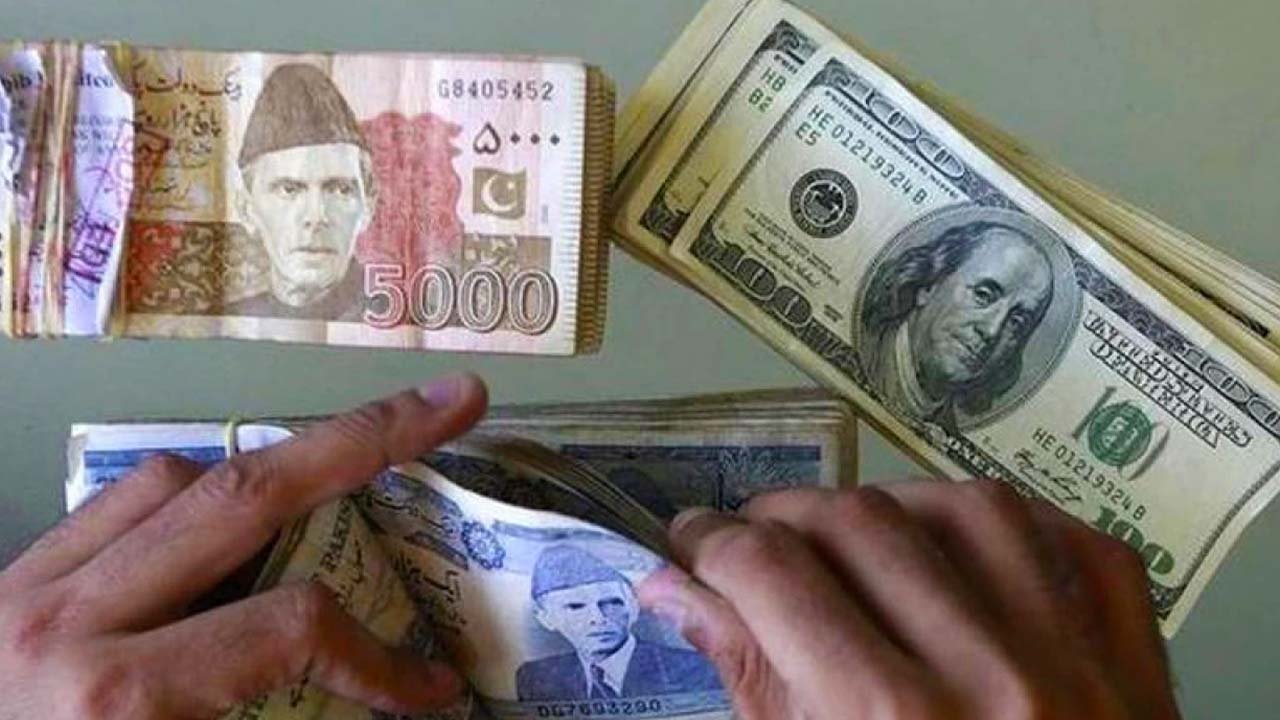
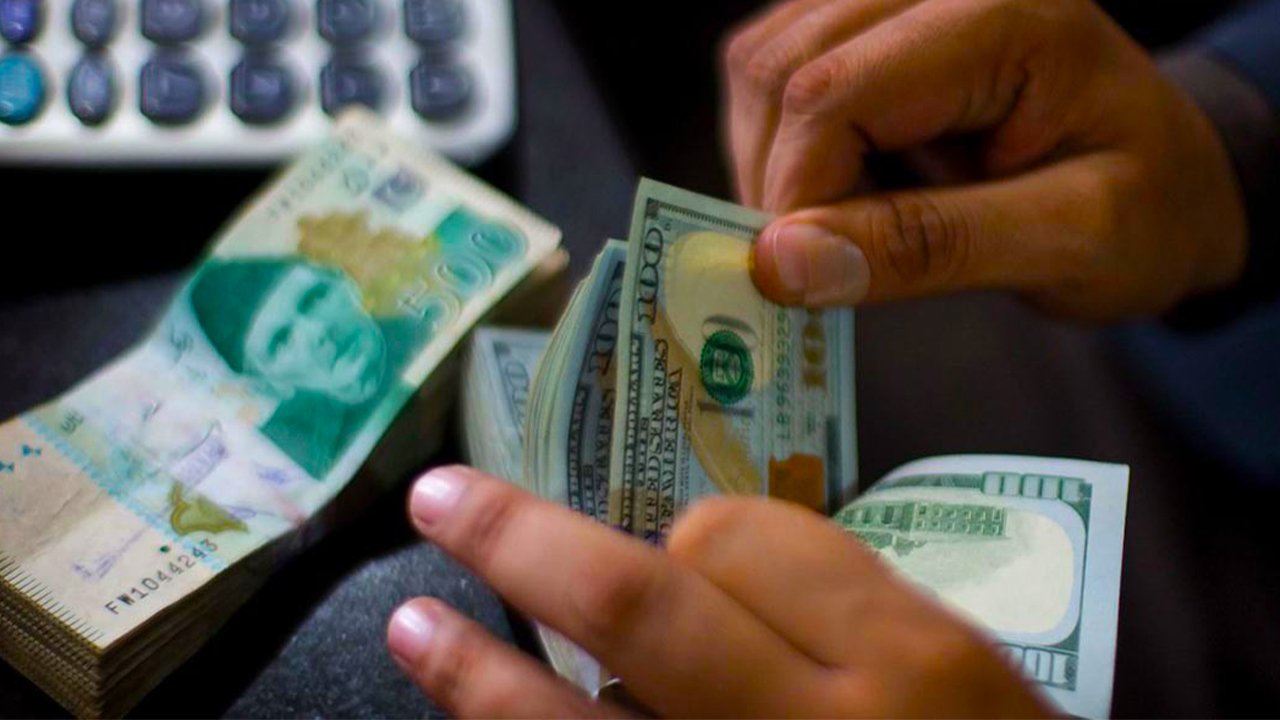
    In today’s interbank session, the Pakistani rupee (PKR) fell by Rs1.05 versus the US dollar (USD), concluding at Rs186.97 per US Dollar, compared to Rs185.92 per USD on April 20.

    The rupee had a tumultuous market session, with an intraday high of Rs187.10 and a lowest of Rs186.25. This depreciation of PKR is attributed to the country’s expanding current account deficit and dwindling foreign exchange reserves. However, the country must pay a significant amount in the final quarter of FY22, putting additional strain on the local unit.

    Pakistan’s currency has lost Rs29.42 versus the US dollar since July 21. According to data published by Mettis Global, the rupee declined by Rs10.45 in CYTD, with the month-to-date (MTD) position showing a drop of 1.87 percent.

    PKR has shed 18.56 per cent versus the US dollar in the previous 52 weeks, with a low of 186.97 today and a peak of 152.27 on May 7, 2021.

    Furthermore, the local currency has lost 10.11 per cent versus the euro since its high on May 5, 2021. Since its high on May 7, 2021, it has declined 13.24 per cent against the pound.

    Read more: PKR continues losing streak against US dollar, sheds Rs1.48

    The PKR slid Rs2.4 against the pound sterling, completing the day at Rs244.4 per GBP, down from Rs241.97 per GBP the previous session. Similarly, the PKR lost three rupees against the euro, closing at Rs204.08 at the interbank today.

  • PKR continues losing streak against US dollar, sheds Rs1.48

    PKR continues losing streak against US dollar, sheds Rs1.48

    The Pakistani currency plummeted further against the US Dollar (USD) on April 20, with losses reported on the interbank exchange. At the completion of today’s session, the Pakistani rupee (PKR) lost Rs1.48 versus the US dollar.

    It declined by 0.80 per cent versus the greenback, closing at Rs185.92, after shedding Rs1.90 in the interbank market on Tuesday, April 19th, and concluding at Rs184.44. During today’s open market session, the Indian rupee (INR) fell to an intraday low of Rs185.95 over the US dollar.

    The local currency weakened against the dollar as businesses remained under pressure amid the ongoing dialogue between Pakistan and the International Monetary Fund (IMF). The Pakistani government is likely to undertake certain difficult and problematic steps in order to revive the local economy.

    Read more: PKR declines against US Dollar after winning for a week

    Oil prices rallied following steep losses the previous day as concerns about tighter supply from Russia and Libya arose, although industry data showed a decline in US crude inventories in the previous week.

  • Gold price jumps Rs900 per tola as Rupee declines

    Gold price jumps Rs900 per tola as Rupee declines

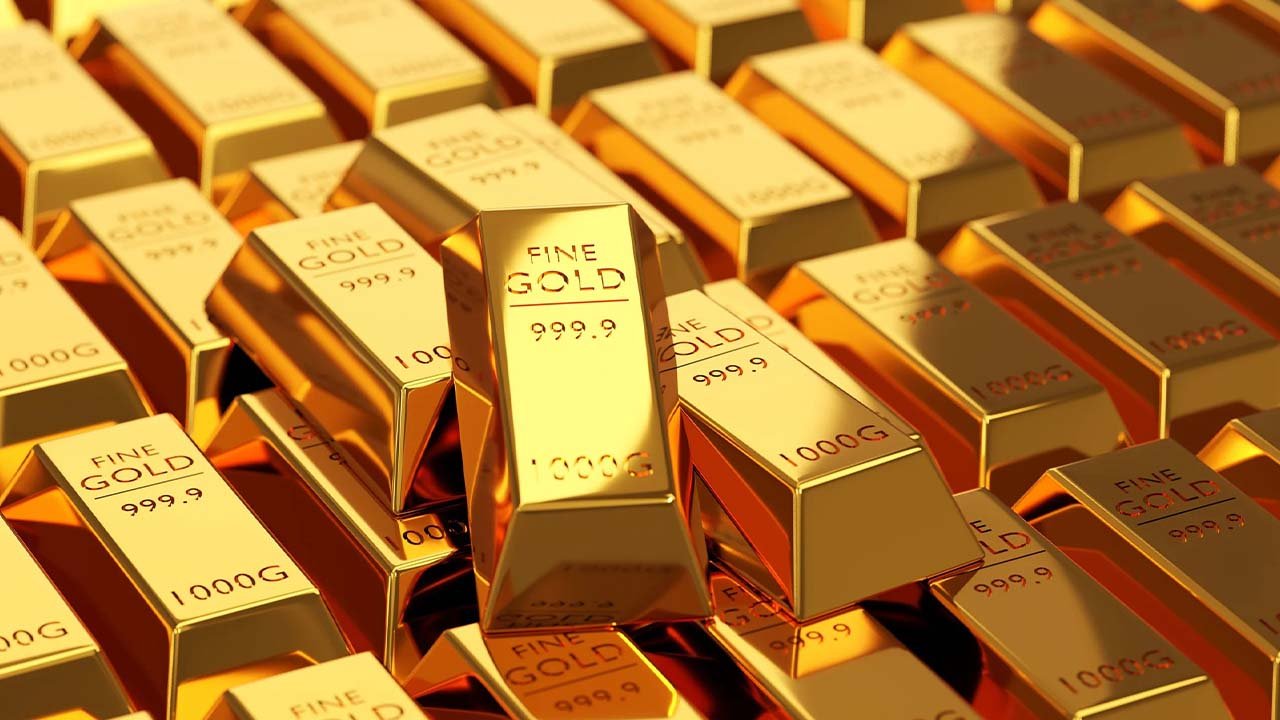
    The price of gold in Pakistan increased by Rs900 per tola as the Pakistani rupee continued its downward trend against the US dollar, crossing the Rs184 threshold in the interbank market once more. The yellow metal increased by Rs900 per tola and Rs771 per ten gramme to Rs133,300 and Rs114,283, respectively.

    Gold fell $15 per ounce on the international market, settling at $1,976 per ounce. When compared to the Dubai market, gold prices in Pakistan are roughly Rs4,000 lower.

    Silver prices in the local market, meanwhile, remained stable at Rs1,520 and Rs1,303.15.

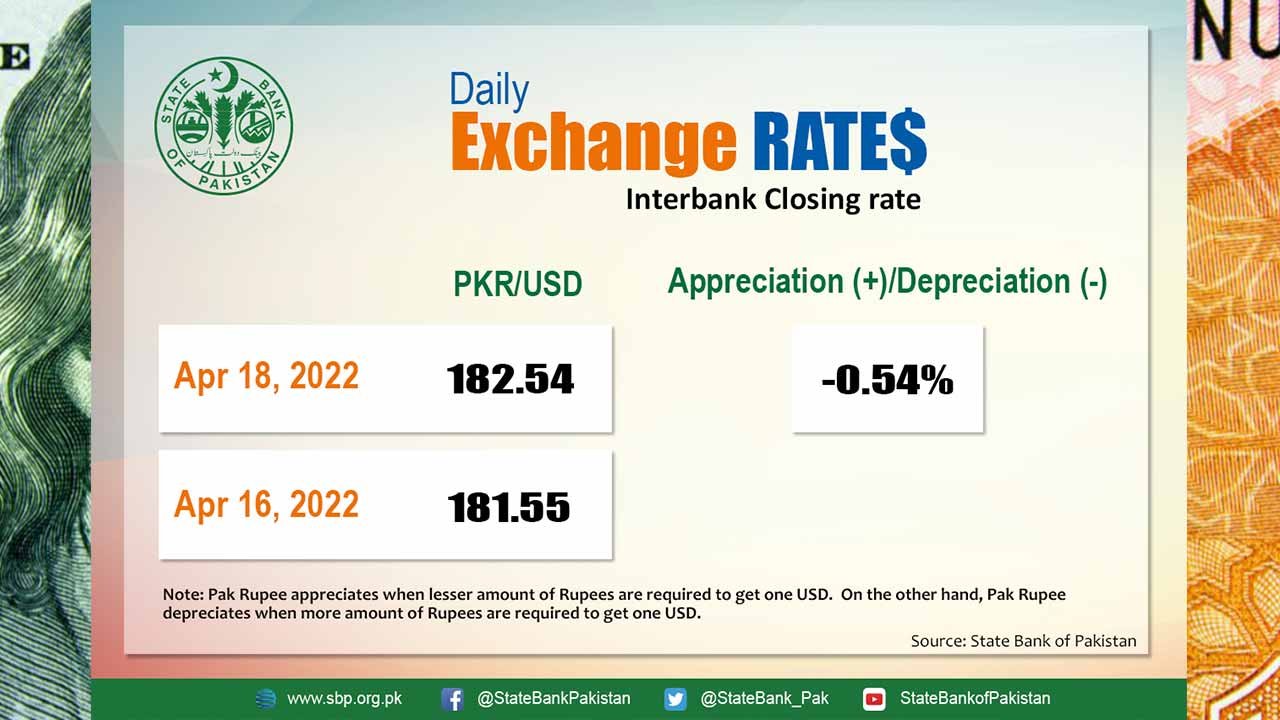
    The rupee declined by 0.54 per cent versus the US dollar, closing at Rs182.54 after winning three paisas and settling at Rs181.55 on Saturday, April 16. During the open market session, the Indian rupee (INR) touched an intraday high of Rs181.00 versus the US dollar.

    Read more: PKR declines against US Dollar after winning for a week

    The consumer market is still torn between those who see gold as a hedge against inflation, growth concerns, and high volatility in other financial markets and those who do not.

  • PKR declines against US Dollar after winning for a week

    PKR declines against US Dollar after winning for a week

    The winning days for Pakistani currency are over. On April 18, the Pakistani Rupee (PKR) overturned gains against the US Dollar (USD) and registered losses in the interbank market.

    At the completion of the session, the local currency had lost 99 paisas against the US dollar. It declined by 0.54 per cent versus the US dollar, closing at Rs182.54.

    The rupee declined by 0.54 per cent versus the US dollar, closing at Rs182.54 after winning three paisas and settling at Rs181.55 on Saturday, April 16. During the open market session, the Indian rupee (INR) touched an intraday high of Rs181.00 versus the US dollar.

    After the International Monetary Fund (IMF) decided to resume talks with Pakistan under the $6 billion Extended Fund Facility (EFF) programme, the rupee’s seven-day winning streak versus the dollar ended today.

    Considering global variables influencing the local currency, crude prices declined as concerns about slowing demand in China outweighed support despite a constrained global supply situation and the escalating Russia-Ukraine conflict.

    Read more: Global oil prices climb to highest in three weeks

    It is worth noting that the local currency has depreciated by 15.85 per cent (Rs24.98) since the beginning of the current fiscal year on July 1, 2021.

  • New bank timings announced by SBP, Saturday will now be observed as a working day

    New bank timings announced by SBP, Saturday will now be observed as a working day

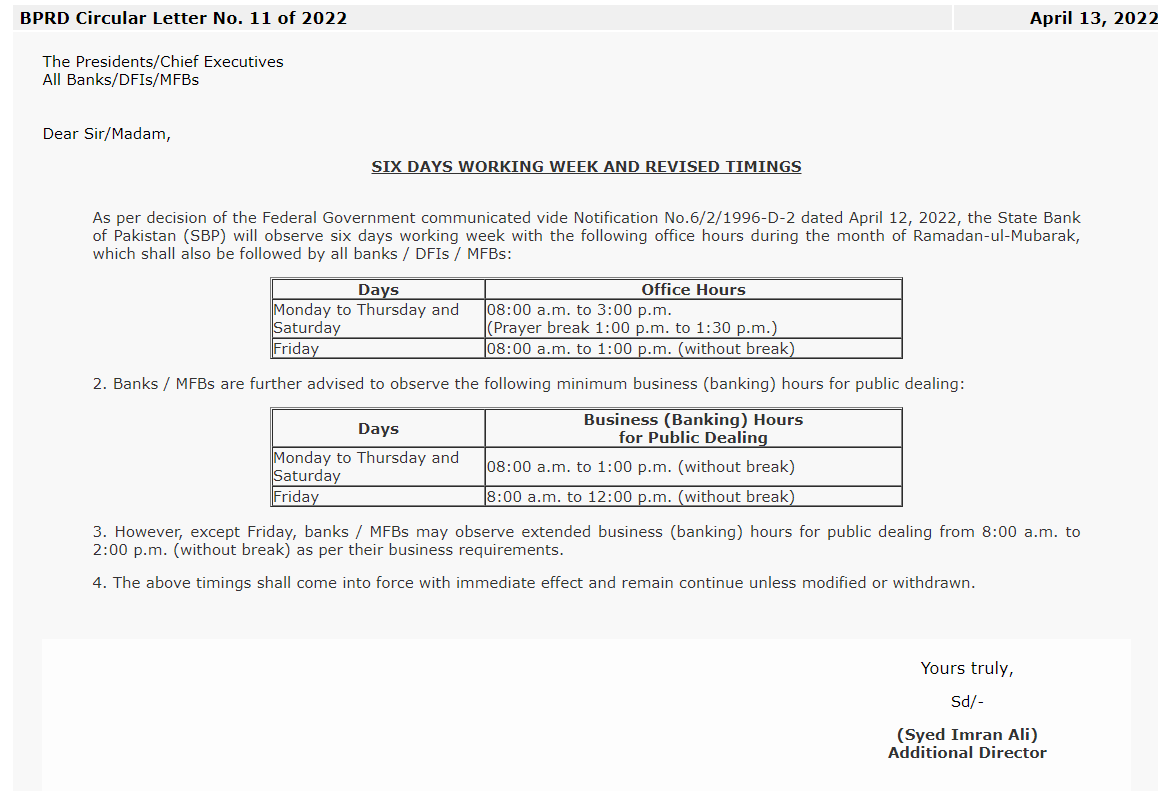
    Pursuant to the federal government’s directive issued on April 13, the State Bank of Pakistan (SBP) would observe a six-day work week with amended timings.

    During Ramzan, working hours for the central bank, development finance institutions (DFIs), microfinance banks (MFBs), and all commercial banks, are as follows:

    Monday to Thursday and Saturday from 8:00 am to 3:00 pm with a prayer break from 1:00 pm to 1:30 pm.

    Fridays: from 8:00 am to 1:00 pm without a break, according to a notification from SBP.

    Public dealing hours

    Banks and MFBs have been advised to adhere to the following public dealing business hours:

    Monday through Thursday and Saturday from 8:00 am to 1:00 pm (no break).

    Fridays from 8:00 am to 12:00 pm (no break).

    Banks and MFBs may observe longer business (banking) hours for public dealing from 8:00 am to 2:00 pm (without break) on weekdays excluding Fridays, depending on their business needs.

    The abovementioned schedule will take effect immediately and will not be changed or withdrawn unless it is amended or canceled.

  • US Dollar continues to slide, reaches Rs183

    US Dollar continues to slide, reaches Rs183

    The US Dollar fell by Rs1.43 shortly after the interbank market opened, and is now being traded at Rs183.25.

    Following days of depreciation, the Pakistani rupee (PKR) rebounded against the US dollar in the interbank market on April 11, signaling that the currency value is stabilizing.

    On Friday, the Pakistan Stock Exchange (PSX) index KSE-100 reversed course and experienced an uptrend, adding 657.75 points, or 1.50 per cent, to close at 44,444.58 points, up from 43,786.83 points the previous working day.

    The KSE-100 index began on Monday morning to strong investor optimism, following a historic weekend in which Imran Khan became the first prime minister in Pakistan’s history to be removed by a vote of no confidence, putting an end to the country’s ongoing political crisis.

    According to foreign currency dealers, the greenback is now selling at Rs183.20, after weakening Rs1.83 versus the PKR in early trade.

  • Gold loses shine, price drops by Rs2,000 to Rs132,300 per tola

    Gold loses shine, price drops by Rs2,000 to Rs132,300 per tola

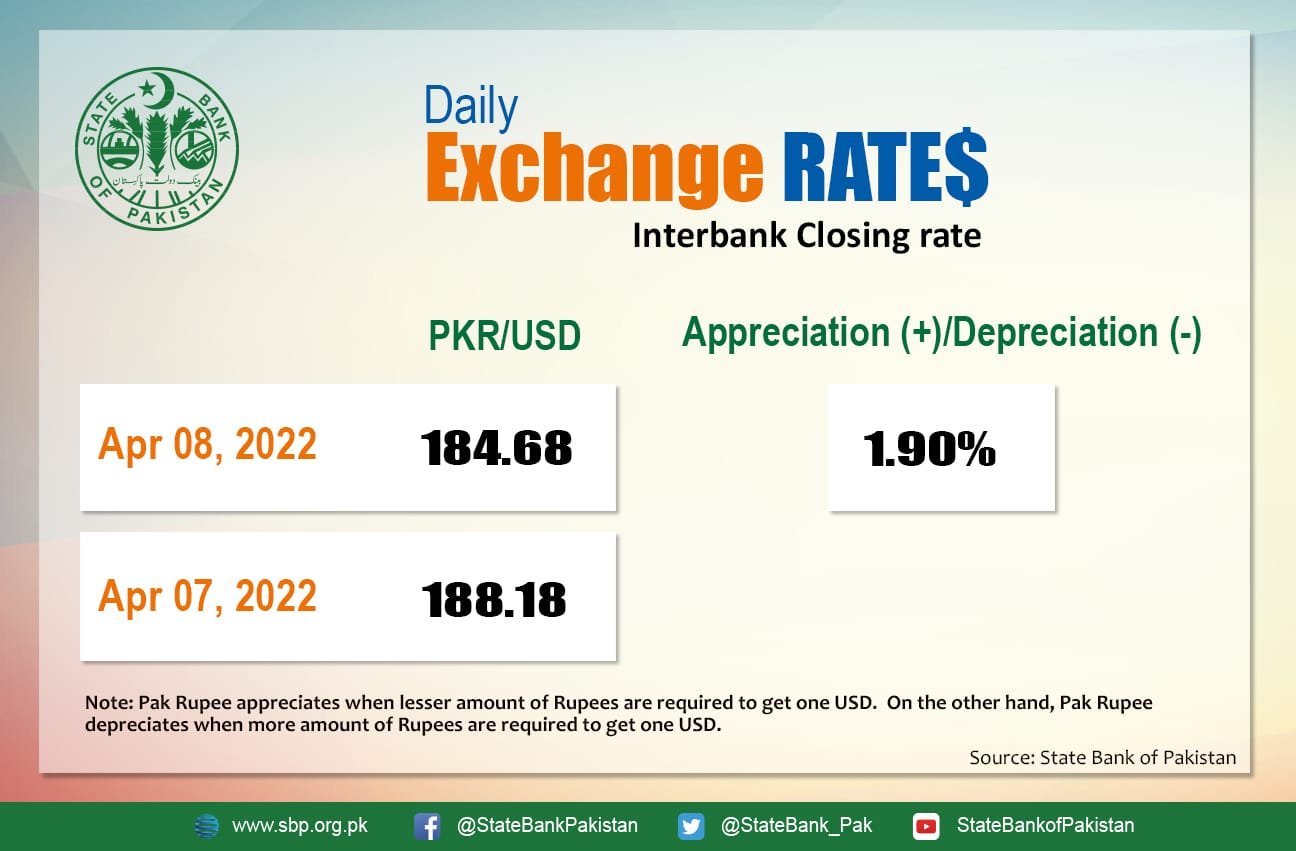
    Gold prices fell sharply in the local market on April 8, following the US dollar’s loss of value versus the rupee.

    The price of precious yellow metal dropped by Rs2,000 to Rs132,300 a tola (11.66 grams). Similarly, the cost of 10 grammes of gold decreased by Rs1,715 to Rs113,426. On the flip side, it jumped from $6 to $1,933 per ounce (28.3 gram) on the global market.

    The yellow metal in Karachi is reportedly selling for as low as Rs129,400, while 10 grams is being sold at Rs110,940. This rate for 24K gold announced by the Sarafa Bazar Association is also followed by the majority of gold markets in cities including Lahore, Islamabad, Peshawar, Quetta, and Karachi.

    The Pakistani rupee (PKR) gained Rs3.50 yesterday against the US dollar, making it the greatest single-day gain since April 2020. The local currency is currently trading at Rs184.68.

    During inter-day trading on April 7, the domestic unit crossed the Rs189 threshold, notwithstanding the political uncertainty. However, following a Rs2.5 depreciation, it concluded at Rs188.18.

    The gold correction had been overdue for a long time, since the political turmoil had created widespread panic, and individuals were transferring their capital to gold, as various rules had made it difficult for everyone to buy dollars.

  • Pakistani rupee records impressive gains against US Dollar, highest single-day gain

    Pakistani rupee records impressive gains against US Dollar, highest single-day gain

    In the intra-day trade on Friday, the Pakistani rupee (PKR) gained an impressive Rs3.5 against the US dollar, the highest single-day gain in two years after the Supreme Court (SC) pronounced the National Assembly (NA) deputy speaker order unconstitutional and restored the NA.

    The US dollar is currently trading at Rs185, as per foreign currency dealers, after weakening Rs3.5 versus the local currency in early trade. The USD is currently trading for above Rs186 on the open market.

    On Thursday, the rupee concluded at Rs188.18 against the USD in the interbank market.

    Consequently, the Pakistan Stock Exchange’s (PSX) benchmark KSE-100 index, reversed its downtrend shortly after starting on Friday and surpassed the 44,000 mark, a day after the Supreme Court of Pakistan annulled the deputy speaker’s decision against a no-confidence motion.

    Considering the trading which continued at 44, 198 on the Pakistan Stock Exchange, the KSE-100 benchmark index gained 411 points.

    The stock market has been under pressure since April 4, when it crumbled, losing over 900 points amid Pakistan’s ongoing political crisis, which arose after the National Assembly deputy speaker declared Prime Minister Imran Khan’s no-confidence resolution unconstitutional.

    SBP’s rate increase of 250 basis points and establishment of cash margins on 177 commodities is a marker that the economic system is in a slump and that prior initiatives were inadequate. This protective approach will aid in limiting the import of certain products, consequently bolstering the balance of payments.

  • State Bank of Pakistan hikes interest rate to 12.25% in an emergency meeting

    State Bank of Pakistan hikes interest rate to 12.25% in an emergency meeting

    Following an emergency meeting, the State Bank of Pakistan (SBP) raised interest rates by 250 basis points, as mounting political uncertainty and rising worldwide oil prices threaten to drive the country into a full-fledged economic catastrophe.

    The key rate is now 12.25 per cent, as per the latest statement released by the central bank on Thursday. According to the report, this makes the real rate “mildly positive” and will assist maintain external and price stability.

    The judgment came a few hours before the Supreme Court was due to rule on the constitutionality of Prime Minister Imran Khan’s disputed move to dissolve parliament and hold new elections. Pakistan may find it difficult to persuade the International Monetary Fund (IMF) to grant a much-needed loan tranche due to the political limbo.

    At the recent briefing, SBP governor, Reza Baqir, said, “We thought it’s important to take decisive action”.  He added that the body does not intend to do anything else.

    The central bank claimed that intensified domestic political turmoil contributed to the rupee’s 5 per cent loss and caused a jump in local bond rates, as well as Pakistan’s Eurobond yields and Credit Default Swap (CDS) spreads. Oil prices are likely to remain elevated, and the Federal Reserve of the United States is expected to compress sooner than expected, according to the report.

    The PKR broke all records on Thursday, selling at more than Rs189 per dollar in intraday trading in the interbank market, continuing a slump that has witnessed its decline of more than 10 per cent since March 4.

    Read more: Pakistan to import 32.7 million barrels of oil to cover petroleum needs

    Pakistan’s political instability, in addition to money from the IMF, is causing delays in a planned $1 billion green bond offering. A refinancing from China is also expected; the repayment in recent weeks caused Pakistan’s foreign-exchange reserves to plummet to their lowest level since records began in 2010.

    In a meeting last month, SBP cautioned that it might convene earlier than planned to avoid a crisis. It revised its average inflation prediction for the fiscal year ending in June from 9 per cent to little more than 11 per cent.