Tag: plastic

  • BEWARE: 19 water-bottle brands unsafe for consumption

    BEWARE: 19 water-bottle brands unsafe for consumption

    It has been long debated that there are possible health risks when it comes to consuming plastic water bottles.

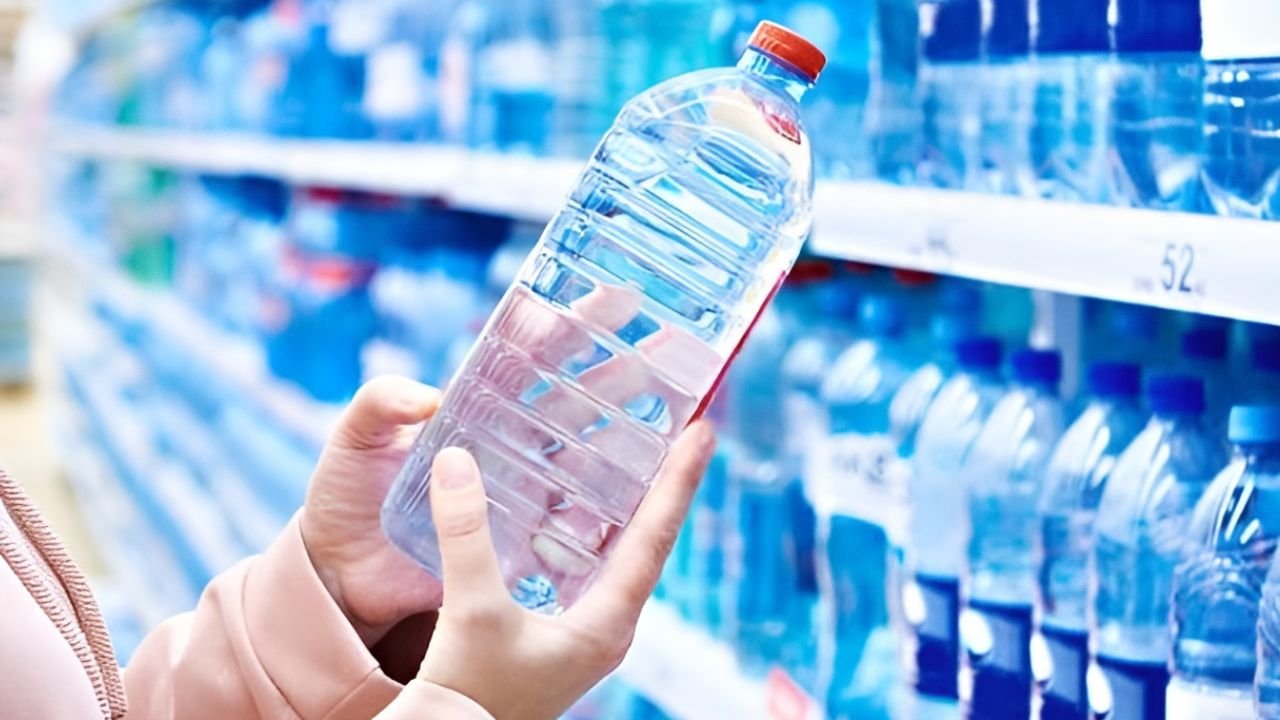
    19 brands of drinking water bottles have been deemed unsafe by Pakistan Council for Research in Water Resources.

    PCRWR has been instructed by the government to keep a track of bottled and mineral water brands on a quarterly basis, and to publicly release the results.

    185 samples of brands were collected from 21 cities from January to March, and were then tested against the water quality standards of Pakistan Standards and Quality Control Authority (PSQCA) which then revealed that 19 brands are unsafe for human consumption because of microbiological or chemical contamination.

    Six brands that are unsafe due to higher levels of sodium include Hensley Pure Water, Pure Life, Natural Pure Life, Klear, Am Mughal Pure Water and Nero.

    Nero is said to have high level of total dissolved solids (TDS) than the set limit.

    Likewise, Cleana, Orwell and Still have high level of arsenic.

    Starlay, Al-Faris Water, Nestlo Healthy Water, Nesspure, Pure Life, Natural Pure Life, Nesspak, Geo Max Premium, Cleana, Splash, Karakorum, Heavenly and 7 Bro are reportedly contaminated with bacteria.

    The public has been advised to read the report and aware themselves about the water quality of bottled water being consumed.

    The detailed report is available on www.pcrwr.gov.pk.
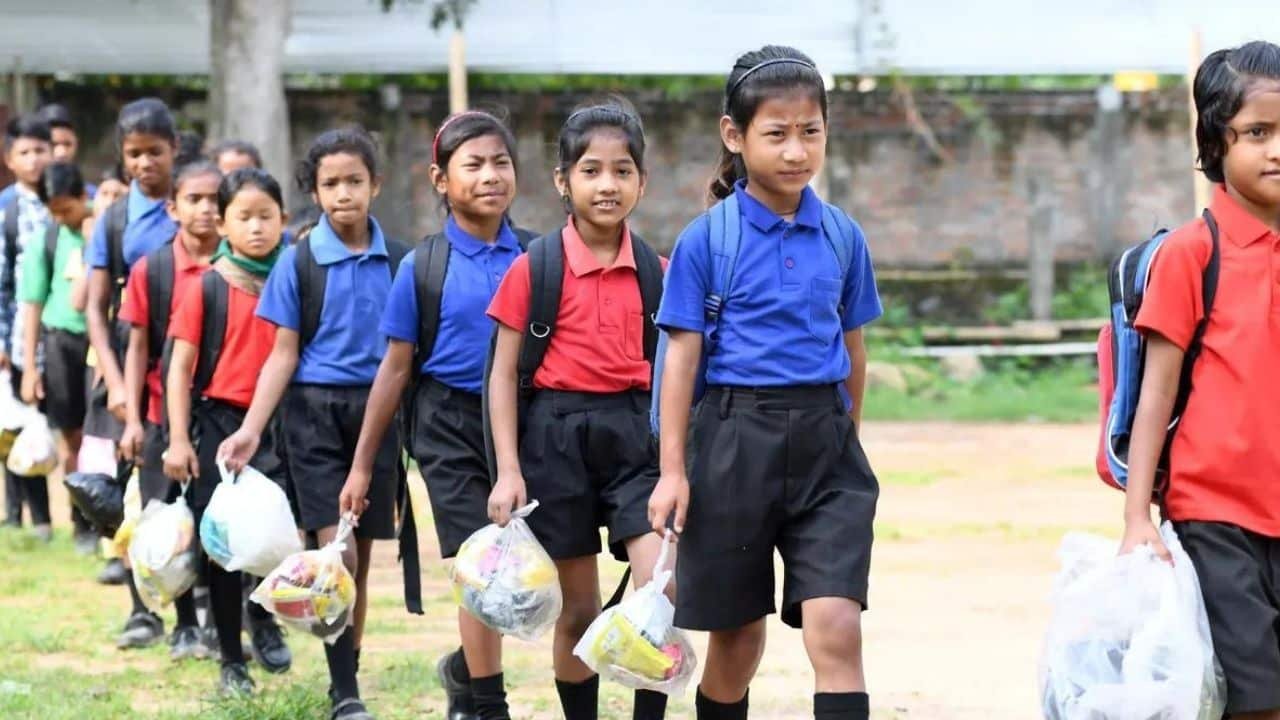
  • A school in India charges plastic bottles as fee

    A school in India charges plastic bottles as fee

    A school in India has adopted a unique means of educating underprivileged children while creating awareness about environmental concerns at the same time.

    In a remote village of the Indian state of Assam, plastic bottles are taken from children as fees.

    The school was started by a couple, Mazin Mukhtar and Parmita Sarma, in 2016 to reduce the growing pile of garbage in the village and to provide free quality education to the children.

    While no fee is taken from the students, they have to deposit 25 plastic bottles full of waste to the school every week.

    By recycling these plastic bottles and the waste they contain, roads, bricks and toilets are made.

    Older students earn a living by teaching the younger children.

    Apart from education, children are taught different languages, recycling of plastics, carpentry and gardening.

  • Japanese researchers discover microplastics in clouds

    Japanese researchers discover microplastics in clouds

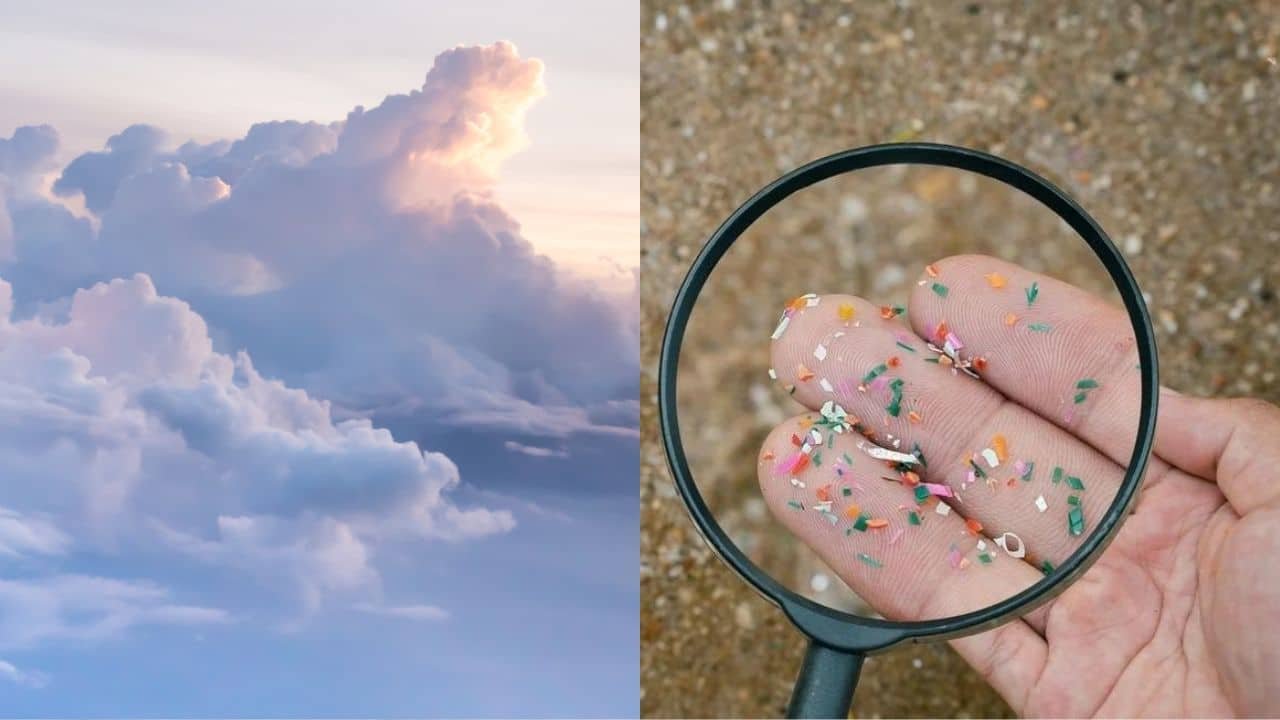
    Researchers in Japan have claimed they have discovered the presence of microplastics in clouds. These small particles of plastic are believed to be affecting the climate in ways that scientists still do not fully understand.

    According to Al Jazeera’s report, a study published in the journal ‘Environmental Chemistry Letters’ details that Japanses scientists researched the collection of water from the fog covering Mount Fuji and Mount Aoyama.

    The research team found nine different types of polymers and one type of rubber in the samples, with particles ranging in size from 7.1 to 94.6 micrometers.

    The amount of plastic particles found in each liter (0.26 gallon) of cloud water ranged from 6.7 to 13.9.

    Lead author of the study from Waseda University, Hiroshi Okuchi, has warned that if the issue is not taken into account, climate change and environmental threats could cause serious environmental damage in the future.

    What is microplastic?
    Microplastics are small plastic particles measuring less than 5 mm which come from industrial waste, textiles, synthetic car tires, and similar products.

    These microplastics have also been found inside fish in the Arctic Ocean and in frozen snow in the Pyrenees mountains between France and Spain.

    In the research report, the author said that “according to our knowledge, this is the first report of the presence of microplastics in clouds.”

    Researchers have stated that humans and animals are ingesting and/or inhaling microplastics, and these small particles of plastic have been found in various human organs, including the lungs, heart, blood and faeces.

    One million tonnes of tiny plastic particles accumulate in the ocean which are often released into the air and then into the atmosphere. Hence, microplastics have also seemingly become an integral part of clouds, potentially contaminating several things including our food and drink.

    Recent findings also show that microplastics are linked to health problems, including effects on heart and lung, as well as cancer.

  • First-ever plastic road in Punjab

    First-ever plastic road in Punjab

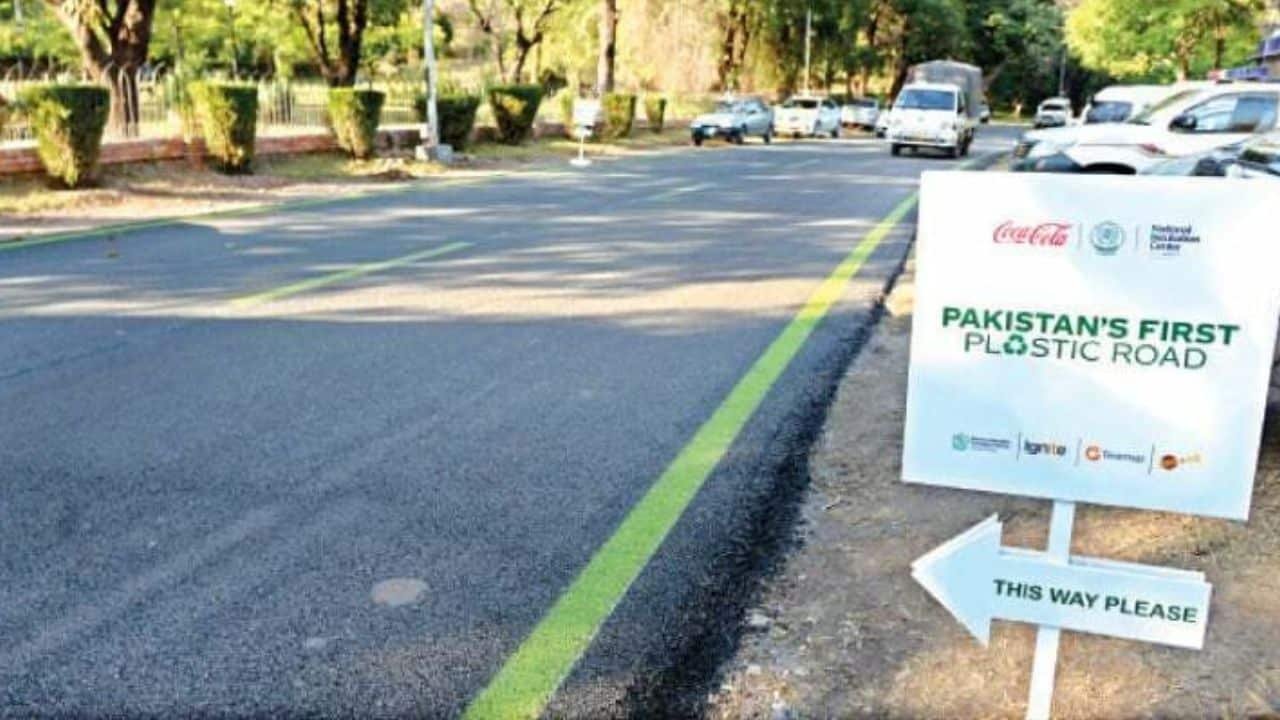
    For the first time in Punjab, a plastic road has been made. Caretaker Chief Minister Mohsin Naqvi inaugurated Zafar Ali road — from Lahore Gymkhana Mall Road to Jail Road.

    The technical assistance in the construction of this road was provided by the professors of the University of Engineering and Technology (UET).

    A plastic road is 60 per cent cheaper than a tar road and 100 per cent better in durability.

    According to caretaker CM Punjab, Rs2 crore incurred on its construction, while the cost of a tarred road of the same length would be around Rs6 crore.

    The plan for now is to convert Mall Road into a plastic road as well.

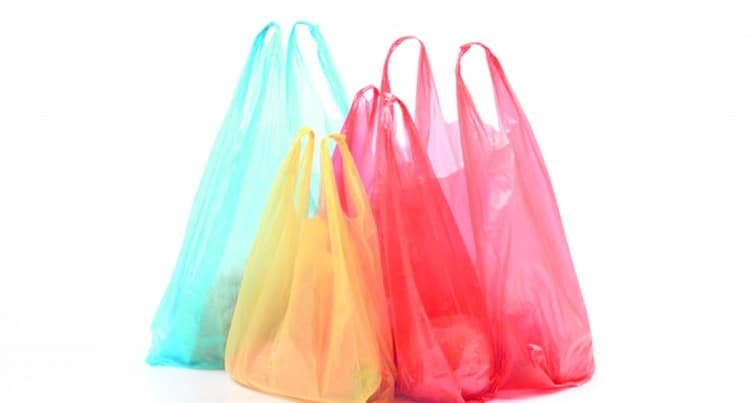
    A plastic road is made up of recycled waste, plastic bags in addition to other materials that are recycled into granules and then mixed with chemicals and a small amount of tar.

    Plastic roads do not easily get bumpy due to water and can sustain themselves for at least 10 years.

  • Shaniera Akram heartbroken over plastic mess on the beach

    When it comes to cleaning the beach and making sure it is trash-free, Wasim Akram and Shaniera Akram are on the forefront. The two have endlessly campaigned and worked towards keeping the beach clean by mobilising the government, authorities and residents of the city.

    However, this time Shaniera is heartbroken over the fact that no matter how many times they clean the beach, it becomes a mess again.

    “Every six months, we make conscious efforts to get this place cleaned up,” wrote Shaniera in a post on social media post. “We work hard to ensure there is no plastic waste lying around and polluting our beaches. Yet, even after two days of a clean-up, there is even more plastic wastage than the last time.”

    “Seeing this is heartbreaking, not only because our efforts are not showing any results but also because this plastic waste will be our downfall,” said Akram further, urging everyone to “protect the environment, recycle and reuse your plastic products, reduce your contribution to plastic waste.”

    Later, in a tweet, Shaniera urged food giants of Pakistan to take making recyclable packaging for their products.

    Last week, Shaniera penned a love letter for Karachi and expressed her love for the city by praising its resilience and diversity and comparing it to an eagle that looks into the eye without fright and remains devoted to where it belongs.

  • Karachi University student creates edible shopping bags

    Karachi University student creates edible shopping bags

    A student from Karachi University has made environment-friendly plastic from a marine plant. But that is not even the most exciting thing about it.

    What’s interesting about this type of plastic is that it’s edible. You can mix it with water or any other hot fluid and drink it without any harmful effects.

    As per reports, the plastic can be
    used for making shopping bags. When it comes to its commercial aspects, the
    only disadvantage is that it cannot hold high-temperature liquids like tea,
    because it dissolves in hot fluids.

    However, cold liquids like milk can
    be carried in these bags for a short period.

    A recent clip that is being circulated on social media shows the host mixing the plastic in the water and then drinking it to show that it does not have any side effects and can solve the pollution problem that the country is facing from excessive use of non-biodegradable plastic.