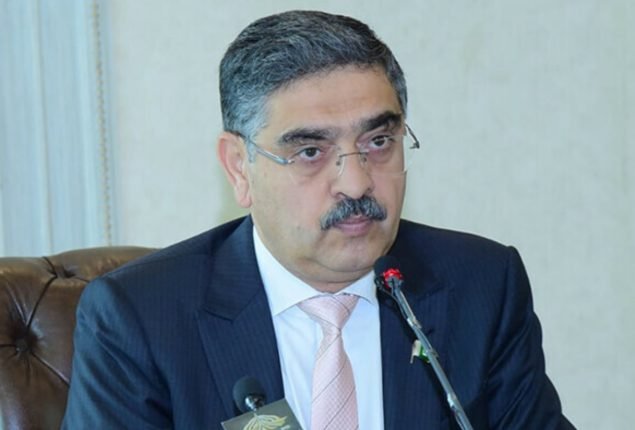
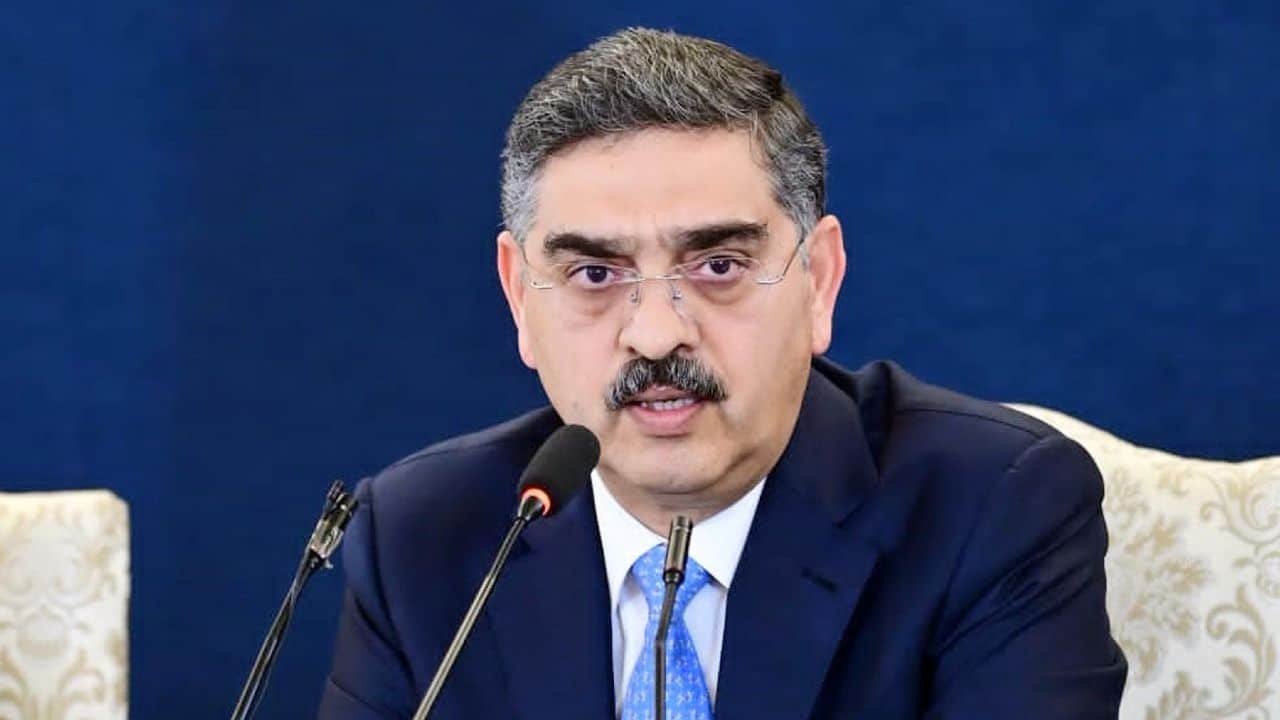
Former caretaker prime minister Anwaarul Haq Kakar was elected a senator again on Thursday.
According to the details, the unopposed election phase for seven senators from Balochistan has concluded. Following this, the returning officer has issued notifications to the successful senators who won without any opposition.
Ahmad Khan Ghilzai (JUI-F), Aimal Wali Khan (ANP) were also elected as senators.
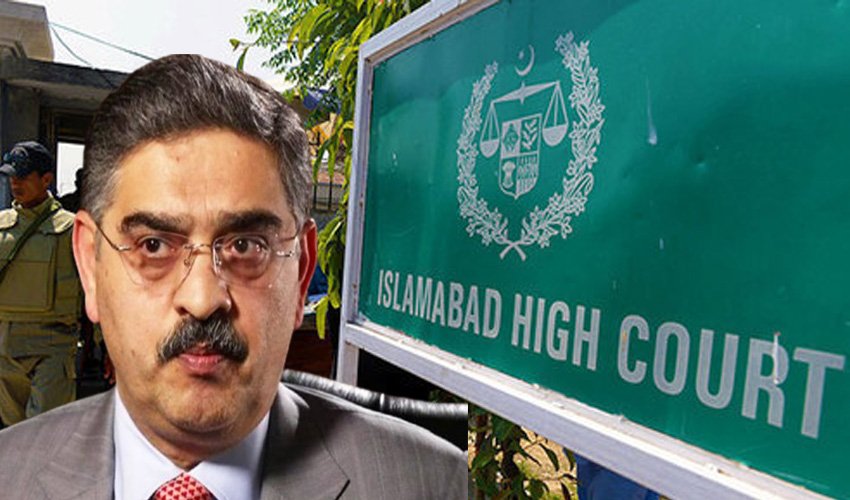
Caretaker Prime Minister Anwarul Haq Kakar has appeared before the Islamabad High Court (IHC) on Wednesday in a case related to the recovery of Baloch missing students.
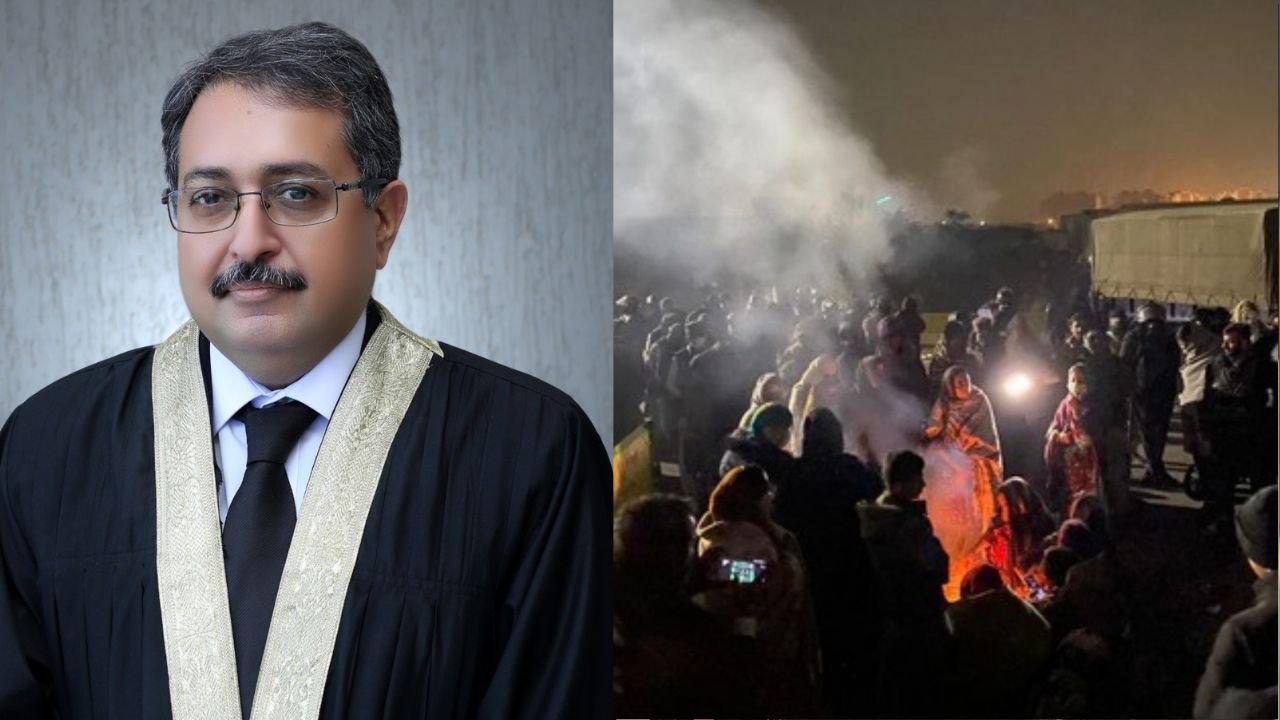
Justice Mohsin Akhtar Kayani of the IHC heard the case related to Baloch missing students when PM, Anwarul Haq Kakar appeared before the court after skipping the last two hearings.
During the last hearing, the IHC had instructed the caretaker prime minister, ministers, and secretaries to attend the next one. Additionally, they formed a three-member committee involving intelligence institutions to help find missing Baloch students.
Apart from the caretaker prime minister, the interior secretary and caretaker federal Interior Minister Gohar Ijaz have also appeared in the high court.
Islamabad High Court (IHC) summoned Caretaker Prime Minister Anwaar-ul-Haq Kakar for the third time on Monday in the case of the missing Baloch students. The court’s orders came before adjourning today’s hearing until February 28.
Justice Mohsin Akhtar Kayani, heading the bench, emphasized during the hearing that the caretaker prime minister should not perceive appearing in court as an insult.
He urged PM Kakar to prioritize appearing before the court rather than attending to other commitments, stating, “No one is above the law here.”
Expressing disappointment over PM Kakar’s absence, Justice Kayani reminded Attorney General for Pakistan Mansoor Usman Awan of the prime minister’s previous failure to attend court proceedings. The judge also inquired about the whereabouts of other caretaker ministers and secretaries.
The judge highlighted that today was the 24th hearing in the case.
“The petition was filed in 2022 and a commission had been formed. It took us two years to recover our citizens who did not even have any criminal case registered against them.
“There was no case against them — including any drug, murder, or theft case — let alone a terror case,” Justice Kayani noted. He observed that “no documents or information” was shared with the court in the past two years.
Addressing AGP Awan, he said, “You had submitted an affidavit that no person would go missing after today. [Yet] a person is missing from Islamabad’s F-6 without a first information report against him.
“The purpose of summoning the prime minister was to inquire why the state’s premier is failing in his duties,” the IHC judge said.
Interior Secretary Aftab Durrani eventually appeared before the court, addressing some concerns raised during the hearing.
Previously, Justice Kayani issued a written order summoning PM Kakar, along with the defense and interior ministers and their respective secretaries, to ensure their physical presence in today’s hearing.
During the hearing, Justice Kayani highlighted the ongoing struggle to recover missing individuals in the country, particularly the unresolved case of the 12 missing Baloch students.
He pressed the Attorney General for details regarding ongoing criminal cases and the responsibility of state institutions in enforced disappearances.
Concerns were raised about the inability of successive governments to address the issue adequately. Justice Kayani proposed forming an inquiry committee comprising representatives from relevant institutions to investigate the matter thoroughly.
The judge also criticized the notion of granting exemptions to certain institutions and emphasized the importance of accountability.
This is the second time PM Kakar has been summoned by the IHC. Previously, he was called upon on November 22, 2023, in a case filed by Advocate Imaan Mazari, but was unable to attend as he was out of the country.
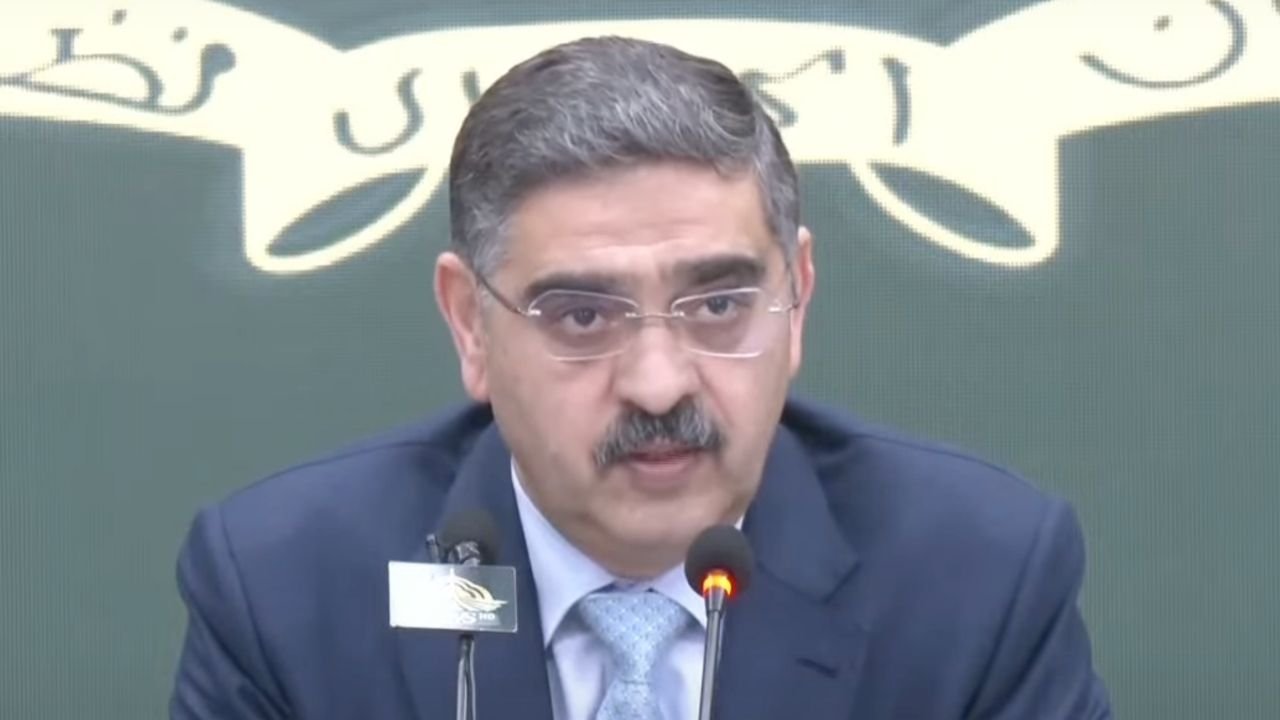
In a recent press conference, interim Prime Minister Anwaar-ul-Haq Kakar strongly defended the delay in announcing election results, citing security concerns as the primary reason.
He was asked during the press conference by a journalist, “Probably this is your last press conference, on a lighter note: who told you how long you’ll be Caretaker Prime Minister?”
To this PM Kakar said, “I am disappointed after giving you a chance. Do I have cancer? As this is my last press conference according to you.”
While discussing the disruption in mobile services, Kakar emphasized, it was a necessary measure to ensure the safety of voters and prevent terrorist attacks.
“We could afford delay, but terrorist attacks, we could not […] delay does not mean rigging,” Kakar, whose government was appointed to oversee the country through elections until an elected set-up takes charge, said during a post-election press conference.
Kakar’s remarks came amidst mounting criticism from various political parties, including Pakistan Tehreek-e-Insaf (PTI), Jamaat-e-Islami (JI), and Jamiat Ulema-e-Islam (JUI-F), who protested the delay in election results, labeling it as potential rigging.
More than three days have passed since polling day and the complete election results are still pending, with one seat yet to be decided.
The prime minister informed journalists that in 2018, the entire result-gathering process took 66 hours; however, in 2024, it was completed in 36 hours. The official Election Commission of Pakistan’s (ECP) deadline is around nine hours.
The premier compared Pakistan’s election process to that of other countries, citing instances of delayed results in Sweden and Indonesia, suggesting that such delays are not uncommon in large-scale elections.
In response to criticism from foreign governments, Kakar asserted that Pakistan would conduct its investigation if necessary, rather than succumbing to external pressures.
“These friendly countries, unfortunately, frame their initial assessment on the fabricated and fractured information available on social media and the digital space,” he said.
“A responsible government should take time and then have a position; that would have been better. If we have to investigate, we will not do it on the demand of the United States, United Kingdom, or the EU,” he further added.
Kakar noted that Pakistan has its law and will deal with it accordingly. “We did not ask a judicial inquiry on Capitol Hill riots. It is not for us to demand it and it is not for them. For me, the demand of a PTI individual than the US, UK, and EU combined.”
Acknowledging the possibility of irregularities, Kakar assured that appropriate forums were available for addressing complaints.
To a question, PM Kakar said that the upcoming elected parliament would decide about the use of Electronic Voting Machines (EVMs) in the elections. “There should be an open discussion on EVMS.”
Two days back, expressing his annoyance over the delayed election results, President Dr Arif Alvi had said that the country would have been spared the ongoing crisis if the EVMs had been used during the February 8 general elections.
Remember ‘our’ long struggle for Electronic Voting Machines. EVM had paper ballots that could be counted separately by hand (like it is being done today) BUT it also had a simple electronic calculator/counter of each vote button pressed. Totals of every candidate would have been…
It is pertinent to mention here that the ECP’s new Election Management System (EMS) fell flat despite the commission’s tall claims. Taking to his X handle, the president had said: “Had EVMs been there today, my dear beloved Pakistan would have been spared this crisis.”
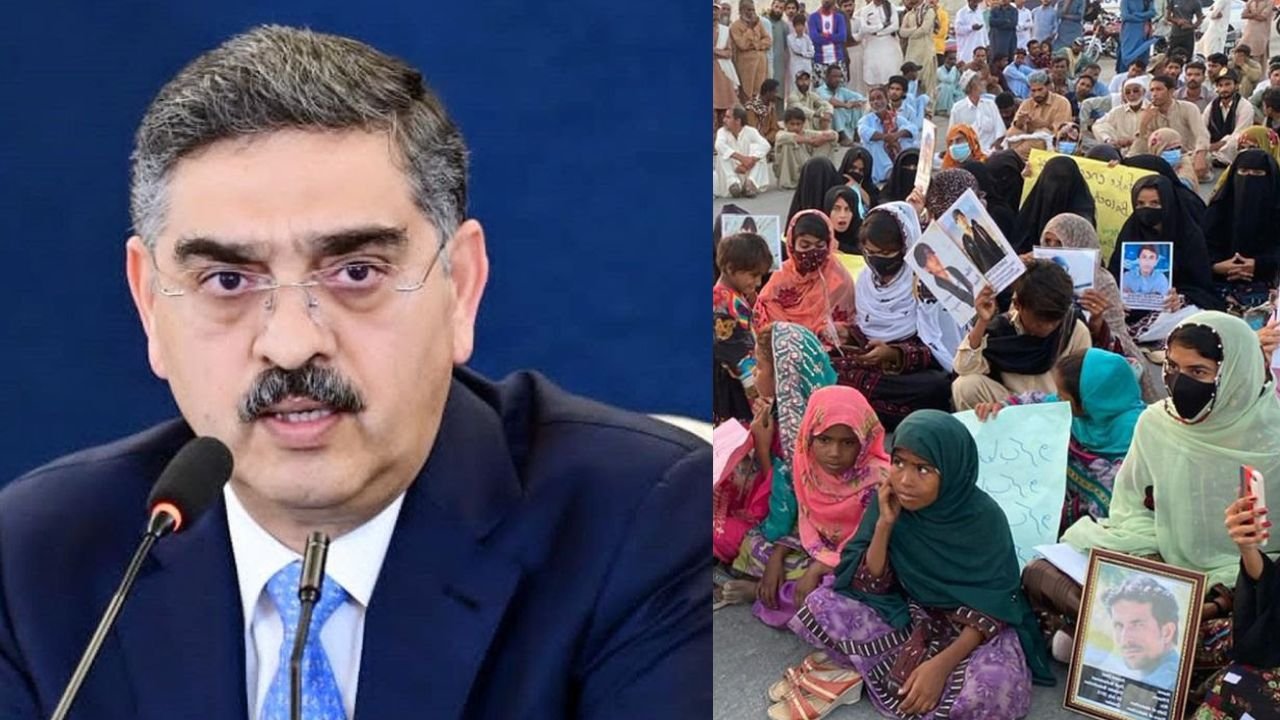
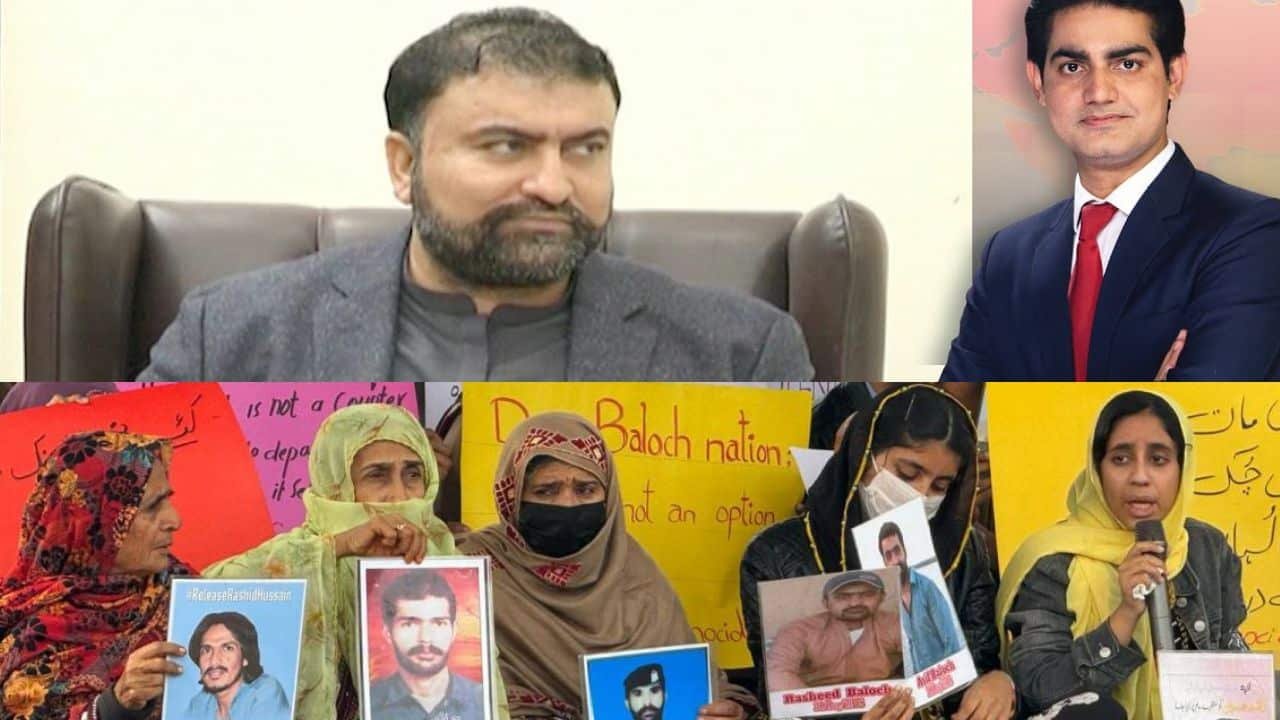
Caretaker Prime Minister Anwaar-ul-Haq Kakar criticised “elements” who are backing terrorists and militants in the name of supporting Baloch protesters demanding the release of all missing persons. The prime minister’s statement came during a press conference in Lahore as the Baloch families of missing persons protested against “enforced disappearance” and “extrajudicial killing” in Islamabad.
PM Kakar said that the state would not tolerate elements who are supporting militants and terrorists involved in the killing of individuals from Balochistan, including teachers, doctors, and lawyers.
The Prime Minister also criticised the media for portraying the Baloch families protest in an inaccurate way, but in reality, he said, Baloch stood with Pakistan.
The premier said that there was no restriction on freedom of expression and that every citizen has the right to protest within constitutional limits. “The families have the right to protest for their beloved ones, but others are just launching baseless criticism.”
However, he also said that the state won’t allow those elements who want to support militants and terrorists in the country. “Those who want to support them [armed militants] should join the camp of the militant outfits who termed terrorism as a movement,” he added. Anwaar-ul-Haq Kakar also said that the Indian spy agency, Research and Analysis Wing (Raw), is funding terrorists in Balochistan.
On the other hand, Baloch activist Mahrang Baloch tweeted on X (previously Twitter) in response to Kakar’s press conference: “From the inception of our movement, our demands have been clear: an end to all forms of human rights violations in Balochistan and the cessation of the Baloch genocide. We’ve presented these demands to the state through the media. Our stance has remained clear from the beginning – we seek negotiations with the state regarding these demands. Sadly, the world witnesses the continuous irresponsibility and stubbornness of the state, where peaceful protestors endure torture and arrests, and media trials are conducted against this peaceful movement. Today, the Prime Minister of Pakistan declared victims of enforced disappearances as terrorists, insulting victim families and addressing peaceful political activists in a threatening tone. However, we assert to this state and government that we will persist in informing the world about your oppression and barbarism.”
From the inception of our movement, our demands have been clear: an end to all forms of human rights violations in Balochistan and the cessation of the Baloch genocide. We’ve presented these demands to the state through the media.
The Islamabad High Court (IHC) raised concerns on Friday about the forced repatriation of Baloch protesters, who had experienced harsh police action the day before, back to their province.
Chief Justice Aamer Farooq heard a petition filed by Baloch protesters against unlawful detention, questioning why they were being “forcefully” sent back to Balochistan.
“They can stay in Islamabad, protest, or go back home. The choice is theirs,” remarked Justice Aamer Farooq
The police used brutal force on Wednesday night to disperse and detain Baloch demonstrators in Islamabad, who were protesting against enforced disappearances and extra-judicial killings in their province.
Over 200 protesters were taken into custody after encountering tear gas, water cannons, and police batons.
The government later claimed that more than 90 per cent of the Baloch men and women in custody had been released, except for men “who could not be identified” by the police.
However, during the IHC hearing on a petition seeking the release of detained Baloch protesters, it was revealed that over 50 Baloch women protesters had gone missing after police took action.
The court instructed representatives of the protesters and their counsel to approach the Islamabad SSP (Investigation) to record their version and sought a report from the police.
Petitioners’ counsel Attaullah Kundi and Imaan Mazari appeared before the court, explaining that the police had informed them that buses were waiting to take protesters back home.
گرفتار بلوچ طلبا کو آج کورٹ میں پیش کرنے کی جگہ، مختلف جیلوں میں شفٹ کیا جا رہا ہے۔ جبکہ 15 کے قریب ایسے طالب علم، جنہیں پولیس نے گرفتار کیا تھا، ابھی تک ان کے لوکیشن کے بارے میں کچھ معلوم نہیں پڑ رہا، جنہیں نا معلوم جگہوں پر پولیس نے شفٹ کیا ہے۔ اور ہمیں خدشہ ہے کہ ان کو اسلام… pic.twitter.com/Wk3zEa5In0
Kundi stated that the police chief had mentioned orders from the prime minister for the repatriation of protesters, and Baloch women were forcefully filled into buses. He further revealed that some Baloch students studying in Islamabad were also coerced into the buses.
The court expressed displeasure and summoned IG Akbar Nasir in response. The police chief claimed to have arranged transport for the protesters, to which the court questioned why they were sent back forcefully. Chief Justice Farooq emphasized that the protesters had the choice to stay in Islamabad, protest, or go home.
When asked how many protesters were in police custody, the IG replied that 216 Baloch men and women were at the Kohsar police station of which some had been sent on judicial remand. Out of these, 19 women were released, he added.
Protesters at the Tarnol police station were released by the local magistrate while 162 detainees were sent on judicial remand, said IG Nasir.
The court also asked about the number of women who were sent home, those released, and the ones staying at the hostel. It also directed the police chief to arrange a meeting of the women with their counsels.
“You have to convince them that not one person is missing,” Justice Farooq emphasised.
Journalist Hamid Mir and Ahmed Butt of the Human Rights Commission of Pakistan also provided insights during the hearing. Mir highlighted discrepancies in government statements, and Butt emphasized the constitutional right to protest in a democracy.
The court directed the police chief to arrange a meeting between the detained women and their counsels and ensure transparency in the process.
The IHC CJ further expressed displeasure over Wednesday night’s events, regretting the police action on protesters. “What kind of a society are we living in? Even if a common person is being unjust, public officeholders should always be careful,” he remarked.
The court then instructed Kundi to oversee the entire matter and contact the IHC registrar’s office if there was a problem. It further said that all the women staying at the I-10 hostel be released.
“I will issue a detailed order of today’s proceedings,” Justice Farooq said, adding that the next hearing would be conducted by Justice Miangul Hasan Aurangzeb.
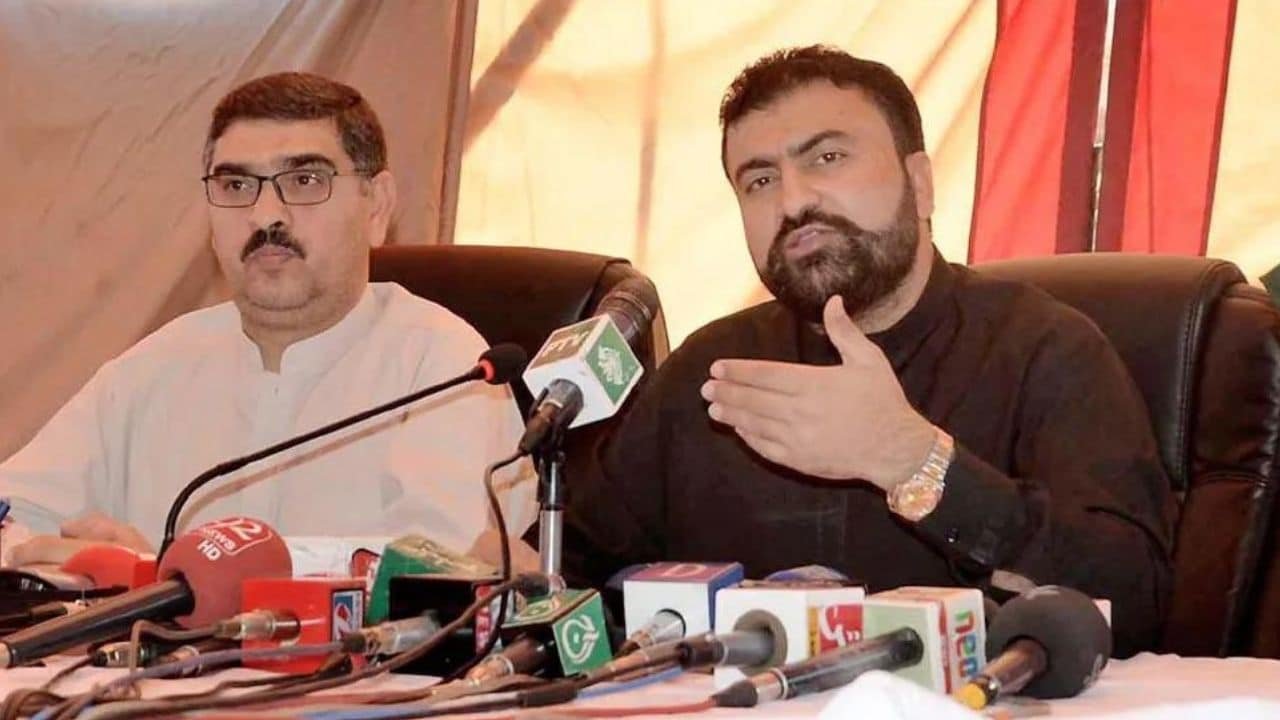
Caretaker Interior Minister Sarfraz Bugti, while addressing the issue of missing persons in Pakistan, stated that the assemblies in the country represent “legitimate voices” for separatists expressing their perspectives.
During an interview with DawnNewsTV program Doosra Rukh, Bugti delved into the complexities of missing persons cases, shedding light on the challenges faced in resolving them.
Bugti’s comments come against the backdrop of an ongoing missing persons case being heard by the Islamabad High Court.
On November 29, the court issued a warning that a case might be filed against the caretaker prime minister and others if they did not facilitate the reunion of missing Baloch students with their families.
He also emphasized the delicate nature of the missing person issue, stating, “We have a commission on this matter, and it has resolved around 85 per cent of cases.”
The commission was established in 2011 to trace missing persons and fix responsibility on the individuals or organizations responsible for it.
In the interview aired on Friday, Minister Bugti pointed out the fine line between “enforced disappearances and self-disappearance”, highlighting that the commission had encountered cases with surprising details.
“There were cases wherein people left their homes after a domestic dispute, and it transpired weeks later that they had left home themselves.”
He also noted instances where individuals lost their lives in “encounters” with security forces.
Minister added, “Then there are cases in which suspects are absconders required by a court, and their families submit pleas claiming their family member as missing to avoid court [action].”
He remarked that such cases had been reported and documented.
The Islamabad High Court (IHC) has issued a directive to the federal government, ordering the recovery of all missing Baloch students.
During a hearing related to the implementation of recommendations from the Commission of Inquiry on Enforced Disappearances, Justice Mohsin Akhtar Kayani warned that a case will be registered against the caretaker prime minister if the recovery of the students is not ensured.
Attorney General for Pakistan (AGP) Mansoor Usman Awan told the court that 22 Baloch students had been recovered and reached home while 28 Baloch students were still missing and efforts will be made to recover all the missing persons.
Referring to the missing persons, the senior judge wondered: “Are such things take place in a civilised society? Every missing person who is recovered says I don’t want to pursue the case.”
If the missing persons are not recovered, the IHC judge said he will order the registration of a First Information Report (FIR) against caretaker Prime Minister Anwaar-ul-Haq Kakar and interim Interior Minister Sarfraz Bugti.
“I am stating this in very clear words.”
The judge’s warning follows the non-appearance of the caretaker prime minister, who failed to attend the court hearing on November 29 as summoned by the IHC. The caretaker PM cited foreign trips as the reason for his absence, indicating that he is currently on an official visit to the Middle East.
Justice Kayani also held the defense secretary and the interior secretary responsible for the recovery of the Baloch students if it didn’t take place. He urged the authorities to present the missing persons in court, even if they are labeled as terrorists.
The hearing of the case has been adjourned until January 10.
Pakistan and the United Arab Emirates (UAE) signed several multi-billion dollar Memorandum of understanding (MoUs) in a range of areas on Monday.
According to the press release issued by the Prime Minister’s office, Caretaker Prime Minister Anwaar-ul-Haq Kakar and the President of the UAE Sheikh Mohammed bin Zayed Al Nahyan witnessed the signing of MoUs between Pakistan and UAE.
Chief of Army Staff (COAS) General Syed Asim Munir was also present at the meeting.
In a video message, Kakar said that the goal of MoUs is to enhance economic, regional, and strategic cooperation between both nations.
The interim prime minister extended congratulations to the people of Pakistan and the UAE, highlighting that the foundation of friendship with Pakistan was established by Sheikh Zayed bin Sultan Al Nahyan in the 1970s. He further said that this legacy has been advanced by his son, ushering in a new era of bilateral cooperation.
In a separate statement, the Prime Minister’s Office (PMO) reported that interim PM Kakar engaged in a bilateral meeting with His Highness Sheikh Mohamed bin Zayed Al Nahyan, the President of the United Arab Emirates, in Abu Dhabi. The meeting was also attended by the Army chief.
On Friday, during a session of the caretaker federal cabinet, seven Memorandum of Understandings (MoUs) for investments between Pakistan and Kuwait were granted approval.
These agreements are slated to be formally signed during the upcoming visit of the prime minister to the Gulf country, signifying a commitment to fostering economic cooperation and partnership between the two nations.
The meeting was held under the chairmanship of Caretaker Prime Minister Anwaar ul Haq Kakar.
As a result of dedicated initiatives by the Special Investment Facilitation Council (SIFC), both countries will sign MoUs encompassing a range of projects.
These projects span various sectors, including the expansion of water reservoirs, development of mining facilities, conservation of mangrove forests in coastal areas, advancements in information technology, and initiatives to bolster food security.
The prime minister, presiding over the session, directed the facilitation of collaboration with the provinces to ensure the prompt and equitable implementation of the projects.
The caretaker federal cabinet also endorsed the resolutions and actions deliberated upon during the Cabinet Committee on Legislative Affairs (CCLC) meeting held on November 14, 2023.
Additionally, it gave its approval to the determinations reached in the Economic Coordination Committee (ECC) meeting held on November 15, 2023, showcasing a comprehensive review and endorsement of key decisions across various governmental committees.