As Pakistan Tehreek-e-Insaf (PTI) goes into its third year of being in power, it becomes imperative to review its scorecard and what they have accomplished so far.
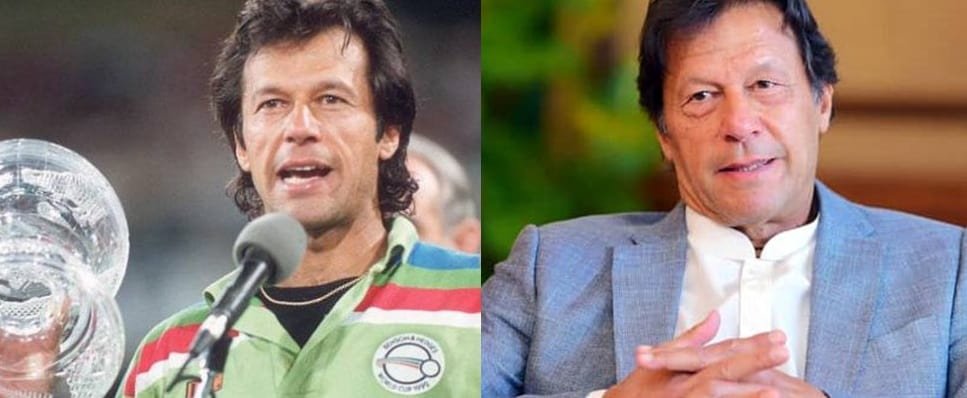
Prime Minister Imran Khan was voted into power based upon the idea of building a ‘Naya Pakistan’. The voters were inspired by a movement that calls for a more equitable approach to governance, particularly one built around the principles of Riyasat-e-Madina.
Prior to being elected, PTI promised to carry out extensive reforms pertinent to the state’s welfare should they manage to establish a government.
Governance:
The PTI government struggled to define its vision and manifest it into an actionable policy based on clear ideas and directives. The party witnessed a continuous shuffle in its cabinet members and lawmakers, sometimes blaming these frequent reshuffles on lackluster performance and incompetence. Every reshuffle saw the party falling into instability which further weakened the overall party narrative of change and transparency.
Despite having a majority, PTI failed to execute a much-needed face-lift at a provincial level. One of the ruling party’s promises before forming the government was to “spearhead the creation of a South Punjab province on administrative lines”, which is still a work in progress.
“We want to make Karachi the urban jewel of Pakistan,” the PTI stated in its manifesto. But despite their promises, several projects have yet to be completed.
PTI aimed to depoliticise the police by building upon Khyber Pakhtunkhwa’s successful police reform model, which was to be replicated nationally. In their own words, the PTI manifesto acknowledges that the police in Pakistan are ill-equipped, poorly trained, deeply politicised, and chronically corrupt. However, very little has been done to enforce the depoliticisation of law enforcement agencies in order to circumvent these deeply entrenched issues.
Reforming the civil service through transparent and merit-based recruitment with regional representation was another one of the party’s ambitious objectives. Civil service reform also included performance-based promotions and compulsory training at all requisite levels, providing equal opportunities for career advancement. Work is still underway when it comes to reforming the civil service as well.
Economy:
Under PTI governance in its first year, the economic growth rate of the country was 5.5 percent, which proceeded to drop to 1.9 percent. During the party’s second year in power, the country witnessed negative growth due to Covid-19. Pakistan’s debt grew from Rs24 trillion to Rs38 trillion in three years.
From a deficit of $8.56 billion in the calendar year 2019, the current account balance swung into a surplus of $245 million in 2020. But in the first three months of 2021 it swung back to a deficit of $274m, and then registered a further deficit of $188m in April and $632m in May.
Health:
A motion to change the name of Benazir Income Support Programme (BISP) faced resistance from the Opposition and was later abandoned. The party instead placed it under the umbrella of Ehsaas — the PTI’s flagship social safety programme.
The World Bank has listed the Ehsaas Emergency Cash programme among the top four social protection interventions globally in terms of the number of people covered. The programme distributed cash among 15 million underprivileged families after they suffered financially due to Covid-19 related lockdowns.
Prime Minister Imran Khan’s federal government expanded the Sehat Sahulat Programme on a nationwide scale.
Over the past three years, the government has announced the extension of health care coverage to journalists, Islamabad police, the transgender community, overseas labourers, and people with disabilities.
Covid-19:
National Command and Operation Centre (NCOC) led by Federal Planning Minister Asad Umar did a commendable job combating the deadly virus. COVID-19 exposed the terrible state of the health sector but NCOC managed to prop up systems on a war-footing to cope with the emergency.
Education:
Prime Minister Imran Khan said that his focus will be centered on improving public sector education, including madrassas. He also discussed providing young persons with loans to cultivate and promote entrepreneurship.
A uniform education system will be introduced in the country next year under the Prime Minister’s auspices. The Single National Curriculum (SNC) has been approved and made functional in the country for students from Grade 1 through 5. One system of Education for all, in terms of curriculum, medium of instruction, and a common platform of assessment so that all children have fair and equal opportunities when it comes to receiving a high-quality education.
In May 2019, the Ministry for Federal Education started the registration process for madrassas in the country. In October of the same year, the Directorate General of Religious Education (DGRE) was set up.
The party had promised to provide stipends for female secondary school students and to prioritize the upgrade and establishment of schools for girls.
The Kamyab Jawan Programme (KJP) was launched in October 2019. It is a small-and-medium-enterprise lending scheme, aimed at stimulating job creation and economic empowerment for young persons.
Furthermore, the Hunarmand Jawan programme is another PTI initiative that aims to promote economic emancipation amongst young people through high-quality training.
Accountability:
Prime Minister Imran Khan has been categorically saying that his government would not interfere with the process of accountability and that “every corrupt individual” would have to face justice irrespective of their status or party.
The National Accountability Bureau (NAB) has seemingly been the most active throughout PTI’s tenure. The anti-graft body had recovered 484 billion PKR over a span of two years from 2018 to 2020. On the contrary, previous governments had managed to recover a mere 290 billion PKR from 1999 to 2017.
However, the Supreme Court has criticised NAB for “selectively applying its law on individuals” and said that there is a widespread perception of the NAB laws “being employed as a tool for oppression and victimisation of political opponents by those in power”.
Freedom of speech:
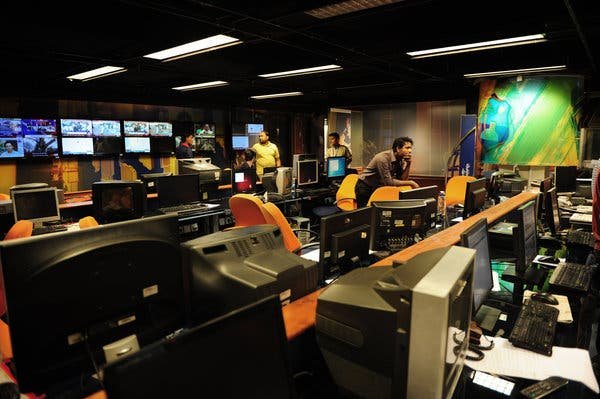
The PTI government has been determined to control the media through new laws, which will eventually span electronic, print, and digital media platforms.
Pakistan has recently been criticized both internally and externally for the issues surrounding freedom of speech within its borders.
Pakistan ranks at 142 on the Reporters Without Borders (RSF) Press Freedom Index. According to the Pakistan Press Freedom Foundation’s report, Pakistan has witnessed the murders of 72 journalists since 2002. Most of these cases remain unsolved.
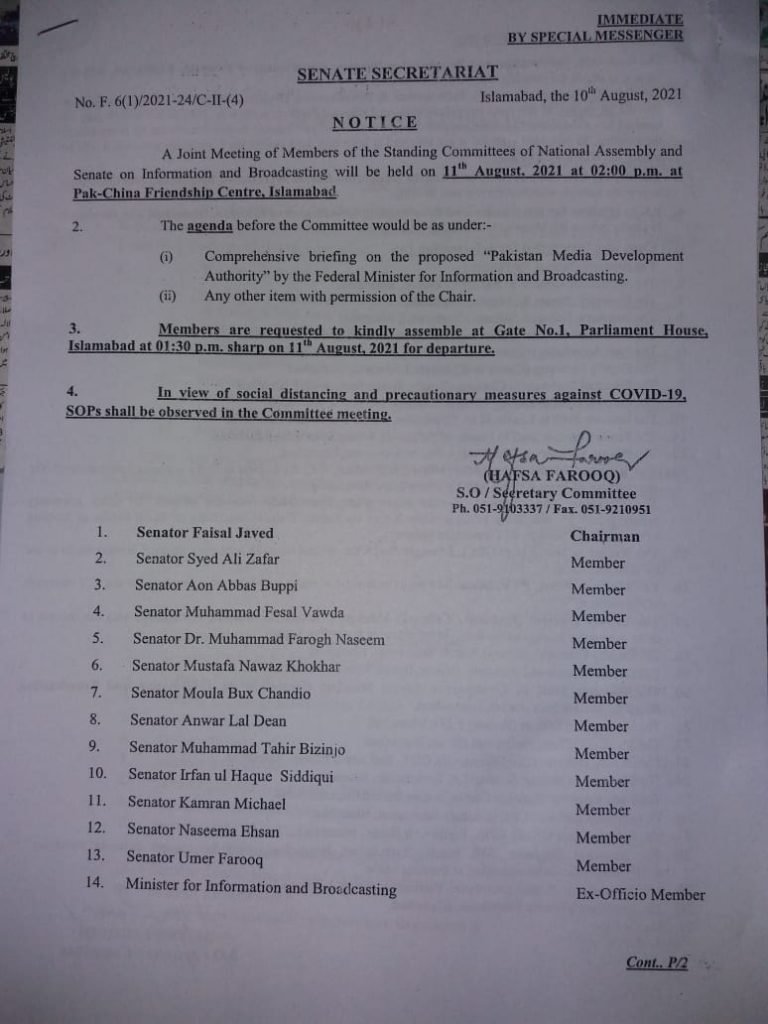
Pakistan Media Development Authority (PMDA) has been described in the Ordinance as “an independent, efficient, effective and transparent authority, which will regulate all forms of media, including digital media”.
Under the Ordinance, print and digital media organisations will also need a license to operate in the country.
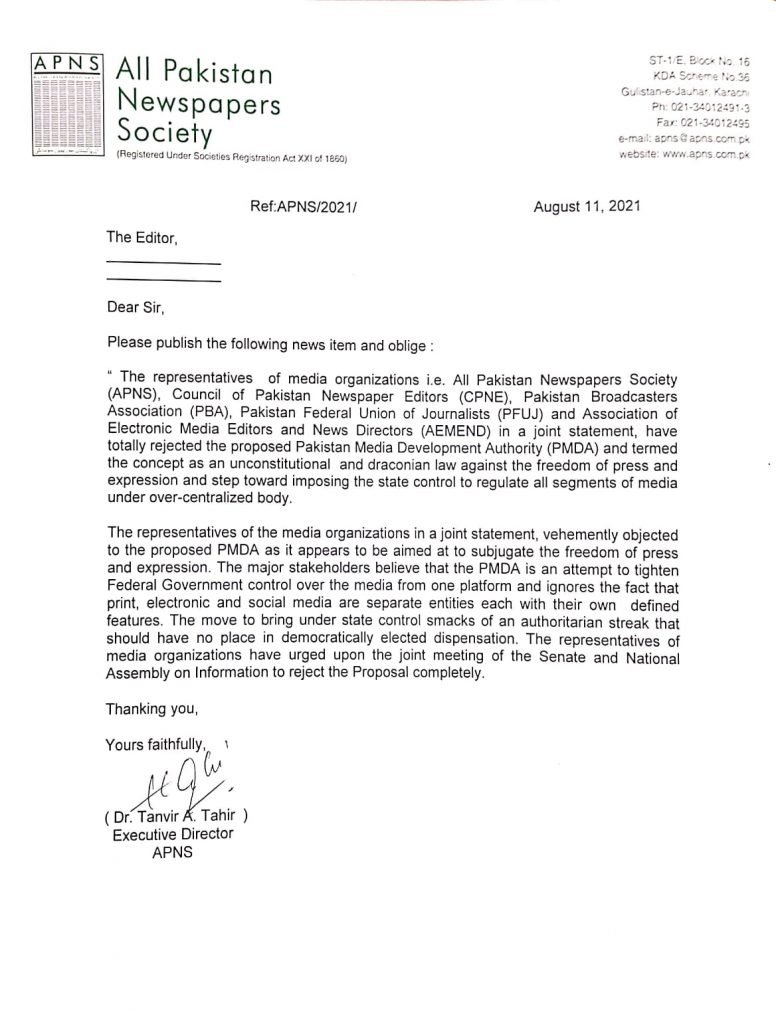
Media bodies and organisations have vehemently opposed the PMDA and criticised it.
Electoral Reforms:
PTI has worked towards electoral reforms with great vigor, stating that electronic voting is the only way to ensure transparency and prevent rigging.
Electoral reforms, electronic voting, and the voting process for overseas Pakistanis have been major projects spearheaded by PTI. The party has successfully launched electronic voting to aid the process of having smooth and transparent elections.
On June 10th, the National Assembly passed the Elections (Second Amendment) Bill which pertains to fair, free, and transparent elections through a more contemporary approach to technology.
PTI sees overseas Pakistanis as an asset to the country and has worked to involve them in the election process.