Tag: POL

  • Pakistan receives second shipment of discounted Russian crude oil

    Pakistan receives second shipment of discounted Russian crude oil

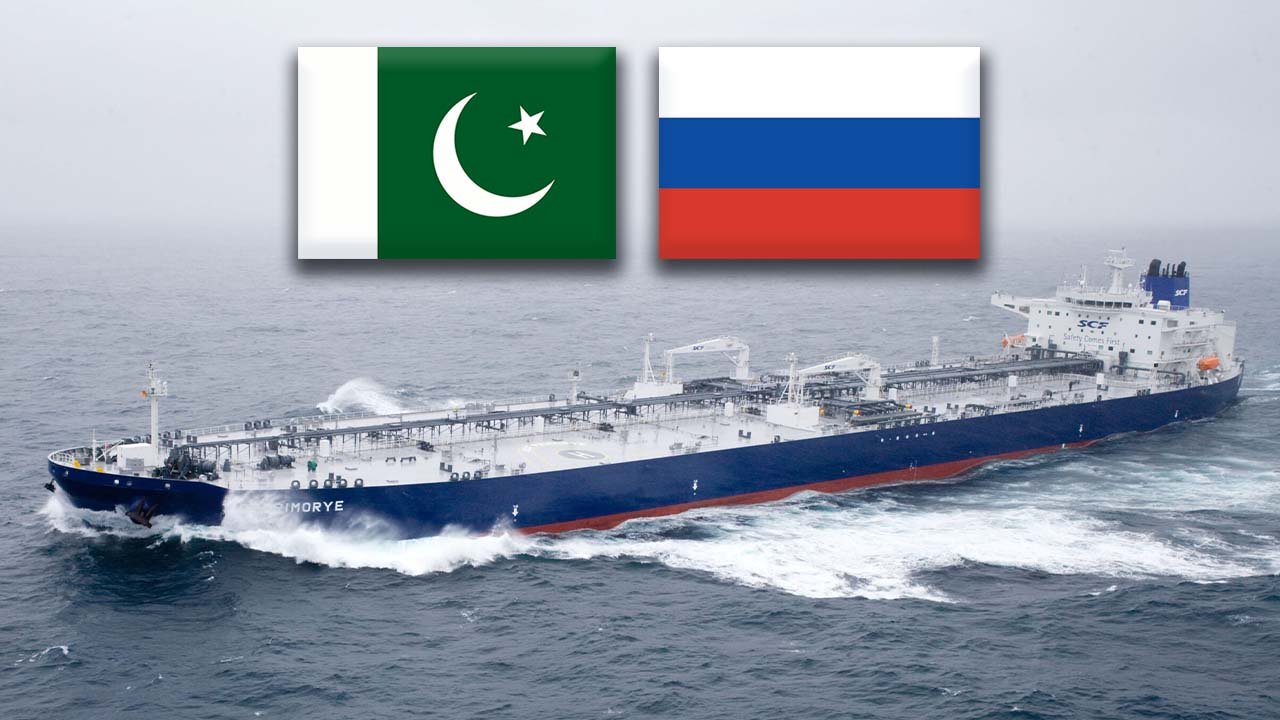
    On Tuesday, the second shipment of discounted Russian crude oil, comprising a total of 55,000 tonnes, reached the Karachi port.

    The vessel carrying Urals oil, named ‘Clyde Noble’, had been en route to the port of Karachi in the Arabian Sea, according to earlier reports from reliable sources. Once the ship’s berthing plan is finalized, it will be docked at the oil pier.

    An insider from the oil industry had previously informed The News that the vessel was expected to reach Karachi Port by Tuesday. Originally scheduled to arrive on June 20, the second cargo faced a one-week delay due to limited storage space in the tanks of Pakistan Refinery Limited (PRL).

    The PRL, being the first domestic refinery to receive crude oil from Russia under the government-led deal, encountered logistical challenges.

    Pakistan had received its initial shipment of Russian crude oil on June 12 when a tanker carrying 45,000 tonnes of crude oil docked at the Karachi port. The government had placed an order of 100,000 tonnes of Russian crude oil in April of this year after months of negotiations with Moscow to finalize the terms and conditions of the agreement.

    As per the terms of the deal, Russia dispatched the first oil tanker carrying 100,000 metric tonnes of crude, which arrived at the Omani port earlier this month.

    However, due to the Pakistani port’s limitations in handling heavy ships carrying over 50,000 tonnes of oil cargo, it was decided to transport the crude to Pakistan using smaller vessels.

    It is noteworthy that the vessel, loaded with Ural crude on April 21 at a Russian port, faced a 10-day delay due to technical issues. Subsequently, it reached Egypt’s Suez Canal on May 17, where it endured a 12-day wait in a lengthy queue before crossing the canal.

    Currently, Pakistan imports 70 per cent of its crude oil, which is refined by PRL, National Refinery Limited, Pak Arab Refinery Limited, and Byco Petroleum. The remaining 30 per cent is domestically produced and refined by Attock Refinery Limited.

    To meet the demand for petroleum products, PRL is presently in the process of refining the Russian crude oil, blending it with Arabian crude that arrived a few days ago following a PRL order.
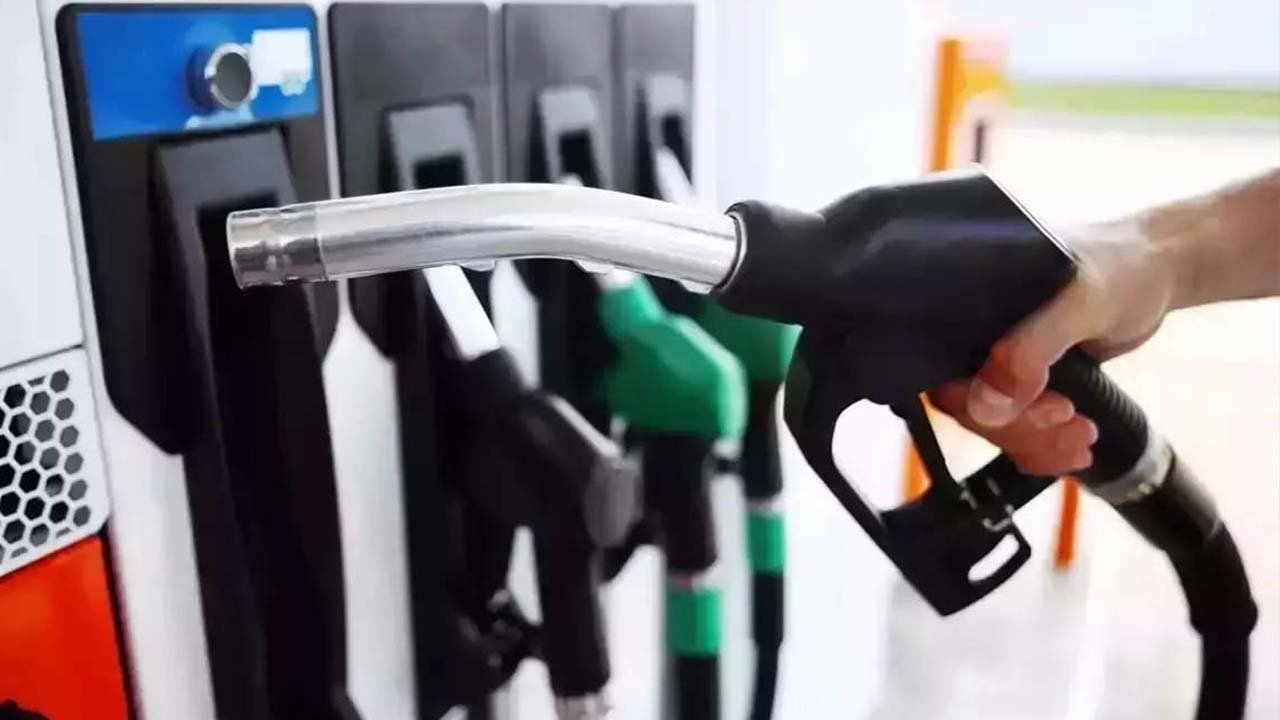
  • Pakistan seeks to import 1.5 million tonnes of petrol from UAE at a negotiated price

    Pakistan seeks to import 1.5 million tonnes of petrol from UAE at a negotiated price

    In an attempt to begin the process of signing an intergovernmental agreement (IGA), Pakistan will write to the United Arab Emirates this week. The country is looking for a government-to-government contract to import 1.5 million tonnes of gasoline annually.

    According to The News, Pakistan would import 1.5 million tonnes of motor spirit (Mogas) over a five to eight-year period, or 30 cargoes. The nation would receive two to three shipments from the gulf nation each month.

    The IGA with Oman, Qatar, Saudi Arabia, and some other nations has already been signed by the energy ministry. UAE will receive the same contract. Both nations will begin negotiating the GtG deal for the import of petrol, crude oil, and jet fuel once the agreement is finalised.

    Leading representatives from both sides agreed to sign a GtG agreement for the import of petrol, crude oil, and jet fuel at the Abu Dhabi negotiations held in the first week of the current month.

    This will enable Pakistan to have a sufficient supply of petroleum products.

    ADNOC (Abu Dhabi National Oil Company), on behalf of the UAE, and Pakistan State Oil (PSO), on behalf of Pakistan, will begin negotiations for a commercial deal on a going-to-market basis after the IGA has been finalised and signed.

    Before December 31, 2022, Pakistan wants both IGAs and business agreements signed so that beginning in January 2023, oil imports from the UAE could begin on a GtG basis.

    Under the terms of the GtG agreement, PSO obtains diesel from KPC (Kuwait Petroleum Company) and pays significant premiums for gasoline purchased on the open market, which is determined by the costs of goods on the global market.

    Now, as part of the GtG agreement, PSO would purchase gasoline from ADNOC at a negotiated rate. Additionally, because the nation’s refineries typically meet jet fuel needs, PSO would also import it as needed.

  • Govt increases petroleum levy by Rs14.84 to Rs47.26

    Govt increases petroleum levy by Rs14.84 to Rs47.26

    The government has increased the Petroleum Levy (PL) on petrol by Rs14.84 to Rs47.26 per litre, while decreasing it on diesel, with immediate effect from October 16, 2022, maintaining the prices at Rs224.80 and Rs235.30 per litre, respectively. From October 1, 2022, the PL for petrol was Rs32.42.

    The rise in the petroleum levy on Mogas was enforced in response to the IMF’s concerns after the finance ministry lowered the levy on petrol by Rs5 to Rs32.42 per litre on October 1, 2022, from Rs37.42.

    According to Geo, Pakistan has to raise Rs850 billion in income during the current fiscal year by increasing the Petroleum Levy to Rs50 per litre on petrol and diesel.

    However, it has lowered the diesel levy by Rs5.44 to Rs7.14 per litre beginning October 16, 2022. From October 1, 2022, the petroleum levy on diesel was Rs12.58 per litre.

    Currently, the petroleum duty on HOBC is Rs30 per litre, kerosene oil is Rs8.90 per litre, light diesel oil is Rs1.59, and E-10 gasoline is Rs23.21 per litre.

    The inland freight equalisation margin (IFEM) on gasoline was cut by Re0.52 to Rs2 per litre from Rs2.53.

    The district margin, which includes the extra margin on petrol, is Rs3.68 per litre, while the dealer margin is Rs7 per litre.

    IFEM on diesel has risen by Re0.07 per litre to Rs1.83 from Rs1.76 per litre. The dealer margin on diesel is similarly Rs7 per litre, while the district margin, including extra margin, is Rs3.68 per litre.

  • Govt increases petrol price instead of decreasing, new rate stands at Rs237.43 per litre

    Govt increases petrol price instead of decreasing, new rate stands at Rs237.43 per litre

    The government officially announced the amended prices for petroleum products on Wednesday after a delay of almost a week, notifying consumers of an increase of Rs1.45 in the price of petrol.

    According to the notification, the price of gasoline has gone up from Rs235.98 to Rs237.43, while the price of high-speed diesel (HSD) has remained the same at Rs247.43.

    Light diesel oil’s price has dropped from Rs201.54 to Rs197.28 by Rs4.26, and kerosene’s price has dropped from Rs210.32 to Rs202.02 by Rs8.3.

    According to initial reports, the cost of petroleum products were expected to decrease from Rs235.98 per litre to Rs226.36 per litre on Friday, September 16, after a reduction of Rs9.62 per litre for the next two weeks.

    The new petroleum prices were expected to be revealed on September 16, but the administration postponed the announcement.

  • Govt raises petrol price by Rs6.72 to Rs233.91 per litre

    Govt raises petrol price by Rs6.72 to Rs233.91 per litre

    Despite several reports of an expected decrease in prices of petroleum products, the government increased the price of petrol by Rs6.72 per litre and decreased the price of high-speed diesel (HSD) by Rs0.51 and kerosene oil by Rs1.67 per litre.

    The price of light diesel oil (LDO) was raised by Rs0.43 per litre by the government.

    Prior to this, the coalition administration had decreased the cost of petrol and LDO starting on August 1 by Rs3.05 and Rs0.12, respectively.

    However, starting on August 1, 2022, the government had increased the price of HSD by Rs8.95 per litre and kerosene oil by Rs4.62 per litre.

    With the most recent announcement, the price of petrol has gone up from Rs227.19 per litre to Rs233.91 per litre, and that of LDO has gone up to Rs191.75 from Rs191.32 per litre; and that of HSD has gone up to Rs244.95 from Rs244.44.

    Kerosene oil is now available for Rs199.40 per litre as opposed to its earlier price of Rs201.07 per litre.

    The rapid depreciation of the rupee against the dollar had previously also been a significant determinant of oil prices.

    The standing of the rupee against the dollar had improved recently. In spite of this, the cost of gasoline had increased.

    Additionally, there had not been a significant decrease in the cost of diesel, which is widely used in the nation’s transportation and agricultural sectors.