Tag: police department

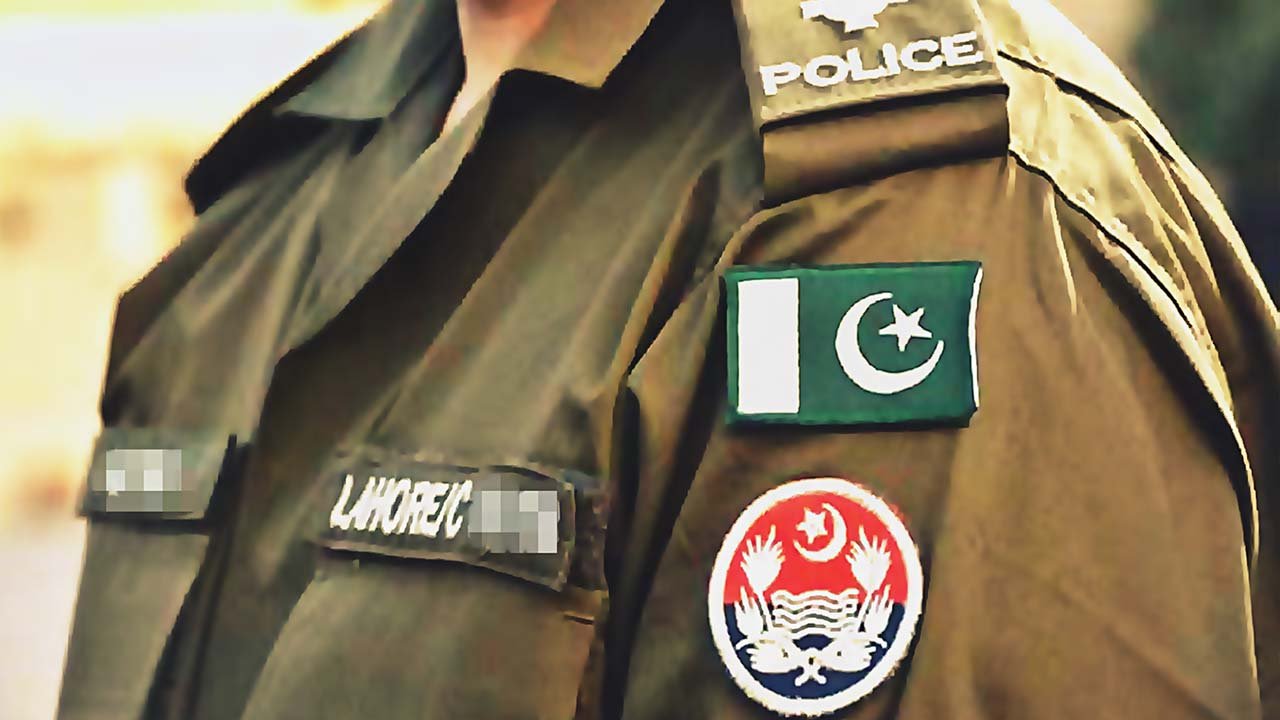
  • Punjab police allocates Rs400 million for police force healthcare

    Punjab police allocates Rs400 million for police force healthcare

    Inspector General Police Punjab, Dr Usman Anwar, announced that an estimated amount of Rs300 to 400 million will be allocated towards the healthcare welfare of the police force. This funding will cover all essential medical tests and treatments for conditions such as heart diseases, kidney ailments, and other vital organ disorders.

    Dr Anwar conveyed this message through a video addressed to the police force on Monday, emphasizing the importance of health screening and the provision of medical facilities. He informed that 50 per cent of the constabulary has already undergone health screening, with certain districts achieving 100 per cent completion. The Inspector General commended the District Police Officers (DPOs) responsible for ensuring the health screening of the constabulary in their respective districts.

    During the health screening process, employees were made aware of previously undetected diseases, including hepatitis B and C. Dr Anwar assured that a treatment for Hepatitis C has been discovered, and the department will provide free treatment to all affected employees suffering from the disease.

    Regarding hepatitis B, he mentioned that a permanent cure has not yet been found, but supportive treatment options are available to benefit affected employees. In order to safeguard the remaining police force and their families from this disease, it has been decided to administer vaccinations. The police department will bear all expenses associated with this initiative.

    Dr Anwar highlighted the safety of the vaccine, stating that he will personally receive the vaccination as a testament to its reliability. These measures are being taken to prioritize the health, well-being, and treatment of police personnel. He urged the police force to stand united as an impenetrable barrier against criminals, oppressors, and terrorists. The primary duty of the police force, as stated by the Inspector General, is to protect the lives, properties, and dignity of Pakistani citizens.

    In a separate development, a sum of Rs200,000 has been allocated from the welfare fund of Punjab Police for the medical treatment of the mothers of two martyrs from the Lahore Police, Constable Ghulam Murtaza and Constable Ali Raza. Additionally, a medical grant of Rs100,000 has been approved for ASI Qadeer Akhtar of Multan Police to cover the expenses of his brain surgery.

    Furthermore, the Inspector General has authorized an honorarium for the staff working in training colleges and schools throughout the province. An amount of Rs1.25 crore will be distributed among the staff members in training institutes located in Lahore, Sihala, Multan, Rawalpindi, Farooqabad, and Sargodha.

  • Buzdar changed 3,000 officers in his tenure as CM

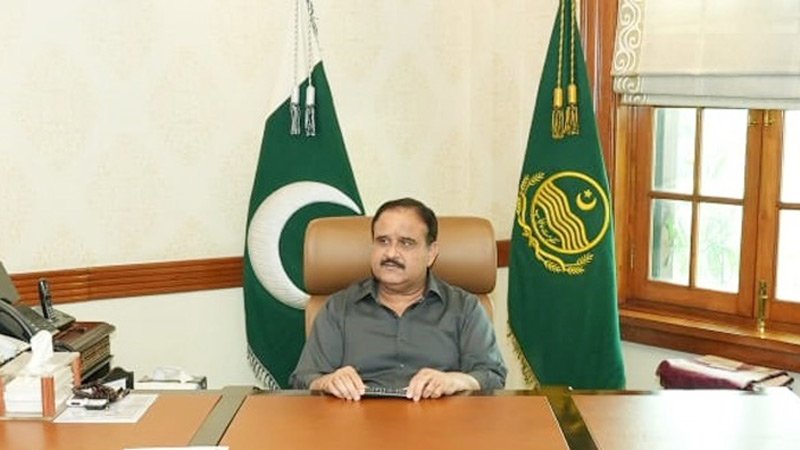
    Buzdar changed 3,000 officers in his tenure as CM

    During a three-and-a-half-year tenure, former Punjab Chief Minister (CM) Usman Buzdar transferred over 3,000 officers in violation of both the tenure policy and the Supreme Court’s (SC) judgment in the Anita Turab case, reports The News.

    In Anita Turab’s case, the apex court barred the government from transferring officers before the completion of their tenure.

    In the Anita Turab case, the SC had laid down the several principles to save the government servants from politicisation. Appointments, removals and promotions must be made in accordance with the law and the rules. Secondly, when the ordinary tenure for a posting has been specified in the law or rules made thereunder, such tenure must be respected.

    According to the news outlet, there have been no suo moto notices and no punishments for the violators.

    Moreover, it has been reported that the Buzdar government transferred around 1,100 secretaries, Director Generals (DG), commissioners, Deputy Commissioners (DC) and additional deputy commissioners in Punjab.

    In the Police Department, there were more than 1,900 senior police officials, including Deputy Inspector General (DIGs), regional police officers, city police officers, district police officers and Sub-Divisional Police Officers (SDPOs), who were transferred.

    The record reveals that Lahore, Gujranwala, Pakpattan and Dera Ghazi Khan were the major districts that were the focus of these changes where maximum numbers of transfers and postings occurred.

    It is pertinent to mention that during Buzdar’s tenure Punjab saw five chief secretaries and seven inspectors generals of police which has never happened before.

    In 36 districts of Punjab, the Buzdar government transferred 198 deputy commissioners in three and a half years. On average, 5.5 DCs were changed in every district during the PTI-led government.

    Dera Ghazi Khan and Gujranwala are the two districts where the maximum number of DCs were changed.

    In DG Khan and Pakpattan, some DCs were transferred within three months. Waqas Rashid was transferred within three months as DC Dera Ghazi Khan and Nauman Yousaf was transferred in three months as DC Pakpattan.

  • US appoints first-ever Pakistani-American New York inspector

    US appoints first-ever Pakistani-American New York inspector

    The New York Police Department (NYPD) made history by appointing its first-ever Pakistani-American deputy inspector Adeel Rana.

    In a tweet, the Pakistan Embassy in the United States (US) congratulated Rana for the achievement.

    Rana also took to Twitter and shared a video from the ceremony. It can be seen that as his name was called out, many of his colleagues are shouting with joy.

    “What a great moment to hear cheers of coworkers, friends, family & community members when my name was called for promotion to Deputy Inspector. A historical moment indeed!”, he said.

    Last year, Rana made history when he became the first Muslim-American to be appointed as Commanding Officer of a precinct in the force’s history.

  • ‘Being a govt lawyer, it is alarming that the public mistrusts the system’, Additional Advocate General Punjab on #JusticeforNoor

    ‘Being a govt lawyer, it is alarming that the public mistrusts the system’, Additional Advocate General Punjab on #JusticeforNoor

     The 27-year-old daughter of former diplomat Shaukat Mukadam was found dead at a residence in the capital’s upscale Sector F-7/4 and the alleged murderer, Zahir Jaffar was arrested for the crime.

    #JusticeForNoor is trending on social media for three days and everybody is questioning: Will justice be served?

    The Current reached out to Additional Advocate General Punjab, Chaudhry Faisal Hussain to ask if the lack of trust in our institutions was legitimate.

    Speaking to The Current, he said, “Despite the best handling of this case by the police, previously the role of lower courts or investigative authorities has created mistrust in people. The Shahrukh Jatoi case and other such incidents have been dubious so people are reluctant to believe that the Noor murder case will come to a justified conclusion.”

    Read More: Zahir Jaffar, ‘sound and in senses’ when arrested after murdering and beheading Noor: SSP Investigation

    “This is alarming for lower courts, where the conviction rate is very low. People do no trust our police department, courts, and the prosecution, even if they do the right thing,” he added.

    “#JusticeForNoor is trending on social media but this should happen when the suspect has not been arrested so being a government’s lawyer, this is alarming for me that mistrust of the public on the system is increasing.”

    He further said, “Institutes need to work on their performance. The high court and supreme court should pay attention to the lower courts. Police departments need to focus on the investigative part. Parliaments and provincial assemblies should also work on this. One alarming thing for the government, opposition and institutes in this all is that people mistrust the institutions.”

    Islamabad police has said that they recommend that Zahir Jaffar be placed on the exit control list.