Tag: POLICY

  • Shayad abh gas aajaye gi? Sindh to draft policy to produce gas from Thar coal

    The Energy Department of the Sindh government is planning to draft a policy for the production of liquid gas from coal, stated the Deputy Director Sindh Coal Authority (SCA) Asif Mangi in an interview with WealkthPK.

    SCA consultant Dr Farid A Malik has also said that Thar coal was declared a subject for gasification in the international laboratory of South Africa and could save up to 500 million dollars in foreign exchange annually.

    As of now, Pakistan is highly dependent on imported energy resources. In terms of gas import, an energy system from Thar’s 175 billion tons of coal reserves could reduce the energy import bill by 50 percent.

    Coal gasification is a process that converts solid coal into a combustible gas, composed primarily of carbon monoxide and hydrogen, by adding an oxidizing agent (air, oxygen, water vapor).

    The SCA conducted a study to evaluate the probability of Thar coal for conversion to liquid and gas by sending samples of the indigenous coal to the South African Laboratory.

    The study revealed that Thar coal has high tar yields of 20 percent (air dried basis) and high CO2 reactivity, which were typical of lignite coal and suitable for gasification.
  • Monitoring committee takes action against use of luxury cars by officials to cut expenses

    Monitoring committee takes action against use of luxury cars by officials to cut expenses

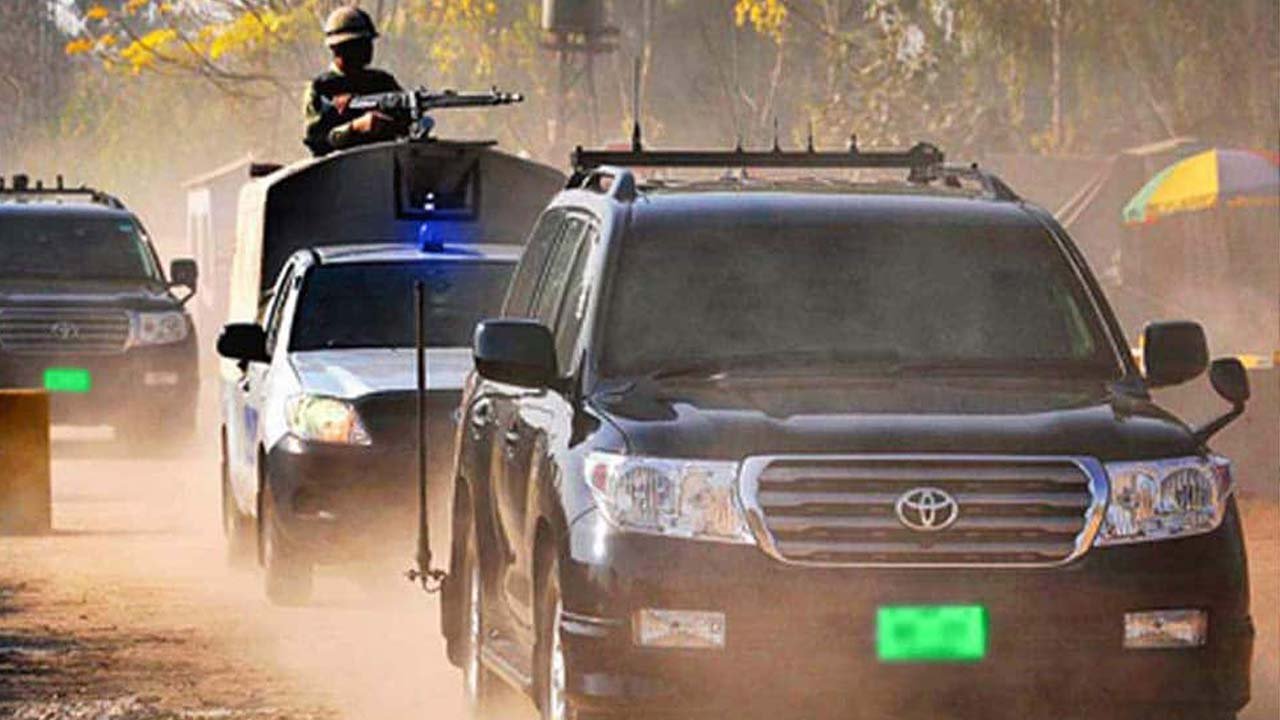
    State-run Radio Pakistan has reported that the monitoring committee responsible for overseeing the implementation of austerity measures has expressed serious concerns about some officers using vehicles above 1,800cc.

    The committee, chaired by Finance Minister Ishaq Dar, met in Islamabad on Monday to review the implementation of the decisions made at its first meeting regarding austerity measures. As part of an austerity drive to save the government Rs200 billion ($766 million) a year, Prime Minister Shehbaz Sharif had asked ministers and advisers to fly economy class and forgo luxury cars and their salaries.

    These cuts were made as Pakistan, facing a balance of payment crisis, negotiates with the International Monetary Fund (IMF) to secure $1 billion in funds that have been pending since late last year over policy issues.

    The meeting today was updated on the status of the use of luxury vehicles and was informed that a majority of the allocated vehicles have been returned by cabinet members. However, the committee expressed concerns over the non-return of the remaining luxury vehicles and directed the Cabinet Division to strictly implement the decision and retrieve the luxury vehicles within three days. The committee also discussed the withdrawal of the use of security vehicles and decided to implement the decision.

    Furthermore, the Ministry of Law and Justice was tasked with suggesting the implementation of austerity measures in the judiciary to the superior judiciary and approaching the Senate chairman and National Assembly speaker to suggest the use of teleconferences for all meetings to save time and expenditure. The Ministry of Inter-Provincial Coordination has also approached provincial governments to suggest the implementation of similar austerity measures.

    The committee also deliberated on working timings and decided that the new timing for office work will be 7:30 am to 2:30 pm, and up to 12:30 pm on Fridays, starting from the first of Ramzan and will be followed in the summer season, as per the cabinet’s decision. A notification will be issued accordingly. The finance minister, speaking at the occasion, directed all to expedite the implementation of austerity measures with sincerity and true spirit without any exception. These cuts are part of an effort to prevent an economic meltdown as Pakistan’s foreign exchange reserves have fallen below a month’s import cover.

  • Naxals group kills 22, wounded 30 Indian security forces personnel in gun battle

    As many as 22 Indian police and paramilitary forces personnel were killed and 30 others wounded in a gun battle with Maoist rebels in a central Indian state, police said on Sunday, in the deadliest ambush of its kind in four years, reported AFP.

    Some 2,000 security personnel were on the hunt for a Maoist rebel leader in the Bijapur district of Chhattisgarh state on Saturday when they were ambushed.

    “So far it is confirmed that 22 security personnel were killed,” Chhattisgarh police’s Additional Director General (ADG) Ashok Juneja said of the almost three-hour battle in the Maoist rebel stronghold.

    The injured personnel were admitted to two government-run hospitals in Bijapur and Chhattisgarh’s capital city Raipur.

    More than a dozen others remained missing, he said, adding that an unknown number of Maoists were also killed in the encounter.

    Juneja said the rebels looted weapons, ammunition, uniforms and shoes from the security forces who were killed.

    Prime Minister Narendra Modi tweeted that the “sacrifices of the brave martyrs will never be forgotten”, while Home Minister Amit Shah wrote on Twitter that India would “continue our fight against these enemies of peace & progress.”

    Chhattisgarh Chief Minister Bhupesh Baghel wrote on Facebook on Sunday that Shah had assured him of “all the necessary help” from the national government against the militants.

    The toll was the worst for Indian security forces battling the far-left guerillas since 2017 when 25 police commandos were killed in the attack.

    Seventeen police from a commando patrol were killed in an attack by more than 300 armed rebels in Chhattisgarh in March last year.

    Sixteen commandos were also killed in the western state of Maharashtra in the lead-up to India’s election in 2019, in a bomb attack that was blamed on the Maoists.

    The Maoists, also known as Naxals, have waged an armed insurgency against the government for decades.

    Leaders of the hardline leftist militant group say they are fighting on behalf of the poorest, who have not benefited from a long economic boom in Asia’s third-largest economy.