Tag: policy measures

  • Track and trace system failure threatens Pakistan’s tobacco industry

    Track and trace system failure threatens Pakistan’s tobacco industry

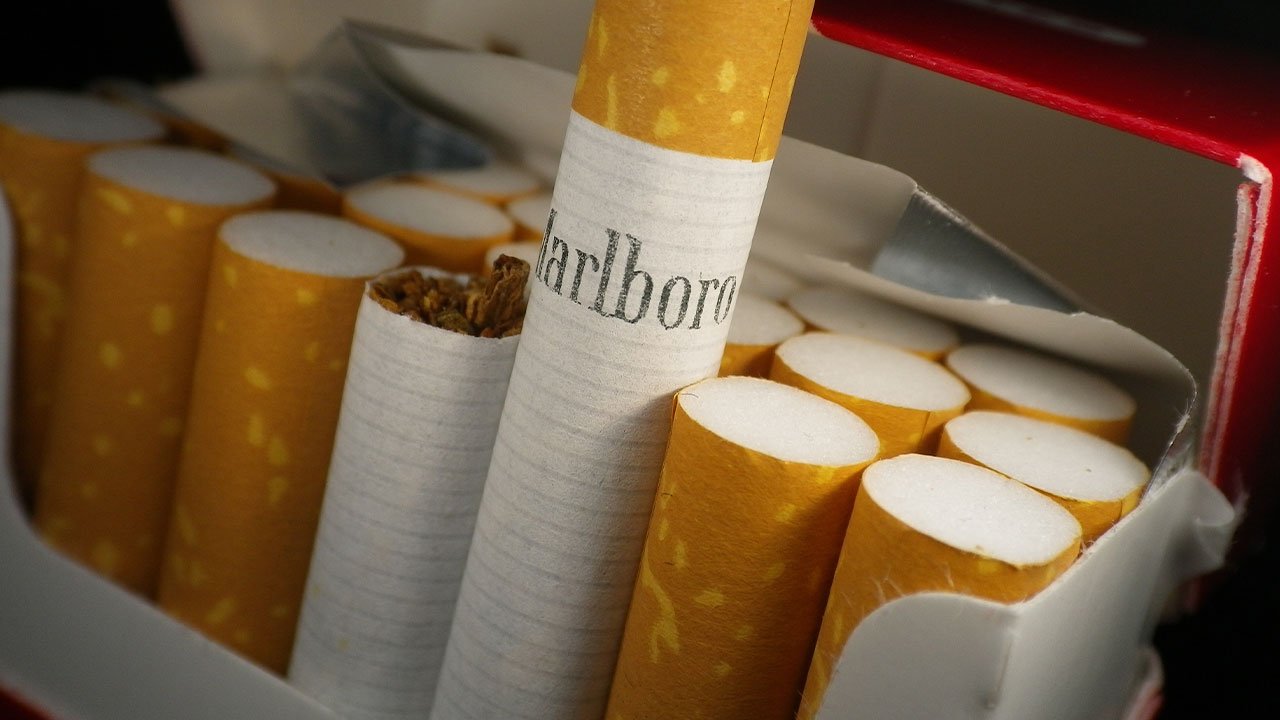
    Amid the increase in trade of non-duty-paid cigarettes, representatives from the Pakistan Tobacco Company (PTC) on Monday expressed profound apprehensions regarding the sustainability of their business.

    They attributed their concerns to ‘inappropriate’ policy measures.

    The recently released data from the Pakistan Bureau of Statistics (PBS) Large Scale Manufacturing (LSM) Index unveiled a significant and alarming trend within the legitimate tobacco sector.

    According to the report, the production of the legitimate tobacco sector experienced a forty-fold decline compared to the overall LSM output between July 2023 and November 2023.

    Interestingly, despite this decline, the consumption of cigarettes has remained stagnant.

    This troubling trend highlights the adverse impact of policy decisions that disproportionately affect the legitimate tobacco industry.

    The representatives emphasised the necessity for a comprehensive and balanced approach to ensure a level playing field for the sector, ultimately securing its long-term sustainability.

    Despite the implementation of a Track and Trace System (TTS), the representatives pointed out the rising incidence of fake stamps being affixed to counterfeit packs of leading cigarette brands.

    According to APP, Qasim Tariq, Senior Business Development Manager, revealed that approximately 850 million counterfeit cigarette sticks are currently being sold across Pakistan, resulting in a substantial loss of around Rs5.7 billion.

    This rise in counterfeiting raises serious questions about the efficacy of the much-lauded track and trace system, which is yet to be implemented across local cigarette manufacturers in Pakistan and Azad Jammu and Kashmir (AJK).

    The representatives urged law enforcement agencies (LEAs) to conduct extensive enforcement at the retail level to tackle this growing menace.

    Additionally, the representatives expressed concerns about a recent misleading report circulating in the media regarding missed revenue collection by the Federal Board of Revenue (FBR).

    They refuted the claims in the report, stating that they are not only false but also raise questions about the intentions behind publishing such information.

    The report suggested that the illicit sector is less than 10 per cent across Pakistan, contradicting the FBR’s claim of illicit trade being over 36.5 per cent for the period in question.

    Furthermore, the report alleged that government revenue declined due to fiscal changes in the excise structure but failed to present the complete picture.

    The representatives clarified that from 2012–16, the government switched to a 2-tier structure from a 3-tier structure, causing revenues to fall by more than 25 per cent.

    The subsequent increase in excise in 2015-16 led to illicit trade hovering close to 50 per cent of the market. To combat this, the government reintroduced a 3-tier system, increasing revenues by more than 40 per cent and discouraging the illicit cigarette trade.

    The representatives emphasised the need for an extensive government-led national anti-illicit trade strategy, effective fiscal measures, and strict enforcement against illicit trade across the value chain, with a key focus on the retail level.
  • US Ambassador assures Pakistan of continued assistance for IMF bailout programme

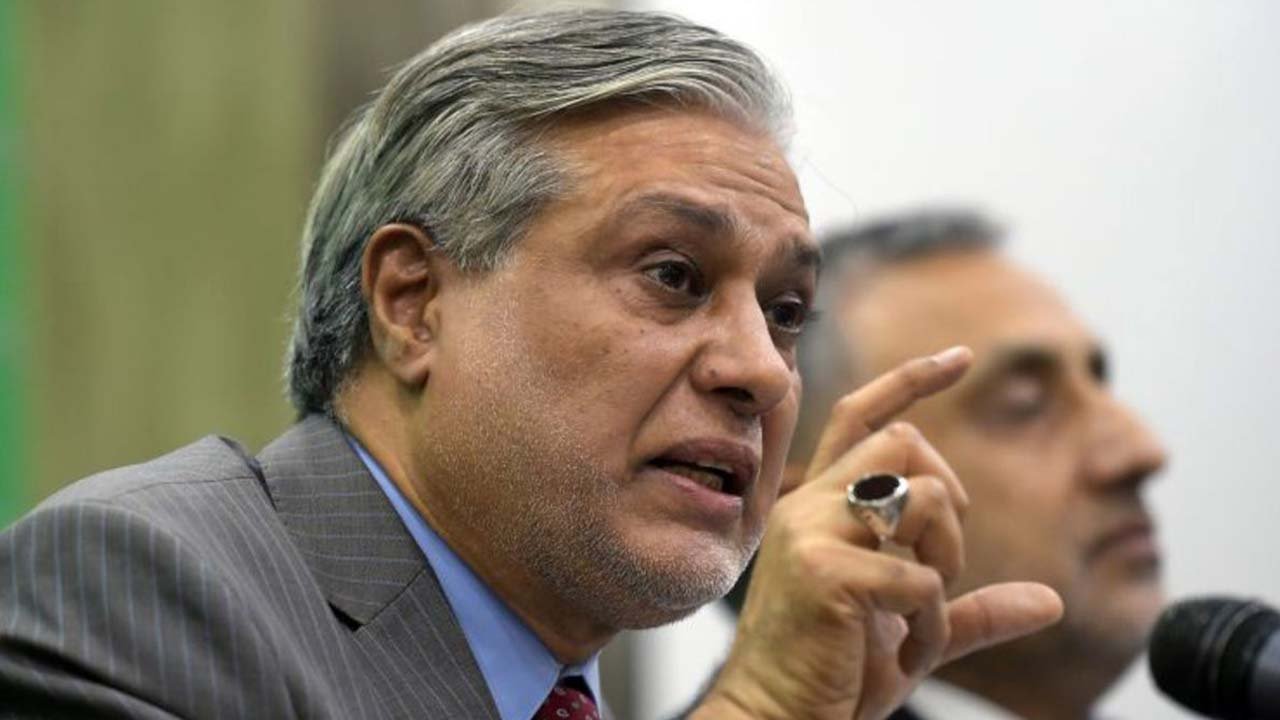
    On Thursday, US Ambassador to Pakistan Donald Blome reassured Finance Minister Ishaq Dar that Washington would continue to assist Islamabad in unlocking a long-stalled International Monetary Fund (IMF) bailout. This bailout is intended to help the liquidity-challenged country’s economy avoid imminent default. The assurance was given during a meeting between the finance minister and the ambassador in the federal capital.

    According to details, the envoy was briefed on the progress of the Washington-based lender’s programme. During the meeting, FinMin Dar requested the US ambassador’s assistance in unlocking the bailout programme. He also informed him about a $2 billion commitment from Saudi Arabia and ongoing talks with the United Arab Emirates for financing $1 billion. The minister expressed the need for additional resources and financing, to which Blome promised cooperation from the United States.

    According to an official statement from the Ministry of Finance, Dar briefed the envoy on the country’s economic outlook and the challenges faced by the nation. He also shared the government’s pragmatic policy decisions aimed at stabilising and growing the economy.

    The statement noted that Blome expressed confidence in the government’s policies and programmes, supporting them for the economic sustainability of the country and the socio-economic upliftment of the masses. He extended his support to promote bilateral economic, investment, and trade relations between both countries.

    The two sides discussed matters of common interest and showed an interest in enhancing the existing bilateral relations between both countries. They also talked about various economic avenues through which both countries can strengthen their ties. This meeting with Blome took place days after FinMin Dar met with UAE’s ambassador to Pakistan, Hamad Obaid Ibrahim Salim Al-Zaabi, to discuss economic relations.

    Since early February, Islamabad has been hosting an IMF mission to negotiate a series of policy measures aimed at securing $1.1 billion in funding for the cash-strapped economy, which is on the verge of collapse.

    The IMF has requested Pakistan to secure assurances on external financing from friendly countries and multilateral partners to fund its balance of payment gap for this fiscal year, ending in June. The funds are part of a $6.5 billion bailout package the IMF approved in 2019, which analysts say is critical for Pakistan to avert defaulting on external payment obligations.

  • Dar says assurance of funding from friendly countries is the final hurdle in securing IMF deal

    Dar says assurance of funding from friendly countries is the final hurdle in securing IMF deal

    On Thursday, Finance Minister Ishaq Dar announced that the assurance of funding from “friendly countries” was the final obstacle to securing an IMF deal that would provide critical support to Pakistan’s struggling economy and prevent an economic crisis.

    During a session of the country’s upper house of parliament, Dar revealed that several countries had previously made commitments to support Pakistan during IMF reviews, and the IMF was now requesting that these commitments be fulfilled.

    The delay in securing the deal, which involves a $1.1 billion bailout package from the IMF, has been ongoing since November due to issues surrounding fiscal policy adjustments. The package is part of a larger $6.5 billion bailout approved by the IMF in 2019, which is crucial for Pakistan to avoid defaulting on external payment obligations.

    The deal would also allow Pakistan to access other financing avenues to bolster its foreign exchange reserves, which currently only cover four weeks’ worth of imports.

    The IMF has asked Pakistan to secure assurance of up to $7 billion to cover this year’s balance of payments gap, while Dar believes that $5 billion would suffice.

    An IMF mission has been present in Islamabad since February to negotiate a set of policy measures for Pakistan’s struggling economy, ahead of the annual budget due in June.

    Prime Minister Shehbaz Sharif stated that all of the IMF’s conditions had been met, and expressed hope that a staff level agreement would be reached soon.