Tag: policy rate

  • SBP lowers policy rate to 19.5%, citing improved inflation trends

    SBP lowers policy rate to 19.5%, citing improved inflation trends

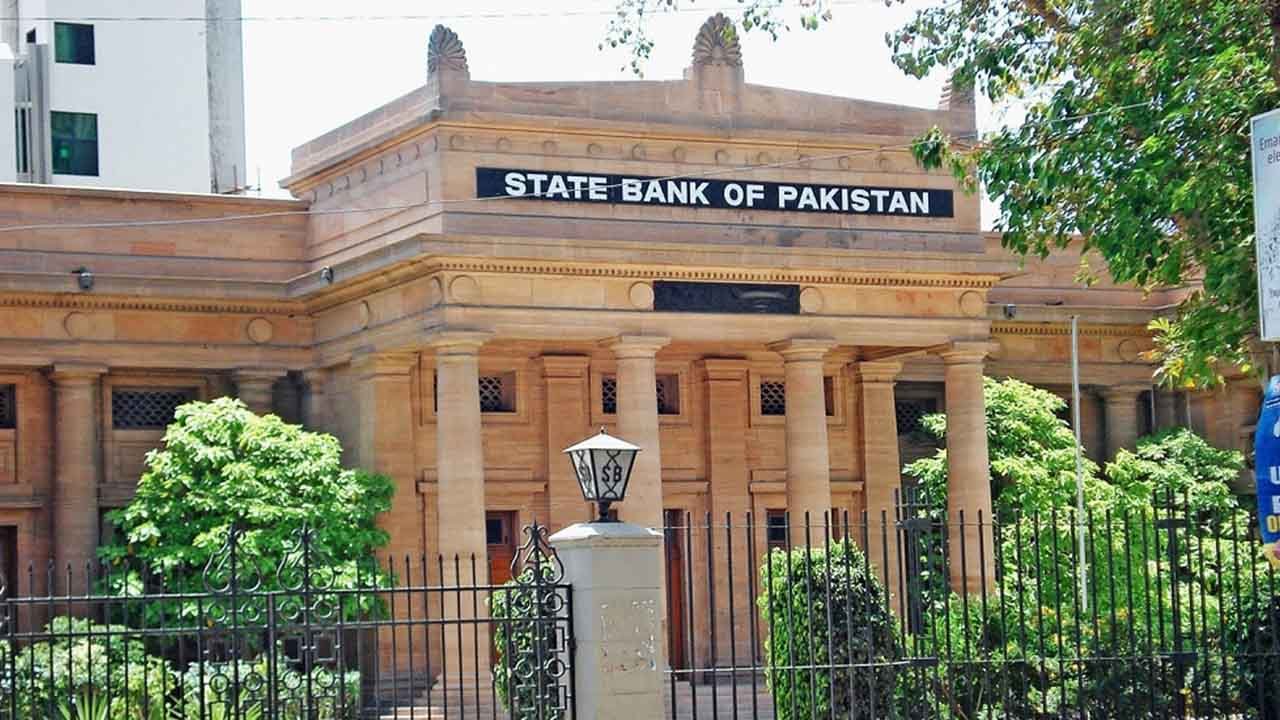
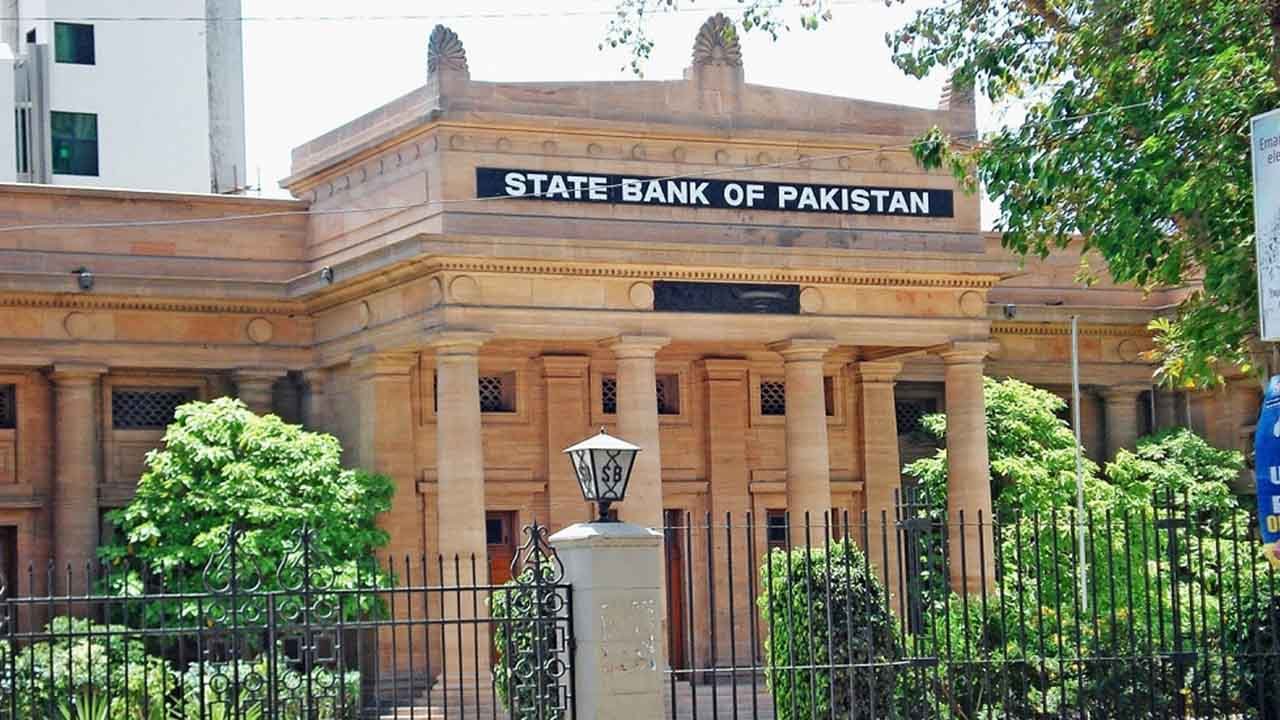
    In a move aimed at stimulating economic activity, the State Bank of Pakistan (SBP) has lowered its key policy rate by 100 basis points, bringing it down to 19.5 per cent.

    SBP Governor Jameel Ahmad announced the rate cut during a press conference on Monday, highlighting that June 2024 inflation figures were slightly better than expected. He noted that the inflationary effects of the Federal Budget for FY25 aligned with earlier predictions.

    Furthermore, Ahmad pointed to an improvement in the external account, evidenced by an increase in the SBP’s foreign exchange reserves despite substantial debt repayments.

    The Monetary Policy Committee (MPC) justified the rate reduction by emphasising the room for easing monetary policy while maintaining control over inflation. The MPC believes that despite this reduction, the policy stance remains sufficiently stringent to steer inflation towards the medium-term target of 5–7 per cent.

    This policy adjustment comes after Pakistan’s recent agreement with the International Monetary Fund (IMF) and the announcement of the federal budget.

    Market sentiment, as reported by Arif Habib Limited (AHL), anticipated the rate cut, with a poll indicating that 55.7 per cent of respondents expected a reduction. AHL’s report predicted the rate would drop to 19.5 per cent, a level not seen since March 2023.

    Additionally, Topline Securities also forecasted a similar reduction, attributing it to receding inflationary pressures.

    The decision follows key events including the entry into a new $7 billion Extended Fund Facility (EFF) programme with the IMF and the latest federal budget.

    These developments, along with recent improvements in macroeconomic indicators, have influenced the central bank’s move to lower the policy rate.
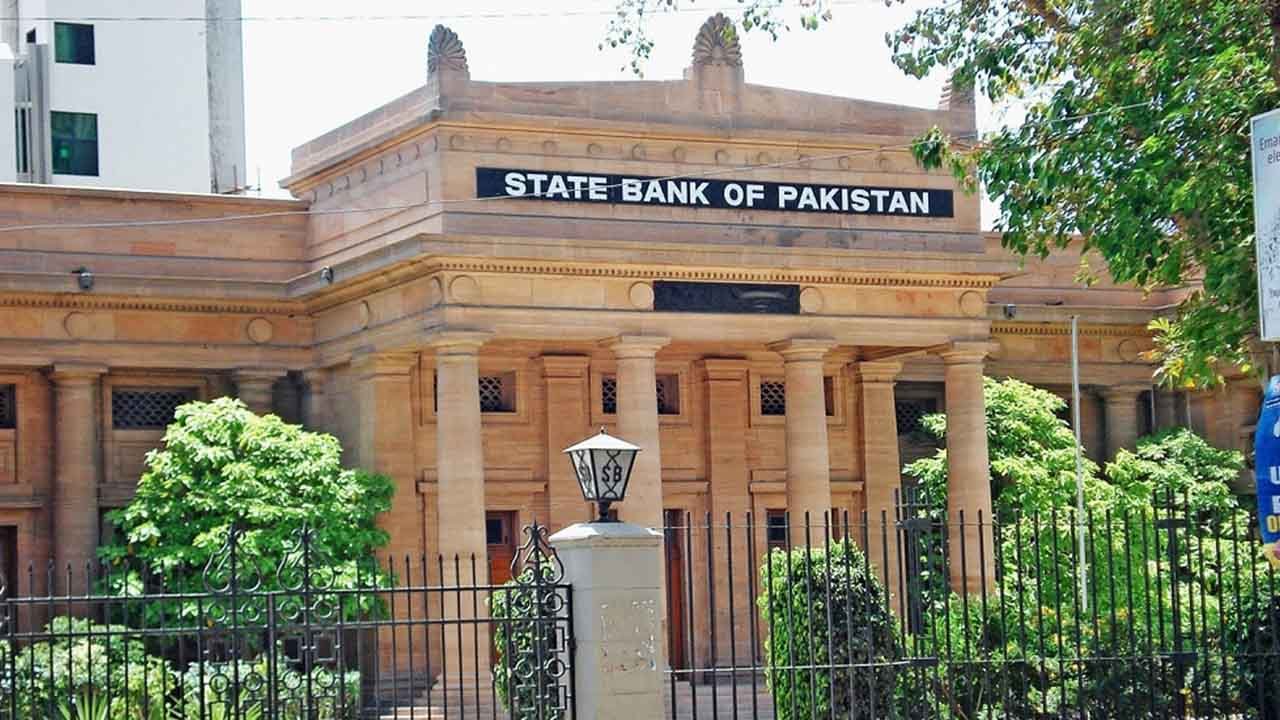
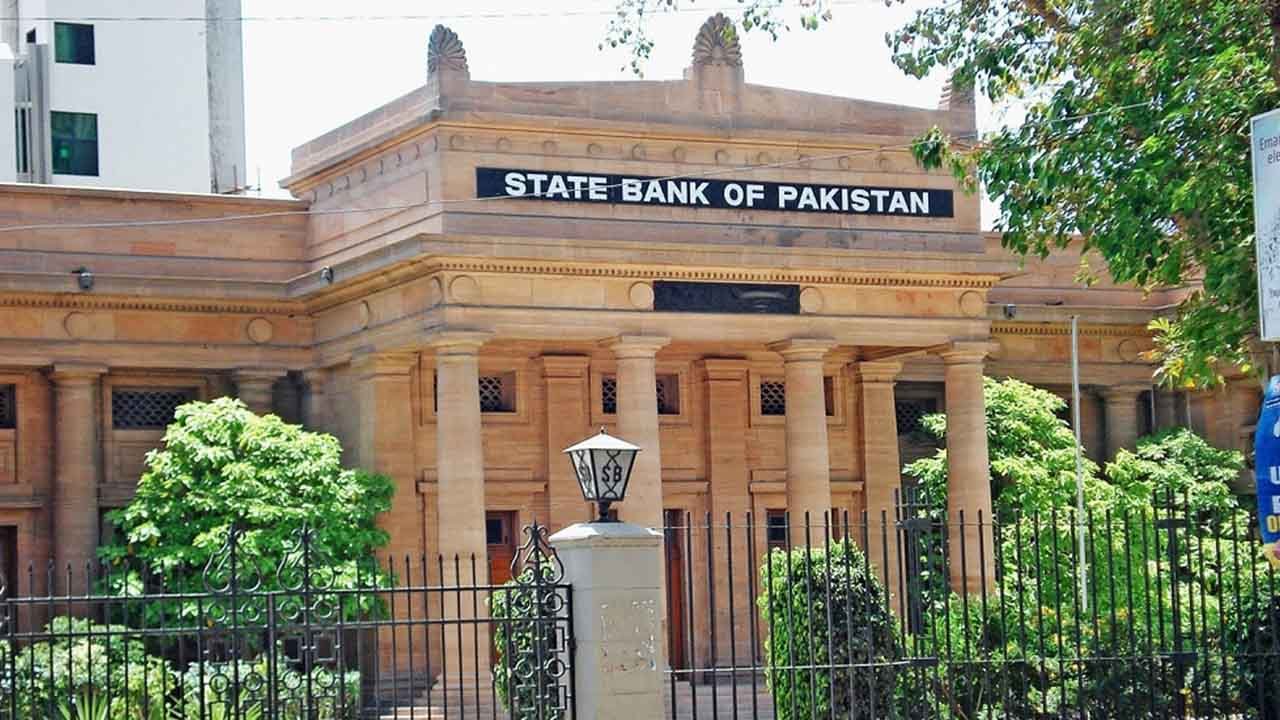
  • SBP holds key policy rate at 22% for seventh consecutive time

    SBP holds key policy rate at 22% for seventh consecutive time

    The State Bank of Pakistan (SBP) announced on Monday that it is maintaining its key policy rate at 22 per cent, marking the seventh consecutive meeting with no changes to the rate.

    The Monetary Policy Committee (MPC), in its meeting, discussed ongoing macroeconomic stabilisation measures.

    The committee noted that these measures have contributed to noticeable improvements in both inflation and the external economic position. This comes against a backdrop of moderate economic recovery.

    The MPC’s statement following the meeting acknowledged that, while inflation has begun to improve, it remains high.

    The committee also mentioned that global commodity prices seem to have stabilised, indicating resilience in global economic growth.

    However, the committee highlighted a number of uncertainties. It pointed out that recent geopolitical events have created additional uncertainty in the global economic outlook.

    Additionally, the upcoming budgetary measures might affect short-term inflation trends.

    Given these factors, the MPC concluded that the current monetary policy stance should be maintained to achieve its inflation target of 5 to 7 per cent by September 2025.

  • SBP likely to hold interest rate at record 22% amid IMF negotiations

    SBP likely to hold interest rate at record 22% amid IMF negotiations

    The State Bank of Pakistan (SBP) is expected to maintain its record 22 per cent interest rate at its upcoming policy meeting on Monday.

    This marks the seventh consecutive meeting with rates held steady, as Pakistan navigates discussions with the International Monetary Fund (IMF) for a new long-term funding arrangement.

    The central bank’s decision comes ahead of an IMF Executive Board meeting to discuss a $1.1 billion disbursement, the final tranche of a $3 billion Stand-By Arrangement.

    A Reuters poll of 14 analysts predicts the SBP will hold its rate, though there are mixed forecasts within the group.

    Four analysts anticipate a 100-basis-point (bps) cut, while two expect a 50-bps cut. Eight believe the SBP will cut rates before securing a new IMF programme.

    The central bank’s next Monetary Policy Committee (MPC) meeting is scheduled for June 10, potentially before Pakistan’s expected new IMF agreement.

    Finance Minister Muhammad Aurangzeb mentioned that discussions with the IMF for a longer-term programme will begin next month, aiming for a staff-level agreement by early July.

    Pakistan’s last rate hike was in June 2023 to combat inflation and meet IMF requirements. Consumer Price Index (CPI) data for March showed a 20.7 per cent increase from the previous year, with a peak of 38 per cent in May.

    However, inflation is slowing, partly due to the “base effect,” with April’s CPI expected to be around 17.5 per cent, according to businessman Arif Habib.

    The SBP’s monetary policy decisions will consider various factors, including inflation trends and geopolitical tensions affecting fuel prices.

    Tahir Abbas, head of research at Arif Habib Limited, suggests rates won’t be cut until a new IMF programme is in place.

    Looking ahead, Mustafa Pasha, Chief Investment Officer at Lakson Investments, predicts a small rate reduction in the current quarter, with significant cuts in the September quarter.

    According to Business Recorder, this is driven by the need to roll over approximately 6.7 trillion rupees in domestic treasury bills in late 2024 and expected stabilization in inflation and foreign exchange inflows.

    He forecasts that the interest rate could settle around 17 per cent by December.

  • SBP maintains policy rate at 22% for sixth consecutive time

    SBP maintains policy rate at 22% for sixth consecutive time

    The Monetary Policy Committee (MPC) of the State Bank of Pakistan (SBP) has opted to maintain the key policy rate at 22 per cent, marking its sixth consecutive decision to uphold the status quo.

    In its statement released on Monday, the MPC affirmed its decision, stating, “At its meeting today, the MPC decided to keep the policy rate unchanged at 22 per cent.”

    While acknowledging a visible decline in inflation as anticipated in the latter half of Fiscal Year 2024 (H2-FY24), the MPC underscored the persistently high level of inflation and the associated risks, despite a notable deceleration in February. This cautious stance is deemed necessary to steer inflation towards the target range of 5–7 per cent by September 2025.

    Against a backdrop of uncertain inflation projections, major central banks worldwide, including those in advanced and emerging economies, have remained conservative in their monetary policy approaches, as highlighted in the MPC statement.

    Emphasising the importance of sustained targeted fiscal consolidation and timely realisation of planned external inflows, the MPC reiterated that its assessment hinges on these factors.

    Furthermore, the latest economic indicators indicate a moderate upturn in economic activity, primarily driven by a rebound in agricultural output. The external current account balance has outperformed expectations, bolstering foreign exchange reserves despite subdued financial inflows. However, inflation expectations among businesses have steadily risen since December, with consumer expectations inching up in March. Additionally, while global commodity prices have generally remained stable, escalating oil prices, attributed partly to ongoing tensions in the Red Sea, present a notable exception.

    Given the uncertainties surrounding the inflation outlook, compounded by potential upward pressure from administered price adjustments or fiscal measures, the MPC deems it prudent to maintain the current monetary policy stance for the time being.

  • PKR registers only 0.92% rise against US dollar since the onset of 2024

    PKR registers only 0.92% rise against US dollar since the onset of 2024

    The Pakistani rupee (PKR) maintained its upward trajectory for the 13th consecutive week, gaining 12.88 paisa against the US dollar and settling at PKR 279.28 per USD.

    This positive momentum marks a notable shift from the previous week’s closing rate of PKR 279.41 per USD.

    Analysing the broader financial trends, the PKR has appreciated against the US dollar by 6.71 rupees, or 2.4 per cent, during the current financial year. Looking at the calendar year, the PKR has shown a gain of 2.58 rupees, or 0.92 per cent.

    Friday’s trading session witnessed the PKR displaying strength as it appreciated by over 6 paisa. The intraday high (bid) reached 279.9, while the low (ask) touched 279.6, showcasing the currency’s resilience in the face of market fluctuations.

    In the open market, exchange companies quoted buying rates at 278.89 and selling rates at 281, contributing to the overall positive sentiment surrounding the PKR.

    Comparatively, against major currencies, the PKR experienced a marginal loss of 26.91 paisa against the Euro, closing at 300.87.

    Meanwhile, the British Pound became more affordable by 20.31 paisa, closing at 352.33. The Swiss Franc saw a decline of 1.59 rupees, closing at 318.89, and against the Japanese Yen, the PKR gained 1.71 paisa, closing at 1.8695.

    In the global currency market, the Chinese Yuan lost 0.4 paisa, closing at 38.82, while the Saudi Riyal closed at 74.47, experiencing a marginal loss of 1.43 paisa. The U.A.E. dirham also saw a decrease in value of 1.57 paisa, settling at 76.05.

    Shifting focus to the money market, the benchmark 6-month Karachi Interbank bid and offer rates experienced a 9 basis point increase, reaching 21.05 per cent and 21.3 per cent, respectively.

    This upward movement in yields follows the State Bank of Pakistan (SBP) maintaining the policy rate at 22 per cent for the fifth consecutive meeting, contributing to the evolving financial landscape.

  • Pakistani rupee gains 6 paisa against US dollar, closes at Rs279.79

    Pakistani rupee gains 6 paisa against US dollar, closes at Rs279.79

    The Pakistani rupee (PKR) continued its upward trend against the US dollar (USD) for the fifth consecutive session, appreciating by 0.02 per cent in the interbank market on Tuesday.

    Closing at Rs279.79, the local unit gained Re0.06 against the greenback.

    This follows Monday’s positive performance, where the rupee settled at 279.85 against the US dollar.

    A notable development on the economic front is the government’s active pursuit of a government-to-government (G2G) agreement with Saudi Arabia and the United Arab Emirates (UAE) for upfront foreign currency repatriation against future workers’ remittances. 

    Both Saudi Arabia and the UAE hold significant importance as countries contributing to foreign exchange through remittances from Pakistani workers. 

    Meanwhile, on the global stage, the US dollar experienced a slight easing, resulting in a 0.07 per cent increase in sterling, reaching $1.2720.

    Compared to major currencies, the Pakistani currency depreciated by 18.84 paisa against the Euro, closing at Rs305.03, as opposed to the previous value of Rs304.84.

    The British Pound strengthened, increasing by 1.02 rupees and closing at Rs356.34, compared to Rs355.33 from the previous day.

    The Swiss Franc exhibited gains of 54.58 paisa, concluding at Rs322.62, in contrast to the previous session’s value of Rs322.08.

    Against the Japanese Yen, PKR experienced a decrease of 0.98 paisa, closing at Rs1.8993 compared to Rs1.8895 a day ago.

    Conversely, the Chinese Yuan appreciated by 13.91 paisa, closing at Rs39.03 against the previous session’s Rs38.89.

  • Pakistani rupee shows marginal strength, gains 4.51 paisa against US dollar

    Pakistani rupee shows marginal strength, gains 4.51 paisa against US dollar

    In Monday’s interbank session, the Pakistani rupee (PKR) exhibited a slight appreciation of 4.51 paisa against the US dollar (USD), settling at PKR 279.85 per USD, compared to the previous closing of PKR 279.9 per USD. The intraday fluctuations showed a bid high of Rs280.1 and an ask low of Rs279.8.

    In the open market, exchange companies quoted the dollar at 279 for buying and 281 for selling. Notably, Pakistan received the second installment of SDR 528 million, equivalent to $705.6 million, from the International Monetary Fund (IMF) last week. 

    The first review report under the standby arrangement emphasised the importance of market-determined exchange rates and the gradual development of the foreign exchange (FX) market.

    Against major currencies, the PKR experienced fluctuations:

    Euro: lost 37.07 paisa, closing at 304.84 compared to the previous value of 304.47.

    British Pound: increased by 39.06 paisa, closing at 355.33 compared to 354.94 from a day ago.

    Swiss Franc: Saw losses of 20.03 paisa, closing at 322.08 compared to 322.28 in the previous session.

    Japanese yen: lost 0.19 paisa, closing at 1.8895 versus 1.8876 a day ago.

    Chinese Yuan: Lost 2.38 paisa, closing at 38.89 against 38.91 from the previous session.

    Saudi Riyal: Closed at 74.62 with a loss of 1.2 paisa from its value of 74.63 a day ago.

  • Pakistan informs IMF of preparedness to address near-term challenges

    Pakistan informs IMF of preparedness to address near-term challenges

    In a recent communication to the International Monetary Fund (IMF), the government has underscored its preparedness to address potential near-term challenges, signalling a commitment to maintaining economic stability.

    The disclosure comes as part of the IMF’s first review under the stand-by arrangement.

    The government, as revealed in the report, stands ready to respond decisively should near-term price pressures reemerge. This includes addressing stronger-than-expected second-round effects on core inflation and potential pressures on the exchange rate amid the normalisation of the current account.

    Amid signs of weaker demand, positive supply developments, and decreasing pressures on the exchange rate, the government anticipates a notable decline in inflation in the coming months.

    As a result, the policy rate was maintained at 22 per cent during the latest Monetary Policy Committee (MPC) meeting held on October 30. However, the government reiterated its readiness to respond promptly if there is a resurgence of near-term price pressures.

    The primary objective is to ensure a clear downward trajectory for inflation and inflation expectations. The pace of future adjustments will be contingent on various factors, including inflation data, exchange rate developments, external position strength, and the fiscal-monetary policy mix.

    The government aims to keep the real policy rate in positive territory on a forward-looking basis, signalling a commitment to bringing inflation within the target band by fiscal year 2026.

    To enhance monetary policy transmission, the interest rate on major refinancing schemes, specifically the EFS and LTFF, will continue to be linked to the policy rate, with a spread of no more than 3 per centage points, as per the announcement by Pakistani authorities.

    The report emphasised the importance of vigilance, highlighting that despite the return of the forward-looking real policy rate to positive territory, caution is necessary due to near-term risks.

    With inflation expectations not yet firmly anchored, the Monetary Policy Committee is urged to respond robustly and promptly should inflationary pressures resurface.

    Maintaining a positive real policy rate during a period of easing inflation and promptly addressing signs of new demand pressures or rising inflation expectations is seen as crucial.

    This strategy aims to re-anchor inflation expectations and guide down core inflation from the second half of fiscal year 2024 onwards, contingent on the absence of a resumption in administrative import compression.

    The report projects a significant decline in headline inflation through fiscal years 2025–26, aligning within the targeted 5–7 per cent range by fiscal year 2026. This outlook is supported by fiscal consolidation efforts and the normalization of global commodity prices.

    While the IMF staff views the current stance as broadly appropriate given weak domestic demand, the report suggests that the MPC should remain prepared to respond resolutely if near-term price pressures reemerge, including second-round effects.

  • Interbank closing: PKR gains 8 paisa to close at Rs279.9 versus USD

    Interbank closing: PKR gains 8 paisa to close at Rs279.9 versus USD

    The Pakistani rupee (PKR) strengthened by 8.24 paisa against the US dollar (USD) in Friday’s interbank session, concluding the trade at PKR 279.9 per USD, surpassing the previous session’s closing rate.

    The local currency experienced an intraday high (bid) of Rs280.4 and a low (ask) of Rs279.9.

    In the open market, Exchange Companies quoted the dollar at Rs279.5 for buying and Rs281 for selling.

    Comparatively, against major currencies, the PKR gained 20.17 paisa against the Euro, closing at Rs304.47 in contrast to the previous value of Rs304.67. 

    The British Pound became more affordable by 30.06 paisa, concluding at Rs354.94 compared to Rs355.24 a day earlier. 

    The Swiss franc incurred losses of 1.38 rupees, settling at Rs322.28 compared to Rs323.66 from the previous session.

  • Pakistani rupee edges up against US dollar, marks 0.5% gain at closing

    Pakistani rupee edges up against US dollar, marks 0.5% gain at closing

    The Pakistani rupee exhibited a modest uptick of 0.1 per cent against the US dollar during the initial trading hours on Wednesday in the inter-bank market.

    At approximately 10:40 am, the local currency stabilised at Rs280.

    However, at the time of closing, the PKR experienced further appreciation against the US dollar, increasing by 0.05 per cent.

    According to the State Bank of Pakistan (SBP), the rupee concluded at Rs280.1, marking an increase of Re0.15 against the US dollar.

    In contrast, on the preceding day, the rupee experienced a dip, settling at Rs280.25 against the US dollar, as reported by the State Bank of Pakistan.

    Internationally, the US dollar index maintained a one-month high on Wednesday, propelled by comments from Federal Reserve Governor Christopher Waller that tempered expectations of a March rate cut. 

    Consequently, market projections for a March rate cut decreased from 76.9 per cent to 62.2 per cent, according to CME’s FedWatch Tool.

    Although the current market pricing aligns the Fed rate curve more reasonably, there are still a notable 157 basis points of rate cuts anticipated for 2024, suggesting potential for further adjustment.

    The dollar index, gauging the greenback against major currencies, concluded at 103.35, having reached 103.42 in the previous session—the highest level since December 13.