Tag: political unrest

  • Economic challenges await next govt as Pakistan votes

    Economic challenges await next govt as Pakistan votes

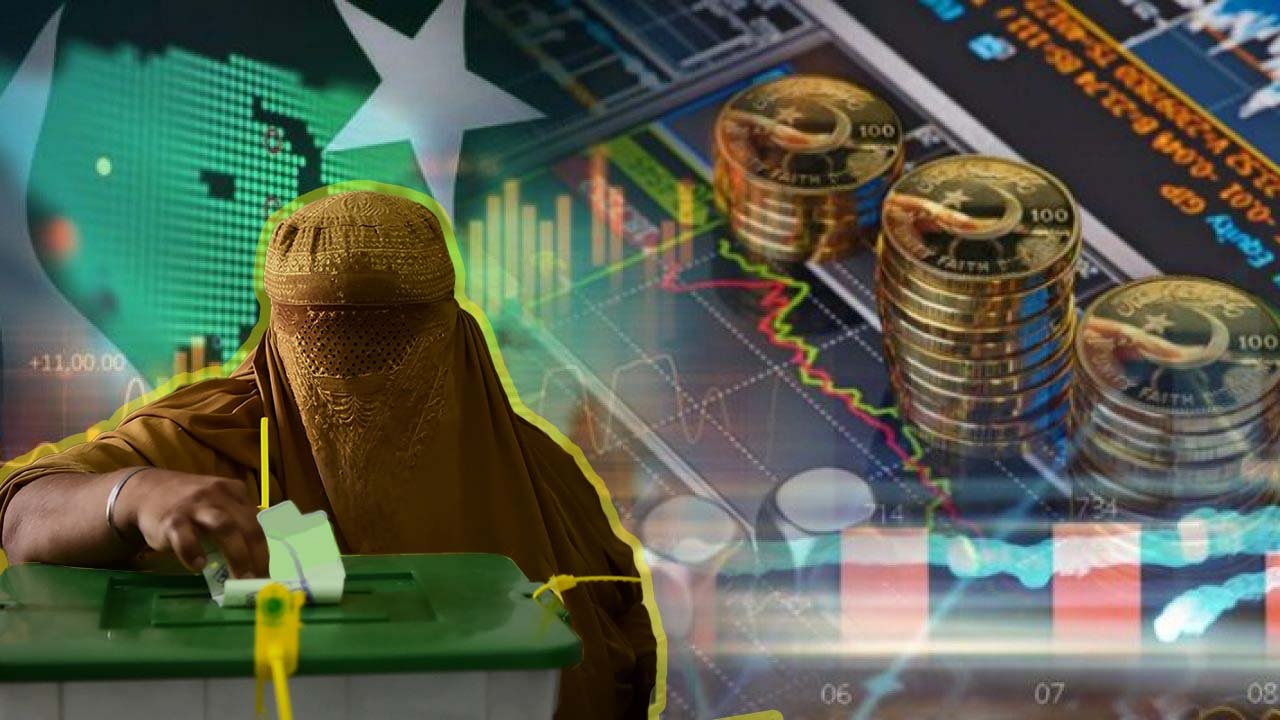
    Pakistan is set to hold its national elections on Thursday, a crucial event for the country grappling with multiple crises.

    As the new government prepares to take charge, it faces daunting challenges in stabilising the economy.

    Last summer, Pakistan narrowly avoided a sovereign default through a last-minute $3 billion bailout from the International Monetary Fund (IMF).

    However, this lifeline is set to end in March, and officials anticipate the need for a new, extended programme.

    Negotiating this program swiftly is imperative for the incoming government, as the economy is burdened by record-high inflation and slow growth resulting from stringent reforms.

    The country’s headline inflation stood at 28.3 per cent year-on-year in January, slightly lower than December’s 29.7 per cent. Despite government expectations, citizens are anxious for the new administration to address the soaring inflation that has significantly impacted their daily lives.

    Moreover, recent increases in gas prices, with a 35.13 per cent hike for Sui Northern Gas Pipelines Limited (SNGPL) and 8.57 per cent for Sui Southern Gas Company Limited (SSGC), add to the economic challenges. The move, effective from January 1, 2024, is the second increase in gas prices this fiscal year.

    In addition to rising gas prices, the cost of petrol and diesel has surged, with a notable increase of Rs13.55 per litre announced on February 1, 2024. This hike is attributed to the ongoing tensions in the Middle East, including Israel’s conflict with Gaza and Houthi attacks in the Red Sea.

    Amid these economic hardships, the National Electric Power Regulatory Authority (NEPRA) has approved an increase in electricity tariffs for distribution companies (Discos) by Rs4.57 per unit for December 2023. This adjustment addresses the escalating fuel costs impacting the power sector.

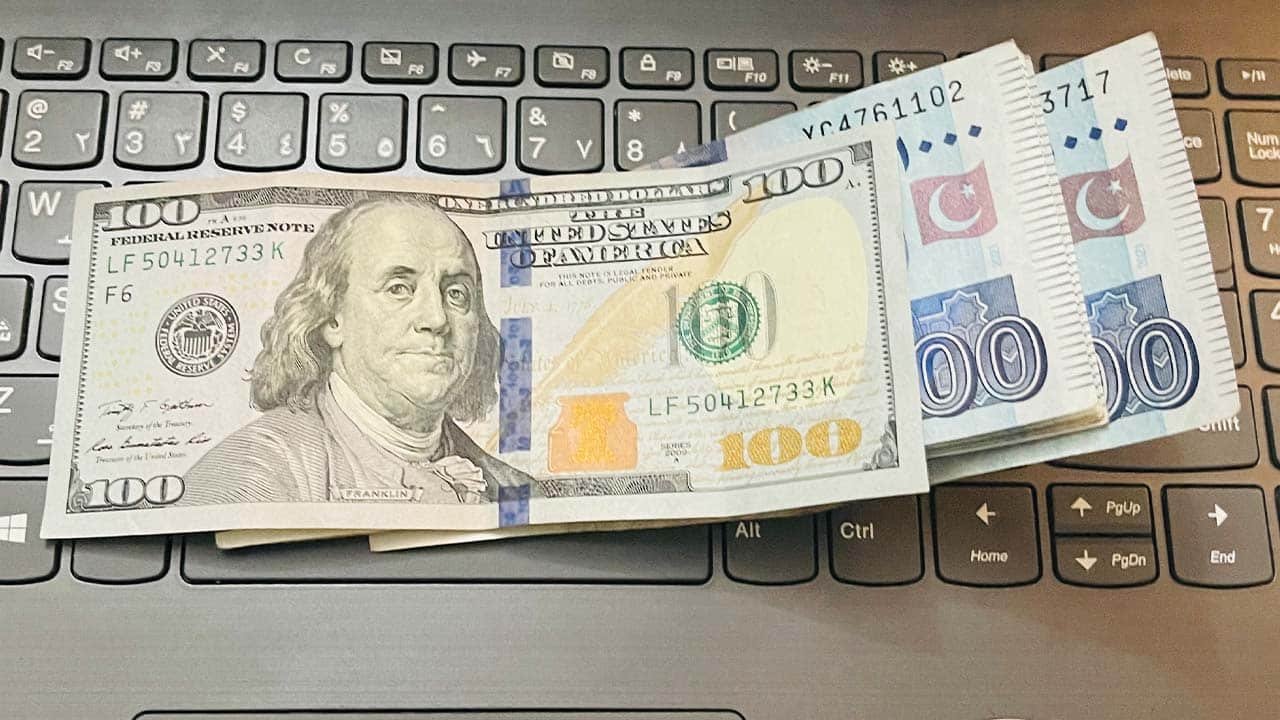
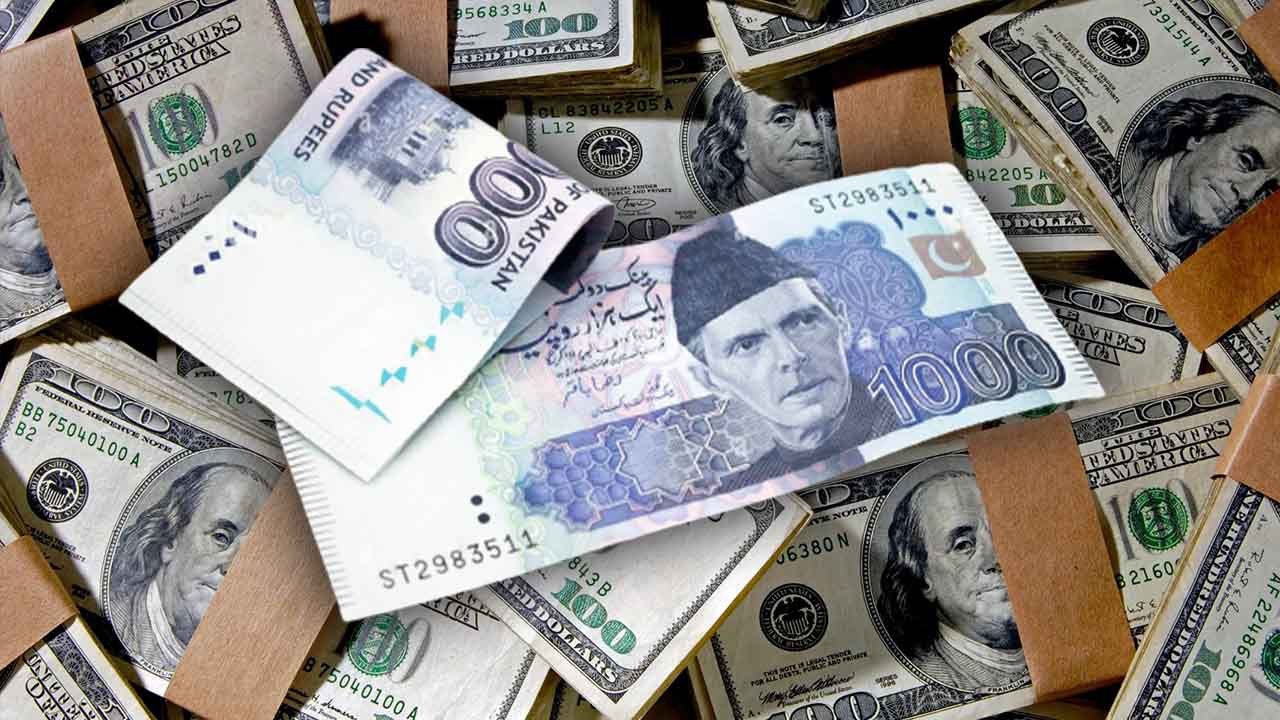
    The new government is also expected to address the exchange rate concerns as the Pakistani rupee struggles against the US dollar, currently standing at around Rs279.

    The disparity has led to increased prices for essential commodities, further straining the population.

    Adding to the complexity of the upcoming elections is the high political tension, with former prime minister Imran Khan describing a crackdown on him and his party.

    Khan, who has been in jail since August, faces pending cases, including accusations of ordering violent attacks on military installations.

    Despite his imprisonment, Khan maintains substantial popular support, and continued political unrest could jeopardise the stability needed for economic recovery and foreign investment.

    As Pakistan stands at a critical juncture, the incoming government’s ability to navigate these challenges will determine the nation’s economic trajectory in the coming years.
  • Pakistani rupee maintains upward trend for fourth consecutive day, closes at Rs285.15 against dollar

    Pakistani rupee maintains upward trend for fourth consecutive day, closes at Rs285.15 against dollar

    According to the State Bank of Pakistan (SBP), the Pakistani currency has maintained its upward trend against the US dollar for the fourth consecutive working day in the interbank market.

    The local unit (PKR) has recovered Rs0.59 against the USD, closing at Rs285.15, while the US dollar closed at Rs285.74 on the previous day.

    In contrast, the open market has seen the dollar being sold at over Rs300. Last week, the rupee reached a record low of Rs298.93 against the US dollar.

     Experts attribute the fluctuation in the dollar rate to the deadlock over the IMF deal and ongoing political unrest in the country.

    Due to the delay in the revival of the $6.5 billion International Monetary Fund (IMF) bailout programme, Pakistan is now seeking additional funding from friendly nations.

    The staff-level agreement between the International Monetary Fund and Pakistan, initially scheduled for February 9, has been postponed.

  • Currency crisis alert: Pakistani rupee could drop to Rs350 against dollar without IMF assistance

    Currency crisis alert: Pakistani rupee could drop to Rs350 against dollar without IMF assistance

    The Pakistani rupee is poised to face a significant downfall, with expectations that it may plummet to as low as Rs350 against the US dollar. This alarming projection has raised concerns among stakeholders, as the weakening currency is anticipated to have far-reaching implications, particularly in terms of inflationary pressures that will disproportionately affect the lower and middle classes.

    According to Geo, the steep devaluation of the rupee, which has already lost approximately 20 per cent of its value this year, positions it among the worst-performing currencies worldwide.

    Experts, including economists Ankur Shukla and Abhishek Gupta, attribute this weakness to a range of factors. Capital flight from Pakistan is intensifying due to the growing apprehension that the International Monetary Fund (IMF) may not provide the much-needed bailout required to prevent a fiscal default in the upcoming fiscal year commencing in July.

    The delay in receiving aid, which has been stalled since November, is suspected to be linked to political unrest, further exacerbating the rupee’s decline. The country’s leadership has been plagued by instability since the removal of Imran Khan, Chairman of Pakistan Tehreek-e-Insaf (PTI), through a no-confidence motion vote in April last year.

    Khan’s recent arrest has heightened tensions between him, the government, and the military. Following his imprisonment, the rupee experienced a sharp drop to a record low of 299 per dollar, only to partially recover and stabilize at 285 after his release.

    Multiple experts are warning of an imminent massive drop in the rupee, with some analysts even foreseeing a further 20 per cent depreciation. The currency’s future trajectory heavily depends on the ongoing clashes between Khan and the government, as well as the IMF’s decision regarding financial assistance.

    Adil Ghaffar, CEO at Premier Financial Services Pvt in Karachi, concurs, stating that failure to secure the loan could lead to a slump in the rupee’s value to Rs350 per dollar in June. Market sentiment remains precarious, and economists such as Farooq Pasha highlight the persistent uncertainty surrounding the rupee’s path.

    In the near term, politics will continue to pose a key risk until the elections. The bond market has also been adversely affected, with bond investors growing increasingly nervous as the spread between Pakistan’s dollar bonds and US Treasuries reached a record high of over 35 per cent this month.

    With the looming prospect of the rupee’s significant decline, the economic landscape of Pakistan hangs in a precarious balance.

  • Gold price increases to Rs208,300 per tola as investors adopt cautious approach amid uncertainties

    Gold price increases to Rs208,300 per tola as investors adopt cautious approach amid uncertainties

    The price of gold in Pakistan soared by 2 per cent on Saturday, according to data from the All-Pakistan Sarafa Gems and Jewellers Association. The political unrest in the country has left investors uncertain about the economy, prompting them to seek safe-haven assets such as gold.

    The price of gold (24 carats) increased by Rs4,100 per tola and Rs3,516 per 10 grammes, reaching Rs208,300 and Rs178,584, respectively. In the week ending March 18, gold gained Rs9,600 per tola, or 4.8 per cent, as it rose during all six trading sessions, despite the little appreciation of the Pakistani rupee against the US dollar.

    The precious metal is expected to remain attractive to investors as they adopt a cautious approach.

    The price of silver also rose by Rs100 per tola and Rs85.73 per 10 grammes to settle at Rs2,250 per tola and Rs1,929 per 10 grammes, respectively. Meanwhile, in the international market, gold prices surged by over 2 per cent due to banking crises shaking global markets, putting bullion on track for its biggest weekly rise in three years. The price per ounce settled at $1,989 after an increase of $53. This rise in gold prices was also driven by bets for a less aggressive Federal Reserve in its fight against inflation.

    Gold is currently Rs11,500 per tola “undercost” in Pakistan compared to the Dubai market, making it cheaper for investors to buy. According to experts, gold is surging on fears that more bad banking news could appear over the weekend and hopes that the FED will pause its rate hikes next week.

    With political and economic uncertainties looming in Pakistan, gold is likely to shine as investors seek a low-risk profile.