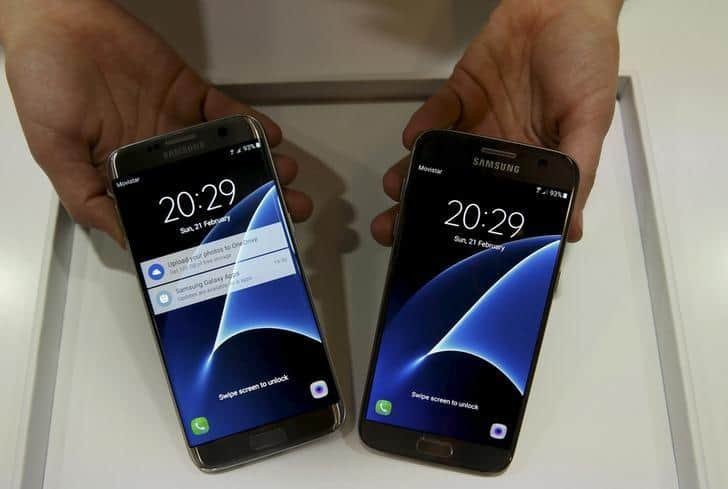
Identity credentials of around 45,000 international passengers have been stolen to unlock smuggled mobile phones since the Pakistan Telecommunication Authority (PTA) launched its crackdown on illegally-imported devices.
This was revealed by PTA and the Federal Investigation Agency (FIA) while briefing a federal cabinet meeting presided by Prime Minister (PM) Imran Khan last week, a private media outlet reported.
The authorities informed the cabinet that travel documents such as passport, CNIC copies etc of around 44,943 resident and overseas Pakistanis were stolen and misused to unlock the smuggled phones since the implementation of PTA’s Device Identification Registration and Blocking System (DIRBS).
According to PTA, 986,000 mobiles phones were received for registration, out of which around 656,000 were registered under FBR baggage rule exemption with no tax while around 33,000 mobile phones were registered under the duty paid category.
PTA says that with the implementation of DIRBS, a significant increase has been seen in the legal commercial import of mobile phones. The authority hopes the system will give more dividends towards the elimination of smuggled phones.
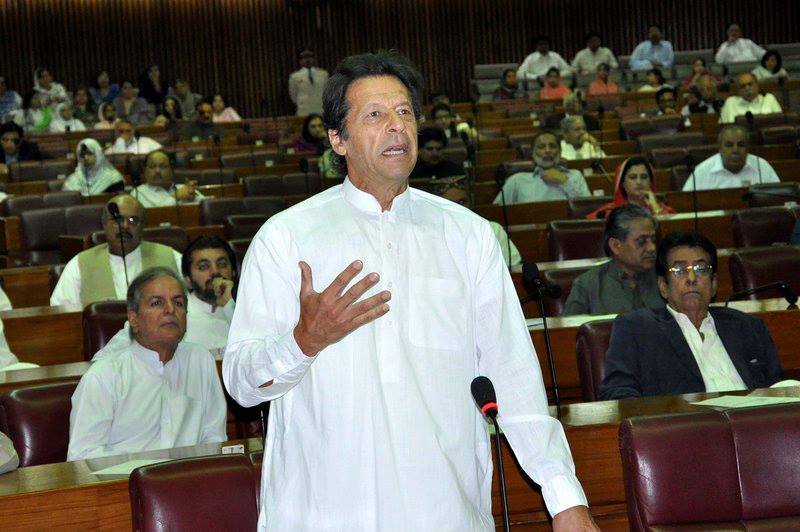
Deputy Speaker of the National Assembly (NA) Qasim Suri has barred lawmakers from using the word “selected” to address Prime Minister (PM) Imran Khan, a private media outlet reported.
According to reports, during the NA session held Sunday, Federal Minister for Energy Omar Ayub Khan protested against the premier continuously being referred to as “selected” in the house.
He said that addressing PM Imran as “selected” was a breach of the privilege of the house as he was an elected representative.
Deputy Speaker Qasim Khan, who was presiding over the session, then banned the use of the word, saying that each member had entered the house through votes of the people and the word came as an offence to the house.
Lawmakers of opposition parties have time and again referred to the premier as “selected” for they allege the ruling Pakistan Tehreek-e-Insaf (PTI) of coming to power after “stealing the mandate of the people”.
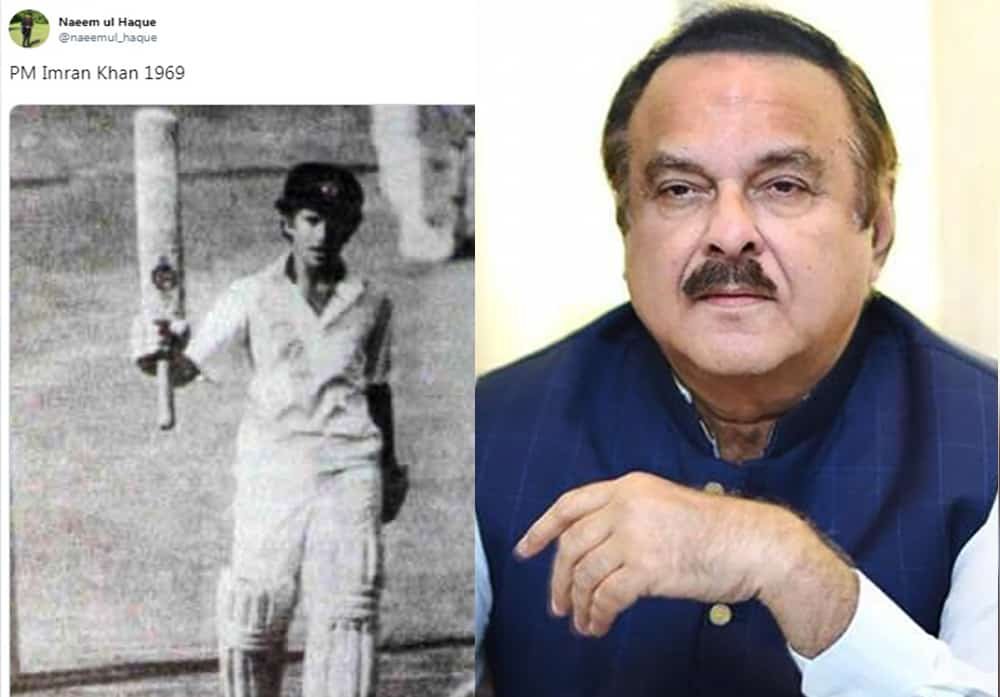
Special Assistant to the Prime Minister (SAPM) on Political Affairs Naeemul Haque has confused former Indian skipper Sachin Tendulkar for PM Imran Khan.
“PM Imran Khan 1969,” Haque wrote while tweeting a monochrome picture of a batsman raising his bat.
Pakistan’s Prime Minister’s aide shares @sachin_rt old picture mistaking him for his leader and Pakistan cricket star @ImranKhanPTI in an embarrassing gaffe.. This happens so frequently these days that no one even notices. https://t.co/bYCRsMqG5l
The Pakistan Tehreek-e-Insaf (PTI) has dropped its earlier plan of converting the Prime Minister’s (PM) House into a research university and instead an “emerging technologies and engineering” university will be established.
As per the details, the new idea will be materialised at a cost of around Rs30 billion and the university will be headed by former Higher Education Commission (HEC) chairman Dr Attaur Rahman.
“The proposal to have a policy institute at the PM House has been abandoned on my advice and rather an emerging technologies and engineering university will be set up in the vacant area of the venue,” Dr Rehman told a local English daily.
Earlier, the Education Ministry had completed the process of making the PM House a research university, named as “Islamabad National University”, in the first phase.
The university was to be constructed on 30 acres of land acquired from the polo ground, stables and mountains of the PM House in the second phase.
Reports had said that a research institute was to be made initially which was to be further given the status of a university.
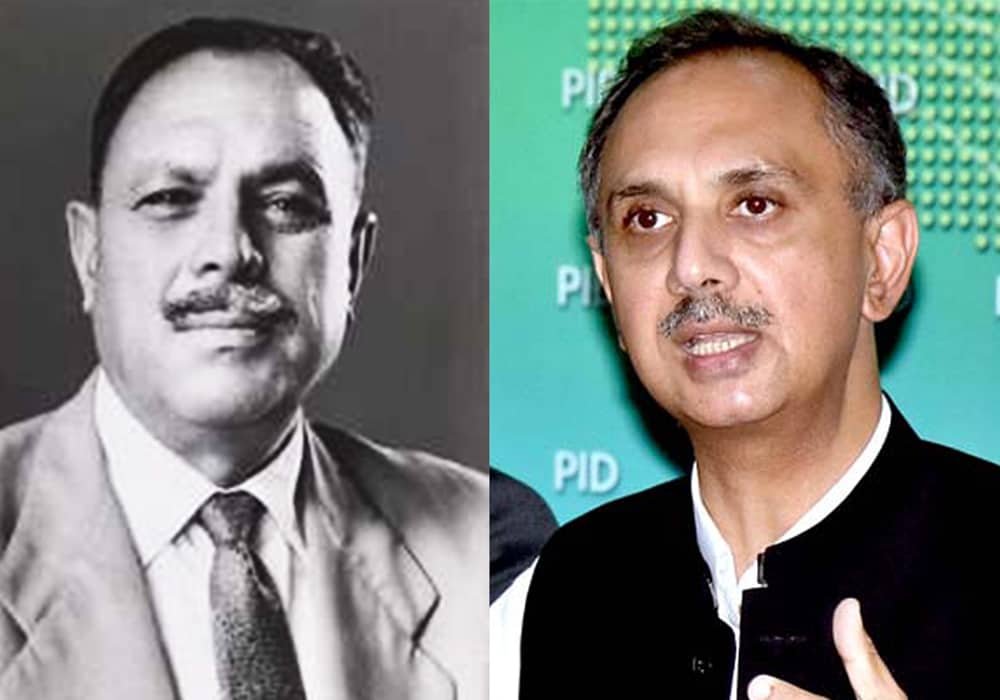
Minister for Power Division Omar Ayub Khan has said his grandfather and former president of Pakistan, Ayub Khan, had “laid the foundation of China-Pakistan Economic Corridor (CPEC)”.
Taking the floor of the National Assembly on Wednesday, Omar Ayub said, “Former president of Pakistan Ayub Khan had laid the foundation of CPEC by starting work on the Karakoram Highway.”
He further said that the Prime Minister (PM) Imran Khan-led government was determined to achieve the set target of Rs5,500 billion in the financial year 2019-20.
The minister added that the country had to pay billions of rupees as interest on the loans taken by the Pakistan Muslim League-Nawaz (PML-N) and Pakistan People’s Party (PPP) governments.
CPEC:
CPEC is a collection of infrastructure projects that are currently under construction throughout Pakistan with China’s help. Originally valued at $46 billion, the value of CPEC projects is worth $62 billion as of 2017.
The project is expected to generate employment and boost the country’s economy in the years to come.
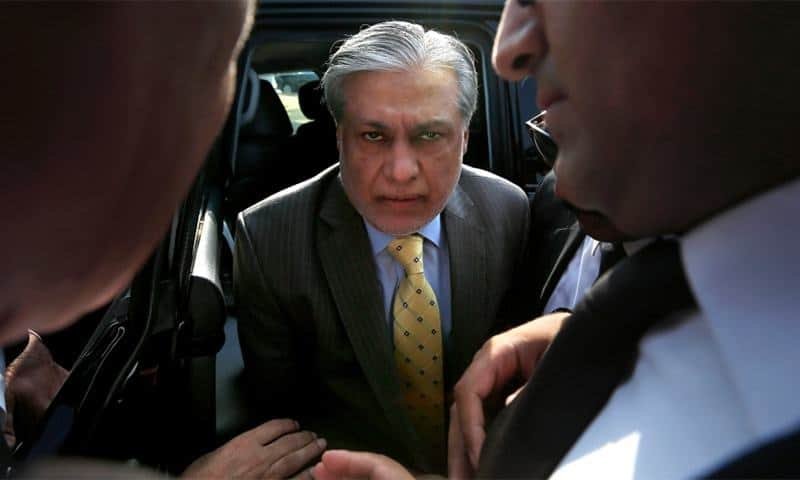
Soon after Special Assistant to Prime Minister (SAPM) on Accountability Shahzad Akbar said the British government has agreed to extradite Ishaq Dar, it was reported that the former finance minister had approached Home Office in London “to apply for political asylum”.
Dar, 69, is currently in London, “undergoing medical treatment”. He is absconding from several cases in Pakistan since 2017 and has been declared a proclaimed offender by the courts.
He is facing charges of accumulating assets beyond known sources of income.
With the Pakistan Tehreek-e-Insaf (PTI) government continuing to claim Dar is only evading the cases against him since he has been spotted walking upright on the streets of London time and again, PM Imran Khan’s special assistant on Tuesday said the former finance minister “will be brought back soon”.
A day later, a private media outlet claimed that the Pakistan Muslim League-Nawaz (PML-N) leader had reached the Home Office in London for a second interview with regard to political asylum in the United Kingdom (UK).
Rejecting the reports, a close aide of Dar told The Current that he had visited the UK Home Office “only to inform them about the fabricated reports in the name of a recently-signed extradition agreement between the two countries”.
The source’s claim was validated when British Foreign Secretary Jeremy Hunt said the United Kingdom (UK) would not sign any extradition treaty that could be used for “politically-motivated” cases.
Speaking at a joint press conference with Foreign Minister (FM) Shah Mahmood Qureshi at the Foreign and Commonwealth Office (FCO), Hunt confirmed the two had discussed the issue of an extradition treaty between Pakistan and the UK.
WATCH VIDEO:
“Let me say it straightforward. The UK will never sign any treaty allowing for politically motivated extradition,” said the British official to which Qureshi added that Pakistan did not intend to use the treaty against political rivals.
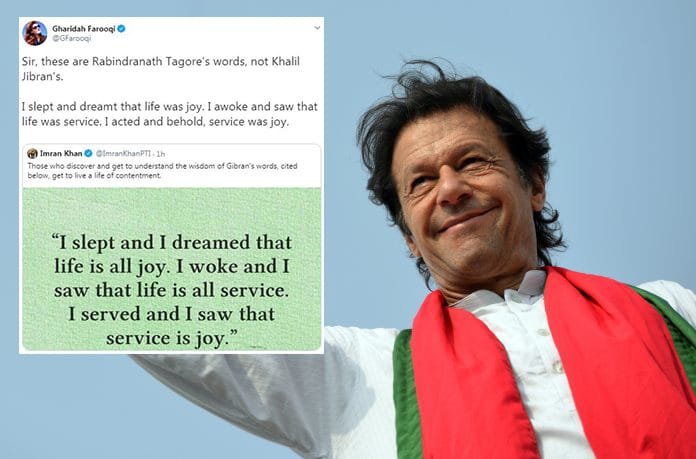
Prime Minister (PM) Imran Khan has misquoted Bengali poet Rabindranath Tagore — tweeting his words while crediting Lebanese-American writer and poet Khalil Gibran instead, journalist Gharidah Farooqi pointed out Wednesday.
“Those who discover and get to understand the wisdom of Gibran’s words, cited below, get to live a life of contentment [sic],” the premier had tweeted earlier in the day.
Those who discover and get to understand the wisdom of Gibran’s words, cited below, get to live a life of contentment. pic.twitter.com/BdmIdqGxeL
While the tweet was liked and retweeted by thousands of PM Imran’s follower, journalist Gharidah Farooqi pointed out what was wrong with it.
Retweeting, she wrote: “Sir, these are Rabindranath Tagore’s words, not Khalil Gibran’s. I slept and dreamt that life was joy. I awoke and saw that life was service. I acted and behold, service was joy.”
Sir, these are Rabindranath Tagore’s words, not Khalil Jibran’s.
I slept and dreamt that life was joy. I awoke and saw that life was service. I acted and behold, service was joy. https://t.co/OVIkBdxh9c
Days after Federal Minister for Science and Technology Fawad Chaudhry slapped senior anchorperson Sami Ibrahim, a video of the incident has emerged.
The incident took place last week at a wedding in Faisalabad, where the minister slapped Ibrahim “after getting angry” in wake of the ongoing spat between the two.
Earlier in June, the senior anchorperson had alleged that some elements within the ruling Pakistan Tehreek-e-Insaf (PTI) were hatching a conspiracy against Prime Minister (PM) Imran Khan to oust him and to weaken the Pakistan Army.
He had alleged that Fawad was a part of the group conspiring against the government.
The minister had responded by using slurs against the anchorperson, drawing widespread criticism from politicians, civil society and members of the journalist community.
He had also accused Sami of blackmailing him when he was the information minister for refusing to put his channel, Bol TV, into category A for advertisements.
Last Friday, Fawad tweeted that he had initiated criminal proceedings against the senior anchorperson and he would teach him a lesson in accordance with the law.
However, later that night when both of them met at the wedding function in Faisalabad, they had a bitter argument, which led to the minister slapping him on the face.
WATCH VIDEO:
The incident had led to PM Imran speaking to the journalist and telling him “his party doesn’t encourage any individual acts that intentionally or unintentionally undermine someone’s self-esteem.”
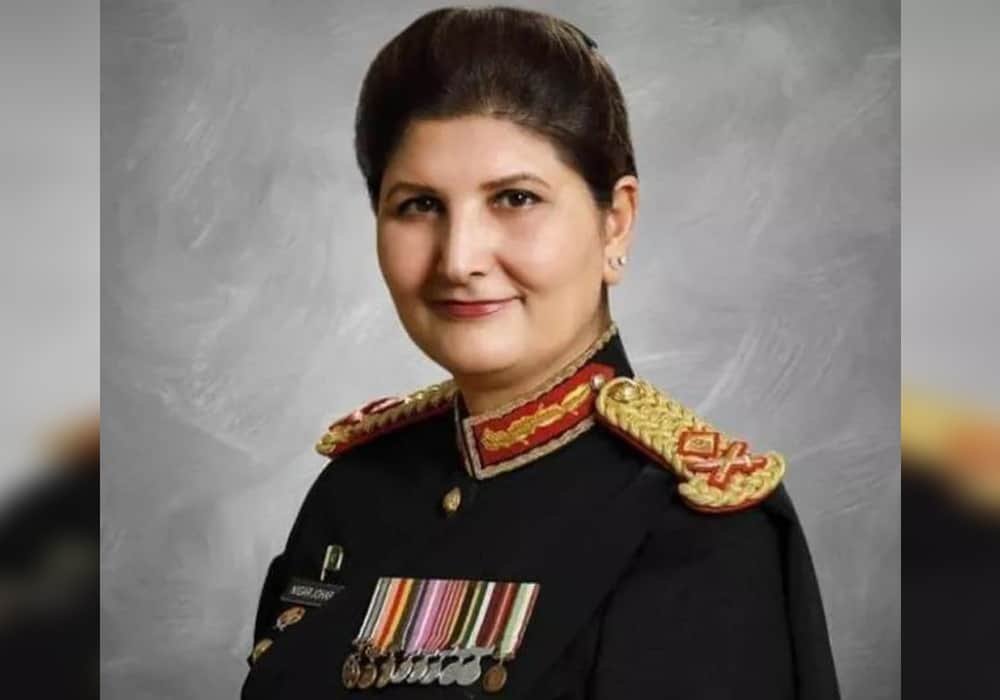
Federal Minister for Human Rights Shireen Mazari has tweeted to pay her respect to Nigar Johar Khan, the third woman in the country’s history to hold the rank of major general in the Pakistan Army.
“Respect. #womenempowerment,” Mazari wrote while sharing a picture of the officer.
Hailing from a Pashtun family of Khyber Pakhtunkhwa’s (KP) Panjpir village in Swabi, Maj Gen Nigar Johar Khan is the daughter of Col Qadir, who served in the Inter-Services Intelligence (ISI).
She is from the 5th MBBS course of Army Medical College (AMC) and has served as female company commander of Ayesha company at the same college.
In 2015, she was featured in an Inter-Services Public Relations (ISPR) video honouring women officers of the country’s armed forces. At the time, she was the deputy commandant of Combined Military Hospital (CMH) in Rawalpindi.
Apart from being a doctor, she is a sharpshooter and is currently serving as the commandant of Pak-Emirates Military Hospital, Rawalpindi.
The first two major generals, Shahida Badsha and Shahida Malik also belong to the Army Medical Corps. Another officer, Dr Shehla Baqai became the fourth female Major General in Pakistan Army last year.
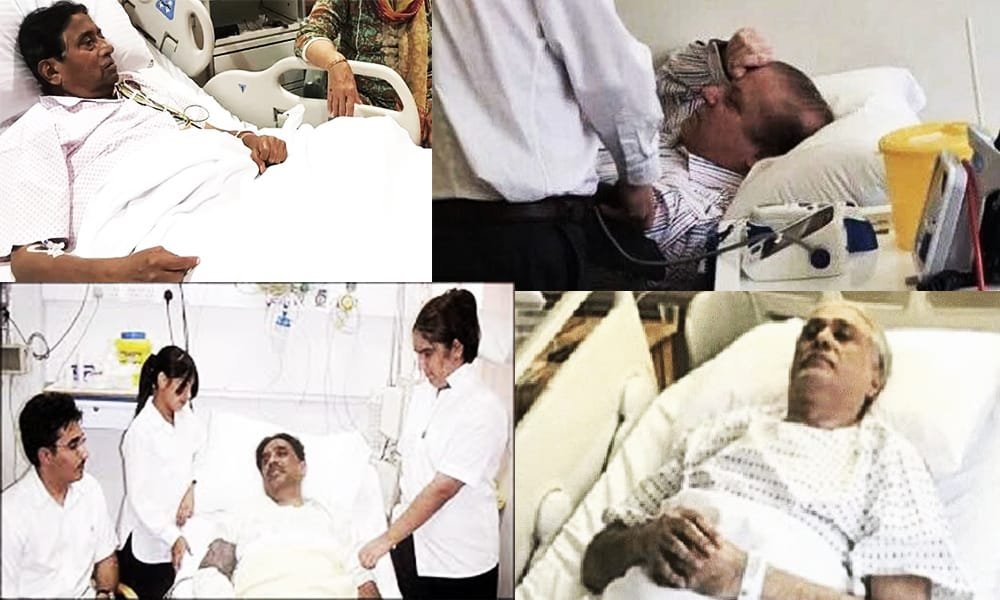
Pakistani politicians are rather infamous for falling sick right
after they are sentenced to imprisonment, taken into custody for investigation or
even if summoned by a court.
While some think of the sudden ailment as “nothing but an
easy way out of the ordeal that could follow”, several others believe otherwise.
Here are five politicians who fell prey to an untimely, or
perhaps timely, sickness.
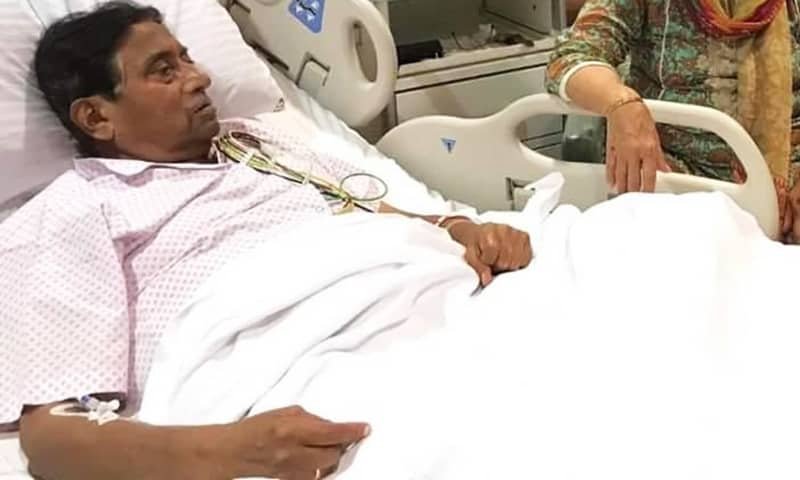
1. Pervez Musharraf
Soon after All Pakistan Muslim League (APML) chief and former
military ruler Pervez Musharraf was charged with treason, he underwent chest
and back pain. He was shifted to Combined Military Hospital (CMH), where he
spent months and failed to appear before the court.
Even though Musharraf’s name was put on the Exit Control List
(ECL), the Interior Ministry allowed him to leave the country for treatment
back in 2016 and he hasn’t returned since.
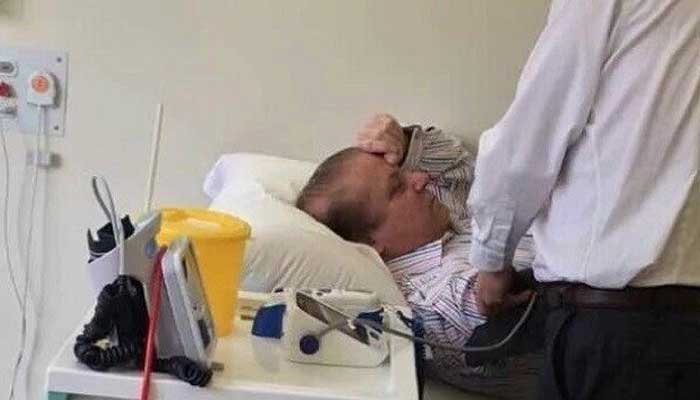
2. Nawaz Sharif
Former prime minister Nawaz Sharif was advised to undergo a
heart surgery soon after the emergence of Panama Papers in April 2016 amid
calls for a probe into his offshore assets by the opposition.
Since the case started and his subsequent imprisonment last year, the ex-PM has time and again sought bail on medical grounds, even the permission to travel abroad for treatment, and has taken multiple trips to the hospital from jail.
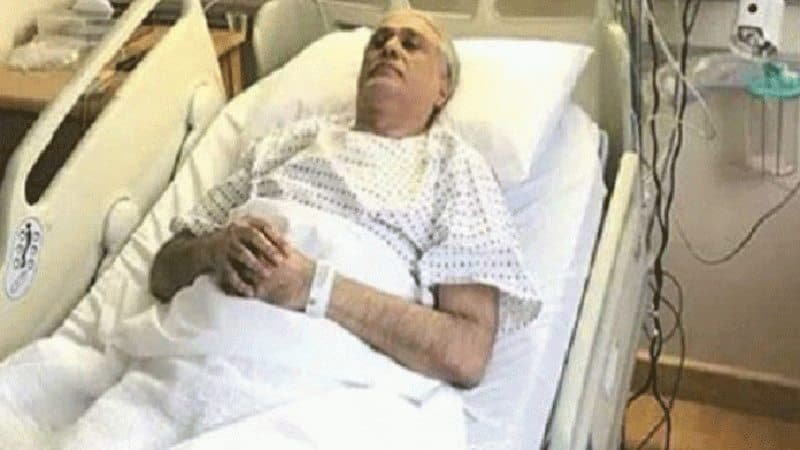
3. Ishaq Dar
The former PML-N lawmaker tendered his resignation as the country’s finance minister after the National Accountability Bureau (NAB) initiated an inquiry into his assets back in 2017.
Dar fell ill, with his counsel requesting an exemption from the court. He later traveled to the United Kingdom (UK) and hasn’t returned since. The politician’s medical reports say he is severely ill; however, he has been spotted walking upright on London streets time and again.
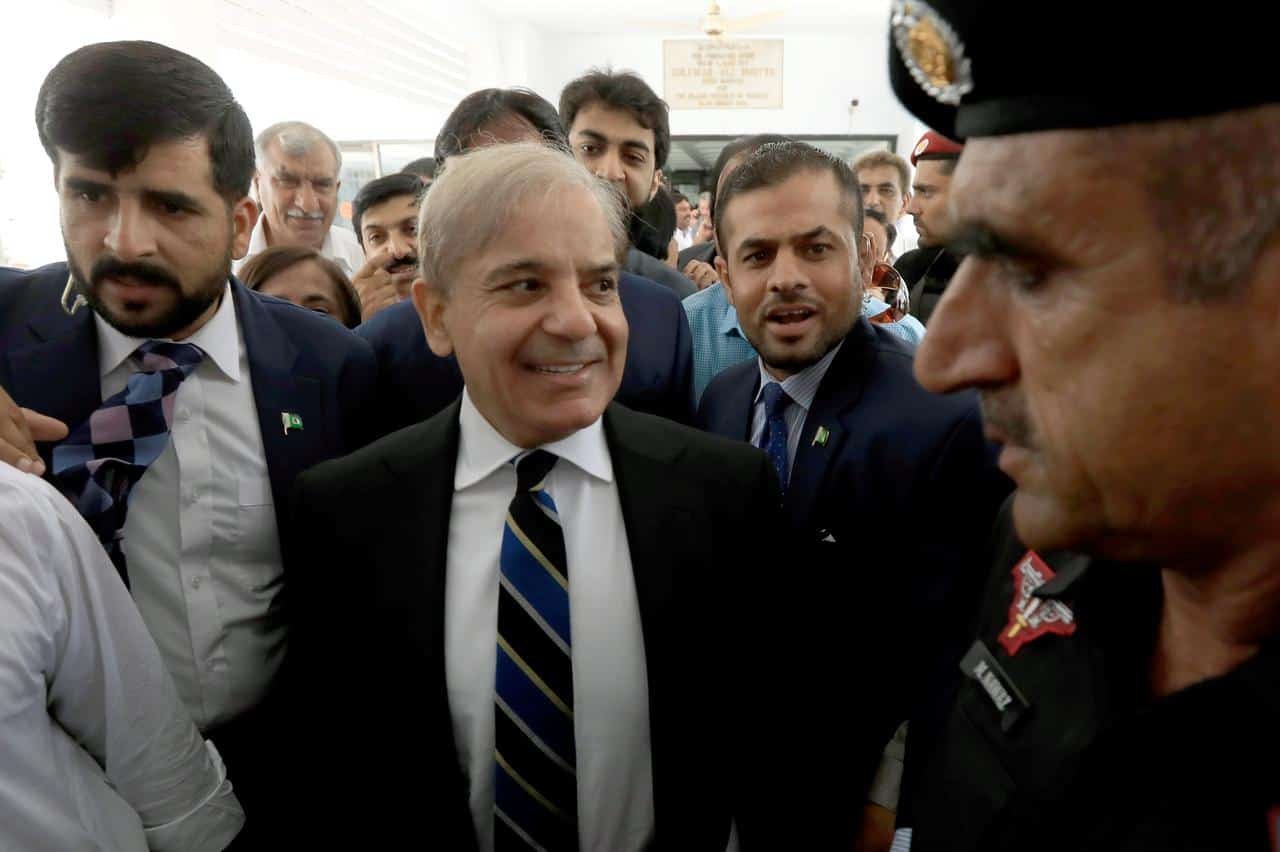
4. Asif Ali Zardari
The former president’s little visit to the hospital after he
was taken into NAB custody last week, wasn’t the first of its kind. Earlier, he
had used his medical reports to fight a corruption case filed against him in a
British court.
Zardari had pleaded that he was diagnosed with a range of
psychiatric illnesses during his detention in jail. He, however, went on to
become the president of Pakistan in 2008.
The list doesn’t end here as several other political figures, including ex-petroleum minister Dr Asim Hussain and ex-information minister Sharjeel Memon, have also sought medical attention in times of trouble.
The Current asked people about what they think of all these untimely ailments and here is what they had to say: