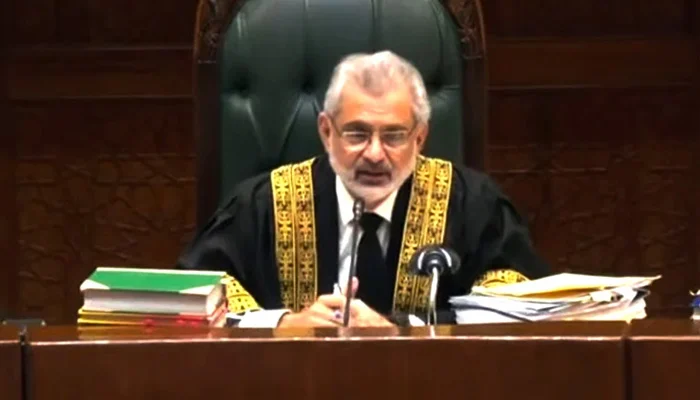
Chief Justice of Pakistan (CJP) Qazi Faez Isa has said during today’s hearing in a case related to harassment of journalists that “Nowadays there is selective reporting and sometimes outright lies, so we will run our own YouTube channel.”
Tag: politics latest
-
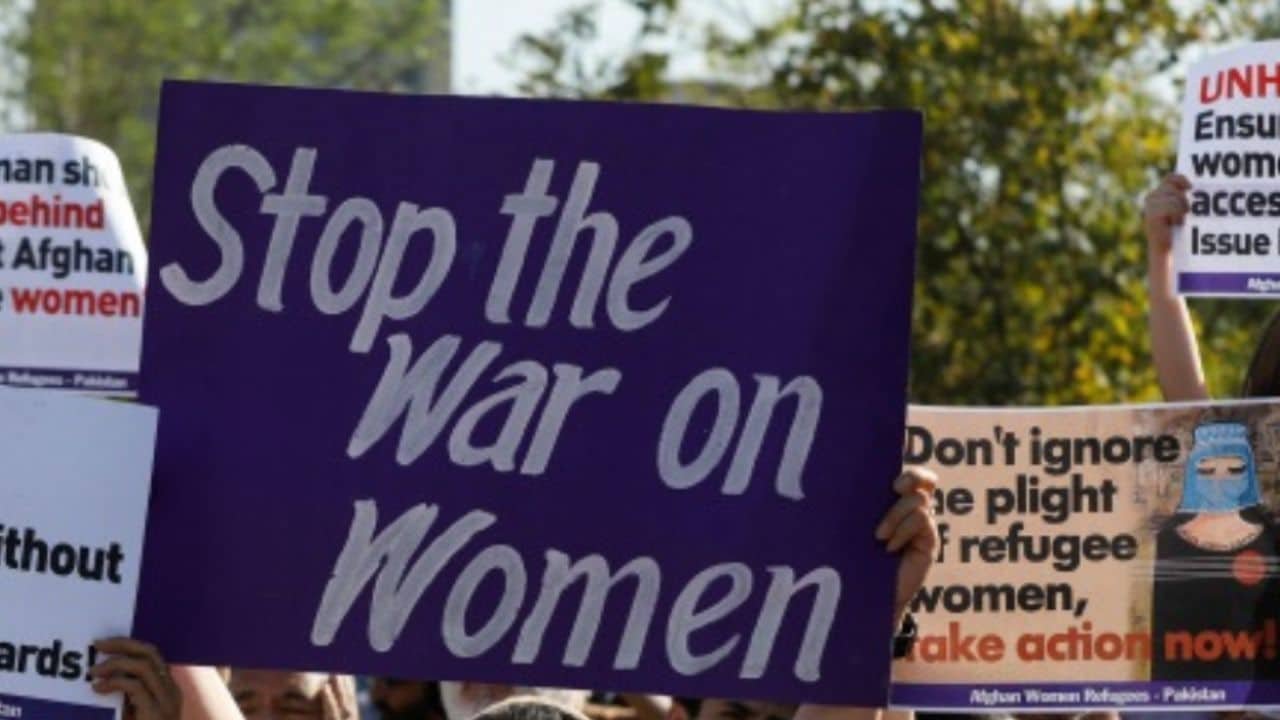
PTI demands full court, rejects ‘like-minded’ judges bench
In an echo to past objections, former ruling party Pakistan Tehreek-e-Insaf (PTI) has rejected the constitution of a seven-member bench led by the Chief Justice of Pakistan (CJP) to investigate the six judges’ letter documenting alleged interference by intelligence agencies in judicial matters.
At a press conference, former Chief Minister of Gligit-Baltistan Khalid Khurshid along with the party’s central information secretary Raoof Hasan declared that PTI would not accept the legitimacy of the seven-member bench terming it “like-minded judges” that was made at the behest of the CJP to get a decision of their choice.
He demanded that a full court be constituted to investigate the serious allegations levelled by the six IHC judges and the proceedings should be telecast live. Raoof also added that judges should be allowed to tell their stories in a judicial conference as well.
He lauded ex-CJP Tasadduq Hussain Jillani’s decision to recuse himself from the inquiry commission and congratulated the legal fraternity for their principled stance. He also commented that the IHC judges demonstrated great courage by writing the letter.
-
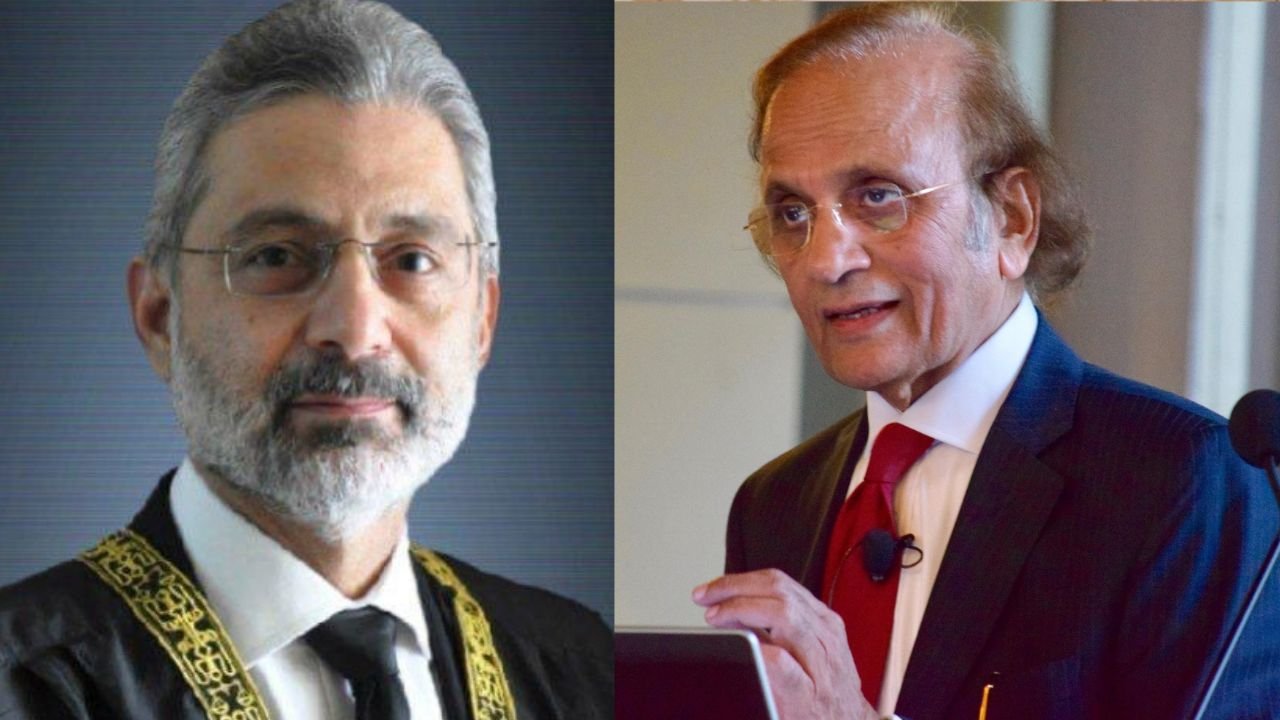
Tasadduq passes the buck back to the Supreme Court
Former Chief Justice Pakistan Tassaduq Hussain Jillani on April 1 recused himself from heading the “inquiry committee” that was approved by the Federal Cabinet regarding the Islamabad High Court judges’ letter.
Jillani’s letter was written to Prime Minister Shehbaz Sharif with the subject “One Man Inquiry Commission.”
Last week, on Tuesday, six judges of IHC wrote an explosive letter to the Supreme Judicial Council (SJC) alleging blatant interference of intelligence agencies in judicial matters.The very next day, calls for investigations began to gain ground which led to CJP Qazi Faez Isa holding a full court meeting of the Supreme Court judges.
On Thursday, the PM met with CJP and an inquiry commission was made to probe into the matter. The Federal Cabinet approved and appointed Tassaduq Jillani as the commission head on Saturday.
However, more than 300 lawyers wrote a joint letter to the Supreme Court urging them to take Suo Moto initiative in the judges’ allegations.
The Supreme Court on Monday took suo motu notice of the IHC judges’ letter while the former CJP Jillani also refused to head the one-man inquiry commission citing that the letter referenced the top court to intervene so it would be “violative of judicial propriety” for him to inquire into a matter which “may fall within the jurisdiction of a constitutional body which is the SJC or the Supreme Court itself”
-
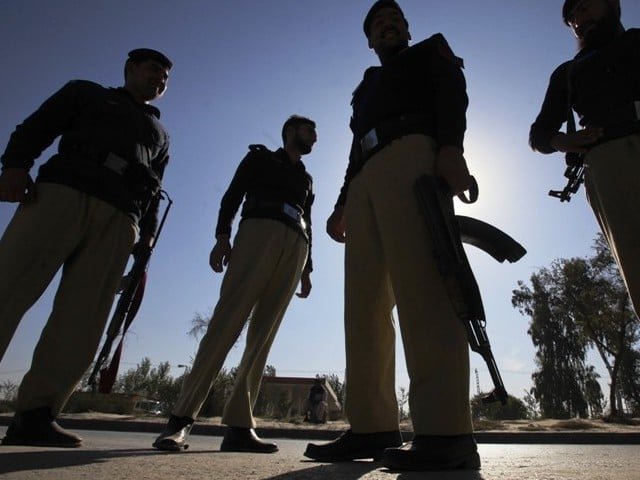
CTD arrests terrorists involved in Shangla Suicide attack
The Counter-Terrorism Department (CTD) has arrested more than 10 terrorists and their facilitators involved in the recent suicide attack in Shangla’s Bisham city last week.
The attack took the lives of six people, including five Chinese nationals, drawing widespread condemnation from the country’s civil-military leadership.
Last week, a Chinese investigation team arrived in Pakistan to probe the unfortunate incident and expressed its interest to collectively work with Pakistani authorities. CTD sources said that the terrorist commander who was primarily responsible for bringing the suicide bomber into Pakistan has been arrested.
Moreover, the explosive-laden vehicle used in the attack was made in Afghanistan and smuggled into Pakistan through the Pak-Afghan Chaman border crossing in Balochistan. From there it was transported to Chakdara in Lower Dir via a smuggler – who has also been arrested.
The mastermind behind the attack has been named as Hazrat Bilal who is currently wanted by the authorities.
-
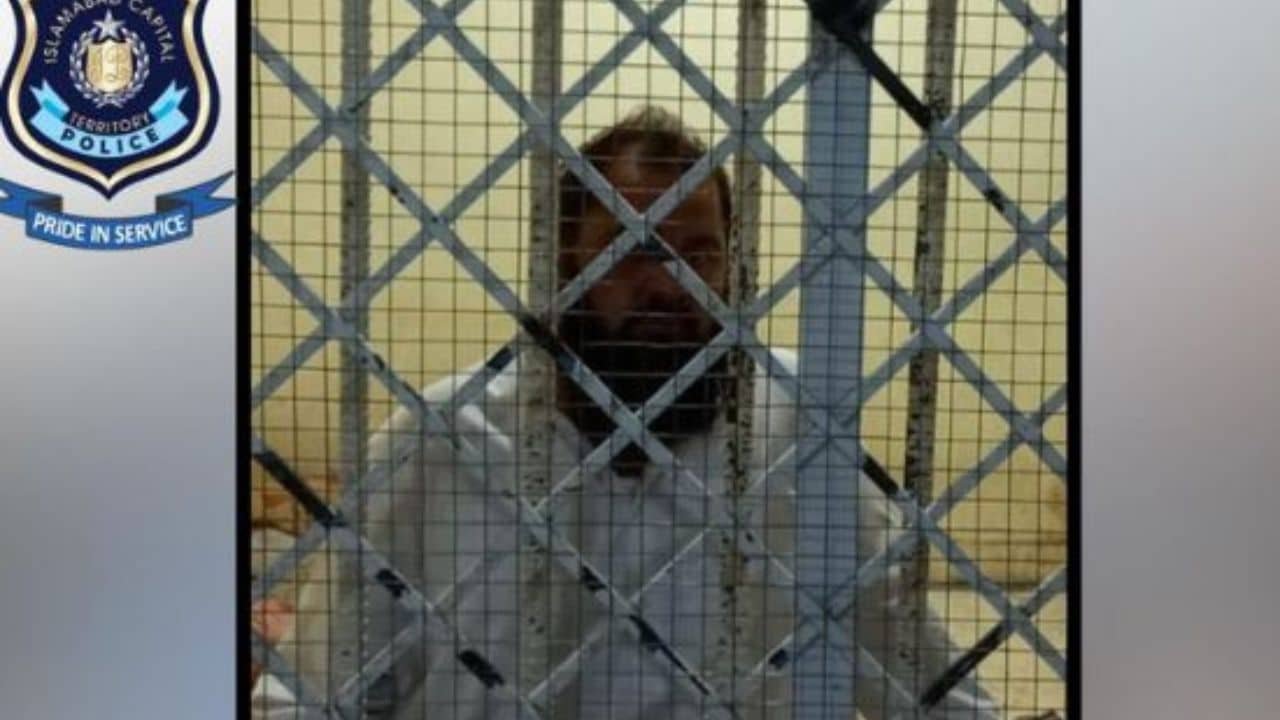
Imran Khan does not want to get out of Adiala Jail, says Shandana Gulzar
During a talk show with Nadir Gurmani at Dawn News, Pakistan Tehreek-e-Insaf (PTI) leader Shandana Gulzar remarked that Imran Khan does not want to come out of Adiala jail because he is safe under the supervision of jail authorities.
When the anchor asked Shandana Gulzar about the lack of unity of party leadership on a one-point agenda that Imran Khan must get out of jail, she replied that the former Prime Minister does not believe in this agenda.
“Only Imran Khan can set an agenda, nobody else. Khan has a three-point agenda; the first is to give us back our stolen mandate, the second is to release all PTI workers who have been arrested without any valid reasons and the third is to get our workers free from illegal military trials,” she stated.
She said that Shehryar Afridi told Khan that they wanted him to get free, to which he replied “I don’t want to get out of jail. My priority is Pakistan so it does not disintegrate like Bangladesh.”
“After God, Khan’s life is in the hands of jail authorities,” she said on the show, expressing concerns that there would be no guarantee of his safety if he gets shifted to sub-jail.
-
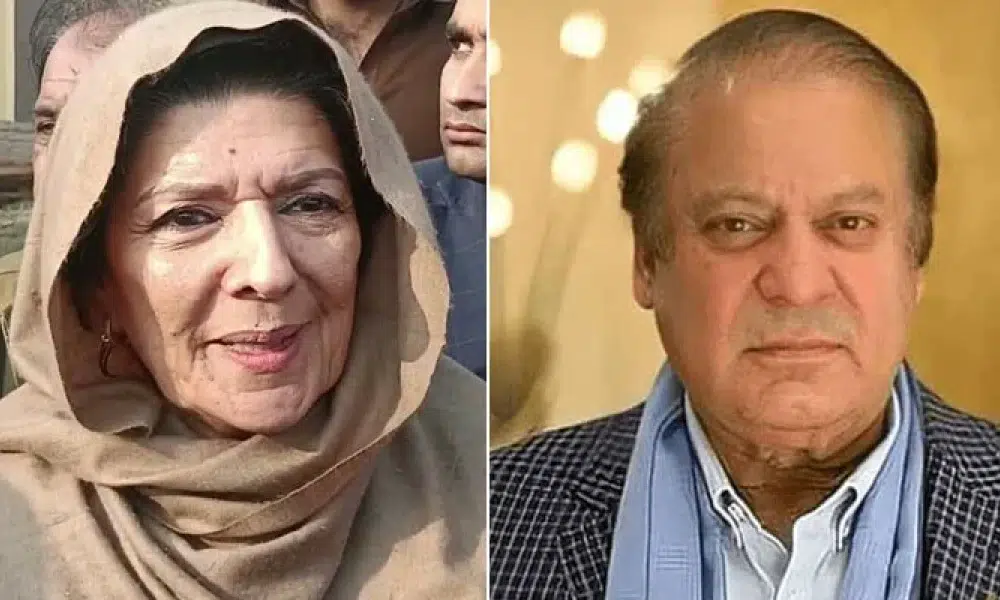
Punishing Nawaz Sharif on Iqama was judge’s mistake, says Aleema Khan
Founder Pakistan Tehreek-e-Insaf (PTI) Imran Khan’s sister Aleema Khan has said that punishing Nawaz Sharif on Iqama in the Panama case was a judge’s mistake.
Talking to media in Islamabad, Aleema Khan declared that the letter from six Islamabad High Court (IHC) judges has revealed the wrongdoing of many individuals. She emphasised the importance of judges advocating for justice, stating that without their support, justice cannot prevail. Aleema Khan urged lawyers to unite in solidarity.
Imran Khan’s sister stated that the judge made a mistake in the Panama case. She pointed out that the former prime minister was sentenced in the Iqama case, not in the original case, adding that if he were punished in the original case, he would not be free today.
Aleema continued to say that if pay attention to the cipher case, there will be no doubt in the statement of Asad Majeed. The 10-year sentence in the cipher case and the treason case will be buried; this case is being conducted to save Donald Lu.
-

PTI to stage protest on Sunday in solidarity with judges
The Pakistan Tehreek-e-Insaf (PTI) announced on Thursday that it will stage a protest on Sunday in solidarity with judges and for the release of PTI founder Imran Khan.
“The PTI is going to stage a rally for the freedom of the judiciary on the directives issued by the founder of the PTI,” party Chairman Barrister Gohar Ali Khan said while talking to the media after a meeting with Imran Khan.
Earlier, Adiala jail authorities gave permission to 11 PTI leaders and the PTI’s legal team to visit Imran Khan in prison, including Barrister Gohar Ali Khan, Shoaib Shaheen, Sher Afzal Marwat, Faisal Javaid, Zartaj Gul and Amir Niazi.
“We will soon write a letter to the Chief Justice of Pakistan on behalf of the founder of PTI, while Imran Khan, in his message from the jail, has expressed complete solidarity with the cause of the judiciary’s freedom,” Barrister Gohar said.
This development comes after six judges of the IHC — Justice Mohsin Akhtar Kiyani, Justice Tariq Mehmood Jahangiri, Justice Babar Sattar, Justice Sardar Ejaz Ishaq Khan, Justice Arbab Muhammad Tahir, and Justice Saman Rafat Imtiaz — wrote to the Supreme Judicial Council (SJC) to convene a judicial convention over the matter of the alleged interference of members of the executive, including operatives of intelligence agencies, in judicial affairs.
-
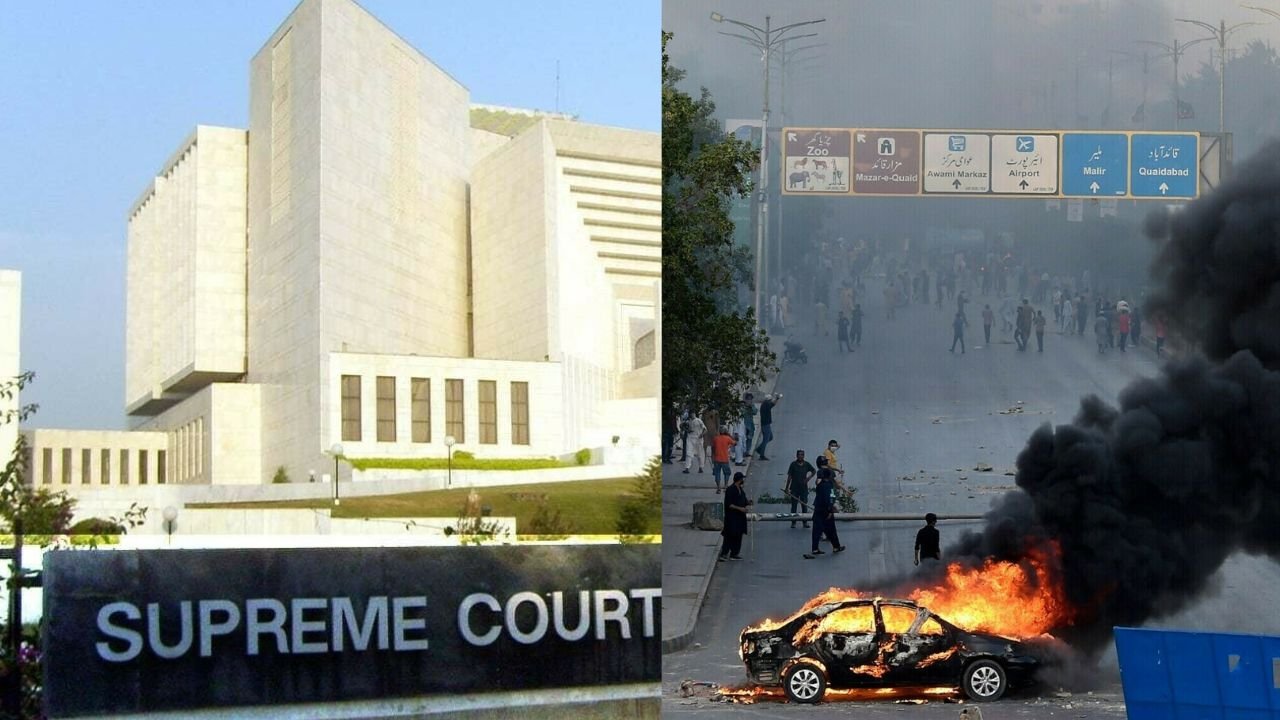
Supreme Court grants conditional permission for military courts to announce May 9 verdicts
The Supreme Court of Pakistan has granted conditional permission to military courts to announce reserved verdicts in cases related to civilians allegedly involved in the May 9 riots.
The directive came during a hearing on a set of intra-court appeals (ICAs) against the apex court’s previous ruling nullifying military trials of civilians connected to the riots.
The six-member bench, led by Justice Aminuddin Khan and including Justices Muhammad Ali Mazhar, Syed Azhar Hasan Rizvi, Shahid Waheed, Musarrat Hilali, and Irfan Saadat Khan, presided over the proceedings.
The case revolves around the trial of over 100 civilians accused of attacking army installations during riots following the arrest of ex-premier Imran Khan on May 9 of the preceding year.
Last year, a five-member Supreme Court bench unanimously declared military trials of the accused civilians unconstitutional, directing their trial in criminal courts established under the ordinary or special law of the land.
However, on December 13, the Supreme Court conditionally suspended its previous ruling pending final judgments on a set of ICAs. These appeals were filed by the then-caretaker federal government and provincial governments of Balochistan, Khyber Pakhtunkhwa, and Punjab. The defense ministry also filed an ICA seeking suspension of the ruling’s operation during the appeal process.
During the hearing, the AGP also hinted at the possibility of 15 to 20 of the accused being released by the special courts. “A total of 105 accused are in the army’s custody,” he said.
AGP Awan further said that there were three stages to the release of the suspects. The first step would be the pronouncement of the reserved judgements; the second would be its confirmation; and the third step would be for the army chief to give concessions to those with reduced sentences.
The attorney general then urged the apex court to allow military courts to announce the reserved verdicts.
“Even if permission is granted, it will be subject to the final decision on the appeals [against the Oct 23 ruling],” Justice Khan remarked.
Justice Rizvi then inquired about the names of those who would be released. AGP Awan replied that the names could not be released until the military courts decided the cases.
“Those whose punishment is one year will be given concessions,” the AGP said.
Subsequently, the SC gave conditional permission to military courts to announce the reserved verdicts. It directed that judgments be announced in cases in which the nominated suspects could be released before Eid.
The court also accepted the request from the Khyber Pakhtunkhwa government to withdraw its appeal against the October 23 ruling. The hearing was adjourned until the fourth week of April, with the attorney general instructed to submit a report on the matter to the registrar.
-

IHC puzzled by FIA singling out Imran, Qureshi in cipher case
The Islamabad High Court (IHC) on Wednesday questioned why the Federal Investigation Agency (FIA) was only specifically investigating former Prime Minister Imran khan and former Foreign Minister Shah Mehmood Qureshi for not returning the diplomatic cipher even though others involved in the case have done the same.
Justice Miangul Hassan Aurangzeb gave his remarks during the hearing of appeals filed by both Khan and Qureshi against their conviction.
Defence council Barrister Salman Safdar presented his argument that the concerned diplomatic cipher was sent to the top eight offices, including the president, PM’s principal secretary, foreign secretary, army chief, director general of Inter-Services Intelligence, chief justice of Pakistan and cabinet secretary.
However, the defense argued, none of the mentioned recipients returned the diplomatic cable to the Foreign Office when the inquiry commenced in October 2022.
The other recipients didn’t return the cable for over a year and did so only when proceedings were started against only the ex-PM and FM.
Justice Aurangzeb asked for an explanation of this move by FIA, to which Barrister Safdar replied it showed “selective prosecution, political victimisation, colourable exercise of power and defective investigation”.
-

‘Stop arresting journalists’; Supreme Court orders FIA
A three-member bench of the Supreme Court, led by Chief Justice Qazi Faez Isa, issued a directive instructing the Federal Investigation Agency (FIA) to refrain from arresting any journalists until the next hearing of the suo motu case concerning the alleged harassment of media personnel.
During the hearing, the lawyer for the Press Association of the Supreme Court, Barrister Salahuddin, argued that action was taken against journalists in the name of violation of privacy. The chief justice asked the lawyer how he would define privacy.
Salahuddin said that the FIA had become accustomed to the misuse of the Prevention of Electronic Crimes Act (PECA). He added that the Islamabad High Court (IHC) had declared PECA’s Section 20 null and void. He replied in negative, when the chief justice asked whether the decision was challenged.
Chief Justice Isa raised questions about the issuance of notices to journalists under Section 160 of the Pakistan Penal Code (PPC) before the registration of any First Information Report (FIR).
The chief justice pointed out that many times there was a pressure from the above, so the officials send a notice to ward off the pressure, yet no FIR was registered and no arrest was made. Under this notice, he added, they could call anyone as witness.
In response, Salahuddin stressed the importance of providing comprehensive details alongside such notices and argued that notices should only be sent after the registration of an FIR. Chief Justice Isa, however, suggested that officials might be reaching out to individuals to ascertain information before proceeding further.
The court adjourned the hearing until April 2, ordering the FIA to refrain from arresting journalists until then. Chief Justice Isa emphasized that the court would only invalidate legal processes if they were proven illegal, highlighting the need for clarity and adherence to due process in such matters.