Tag: politics latest

  • Aik MNA ki salary kitni hai?

    Aik MNA ki salary kitni hai?

    Whenever you start a new job people ask “Salary kitni hai?” Well our newly inducted Members of the National Assembly (MNAs) are being asked the same and we are telling you what their salary is.

    Their basic pay is Rs 150,000 while the sumptuary allowance, a benefit granted to several grades of Central Government employees to cover the expenses incurred on entertaining visitors, is 5,000. They also get a telephone allowance of ten thousand rupees and they also get an office maintenance allowance of eight thousand rupees. In addition to this, their ad-hoc relief allowance is 15 thousand rupees.

    The breakdown of allowances for attending each session of the National Assembly is as follows:

    Daily allowance (special): Rs4,800 per day
    Daily allowance (ordinary): Rs2,800 per day
    Conveyance allowance: Rs2,000 per day
    Housing allowance: Rs2,000 per day

    These allowances are dispersed for three days preceding the session and three days following it.

    Moreover, MNAs receive additional funds based on their mode of transportation:

    By air (business class): Rs150 per kilometer
    By road: Rs10 per kilometer
    By rail: An amount equivalent to one air-conditioned class fare and one second-class fare

    Additionally, the government provides MNAs with “free travel” vouchers, enabling them to avail Pakistani airline services or Pakistan Railways. The benefits include:

    Travel vouchers worth Rs300,000 annually or a cash allowance of Rs90,000
    Twenty-five business class return air tickets per year.
    Furthermore, each MNA is eligible to have a telephone installed free of charge at their residence.

    Lastly, MNAs are reimbursed for their medical expenses, ensuring comprehensive coverage for their well-being.

  • Asfand Yar Wali’s wife passes away in Charsadda

    Asfand Yar Wali’s wife passes away in Charsadda

    Awami National Party (ANP) President Asfand Yar Wali’s wife and mother of Aimal Wali Khan, has passed away on Monday in Charsadda.

    Funeral prayers were held in the ancestral home Wali Bagh. The deceased was buried near the graves of Khan Abdul Wali Khan and Begum Naseem Wali Khan.

    Khyber Pakhtunkhwa Governor Haji Ghulam Ali Khan, former chief minister Amir Haider Khan Hoti, Haji Ghulam Ahmad Bilor, Sardar Hussain Babak, former senator Farhatullah Babar, former federal minister Khwaja Mohammad Khan Hoti, former and current parliamentarians, and a large number of ANP workers attended the funeral prayers.

    Aimal Wali Khan lowered his mother’s body in the grave.

    The ANP president didn’t attend the funeral prayers due to illness.

  • Shebaz Sharif wants uninterrupted gas, power supply during Ramazan

    Shebaz Sharif wants uninterrupted gas, power supply during Ramazan

    Prime Minister Shehbaz Sharif directed authorities on Monday to ensure uninterrupted gas and power supply, aiming to help people during the holy month of Ramazan.

    In a high level meeting on the petroleum sector, the premier instructed officials to give all possible support to private sector, local, and foreign investors in exploring and refining gas and oil, as well as distributing these natural resources.

    Addressing the participants, Shehbaz said that the government is not meant to do businesses, rather its responsibility is to extend all kinds of facilities to the private sector and ensure protection of the rights of consumers, especially the vulnerable segments of society.

    The chief executive asked for steps to promote global investment in exploration of tight gas and undersea oil and gas reserves, regretting that Pakistan’s maritime area was huge in size when compared with Balochistan province, but no steps were taken to explore its hidden natural resources.

  • Larkana Police saves girl from child marriage

    Larkana Police saves girl from child marriage

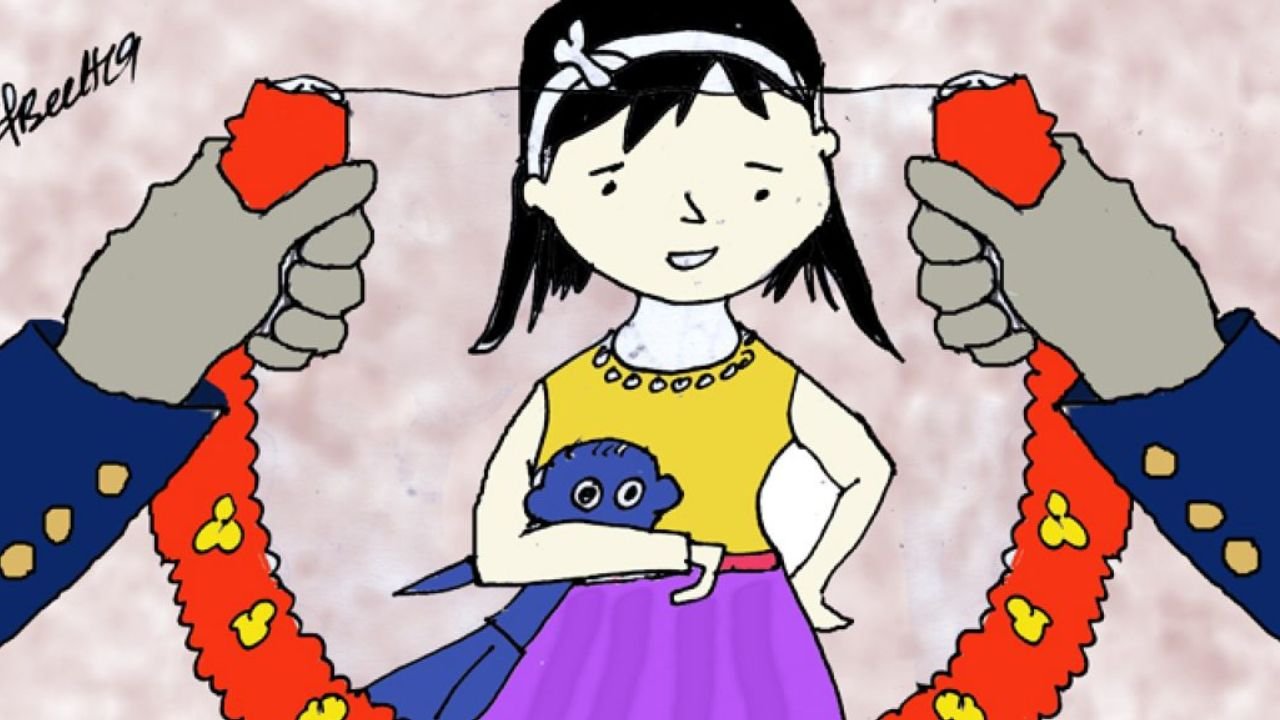
    Larkana police intervened to prevent a 13-year-old girl from being forced into marriage, shedding light on the persistent issue of child marriage in the region.

    Larkana district police chief, SSP Syed Abdul Rahim Shirazi, took decisive action upon receiving a report regarding the marriage of Aliya, the 13-year-old daughter of Khalid Hussain.

    Authorized by SSP Shirazi, a team comprising DSP Headquarters Sarfraz Ahmed, SHO Abdul Malik Bhutto, and SHO Women Police Station, raided Khalid Hussain’s residence to halt the unlawful ceremony, which violated the Sindh Child Marriage Act.

    Police checked the B-Form of Aliya Khalid Hussain confirming her official age. The parents of the teenage girl told the police that they were giving away their child in marriage due to poor financial conditions. On this, the SSP Larkana gave financial support of Rs50,000 to the girl’s parents.

    The Sindh Child Marriage Act enacted in 2013 prohibits the marriage of any child under the age of eighteen years and provides penalties for a male contracting party, the person who solemnizes the marriage as well as the parent or guardian concerned.

    Despite the legal framework in place, the implementation of laws against child marriage remains a significant challenge in Sindh. Child rights expert Sarah Zaman emphasized the existence of operational gaps and challenges in enforcing the law. However, she reaffirmed the legitimacy and importance of the act in combating the practice of child marriage.

    Zaman highlighted that while poverty is often cited as a reason for child marriages, other socio-political issues contribute to the prevalence of this harmful practice. Moreover, amidst challenges such as the recent flood disaster, Pakistan faces additional social issues, including trafficking, rape, and child marriages.

    In March 2023, the Federal Shariat Court in Islamabad upheld the validity of the Sindh Child Marriage Restraint Act 2013, dismissing a petition claiming it was un-Islamic. The act, which sets the minimum age of marriage at 18 for both girls and boys in the province, was deemed consistent with Islamic principles by the court.

  • Chief Justice wants to send contempt of court notice to FIA in Asad Toor case

    Chief Justice wants to send contempt of court notice to FIA in Asad Toor case

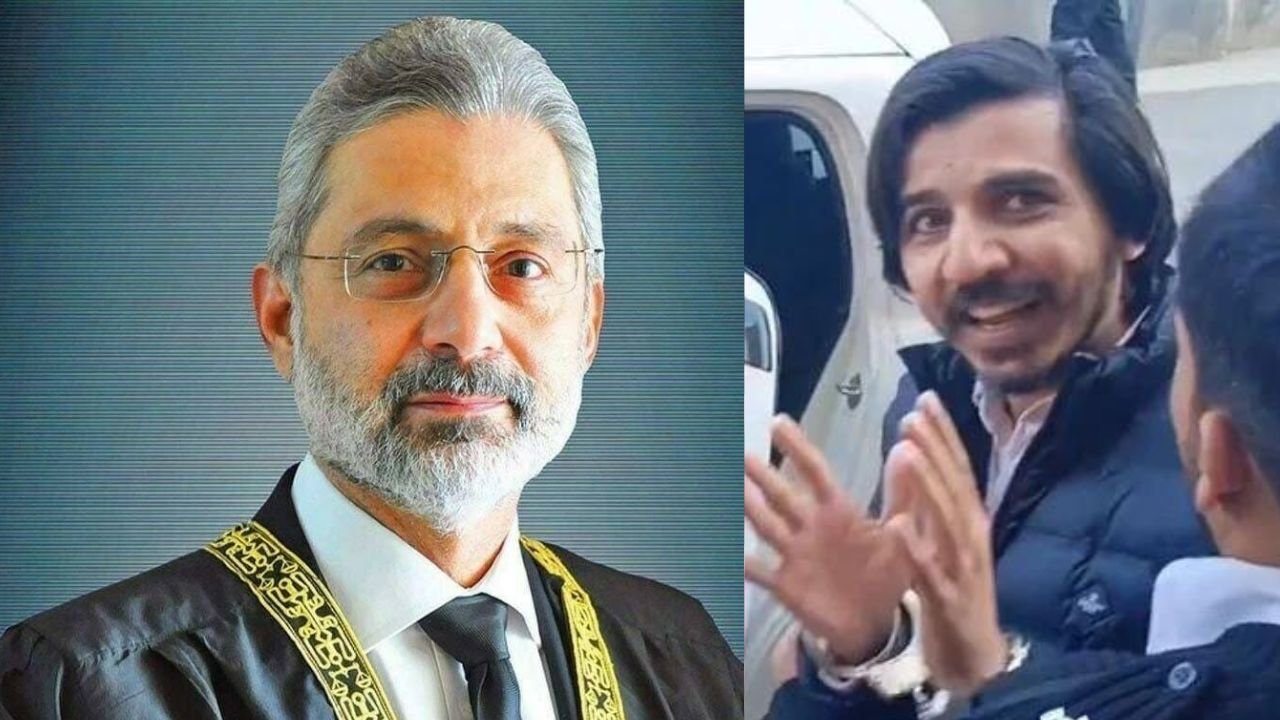
    Chief Justice of Pakistan (CJP) Qazi Faez Isa expressed concerns on Monday on the use of the Supreme Court’s name in initiating action against journalist and vlogger Asad Toor, highlighting discrepancies in the First Information Report (FIR) filed by the Federal Investigation Agency (FIA).

    “The inquiry notice [sent to Asad Toor] stated that he is being summoned in an inquiry related to an anti-judiciary campaign whereas the FIR didn’t even mention as such,” CJP Isa said.

    During a hearing of a suo motu case, a three-member Supreme Court bench, comprising CJP Isa, Justice Muhammed Ali Mazhar, and Justice Mussarat Hilali, addressed issues of journalists’ harassment over FIA summons related to the Joint Investigation Team’s (JIT) probe into an alleged anti-judiciary campaign.

    On January 17, the then-caretaker government formed a JIT to investigate a social media campaign targeting Supreme Court judges following a verdict on the election symbol of Pakistan Tehreek-e-Insaf (PTI). However, the court intervened after FIA summons were sent to journalists and prohibited action against individuals criticizing the apex court.

    Despite the court’s intervention, Toor was arrested by the FIA on February 26 in connection with the alleged smear campaign against the Supreme Court and CJP and is currently in custody.

    During the hearing, Barrister Salahuddin Ahmed, representing the Press Association of the Supreme Court (PAS) and the Islamabad High Court Journalists Association (IHCJA), informed the court of Toor’s incarceration.

    The CJP questioned the reasons behind Toor’s imprisonment, prompting the lawyer to refer to the FIR against the journalist and request the court to invalidate the government’s notification forming the JIT.

    CJP Isa raised concerns about the charges in the FIR against Toor, particularly those related to sensitive information, questioning their relevance and applicability.

    Highlighting the discrepancies in the FIA’s notice and the FIR against Toor, CJP Isa said: “Neither any SC judge nor the registrar had filed any complaint to the FIA”.

    “The officials of FIA are bringing disrepute to the judiciary,” the chief justice observed while lamenting the prospects of the judiciary’s image being tarnished before the public.

    “Why shouldn’t we send a notice to the FIA for contempt of court?” he questioned.

    Furthermore, the top judge admonished the Inspector General Police (IGP) Islamabad for failing to make progress in apprehending suspects despite video evidence, hinting at the possibility of the IGP’s dismissal for inadequate performance.

  • ‘PTI will continue protests till restoration of mandate,’ Latif Khosa

    ‘PTI will continue protests till restoration of mandate,’ Latif Khosa

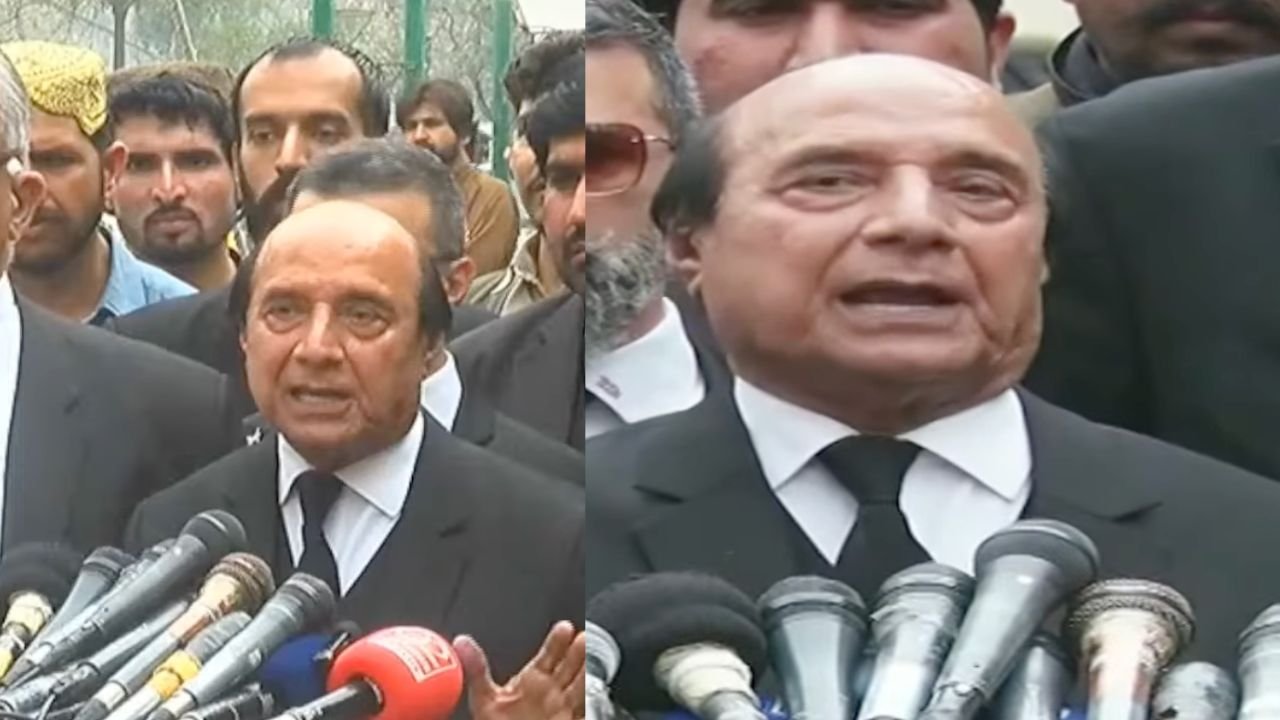
    Dozens of Pakistan Tehreek-e-Insaf (PTI) workers were reportedly arrested in Lahore amidst allegations of violent protests, prompting PTI leader Latif Khosa to vow continued demonstrations until their “mandate” is recognized.

    Speaking to the media in Lahore, Khosa emphasized the party’s singular demand for an audit of election results, stating that the government must address this issue before progress can be made.

    Khosa also called for the release of PTI founder Imran Khan, leaders, especially female leaders, and workers, asserting that the party will persist in its protests to defend the people’s right to self-governance and elect their representatives.
    “I will register an FIR against them for kidnapping. We’ll see how this government can run,” he said referring to police’s arrest of PTI workers as abduction.

    He asked the police to tell on whose order they were carrying out action against the political activists.
    Khosa revealed his own experience at the police station where he was detained for six hours, highlighting that although he wasn’t mistreated, he asserted his immunity as a sitting MNA against arrest without permission from the National Assembly speaker.

    Regarding the charges against PTI’s Salman Akram Raja for blocking roads, Khosa insisted that their protest was peaceful and demanded surveillance camera footage to verify if arteries were indeed obstructed.

    Earlier, around 40 PTI leaders and workers were booked under serious charges including terrorism, abduction, interference in public affairs, and harassment, following protests on Mall Road in Lahore against alleged election rigging.

    The FIR alleged that PTI leader Hafiz Farhat Abbas incited activists to damage public property and that Abbas, along with others, opened fire and assaulted a police constable.

    It claimed that PTI leader Hafiz Farhat Abbas incited the party activists to damage public properties. Henceforth, they damaged a government vehicle too, it added.

    Abbas along with four to five other unidentified persons opened fire and manhandled a police constable tearing his uniform, the FIR said adding police detained the PTI leader and recovered a pistol from him. The FIR mentioned that batons and clubs were recovered from 42 suspects arrested by police.

    Meanwhile, several PTI leaders, including Latif Khosa and Salman Akram Raja, were taken into custody during police actions in various cities as the party staged nationwide protests against alleged election manipulation and theft of its mandate in the recent elections.

    PTI supporters rallied in cities like Rawalpindi, Karachi, Kandhkot, and Tank, responding to the party’s call for demonstrations against what they perceive as electoral malpractice.

  • ‘It took me 12–13 years to make my place in PML-N’, says Maryam Nawaz

    ‘It took me 12–13 years to make my place in PML-N’, says Maryam Nawaz

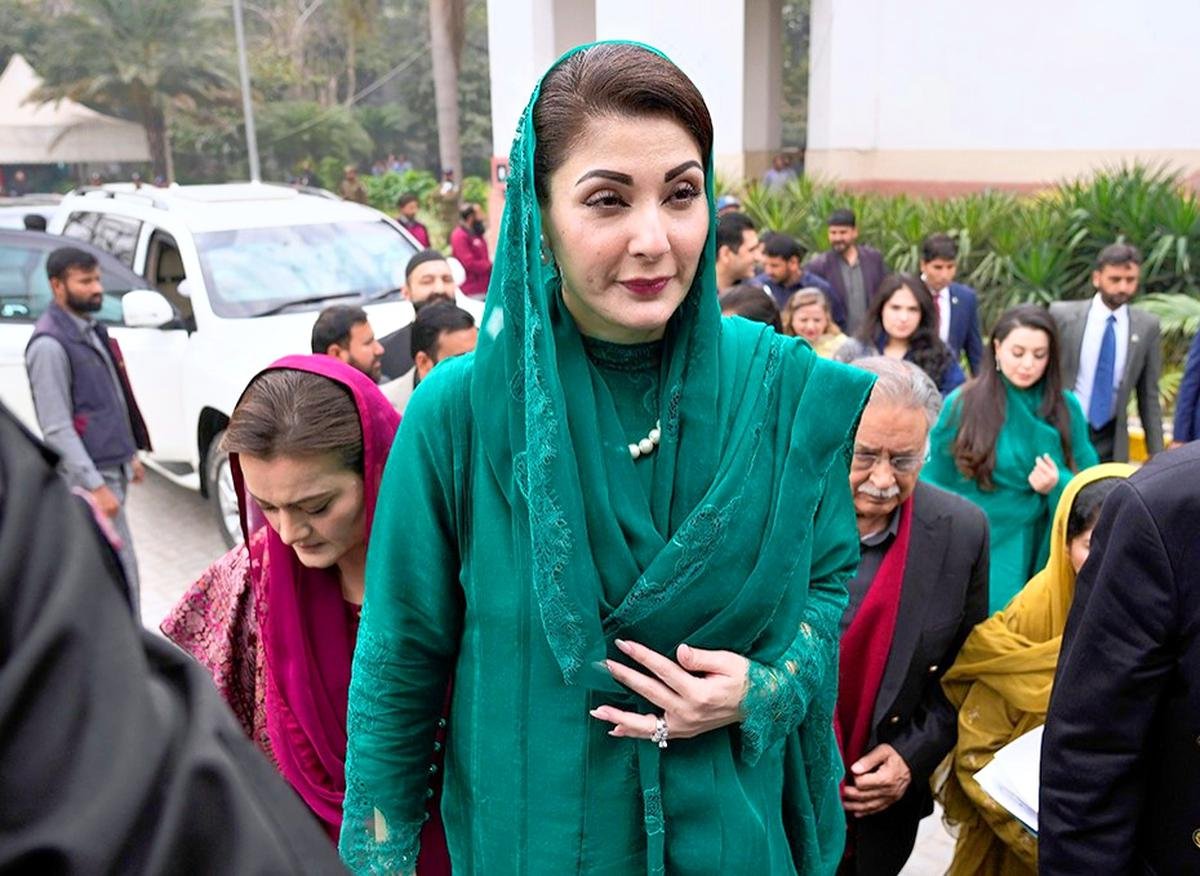
    Punjab Chief Minister Maryam Nawaz said on Friday that she struggled for 12 to 13 years to make her place in the male-dominated Pakistan Muslim League-Nawaz (PML-N).

    “My presence here is a message to mothers, daughters, and sisters that if you want to do something, then being a woman is not an obstacle in achieving your dreams,” Maryam said addressing an event related to the International Women’s Day in Lahore.

    The newly appointed chief minister expressed her wish for a woman to replace her in Punjab and also stated her desire for women to be elected to the chief executive’s office in other provinces as well.

    Maryam Nawaz took oath as the chief minister of an important province Punjab on February 26, and she is the first female chief minister in Pakistan.

    The PML-N vice president won the chief ministerial election after obtaining 220 votes in the provincial assembly.

  • PML-N, allies secure two-third majority in National Assembly

    PML-N, allies secure two-third majority in National Assembly

    The coalition government, led by Pakistan Muslim League-Nawaz (PML-N) and allies has secured a two-thirds majority in the National Assembly (NA) after the Election Commission of Pakistan (ECP) allocated them reserved seats but not to opponent Sunni Ittehad Council (SIC).

    A total of 224 seats out of 336 are a requirement for any government to secure a two-thirds majority in NA.

    Considering the current numbers, the Shehbaz Shairif-led coalition government — comprising Pakistan Peoples Party (PPP), MQM-Pakistan (MQM-P), Pakistan Muslim League-Quaid (PML-Q), Istehkam-e-Pakistan Party (IPP), Pakistan Muslim League-Zia (PML-Z), Balochistan Awami Party (BAP), and National Party (NP) —  has 230 members in the lower house. 

    The PML-N currently has 123 seats in NA, of which 75 are general seats, which the party won in the February 8 polls. After that, nine independent MNAs joined the party, taking the number to 84. However, PML-N secured 23 reserved seats, including 16 for women and 4 for minorities.

    Similarly, after the ECP ruling on the remaining reserved seats, the party got the lion’s share, bagging 15 out of the remaining 20 reserved seats for women and one out of the three remaining seats reserved for minorities. 

    The PML-N now has 123 members, becoming the largest party in the NA.

    On the other hand, the Pakistan Tehreek-e-Insaf (PTI)-backed SIC stands at the second position with 82 seats, PPP now has 73 seats, including 54 general seats, 16 women and another three reserved seats for minorities.

    Moreover, MQM-P stands at number four with a tally of 22 MNAs, including 17 general seats and five reserved seats — four women and one minority.

    IPP has four seats in the National Assembly, including three general and one reserved for women.

    Similarly, six political parties have one general seat, including BAP, Majlis Wahdat-e-Muslimeen (MWM), PML-Z, Balochistan National Party (BNP), Pashtunkhwa Milli Awami Party (PkMAP) and the National Party (NP).

  • Zulfiqar Ali Bhutto was not given a fair trial: Supreme Court

    Zulfiqar Ali Bhutto was not given a fair trial: Supreme Court

    A nine-member bench of the Supreme Court has reserved its verdict on the murder trial of PPP founder and former Prime Minister Zulfiqar Ali Bhutto.

    The Chief Justice of Pakistan, Qazi Faez Isa, has said on Wednesday, “The proceedings of the Lahore High Court and of the appeal by the Supreme Court of Pakistan don’t meet the requirement of the fundamental right to fair trial and due process enshrined in the articles 4 and 9 of the constitution.”

    “This court can’t reappraise the evidence and undo the decision of the case. However, in a detailed reason, we shall identify the major Constitutional and legal lapses that occurred with regard to fair trial and due process.”

    Talking to media outside the court, Bhutto’s grandson, PPP Chairman Bilawal Bhutto Zardari said that the court has acknowledged that his grandfather was not given a fair trial.

    What is the Zulfiqar Ali Bhutto case?

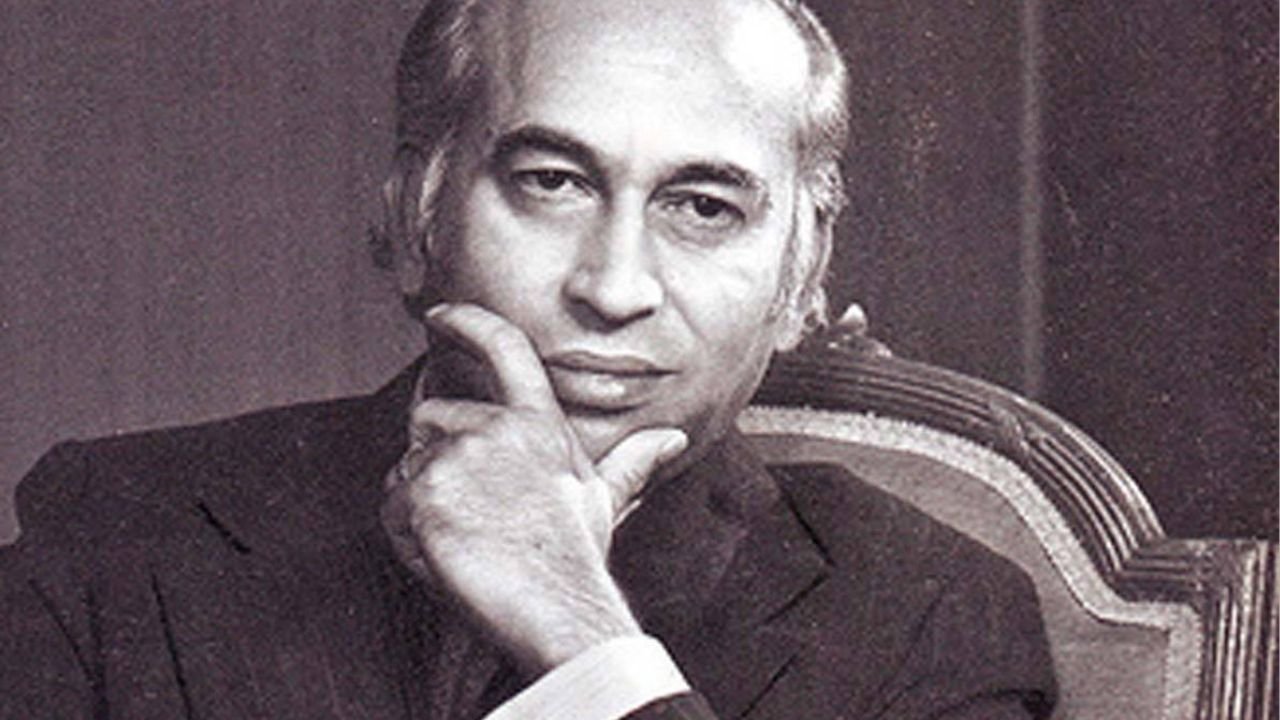
    Zulfiqar Ali Bhutto, the leader who saw his elected government toppled by General Zia-ul-Haq in 1977, faced a controversial trial resulting in his execution.
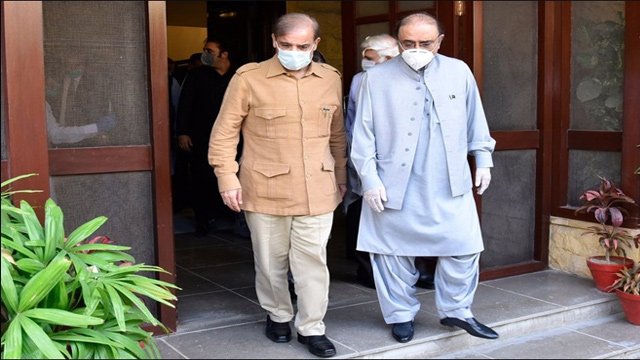
    Former president Asif Ali Zardari brought back the long-dormant presidential reference on the death sentence of the late Prime Minister Zulfikar Ali Bhutto.

    The reference, filed in 2011 under Article 186 of the Constitution of Pakistan, resurfaced as a 9-member Supreme Court bench, led by Chief Justice Qazi Faez Isa, took up the case on December 12.

    The reference is based on the assertion by former Supreme Court Chief Justice Naseem Hasan Shah that the trial bench was influenced by the Zia-ul-Haq government.

    It also questions the constitutionality of conducting the murder case in the Lahore High Court instead of the Sessions Court.

    Article 186 and the President’s right

    Article 186 of the National Constitution empowers the President to seek the Supreme Court’s opinion on matters of public importance.

    The current hearing revolves around five crucial questions posed by Asif Zardari, aiming to address issues related to human rights, judicial precedent, fairness of the death sentence, adherence to Quranic orders, and the sufficiency of evidence.
    Questions from presidential reference

    Asif Ali Zardari’s reference poses pivotal questions, challenging the legality and fairness of Bhutto’s trial:

    1. Were Bhutto’s human rights, as enshrined in the constitution, respected during the trial?
    2. Will the Supreme Court’s decision set a precedent for all high courts, as per Article 189?
    3. Was the death sentence impartial and free from bias?
    4. Does the death penalty align with Quranic principles?
    5. Was the evidence and testimony presented during the trial sufficient for conviction?

    What was the case?

    Bhutto, who served as President of Pakistan from 1971 to 1973 and later as Prime Minister until 1977, was at the center of a storm of controversy that ultimately cost him his life.

    The narrative begins with the fall of Dhaka in December 1971, which marked a significant turning point in Pakistan’s history. Following this, Bhutto rose to power, first as President and later as Prime Minister under the newly established 1973 Constitution.

    However, his reign was short-lived as General Zia-ul-Haq seized control through a martial law imposition on July 5, 1977.

    Bhutto’s troubles escalated when he was arrested on September 3, 1977, in connection with the murder of political opponent Nawab Muhammad Ahmad Khan Kasuri in March 1974.

    Despite being released just ten days later due to “contradictory and incomplete” charges, Bhutto found himself back behind bars, this time under martial law. His trial commenced on October 24, 1977, with allegations of conspiracy to murder hanging over his head.

    Masood Mahmood, the Director General of the Federal Investigation Agency, testified against Bhutto, claiming he had ordered Kasuri’s assassination.

    The trial was marred by interruptions and allegations of bias, culminating in Bhutto’s conviction for murder on March 18, 1978. Despite appeals and pleas for clemency, Bhutto’s fate was sealed when the Supreme Court upheld the verdict on February 6, 1979.

    The final blow came on March 24, 1979, when the Supreme Court dismissed Bhutto’s appeal, clearing the way for his execution. Bhutto’s appeal in the Supreme Court in front of a seven-member bench was dismissed with a 4-3 verdict against him in February 1979.

    General Zia-ul-Haq, who had been calling Bhutto a murderer throughout the trial, ordered his hanging on April 4, 1979, sparking widespread condemnation and accusations of judicial misconduct.

  • Iran executed ‘staggering total’ of 834 people last year, say rights groups

    Iran executed ‘staggering total’ of 834 people last year, say rights groups

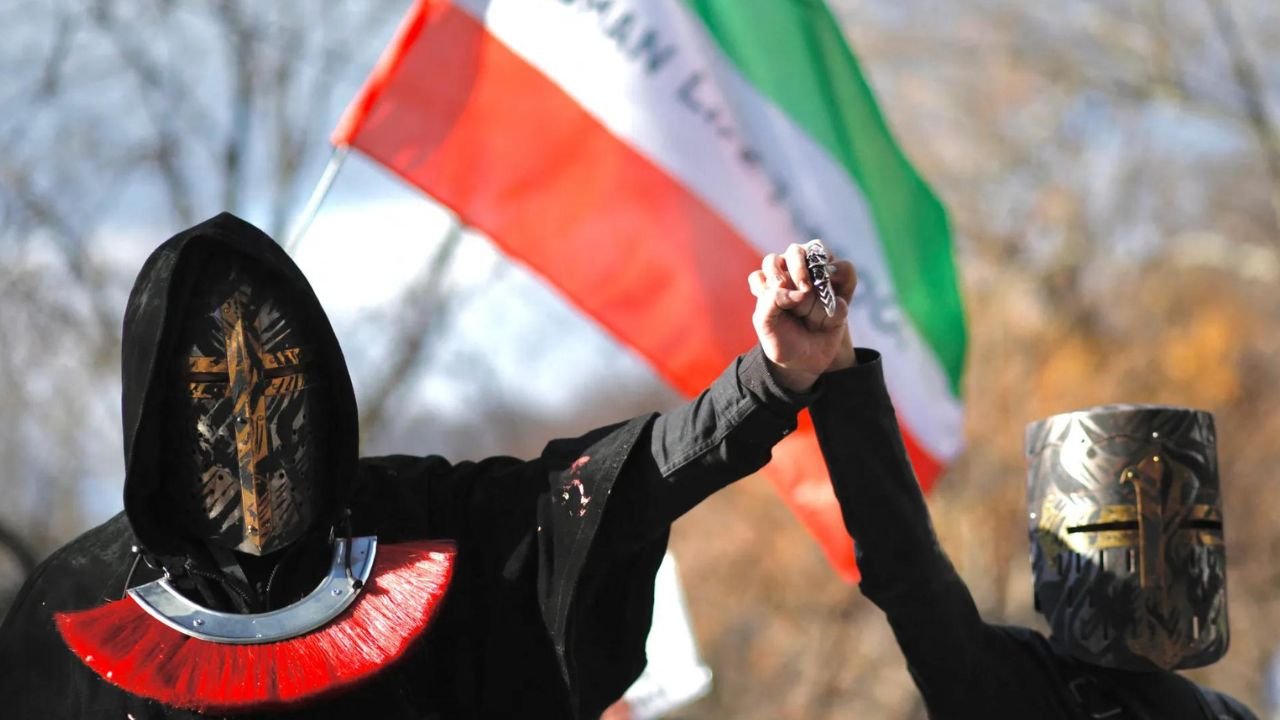
    Iran executed a “staggering” total of at least 834 people last year, the highest number since 2015 as capital punishment surged in the Islamic Republic, two rights groups said Tuesday.

    The number of executions, which Iran has carried out by hanging in recent years, was up some 43 percent on 2022.

    It marked only the second time in two decades that over 800 executions were recorded in a year, after 972 executions in 2015, Norway-based Iran Human Rights (IHR) and Paris-based Together Against the Death Penalty said in the joint report.

    The groups accused Iran of using the death penalty to spread fear throughout society in the wake of the protests sparked by the September 2022 death in police custody of Mahsa Amini that shook the authorities.

    “Instilling societal fear is the regime’s only way to hold on to power, and the death penalty is its most important instrument,” said IHR director Mahmood Amiry-Moghaddam in the report, which described the figure of 834 as a “staggering total”.

    Iran has executed nine men in cases linked to attacks on security forces during the 2022 protests –- two in 2022, six in 2023 and one so far in 2024 -– according to the rights groups.

    But executions have been stepped up on other charges, notably in drug-related cases, which had until recent years seen a fall.

    “Of particular concern is the dramatic escalation in the number of drug-related executions in 2023, which rose to 471 people, more than 18 times higher than the figures recorded in 2020,” said the report.

    Members of ethnic minorities, notably the Sunni Baluch from the southeast of Iran, are “grossly overrepresented amongst those executed” on drug-related charges, it said.

    At least 167 members of the Baluch minority were executed in total, accounting for 20 percent of the total executions in 2023, even though the minority accounts for only around five percent of Iran’s population.

    Wrong Signal

    ECPM director Raphael Chenuil-Hazan said the “lack of reaction” by the United Nations Office on Drugs and Crime (UNODC) was sending “the wrong signal to the Iranian authorities”.

    Most hangings in Iran are carried out within the confines of prison but the report said that in 2023 the number of hangings carried out in public in Iran tripled from 2022, with seven people hanged in public spaces.

    At least 22 women were executed, marking the highest number in the past decade, the report said.

    Fifteen of them were hanged on murder charges and NGOs have long warned that women who kill an abusive partner or relative risk being hanged.

    In 2023, only 15 percent of the recorded executions were announced by official Iranian media, with IHR confirming the other executions with its own sources.

    Amiry-Moghaddam expressed concern that a lack of international outrage at the executions, in particular with attention focused on the Gaza war between Israel and Hamas, was only encouraging the Islamic republic to carry out more hangings.

    “The inconsistency in the international community’s reaction to the executions in Iran is unfortunate and sends the wrong signal to the authorities,” he said.